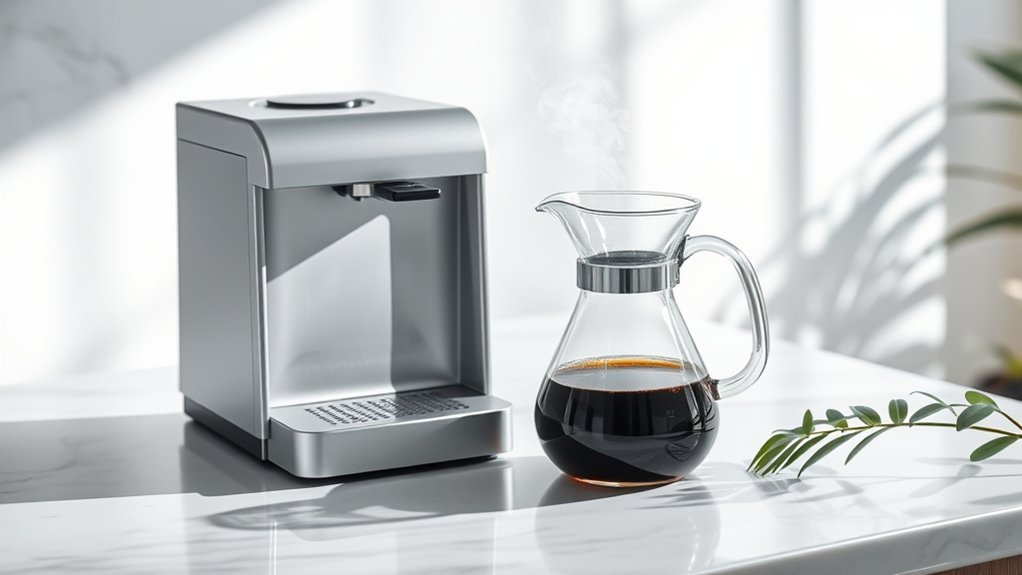
Filtered water is useful for many coffee makers, but it is not automatically better than clean tap water. The key is to match the water treatment to the problem. Chlorine and unpleasant odors call for taste-and-odor filtration, while heavy mineral scale requires hardness reduction. Your coffee maker’s own water requirements should always take priority.
Quick Answer
No—not every coffee maker requires filtered water. Clean, pleasant-tasting tap water can work well when its hardness is manageable and your machine allows it. Use carbon filtration for chlorine or odor problems and hardness-reducing treatment for scale. Avoid assuming distilled or highly demineralized water suits every machine.
Key Takeaways
- Filtered water is most useful when tap water has chlorine, chloramine, sediment, unpleasant flavors, or excessive hardness.
- Activated-carbon filtration mainly targets taste and odor; it does not automatically reduce calcium and magnesium hardness.
- Hardness, alkalinity, and mineral composition tell you more about brewing behavior than a TDS number alone.
- Distilled and very low-mineral reverse-osmosis water are discouraged by some coffee-machine manufacturers, so check your model’s instructions.
- Even with treated water, you still need normal cleaning, timely filter replacement, and any descaling required by the manufacturer.
Do Coffee Makers Need Filtered Water?
A coffee maker does not automatically need filtered water. Tap water is usually a reasonable option when it is safe to drink, tastes clean, has no objectionable odor, has manageable hardness, and meets the requirements in your coffee maker’s manual.
Filtered or treated water becomes more useful when you notice one or more of these problems:
- Chlorine or chloramine taste: A filter certified for the specific taste-and-odor reduction claim you need may improve the water. Not every carbon filter is certified for chloramine.
- Heavy white scale: You need treatment that actually reduces hardness rather than relying on a basic carbon-only filter.
- Sediment or discoloration: A suitable sediment filter may help, but unexplained changes in municipal water should also be reported to the water provider.
- Very low-mineral water: Distilled or heavily demineralized RO water can change coffee flavor and is discouraged by some machine manufacturers.
- A manufacturer requirement: Some espresso, pod, and automatic coffee makers specify water-hardness settings, compatible cartridges, or limits for the water placed in the reservoir.
For a current specialty-coffee benchmark, the 2026 World Brewers Cup uses a supplied-water target of 85 mg/L TDS, with an acceptable range of 50–125 mg/L. That is a competition reference, not a universal requirement for home coffee makers.
Which Water Should You Use in a Coffee Maker?
Start with the problem you are trying to solve. “Filtered” describes many different treatment methods, so the word alone does not tell you what the water filter actually removes.
| Your water situation | Good first option | Why |
|---|---|---|
| Tap water tastes clean and does not cause heavy scale | Tap water, if the machine permits it | No treatment is necessary simply because the water will be used for coffee. |
| Noticeable chlorine taste or odor | Certified activated-carbon filtration | Carbon filtration is commonly used to reduce chlorine and improve taste and smell. |
| Water utility uses chloramine | Filter specifically certified for chloramine reduction | A standard chlorine claim does not guarantee the same performance for chloramine. |
| Heavy scale forms quickly | Machine-approved hardness reduction, ion exchange, or appropriately blended RO | These treatments can lower scale-forming hardness; ordinary carbon filtration usually cannot. |
| Water is distilled or extremely low-mineral RO | Use only if the manufacturer allows it; otherwise use suitable remineralized or alternative water | Some machines and coffee recipes work better with a modest amount of dissolved minerals. |
| Private well water | Test safety first, then choose treatment based on the results | Coffee filtration should never substitute for testing and treating a potentially unsafe water source. |
Common Problems From Poor Water Quality in Coffee Brewing
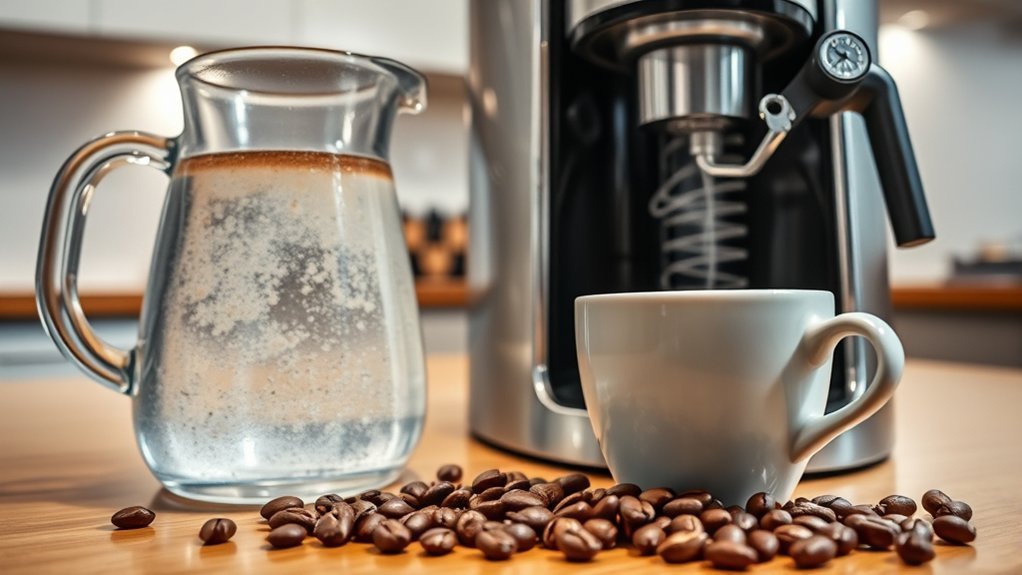
Water quality affects both your coffee and the parts inside your machine. Different water problems produce different symptoms, so identify the likely cause before buying a filter.
- Scale buildup: Calcium and magnesium compounds can collect on heating elements, boilers, thermoblocks, valves, and water passages.
- Slow brewing or reduced flow: Heavy scale can restrict narrow internal passages.
- Chlorine-like flavor: Disinfectant taste or odor may remain noticeable in brewed coffee.
- Flat or thin coffee: Extremely low-mineral water can produce a different extraction and flavor balance than mineral-containing water.
- Dull acidity: Excess alkalinity can buffer coffee acids strongly enough to make a naturally bright coffee taste muted.
- Harsh or unbalanced flavor: An unsuitable mineral profile can contribute, although grind size, ratio, temperature, roast, and brew time should also be checked.
- Inconsistent results: Seasonal or source changes in tap-water chemistry can alter the taste of the same beans and recipe.
Warning: A normal pitcher, refrigerator, or coffee-machine filter does not necessarily remove harmful germs or every chemical contaminant. During a boil-water, do-not-drink, or do-not-use advisory, follow local instructions. The CDC advises using the water source or treatment specified by local officials rather than assuming a coffee maker or household filter will make unsafe water safe. During a boil-water advisory, filtered tap water generally still needs to be boiled as directed.
Hard, Soft, and Low-Mineral Water: What You Need to Know
Water hardness mainly describes dissolved calcium and magnesium. These minerals influence brewing chemistry, but high levels can also leave mineral scale when water is repeatedly heated.
Soft water has relatively little calcium and magnesium. Naturally soft water is different from water produced by a traditional ion-exchange softener. A conventional softener commonly replaces calcium and magnesium ions with sodium or potassium rather than simply removing all dissolved material.
If your whole house uses ion-exchange softened water, do not assume it is automatically ideal for coffee. Taste the water, check its chemistry if possible, and follow your coffee maker’s limits. Some users may prefer a separate drinking-water treatment or another suitable water source when softened water tastes noticeably different.
Alkalinity describes how strongly the water can neutralize acids. For coffee flavor, alkalinity is generally more informative than starting pH alone because it determines how strongly the water buffers the acids extracted from coffee. The Specialty Coffee Association’s water research explains why excessive alkalinity can mute perceived acidity even when the water begins near neutral pH.
Total dissolved solids, or TDS, tells you how much dissolved material is present. It does not tell you what that material is. Calcium, magnesium, sodium, bicarbonate, chloride, and other dissolved substances can produce similar TDS readings while behaving very differently in a coffee maker.
Note: Do not use one TDS reading as a complete water-quality score. Two water samples can show the same TDS while having very different hardness, alkalinity, flavor, and scale potential.
As a specialty-coffee reference—not a universal household requirement—the current 2026 World Brewers Cup retains the same supplied-water targets shown in the 2025 competition water specifications: a TDS target of 85 mg/L with an acceptable range of 50–125 mg/L, calcium hardness target of 51 mg/L as calcium carbonate with an acceptable range of 17–85 mg/L, total alkalinity near 40 mg/L as calcium carbonate, pH from 6.5 to 7.5, and sodium near 10 mg/L. Your coffee maker may specify a different range.
| Water type | Potential benefits | Main cautions |
|---|---|---|
| Tap water | Convenient and may already contain a useful mineral balance for brewing. | Taste, disinfectant level, hardness, and alkalinity vary by location and sometimes by season. |
| Carbon-filtered water | Often reduces chlorine taste and odor when the filter has the appropriate certification or reduction claim. | Carbon-only filtration normally leaves most calcium and magnesium hardness in the water. |
| Ion-exchange softened water | Reduces scale-forming calcium and magnesium. | Traditional systems replace hardness minerals with sodium or potassium, which changes the water chemistry and may affect taste or machine compatibility. |
| Bottled water | Can provide repeatable water when its mineral composition remains consistent. | Some mineral waters are hard enough to create scale; water labeled “purified” may be very low in minerals. |
| Reverse-osmosis water | Removes a broad range of dissolved material and gives you a predictable starting point for blending or remineralization. | Very low-mineral RO water is discouraged by some machine manufacturers unless minerals are added back or the water is blended appropriately. |
| Distilled water | Contains very little scale-forming mineral content. | Contains almost no brewing minerals and is specifically discouraged for some coffee makers. Check the manual before using it. |
How Water Quality Affects Coffee Flavor and Aroma
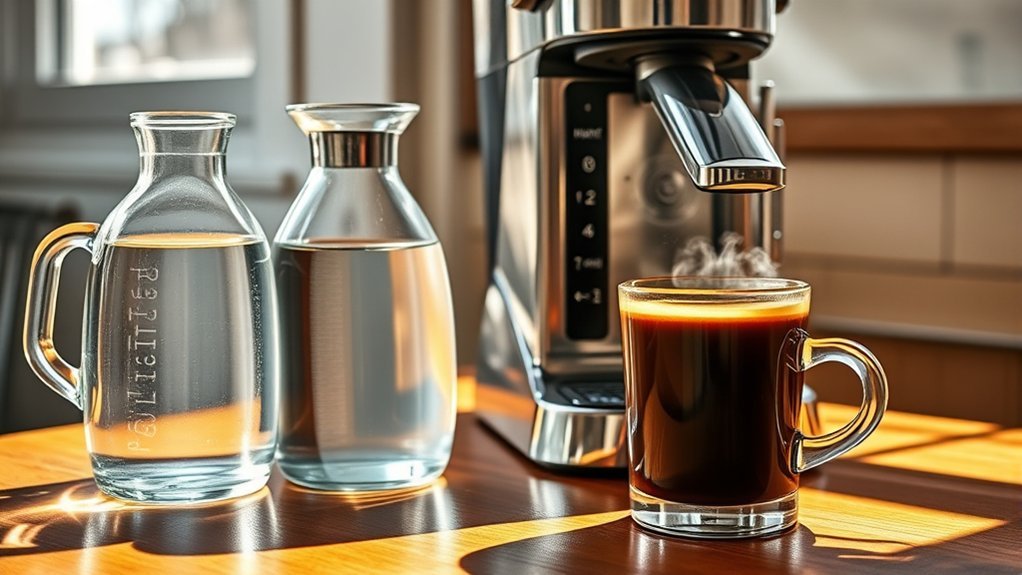
Brewed coffee is mostly water, so noticeable odors and dissolved minerals can influence the final cup. If your cold water has a strong chlorine, metallic, sulfur, earthy, or musty character, that flavor problem deserves attention before you start changing the coffee recipe.
Calcium and magnesium interact with compounds extracted from coffee, while alkalinity buffers coffee acids. A high level of buffering can make a naturally bright coffee seem duller. At the other extreme, very low-mineral water can produce a cup that tastes thin, sharp, or otherwise different from the same coffee brewed with moderate-mineral water.
Hardness does not reliably make coffee stronger or increase caffeine content. Coffee strength and caffeine concentration depend more directly on the coffee dose, water ratio, bean type, grind, contact time, extraction, and brewing method.
Chlorine and other noticeable odors can compete with delicate coffee aromas. An appropriate taste-and-odor filter can help when disinfectant flavor is the main problem, but it may do little for scale unless the filter also includes a hardness-reduction technology.
Does the Type of Coffee Maker Change the Best Water Choice?
Yes. The right water can depend on the machine as much as the coffee.
Drip Coffee Makers
For many conventional drip brewers, pleasant-tasting tap or filtered water works well. The main concerns are off-flavors and mineral scale on the heater. However, do not assume distilled or RO water is universally safe just because scale is low; some brewer manufacturers advise against highly demineralized water.
Pod and Capsule Machines
Pod machines may use an in-tank cartridge, descale alert, or manufacturer-specific maintenance schedule. If the machine has a replaceable filter, follow its capacity or replacement interval instead of adding an unrelated universal schedule.
Espresso and Superautomatic Machines
Espresso and bean-to-cup machines often require closer attention to hardness because boilers, thermoblocks, valves, and narrow passages can accumulate scale. Many models also ask you to measure water hardness and enter the result so the machine can calculate an appropriate descaling schedule.
If your espresso machine specifies a proprietary filter, maximum hardness level, minimum mineral level, or particular water source, follow that specification rather than a general coffee-water target.
What Is the Best Water Filter for Brewing Coffee?
The best filter is the one that treats your actual water problem without unnecessarily stripping or changing the water. Start with your local water information, a hardness measurement, and the instructions for your coffee maker.
For Chlorine Taste and Odor
An activated-carbon pitcher, faucet filter, refrigerator filter, or under-sink filter may be enough. The CDC explains that NSF Standard 42 applies to taste-and-odor filtration. Check the exact reduction claims on the product rather than assuming all filters bearing the same general technology remove the same substances.
If your water utility uses chloramine instead of free chlorine, look specifically for a filter certified or rated for chloramine reduction. A chlorine-reduction claim alone should not be treated as proof of equivalent chloramine performance.
Do not assume that every carbon filter reduces lead, PFAS, nitrates, microorganisms, or hardness. Check the certification and performance data for the exact model.
For Hard Water and Scale
A carbon-only filter usually does not solve heavy scale. Depending on the machine and source-water chemistry, you may need an ion-exchange cartridge, a hardness-reduction filter, a blended reverse-osmosis system, or another treatment approved by the manufacturer.
The EPA’s guide to home water-treatment systems shows that filtration, ion exchange, reverse osmosis, and other technologies perform different jobs. Choose treatment for the problem you have rather than shopping by the word “filtered.”
For Reverse-Osmosis Water
Reverse osmosis removes a broad range of dissolved substances. It can be useful when source water is extremely hard or when an RO system is specifically certified to address a contaminant of concern.
The drawback is that the treated water may be very low in minerals. Depending on the coffee maker, you may need remineralization, controlled blending, or another manufacturer-approved approach. Some machines specifically discourage very low-mineral RO or distilled water, so check before filling the reservoir.
RO systems also produce a reject-water stream and require membrane and filter maintenance. If buying a system mainly for coffee, consider whether simpler treatment can solve the actual problem first.
For Bottled Water
Bottled water is not automatically better than tap water. When mineral information is available, check calcium, magnesium, bicarbonate or alkalinity, sodium, and overall mineral content. Avoid heavily mineralized water when scale is already a problem, and do not assume water labeled “purified” contains an ideal mineral balance for coffee.
Pro Tip: Before buying an expensive filtration system, brew the same coffee twice: once with your usual water and once with a suitable low-to-moderate-mineral bottled water. Keep the coffee dose, grind, water ratio, temperature, and brew time the same. A clear difference gives you useful evidence that your water is affecting flavor.
How to Test Your Water for Coffee Brewing
- Read your local water-quality report. In the United States, community water systems publish Consumer Confidence Reports that explain the water source and regulated-contaminant results. Hardness may require a separate utility lookup or home test because it is not necessarily a headline item in every report.
- Test private-well water for safety. If you use a private well, test it as recommended for harmful germs and chemicals before worrying about specialty-coffee mineral targets.
- Check hardness. Use a fresh hardness strip or drop-based test. Test the exact water you plan to put in the machine, including water that has passed through a filter or softener.
- Measure alkalinity when flavor matters. Alkalinity tells you more about acid buffering than pH alone.
- Use a TDS meter only as a screening tool. It can show that the amount of dissolved material changed, but it cannot identify which substances caused the reading.
- Notice sensory clues. Smell and taste the water cold. Chlorine, sulfur, metallic, earthy, or musty notes can remain noticeable after brewing.
- Check the machine manual. Follow any hardness limits, water-source warnings, cartridge requirements, hardness-setting instructions, and descaling procedure for your model.
Note: Taste and smell are useful for coffee quality but are not reliable tests of drinking-water safety. Harmful contaminants can be present without changing the water’s appearance, smell, or flavor.
Essential Tips for Maintaining Your Coffee Maker and Water Quality
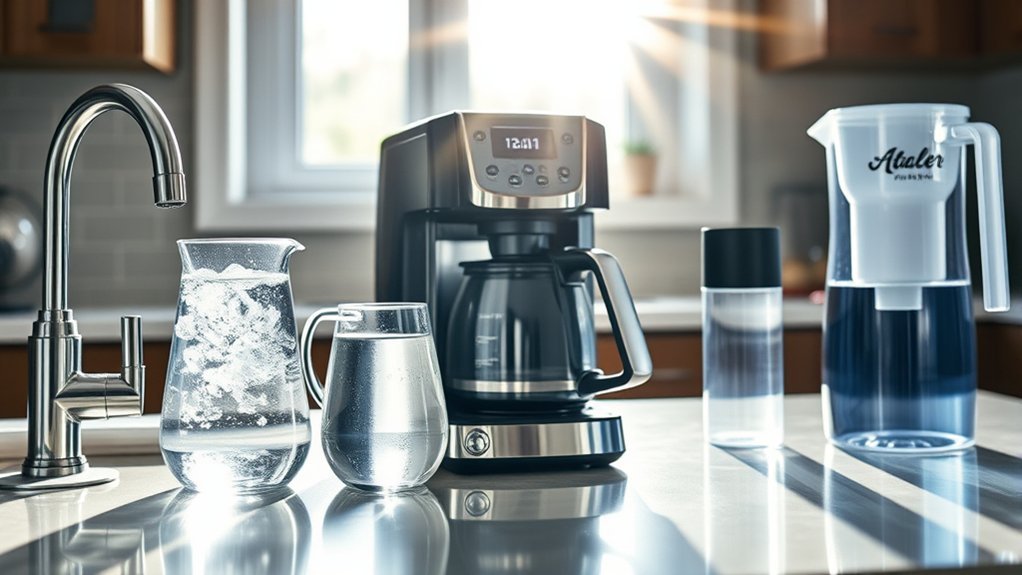
Better water can reduce some maintenance problems, but it does not replace routine cleaning. Coffee oils, fine grounds, standing moisture, and mineral scale require different maintenance steps.
- Wash removable parts regularly. Clean the carafe, brew basket, reusable filter, drip tray, and removable water tank as directed by the manual.
- Use fresh reservoir water. When the manufacturer recommends fresh water for each brew, avoid leaving water sitting in the tank for long periods.
- Replace filters by capacity or schedule. Follow the cartridge or machine instructions rather than assuming every filter lasts two or three months.
- Retest when the water changes. A new cartridge, whole-house softener setting, bypass adjustment, or remineralization stage can change hardness and taste.
- Program hardness correctly. If the coffee maker has a hardness setting, enter the value for the water you actually use. Some machines calculate descaling frequency from this setting.
- Descale when required. Use the machine alert, tested hardness, visible scale, or manufacturer schedule.
- Use an approved descaler. Do not assume vinegar is safe for every machine, boiler, seal, coating, or warranty.
- Rinse thoroughly. Complete every rinse cycle required after cleaning or descaling.
Filtering does not automatically eliminate descaling. Even De’Longhi’s water-quality guidance emphasizes both suitable mineral content and regular machine cleaning. Your own model’s manual should take priority over a general internet water recipe.
Coffee-Water Troubleshooting
| Symptom | Possible water-related cause | What to do |
|---|---|---|
| White flakes or crust | Mineral scale from hard water | Test hardness, descale as directed, and consider an appropriate hardness-reduction treatment. |
| Swimming-pool or chemical taste | Chlorine or another taste-and-odor problem | Try a filter with the appropriate certified reduction claim and replace its cartridge on schedule. |
| Chloramine taste remains after filtering | Filter is designed for chlorine but not adequately rated for chloramine | Check your utility’s disinfectant and use a filter specifically rated for chloramine reduction when necessary. |
| Coffee tastes flat or muted | Very low mineral content or excessive alkalinity | Compare with suitable moderate-mineral water and check whether RO water needs an approved remineralization or blending approach. |
| Coffee tastes harsh or unbalanced | Mineral balance may be unsuitable, or the problem may be the grind, dose, ratio, time, temperature, or coffee itself | Test another suitable water source first, then adjust one brewing variable at a time. |
| Brewing becomes slow or noisy | Scale may be restricting internal flow | Run the approved descaling procedure. Seek service if the problem remains afterward. |
Frequently Asked Questions
Can tap water be used for coffee brewing?
Yes. Tap water can work well when it is safe to drink, tastes and smells clean, has manageable hardness, and meets the coffee maker manufacturer’s requirements. Treat it when chlorine, chloramine, sediment, excessive hardness, or another identified problem affects the cup or machine.
How often should I change my coffee maker’s water filter?
Follow the interval or rated water capacity in your machine manual or cartridge instructions. Filter life depends on the filter design, water chemistry, daily use, and whether the machine tracks cartridge life. Replace it sooner when required by the manufacturer or when its rated capacity has been reached.
Does filtered water mean I never need to descale?
No. Carbon-filtered water can still contain most of its original calcium and magnesium hardness, so scale may continue to form. Even with hardness-reducing or RO treatment, follow your machine’s maintenance instructions and hardness setting rather than assuming descaling is permanently unnecessary.
Does bottled water work for coffee brewing?
Yes, but mineral content varies widely by brand. A suitable low-to-moderate-mineral water may provide consistent results. Heavily mineralized water can create scale, while distilled or highly purified bottled water may contain fewer minerals than your coffee or machine performs best with.
Is distilled water safe for coffee makers?
Not for every model. Distilled water contains almost no brewing minerals, and some coffee-maker manufacturers specifically advise against using it. Check your manual before filling the reservoir with distilled or similarly demineralized water.
Can I use reverse-osmosis water in a coffee maker?
Yes when your manufacturer permits it, but very low-mineral RO water may not be the best choice for every coffee or machine. Depending on the equipment, an approved remineralization stage, controlled blend, or different water source may be more suitable.
Can I use water from a whole-house softener?
Possibly. Traditional ion-exchange softeners reduce calcium and magnesium by replacing them with sodium or potassium. That reduces scale risk but changes the water chemistry. Taste the water, check your machine’s limits, and use another suitable source if the manufacturer advises against the softened water you have.
Does hard water make coffee stronger or more caffeinated?
No reliable rule says hard water increases caffeine content or automatically makes coffee stronger. Mineral composition can affect extraction and flavor perception, but caffeine concentration and beverage strength depend more on the beans, dose, ratio, grind, contact time, extraction, and brewing method.
Can water temperature affect coffee extraction?
Yes. Temperature changes the rate and balance of extraction. Water that is too cool for a particular recipe can under-extract the coffee, while higher temperatures can increase extraction. Use your brewer’s recommended range and adjust temperature together with grind, ratio, and brew time rather than treating temperature as the only variable.
Conclusion
Coffee makers do not universally require filtered water. If your tap water is safe, tastes neutral, has manageable hardness, and meets the machine manufacturer’s requirements, it can be perfectly suitable. Use activated carbon when taste and odor are the problem, and use genuine hardness-reducing treatment when scale is the problem.
Do not judge brewing water by TDS alone, and do not assume distilled, RO, bottled, softened, or “filtered” water is automatically better. Test the water you actually use, set the machine’s hardness level correctly when applicable, replace filters according to their rated life, and follow the manufacturer’s descaling instructions.
Sources
- Specialty Coffee Association — Water and Coffee Acidity — explains alkalinity, pH, hardness, brewing ratios, flavor, and technical water considerations.
- Specialty Coffee Association Korea — Brewers Cup Water Specifications — provides the competition reference values for TDS, calcium hardness, alkalinity, chlorine, sodium, and pH; the 2026 World Brewers Cup retains the same supplied-water targets.
- CDC — About Choosing Home Water Filters — explains matching filtration to a specific concern, NSF certifications, taste-and-odor filters, and private-well testing.
- EPA WaterSense — Guide to Selecting Water Treatment Systems — compares filtration, reverse osmosis, and other home water-treatment technologies.
- CDC — Drinking Water Advisories — supports the safety guidance for boil-water, do-not-drink, and do-not-use advisories.
- De’Longhi — The Importance of Water Quality — provides manufacturer guidance on mineral content, distilled water, filtration, cleaning, and scale.
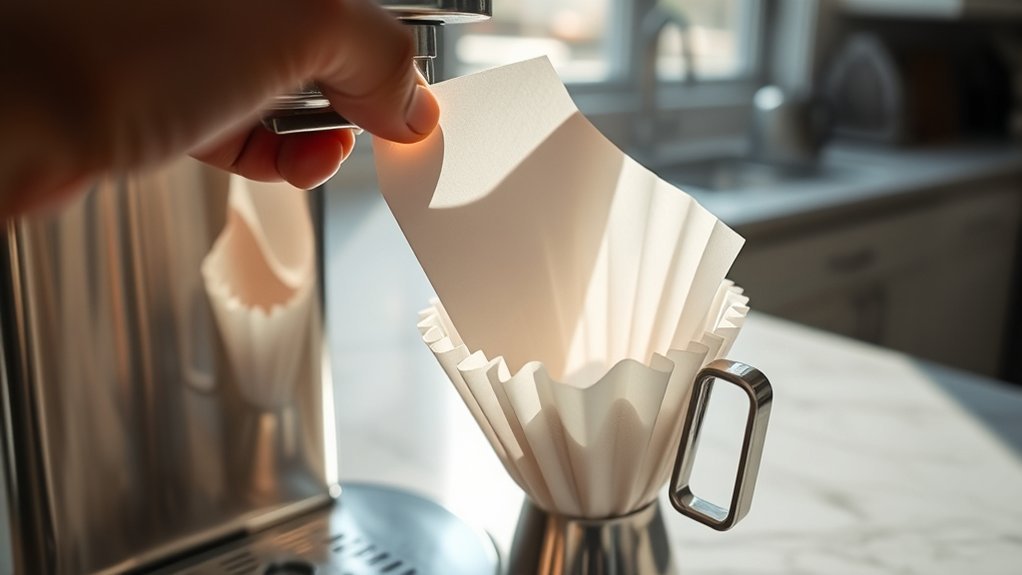

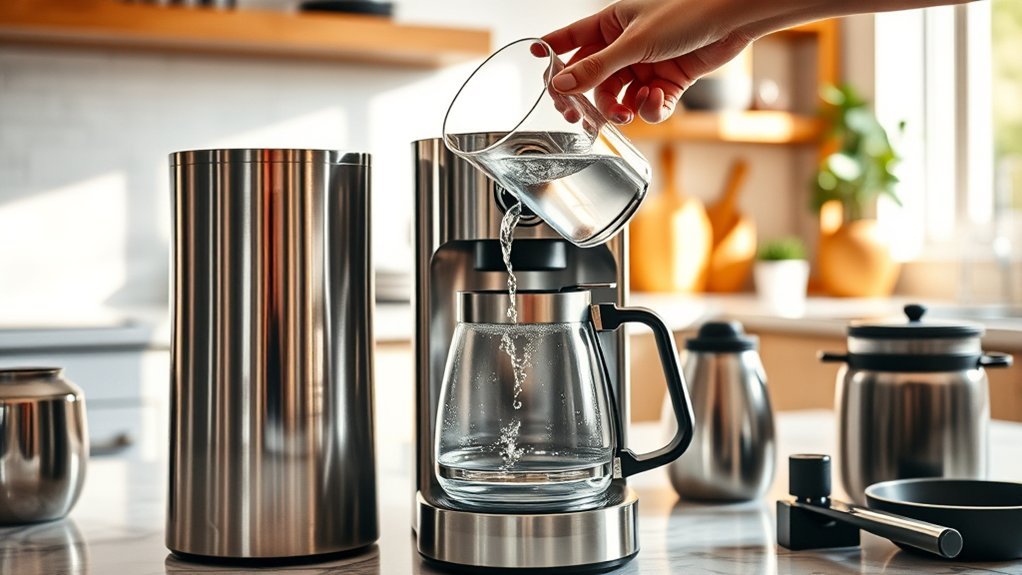
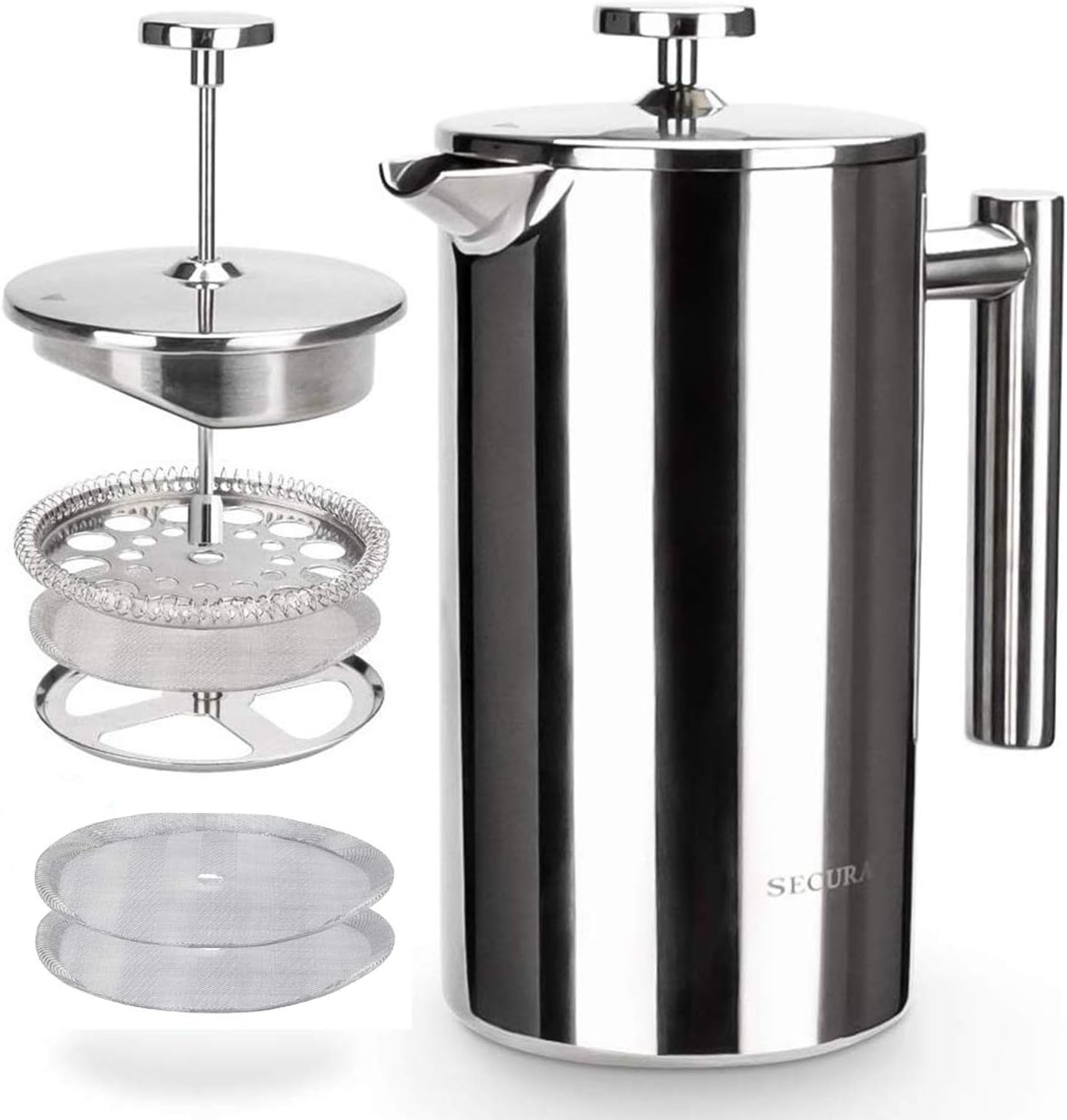
[…] Note: Use water that meets both your brewer manufacturer’s instructions and your taste needs. Do not assume a built-in charcoal filter softens water unless its documentation specifically says it reduces calcium and magnesium hardness. For a broader comparison, see Do Coffee Makers Need Filtered Water? […]