Paper coffee filters are easy to use once you match the filter to your coffee maker. The correct setup depends on the brewer’s basket shape, capacity, and manufacturer instructions. Most filter problems—overflow, torn paper, grounds in the carafe, or weak coffee—come from using the wrong size, adding too much coffee, or using a grind that is too fine.
Quick Answer
Check your coffee maker’s manual for the correct filter shape and size. Place one filter in the basket, folding only its factory-crimped seams when the filter instructions call for it. Seat it fully against the basket walls, add the recommended amount of ground coffee, and brew. Never cut or trim the paper to force a fit.
Key Takeaways
- Match the exact filter shape (cone, flat-bottom basket, or fluted) and size to your specific brewer.
- Fold factory-crimped seams on cone filters along the manufactured lines to prevent basket blowouts and help the paper sit flush.
- Never cut, staple, or double up paper filters, as this restricts flow and triggers basket overflows.
- Rinsing filters with hot water is helpful for manual pour-overs to eliminate papery notes, but optional for automatic drip machines.
- Compost plain paper filters and coffee grounds in home compost bins; avoid putting soiled paper in municipal recycling streams.
At a Glance
| Time Required | About 2 minutes of preparation, plus normal brewing cycle |
| Difficulty | Easy |
| Tools Needed | Coffee maker or dripper, correctly sized paper filter, ground coffee, fresh water, and a scale or scoop |
| Cost | $0.02 to $0.15 per filter, plus coffee and water |
Choose the Right Paper Coffee Filter
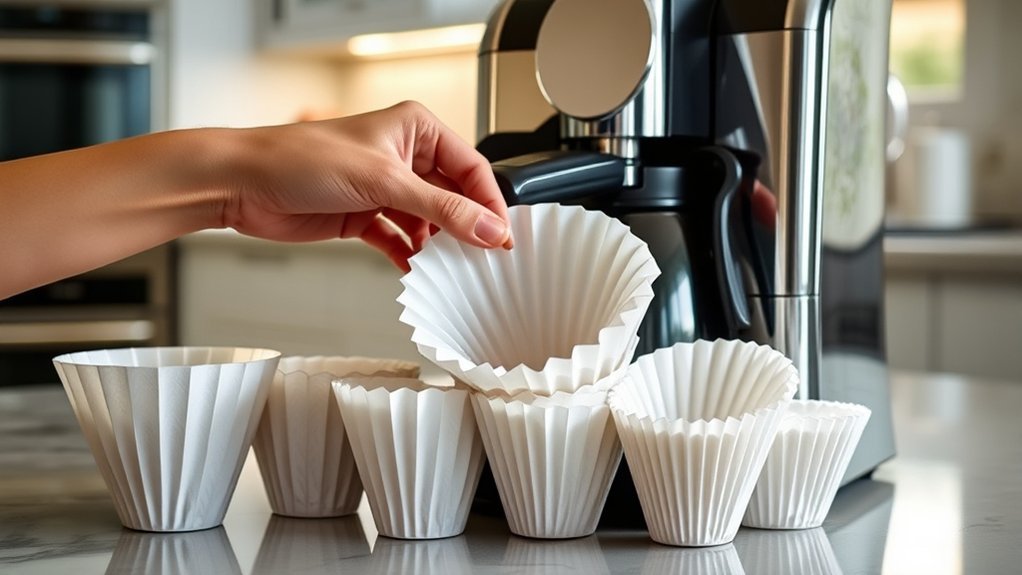
The right filter must match both the shape and capacity of the brew basket. A filter that is too small can collapse or allow coffee grounds to spill over its edge. A filter that is too large will wrinkle, block the showerhead, or prevent the lid from closing securely.
Check the coffee maker’s user guide or the markings stamped into the brew basket before purchasing replacement filters. Do not rely solely on the cup count listed on a box, as cup definitions vary significantly between manufacturers.
| Filter Type | Common Brewer Compatibility | What to Check |
|---|---|---|
| #2 Cone | 4–6 cup electric cone brewers and single-cup pour-over drippers | Ensure the basket requires a pointed or wedge cone. For example, Melitta’s one-cup porcelain dripper specifies #2 or #4 filters depending on cup yield. |
| #4 Cone | 8–12 cup cone coffee makers and medium pour-over setups | Melitta lists its #4 filters for standard full-size cone brewers. Specific machines, including OXO’s 9-cup model, require standard #4 cone filters. |
| V60 (01, 02, 03) | Hario V60-style conical 60° drippers | Conical 60-degree angle with a sharp point. Match size 01 (1 cup), 02 (1–4 cups), or 03 (1–6 cups) to your dripper model. |
| Flat-Bottom Basket | Traditional 8–12 cup automatic drip machines (Mr. Coffee, Bunn, Cuisinart) | Features fluted, accordion-style walls with a wide, flat circular base. Match base diameter and wall height to the machine basket. |
| Wave / Fluted Flat-Bottom | Kalita Wave and geometric flat-bottom pour-overs | Match sizes (155 vs 185) carefully to avoid crushing the outer wave pleats during insertion. |
| Bonded Square / Circle | Chemex pour-over brewers | Heavier specialty paper folded into a cone. The three-layer folded side must always face the pour spout. |
Note: Filter numbering systems are format-specific rather than universal across all brands. A #4 cone filter will not fit a flat-bottom basket or a Chemex brewer properly.
Power your essentials anywhere with a 999Wh pure sine wave power station delivering up to 1000W continuous with 2000W surge. It supports fast charging via USB-C PD 60W and USB-A QC 18W, plus simultaneous output for multiple devices through AC, USB, wireless, and car/DC ports. Recharge using AC, car, or solar with a built-in MPPT controller and dual cooling fans, while the upgraded battery management system protects against surges, short circuits, and overheating.

FLAVOR-ENHANCING MICROFINE PERFORATIONS: Unlock the full, rich flavor of your coffee with Melitta’s signature Microfine Flavor Enhancing Perforations for a superior brewing experience.

102 white #4 cone coffee filters; fit most 8-12 cup cone coffeemakers
Prepare the Filter Correctly
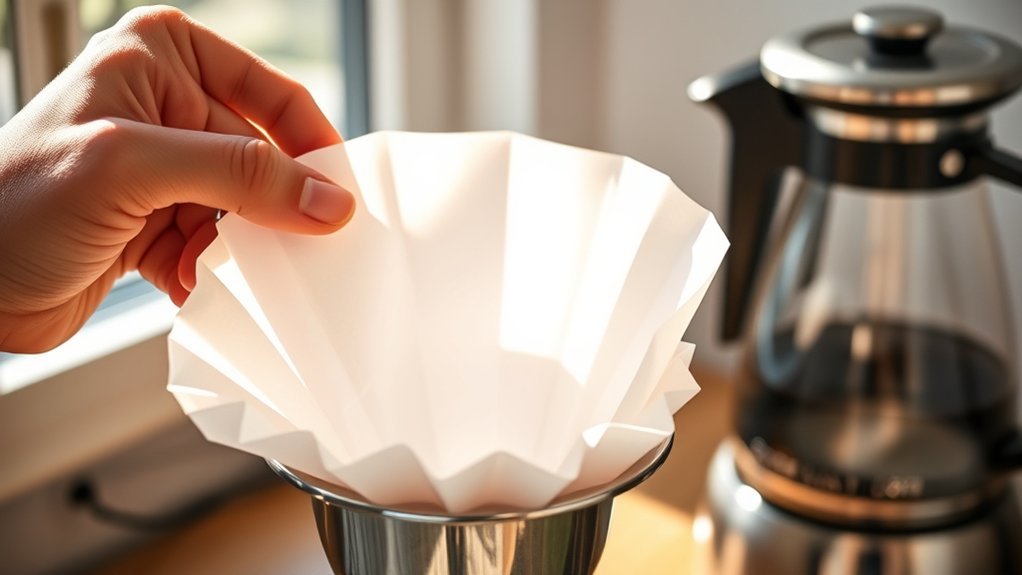
Clean and dry your hands before handling filters. Check the paper for tears, split seams, foreign odors, or moisture damage before placing it into the brewer.
Fold the Factory Seams on Cone Filters
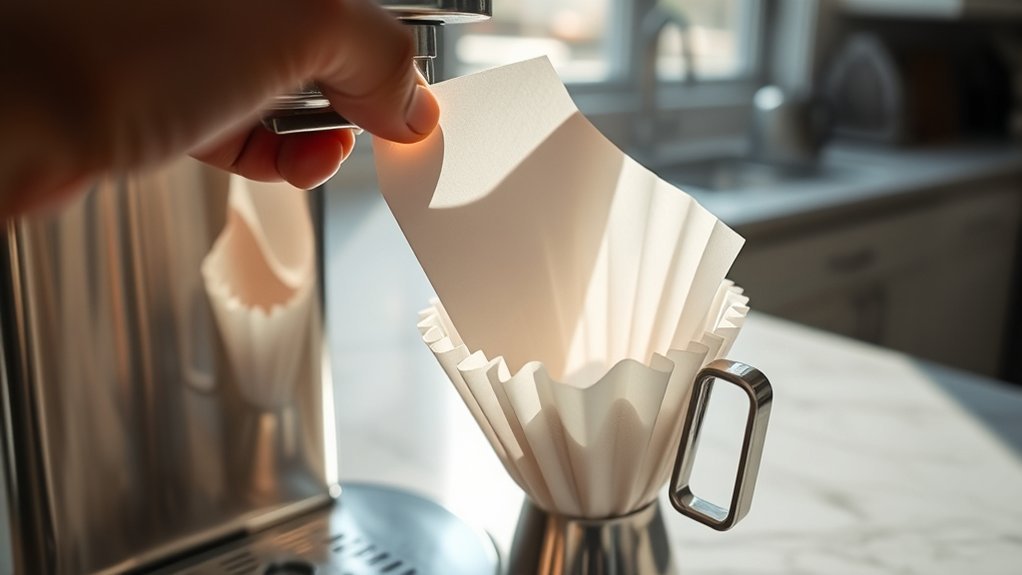
Most cone paper filters feature crimped, mechanically embossed edges rather than glue. Folding these seams reinforces the structure, prevents seam rupture during brewing, and helps the paper sit flush against the basket walls.
- Locate the embossed crimp line along the side and bottom edges of the filter.
- Fold the bottom seam upward along the crimped line.
- Fold the side seam in the opposite direction along its crimped line to balance thickness.
- Gently separate the top edges to open the cone without tearing the bottom fold.
- Insert the filter into the basket and press lightly against the walls so it sits evenly.
- Verify that the top edge rests below the basket rim.
Melitta’s official pour-over guidelines specify pre-folding the factory seams before placing the filter into the cone to maintain structural integrity.
Warning: Never cut or trim a paper filter with scissors to force it into a smaller basket. Trimming severs the reinforced perimeter, causing the paper to collapse and allowing coffee grounds to pour into your carafe.
Place Basket Filters Without a Cone Fold
Standard flat-bottom basket filters do not have crimped seams and should not be folded. Place the filter flat on the base of the basket and expand the pleated sides evenly around the basket perimeter.
If the pleated sides lean inward, secure the edges with your fingers while adding the initial scoop of coffee grounds. The weight of the coffee will hold the filter upright. Never use staples, adhesive tape, or clips to secure a coffee filter.
Decide Whether to Rinse the Filter
Rinsing paper filters with hot water before brewing serves two purposes: it washes away residual paper fibers and warms the brewing equipment. Hario’s dripper brewing guides recommend pre-wetting paper filters with hot water before adding coffee grounds.
- Manual Pour-Over: Place the filter in the dripper, rinse thoroughly with hot water over a sink or server, and discard all rinse water before adding ground coffee.
- Automatic Drip Brewers: Pre-rinsing is optional. If you choose to rinse, do so over the sink to prevent cool rinse water from pooling in the carafe or contacting the warming plate.
Brewing Coffee With a Paper Filter: Step by Step
Follow these steps to ensure balanced extraction and prevent basket overflows when using paper filters:
- Inspect the brew basket. Confirm that the basket, filter carrier, anti-drip valve, and carafe lid are clean and properly aligned.
- Add fresh, cold water. Fill the reservoir with filtered water up to your desired cup volume without exceeding the maximum fill line.
- Insert one paper filter. Seat the filter firmly against the bottom and sides of the basket, making sure the top rim does not fold inward.
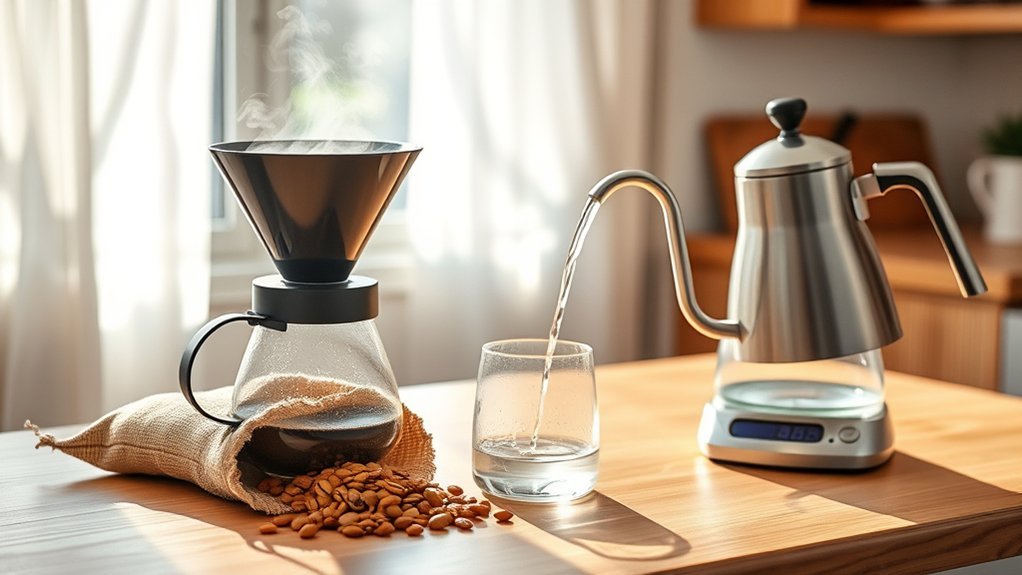
- Measure ground coffee accurately. For automatic drip machines, follow the manufacturer’s suggested dose (typically 1 to 2 level tablespoons per 6 oz cup). For pour-overs, a 1:15 to 1:17 coffee-to-water ratio (e.g., 30 grams of coffee to 500 grams of water) provides an ideal starting balance.
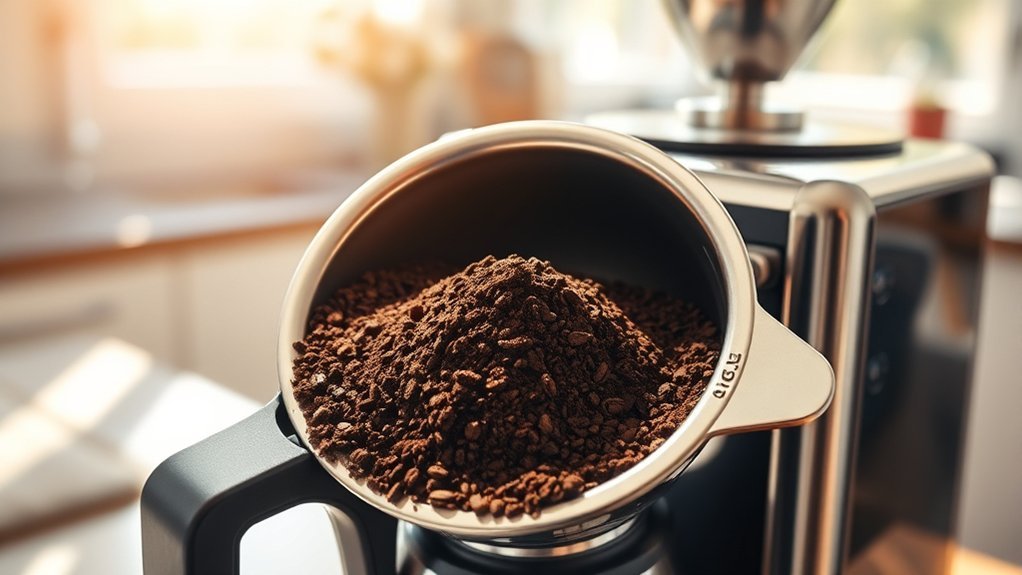
- Select the correct grind size. Use a medium grind (resembling kosher salt) for automatic drip brewers, and a medium-fine grind for conical pour-overs. Avoid espresso-fine grinds, which choke paper pores.
- Level the coffee bed. Gently tap or shake the brew basket to distribute the grounds evenly. Never tamp or press down on the grounds in a drip brewer.
- Center the carafe. Ensure the carafe is placed directly beneath the basket to engage the anti-drip stopper.
- Start the brew cycle. For pour-over, pour a small amount of hot water (about double the coffee weight) to let the coffee bloom for 30–45 seconds before finishing the pour in steady, concentric circles.
- Safely remove the spent filter. Once all water has drained through and the basket has cooled slightly, lift the filter by its dry top edges and compost or discard it immediately.
Warning: Coffee makers produce scalding water and pressurized steam. Never open the brew basket lid or slide out the filter tray during an active brew cycle. The OXO 9-Cup Coffee Maker user manual specifically warns against opening or removing the brew basket while the machine is running.
Are Inexpensive or Dollar-Store Filters a Smart Choice?
Budget-friendly paper filters can brew excellent coffee provided they match your brewer’s dimensions and are manufactured from food-grade paper pulp. Price alone does not dictate brew quality.
When evaluating low-cost paper filters, verify:
- Exact sizing: The filter must match standard industry sizes (#2, #4, 8–12 cup basket) rather than irregular dimensions.
- Seam durability: Crimped seams should be uniform and tight, with no separation along the fold line.
- Purity and scent: Inspect the package for chemical or stale cardboard odors, which can transfer to the cup.
- Flow consistency: If budget filters cause water to back up despite a standard grind, their paper density may be too restrictive.
Test a small pack before buying in bulk. A properly fitting generic filter will outperform a premium, brand-name filter of the wrong size or shape.
Avoid These Common Paper Coffee Filter Mistakes
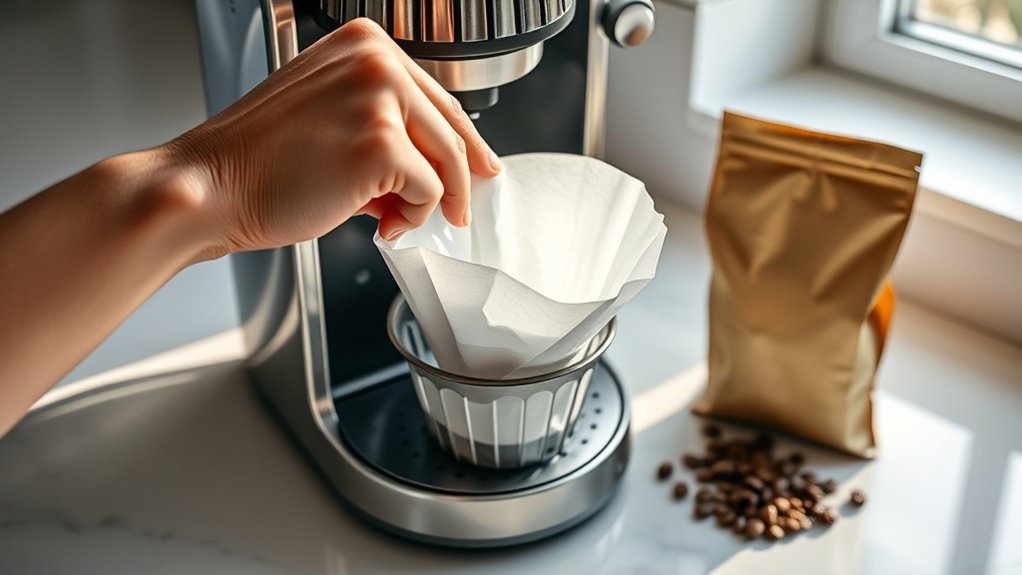
Using the Wrong Filter Size or Shape
Inserting a cone filter into a flat basket—or forcing a small #2 filter into a 12-cup machine—causes structural failure. Water will flow around the paper instead of through it, carrying loose grounds straight into the carafe.
Cutting or Overfolding the Paper
Trimming the paper weakens seam crimping, while folding excessive paper layers creates thick ridges that disrupt even water saturation and slow down drainage. Fold only the manufactured seams.
Using Two Filters
Layering two paper filters together does not make coffee cleaner; it creates excessive flow resistance. The water level will rise quickly and cause the brew basket to overflow. Troubleshooting documentation from major coffee maker brands, including OXO, highlights doubling filters as a primary cause of basket overflows.
Adding Too Much Coffee or Grinding Too Fine
Coffee grounds swell to more than double their dry volume when saturated. Overfilling the basket or using an espresso grind restricts drainage, causing water to spill over the top rim of the paper.
Tamping the Coffee Bed
Drip and pour-over brewing rely on gravity filtration. Compacting the grounds creates high-density channels, resulting in uneven extraction, severe bitterness, and standing water in the basket.
Leaving the Filter Folded Over
If a filter wall collapses inward before water enters, hot water will channel down the sides of the basket without passing through the coffee bed. Always confirm the top edges of the filter are upright and resting against the basket walls.
The correct paper filter fits flush without cutting, stapling, doubling, or forcing the paper into the brew basket.
Simple Ways to Improve Paper-Filter Coffee
- Weigh coffee and water: Using a digital kitchen scale ensures consistent brew ratios and repeatable flavor.
- Use filtered water: Water makes up over 98% of your brewed cup; chlorine and heavy mineral content negatively impact taste.
- Keep the brew basket clean: Accumulated coffee oils turn rancid and clog basket drainage holes over time.
- Store filters in a clean container: Keep dry filters in an airtight container away from kitchen spices, smoke, and cleaning supplies.
- Pre-wet unbleached filters: Rinsing natural brown filters with hot water washes away residual wood pulp flavors before brewing.
Pro Tip: If your coffee tastes consistently bitter or takes longer than 5–6 minutes to brew in an automatic drip machine, adjust your grinder one or two notches coarser to speed up the flow rate through the paper filter.
Paper Coffee Filter Troubleshooting
| Symptom | Root Cause | Solution |
|---|---|---|
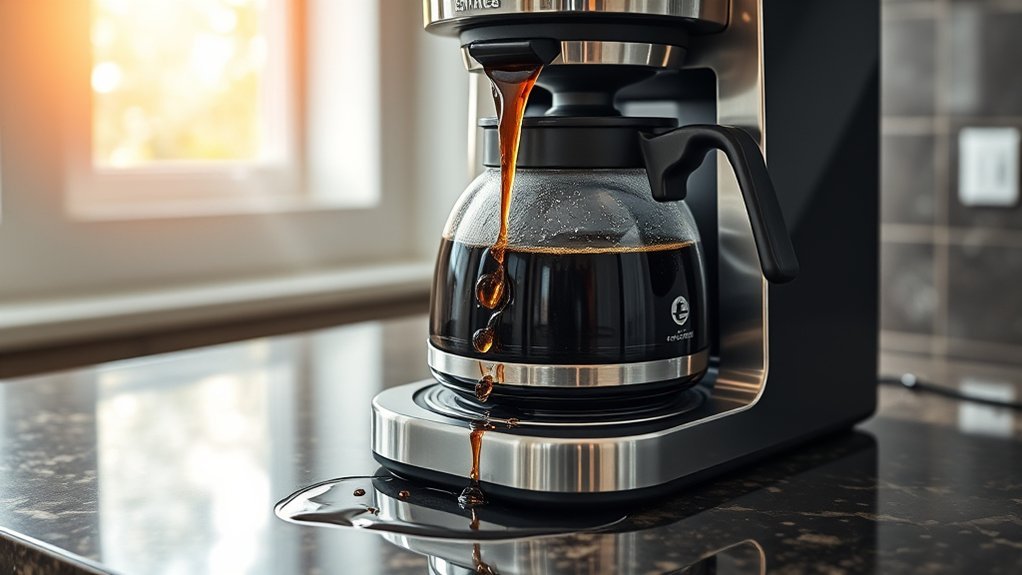
| Basket overflows | Fine grind, excessive coffee dose, doubled filters, clogged drain valve, or misaligned carafe | Use a coarser grind, verify only one filter is installed, reduce coffee dose, and ensure carafe is centered on the warming plate. |
| Filter collapses or folds inward | Undersized filter, uncreased seams, or heavy water stream hitting unsupported paper | Upgrade to the correct filter size, pre-fold factory seams on cone filters, and seat paper flush against the basket walls. |
| Grounds in the coffee carafe | Ruptured seam, torn paper, water overflowing the top rim, or filter wall folding down | Discard torn filters, fold factory seams to reinforce strength, keep dry grounds well below the filter rim, and never cut paper. |
| Water drains too slowly | Grind size too fine (espresso level), tamped grounds, or excessive fine particles clogging paper pores | Coarsen the grind setting, level the grounds loosely without compressing, and clean any residual oils from the basket exit hole. |
| Weak, sour, or watery coffee | Under-dosing coffee, grind too coarse, or water bypassing coffee through collapsed filter wall | Increase coffee dose to match standard ratios, grind slightly finer, and ensure filter stays upright against basket walls. |
| Papery or cardboard aftertaste | Unrinsed unbleached brown filters or filters exposed to ambient humidity and odors | Rinse the filter with hot water before adding coffee, switch to oxygen-bleached white filters, and store paper in an airtight container. |
How Paper Filters Affect Coffee Flavor
Paper filters trap micro-grounds (fines) and absorb the majority of insoluble coffee oils. This produces a clean, crisp cup with distinct flavor separation, pronounced acidity, and light body—unlike the dense, textured brew produced by a French press or metal mesh filter.
By trapping diterpene lipids such as cafestol and kahweol, paper filtration significantly reduces the concentration of these oil compounds in brewed coffee. Peer-reviewed research on paper filter characteristics and cafestol retention demonstrates that paper density and pore structure effectively hold back coffee diterpenes compared to unfiltered brewing methods.
Eco-Friendly Ways to Dispose of Used Coffee Filters
Let the brew basket cool completely before disposal. Plain paper filters (both white and unbleached kraft) combined with spent coffee grounds are excellent organic additions to home compost piles. The U.S. Environmental Protection Agency (EPA) composting guidelines classify coffee grounds and paper filters as nitrogen- and carbon-rich organic materials suitable for composting.
- Home Composting: Toss the paper filter and grounds directly into your compost pile or worm bin. Tearing the filter into halves accelerates decomposition.
- Municipal Organics Programs: Check local waste guidelines, as many curbside green-waste programs accept food-soiled paper and coffee waste.
- Trash: If composting is unavailable, dispose of used filters in household trash.
- Curbside Paper Recycling: Never place coffee-soaked filters into curbside paper recycling bins. Food soils and saturated wet fibers contaminate dry paper recycling batches.
Frequently Asked Questions
Can I reuse a paper coffee filter?
No. Paper filters are single-use products. Once saturated, cellulose fibers lose structural strength, crimped seams degrade, and micro-pores become clogged with coffee oils, causing slow drainage and bitter flavors on subsequent brews.
How should I store unused coffee filters?
Store filters in their original packaging or a sealed airtight container inside a dry pantry. Keep them away from high humidity, stove grease, spices, cleaning chemicals, and smoke, as paper rapidly absorbs ambient odors.
Are white or brown paper coffee filters better?
Both brew clean coffee. White filters are typically bleached using oxygen or chlorine-free methods (TCF/ECF) and impart virtually no paper flavor. Unbleached brown filters are chemical-free but have higher lignin content, which can impart a wood-pulp taste unless thoroughly pre-rinsed with hot water.
Do I need to rinse a paper coffee filter?
Rinsing is recommended for manual pour-over drippers because it removes loose paper dust and preheats the vessel. For automatic drip machines, rinsing is optional; if you rinse, do it over the sink so cool water does not collect in the carafe.
Are there health risks from paper coffee filters?
Commercial coffee filters are manufactured from food-grade paper pulp tested for safety under high temperatures. Paper filtration also traps cafestol and kahweol oils, which are known to raise LDL cholesterol when consumed in large quantities from unfiltered coffee.
Can I use a paper filter in a French press?
Standard paper filters should not be jammed under a French press plunger, as they can slip, tear, or cause hot coffee to shoot past the seal. If you prefer a cleaner French press cup, pour the brewed coffee through an external pour-over dripper lined with a paper filter.
Do paper filters change the flavor of coffee?
Yes. Paper filters trap microscopic coffee fines and insoluble oils, resulting in a lighter body and a cup that highlights delicate floral, fruity, and acidic notes with zero sediment.
Why does my paper filter collapse or overflow?
Filter collapse or overflow is caused by using the wrong filter size, failing to fold factory seams, grinding coffee too fine, adding too much coffee, using two filters at once, or failing to seat the carafe firmly against the anti-drip valve.
Can used paper coffee filters go in compost?
Yes. Plain paper coffee filters and spent grounds are biodegradable and safe for home composting bins and municipal organics collection programs.
Conclusion
Using paper coffee filters correctly comes down to matching the filter shape and size to your specific coffee brewer. Always check your machine’s manual, fold the factory-crimped seams on cone filters, and seat the paper flush inside the brew basket without cutting or doubling up sheets. Pairing the correct filter with medium-ground coffee, proper dosing, and fresh water prevents overflows, sediment, and bitterness. After brewing, let the basket cool and compost the paper filter and spent grounds together.
Sources
- Melitta 1-Cup Porcelain Pour-Over Coffeemaker Instructions — filter sizing, seam folding mechanics, and manual pour-over procedures
- Melitta #4 Cone Filter Paper — cone filter dimensions, crimped seam construction, and brewer compatibility
- OXO 9-Cup Coffee Maker Instruction Manual — #4 filter requirements, brew basket safety, grind recommendations, and overflow troubleshooting
- Hario Alpha Series Dripper Recipe — conical filter pre-wetting guidelines, brewer sizing, and pour-over brewing ratios
- U.S. EPA: Composting at Home — organic compost guidelines for paper filters and spent coffee grounds
- Physical Characteristics of Paper Filters and Low-Cafestol Coffee Brews — peer-reviewed research on paper filtration porosity and cafestol lipid retention