

When choosing between an espresso machine and a coffee maker, it’s essential to take into account flavor and brewing method. Espresso machines create rich, concentrated coffee by forcing hot water through finely ground coffee, resulting in intense flavors and a higher caffeine concentration. In contrast, coffee makers use gravity to brew milder coffee over a longer period, producing larger servings. Each option caters to different preferences, so understanding their differences can help you make the right choice for your coffee experience.
Key Takeaways
- Espresso machines brew concentrated coffee using pressure, while coffee makers rely on gravity for milder, drip-style coffee.
- Espresso has a richer flavor and higher caffeine concentration per ounce, whereas coffee maker coffee is typically consumed in larger volumes.
- Espresso machines require more maintenance and offer customization, while coffee makers are easier to use and maintain, ideal for casual drinkers.
- Espresso machines are a long-term investment, ranging from $200 to over $2,000, while coffee makers are more budget-friendly at $20 to $100.
- The brewing time for espresso is 20-30 seconds, while coffee makers take about ten minutes to brew a full pot.
What Is Espresso and How Is It Made?

Espresso is more than just a coffee; it’s an art form that captures the essence of the bean in a concentrated shot.
With roots tracing back to early 20th-century Italy, espresso history showcases its evolution into diverse espresso varieties.
Espresso’s journey began in early 20th-century Italy, evolving into a rich tapestry of diverse varieties.
To craft this exquisite brew, you force nearly boiling water through finely ground, dark-roasted coffee under high pressure. This process, lasting just 20 to 30 seconds, extracts a rich flavor profile comprising three layers: the heart, body, and crema.
Each layer contributes to the espresso’s unique taste and mouthfeel. Remarkably, espresso packs a higher caffeine concentration than regular coffee, delivering a potent experience in a smaller serving.
Understanding how it’s made enhances your appreciation for this sophisticated beverage.
What Is Coffee Maker Style Coffee?
When you think of coffee brewing at home, coffee maker style coffee, or drip coffee, often comes to mind. This method involves pouring hot water over ground coffee, allowing it to filter through and drip into a container below.
It typically takes up to ten minutes, producing a milder flavor profile compared to espresso. Unlike espresso machines, coffee makers rely on gravity for brewing, which limits their ability to generate the high pressure necessary for true espresso.
With about 98% water content, the resulting brew is lighter, though adjusting the grind size and coffee-to-water ratio can enhance flavor extraction.
Still, it won’t reach the rich intensity that espresso lovers crave, but it offers a comforting cup for daily enjoyment.
How Do Espresso Machines Work?

When you use an espresso machine, you’re engaging in a precise brewing process that forces hot, pressurized water through finely ground coffee, extracting rich flavors in just 20 to 30 seconds.
Understanding the different types—manual, semi-automatic, and fully automatic—can help you tailor your coffee experience to your taste.
As you explore how these machines work, you’ll appreciate the art and science behind crafting that perfect shot of espresso.
Brewing Process Explained
There’s a fascinating science behind how espresso machines extract rich, concentrated flavors from coffee. By forcing hot, pressurized water through finely ground coffee, these machines utilize pressure dynamics, typically around 9 bars, to create intense flavors in just 20 to 30 seconds.
Unlike traditional coffee makers that rely on gravity, espresso machines employ a pump to generate the necessary pressure, resulting in a thicker, creamier consistency. With a lower water-to-coffee ratio of about 1:2, espresso enhances its bold flavor profile.
Additionally, many machines allow you to customize brewing techniques, adjusting grind size, extraction time, and water temperature, giving you control over the final taste. This precision makes every cup a unique experience.
Types Of Espresso Machines
Espresso machines come in various types, each offering a unique approach to brewing that caters to different preferences.
You can choose from manual machines, which give you full control over the brewing process, allowing you to master every aspect of your espresso shot.
If you prefer a balance between control and convenience, semi-automatic machines are a great option, letting you manage the grind and extraction while automating some steps.
For those who want simplicity, fully automatic machines take the guesswork out of brewing, delivering consistent results with just the push of a button.
Regardless of your choice, all these machines extract intense flavors and aromas, creating that rich crema layer you crave, and many can brew regular coffee too, enhancing versatility.
How Do Coffee Makers Brew Coffee?
Coffee makers brew coffee through a straightforward yet effective process that relies on the principles of gravity and hot water extraction.
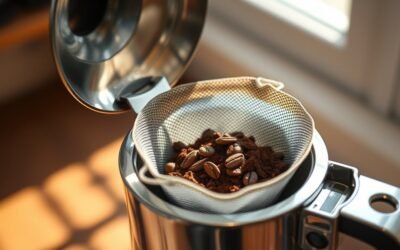
You start by adding ground coffee, typically a medium coarse grind, into a filter. As hot water pours over the grounds, it seeps through, extracting flavors and oils before dripping into a container below. This brewing technique usually takes up to ten minutes, producing a milder flavor profile compared to espresso.
You can easily adjust the coffee-to-water ratio for stronger brews, catering to different coffee types according to your preference. Designed for simplicity, coffee makers consistently deliver larger batches, making them a practical choice for everyday enjoyment, even if they can’t replicate the high-pressure magic of espresso machines.
Flavor Profiles: Espresso vs. Coffee Maker Coffee

While both espresso and coffee maker coffee serve as beloved staples in the world of caffeinated beverages, their flavor profiles are distinct and cater to different preferences.
Espresso boasts a rich, concentrated flavor with deep bitterness and a sweet, aromatic crema, thanks to the high-pressure brewing method. This intensity creates layers of flavor, appealing to those who enjoy bold experiences.
Espresso delivers a bold, complex taste with a delightful crema, perfect for those who seek an intense coffee experience.
On the other hand, coffee maker coffee offers a smoother, milder taste due to its lighter brewing process, making it ideal for those who prefer straightforward flavors.
Ultimately, your taste preferences will dictate your choice: whether you crave the depth of espresso or the simplicity of drip coffee, each has a unique charm that satisfies different palates.
Caffeine Content: How Espresso Compares to Coffee Maker Coffee
Understanding the differences in flavor profiles sets the stage for exploring caffeine content, a key factor that many coffee enthusiasts consider when choosing their beverage.
Espresso packs a powerful punch with about 63 mg of caffeine in a single ounce, while an 8-ounce cup of drip coffee contains around 95 mg overall.
However, on a per-ounce basis, espresso can deliver up to three times the caffeine, making it a favorite for a quick energy boost.
This leads to some caffeine myths, suggesting that espresso is stronger than regular coffee, though it depends on serving size.
Ultimately, the espresso benefits lie in its concentrated caffeine, offering an intense experience in a smaller cup, perfect for those seeking an immediate lift.
Versatility of Espresso Machines vs. Simplicity of Coffee Makers
When you’re deciding between an espresso machine and a coffee maker, the choice often boils down to versatility versus simplicity.
Espresso machines offer an impressive espresso variety, enabling you to craft rich shots, creamy lattes, and frothy cappuccinos. The high-pressure brewing method extracts deep flavors and thick crema, delivering a concentrated coffee experience in just 20 to 30 seconds.
In contrast, coffee makers prioritize coffee convenience, brewing a full pot in about ten minutes with minimal effort. They’re perfect for those who value ease of use and simplicity.
However, espresso machines require more skill, time, and maintenance, making them a commitment. Ultimately, your choice hinges on whether you’re after coffee creativity or straightforward brewing.
How Much Should You Spend on an Espresso Machine vs. a Coffee Maker?
When considering how much to spend on an espresso machine versus a coffee maker, you’ll want to weigh your budget against the features each offers.
Espresso machines can be a long-term investment for those who crave quality, while coffee makers provide a straightforward, cost-effective solution for everyday brewing.
Understanding your coffee habits and preferences is key to making the right choice.
Budget Considerations
Investing in an espresso machine or a coffee maker hinges on how much you’re willing to spend and what you expect from your daily brew.
Espresso machines range from $200 to over $2,000, while basic coffee makers can cost as little as $20 to $100.
When performing a cost analysis, consider your coffee habits; if you frequently enjoy espresso drinks, a quality machine might save you money in the long run compared to café purchases.
However, remember that higher-end machines have a greater budget impact due to maintenance and repair costs.
For budget-conscious consumers, a simple coffee maker may meet your needs without the need for espresso’s intensity.
Choose wisely based on your preferences and budget constraints.
Machine Features Comparison
Choosing between an espresso machine and a coffee maker involves understanding the features that align with your brewing preferences and budget.
Espresso machines range from $150 to over $2,000, boasting durability and advanced features like built-in grinders and programmable settings, perfect for serious coffee lovers seeking an enhanced user experience.
On the other hand, coffee makers are more affordable, from $20 to $200, making them accessible for casual drinkers. Their simplicity means lower maintenance and upkeep, while espresso machines require regular cleaning and descaling.
If you value versatility in drink options, investing in a quality espresso machine can elevate your coffee experience. In contrast, a coffee maker suits those who prefer straightforward brewing and larger batches.
Long-Term Investment Value
Deciding how much to spend on an espresso machine versus a coffee maker hinges on your long-term coffee experiences and preferences.
Espresso machines, ranging from $200 to over $2,000, represent a significant investment in quality and versatility. While they demand a higher upfront cost, consider the long-term savings they offer by reducing your coffee shop visits. With proper maintenance, these machines can last 5 to 15 years, making them worthwhile for serious enthusiasts.
On the other hand, coffee makers, priced between $20 and $300, are budget-friendly but often have shorter lifespans.
Ultimately, weigh the investment longevity against your coffee habits to determine which option aligns with your financial goals and brewing aspirations.
How to Choose: Espresso Machines vs. Coffee Makers?
How do you know which machine suits your coffee style best: an espresso machine or a coffee maker?
First, consider your coffee preferences. If you crave espresso strength with rich, creamy flavors or enjoy crafting lattes and cappuccinos, an espresso machine is your best bet. It brews coffee quickly under high pressure, delivering robust shots in about 30 seconds.
On the other hand, if you prefer a milder taste and often serve multiple cups, a coffee maker, which uses gravity for coffee brewing over ten minutes, might be more practical.
Budget plays a vital role too—coffee makers are generally more affordable and easier to maintain, while quality espresso machines require a higher investment and more upkeep.
Choose wisely!
Frequently Asked Questions
Can You Use Regular Coffee Grounds in an Espresso Machine?
You can use regular coffee grounds in an espresso machine, but it won’t yield ideal results. The coffee grind affects the extraction process, leading to underwhelming flavor and crema compared to fine espresso grounds.
What Types of Coffee Makers Are Available?
You’ve got options! Drip coffee makers brew multiple cups at once, while single-serve machines offer convenience for one. Each type caters to different preferences, ensuring you can enjoy your coffee just the way you like it.
How Long Do Espresso Machines Typically Last?
Espresso machines typically last 5 to 15 years, depending on usage and maintenance. To extend your espresso lifespan, follow maintenance tips like regular cleaning, descaling, and using quality water to prevent buildup and guarantee peak performance.
Are Espresso Machines More Difficult to Clean Than Coffee Makers?
Yes, espresso machines can seem like cleaning a rocket ship compared to coffee makers. With proper cleaning techniques and maintenance tips, though, you’ll find the process manageable and even enjoyable. Consistency is key for peak performance!
Can Espresso Machines Brew Regular Coffee?
Yes, espresso machines can brew regular coffee. By adjusting the espresso extraction process and altering the brew strength, you can achieve a milder flavor, offering versatility beyond traditional espresso shots while still enjoying rich coffee experiences.
Conclusion
In the end, choosing between an espresso machine and a coffee maker boils down to your taste and lifestyle. If you crave intensity and complexity, an espresso machine will elevate your coffee experience. If you prefer convenience and simplicity, a coffee maker fits seamlessly into your routine. Both offer unique flavors and brewing methods; both cater to different preferences. So, whether you seek a rich shot of espresso or a classic cup of joe, the right choice awaits you.