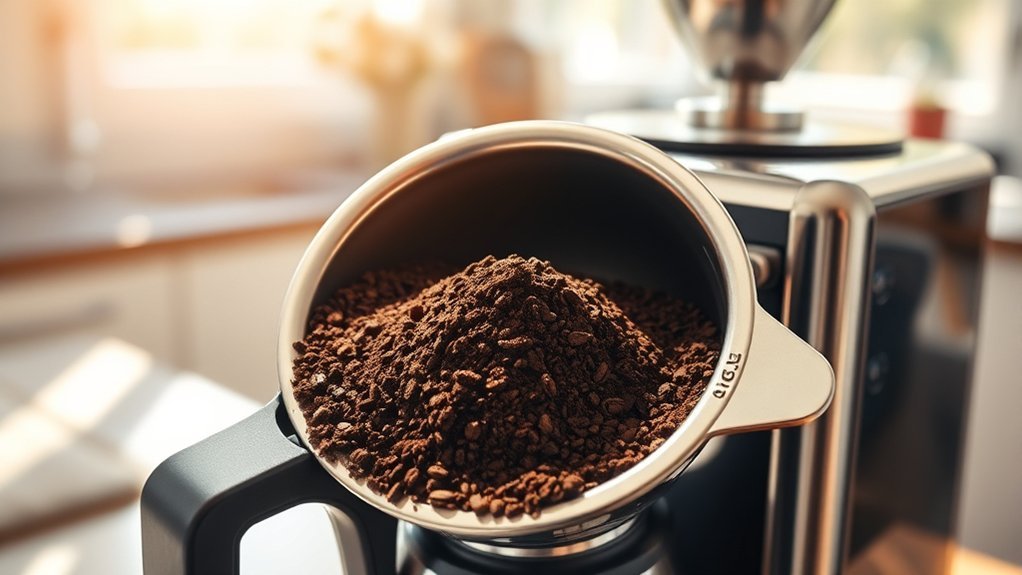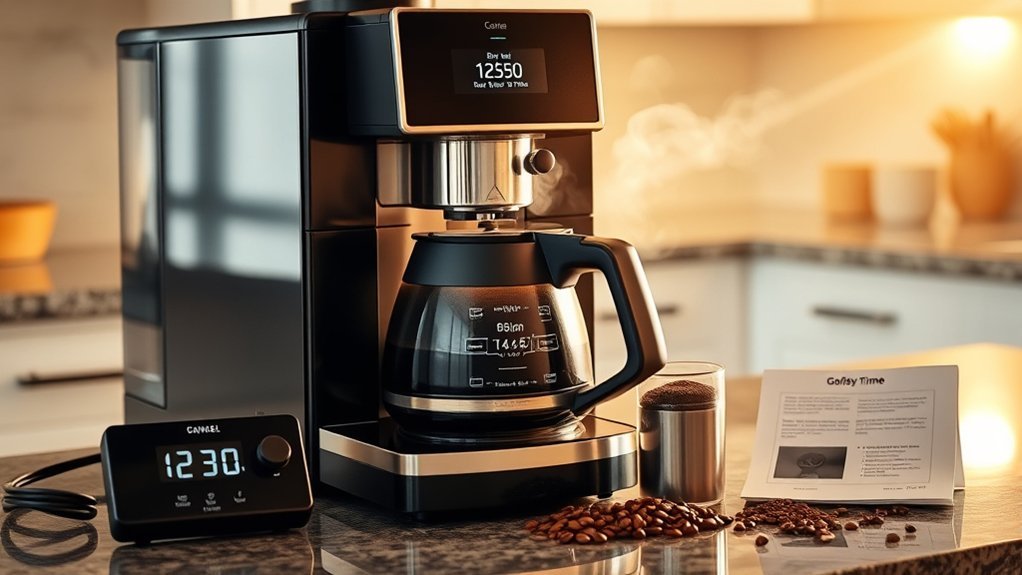
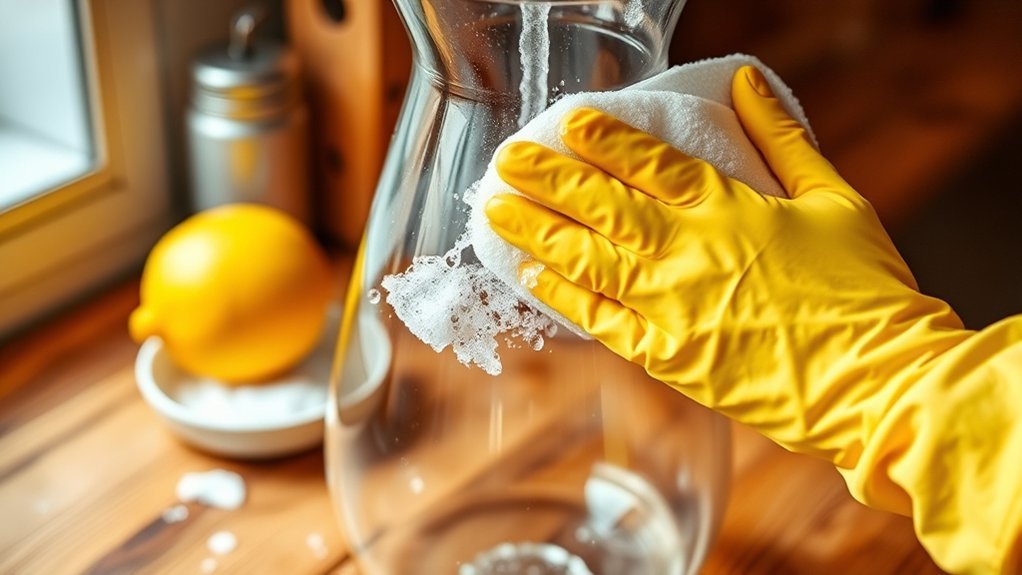
A stained glass coffee carafe can make fresh coffee look dull and may leave behind stale odors, but most buildup comes off with gentle cleaning. Start with warm water, a small amount of dish soap, and a nonabrasive sponge or bottle brush. Use baking soda for stubborn brown coffee film and white vinegar for mineral cloudiness, applying them separately for more targeted cleaning.
Quick Answer
Let the glass carafe cool first, then wash it with warm water, a few drops of dish soap, and a soft bottle brush. Use a damp baking soda paste for brown coffee stains. For cloudy mineral film, soak with equal parts warm water and white vinegar, rinse thoroughly, and wash again with soap.
Key Takeaways
- Let a hot glass carafe cool before washing it to reduce the risk of sudden temperature change.
- Warm soapy water and a soft sponge or bottle brush are the best starting point for routine cleaning.
- Use baking soda for stubborn brown coffee residue and diluted white vinegar for hard-water haze.
- Use baking soda and vinegar separately instead of depending on their fizz for cleaning power.
- Treat salt, ice, lemon, tablets, and dishwasher cleaning as model-dependent methods rather than universal choices.
- Replace a carafe that is chipped, cracked, severely scratched, or loose around the handle.
At a Glance
| Time Required | About 5 minutes for routine washing; 15–30 minutes when a stain needs soaking |
| Difficulty | Easy |
| Tools Needed | Dish soap, soft sponge or flexible bottle brush, baking soda, white vinegar, and a dry towel or trivet |
| Cost | Usually no extra cost if you already have the supplies; otherwise the cost varies by product and location |
Warning: Do not pour cold water into a hot carafe, expose ice-chilled glass immediately to hot water, or set hot glass on a wet or cold surface. Let temperature changes happen gradually. Never mix vinegar with chlorine bleach, and avoid mixing household cleaning products unless their labels specifically say the combination is safe.
Why Does Your Glass Coffee Carafe Get Stained?
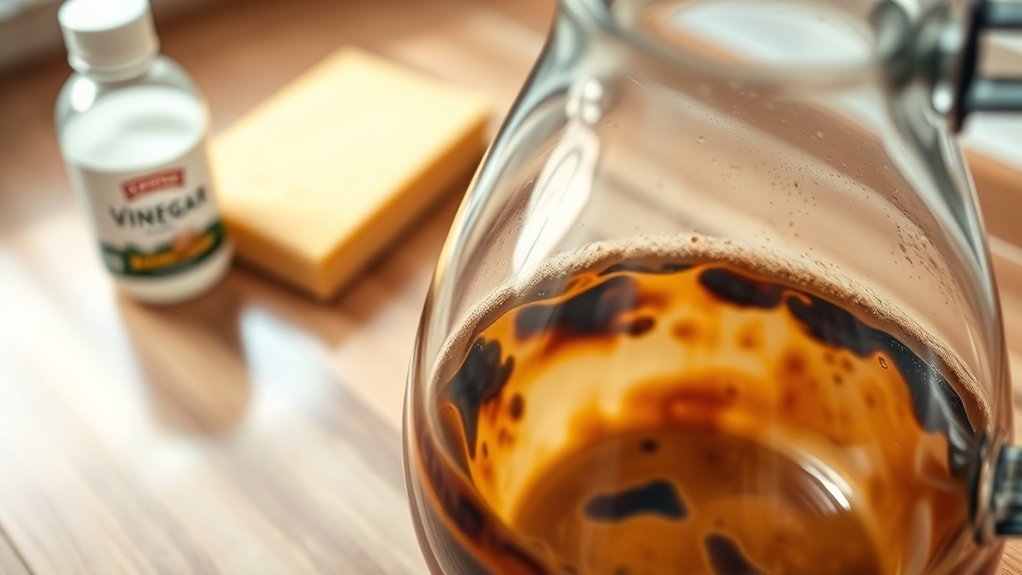
A glass coffee carafe usually develops two main types of buildup. Brown or amber film comes from coffee residue and oils that dry onto the glass. A white, gray, or cloudy haze is more likely to be mineral scale left behind by hard water.
Coffee residue often collects around the bottom edge, pouring lip, lid, and handle connection where an ordinary sponge may not reach. When the residue remains between brews, it can hold stale odors and affect the flavor of fresh coffee.
Brown coffee film usually responds best to gentle washing or a damp baking soda paste, while chalky mineral cloudiness responds better to a mild acid such as diluted white vinegar.
Before You Clean Your Glass Carafe
- Let it cool: Allow hot glass to cool gradually before adding cleaning water. Sudden temperature changes can cause glass to break.
- Inspect it: Stop using a carafe that is chipped, cracked, severely scratched, or loose around the handle.
- Check the manual: Dishwasher safety, approved cleaners, and detachable parts vary by model.
- Remove detachable parts: Take off lids, collars, bands, or other removable pieces when the manufacturer permits it.
- Use nonabrasive tools: Choose a soft sponge, microfiber cloth, or flexible bottle brush instead of steel wool, metal utensils, or aggressive scouring pads.
As a general glass-safety rule, avoid abrupt temperature changes. Pyrex’s glass-care guidance similarly advises letting hot glass cool before washing and avoiding wet or cool surfaces under hot glass. Your coffee maker’s own manual should take priority for model-specific care.
Effective Cleaning Methods for Coffee Carafes
The best cleaning method depends on what you see and smell. Start with the mildest option, then move to a targeted treatment only if residue remains.
Best Cleaning Solutions
| Problem | Best First Choice | Typical Contact Time |
|---|---|---|
| Fresh coffee residue | Warm water and dish soap | 2–5 minutes |
| Brown baked-on film | Damp baking soda paste | About 10–15 minutes before gentle scrubbing |
| White mineral haze | Equal parts warm water and distilled white vinegar | About 15–30 minutes |
| Narrow-neck residue | Flexible nonabrasive bottle brush or a carafe cleaner specifically approved by the manufacturer | Follow the cleaner label and carafe manual |
Step-by-Step Cleaning Method
- Empty the carafe and let it cool on a dry, heat-safe surface.
- Rinse it with warm water once the glass has cooled enough for a safe temperature transition.
- Add a few drops of dish soap and enough warm water to cover the stained area.
- Clean the inside with a soft sponge or flexible bottle brush, paying extra attention to the bottom edge, spout, lid, and other hard-to-reach areas.
- Rinse several times until no suds or fragrance remain.
- Air-dry with the lid open where air can circulate, or dry with a clean lint-free towel.
Cuisinart’s coffee-maker cleaning guidance recommends warm soapy water for a carafe and filter basket and suggests baking soda for deeper carafe stains.
Pro Tip: Once the glass has cooled enough to handle safely, rinse the carafe soon after brewing. Removing fresh residue is much easier than scrubbing a dried brown ring later.
How to Choose the Right Deep-Clean Method
If routine washing leaves a mark, identify the residue before choosing another cleaner. Use a damp baking soda paste for stubborn brown coffee film. Use diluted white vinegar for a pale, chalky mineral deposit. If the carafe smells oily even after the glass looks clean, wash the lid, spout, gasket, and any manufacturer-approved removable pieces separately.
Avoid escalating immediately to aggressive scraping or repeated abrasive treatments. Steel wool, sharp utensils, hard impacts, and forceful shaking can damage glass. If the carafe is already chipped, cracked, or severely scratched, replace it instead of trying to restore it.
The Salt-Ice-Lemon Method for Stains
Salt, crushed ice, and lemon can help loosen difficult coffee stains in a carafe that is hard to reach with a brush. Cuisinart lists crushed ice, salt, and lemon juice as a tough-stain carafe method. Because carafe designs and glass-care instructions vary, treat it as an optional method and check your own manual first.
- Make sure the carafe is cool and free of chips, cracks, or severe scratches.
- Add 3 tablespoons of coarse salt, 2 tablespoons of lemon juice, and 1 cup of crushed ice.
- Swirl gently for about 30–60 seconds. Do not seal the carafe or shake it forcefully.
- Discard the mixture and rinse with cool or room-temperature water.
- Let the chilled glass return gradually toward room temperature before washing it with warm soapy water.
- Rinse thoroughly and dry with the lid open or removed.
Skip this method on decorated glass, damaged glass, carafes with delicate internal coatings, or any model whose instructions prohibit this type of cleaning.
How to Use Baking Soda and Vinegar Correctly
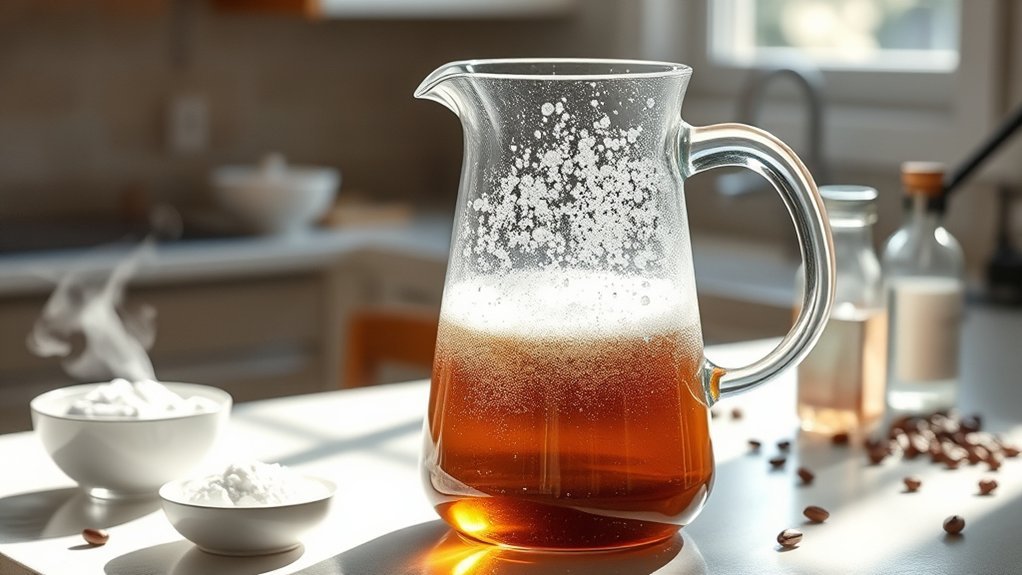
Baking soda and vinegar can both help clean a carafe, but they are better suited to different problems. Baking soda works as a mild abrasive for stubborn brown residue. Vinegar’s acidity can help loosen mineral scale.
When baking soda and vinegar are combined, the acid and base react. The reaction produces carbon dioxide, water, and sodium acetate, as shown in this MIT chemistry explanation. The bubbles may briefly disturb loose debris, but the reaction also consumes much of the acid and base. For more targeted cleaning, use one method, rinse thoroughly, and move to another only if necessary.
Effective Baking Soda Stain-Removal Technique
- Mix 2–3 tablespoons of baking soda with enough water to make a damp, spreadable paste.
- Apply the paste to the brown stain with a soft sponge or flexible bottle brush.
- Let it sit for about 10–15 minutes.
- Scrub gently without heavy pressure.
- Rinse thoroughly and wash once more with dish soap.
Keep the paste damp instead of using dry powder with heavy pressure. The goal is gentle cleaning, not aggressive abrasion.
How to Clean a Glass Coffee Carafe Without Vinegar
If you prefer not to use vinegar, start with warm water and dish soap. For brown staining that remains, use a damp baking soda paste and a soft brush. A manufacturer-approved coffee-carafe cleaner is another option when the product label specifically lists your type of carafe or glass coffee equipment.
For true hard-water scale, an acidic descaling product may work better than baking soda, but use only a product approved by the carafe or coffee-maker manufacturer and follow its dilution and rinsing directions exactly.
Odor-Neutralizing Properties
Baking soda may help with lingering smells, but stale coffee odors often remain in the lid, spout, gasket, collar, or plastic handle area rather than on the glass alone. Wash manufacturer-approved removable pieces separately and rinse every part thoroughly.
If an odor remains and you also see mineral film, use a vinegar soak, rinse, and then wash the carafe with dish soap. Do not combine vinegar with chlorine bleach or an unknown household cleaner.
Can You Use Denture Tablets for Coffee Pot Cleaning?
Denture-cleaning tablets are sometimes suggested as an off-label way to reach narrow areas of a carafe, but their labels are written for dentures rather than coffee equipment. A flexible bottle brush or cleaner specifically approved for coffee carafes is the better first choice.
If your coffee-carafe manufacturer specifically permits a tablet cleaner, use only the approved type and follow its exact dosage, water temperature, contact time, and rinsing directions. Do not guess how many tablets to use or substitute a household tablet whose label does not cover this application.
- Confirm that the carafe manufacturer allows the specific tablet or cleaning product.
- Make sure the carafe is cool and undamaged.
- Follow the product label for water temperature, concentration, and contact time.
- Use a soft brush only if the instructions allow it and residue remains.
- Empty the carafe, wash it with dish soap if directed, and rinse thoroughly before brewing.
Never combine a tablet cleaner with vinegar, bleach, ammonia, or another cleaning product.
When Should You Use Vinegar and Dish Soap?
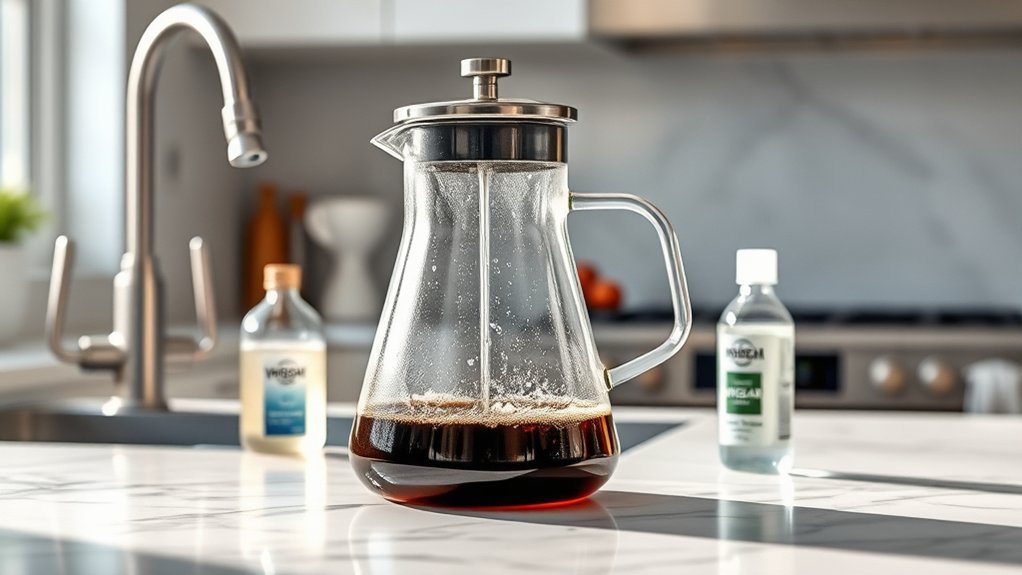
Use dish soap for routine washing and oily coffee residue. Use distilled white vinegar when the cooled glass has a pale mineral ring or cloudy hard-water film. Because household cleaning products contain different ingredients, use vinegar and dish soap in separate cleaning stages rather than mixing products together.
- Make sure the carafe has cooled.
- Fill it with equal parts warm water and distilled white vinegar.
- Soak for about 15–30 minutes. For heavier mineral deposits, follow your carafe manual before extending the soak.
- Empty the solution and rinse the carafe thoroughly.
- Wash with a few drops of dish soap and warm water.
- Rinse until no vinegar, fragrance, or soap residue remains.
Note: Cleaning the removable glass carafe is not the same job as descaling the coffee maker’s internal water reservoir, heater, or tubing. Use only the ratio, product, and procedure specified in your brewer’s manual when cleaning the internal water path.
Tips for Preventing Future Stains
- Empty leftover coffee instead of letting it sit on a warming plate for hours.
- Once the carafe has cooled enough for safe washing, rinse away fresh residue rather than allowing it to dry.
- Wash the lid, spout, gasket, and other approved removable parts as carefully as the glass body.
- Use a soft bottle brush that reaches the lower corners without striking the glass.
- Dry the carafe with the lid open or removed so trapped moisture and odors can escape.
- If hard-water haze returns quickly, consider filtered water if it is suitable for your brewer, or remove mineral deposits more frequently according to the manufacturer’s instructions.
Troubleshooting Stubborn Coffee Stains
| Symptom | Likely Cause | What to Do |
|---|---|---|
| Brown ring at the bottom | Dried coffee residue | Apply a damp baking soda paste, wait about 10–15 minutes, and brush gently. |
| White or gray cloudiness | Hard-water minerals | Soak with equal parts warm water and distilled white vinegar for about 15–30 minutes, then rinse and wash normally. |
| Stale oily odor | Residue in the lid, spout, gasket, or another hard-to-reach part | Remove manufacturer-approved detachable parts and wash them separately with fresh soapy water. |
| Stain will not lift | Heavy buildup, unreachable residue, or damaged glass | Repeat one gentle targeted treatment. Stop and replace the carafe if you find a chip, crack, severe scratch, or loose handle. |
| Cleaner taste or smell in coffee | Incomplete rinsing or residue in another removable part | Rewash the carafe with plain dish soap and rinse several times. Run a water-only brew only if the brewer manual calls for or permits it. |
| Carafe is clean but brewer still runs slowly | Possible mineral scale inside the coffee maker | Follow the brewer’s separate descaling procedure rather than putting an improvised cleaner through the internal water system. |
Ensuring Odor-Free Coffee With Proper Care
For fresher results, remove leftover coffee promptly and clean the carafe regularly instead of waiting for a thick film to develop. Cuisinart recommends a quick carafe clean with dish soap and a sponge after brewing. Regular light cleaning is easier on the glass than repeated aggressive scrubbing.
Store the carafe completely dry with the lid open or removed when practical. If an odor returns quickly, inspect the lid, gasket, spout, collar, and handle joints. These parts can retain residue even when the glass itself looks clear.
Is a Glass Coffee Carafe Dishwasher-Safe?
Some glass carafes are dishwasher-safe, while others require handwashing or removal of attached components first. CHEMEX, for example, says its glass coffeemakers can go in the dishwasher after the collar and rawhide are removed and advises securing the glass so it does not hit other dishes.
Check your exact model’s manual before putting a carafe in the dishwasher. If dishwashing is allowed, remove any parts the manufacturer says to remove and position the carafe where it cannot rattle against metal cookware or other hard items. When the instructions are unavailable or unclear, gentle handwashing is the more conservative choice.
Frequently Asked Questions
Can I use bleach to clean my glass coffee carafe?
Bleach is generally unnecessary for routine carafe cleaning. Warm soapy water, baking soda, and manufacturer-approved descaling methods handle the common problems discussed here. Never mix chlorine bleach with vinegar or another household cleaner, and follow your carafe manufacturer’s instructions if a disinfectant is specifically required.
How often should I clean my coffee carafe?
Remove leftover coffee promptly and rinse or wash the carafe regularly once it has cooled enough for a safe temperature transition. Use a deeper baking soda or vinegar treatment only when you notice persistent brown film, mineral haze, or an odor that routine washing does not remove.
Is it safe to put a glass carafe in the dishwasher?
Only when the instructions for your exact model permit dishwasher cleaning. Some glass carafes can go in after collars, lids, or other components are removed, while other models require handwashing. Secure dishwasher-safe glass so it cannot strike other dishes.
Can I mix baking soda and vinegar for better cleaning?
They fizz when combined, but the acid and base react with each other. For more targeted cleaning, use a damp baking soda paste for brown residue or diluted vinegar for mineral scale, then rinse thoroughly before changing methods.
How can I clean a glass coffee carafe without vinegar?
Use warm water and dish soap for routine cleaning. For stubborn brown coffee film, apply a damp baking soda paste with a soft sponge or flexible bottle brush, scrub gently, rinse well, and wash once more with dish soap.
Will salt and ice scratch or damage a glass carafe?
The method creates mechanical contact inside the carafe, so use it only when your model’s care instructions do not prohibit it. Swirl gently rather than shaking forcefully, skip the method on damaged or delicate glass, and avoid moving immediately from ice-chilled glass to hot water.
Can I use essential oils to remove coffee odors?
Essential oils are not a good choice for a food-contact carafe because they can add another oily, scented residue that must be removed. Clean the source of the odor instead, rinse thoroughly, and let the carafe dry completely.
Should I keep using a chipped or cracked carafe?
No. Stop using a carafe with a chip, crack, severe scratch, or loose handle. Heat and normal handling can worsen existing damage, so replace the carafe with the correct part for your coffee maker.
Conclusion
Cleaning a glass coffee carafe is easiest when you match the method to the type of buildup. Use warm soapy water for routine care, a damp baking soda paste for stubborn brown coffee film, and diluted white vinegar for mineral haze. Let glass change temperature gradually, avoid mixing household cleaners, rinse every cleaning product away thoroughly, and check the manufacturer’s care instructions before using abrasive methods, tablets, or a dishwasher.
Sources
- Cuisinart: How to Clean Your Coffee Maker — supports warm soapy carafe washing, baking soda for deeper stains, and the salt-ice-lemon method.
- CHEMEX FAQ — supports model-specific dishwasher and handwashing guidance for glass coffeemakers.
- Pyrex Frequently Asked Questions — supports avoiding sudden temperature changes and allowing hot glass to cool before washing.
- Poison Control: What to Know About Dish Soap — supports avoiding mixtures of household cleaning products.
- Poison Control: Vinegar Safety — supports the warning never to mix vinegar with chlorine bleach.
- MIT: Vinegar and Baking Soda Reaction — explains the formation of carbon dioxide, water, and sodium acetate.