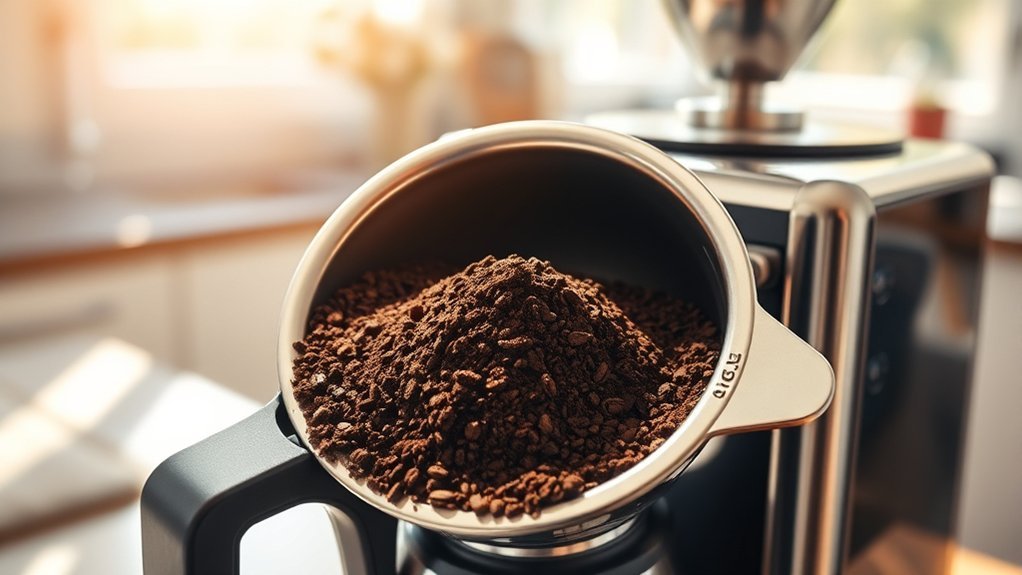
You should not put coffee grounds loose into the bare plastic basket of most drip coffee makers. Grounds normally belong inside a paper filter or a compatible reusable mesh filter. A few machines use a specially designed grounds basket that acts as the filter, so the owner’s manual—not the basket’s appearance—should decide what is safe.
Quick Answer
Usually, no. In a standard drip coffee maker, grounds belong inside a paper filter or reusable mesh filter, not loose in the bare basket. Loose grounds can reach the carafe, obstruct drainage, or contribute to an overflow. The exception is a machine whose basket is specifically designed to hold and filter grounds.
Key Takeaways
- Do not place loose grounds in a bare plastic brew basket unless the manufacturer specifically says the basket can hold grounds directly.
- A compatible permanent metal or nylon filter is the safest paper-free option for most drip coffee makers.
- Use a medium drip grind unless your machine’s instructions recommend something different; very fine grounds can slow drainage and promote overflow.
- Metal-filtered coffee usually has more oils, body, and sediment than paper-filtered coffee.
- If the basket overflows, unplug the machine and let the hot coffee and grounds cool before touching the basket.
- Follow the owner’s manual for cleaning and descaling because vinegar quantities and cleaning cycles vary by model.
At a Glance
| Time Required | 5–10 minutes to prepare and brew, plus cleanup |
| Difficulty | Easy after confirming filter compatibility |
| Tools Needed | Coffee maker, compatible permanent or paper filter, medium-ground coffee, water, and carafe |
| Cost | No added cost if a permanent filter is included; usually about $5–$20 for a compatible replacement |
Why Brewing Without a Paper Filter Might Be Beneficial
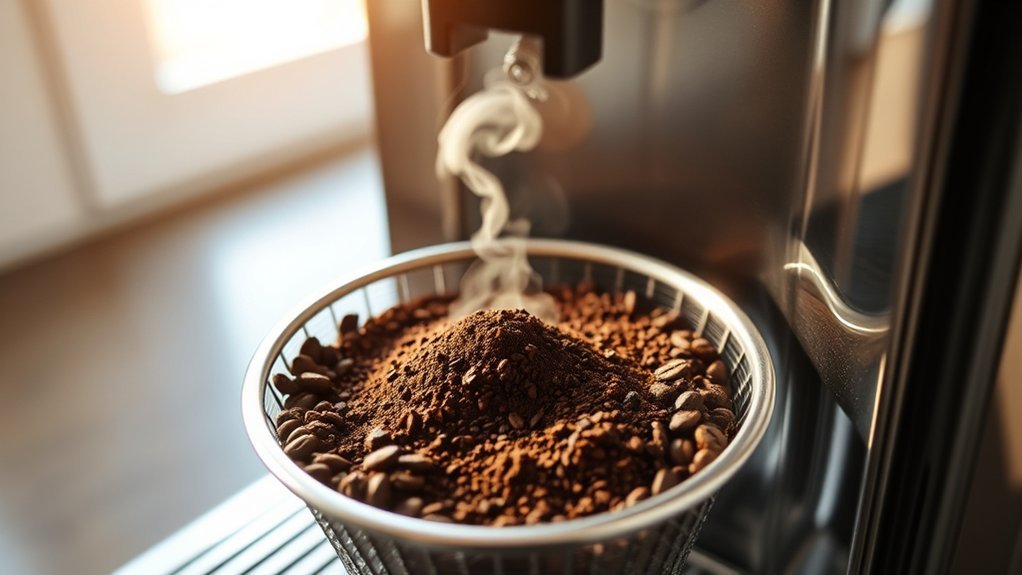
Brewing without a disposable paper filter can work well when you use a compatible permanent metal or nylon filter. It can reduce your need to buy single-use filters while allowing more coffee oils and very fine particles into the finished drink.
Those oils often give metal-filtered coffee a fuller body and heavier mouthfeel. Paper filters produce a cleaner-looking cup because they catch more sediment and much of the lipid fraction that contains the coffee diterpenes cafestol and kahweol.
Skip the disposable paper only when another approved filtering component is doing the job. A bare support basket is not automatically a coffee filter.
A permanent filter may also be convenient because you can empty, wash, and reuse it. However, it requires more cleanup and may leave a small amount of sediment in the carafe.
Note: “Without a paper filter” and “without any filter” are not the same. A French press, Vietnamese phin, Moka pot, and reusable drip filter all use a metal screen or basket to separate most grounds from the drink.
Power your essentials anywhere with a 999Wh pure sine wave power station delivering up to 1000W continuous with 2000W surge. It supports fast charging via USB-C PD 60W and USB-A QC 18W, plus simultaneous output for multiple devices through AC, USB, wireless, and car/DC ports. Recharge using AC, car, or solar with a built-in MPPT controller and dual cooling fans, while the upgraded battery management system protects against surges, short circuits, and overheating.

SEMI-TRANSPARENT WATER RESERVOIR holds up to 5 cups of water capacity with a level indicator to always ensure you have enough water ready for brewing.

WIDE COMPATIBILITY: Contains 200 white 1-4 cup basket style coffee filters designed to fit most coffee makers requiring 4 cup basket filters
How to Brew Coffee Without a Paper Filter: Methods Explained
You have several ways to brew coffee without disposable paper. Some methods use a reusable metal filter, while Turkish and cowboy coffee allow the grounds to settle before the drink is poured.
| Method | How Grounds Are Separated | Typical Grind |
|---|---|---|
| Drip machine with permanent filter | Reusable metal or nylon mesh | Medium |
| French press | Metal mesh plunger | Coarse |
| Vietnamese phin | Perforated metal chamber and press | Medium to medium-coarse |
| Moka pot | Metal grounds basket and screen | Medium-fine |
| Cold brew | Mesh basket, cloth, sieve, or other strainer after steeping | Coarse |
| Turkish coffee | Grounds settle in the cup | Extra-fine |
| Cowboy coffee | Grounds settle before careful pouring | Coarse |
The correct method depends on your equipment. Do not improvise inside an electric coffee maker when its manual calls for a specific paper or permanent filter.
Using Coffee Grounds in the Basket: A Practical Guide
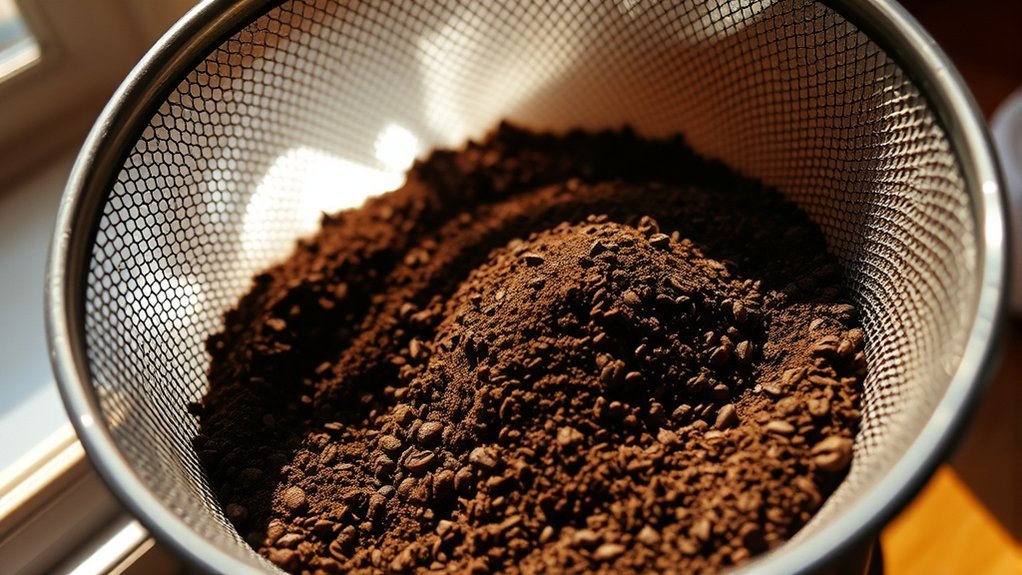
Before adding grounds, remove the basket and inspect it. A bare plastic basket often has large slots or an outlet designed to support a separate filter. A permanent filter has fine metal or nylon mesh across the areas where brewed coffee drains.
Check Your Basket Type
- Bare support basket: Use the paper or permanent filter listed in the manual. Do not add loose grounds directly.
- Permanent mesh filter: Grounds may go directly into the reusable filter after it is seated correctly.
- Purpose-built grounds basket: Some single-serve machines have a small basket designed to hold grounds without an added liner. Stay below its maximum fill line.
- Uncertain basket: Search the model number in the manufacturer’s manual library before brewing.
For example, an official Hamilton Beach 2-Way Brewer manual shows grounds going directly into its designed single-serve grounds basket, while the carafe side uses a permanent filter or paper filter. This demonstrates why the machine’s design matters.
How to Brew With a Compatible Permanent Filter
- Confirm compatibility. Check the owner’s manual for the required basket shape and filter size.
- Seat the filter. Place the clean permanent filter fully inside the brew basket so it sits level.
- Add the correct grind. Use medium-ground coffee for most automatic drip machines unless the manual says otherwise.
- Measure the coffee. Follow the manufacturer’s recommendation. Avoid packing the grounds or filling above a marked maximum line.
- Position the basket and carafe. Make sure the basket is locked or fully seated and the carafe lid is in place.
- Start the brew cycle. Watch the first minute for unusually slow drainage or rising liquid in the basket.
- Clean promptly. Once the machine has cooled, empty and wash the reusable filter and basket.
Warning: If hot coffee or water rises toward the top of the basket, turn off and unplug the coffee maker. Do not remove the hot basket immediately. Let the liquid and grounds cool before clearing the blockage to reduce the risk of burns.
Alternative Brewing Methods
If you do not have a suitable filter for your drip machine, use equipment designed for direct contact between water and grounds. A French press is a straightforward choice because its mesh plunger separates most grounds after steeping. Cowboy coffee also works with a pot and careful pouring, although it leaves more sediment.
Cold brew is another option. Steep coarse grounds in cold water, then strain the concentrate through a fine sieve, reusable mesh filter, or clean brewing cloth. Do not serve an unstrained cold-brew mixture unless you expect a large amount of sediment.
Improvised Filter Techniques
A fine-mesh sieve or clean brewing cloth can strain manually steeped coffee after brewing. Cheesecloth may work when folded into several layers, but a single loose layer often lets fine particles pass through.
A paper towel or unsupported cloth should not be placed loosely in an automatic machine’s brew basket. It may collapse, block drainage, or allow hot water to rise over the basket. Use a purpose-made paper filter or permanent filter whenever you operate the coffee maker.
Pro Tip: Keep a clean reusable filter that matches your machine as a backup. It avoids emergency substitutions and gives you a paper-free brewing option without placing grounds in a bare basket.
Tips for Grit-Free Coffee
- Use a consistent grind appropriate for the brewing method.
- Avoid very fine grounds in a reusable drip filter unless the manufacturer recommends them.
- Do not overfill the filter, because a deep bed of grounds can drain slowly.
- Let French press, cowboy, or Turkish coffee rest briefly before pouring.
- Pour settled coffee gently and leave the last small amount in the brewing vessel.
- Use a finer mesh filter or a second straining step when sediment remains excessive.
- Clean mesh openings after every use so old oils and particles do not restrict flow.
Common Paper-Filter-Free Coffee Brewing Methods
Paper-filter-free methods vary in body, clarity, brew time, and cleanup. Most still use a reusable metal screen or require the drink to be strained before serving.
Popular Coffee Brewing Methods
| Method | Description | Typical Result |
|---|---|---|
| French press | Coarse grounds steep in hot water before a mesh plunger is lowered. | Rich, full-bodied, with light sediment |
| Turkish coffee | Extra-fine coffee is heated in a cezve and served with the grounds. | Thick, aromatic, and sediment-heavy |
| Cowboy coffee | Grounds steep in a pot and settle before careful pouring. | Rustic, bold, with variable clarity |
| Vietnamese phin | Water drips through coffee held in a small metal filter. | Strong and concentrated |
| Moka pot | Steam pressure pushes water through a metal basket of coffee. | Concentrated and intense |
| Cold brew | Coarse grounds steep in cool water for several hours and are then strained. | Smooth and usually served diluted |
Unique Techniques Without Paper Filters
The French press is useful when you want body and a simple brewing process. Turkish coffee creates a very different drink because the powder-like grounds remain in the cup and settle at the bottom.
A Moka pot uses pressure and a reusable metal basket rather than a disposable filter. A Vietnamese phin also relies on metal filtration and a slow drip. These methods are paper-free, but they are not truly filterless.
Cowboy coffee is one of the simplest genuinely unfiltered techniques. Add grounds to hot water, allow them to steep, and wait for the heavier particles to settle. Pour carefully so the settled layer stays in the pot.
How to Minimize Grit in Your Brew
Grit usually comes from fine particles passing through a metal filter or being disturbed after they settle. Grind consistency matters as much as the average grind size. A grinder that produces many tiny particles can create muddy coffee even when most of the grounds look coarse.
For metal-filtered drip coffee, use a medium grind and avoid shaking or compressing the coffee bed. For French press and cowboy coffee, use a coarse grind and allow the brew to rest before pouring.
You can also pass the finished drink through a clean fine-mesh sieve. This will remove larger particles, although it will not produce the same clarity as a paper filter.
How Grind Size Affects Coffee Flavor
Grind size affects how quickly water extracts soluble compounds from coffee and how easily brewed coffee moves through a filter. The correct setting depends on contact time, pressure, and filter design.
Impact of Grind Size
Fine particles have more exposed surface area, so they extract quickly. In a slow-draining drip basket or long immersion brew, too many fine particles can contribute to bitterness and restricted flow.
Coarse grounds drain and settle more easily, but water may pass through them too quickly in an automatic drip machine. This can leave the coffee weak or sour. That is why a medium grind is generally a better starting point for drip brewing.
Extraction Rate Variations
Brewing time, water temperature, coffee dose, agitation, and grind size work together. A fine grind is appropriate for short methods such as espresso or Turkish coffee, while a coarse grind suits long immersion methods such as French press and cold brew.
For strength, follow the ratio in your machine’s instructions. When no ratio is provided, you can begin near 1 gram of coffee for every 16 grams of water and adjust the next batch according to taste. Do not exceed the basket’s capacity to make coffee stronger.
Flavor Profile Differences
- Fine grind: Faster extraction and greater risk of bitterness or restricted drainage when used in the wrong method.
- Medium grind: Balanced flow and extraction for most automatic drip machines.
- Coarse grind: Slower extraction and easier settling for French press, cowboy coffee, and cold brew.
Changing one variable at a time makes troubleshooting easier. If the coffee tastes weak, slightly increase the dose or grind a little finer. If it tastes harsh or the basket drains slowly, reduce the dose or grind a little coarser.
How to Clean Your Coffee Maker After Brewing Without a Paper Filter
A permanent filter allows more oils and particles to contact the basket, so prompt cleaning helps prevent stale flavors and restricted drainage.
- Turn off and unplug the coffee maker.
- Let the basket, carafe, grounds, and warming plate cool.
- Remove the permanent filter and empty the grounds into the trash or an accepted compost collection. Do not wash a large mass of grounds down the sink.
- Rinse the filter immediately so particles do not dry inside the mesh.
- Wash removable parts with warm water and mild dish soap when the manual permits it.
- Use a soft brush to clear blocked mesh openings without bending or tearing them.
- Wipe the basket compartment and showerhead with a damp cloth after the machine has cooled.
- Descale the machine only with the solution and cycle listed in its manual.
- Run the required clean-water rinse cycles before brewing again.
| Cleaning Task | When to Do It |
|---|---|
| Empty grounds and rinse permanent filter | After every brew |
| Wash removable basket and carafe | After every use or as directed |
| Inspect mesh and outlet for blockage | Weekly or whenever drainage slows |
| Descale internal water passages | According to the manual and local water hardness |
Note: Do not assume every coffee maker uses a 1:1 vinegar-and-water mixture. Manufacturer instructions vary by model, and some machines call for a branded descaling product instead of household vinegar.
Troubleshooting Paper-Free Coffee
| Problem | Likely Cause | What to Do |
|---|---|---|
| Grounds in the carafe | No filter, damaged mesh, wrong filter size, or very fine grind | Install the correct filter, inspect it for tears, and use a slightly coarser grind |
| Basket drains slowly | Fine grind, excessive dose, clogged mesh, or two filters used together | Reduce the dose, clean the filter, and use only the filter arrangement approved by the manufacturer |
| Basket overflows | Blocked outlet, overfilled basket, misplaced carafe, or excessively fine grounds | Unplug the machine, let it cool, then clean and reseat all parts before trying a smaller dose |
| Coffee tastes weak | Too little coffee, coarse grind, or incorrect water amount | Check the ratio and adjust the dose or grind slightly finer |
| Coffee tastes stale or oily | Residue in the mesh, basket, carafe, or showerhead | Wash removable parts and clean or descale the machine according to its manual |
Is Paper-Filter-Free Coffee Better for the Environment?
A reusable filter can reduce the number of disposable filters you buy and discard. However, that does not make every paper-free method automatically better in every situation. Reusable filters require manufacturing and regular washing, while many plain paper filters can be composted with the grounds.
The U.S. Environmental Protection Agency’s home-composting guidance lists coffee grounds and paper filters as suitable backyard-compost materials. Remove plastic packaging, staples, or noncompostable parts before adding anything to a compost pile, and check local collection rules.
- Use a permanent filter when it fits your machine and you are willing to wash it after each brew.
- Compost plain paper filters and grounds when your local system accepts them.
- Avoid wasting coffee by measuring the dose and water rather than routinely brewing more than you drink.
- Keep grounds out of plumbing because they can collect in drains instead of breaking down quickly.
Taste Comparison: Filtered vs. Paper-Filter-Free Brewing
| Characteristic | Paper-Filtered Coffee | Metal-Filtered or Unfiltered Coffee |
|---|---|---|
| Body | Lighter and cleaner | Fuller and heavier |
| Sediment | Very low | Low to high, depending on the method |
| Oils | More are retained by the paper | More remain in the drink |
| Flavor clarity | Clearer separation of delicate flavors | More blended, rich, or intense |
| Cleanup | Filter lifts out with most grounds | Mesh and basket require rinsing |
Paper filtration also removes much of the coffee-oil fraction containing cafestol and kahweol. According to the Harvard T.H. Chan School of Public Health, unfiltered methods such as French press and Turkish coffee contain more diterpenes, which can raise LDL cholesterol and triglycerides.
This does not mean that an occasional French press or Turkish coffee is automatically harmful. It does mean that people who drink large amounts of unfiltered coffee—especially those managing high LDL cholesterol—should consider the difference and discuss their usual intake with a qualified healthcare professional.
Filter choice does not reliably predict caffeine content. A scientific review of factors affecting caffeine in brewed coffee found that bean variety, coffee dose, serving size, grind, temperature, contact time, and brewing method all influence the result.
Can You Put Coffee Grounds in the Basket Without a Filter?
Use this decision checklist before brewing:
- The basket is bare plastic with large drainage openings: No. Install the correct paper or permanent filter.
- The basket is a fine-mesh permanent filter: Yes, provided it is compatible, clean, undamaged, and fully seated.
- The basket is labeled as a grounds basket: Yes, but follow its dose and maximum-fill markings.
- The manual specifies a paper filter: Use the stated paper filter unless the manufacturer lists an approved reusable replacement.
- You cannot identify the basket: Do not guess. Find the model number and consult the manual.
Placing grounds in the wrong basket may not immediately destroy the machine, but it can create sediment, block drainage, soil internal areas, or cause a hot overflow. A compatible reusable filter gives you the richer flavor and reduced paper use without relying on a bare basket to contain the grounds.
Frequently Asked Questions
Can using coffee grounds without a filter damage my coffee maker?
Loose grounds do not guarantee permanent damage, but they can pass into areas not designed to handle them, restrict the basket outlet, create sediment, and contribute to an overflow. Use grounds directly only in a manufacturer-approved permanent filter or purpose-built grounds basket.
What grind size is best for brewing without a paper filter?
Use a medium grind in most automatic drip machines with permanent filters. Use a coarse grind for French press, cowboy coffee, and cold brew. Turkish coffee requires an extra-fine grind. Your machine or brewer instructions take priority over general guidance.
Does filterless coffee contain more caffeine?
Not necessarily. Coffee dose, bean type, serving size, grind, water temperature, contact time, and brewing method all affect caffeine. Removing a paper filter changes oils and sediment more predictably than it changes caffeine.
Can I reuse coffee grounds brewed without a filter?
You can run water through used grounds again, but most of their soluble flavor and caffeine have already been extracted. The second drink is normally weak, flat, and less aromatic. Composting or otherwise disposing of the spent grounds is usually a better choice.
Are there health risks associated with drinking coffee sediment?
A small amount of ordinary coffee sediment is mainly a texture issue for most people. The better-supported health difference involves diterpenes in unfiltered coffee, which may raise LDL cholesterol when unfiltered coffee is consumed regularly in substantial amounts.
Can I use a reusable filter instead of a paper filter?
Yes, when the reusable filter matches your coffee maker’s basket shape and size. Do not automatically use a paper filter and permanent filter together, because some manufacturers warn that the combination can slow drainage and cause water or coffee to back up.
What should I do when I run out of coffee filters?
Use a compatible permanent filter or switch to a manual method such as French press, cowboy coffee, or strained immersion coffee. Do not place loose grounds in a bare automatic-drip basket or improvise with material that could collapse and block the outlet.
Conclusion
You can brew coffee without a disposable paper filter, but that does not mean loose grounds belong in every brew basket. Most automatic drip machines need either a paper filter or a compatible permanent mesh filter. Direct placement is appropriate only when the manufacturer designed the basket to hold and filter grounds.
A permanent filter offers fuller body, less paper use, and convenient reuse, although it also creates more sediment and requires prompt cleaning. Check the manual, use the correct grind and dose, and stop the machine if the basket begins to overflow. When no approved filter is available, switch to a brewing method designed for direct steeping rather than risking a blocked drip basket.
Sources
- Hamilton Beach 2-Way Brewer Use and Care Manual — supports basket-type distinctions, permanent-filter use, grind and overflow guidance, and model-specific cleaning.
- Ninja DualBrew Coffee Maker FAQs — supports using a manufacturer-approved paper or permanent filter for ground coffee.
- Harvard T.H. Chan School of Public Health: Coffee — explains diterpenes in unfiltered coffee and their relationship to LDL cholesterol and triglycerides.
- Coffee Consumption and Serum Lipids: A Meta-Analysis of Randomized Controlled Clinical Trials — supports the difference between filtered and unfiltered coffee’s effects on serum lipids.
- Influence of Various Factors on Caffeine Content in Coffee Brews — supports the explanation that caffeine depends on several brewing and ingredient variables.
- U.S. Environmental Protection Agency: Composting at Home — lists coffee grounds and paper filters among appropriate backyard-compost materials.