
Homemade baby food can safely be stored in the freezer for up to six months, but for the best taste and quality, aim to use it within three months. To maintain freshness, freeze it in airtight containers or ice cube trays, and always label with dates. If you notice freezer burn or off smells when thawing, it’s best to discard the food. Discover more tips on keeping your homemade baby food fresh and nutritious.
Key Takeaways
- Homemade baby food is best consumed within three months for optimal quality and taste; up to six months is safe for consumption.
- Store baby food in airtight containers or freezer bags to prevent freezer burn and maintain freshness.
- Label and date containers to track storage times and ensure timely consumption of frozen baby food.
- Signs of spoilage include off smells, discoloration, and freezer burn; discard any food exhibiting these signs.
- Nutritional value is preserved effectively when food is frozen immediately after preparation, maximizing vitamins and minerals.
The Best Ways to Store Homemade Baby Food

When you make homemade baby food, knowing the best ways to store it can help you maintain its quality and safety.
Use effective freezing techniques to maximize freshness. Store your food in airtight containers or freezer bags, squeezing out as much air as possible to prevent freezer burn.
Effective freezing techniques are essential for freshness; use airtight containers or freezer bags to prevent freezer burn.
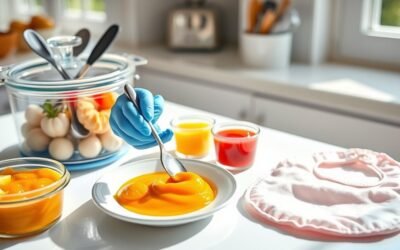
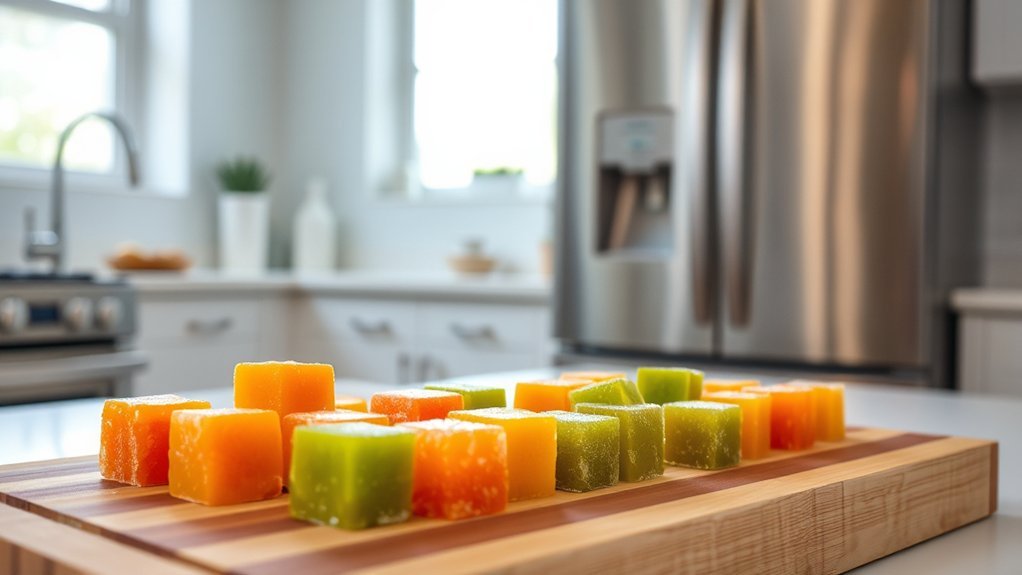
For easy portion control, freeze individual servings in ice cube trays or silicone molds; this way, you can thaw only what you need.
Always label and date your containers to stay on top of storage times, guaranteeing you consume the food within three months for peak quality, or up to six months for safety.
Signs of Spoilage in Frozen Baby Food
While it’s convenient to freeze homemade baby food for later use, it’s essential to recognize the signs of spoilage that can compromise your baby’s health.
Look for spoilage indicators like freezer burn, which manifests as white or grayish-brown patches. If the food has an off smell upon thawing, it should be discarded immediately.
Discoloration, such as browning in pureed fruits and vegetables, signals a loss of quality that could affect food safety. Additionally, changes in texture, like separation or excessive ice crystals, suggest deterioration.
Always check the expiration date and aim to use the food within the recommended 3-6 months for peak quality. Prioritizing these signs helps guarantee your baby’s meals remain safe and nutritious.
Best Practices for Freezing Homemade Baby Food

When freezing homemade baby food, choosing the right containers is essential for maintaining quality.
Use airtight containers or freezer bags to reduce air exposure, and don’t forget to label and date each one for easy tracking.
This way, you can guarantee your baby’s meals stay fresh and nutritious for as long as possible.
Proper Container Selection
Choosing the right containers is essential for freezing homemade baby food effectively. Use airtight containers or freezer-safe bags to minimize air exposure, preventing freezer burn and preserving quality.
Opt for BPA-free plastic containers or silicone molds designed for freezing, ensuring safety without harmful chemicals leaching into the food. Avoid glass containers, as they can break under extreme temperature changes.
When it comes to container sizes, consider portioning your baby food in ice cube trays, which allow you to freeze individual servings easily. Once frozen, transfer these cubes to freezer bags for convenient meal prep.
This thoughtful selection of container materials and sizes will help you maintain the freshness and safety of your homemade baby food.
Labeling For Easy Tracking
After selecting the right containers for freezing homemade baby food, labeling them accurately is key to maintaining quality and freshness.
Always use waterproof markers or labels to note the type of food and the preparation date, ensuring your labeling techniques stand the test of time without smudging.
Organize your freezer by placing newer items at the back and older ones at the front, which helps in tracking freshness and encourages you to use older items first.
For added organization, consider creating a tracking sheet to monitor contents and dates.
Regularly check for signs of freezer burn and use items within the recommended timeframes to guarantee ideal taste and nutrition for your little one.
Thawing Frozen Baby Food Safely
When you need to thaw frozen baby food, it’s best to plan ahead and place it in the refrigerator overnight for safe defrosting.
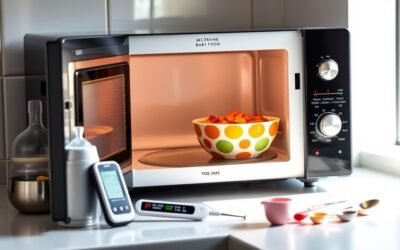
If you’re short on time, you can use the microwave’s defrost setting, just make sure the food is in a microwave-safe dish.
Recommended Thawing Methods
How can you guarantee your baby’s food is thawed safely? Start by using the refrigerator method, letting the food thaw overnight at a safe temperature. This is the best of the thawing techniques, ensuring quality and safety.
If you’re short on time, the microwave’s “defrost setting” works well; just remember to stir the food thoroughly afterward to eliminate hot spots.
For an even quicker option, place the sealed container in a plastic bag and submerge it in hot or warm water for 10-20 minutes.
Avoid thawing baby food at room temperature, as this can lead to bacterial growth, compromising thawing safety.
Once thawed, use the food within two days, and never refreeze it.
Safe Temperature Guidelines
To guarantee your baby’s food is thawed safely, it’s crucial to adhere to specific temperature guidelines.
Thaw frozen baby food in the refrigerator overnight for safe storage, which helps prevent bacterial growth. If you’re in a hurry, use the microwave’s defrost setting, but make sure the food is in a microwave-safe container.
Avoid thawing at room temperature, as this can encourage harmful bacteria to multiply. Once thawed, consume the food within 48 hours, and never refreeze it to maintain quality.
Always prioritize temperature monitoring by testing the reheated baby food with a clean spoon before serving. This guarantees you’re providing safe and delicious nourishment for your little one without any risk of burns or contamination.
Storage After Thawing
After safely thawing your baby food, proper storage becomes essential to maintaining its freshness and safety.
Keep the thawed food refrigerated and aim to consume it within 48 hours. It’s vital never to refreeze thawed baby food, as this can lead to bacterial growth and spoilage.
To thaw, use the refrigerator overnight, the microwave on the defrost setting, or warm water. Avoid thawing at room temperature, as it increases the risk of contamination.
Before serving, always test the temperature with a clean spoon to verify it’s safe for your little one.
Following these storage duration guidelines and consumption tips will help you provide safe and nutritious meals for your baby.
Reheating Frozen Homemade Baby Food
When you’re ready to serve your little one some homemade baby food, reheating it properly is essential for both safety and taste.
Reheating homemade baby food correctly is crucial to ensure your baby’s safety and enhance the flavor.
You have a couple of reheating techniques at your disposal. If you choose the microwave, set it to 50% power, warming in 15-second increments, and remember to stir thoroughly for even heating. Always check for microwave safety, ensuring there are no hot spots that could burn your baby.
Alternatively, you can use a small saucepan on low heat, stirring frequently until you reach the desired consistency. Before serving, test the temperature with a clean spoon.
Keep in mind that thawed food should be consumed within 48 hours, and never refreeze any leftovers to avoid contamination.
Tips for Keeping Homemade Baby Food Fresh

Keeping homemade baby food fresh is key to ensuring your little one enjoys nutritious meals without any compromise on safety or quality.
Here are some practical tips to help you maintain freshness:
- Choose high-quality ingredients for better taste and nutrition.
- Store baby food in airtight containers to prevent freezer burn.
- Label containers with the food type and preparation date for easy tracking.
- Thaw frozen baby food in the refrigerator overnight, and never refreeze it.
- Regularly check for spoilage signs, like off smells or texture changes.
Effects of Freezing Baby Food Too Long?
While freezing homemade baby food is a great way to preserve its nutrients, doing so for too long can negatively impact its quality. Freezing food for more than six months often leads to texture changes and a decline in taste. Though it remains safe to eat, the flavor may not be appealing. Signs of freezer burn, like discoloration or off smells, indicate that the food might not be palatable.
| Duration | Impact on Taste | Texture Changes |
|---|---|---|
| 1-3 months | Ideal flavor | Smooth consistency |
| 4-6 months | Noticeable decline | Minor texture changes |
| 6+ months | Significant loss | Unpleasant consistency |
| Regular checks | Track freshness | Prevent spoilage |
To maintain quality, consume within the recommended timeframe.
Nutritional Value of Frozen Baby Food
Although some might worry about nutrient loss in frozen baby food, the truth is that freezing preserves most vitamins and minerals effectively.
Here’s why you can feel good about freezing homemade baby food:
- Nutrient preservation is maximized when you freeze food immediately after preparation.
- Frozen fruits and vegetables retain their vitamins and minerals well.
- Foods high in water content freeze better than high-fat items, which may change texture.
- You can safely consume frozen baby food for up to 6 months, though 3 months is ideal for taste.
- Thaw and reheat gently to avoid destroying important nutrients, using low-power microwaving as a great method.
Common Mistakes When Freezing Homemade Baby Food
Freezing homemade baby food can be a fantastic way to preserve its nutritional benefits, but it’s important to avoid common pitfalls that can compromise quality and safety.
One major mistake isn’t using airtight containers or freezer bags, leading to freezer burn. Forgetting to label and date your containers makes it difficult to track storage time. Overfilling can prevent proper sealing and cause leaks when the food expands.
Thawing at room temperature promotes bacterial growth; always use safe methods, like the refrigerator. Finally, never refreeze thawed baby food, as it compromises both quality and food safety.
Frequently Asked Questions
Can I Refreeze Baby Food Once It’s Thawed?
You shouldn’t refreeze baby food once it’s thawed, as this can compromise quality and safety. Follow proper thawing methods and refreezing guidelines to guarantee your baby’s food remains nutritious and safe to eat.
How Can I Tell if Baby Food Is Freezer Burnt?
Imagine a withered leaf in winter; that’s what freezer burn looks like. You’ll spot visual signs like discolored patches or ice crystals. If you see these, it’s best to toss the baby food.
Is It Safe to Freeze Mixed Vegetable Purees?
Yes, it’s safe to freeze mixed vegetable purees. Follow freezing guidelines for ideal vegetable safety. Use airtight containers, label with dates, and consume within three to six months for the best quality and flavor.
What Containers Are Best for Freezing Baby Food?
Think of your baby food as treasure; glass jars and silicone trays are the best containers for freezing. They prevent freezer burn, maintain quality, and make it easy to pop out portions when you need them.
How Do Different Foods Affect Freezing Duration?
Freezing fruits typically lasts up to 12 months, while freezing vegetables usually ranges from 8 to 12 months. Proper preparation, like blanching veggies, can enhance quality and taste, ensuring your baby enjoys nutritious meals.
Conclusion
In conclusion, storing homemade baby food in the freezer can be a convenient way to guarantee your little one enjoys nutritious meals. By following best practices and being mindful of storage duration, you can keep your baby’s food fresh and safe. Remember, while frozen food might not last forever, with careful handling, you can avoid the pitfalls of spoilage. With these tips, you’ll be well-equipped to offer your baby wholesome meals that are just a thaw away.