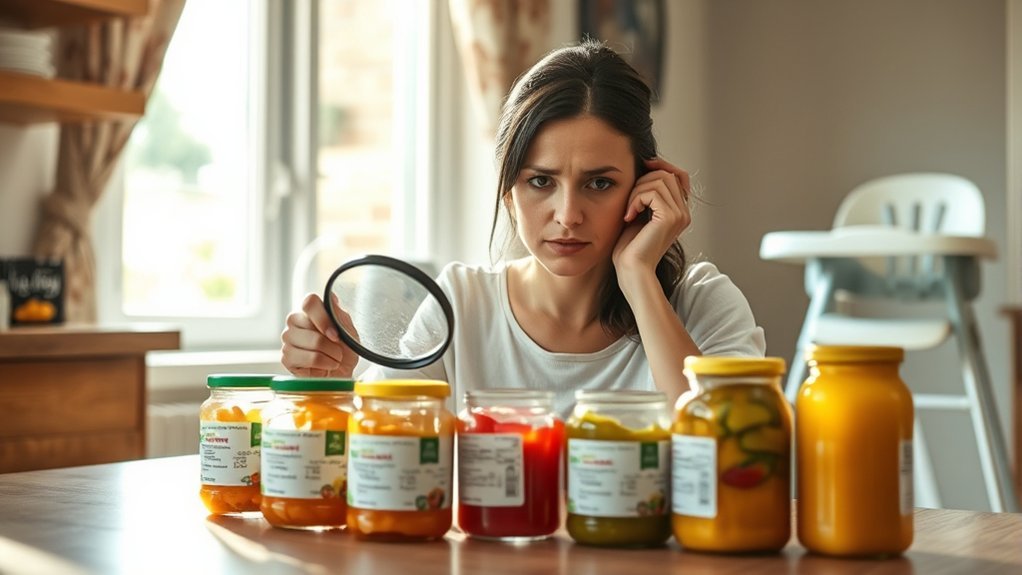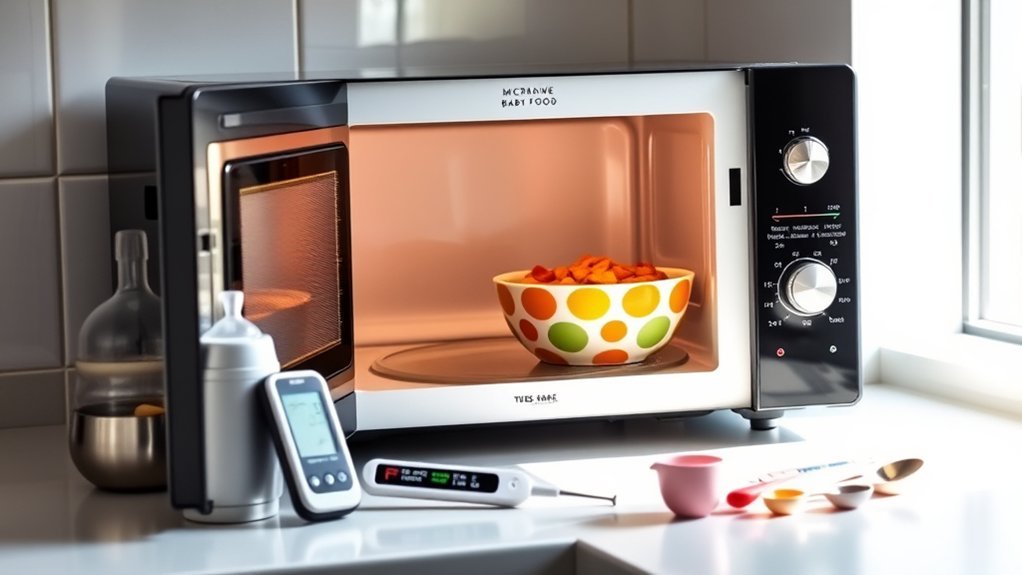
Microwaving puréed or solid baby food can be safe when you use the right container, heat only a small portion, stir thoroughly, and test it before feeding. The main concern is uneven heating, which can leave a cool edge but a dangerously hot center. This guide applies to baby food, not breast milk or infant formula.
Quick Answer
Yes, you can microwave most puréed and solid baby foods. Transfer one serving to a microwave-safe dish, cover it loosely, heat briefly, stir well, let it stand for 30 seconds, and test several spots. The food should feel lukewarm before serving. Never microwave breast milk, formula, or food inside its jar.
Key Takeaways
- Transfer baby food from its jar or pouch to a separate microwave-safe dish before heating.
- For about four ounces of food, start with roughly 15 seconds and add more time only when needed.
- Stir from the center to the edges, let the food stand for 30 seconds, and test several spots.
- Ready-to-eat purée only needs to be lukewarm; previously cooked food should be reheated thoroughly and then cooled.
- Never microwave breast milk or infant formula because uneven heating can create scalding hot spots.
- Heat only the portion you plan to serve and discard food contaminated by a used feeding spoon.
At a Glance
| Time Required | About 2–5 minutes, including stirring, standing, and cooling |
| Difficulty | Easy, but close temperature checks are essential |
| Tools Needed | Microwave-safe dish, vented cover or plate, clean spoon, and optional food thermometer |
| Cost | No added cost when suitable kitchenware is already available |
Warning: Never microwave breast milk or infant formula. Do not microwave baby food inside its glass jar, in a sealed pouch, or in a closed container. Transfer the portion to an open microwave-safe dish so you can stir it and check the temperature.
How to Safely Microwave Baby Food
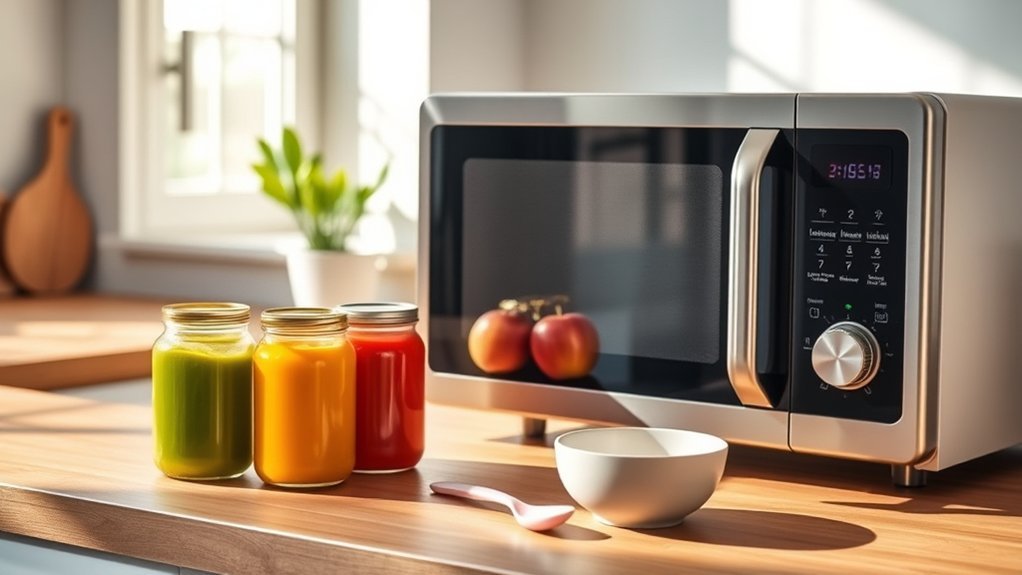
The safest approach is to heat only the amount your baby is likely to eat. This makes the food easier to stir, reduces waste, and keeps a used feeding spoon from contaminating the food left in storage.
- Portion the food into a dish. Remove one serving from the jar, storage container, or pouch. Do not feed from the original container if you plan to save the remaining food.
- Use a microwave-safe container. Glass or ceramic is a simple choice. Plastic is acceptable only when the container is specifically labeled microwave-safe.
- Cover the dish loosely. Use a vented microwave-safe lid or place a microwave-safe plate over the dish. Do not seal the container because steam needs a way to escape.
- Heat for a short time. The FoodSafety.gov infant-feeding guidance gives about 15 seconds on high as a starting point for four ounces of solid food. Smaller portions may need less, and microwave wattages vary.
- Stir, stand, and test. Stir the food thoroughly from the center to the edges, let it stand for at least 30 seconds, and test several areas with a clean spoon. It should feel lukewarm, not hot.
Pro Tip: Spread the food into a shallow, even layer before heating. A shallow portion is easier to stir and temperature-test than a thick mound of purée.
If the food is still cold after stirring and standing, return it to the microwave for another short interval. Repeat the stir-and-test process after every interval rather than relying on the temperature of the dish or the food near its edge.
Note: Many ready-to-eat baby foods can be served at room temperature or directly from the refrigerator if your baby accepts them. Heating is a preference, not always a requirement. Follow the product label when it gives specific preparation directions.
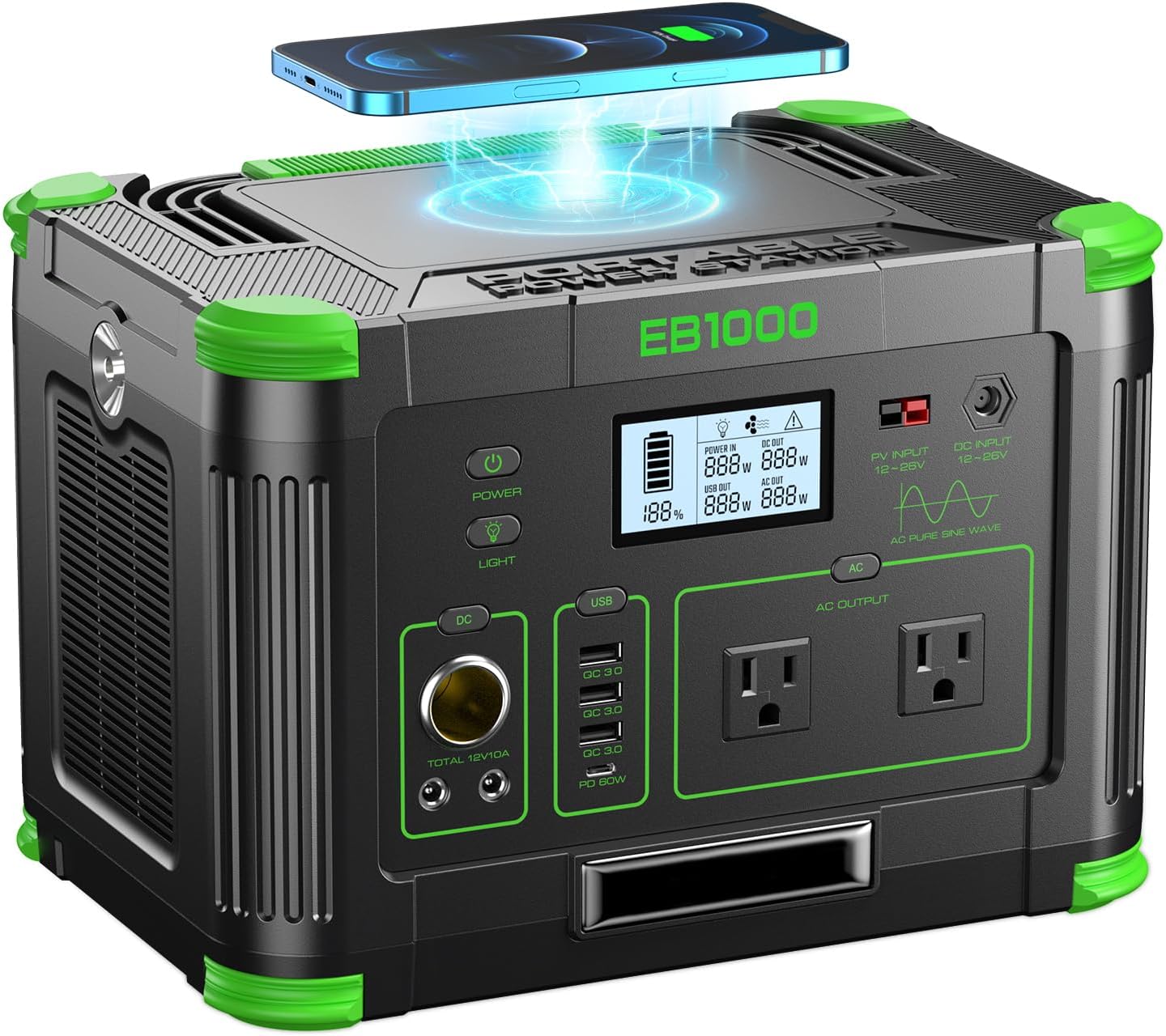
Power your essentials anywhere with a 999Wh pure sine wave power station delivering up to 1000W continuous with 2000W surge. It supports fast charging via USB-C PD 60W and USB-A QC 18W, plus simultaneous output for multiple devices through AC, USB, wireless, and car/DC ports. Recharge using AC, car, or solar with a built-in MPPT controller and dual cooling fans, while the upgraded battery management system protects against surges, short circuits, and overheating.

100% Silicone Baby Food Storage Containers: These baby food containers are BPA-, PVC-, and phthalates-free, lightweight, and shatter-resistant. Suitable for hot and cold foods and liquids, ensuring the safety of your baby's food

12-Pack, Durable 4oz Glass Jars with Lids – KeaBabies Baby Food Jars Glass check all the right boxes for a reliable baby snack containers. Ideal for busy parents as baby food containers for prepping and storing homemade meals smoothly.
Safety Risks When Microwaving Baby Food
The microwave itself is not the main problem. Most injuries and food-safety concerns come from uneven heating, inappropriate containers, poor storage, or reheating the same portion more than once.
Uneven Heating and Hot Spots
Microwaves can warm food unevenly. The center may become much hotter than the food beside the dish, creating a burn risk even when the outside feels cool.
Always stir thoroughly, let the food stand, and test more than one area. For thicker foods, lift food from the bottom and fold it toward the top so the entire portion is mixed.
Do not judge temperature by touching only the container. A cool bowl can hold food with a very hot center.
Container and Material Risks
Use glass, ceramic, or plastic specifically labeled for microwave use. Avoid metal, foil, melamine tableware, cracked glass, foam containers, takeout tubs, and single-use packaging unless the manufacturer clearly says the item is microwave-safe.
A “BPA-free” label is not the same as a microwave-safe label. The container must be designed to tolerate microwave heating. The FDA advises against heating food in plastic tableware that does not specify that it is microwave-safe.
Claims that microwave heating automatically contaminates baby food with harmful nanoplastics go beyond current evidence. The FDA says significant research gaps remain and that current evidence does not demonstrate a health risk from the levels detected in food.
Burns, Splattering, and Steam
Overheated food can splatter when it is stirred, and trapped steam can escape quickly when a cover is removed. Open the cover away from your face and hands.
FoodSafety.gov recommends using the stovetop rather than the microwave for baby-food meats, meat sticks, and eggs. Their fat content can contribute to rapid heating, splattering, and overheating.
Food Contamination
Do not put a spoon that has been in your baby’s mouth back into a jar or storage container you intend to save. Saliva can introduce bacteria to the remaining food.
Place a small amount in a serving dish and offer more from the untouched storage container only when needed. Discard anything left in the serving dish after the meal.
Tips for Safely Microwaving Baby Food
| Tip | What to Do | Why It Matters |
|---|---|---|
| Use a separate dish | Transfer one serving from the jar or pouch. | The food can be stirred properly, and the stored portion remains uncontaminated. |
| Start with a short interval | Begin with about 15 seconds for four ounces and adjust for the portion and microwave. | Short heating cycles reduce the chance of severe overheating. |
| Cover loosely | Use a vented lid or microwave-safe plate. | This limits splattering while allowing steam to escape. |
| Stir thoroughly | Mix the center, edges, top, and bottom. | Stirring distributes heat and exposes hidden hot spots. |
| Let it stand | Wait at least 30 seconds after heating. | The standing period allows temperatures to equalize before testing. |
| Test several places | Taste a small amount with a clean spoon before feeding. | Baby-ready food should feel lukewarm, not hot. |
| Reheat only once | Heat only the serving your baby is likely to eat. | Repeated cooling and reheating increases handling and food-safety risks. |
How Warm Should Baby Food Be?
The correct target depends on whether you are simply warming ready-to-eat food or reheating food that was previously cooked.
Warming Ready-to-Eat Baby Food
Commercially prepared purées and other ready-to-eat baby foods generally do not need to be cooked again. Warm only the amount you plan to serve and stop when it is evenly lukewarm.
The FDA’s infant-food guidance says to stir, let the food stand for 30 seconds, and taste-test it before feeding. The final serving should not feel hot.
Reheating Previously Cooked Food
Previously cooked homemade food should be reheated thoroughly. General U.S. leftover guidance uses an internal temperature of 165°F or 74°C. The NHS similarly advises reheating food until it is steaming hot throughout.
After reheating, stir the food and let it cool until it is lukewarm before serving. A food thermometer is useful for meat, combination meals, and dense portions, but it does not replace stirring and testing several areas.
Reheat previously cooked food thoroughly, but never serve it at reheating temperature. Stir it well and let it cool until every part of the serving is comfortably lukewarm.
Best Stovetop Heating Practices for Baby Food
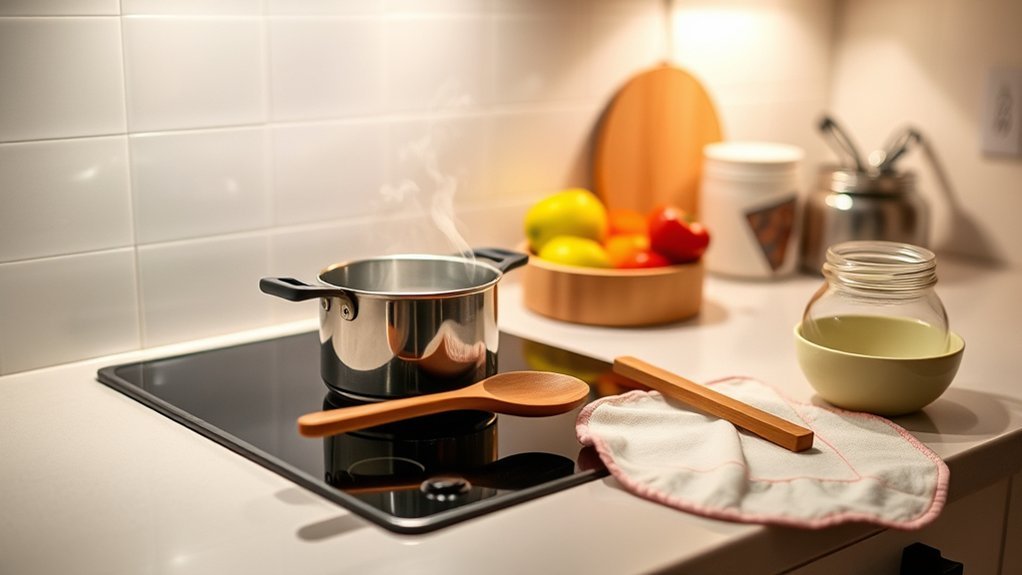
The stovetop provides gradual, easy-to-control heating and is the preferred option for baby-food meats, meat sticks, and eggs.
- Place one serving in a small, clean saucepan.
- Set the burner to low heat.
- Stir continuously or very frequently, scraping the bottom and sides.
- Add a small amount of water only if the food becomes too thick.
- Reheat previously cooked food until steaming throughout, then transfer it to a serving dish.
- Stir again and let it cool to lukewarm before feeding.
Do not leave the saucepan unattended. A small portion can overheat or stick to the pan quickly, even on low heat.
How to Make Sure Baby Food Is Safe to Eat
Safe heating begins before the food enters the microwave. Wash your hands, use clean utensils, keep raw ingredients separate from ready-to-eat food, and refrigerate prepared food promptly.
Heat only the portion your baby is likely to finish. Keep the remaining food cold and untouched by the feeding spoon.
Baby Food Storage Times
Storage limits depend on the ingredients. The following times are based on current FoodSafety.gov guidance for opened or freshly made baby food.
| Food Type | Refrigerator | Freezer |
|---|---|---|
| Strained fruits and vegetables | 2–3 days | 6–8 months |
| Strained meats and eggs | 1 day | 1–2 months |
| Meat-and-vegetable combinations | 1–2 days | 1–2 months |
| Homemade baby food | 1–2 days | 1–2 months |
Use the shorter time when you are uncertain about the ingredients or handling history. Product labels may provide more specific instructions for commercially prepared food.
Warning: Throw away food left in the serving dish after your baby has eaten from it. Do not refrigerate or reheat a half-eaten portion because saliva from the spoon can contaminate the food.
How to Defrost Frozen Baby Food Safely
The safest method is to thaw frozen baby food in the refrigerator. Place the frozen portion in a covered container and allow enough time for it to thaw completely.
You can also use the microwave’s defrost setting when the food will be reheated and served immediately. Stop frequently to stir, break up frozen areas, and check that the edges are not beginning to cook while the center remains frozen.
Do not thaw baby food on the kitchen counter. Once food is defrosted, follow the applicable storage guidance and do not refreeze it after reheating.
Alternatives to Microwaving Baby Food
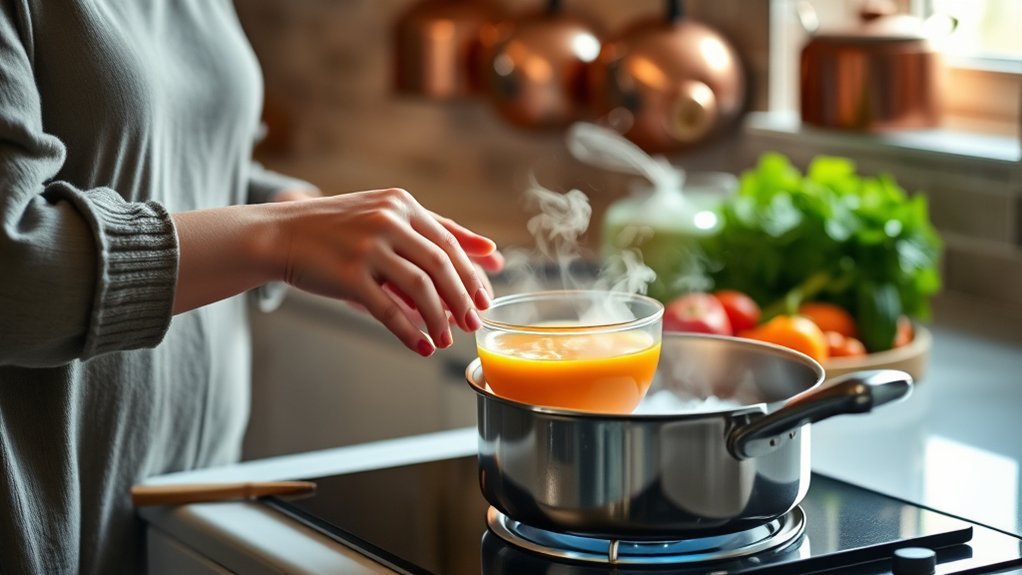
A microwave is convenient, but it is not the only way to warm baby food. The stovetop and warm-water methods can provide more gradual heating.
Warm-Water Bath
Place the baby food in a heat-resistant bowl. Set that bowl inside a larger bowl or saucepan containing hot water. Keep water out of the food and stir the food regularly as it warms.
This gentle method is useful for small portions that only need warming. Replace the water if it cools before the food reaches the desired temperature.
Stovetop Method
Place the food in a small saucepan and warm it over low heat while stirring frequently. This method is especially useful for thick meals and the baby-food meats or eggs that FoodSafety.gov advises heating on the stovetop.
Serving Without Heating
Ready-to-eat food does not always need warming. When the product label permits it and your baby accepts the temperature, you may serve it at room temperature or chilled. Still use a clean serving dish and discard any half-eaten portion.
Troubleshooting Common Heating Problems
The Food Is Hot Around the Edges but Cold in the Center
Stir more thoroughly, including the bottom of the dish. Spread the food into an even layer and heat it for another brief interval. Let it stand and retest several areas.
The Food Became Too Hot
Do not add cold food from the storage container with a used spoon. Instead, set the serving aside, stir it frequently, and wait for it to cool. Test it again before feeding.
The Food Is Dry or Too Thick
Stir in a small amount of water or another liquid already appropriate for your baby’s feeding plan. Add only a little at a time so the texture does not become too thin.
The Food Splattered in the Microwave
Use a larger shallow dish and cover it loosely with a vented microwave-safe lid or plate. Reduce the heating time or power for the next interval.
The Food Is Watery After Thawing
Some fruits and vegetables release water as they thaw. Stir the liquid back into the food. If the texture remains too thin, warm it gently in a saucepan while stirring so some moisture can evaporate.
Frequently Asked Questions
Can I microwave homemade baby food safely?
Yes. Place one serving in a microwave-safe dish, cover it loosely, heat it briefly, stir thoroughly, let it stand for at least 30 seconds, and test several spots. Previously cooked homemade food should be reheated thoroughly and then cooled to lukewarm before serving.
How long can I store microwaved baby food?
Heat only the portion you plan to serve. Discard food left in the serving dish after your baby has eaten from it, and do not reheat cooked food more than once. Unheated stored food follows ingredient-specific limits: homemade food generally keeps for one to two days refrigerated, while strained fruits and vegetables may keep for two to three days.
What containers should I avoid when microwaving baby food?
Avoid metal, foil, melamine tableware, foam containers, cracked glass, single-use takeout tubs, and any plastic that is not specifically labeled microwave-safe. Never heat food in a closed jar, sealed pouch, or tightly sealed container.
Can I microwave baby food in a plastic container?
Only when the container is clearly labeled microwave-safe and is in good condition. A BPA-free label alone does not show that a container is suitable for microwave heating. Glass or ceramic is a straightforward alternative.
Is it safe to microwave baby food with added ingredients?
Yes, provided every ingredient is appropriate for your baby and the food is heated safely. There is no single nutrient-loss percentage that applies to all baby foods. Use short heating times, avoid adding unnecessary water, stir well, and follow any package or recipe directions.
Can I microwave frozen baby food?
You can use the microwave’s defrost setting when you will reheat and serve the food immediately. Pause often to stir and break up frozen areas. Refrigerator thawing is more gradual and is the preferred method when time allows.
Can I microwave baby food in its jar or pouch?
No. Transfer one serving to a microwave-safe dish. Food heated inside a jar can warm unevenly, and sealed containers or pouches can build pressure. Removing the portion also lets you stir and test it properly.
Why should breast milk and formula not be microwaved?
Microwaves can heat liquids unevenly and create hot spots that burn a baby’s mouth or throat. Breast milk or formula can be served cold or warmed by placing the bottle in warm water and testing it before feeding.
Conclusion
You can microwave most puréed and solid baby foods safely, but careful handling matters more than the appliance itself. Transfer one serving to a microwave-safe dish, heat it briefly, stir thoroughly, let it stand, and test several spots before feeding.
Do not microwave baby food in its jar or pouch, and never microwave breast milk or infant formula. Heat only what your baby is likely to eat, discard half-eaten portions, and follow food-specific storage limits. When in doubt, use the stovetop for slower, easier-to-control heating.
Sources
- FoodSafety.gov: Children Under Five — infant food storage, microwave precautions, serving temperature, and foods that should be heated on the stovetop.
- U.S. Food and Drug Administration: Once Baby Arrives — jar handling, spoon contamination, microwave timing, standing time, and infant-milk precautions.
- NHS: Storing and Reheating Baby Food — cooling, defrosting, reheating, half-eaten portions, and reheating food only once.
- FoodSafety.gov: Four Steps to Food Safety — safe reheating temperatures and microwave standing guidance.
- U.S. Food and Drug Administration: Melamine Tableware Questions and Answers — microwave-safe labeling and unsuitable tableware.
- U.S. Food and Drug Administration: Microplastics and Nanoplastics in Foods — current evidence and research limitations.