Organic baby food is made with ingredients produced under federal organic rules, but the label is often misunderstood. USDA certification limits prohibited farming and processing methods, including genetic engineering, while allowing certain approved substances. Organic foods may reduce exposure to some pesticides, but they are not automatically more nutritious, pesticide-free, allergen-free, or free of heavy metals.
Quick Answer
Organic baby food meets USDA production and labeling standards. A product labeled “organic” contains at least 95% certified organic ingredients, excluding salt and water. Organic certification can reduce exposure to some pesticides, but it does not guarantee better nutrition, zero pesticide residue, lower heavy metals, or freedom from allergens.
Key Takeaways
- USDA organic is a regulated production and labeling claim, not a general promise that a food is healthier or safer in every way.
- A food labeled “organic” contains at least 95% certified organic ingredients, excluding salt and water.
- Organic farms may use approved pesticides and other substances, so organic does not mean pesticide-free.
- Research supports lower exposure to some pesticides, but it has not shown consistent nutritional or growth advantages for babies.
- Organic certification does not guarantee lower heavy metals, no added sugar, no allergens, or a gluten-free product.
- Whether you buy organic or conventional baby food, prioritize age-appropriate texture, dietary variety, a simple ingredient list, and safe handling.
What Does “Organic Baby Food” Really Mean?
In the United States, “organic” is a regulated labeling term. According to the USDA Agricultural Marketing Service, certified organic products must follow rules for production, processing, recordkeeping, inspections, and labeling.
USDA organic standards prohibit certain production methods, including genetic engineering, ionizing radiation, and sewage sludge. They also limit the substances farmers and food processors may use.
However, organic does not mean that no pesticide, fertilizer, processing aid, or synthetic substance was used. The USDA maintains a National List of Allowed and Prohibited Substances. In general, synthetic substances are prohibited unless specifically allowed, while nonsynthetic substances are allowed unless specifically prohibited.
The USDA Organic seal verifies compliance with organic production standards. It does not mean a baby food is pesticide-free, contaminant-free, allergen-free, or nutritionally superior.

Power your essentials anywhere with a 999Wh pure sine wave power station delivering up to 1000W continuous with 2000W surge. It supports fast charging via USB-C PD 60W and USB-A QC 18W, plus simultaneous output for multiple devices through AC, USB, wireless, and car/DC ports. Recharge using AC, car, or solar with a built-in MPPT controller and dual cooling fans, while the upgraded battery management system protects against surges, short circuits, and overheating.

Clearly Crafted: When it comes to caring for your baby, transparency is everything. Thats why we bring you Clearly Crafted. Our clear packaging lets you see the ingredients in each recipe, in all its vibrant color. its goodness you can see

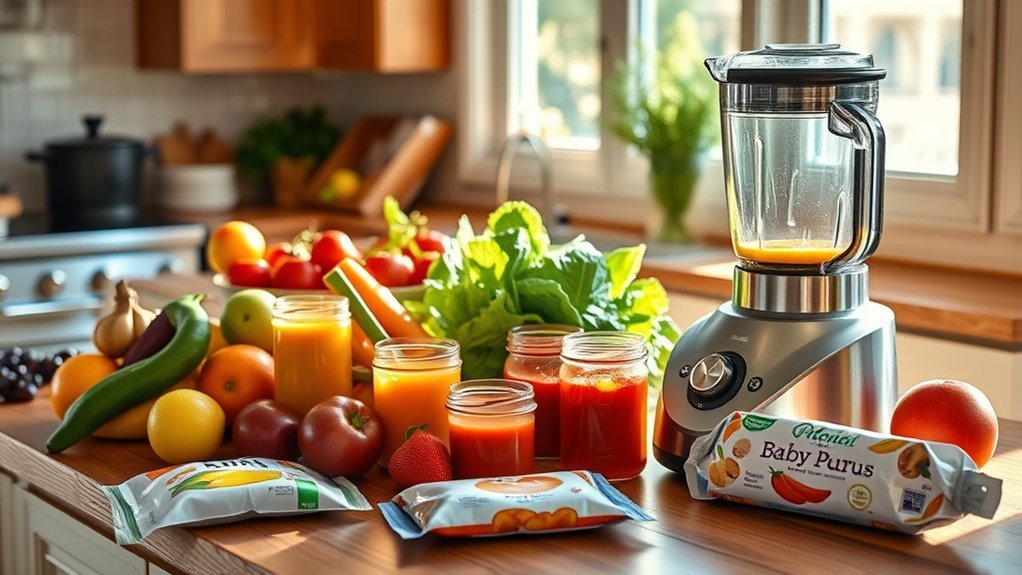
MADE WITH USDA CERTIFIED ORGANIC & NON-GMO SIMPLE INGREDIENTS: Beech-Nut Organics baby food is made with real organic apple cooked over indirect heat to preserve color, flavor and nutrients.
Understanding USDA Organic Label Categories
The wording on the front of a baby-food package matters. USDA rules recognize four main categories for packaged products.
| Label wording | What it means | USDA seal allowed? |
| 100 percent organic | All ingredients must be certified organic, excluding salt and water. | Yes |
| Organic | At least 95% of the ingredients must be certified organic, excluding salt and water. The remaining ingredients must meet USDA restrictions. | Yes |
| Made with organic ingredients | At least 70% of the ingredients must be certified organic. The label may name up to three organic ingredients or ingredient categories. | No |
| Specific organic ingredients | A product containing less than 70% organic ingredients may identify individual certified organic ingredients in the ingredient list. | No |
Note: Salt and water are not counted when USDA calculates the percentage of organic ingredients in a packaged food.
Common Myths About Organic and Conventional Baby Food
Myth: Organic Baby Food Is Pesticide-Free
Organic production limits pesticide choices, but it does not ban every pesticide. Farmers may use certain approved nonsynthetic pesticides and a smaller number of specifically permitted synthetic substances. Residues can also enter food through soil, water, nearby farms, storage, or processing.
Myth: Organic Baby Food Is Always More Nutritious
Studies have found some differences in individual nutrients or compounds, but the evidence does not show consistent, clinically meaningful nutritional superiority. A systematic review indexed by the National Library of Medicine found limited evidence that organic foods are significantly more nutritious than conventional alternatives.
For babies, dietary variety, iron-rich foods, suitable textures, and overall nutrient intake usually matter more than whether every ingredient is organic.
Myth: Organic Means Free From GMOs, Allergens, and Gluten
USDA organic rules prohibit genetic engineering, so certified organic products are produced without excluded GMO methods. However, organic food may still contain major allergens such as milk, eggs, wheat, peanuts, tree nuts, soy, sesame, fish, or shellfish.
Organic certification is also separate from gluten-free labeling. A baby food containing organic wheat, barley, or rye is organic but not gluten-free.
Myth: Organic Baby Food Cannot Carry Harmful Bacteria
Organic and conventional foods can both become contaminated by bacteria or other pathogens. Proper manufacturing, package integrity, storage, handwashing, utensil cleaning, and refrigeration remain important.
Nutrition and Pesticide Exposure
Research indicates that eating organic foods can reduce exposure to some pesticides. That is a reasonable benefit for families who prefer organic products and can afford them.
However, reduced exposure should not be described as proof that organic baby food improves growth, brain development, immunity, or long-term health. Current research has not established those outcomes consistently.
When comparing two baby foods, look beyond the organic seal. Consider:
- Whether the texture matches your baby’s feeding skills
- The variety of fruits, vegetables, grains, proteins, and iron-rich foods offered across the week
- Whether sweeteners, syrups, juice concentrates, or excess sodium have been added
- Whether a product contains an allergen your baby must avoid
- Whether the package is sealed, undamaged, and within its use-by date
- Whether the food is being served and stored safely
Does Organic Baby Food Have Fewer Heavy Metals?
Not necessarily. Lead, arsenic, cadmium, and mercury can occur naturally in soil and water. Plants may absorb them regardless of whether they are grown organically or conventionally. Contaminants can also enter foods during processing.
The American Academy of Pediatrics explains that organic baby foods may have lower levels of some pesticides while often having heavy-metal levels similar to nonorganic foods.
In January 2025, the FDA issued final lead action-level guidance for processed foods intended for babies and young children. The guidance is part of the agency’s Closer to Zero program, which aims to reduce exposure to lead and other toxic elements over time.
Warning: Do not assume an organic seal means a product has no lead, arsenic, cadmium, or mercury. Offer a varied diet instead of relying heavily on one food, brand, grain, root vegetable, or fruit pouch.
How to Read Organic Baby-Food Labels
Start with the USDA label category, but do not stop there. Review the entire package before buying or serving the food.
1. Confirm the Organic Claim
Look for “100 percent organic,” “organic,” or “made with organic” and use the USDA percentages above to understand what each term means. A product does not need to be 100% organic to display the USDA Organic seal; products containing at least 95% organic ingredients may also display it.
2. Do Not Confuse “Natural” With “Organic”
The FDA has not established a formal regulatory definition of “natural” through rulemaking. Its longstanding policy generally concerns whether artificial or synthetic substances were added when they would not normally be expected. The policy does not address pesticide use, farming methods, processing methods, or nutritional benefits. Review the FDA’s explanation of the term “natural” on food labels.
3. Read the Ingredient List
Ingredients appear in descending order by weight. A short list can make a product easier to evaluate, but length alone does not determine quality. Check for sweeteners, juice concentrates used mainly for sweetness, sodium, allergens, and ingredients your baby has not yet tried.
4. Check Separate Dietary Claims
Organic, non-GMO, allergen-free, dairy-free, and gluten-free are separate claims. For a child with celiac disease or a medical need to avoid gluten, look for a qualifying gluten-free claim and review the ingredients. The FDA requires foods carrying a gluten-free claim to meet its gluten-free labeling requirements.
5. Inspect the Package
Do not use jars with loose lids, broken seals, leaks, swelling, cracks, rust, or unusual odors. Follow the manufacturer’s refrigeration and discard instructions after opening.
Organic vs. Conventional Baby Food
| Factor | Organic baby food | Conventional baby food |
| Production rules | Must meet USDA organic production, processing, certification, and labeling standards. | Must meet applicable federal food-safety and labeling requirements but not USDA organic standards. |
| Pesticide exposure | May reduce exposure to some pesticides but is not pesticide-free. | May contain residues within applicable regulatory limits. |
| Nutrition | Not consistently shown to provide clinically meaningful nutritional advantages. | Can provide the same essential nutrients when ingredients and portions are comparable. |
| Heavy metals | Not guaranteed to have lower levels. | Not automatically higher or lower; levels depend on ingredients, soil, water, and processing. |
| Cost | Often more expensive because of certification, sourcing, and production requirements. | Often less expensive and may provide more choices within a family’s budget. |
Tips for Choosing the Best Baby Food
- Prioritize variety. Rotate fruits, vegetables, grains, protein foods, and iron-rich options rather than relying on one type of puree or pouch.
- Match the texture to your baby. Choose a consistency that fits your baby’s developmental skills and ability to sit, swallow, and manage food safely.
- Compare the whole label. The USDA seal does not replace checking ingredients, allergens, added sugars, sodium, and serving instructions.
- Use a mixed budget strategy. It is reasonable to buy some foods organic and others conventional. A nutritious conventional food is better than excluding a useful food solely because the organic version costs more.
- Wash fresh produce. Rinse organic and conventional fruits and vegetables under running water before cutting or preparing them. Washing can remove dirt, germs, and some surface residue, but it cannot remove substances absorbed into the food.
- Check recalls. Stop using a product if its lot or package is included in an FDA or manufacturer recall.
- Serve food safely. Use clean hands, utensils, blenders, containers, and preparation surfaces.
Pro Tip: Instead of treating “organic” as the deciding factor, compare two products side by side. Choose the option with the most useful ingredients, appropriate texture, acceptable price, and fewest unnecessary sweeteners or additives for your baby’s needs.
Making Homemade Organic Baby Food Safely
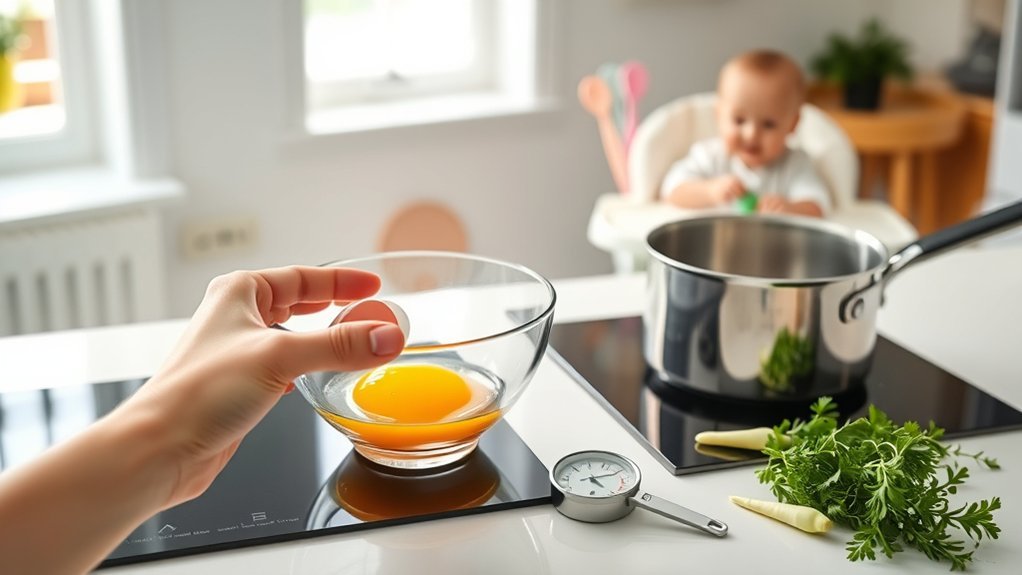
You can prepare baby food from fresh or frozen organic ingredients by washing, peeling when needed, cooking until soft, and blending or mashing to a safe texture. Homemade food still requires careful hygiene and storage.
- Wash your hands before preparing or serving food.
- Clean blenders, food processors, cutting boards, knives, and containers with hot, soapy water.
- Cook meat, eggs, poultry, and fish thoroughly.
- Divide food into small portions before feeding.
- Do not feed directly from a storage container and then save the remainder, because saliva can introduce bacteria.
- Refrigerate homemade baby food promptly and use it within one to two days.
- Freeze extra portions in clean, covered containers and label them with the preparation date.
- Discard perishable food that has been at room temperature for more than two hours.
The FDA provides additional guidance on preparing and storing homemade baby food safely.
Note: Homemade baby food and homemade infant formula are not the same. Do not make infant formula at home. Use breast milk or a commercially prepared infant formula unless your child’s healthcare professional gives different medical instructions.
Frequently Asked Questions
Are all organic baby foods gluten-free?
No. Organic wheat, barley, and rye still contain gluten. Organic certification concerns production methods, while gluten-free is a separate labeling claim. Check the ingredient list and look for a qualifying gluten-free label when your child must avoid gluten.
How can I make homemade organic baby food?
Wash the ingredients, cook firm foods until soft, and mash or blend them to an age-appropriate texture. Use clean equipment, prepare small portions, refrigerate leftovers promptly, and discard food that has touched a used feeding spoon.
What are the environmental benefits of organic baby food?
USDA organic standards require practices intended to support resource cycling, soil and water quality, ecological balance, and biodiversity. The exact environmental impact still varies by crop, farm, location, transportation, processing, and packaging.
Do organic baby foods have a longer shelf life?
Not automatically. Shelf life depends on processing, packaging, acidity, preservatives, storage temperature, and whether the container has been opened. Follow the date and storage directions printed on the package.
Can I mix organic and conventional baby foods?
Yes. There is no safety rule requiring a baby’s diet to be entirely organic or entirely conventional. Mixing both types can help families balance cost, availability, nutrition, and preference while continuing to offer a varied diet.
Does organic baby food contain fewer heavy metals?
Not necessarily. Heavy metals may occur naturally in soil and water, so organic and conventional baby foods can contain similar levels. Dietary variety can reduce repeated exposure from any one ingredient or food category.
Is organic baby food worth the higher price?
It may be worth it when reducing exposure to some pesticides or supporting organic production practices is important to your family. It is not nutritionally required, however. Conventional baby food can also be a safe and nutritious choice when selected, stored, and served properly.
Conclusion
Organic baby food follows USDA production and labeling rules and may reduce exposure to some pesticides. It does not automatically provide better nutrition, improve growth, eliminate heavy metals, or make a product free from allergens and pathogens. Use the organic seal as one piece of information, then compare the ingredients, texture, dietary value, package condition, price, and storage instructions. Both organic and conventional foods can support a varied and nutritious diet for your baby.
Sources
- USDA Agricultural Marketing Service: Labeling Organic Products — USDA organic percentages, label categories, seal use, and excluded production methods.
- USDA National List of Allowed and Prohibited Substances — substances permitted and prohibited in organic production and processing.
- FDA: Use of the Term “Natural” on Food Labeling — the difference between FDA’s natural-label policy and USDA organic certification.
- FDA: Lead Action Levels for Processed Baby Foods — current federal guidance on lead in foods intended for babies and young children.
- American Academy of Pediatrics: Heavy Metals in Baby Food — practical guidance on organic food, heavy metals, and dietary variety.
- National Library of Medicine: Organic and Conventional Food Systematic Review — evidence on nutrition, pesticide exposure, and food-safety differences.