Understanding baby food allergens can make starting solids safer and less stressful. Most babies can begin trying potentially allergenic foods at about 6 months, once they are developmentally ready. Current U.S. guidance encourages introducing these foods rather than delaying them without a medical reason. The timing is especially important for peanut and egg, although some babies need a personalized plan from their healthcare professional.
Quick Answer
The nine major U.S. food allergens are milk, egg, peanut, tree nuts, soy, wheat, fish, crustacean shellfish, and sesame. Most can be introduced in an age-appropriate form at about 6 months when your baby is ready for solids. Babies with severe eczema or egg allergy may need earlier, clinician-guided peanut introduction.
Key Takeaways
- The FDA recognizes nine major food allergens: milk, egg, fish, crustacean shellfish, tree nuts, peanuts, wheat, soybeans, and sesame.
- Most babies can begin complementary foods at about 6 months when developmentally ready; starting solids before 4 months is not recommended.
- For peanut-allergy prevention, babies with severe eczema, egg allergy, or both should have a healthcare professional involved and may be advised to start peanut-containing foods at 4 to 6 months.
- Use soft, age-appropriate textures. Never give whole nuts or thick spoonfuls of nut butter to a baby because they are choking hazards.
- After an allergenic food is tolerated, keep it in the diet regularly unless your child’s healthcare professional tells you otherwise.
At a Glance
| Typical Starting Age | About 6 months when developmentally ready; some high-risk infants may be advised to introduce peanut at 4–6 months |
| Difficulty | Easy to moderate; higher-risk babies may need medical guidance |
| What You Need | High chair, spoon, bowl, age-appropriate food, and time to watch your baby closely |
| Main Safety Concerns | Allergic reactions and choking; prepare each food in a soft, developmentally appropriate form |
Note: This article provides general educational information and does not replace care from your pediatrician or allergist. Babies with a known food allergy, severe eczema, egg allergy, or a previous food reaction may need an individualized introduction plan.
Understanding Baby Food Allergens: What Parents Need to Know
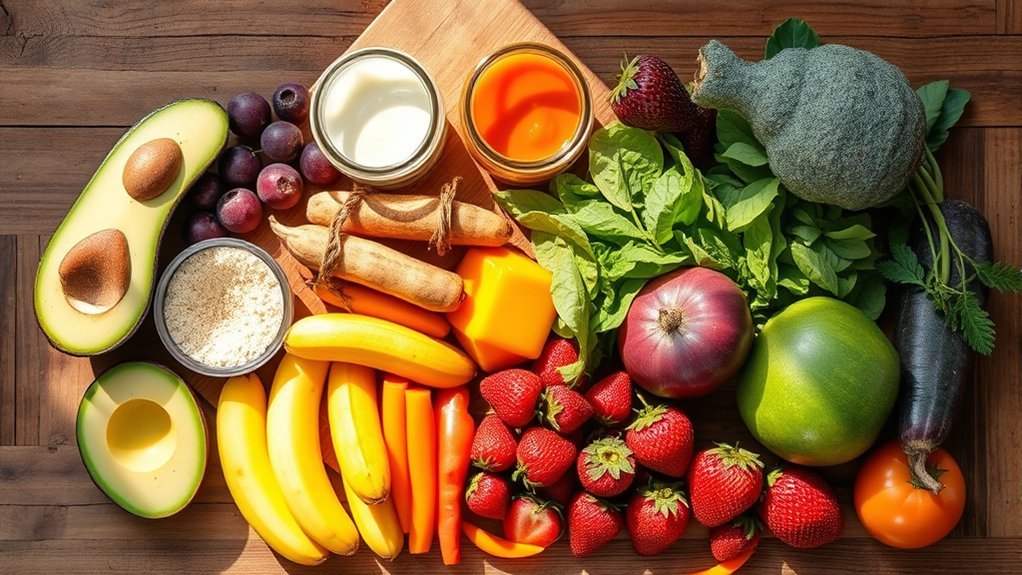
Food allergies happen when the immune system reacts to a food protein that is normally harmless. Current U.S. guidance no longer recommends routinely delaying potentially allergenic foods simply to prevent allergies. The Dietary Guidelines for Americans, 2025–2030 recommend introducing potentially allergenic foods along with other complementary foods at about 6 months.
The strongest prevention evidence is for peanut and egg. Research has shown that earlier, age-appropriate introduction can reduce the chance of developing peanut or egg allergy in some infants. Evidence is less certain for preventing allergies to foods such as milk, wheat, fish, or tree nuts simply by changing their introduction age.
Do not start solids solely because your baby has reached a certain birthday. Developmental readiness matters too.
Signs Your Baby Is Ready for Solids
According to the CDC’s infant-feeding guidance, babies are generally ready for complementary foods at about 6 months when they can do several of the following:
- Sit upright alone or with support.
- Control their head and neck.
- Open their mouth when food is offered.
- Swallow food instead of automatically pushing it back out.
- Bring objects to their mouth.
- Reach for or grasp food or other small objects.
Introducing complementary foods before 4 months is not recommended.
Common Baby Food Allergens
The FDA recognizes nine major food allergens in the United States:
- Milk
- Egg
- Peanut
- Tree nuts, such as almond, cashew, walnut, and pecan
- Soybeans
- Wheat
- Fish, such as salmon, cod, or tuna
- Crustacean shellfish, such as shrimp, crab, and lobster
- Sesame
Sesame became the ninth major allergen under federal law, with allergen-labeling requirements taking effect January 1, 2023.
Age-Appropriate Ways to Serve Common Allergens
| Allergen | Baby-Friendly Form | Important Safety Note |
|---|---|---|
| Peanut | Smooth peanut butter thinned with water, breast milk, or formula; or peanut powder mixed into a familiar puree | Never give whole peanuts or thick globs of peanut butter |
| Egg | Fully cooked egg mashed to an appropriate texture | Use thoroughly cooked egg rather than raw or undercooked egg |
| Milk | Plain pasteurized yogurt or soft pasteurized cheese in an appropriate texture | Cow’s milk should not replace breast milk or infant formula as a beverage before 12 months |
| Tree nuts | Smooth nut butter thinned well or finely ground nut mixed thoroughly into soft food | Whole or chopped nuts are choking hazards |
| Soy | Soft tofu or another smooth soy food appropriate for the baby’s eating skills | Avoid hard or chewy pieces |
| Wheat | Soft wheat cereal, soft pasta, or another easily swallowed wheat food | Match texture and size to developmental ability |
| Fish | Fully cooked, carefully deboned, finely flaked fish | Check carefully for bones |
| Crustacean shellfish | Fully cooked shrimp, crab, or lobster minced or pureed to a safe texture | Remove all shell and tough pieces |
| Sesame | Tahini thinned and mixed into a soft food | Thick tahini can be sticky, so mix it well |
Warning: Whole nuts, chopped nuts, and thick spoonfuls or globs of nut butter are choking hazards for young children. Thin smooth nut butter or mix it thoroughly into another soft food, and always supervise your baby while eating.
High-Risk Infant Considerations
The most specific U.S. prevention guidance concerns peanut allergy. Under the NIAID peanut-allergy prevention guideline:
- Babies with severe eczema, egg allergy, or both should be considered for age-appropriate peanut introduction as early as 4 to 6 months, after they have shown that they are developmentally ready for solid foods. Medical evaluation before introduction should be strongly considered.
- Babies with mild to moderate eczema can generally have peanut-containing foods introduced at about 6 months.
- Babies without eczema or known food allergy can have peanut introduced in an age-appropriate form along with other complementary foods.
A family history of allergies can still be useful information for your pediatrician, but family history alone is not the same as the NIAID high-risk category of severe eczema and/or egg allergy.
When Allergy Testing Is Needed
Most babies do not need broad food-allergy testing before starting allergenic foods. Testing is most relevant when a baby has already reacted to a food or falls into a specific high-risk pathway, such as severe eczema or egg allergy before peanut introduction.
Avoid requesting broad food-allergen panels simply as a screening test. Positive blood or skin tests can occur even when a child can safely eat the food, which may lead to unnecessary avoidance. A pediatrician or board-certified allergist can decide whether targeted testing or a medically supervised oral food challenge is appropriate.
How Early Allergen Introduction Can Prevent Food Allergies
Research has changed the way experts think about allergy prevention. Delaying peanut and egg is no longer considered the best strategy for most babies.
A 2023 systematic review of randomized trials found strong evidence that earlier peanut introduction lowers the risk of peanut allergy and that earlier egg introduction lowers the risk of egg allergy. The evidence is not equally strong for every other allergenic food.
Long-term follow-up of the LEAP trial found peanut allergy in 4.4% of children assigned to early peanut consumption versus 15.4% of those assigned to early avoidance by adolescence—a 71% lower risk.
For peanut specifically, the NIAID prevention protocol used regular intake after successful introduction. The guideline describes approximately 6 to 7 grams of peanut protein per week divided across three or more feedings. Parents of high-risk infants should discuss the appropriate amount and introduction method with their child’s healthcare professional.
For other tolerated allergens, the practical goal is to keep the food as a normal part of the child’s varied diet rather than offering it once and then avoiding it for months.
Pro Tip: Introduce a new allergen when your baby is healthy and when you have time to watch them closely. Avoid trying a new food for the first time when you are rushing out the door or leaving your baby with a caregiver who does not know what was offered.
Signs of Food Allergies in Infants: What to Look For

Many IgE-mediated food-allergy reactions begin within minutes to a few hours after eating, although not every food-allergy condition follows the same timeline.
Possible symptoms include:
- Hives, widespread redness, or itching
- Swelling of the lips, face, tongue, or throat
- Vomiting or significant stomach symptoms
- Coughing, wheezing, noisy breathing, or trouble breathing
- Pale or bluish skin
- Sudden unusual sleepiness, weakness, limpness, or difficulty responding normally
Some non-IgE food allergies can cause delayed digestive symptoms rather than an immediate reaction. Repeated vomiting, persistent diarrhea, blood or mucus in the stool, feeding problems, or poor growth should be discussed with your child’s healthcare professional.
Redness only where food touched the skin can sometimes be contact irritation rather than a true allergy, but symptoms can overlap. If you are unsure, stop the suspected food and contact your child’s clinician before offering it again.
Safely Introducing Allergenic Foods to Your Baby
Once your baby is developmentally ready, you can use a simple routine for introducing new allergenic foods.
- Choose one new food. Using one new food at a time makes it easier to identify the cause if symptoms develop.
- Use a safe texture. Puree, mash, soften, thin, or finely mince the food to match your baby’s eating skills.
- Start with a small taste. If your baby remains well, gradually offer more of an age-appropriate serving.
- Watch for symptoms. Stay close and pay attention to skin, breathing, vomiting, and behavior.
- Wait before adding another entirely new food. The CDC notes an American Academy of Pediatrics recommendation to introduce one new food at a time and wait about 3 to 5 days between new foods when first starting solids.
- Keep tolerated allergens in the diet. Continue serving foods your baby tolerates as part of their normal varied diet.
You do not need to introduce foods in a specific order for most babies. Starting with familiar, iron-rich, and nutrient-dense foods can make complementary feeding easier.
Should You Introduce One Allergen at a Time?

Introducing one new food at a time is useful because it makes a possible reaction easier to trace. This does not mean your baby has to eat only one ingredient for days. Foods they have already tolerated can stay in the meal while you add one new allergenic food.
A practical approach is to:
- Offer the new allergen in a simple form with foods your baby already tolerates.
- Avoid combining several never-before-eaten allergens in the same first serving.
- Keep a brief note of the food and date if your baby has eczema, previous reactions, or other allergy concerns.
- Once the new food is tolerated, continue offering it rather than treating the first exposure as a one-time test.
What to Do If Your Baby Has an Allergic Reaction
If your baby develops symptoms after eating a new food, stop feeding that food and assess what is happening.
For a mild, limited symptom, such as a small area of hives without breathing problems or other symptoms, contact your child’s healthcare professional for advice and do not deliberately feed the suspected allergen again until you receive guidance.
Warning: Trouble breathing, wheezing, swelling of the tongue or throat, faintness, marked limpness, or a rapidly worsening reaction can indicate anaphylaxis. If your child has prescribed epinephrine, use it according to the emergency plan and call 911 immediately. Do not delay epinephrine while waiting for an antihistamine to work.
The NIAID food-allergy guidelines identify intramuscular epinephrine as the first-line treatment for food-induced anaphylaxis. A child who has had a serious food reaction should receive follow-up care and may need an allergist, an emergency action plan, and prescribed epinephrine.
When possible, write down:
- What food was eaten
- Approximately how much was eaten
- When it was eaten
- When symptoms began
- Which symptoms appeared
- What treatment was given
This information can help a clinician evaluate the reaction.
Feeding a Baby With Cow’s Milk Allergy
A true cow’s-milk protein allergy is different from lactose intolerance. Milk allergy is an immune reaction to milk proteins. Lactose intolerance involves difficulty digesting the milk sugar lactose.
This distinction matters because lactose-free cow’s-milk formula can still contain cow’s-milk proteins and therefore may not be suitable for a baby with cow’s-milk protein allergy.
Milk Options Before 12 Months
Before age 12 months, breast milk or infant formula should remain the baby’s main milk source. Plant-based drinks such as oat, almond, pea, coconut, or rice beverages should not be used as a replacement for breast milk or infant formula.
If a formula-fed baby has cow’s-milk protein allergy, the FDA describes hypoallergenic extensively hydrolyzed formula and elemental or amino-acid-based formula as specialty options used for babies with specific medical or dietary needs. Formula changes for a baby with suspected or confirmed milk allergy should be made with a pediatric healthcare professional.
Milk Alternatives After 12 Months
From 12 months onward, children who cannot drink cow’s milk may be able to use an unsweetened, fortified alternative as part of a balanced diet. Nutrient content varies widely, so the CDC recommends discussing dairy alternatives with your child’s doctor or nurse.
Choose products fortified with calcium and vitamin D and ask your child’s healthcare professional which option provides enough protein, fat, and other nutrients for your child.
Note: Some children with diagnosed cow’s-milk allergy eventually tolerate extensively heated or baked milk. Do not test baked milk at home unless your child’s allergist has advised you to do so.
How Family History Affects Baby Food Allergies
Food allergies and other allergic conditions can run in families, so your pediatrician should know if a parent or sibling has food allergy, eczema, asthma, or another allergic disease.
However, family history does not automatically mean your baby is allergic to the same food, and it is not a reason to avoid that food indefinitely without medical advice.
For peanut prevention, current U.S. guidance places the greatest emphasis on the baby’s own severe eczema and/or egg allergy. A family history alone does not automatically require peanut allergy testing before introduction.
If someone in your household has a severe food allergy, discuss safe food preparation and cross-contact precautions with an allergist, especially before bringing that allergen into the home.
Food Allergy vs. Food Intolerance
Food allergy and food intolerance are not the same thing.
- Food allergy involves the immune system and can cause symptoms such as hives, swelling, vomiting, wheezing, or anaphylaxis.
- Food intolerance does not involve the same allergic immune response. It may cause digestive symptoms such as gas, bloating, or diarrhea.
Because symptoms can overlap, avoid diagnosing either condition based only on symptoms you see at home. A pediatrician or allergist can determine whether testing, an elimination trial, or a supervised food challenge is appropriate.
Essential Resources for Managing Infant Food Allergies
Reliable guidance is especially important when feeding advice affects allergy prevention or emergency care. Useful parent resources include:
- The current Dietary Guidelines for Americans, 2025–2030 for complementary feeding and allergen introduction.
- The NIAID Addendum Guidelines for the Prevention of Peanut Allergy for risk-based peanut introduction.
- The CDC infant and toddler nutrition guidance for developmental readiness, food textures, and starting solids.
- The FDA food-allergen guidance for the current nine major allergens and sesame labeling.
If your baby has already reacted to a food, has severe eczema, or has been diagnosed with a food allergy, a board-certified allergist can help create a personalized feeding and emergency plan.
Frequently Asked Questions
Can babies have allergenic foods while breastfeeding?
Yes. A baby can continue breastfeeding while complementary foods, including allergenic foods, are introduced. Breastfeeding has many health benefits, but it should not be relied on as a proven way to prevent food allergy. Continue breastfeeding for as long as it works for you and your baby while following normal complementary-feeding guidance.
What are the best first foods for babies at higher allergy risk?
There is no single required first food. Offer nutrient-dense foods in textures your baby can safely manage. If your baby has severe eczema, egg allergy, a known food allergy, or a previous reaction, ask your healthcare professional whether a specific allergen introduction plan is needed.
How do I know if my baby is ready for solids?
Most babies are ready at about 6 months when they can control their head and neck, sit with support, open their mouth for food, and swallow food rather than automatically pushing it out. Starting complementary foods before 4 months is not recommended.
Are there foods babies should avoid before 6 months?
Complementary foods generally begin around 6 months and should not begin before 4 months. Do not delay allergenic foods solely to prevent allergies once your baby is ready. Honey should be avoided until 12 months because of botulism risk, and cow’s milk should not replace breast milk or formula as a beverage before 12 months.
Can food allergies develop after a baby has eaten a food safely before?
Yes. A previous tolerated serving does not guarantee that a food allergy can never develop. If your child later develops repeatable symptoms after eating a food, stop offering it and discuss the reaction with a healthcare professional.
Is sesame a major food allergen?
Yes. Sesame is the ninth major food allergen recognized under U.S. federal law. Packaged foods introduced into interstate commerce from January 1, 2023, must identify sesame as a major allergen when applicable.
Does my baby need allergy testing before trying peanut?
Most babies do not. NIAID recommends strongly considering evaluation before peanut introduction for infants with severe eczema, egg allergy, or both. Routine broad food-allergy panels are not recommended because false-positive results can lead to unnecessary food avoidance.
Can my baby have yogurt before drinking cow’s milk?
Yes, if your baby does not have a milk allergy and is developmentally ready for complementary foods. Plain pasteurized yogurt and age-appropriate cheese can be offered during infancy. Cow’s milk should not replace breast milk or infant formula as the main drink until 12 months.
Conclusion
Introducing baby food allergens does not need to be frightening. For most babies, the safest approach is to begin complementary foods at about 6 months when developmental signs are present, introduce allergenic foods in safe textures without unnecessary delay, and continue foods that are tolerated. Peanut deserves special attention because babies with severe eczema or egg allergy may benefit from a clinician-guided introduction as early as 4 to 6 months.
Watch for allergic reactions, take choking precautions seriously, and seek professional guidance if your baby has severe eczema, an existing food allergy, or a previous reaction. With the right preparation, allergenic foods can become a normal part of a varied infant diet rather than foods that are automatically avoided.
Sources
- Dietary Guidelines for Americans, 2025–2030 — current U.S. guidance on complementary foods, potentially allergenic foods, and high-risk peanut introduction.
- U.S. Food and Drug Administration — Sesame Is the Ninth Major Food Allergen — current federal major-allergen list and sesame labeling requirements.
- National Institute of Allergy and Infectious Diseases — Addendum Guidelines for the Prevention of Peanut Allergy — risk-based peanut introduction, testing, amounts, and choking-safe preparation.
- CDC — When, What, and How to Introduce Solid Foods — developmental readiness, complementary-feeding timing, and safe textures.
- CDC — Cow’s Milk and Milk Alternatives — guidance on cow’s milk and plant-based beverages before and after 12 months.
- FDA — Infant Formula Information for Parents and Caregivers — specialty hypoallergenic and elemental formula information for infants with medical or dietary needs.