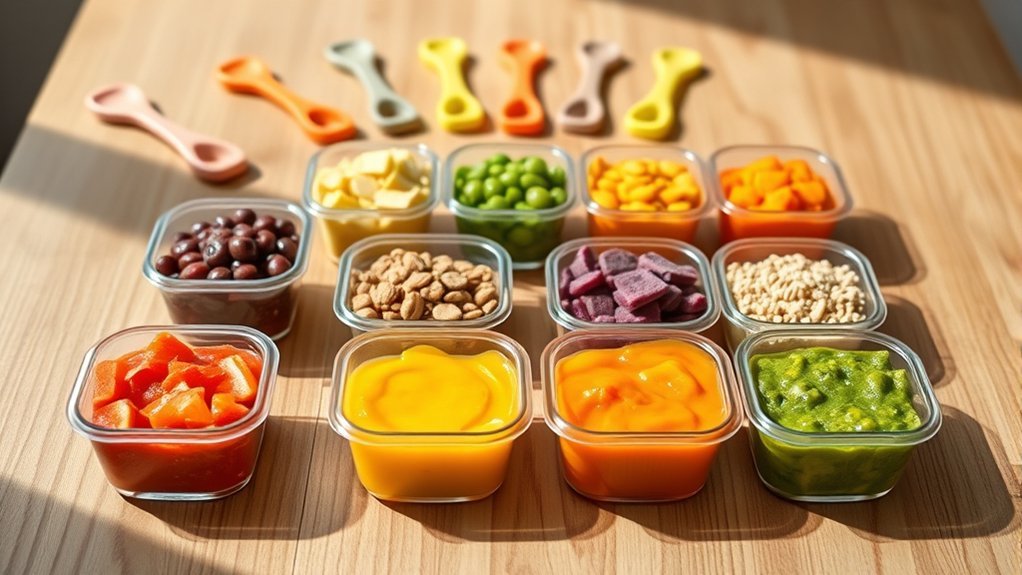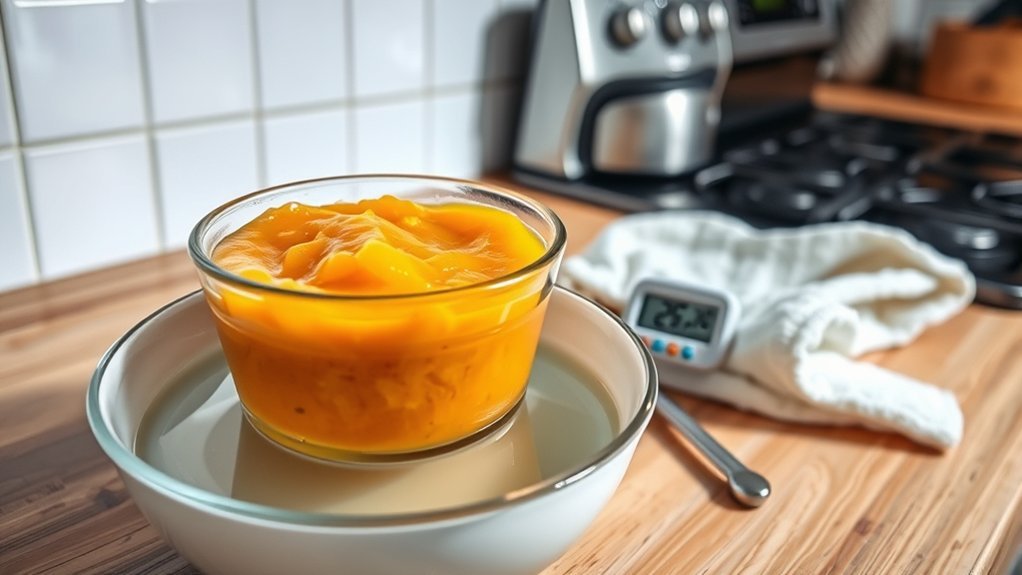
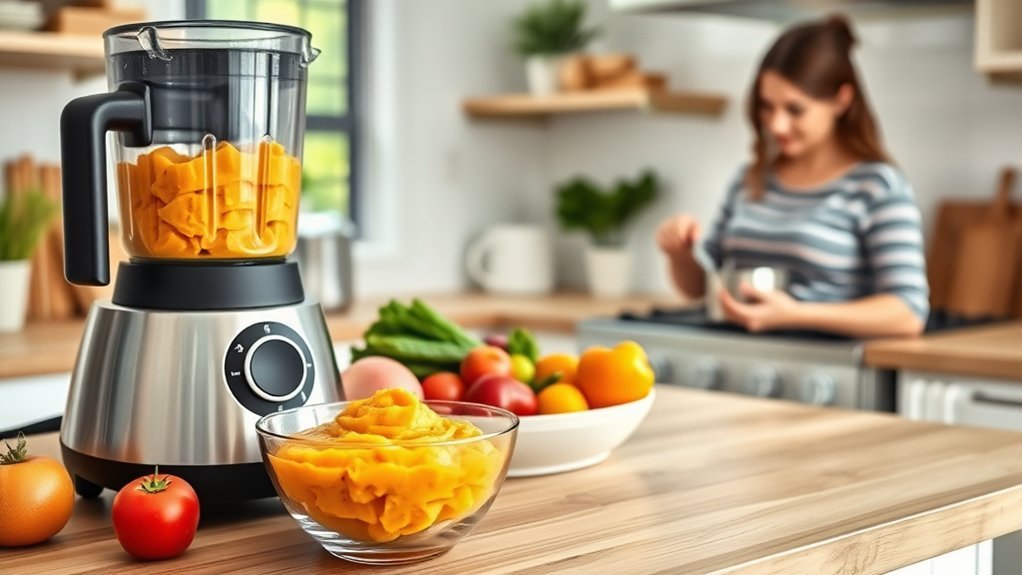
Avoiding added sugar in baby food is less about avoiding naturally sweet foods and more about knowing what is actually added during processing or preparation. Whole fruit, plain vegetables, unsweetened yogurt, grains, proteins, and other nutrient-dense foods can all fit. The key is reading labels carefully, skipping unnecessary sweeteners, and serving every food in a texture that is safe for your baby’s feeding skills.
Quick Answer
To avoid added sugar in baby food, choose products showing 0 g Added Sugars on the Nutrition Facts label, check ingredients for sweeteners, and favor plain whole foods. For babies under 12 months, avoid honey and juice, and always prepare food in a texture that matches your baby’s feeding skills to reduce choking risk.
Key Takeaways
- Current U.S. guidance says children younger than 24 months should not have added sugars.
- Check the Added Sugars line rather than judging a food only by its Total Sugars.
- Organic certification does not mean a product is free from added sugar.
- Honey should never be given before 12 months because of infant botulism risk.
- Whole fruit can be naturally sweet without containing added sugar, but it must be prepared in an age-appropriate, choking-safe form.
- Homemade baby food gives you control over ingredients, but food safety, storage, variety, and nutrient density still matter.
At a Glance
| Time Required | About 1–2 minutes to check a packaged-food label; roughly 15–30 minutes for a simple homemade puree or mash |
| Difficulty | Easy |
| Tools Needed | Nutrition Facts label, ingredient list, spoon or fork; blender or food processor optional for purees |
| Cost | Varies by ingredients; no special sugar-free baby products are required |
Warning: Never give honey to a baby younger than 12 months. Honey can cause infant botulism. Also avoid hard, round, sticky, or chewy foods that can block a baby’s airway, and supervise your child whenever they eat.
Understanding When to Introduce Solid Foods
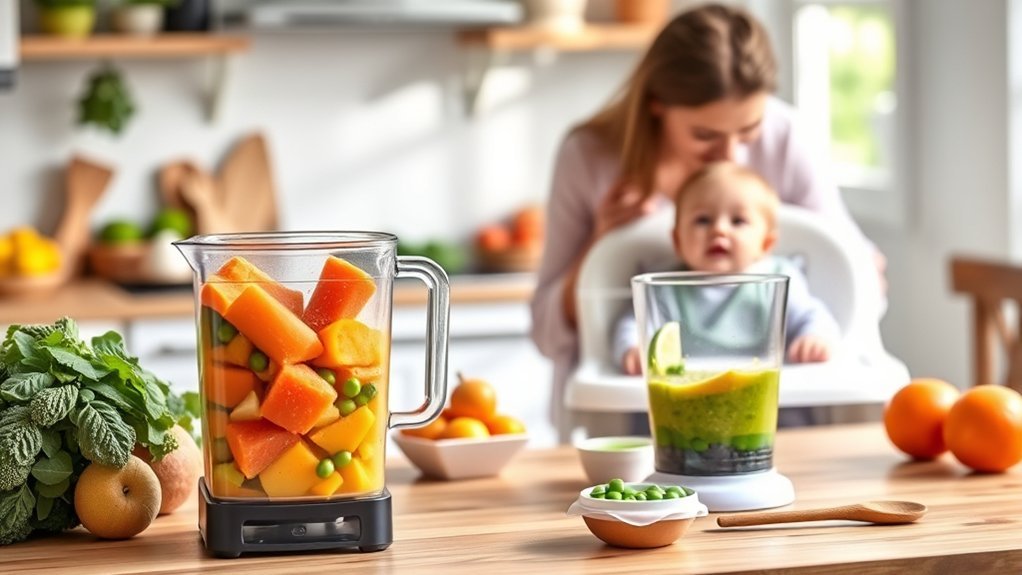
Most babies can begin complementary foods at around 6 months when they are developmentally ready. The CDC and American Academy of Pediatrics do not recommend starting solid foods before 4 months. You can review the current CDC guidance on introducing solid foods.
Signs of readiness include being able to sit alone or with support, controlling the head and neck, opening the mouth when food is offered, bringing objects toward the mouth, and swallowing food instead of immediately pushing it back out.
Breast milk or infant formula remains an important source of nutrition during the first year. Solid foods gradually complement it rather than replacing it all at once.
There is no required order for most first foods. At the beginning, offering one new single-ingredient food at a time can make reactions easier to identify. The CDC suggests waiting several days between new foods initially while you watch for possible problems.

Power your essentials anywhere with a 999Wh pure sine wave power station delivering up to 1000W continuous with 2000W surge. It supports fast charging via USB-C PD 60W and USB-A QC 18W, plus simultaneous output for multiple devices through AC, USB, wireless, and car/DC ports. Recharge using AC, car, or solar with a built-in MPPT controller and dual cooling fans, while the upgraded battery management system protects against surges, short circuits, and overheating.

100% fruit organic unsweetened applesauce

One 6 pack box of 4 ounce cups of Unsweetened Apple Sauce
Why Avoiding Added Sugar Is Crucial for Your Baby
The current Dietary Guidelines for Americans, 2025–2030 emphasize nutrient-dense whole foods and limiting added sugars. Current CDC guidance is even more direct for early childhood: children younger than 24 months should not have added sugars.
Babies have small appetites and high nutrient needs. Foods containing added sugar can take up space that could otherwise provide protein, iron, healthy fats, vitamins, minerals, and other nutrients needed for growth.
Added sugars also contribute to tooth-decay risk once teeth begin erupting. Avoiding unnecessary sweetness early also gives your baby more opportunities to learn the natural flavors of vegetables, grains, proteins, dairy, fruits, herbs, and spices.
For babies and young toddlers, the practical goal is to avoid added sugar—not to eliminate the naturally occurring sugars found in nutritious foods such as fruit and plain dairy.
How to Prepare Homemade Baby Purees
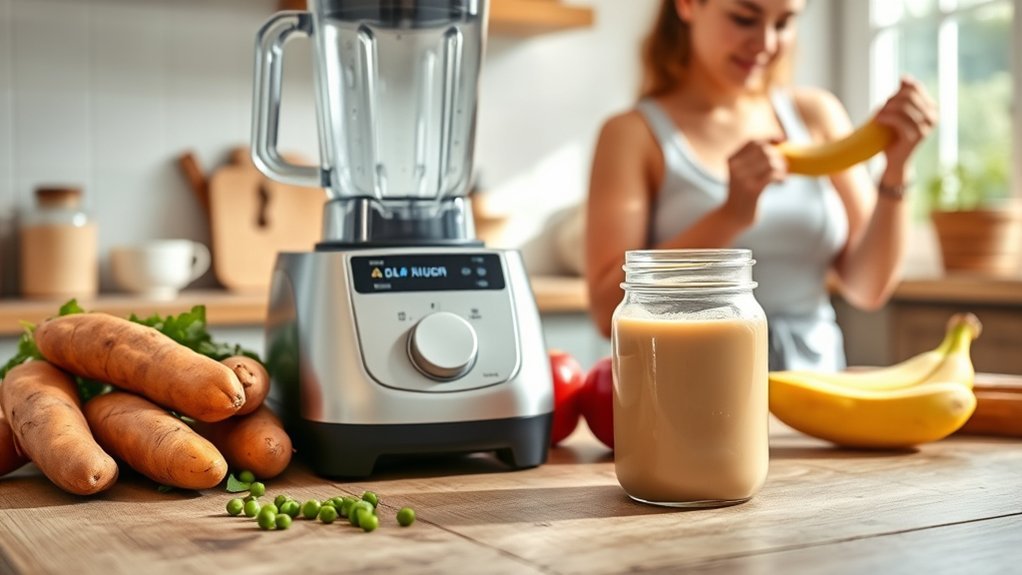
Preparing homemade baby purees, mashes, and soft foods gives you direct control over the ingredients. Purees are not the only option, however. As your baby’s skills develop, you can gradually move toward mashed, lumpy, finely chopped, or appropriately sized soft foods.
- Choose nutrient-dense ingredients. Use vegetables, fruits, beans, lentils, eggs, meats, tofu, grains, or other foods appropriate for your baby’s development.
- Wash and prepare food safely. Remove pits, seeds, bones, tough skins, and other inedible parts.
- Cook hard foods until soft. Apples, carrots, sweet potatoes, meats, and similar foods should be soft enough to mash or process safely.
- Adjust the texture. Mash or puree with a little water as needed. Breast milk or properly prepared infant formula can also be used when appropriate, following normal safe-handling rules.
- Skip sweeteners. Do not add table sugar, syrups, honey, agave, or other sweeteners.
Homemade food should also include more than fruit. Around 6 months, babies need dietary sources of nutrients including iron. The CDC recommends iron-containing complementary foods such as meat, poultry, eggs, iron-fortified infant cereals, beans, lentils, and tofu.
Food safety matters just as much as ingredients. According to FoodSafety.gov, homemade baby food should generally be used within 1–2 days when refrigerated. Freeze extra portions when you need longer storage.
Use a clean spoon to transfer the amount you plan to serve into a separate bowl. Food that has been in contact with your baby’s mouth or a used feeding spoon should not be returned to the storage container for later use.
Pro Tip: Freeze small portions so you can thaw only what you need. Label each container with the food and preparation date instead of relying on memory.
Choosing Store-Bought Baby Food Wisely
Packaged baby food can be convenient, and you do not need to avoid it simply because it is processed. The goal is to choose products that provide useful nutrition without unnecessary sweeteners and that have a texture appropriate for your child.
Read Ingredient Labels Carefully
The most useful place to start is the Nutrition Facts panel. The FDA distinguishes between Total Sugars and Added Sugars. Total Sugars can include naturally occurring sugar from fruit or milk, while Added Sugars identifies sugars incorporated during processing or preparation.
For a baby or young toddler, look for 0 g Added Sugars, then check the ingredients to confirm what the product contains. The FDA explains the distinction on its Added Sugars Nutrition Facts page.
| What to Check | What to Look For |
|---|---|
| Added Sugars | Choose foods showing 0 g Added Sugars whenever possible for children under 2. |
| Ingredients | Check for sugar, syrups, honey, agave, dextrose, sucrose, malt syrup, and other sweeteners. |
| Texture | Make sure the food matches your baby’s chewing and swallowing skills. |
| Overall nutrition | Favor products built around vegetables, fruits, proteins, whole grains, healthy fats, or plain dairy rather than sweet snack foods. |
Pro Tip: A food can taste sweet and still show 0 g Added Sugars because fruit and plain dairy contain naturally occurring sugars. Check the Added Sugars line before assuming that a high Total Sugars number means sugar was added.
Organic Does Not Mean No Added Sugar
Organic baby food is an option, but the USDA organic seal does not tell you whether a product contains added sugar. USDA organic certification governs how agricultural products are produced and handled. It is not a sugar-content standard.
An organic product can still contain an organic sweetener, so check the Nutrition Facts and ingredient list whether the product is organic or conventional. You can read the USDA Organic Standards for details about what the label means.
Note: For the specific goal of avoiding added sugar, “organic” is not a substitute for reading the Nutrition Facts and ingredients.
How to Spot Hidden Sugars in Baby Food?
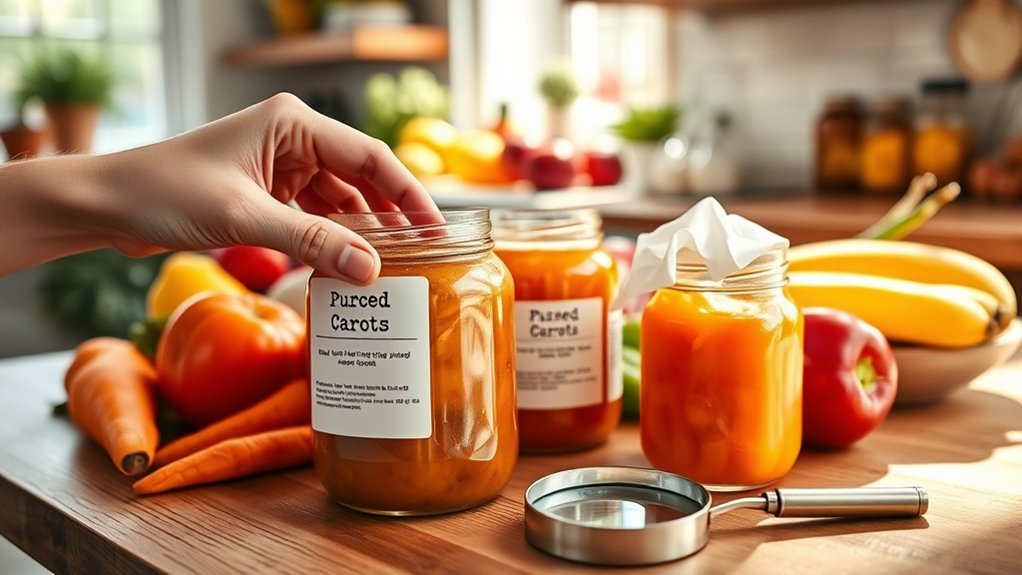
Start with the Added Sugars line and then confirm what is in the ingredient list. Sweeteners can appear under several names.
- Sugar or cane sugar
- Corn syrup or high-fructose corn syrup
- Dextrose, glucose, fructose, sucrose, or maltose used as added sweeteners
- Malt syrup or other syrups
- Agave syrup or nectar
- Honey
- Concentrated fruit or vegetable juice when it is being used as a sweetening ingredient
FDA’s definition of added sugars includes sugars added during processing, syrups, honey, and certain concentrated fruit or vegetable juices used as sweeteners.
Do not confuse ordinary whole fruit or unsweetened fruit puree with added sugar simply because the food contains naturally occurring sugar. A banana puree, for example, can be sweet without table sugar or syrup being added.
Warning: Honey is different from the other sweeteners on this list because babies younger than 12 months should not have it at all. The concern is infant botulism, not merely sugar intake.
Choosing Naturally Sweet Foods Over Sugary Snacks
Naturally sweet whole foods can help you offer variety without adding sugar. The priority is not to make every food sweet. Offer vegetables, proteins, grains, healthy fats, dairy without added sugar, and fruit so your baby experiences a broad range of tastes.
Fresh Fruit Options
Fruit provides vitamins, minerals, fiber, water, and naturally occurring sugar. Prepare it according to your baby’s developmental skills:
- Bananas: Mash until smooth or offer an appropriately soft form your baby can manage safely.
- Apples: For young babies, cook until soft enough to mash or puree. Avoid hard raw apple pieces.
- Pears: Serve very ripe and soft, mashed, pureed, or cut appropriately for your child’s skills.
- Berries: Mash or cut them into small, safe pieces. Do not give a young child whole, uncut berries.
Natural Sweetness Techniques
Ripe banana, pear, apple, sweet potato, pumpkin, carrot, and similar foods can add natural sweetness to meals without a separate sweetener.
You can also introduce small amounts of unsweetened herbs and spices such as cinnamon to broaden flavor. The goal is flavor variety rather than recreating the intense sweetness of a dessert.
Homemade foods make it easy to leave out sugar, honey, syrups, and other sweeteners. They also let you adjust texture as your baby’s chewing and swallowing skills develop.
Healthy Snack Alternatives
As your baby moves toward more regular meals and snacks, options without added sugar can include:
- Soft ripe fruit prepared in a choking-safe form
- Plain pasteurized yogurt without added sugar, once dairy is being introduced safely
- Cooked vegetables that are soft enough to mash easily with a fork
- Oatmeal or another iron-fortified infant cereal with mashed fruit
- Mashed avocado
- Soft beans or lentils that are mashed or otherwise prepared safely
- Nut or seed butter thinned into another food or spread very thinly in an age-appropriate form after the allergen has been introduced safely
Dried fruits such as raisins and dried apricots should not be served as ordinary pieces to babies. CDC lists uncooked dried fruit among potential choking hazards. Hard raw carrot and apple pieces and spoonfuls or chunks of nut butter are also unsafe for young children.
The Role of Whole Fruits in Your Baby’s Diet
Whole fruits can be valuable parts of a baby’s diet because they provide fiber and nutrients along with their naturally occurring sugars.
For younger babies, fruit may be mashed, pureed, or cooked until soft. As feeding skills develop, your baby can progress to safe soft pieces and other textures.
Whole fruit is generally preferable to juice. Current CDC infant and toddler nutrition guidance says children younger than 12 months should not drink fruit or vegetable juice. After the first birthday, whole fruit remains the better everyday choice.
What Are Some Healthy Alternatives to Sugary Snacks?
Rather than replacing one sweet snack with another, think in terms of nutrient-dense mini-meals. Depending on your baby’s age and feeding skills, choices can include:
- Mashed banana with plain oatmeal
- Plain unsweetened yogurt with mashed berries
- Soft-cooked sweet potato or squash
- Mashed avocado on an age-appropriate soft food
- Scrambled egg prepared in a soft, manageable texture
- Mashed beans or lentils
- Soft-cooked vegetables with a low-sodium dip after its ingredients have been introduced safely
- Soft fruit paired with an iron-rich food rather than fruit alone at every meal
Raw carrot sticks, hard apple pieces, whole berries, dried fruit, popcorn, whole nuts, and spoonfuls of nut butter are not suitable infant snacks because of choking risk. The CDC’s choking-hazard guidance explains how food shape, size, hardness, and stickiness affect safety.
Do Not Focus on Sugar Alone: Include Iron-Rich Foods
A baby-food plan can technically contain no added sugar and still be nutritionally unbalanced. Fruit and vegetables are useful, but babies also need foods that provide protein, fat, iron, and other nutrients.
At around 6 months, dietary iron becomes especially important. Depending on what your baby can safely eat, iron-containing options include:
- Iron-fortified infant cereal
- Beef, lamb, poultry, or other appropriately prepared meats
- Eggs
- Beans and lentils
- Tofu
- Other iron-rich foods recommended for your child’s needs
Pairing plant sources of iron with vitamin C-rich fruit or vegetables can also help with iron absorption.
Allergens and Added-Sugar-Free Feeding
Avoiding added sugar does not mean delaying common food allergens. Current CDC guidance recommends introducing potentially allergenic foods as complementary foods are introduced, using forms that are appropriate for the baby’s development.
Common potential allergens include peanut, tree nuts, egg, cow’s milk, wheat, soy, sesame, fish, and shellfish. Introduce them in safe textures rather than whole nuts, thick spoonfuls of nut butter, or other choking-prone forms.
At the beginning of complementary feeding, introducing one new food at a time can make possible reactions easier to identify. If your baby has severe eczema, an existing egg allergy, or another reason they may be at higher risk of food allergy, ask your pediatrician or allergy specialist about peanut introduction.
How to Encourage Acceptance of New Flavors?
Offer a broad mix of vegetables, fruits, proteins, grains, healthy fats, and unsweetened dairy foods when appropriate. A baby does not have to like a new food on the first try.
Current CDC guidance notes that children may need to try some foods many times before they like them. There is no universal rule that every baby needs exactly 15 or 20 exposures.
Diverse Flavor Exposure
Food variety helps babies become familiar with different tastes and textures. You can:
- Start with smooth, mashed, or otherwise developmentally appropriate foods.
- Gradually introduce thicker, lumpier, finely chopped, or soft finger-food textures as skills develop.
- Offer both naturally sweet and savory foods.
- Use unsweetened herbs and spices for flavor rather than adding sugar.
- Keep offering a disliked food occasionally without pressuring your baby to eat it.
Repetition and Patience
Repeated exposure works best without pressure. A baby may refuse a food one day and accept it later. Once individual ingredients have been introduced and tolerated, combining a less familiar food with familiar foods can make meals easier to explore.
| Exposure | Example |
|---|---|
| 1 | Soft mashed sweet potato |
| 2 | Sweet potato offered again without pressure |
| 3 | Sweet potato with a previously tolerated food |
| 4 | Sweet potato in a slightly thicker safe texture |
| 5 | Sweet potato served as part of a familiar meal |
This is only an example, not a required schedule. Follow your baby’s cues and development rather than trying to reach a specific number of tastes by a deadline.
Family Mealtime Involvement
Eating together can help make new foods feel normal. Babies learn partly by watching other people eat.
- Offer a variety of age-appropriate family foods without added sugar.
- Let your baby explore safe textures with their hands when developmentally ready.
- Model eating vegetables, fruit, grains, proteins, and other nutritious foods.
- Keep meals calm rather than using pressure, rewards, or sweets to persuade your child to eat.
Consulting With Healthcare Professionals for Guidance
A pediatrician or registered dietitian nutritionist can help when your baby’s needs are more complicated than ordinary label reading.
Seek personalized guidance if your child has a diagnosed or suspected food allergy, severe eczema, difficulty chewing or swallowing, poor growth, a history of premature birth, significant feeding problems, or another medical condition affecting nutrition.
A healthcare professional can also help you decide how to introduce allergens, evaluate iron needs, and distinguish normal feeding behavior from a problem that needs assessment.
Note: This article provides general infant-feeding information and is not a substitute for individualized medical advice from your child’s healthcare professional.
Frequently Asked Questions
Can I Mix Different Fruits and Vegetables in Purees?
Yes. Once individual foods have been introduced and tolerated, you can combine fruits and vegetables as well as grains, proteins, beans, and other appropriate foods. Mixing foods can increase variety, but you do not need to make every puree fruit-heavy or sweet.
How Can I Tell if a Fruit Is Ripe?
Look for the normal ripe color, aroma, and softness for that type of fruit. For babies, ripe fruit should also be prepared so it is soft enough for their current feeding skills. Hard raw fruit such as apple should be cooked or otherwise prepared to reduce choking risk.
What Cooking Methods Preserve Nutrients in Baby Food?
Steaming, microwaving with a small amount of water, roasting, and other gentle cooking methods can all work. Avoid unnecessarily long cooking or discarding large amounts of cooking liquid when it is not needed. Food safety and a texture your baby can swallow safely are more important than trying to identify one perfect cooking method.
Are There Specific Allergens to Watch for in Baby Food?
Yes. Common allergens include peanut, tree nuts, egg, cow’s milk, wheat, soy, sesame, fish, and shellfish. These foods generally do not need to be delayed once complementary feeding begins, but they must be served in an age-appropriate form. Babies with severe eczema, egg allergy, or other elevated allergy risk should receive individualized advice about peanut introduction.
How Should I Store Homemade Baby Purees?
Store homemade baby food promptly in clean, airtight containers. Current FoodSafety.gov guidance lists homemade baby foods at 1–2 days in the refrigerator. Freeze extra portions for longer storage, label them with the date, and discard food left over from a serving that has been contaminated by your baby’s saliva.
Is Sugar in Whole Fruit the Same as Added Sugar?
No. The Nutrition Facts label separates naturally occurring sugars from Added Sugars. Whole fruit contains naturally occurring sugars along with fiber, water, vitamins, minerals, and other components of the food. You do not need to avoid nutritious fruit merely because it contains natural sugar.
Can I Use Honey, Maple Syrup, or Agave Instead of Sugar?
They are still added sweeteners, so substituting them does not meet the goal of avoiding added sugar. Honey also has an additional safety restriction: never give honey to a baby younger than 12 months because it can cause infant botulism.
Conclusion
Avoiding added sugar in baby food does not require eliminating fruit or buying expensive specialty products. Start complementary foods when your baby is developmentally ready, check the Added Sugars line on packaged foods, read ingredients, and build meals around varied nutrient-dense foods.
Just as importantly, keep feeding safety in view. Avoid honey before 12 months, prepare foods to reduce choking risk, store homemade baby food safely, and introduce allergens appropriately. Those habits make a no-added-sugar approach both more practical and more nutritionally complete.
Sources
- U.S. Department of Health and Human Services — Dietary Guidelines for Americans, 2025–2030 — current federal nutrition guidance and emphasis on nutrient-dense foods and limiting added sugars.
- CDC — When, What, and How to Introduce Solid Foods — developmental readiness, food introduction, allergens, and food preparation.
- CDC — Foods and Drinks to Avoid or Limit — added sugars, honey, juice, and other infant feeding restrictions.
- CDC — Choking Hazards — choking-risk foods and safer preparation practices.
- U.S. Food and Drug Administration — Added Sugars on the Nutrition Facts Label — definition of Added Sugars and distinction from Total Sugars.
- FoodSafety.gov — Children Under Five — safe refrigerator and freezer storage guidance for baby food.