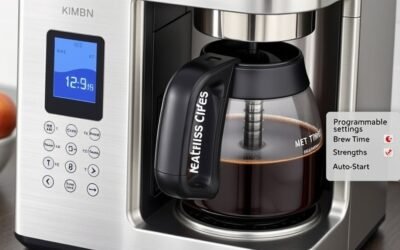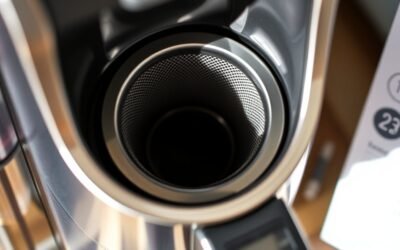

To brew a small batch using the 1–4 cup setting, first locate the button on your coffee maker. Fill the water reservoir, adding about 6 ounces per cup you want. Use 1 to 2 tablespoons of medium-ground coffee for each cup. Select the small batch option and start the brewing cycle, which typically takes 4 to 6 minutes. Monitor it closely to prevent over-extraction. There’s more to explore about perfecting your brew and coffee strength adjustments.
Key Takeaways
- Select the 1–4 cup setting on the coffee maker’s control panel for optimal small batch brewing.
- Use a coffee-to-water ratio of 1:15, typically 1 to 2 tablespoons of coffee per 6 ounces of water.
- Fill the water reservoir accurately based on the number of cups desired for brewing.
- Monitor the brewing time closely, aiming for 4 to 6 minutes to avoid over-extraction.
- Clean the coffee maker regularly with a vinegar solution to maintain performance and flavor quality.
Why Use the 1–4 Cup Setting for Small Batches?
When you’re brewing a small batch of coffee, using the 1–4 cup setting can greatly enhance your experience.
This setting optimizes the brewing cycle for smaller quantities, ensuring flavor consistency even when making just one cup. It’s designed to maintain the same rich taste you’d find in a full 12-cup pot, making it perfect for single servings or intimate gatherings.
By tailoring the brewing process for reduced amounts, you effectively balance time and flavor extraction, resulting in a more satisfying cup. Plus, you can combine the 1–4 cup advantages with the bold setting for an even stronger flavor.
How to Select the Small Batch Option on Your Brewer
How can you easily select the small batch option on your brewer? First, locate the dedicated 1–4 cup setting button or switch on the control panel, which is usually clearly marked.
Before you start brewing, make sure the water reservoir is filled according to how much coffee you want, up to four cups.
Next, add the appropriate amount of ground coffee to the brew basket—this will be less than what you’d use for a full 12-cup pot.
Once you select the small batch option, initiate the brewing cycle. This action optimizes the brewer settings for smaller quantities, ensuring the extraction process aligns with your desired flavor profile for various coffee types.
Preparing Your Coffee: Measuring Water and Coffee Grounds

To brew the perfect small batch of coffee, you need to measure your water accurately, aiming for about 6 ounces per cup.
Next, adjust your coffee grounds, using one to two tablespoons for each 6 ounces of water, depending on how strong you like it.
This precise measurement will help you achieve a consistent and flavorful cup every time.
Measuring Water Accurately
Accurate water measurement is essential for brewing a small batch of coffee that meets your taste preferences.
To guarantee brewing accuracy, follow these steps:
- Use a measuring cup to precisely measure your water.
- For each cup, fill with approximately 6 ounces of water, adjusting for strength as desired.
- Always fill the water reservoir to the 1-4 cup line when using the small batch setting.
- Pour the measured water directly into the reservoir without exceeding the maximum capacity marked for small batches.
Ground Coffee Proportions
When brewing a small batch of coffee, getting the right coffee-to-water ratio is key to achieving a flavorful cup. For the 1–4 cup setting, use about 1 to 2 tablespoons of ground coffee per 6 ounces of water, depending on your taste.
A good rule of thumb is a coffee-to-water ratio of 1:15; for every gram of coffee, use 15 grams of water to achieve a flavor balance.
To optimize extraction, adjust the grind size of your coffee; a medium grind works best for smaller batches.
Don’t hesitate to experiment with different coffee varieties and proportions to refine your preferences and guarantee each cup meets your desired strength and flavor profile.
Adjusting For Strength
Adjusting the strength of your small batch coffee is essential for crafting a cup that suits your taste.
To achieve the perfect coffee balance, follow these steps based on your strength preferences:
- Measure water according to the desired number of cups, ensuring the reservoir is filled accurately.
- Use approximately 1 to 2 tablespoons of medium-ground coffee per cup, adjusting based on your taste.
- Monitor the brewing time closely, as smaller batches typically brew in about 5-7 minutes.
- Experiment with the amount of coffee to enhance strength, creating a more personalized experience.
How Much Coffee Do You Need for Small Batches?

When brewing small batches, accuracy in measuring coffee grounds is essential for achieving the right flavor.
You’ll want to adjust the strength based on your personal taste, typically using 1 to 2 tablespoons of ground coffee per cup.
Consider your batch size, as this will affect the coffee-to-water ratio and ultimately the richness of your brew.
Measuring Coffee Grounds Accurately
To brew the perfect small batch of coffee, accurately measuring your coffee grounds is essential for achieving a consistent and flavorful cup.
Here’s how to guarantee you hit that brewing balance:
- Use 1 to 2 tablespoons of coffee per 6 ounces of water.
- For stronger brews, aim for 2 tablespoons to enhance flavor.
- Utilize a kitchen scale for precise measurements, targeting a 1:15 coffee-to-water ratio.
- Pay attention to the coffee grind; finer grounds may require less coffee for ideal taste.
Adjusting Strength Preferences
Finding the right strength for your small batch of coffee can greatly enhance your brewing experience.
For the 1–4 cup setting, aim for 1 to 2 tablespoons of ground coffee per 6 ounces of water. If you prefer a bolder coffee flavor, increase the amount to about 2 tablespoons. This setting optimizes brewing techniques by allowing longer steeping times, which enhances flavor extraction and strength.
Consistency is key; using a coffee scale can help you achieve your desired strength reliably. Additionally, don’t overlook grind size; a finer grind typically results in a stronger brew compared to a coarser one.
Experiment with these variables until you find the perfect balance for your palate.
Batch Size Considerations
Understanding how much coffee to use for small batches is essential for achieving the perfect brew. Here are some batch size tips to enhance your brewing efficiency:
- Use 1 to 2 tablespoons of ground coffee per 6 ounces of water, adjusting for strength.
- Fill the water reservoir accurately to match the number of cups you’re brewing for ideal flavor extraction.
- Consider the coffee-to-water ratio, as it greatly influences the richness and intensity of your coffee.
- Always measure both coffee and water to maintain consistency, especially when brewing smaller quantities.
Start Your Brewing Process
Starting your brewing process is vital for achieving the perfect small batch of coffee. First, select the 1-4 cup setting on your coffee maker, which optimizes the brewing cycle for smaller quantities.
Fill the water reservoir according to the number of cups desired, measuring accurately for consistency. Next, measure the appropriate amount of ground coffee, typically 1 to 2 tablespoons per cup, depending on your taste preference.
Remember to position the brew basket correctly to prevent spills or leaks. Once everything’s in place, initiate the brewing process.
This step is critical for extracting the rich flavors of your coffee varieties, so monitor the process closely. Using proper brewing techniques here guarantees you get the best results from your small batch.
Keep an Eye on Brewing Time for the Best Flavor?
When brewing small batches, timing is essential for achieving the best flavor.
Keep a close eye on the brewing cycle, as it usually takes just 4 to 6 minutes, depending on your coffee maker.
Monitoring this process helps you avoid over-extraction, which can make your coffee taste bitter.
Brewing Time Importance
To create the best flavor in a small batch of coffee, closely monitoring brewing time is essential, as even slight variations can dramatically influence taste.
Here are key points to take into account regarding brewing time:
- Shorter cycles may hinder flavor extraction, resulting in a weak brew.
- Adjust the brewing time to guarantee your coffee steeps adequately for ideal flavor.
- A longer steeping time enhances richness, allowing more oils and flavors to be extracted from the grounds.
- Consistently timing your brewing process maintains flavor integrity, ensuring each cup is as robust as a full pot.
Optimal Extraction Techniques
Ideal extraction techniques are crucial for brewing a small batch of coffee, especially since you’re aiming for maximum flavor in a limited quantity. When using the 1–4 cup setting, monitor your brewing time closely, as it usually ranges from 4 to 6 minutes. This guarantees optimal flavor extraction without over-extraction. Adjusting your grind size to medium coarseness can enhance flavor during this shorter cycle. Freshly ground coffee is key, along with the right coffee-to-water ratio.
| Brewing Factor | Recommended Setting | Notes |
|---|---|---|
| Grind Size | Medium Coarseness | Enhances flavor extraction |
| Brewing Time | 4 to 6 Minutes | Prevents over-extraction |
| Coffee-to-Water Ratio | 1-2 tablespoons per 6 oz water | Guarantees balanced flavor |
| Freshness | Use freshly ground coffee | Maximizes flavor enhancement |
| Cleaning | Regularly clean your coffee maker | Prevents residue buildup |
Flavor Profile Monitoring
Monitoring brewing time plays an essential role in achieving the best flavor profile for your small batch coffee. To strike the perfect flavor balance, consider these points:
- Aim for a brewing time of 4 to 6 minutes for ideal extraction.
- A shorter brewing time may lead to under-extraction, resulting in weak flavors.
- Conversely, brewing too long can cause bitterness, negatively affecting taste preferences.
- Regularly taste-test your brews to refine and adjust your ideal brewing time.
Don’t forget that grind size influences extraction time; finer grinds typically need less brewing duration.
Best Practices for Brewing Small Batches
When brewing small batches of coffee, it’s essential to optimize your brewing process for the best flavor and quality. Start by using the 1-4 cup setting on your coffee maker, verifying the water reservoir matches the amount you want to brew. Measure your coffee using a ratio of 1 to 2 tablespoons per 6 ounces of water. This ratio helps highlight various coffee varieties and enhances the overall taste. Before brewing, double-check that the brew basket is positioned correctly and that your coffee grounds are evenly distributed. Here’s a quick reference table to guide you:
| Step | Action | Tip |
|---|---|---|
| Set Water Amount | Fill according to cups desired | Use the 1-4 cup setting |
| Measure Coffee | 1-2 tablespoons per 6 ounces | Adjust for strength |
| Check Brew Basket | Verify correct positioning | Evenly distribute grounds |
Clean Your Brewer for Better Coffee Quality
To enjoy the best flavors in your coffee, it’s essential to keep your brewer clean and free from any buildup. Regular coffee machine maintenance not only enhances taste but also prolongs the life of your equipment.
Follow these steps for effective cleaning:
- Mix equal parts water and white vinegar.
- Run the mixture through a brewing cycle.
- Follow up with a water-only cycle to rinse.
- Pay special attention to the brew basket and water reservoir.
Aim to clean your brewer every few months, especially if you have hard water. Consistent cleaning frequency will prevent the accumulation of oils and residues that can negatively affect your coffee quality.
Always refer to your manufacturer’s guidelines for specific cleaning instructions tailored to your model.
Experimenting With Coffee Strength and Varieties
While brewing coffee in small batches, you have the perfect opportunity to experiment with different strengths and varieties, tailoring each cup to your unique taste preferences.
The 1-4 cup setting optimizes flavor extraction, allowing you to adjust the coffee-to-water ratio for a brew that suits your palate.
Explore various coffee varieties to discover distinct flavor profiles; this can greatly enhance your coffee tasting experience. Additionally, try modifying the grind size, as it impacts extraction and taste.
If you prefer bolder flavors, combine the bold setting with the small batch option for a richer cup. This process encourages flavor exploration, helping you find new favorites and enjoy a personalized coffee experience every time.
Troubleshooting Brewing Issues
Troubleshooting brewing issues can seem intimidating, but addressing common problems guarantees you’ll consistently enjoy great coffee.
Troubleshooting coffee brewing can be daunting, yet tackling common problems ensures a consistently enjoyable cup.
Here are some key tips to enhance your brewing techniques:
- Water Level: Confirm your water reservoir is filled accurately for the desired coffee amount to avoid weak or overly strong brews.
- Coffee Amount: Use one to two tablespoons of ground coffee per cup for best flavor extraction, especially with different coffee varieties.
- Grind Size: If your brew is too weak, try adjusting the grind size to a finer texture to improve extraction.
- Regular Cleaning: Clean your brewer, including the brew basket and reservoir, to prevent clogs and maintain consistent performance.
If issues persist, consult the manufacturer’s guidelines for specific troubleshooting advice.
Frequently Asked Questions
Can I Use Pre-Ground Coffee for Small Batches?
Yes, you can use pre-ground coffee for small batches. However, be aware that flavor extraction might not be ideal compared to fresh grounds. Experiment with grind size to enhance your brewing experience and taste.
What Type of Water Is Best for Brewing Coffee?
To brew the perfect cup, use filtered water with balanced mineral content. It’s like a symphony, enhancing flavors without overpowering them. Avoid distilled water; it lacks essential minerals that elevate your coffee experience.
How Often Should I Clean My Coffee Brewer?
You should clean your coffee brewer every month for ideal performance. Regular cleaning frequency helps prevent buildup and guarantees great-tasting coffee. Consistent brewer maintenance keeps your machine functioning well and extends its lifespan considerably.
Is It Okay to Brew Small Batches Daily?
Absolutely, brewing small batches daily can be delightful. Enjoy the small batch benefits of freshness and flavor. Just remember daily brewing tips: clean your brewer often and adjust your grind size for ideal taste.
Can I Adjust the Brewing Temperature for Better Flavor?
Yes, you can adjust brewing temperature to enhance flavor profiles. Experiment with different brewing techniques, as warmer temperatures extract oils and compounds more effectively, leading to richer, more complex flavors in your coffee. Enjoy the process!
Conclusion
By embracing the 1–4 cup setting, you’re revealing a world of rich, aromatic coffee tailored to your taste. Picture the steam rising from your freshly brewed cup, filling the air with a comforting scent as you savor each sip. With the right measurements and techniques, you can create a small batch that’s just as satisfying as a full pot. So, grab your favorite beans, experiment with flavors, and enjoy the delightful journey of crafting your perfect brew.