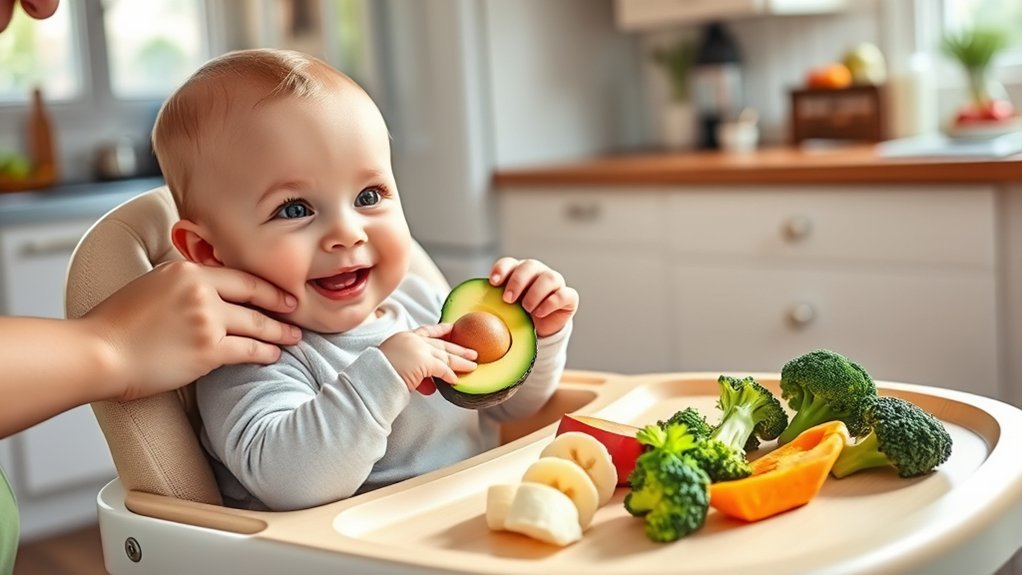
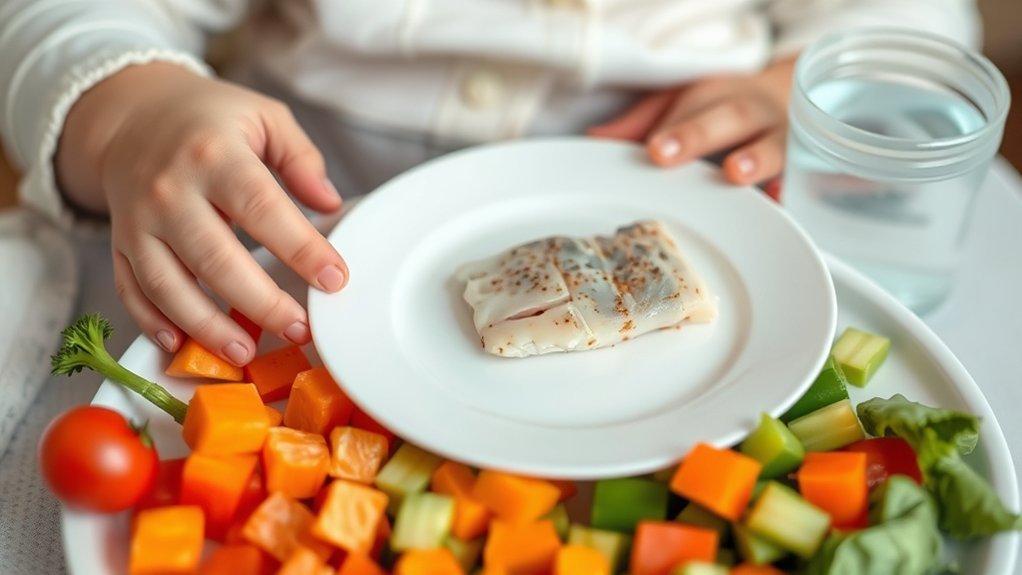
Fish can be a nutritious complementary food once your baby is about six months old and developmentally ready to eat solids. Choose a lower-mercury fish, cook it fully, remove every bone and piece of skin, and serve it in a soft texture that matches your baby’s eating skills. Introduce a small amount while your baby is healthy and closely supervised.
Quick Answer
To safely serve fish to a baby, wait until your child is about six months old and ready for solids. Choose an FDA “Best Choice” such as salmon, sardines, cod, tilapia, trout, or canned light tuna. Cook it to 145°F, remove all bones and skin, mash it well, and begin with a small taste.
Key Takeaways
- Introduce fish at about six months, once your baby can sit with support, control their head and neck, bring food toward their mouth, and swallow rather than push food out.
- Choose a variety of lower-mercury fish from the FDA “Best Choices” list, including salmon, sardines, cod, tilapia, trout, pollock, anchovies, and canned light tuna.
- Cook finned fish to an internal temperature of 145°F (63°C), then remove the skin and inspect the flesh carefully for bones.
- Serve fish puréed, mashed, finely flaked, or in another soft and moist form suited to your baby’s current eating skills.
- Stop serving the food if allergy symptoms appear. Call 911 immediately for trouble breathing, throat or tongue swelling, pale or blue skin, collapse, or rapidly worsening symptoms.
At a Glance
| Time Required | About 15–30 minutes, depending on the fish and cooking method |
| Difficulty | Easy, but careful temperature checking and deboning are essential |
| Tools Needed | Food thermometer, clean pan or steamer, fork, bowl, and clean fingers or tweezers for checking bones |
| Cost | Varies by species; frozen fillets and no-salt-added canned fish are often economical |
Note: This guide provides general feeding and food-safety information. Ask your child’s pediatrician for individual advice if your baby was born prematurely, has a diagnosed food allergy, has had an immediate reaction to any food, has swallowing or oral-motor difficulties, or is not progressing with solid foods.
Why Introducing Fish Is Important for Babies

Fish can contribute protein, iron, zinc, vitamin B12, vitamin D, selenium, choline, and omega-3 fats to a baby’s diet. The exact nutrient content varies by species. Fatty fish such as salmon and sardines are especially useful sources of DHA and EPA omega-3 fats.
The U.S. Food and Drug Administration notes that nutrients found in fish support normal brain development, immune function, and overall growth. Fish should still be one part of a varied diet that includes breast milk or infant formula, iron-rich foods, vegetables, fruits, grains, eggs, meat, beans, and other appropriate foods.
Most babies can try properly prepared fish when they begin complementary foods at about six months. Waiting longer does not prevent food allergies. However, evidence is not strong enough to promise that early fish introduction will prevent a fish allergy.
The safest approach balances the nutritional benefits of fish with three priorities: lower mercury exposure, thorough cooking, and a texture that matches your baby’s feeding skills.

Power your essentials anywhere with a 999Wh pure sine wave power station delivering up to 1000W continuous with 2000W surge. It supports fast charging via USB-C PD 60W and USB-A QC 18W, plus simultaneous output for multiple devices through AC, USB, wireless, and car/DC ports. Recharge using AC, car, or solar with a built-in MPPT controller and dual cooling fans, while the upgraded battery management system protects against surges, short circuits, and overheating.

100% WILD CAUGHT SALMON: Contains 1 pouch of baby food puree made from ethically sourced Wild Caught Salmon with organic butternut squash & beets and heathy fats from olive oil.

WORLD EXPLORERS: Give your child the gift of travel! Transport them to far away places with our World Explorers line of internationally inspired flavors!
Choosing the Best Fish for Your Baby
When selecting fish for your baby, use the FDA and EPA fish-advice chart rather than relying on labels such as “wild,” “natural,” or “premium.” Mercury levels vary by species, and larger predatory fish generally contain more mercury because it builds up in their bodies over time.
Low-Mercury Fish Options
Good lower-mercury choices from the FDA “Best Choices” category include:
- Salmon
- Sardines
- Anchovies
- Cod
- Tilapia
- Trout
- Pollock
- Haddock
- Flounder
- Atlantic mackerel
- Canned light tuna, which is usually skipjack
Choose a variety rather than serving the same species every time. If you use canned fish, look for a no-salt-added or lower-sodium product when available. Drain it before serving, and rinse it if sodium remains a concern.
Warning: Do not serve young children fish from the FDA “Choices to Avoid” category, including shark, swordfish, king mackerel, marlin, orange roughy, Gulf of Mexico tilefish, and bigeye tuna. These species contain higher average mercury levels.
Canned light tuna and canned white or albacore tuna are not the same. Canned light tuna is an FDA “Best Choice.” Albacore or white tuna contains more mercury and is placed in the “Good Choices” category. Bigeye tuna is a “Choice to Avoid.” Check the can label rather than assuming every tuna product has the same mercury level.
For fish caught by family or friends, check your state or local fish-consumption advisory. If no advisory is available, follow the FDA’s instructions for locally caught fish and avoid serving another fish that week until you have confirmed the species and local contaminant guidance.
Nutritional Benefits Overview
Different fish provide different amounts of omega-3 fats, vitamin D, iron, calcium, and other nutrients. Mercury category does not predict allergy risk: any finned fish can cause an allergic reaction in a susceptible child.
| Fish Type | FDA Category | Useful Features | Baby Preparation |
|---|---|---|---|
| Salmon | Best Choice | Rich in omega-3 fats; some types provide vitamin D | Bake, steam, or poach; remove skin and bones; mash until moist |
| Sardines | Best Choice | Omega-3 fats; edible bones may provide calcium | Choose lower-sodium sardines; inspect carefully and remove or completely mash every bone |
| Tilapia | Best Choice | Mild flavor and lean protein | Steam or bake; flake thoroughly and moisten before serving |
| Cod | Best Choice | Mild flavor, protein, vitamin B12, and selenium | Poach or bake; inspect each flake for small bones |
| Canned light tuna | Best Choice | Convenient protein and some omega-3 fats | Drain, check the label for sodium, and mix with a familiar moist food |
Cooking Methods Explained
Steaming, baking, and poaching are dependable methods because they can produce soft, moist fish without a crisp coating. Grilling is also possible, but dry or charred edges should be removed and the fish should be moistened before it is served to a baby.
Most finned fish should reach an internal temperature of 145°F (63°C). Insert a clean food thermometer into the thickest part. The flesh should also be opaque and separate easily with a fork.
Do not serve a baby raw or undercooked fish, sushi, sashimi, ceviche, cold-smoked fish, or refrigerated cured seafood. Young children have a higher risk of serious illness from foodborne germs. Shelf-stable canned fish is already cooked, but it must still be checked for bones and prepared in a safe texture.
Canned vs Fresh Fish: Best Options for Babies
Fresh, frozen, and canned fish can all be nutritious. The best option is one that is lower in mercury, safely stored, fully cooked when needed, and easy for you to prepare without bones or excess sodium.
Fresh Fish Benefits
Fresh or properly thawed frozen fish gives you control over seasoning, moisture, cooking temperature, and texture. Choose fish that has been kept cold and does not have a strong sour, rancid, or ammonia-like odor.
Store raw seafood at 40°F (4°C) or below. According to the FDA’s seafood safety guidance, use refrigerated fresh seafood within two days of purchase or freeze it.
Fresh fish is not automatically more nutritious than canned fish. Nutrient content depends on the species, serving size, packing liquid, added sodium, and processing method.
Canned Fish Convenience
Canned salmon, sardines, and light tuna are convenient pantry options. When buying canned fish for a baby:
- Read the species: Choose canned light tuna rather than bigeye tuna. Limit albacore according to FDA “Good Choices” guidance.
- Check sodium: Select no-salt-added or lower-sodium fish when possible. Drain and, when practical, rinse the fish.
- Inspect the texture: Remove skin and any firm bones. Soft canned salmon or sardine bones must be completely crushed until no hard or sharp piece remains.
- Serve it moist: Mix the fish with breast milk, prepared formula, water, mashed avocado, plain yogurt, potato, sweet potato, or another familiar food.
Pro Tip: After cooking or opening the fish, spread it on a clean plate and press every flake between clean fingertips. Small pin bones are easier to feel this way than they are to see.
How to Safely Prepare Fish for Babies

Use the following process each time you prepare fish for a baby:
- Confirm readiness. Your baby should be about six months old and able to control their head and neck, sit alone or with support, bring objects toward the mouth, and swallow food instead of pushing it out.
- Choose the fish. Select an FDA “Best Choice” and check the label or local advisory when the exact species is uncertain.
- Prevent cross-contamination. Wash your hands for at least 20 seconds after handling raw seafood. Wash the cutting board, utensils, counter, and dishes with hot, soapy water before they touch cooked fish or other ready-to-eat food.
- Cook it fully. Steam, poach, bake, or otherwise cook the fish until the thickest part reaches 145°F (63°C).
- Remove skin and bones. Separate the fish into flakes on a clean plate. Inspect each flake visually and by touch.
- Adjust the texture. Purée, mash, finely flake, or soften the fish with a familiar food according to your baby’s current eating abilities.
- Offer a small first taste. Begin with approximately one or two teaspoons rather than a full serving. Let your baby decide whether to eat more.
- Supervise closely. Seat your baby upright in a secure high chair and remain within reach throughout the meal.
- Store leftovers promptly. Refrigerate or freeze unused fish within two hours. Discard food from the baby’s bowl if a used spoon or the baby’s hands have contaminated it.
Select a lower-mercury fish, cook it fully, remove every bone and piece of skin, and change the texture to match your baby’s feeding skills.
Cooking Methods for Baby-Friendly Fish
The goal is tender, moist fish that can be mashed easily. Avoid heavy salt, salty sauces, breading, and hard or crisp crusts.
Recommended Cooking Techniques
- Steaming: Place the fish in a steamer basket over simmering water. Cover and cook until the center reaches 145°F and flakes easily.
- Baking: Place the fish in a covered baking dish with a small amount of water. Bake until it reaches 145°F. Covering it helps reduce drying.
- Poaching: Gently simmer the fish in water until it is fully cooked. Discard the cooking liquid if it contains added salt.
- Pan cooking: Cook the fish in a clean covered pan with a small amount of water or oil. Avoid browning it until hard or crisp.
Microwaving is possible, but microwave ovens can create hot and cold spots. Stir or separate the flakes, check the temperature in several places, and allow the fish to cool before serving.
Texture Considerations for Babies
The appropriate texture depends on your baby’s development, not age alone:
- New eaters: Purée or mash the cooked fish until smooth. Thin it with water, breast milk, prepared formula, or a familiar purée.
- Babies managing thicker textures: Offer moist mashed fish with small, soft flakes and no dry clumps.
- Babies with an established pincer grasp: Offer small, soft flakes that can be picked up and easily squashed between two fingers.
- Baby-led feeding: Use a very soft, moist portion that does not contain skin, bones, crisp edges, or a dense rubbery center. Remain within reach throughout the meal.
Do not rely on one universal size rule. A piece that is appropriate for one child may not be safe for another child with different oral-motor skills.
Safe Fish Preparation Tips
- Remove visible bones before cooking, then check the cooked fish again because small bones may become easier to detect after flaking.
- Do not add salt. Babies receive sodium from breast milk, formula, and other foods.
- Avoid fish packed in salty brine unless it can be drained and rinsed effectively.
- Do not leave a baby alone with food, even briefly.
- Keep the baby seated upright rather than feeding in a stroller, car seat, or reclining position.
- Do not place your fingers blindly into a choking baby’s mouth. Remove an object only when it is clearly visible and easy to reach.
Warning: Gagging is usually noisy and may include coughing, watery eyes, or tongue movement. Complete choking may be quiet. An infant who cannot cough, cry, or breathe, has a weak or absent cough, makes a high-pitched sound, or becomes pale or blue needs immediate choking first aid and emergency help.
Portion Sizes: How Much Fish Should You Serve?
Start with a small taste and follow your baby’s hunger and fullness cues. Turning away, closing the mouth, pushing food away, or becoming distracted may mean your baby is finished. Never pressure a baby to complete a measured portion.
| Age or Stage | Practical Portion Guide | Frequency |
|---|---|---|
| About 6–12 months and ready for solids | Begin with 1–2 teaspoons. Increase gradually according to appetite and feeding skill. | Offer periodically as part of a varied diet after it is tolerated; there is no required one-ounce serving for infants under one. |
| 12–24 months | About 1 ounce of cooked fish is the FDA guide for a child age 1–3, but appetite may vary. | Aim for 2 servings per week from the FDA “Best Choices” list. |
| 24–36 months | About 1 ounce per serving, adjusted for appetite and the rest of the meal. | 2 servings per week from a variety of “Best Choices.” |
One ounce is a serving guide, not a feeding target that a child must finish. For a baby under one, breast milk or infant formula remains a major source of nutrition while complementary foods are introduced gradually.
Signs of Fish Allergies to Watch For
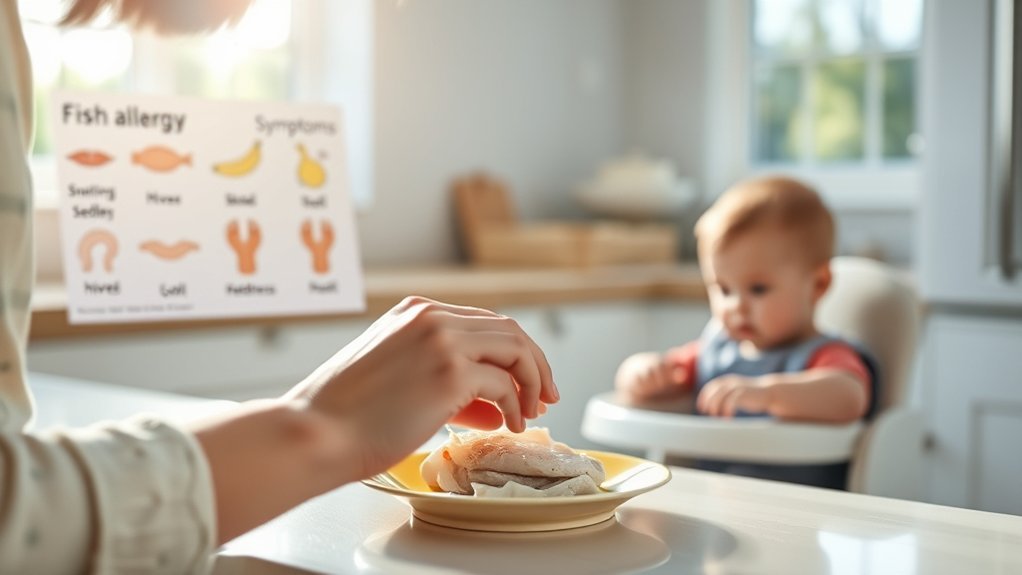
Fish is a common food allergen. A reaction can begin within minutes or may take several hours. Symptoms can affect the skin, stomach, breathing, circulation, or behavior.
- Hives, redness, itching, or a spreading rash
- Swelling of the lips, tongue, face, or eyes
- Vomiting, diarrhea, or sudden abdominal discomfort
- Persistent coughing, wheezing, hoarse crying, or trouble swallowing
- Difficulty breathing or increased effort to breathe
- Sudden sleepiness, limpness, confusion, faintness, or collapse
- Pale, gray, or blue skin
A severe reaction can occur without hives or another visible skin symptom. Do not wait for a rash before acting when breathing, circulation, or alertness is affected.
What to Do If an Allergic Reaction Occurs
Stop feeding the fish immediately. Do not give another bite to “confirm” the reaction.
- For a mild, isolated symptom: Contact your child’s pediatrician promptly for instructions. Do not serve the fish again until a qualified clinician advises you.
- For breathing trouble, tongue or throat swelling, pale or blue skin, faintness, collapse, or rapidly worsening symptoms: Use prescribed epinephrine immediately according to the child’s allergy action plan and call 911.
- If you are uncertain whether the reaction is severe: Treat it as an emergency rather than waiting for it to worsen.
Warning: Antihistamines do not replace epinephrine for anaphylaxis. A baby with suspected anaphylaxis needs emergency medical evaluation even if symptoms improve after epinephrine.
Write down the fish species, brand, ingredients, amount eaten, cooking method, time of exposure, symptoms, and treatments given. This record can help the pediatrician or allergist evaluate the reaction.
When introducing a new food, the CDC recommends starting with one single-ingredient food at a time and waiting three to five days between new foods initially. This makes it easier to identify the cause of a reaction. Once a food has been tolerated, it can be combined with other familiar foods.
How Often Should You Serve Fish to Your Baby?
For children age one and older, FDA and EPA guidance recommends two servings per week from a variety of lower-mercury “Best Choices.” A serving for ages one through three is approximately one ounce.
There is no mandatory one-ounce serving for babies younger than one. Begin with a small amount, increase according to appetite, and include fish periodically after it has been tolerated. Regular exposure can help the food remain familiar, but it does not guarantee that an allergy will not develop.
Continue offering other protein and iron-rich foods as well. Fish should not displace breast milk, infant formula, or the broader range of complementary foods needed during the first year.
How to Store and Freeze Fish Purée
Keep raw and cooked fish cold and minimize the time it spends at room temperature.
- Refrigerate promptly: Put cooked fish or fish purée in the refrigerator within two hours of cooking, or within one hour when the surrounding temperature is above 90°F (32°C).
- Use clean containers: Divide the food into small, airtight containers so it cools quickly and you can thaw only the amount needed.
- Label each portion: Write the preparation date and fish species on every container.
- Freeze for longer storage: FDA guidance permits homemade baby-food portions to be frozen for up to three months. Quality is usually best when used sooner.
- Thaw safely: Thaw overnight in the refrigerator, in cold water inside a sealed bag, or in the microwave immediately before reheating. Do not thaw fish on the counter.
- Reheat evenly: Heat previously cooked leftovers to 165°F (74°C), stir well, and let the food cool to a safe serving temperature.
- Discard contaminated portions: Do not refrigerate food left in a bowl after a used spoon or the baby’s mouth has contacted it.
General USDA guidance permits properly refrigerated cooked fish leftovers to be kept for three to four days. For food prepared specifically for a baby, using refrigerated portions within one to two days is a more cautious quality practice. When in doubt about storage time, odor, temperature control, or contamination, discard the food.
Note: Freezing stops bacterial growth but does not destroy every germ. Fish must be cooked and handled safely before it is frozen.
Frequently Asked Questions
Can babies eat fish if they have a family history of allergies?
A family history alone does not automatically mean fish must be delayed or that allergy testing is required. Ask your pediatrician before introduction if your baby has already reacted to a food, has a diagnosed allergy, has severe persistent eczema, or has another condition that raises concern. Always serve fish in a baby-safe form and watch for symptoms.
What are the signs of choking on fish?
An infant with a severely blocked airway may have a weak or absent cough, be unable to cry or breathe, make a high-pitched sound, or become pale or blue. Gagging is usually noisy and may include forceful coughing. Learn infant choking first aid from a qualified course such as the American Red Cross infant choking guide.
Is it safe to serve fish with other foods?
Yes. Once fish has been tolerated on its own, you can combine it with familiar foods such as vegetables, potato, rice, avocado, or plain yogurt. There is no general rule against serving fish with dairy. Avoid only ingredients that are unsafe for the child’s age or that have caused an allergic reaction.
How can I tell whether fresh fish is safe to buy?
Buy fish from a refrigerated or well-iced display. The flesh should look firm and moist, not dry around the edges. Avoid seafood with a sour, rancid, unusually strong fishy, or ammonia-like odor. Keep it cold during transport and use or freeze it promptly.
Can I introduce fish before six months?
Most babies should begin complementary foods at about six months when developmental-readiness signs are present. Starting solids before four months is not recommended. A pediatrician may give different guidance for an individual child, but parents should not introduce fish early solely to try to prevent allergy.
Which canned tuna is safest for a baby?
Canned light tuna, usually skipjack, is an FDA “Best Choice.” Albacore or white tuna contains more mercury and is a “Good Choice,” while bigeye tuna is a “Choice to Avoid.” Check the species and sodium on the label, drain the tuna, and serve it moist and finely flaked.
Can a baby eat sushi or smoked salmon?
Do not give babies raw or undercooked fish, sushi, sashimi, ceviche, or refrigerated cold-smoked seafood. These foods may contain harmful germs. Use fish that has been cooked to a safe temperature or shelf-stable canned fish prepared in an age-appropriate texture.
What should I do if my baby refuses fish?
Do not pressure your baby to eat it. Offer a small amount again on another day, use a moist texture, or mix it with a familiar food after fish has been tolerated on its own. Babies often need repeated, low-pressure exposure before accepting a new flavor or texture.
Conclusion
Fish can be a valuable source of protein, omega-3 fats, vitamins, and minerals once your baby is ready for complementary foods. The safest routine is straightforward: choose a lower-mercury fish, cook it to 145°F, remove every bone and piece of skin, serve a soft and moist texture, and supervise the entire meal.
Although fish supplies nutrients involved in normal brain and immune development, one serving cannot be credited with an immediate change in concentration, behavior, or development. Focus on a varied eating pattern and repeated, low-pressure exposure rather than expecting a visible result from a single food.
Sources
- U.S. Food and Drug Administration — Advice About Eating Fish — lower-mercury choices, nutrients, serving guidance, and fish to avoid
- Centers for Disease Control and Prevention — When, What, and How to Introduce Solid Foods — readiness, food introduction, texture, supervision, and bone removal
- U.S. Food and Drug Administration — Selecting and Serving Seafood Safely — purchasing, storage, thawing, cross-contamination, and cooking
- FoodSafety.gov — Safe Selection and Handling of Fish and Shellfish — 145°F seafood cooking temperature
- American Academy of Pediatrics — Introducing Common Food Allergens — timing, small first tastes, and allergy precautions
- American Red Cross — Infant Choking — choking signs and emergency first-aid guidance