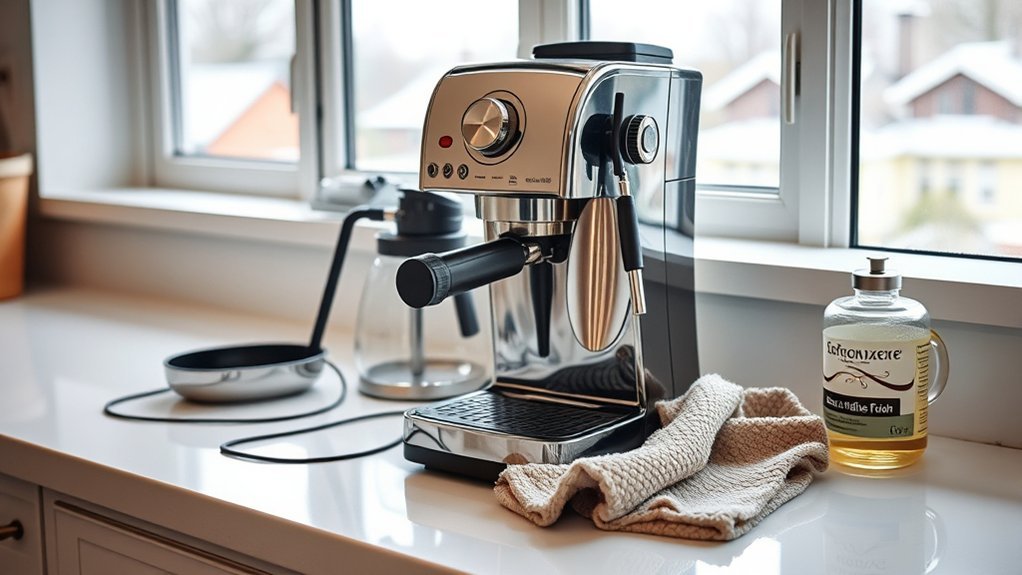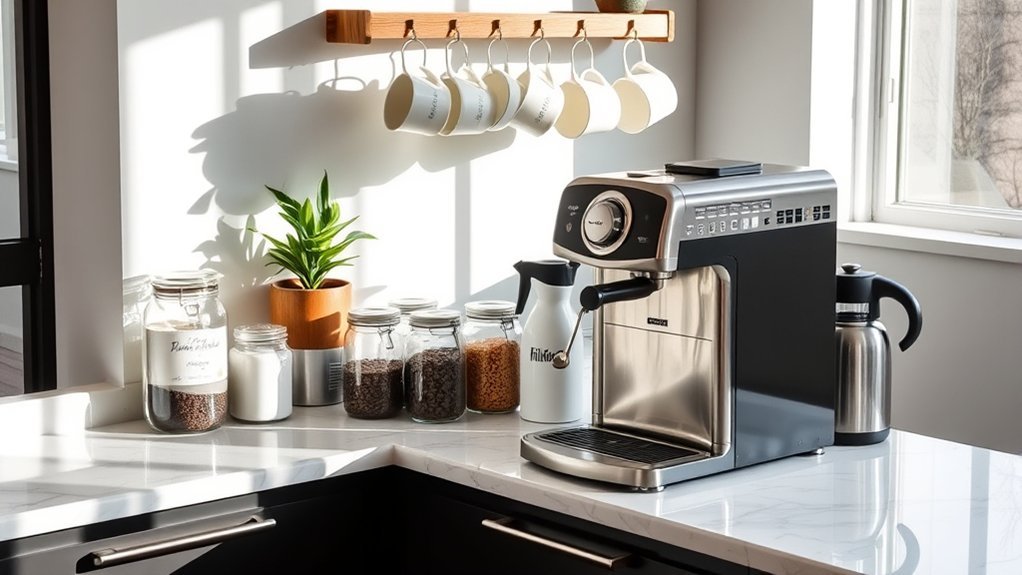
A well-planned shared office coffee maker station gives employees a convenient place to prepare coffee, tea, and other drinks without creating long lines, spills, or constant supply problems. The best setup matches your busiest period, available counter space, electrical service, cleaning capacity, and team preferences—not just the total number of employees.
Quick Answer
Set up an office coffee station by assigning an owner, measuring peak demand, choosing a safe location, and selecting a brewer that can handle the busiest part of the day. Add clearly labeled supplies, refrigerated milk storage, accessible counter space, waste bins, and a written cleaning and restocking schedule.
Key Takeaways
- Measure use during the busiest 15 to 30 minutes before choosing a coffee machine.
- Place the station near suitable outlets and water, but outside the main walkway.
- Assign one person or facilities team to oversee cleaning, service calls, and restocking.
- Keep refrigerated dairy and plant-based drinks at 40°F or below and label common allergens.
- Use reusable cups first and confirm local acceptance before buying recyclable or compostable service ware.
- Follow the exact machine manual for cleaning, descaling, filter changes, and electrical requirements.
At a Glance
| Time Required | About 2–4 hours for a basic setup, followed by a one-week trial to measure use and adjust supplies |
| Difficulty | Easy to moderate; plumbed or high-power commercial machines may require professional installation |
| Tools Needed | Tape measure, labels, storage bins, cleaning cloths, suitable cleaner, waste bins, and the coffee maker manual |
| Cost | Variable; include the brewer, installation, filters, coffee, cups, milk, cleaning supplies, service, and waste handling |
How to Set Up a Shared Office Coffee Maker Station
- Assign a station owner. Choose an office manager, facilities contact, or small team to approve purchases, check stock, schedule service, and respond to problems.
- Ask what employees will use. Run a short survey covering regular coffee, decaf, espresso drinks, tea, milk choices, allergies, and reusable-cup preferences.
- Measure peak demand. For one normal workweek, count how many drinks are prepared during the busiest 15- to 30-minute period.
- Choose a safe, accessible location. Check the counter, outlets, water access, walking route, ventilation, spill risk, and nearby refrigeration.
- Select the machine. Compare the brewer’s published cycle time, serving capacity, electrical needs, cleaning steps, warranty, and service support.
- Organize supplies. Give coffee, tea, cups, filters, sweeteners, stirrers, and cleaning products clearly labeled storage areas.
- Post simple rules. Explain how to brew, report faults, wipe spills, store milk, sort waste, and complete the closing check.
- Run a one-week trial. Track queues, waste, stockouts, complaints, and cleanup time, then adjust the layout or equipment.
Pro Tip: Size the station for the busiest part of the day rather than the total employee count. A one-week usage log gives you better information than a broad small-, medium-, or large-office label.
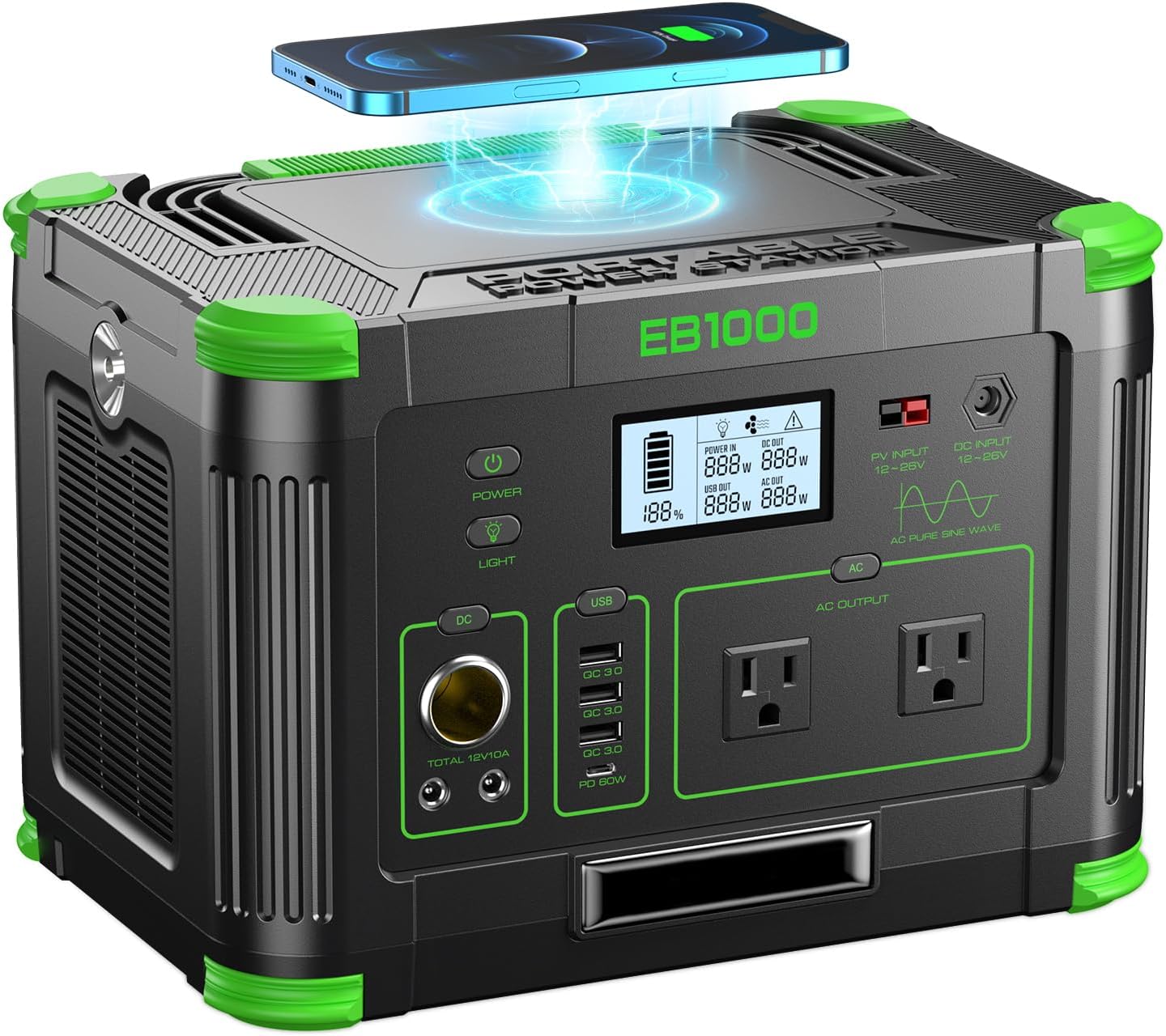
Power your essentials anywhere with a 999Wh pure sine wave power station delivering up to 1000W continuous with 2000W surge. It supports fast charging via USB-C PD 60W and USB-A QC 18W, plus simultaneous output for multiple devices through AC, USB, wireless, and car/DC ports. Recharge using AC, car, or solar with a built-in MPPT controller and dual cooling fans, while the upgraded battery management system protects against surges, short circuits, and overheating.
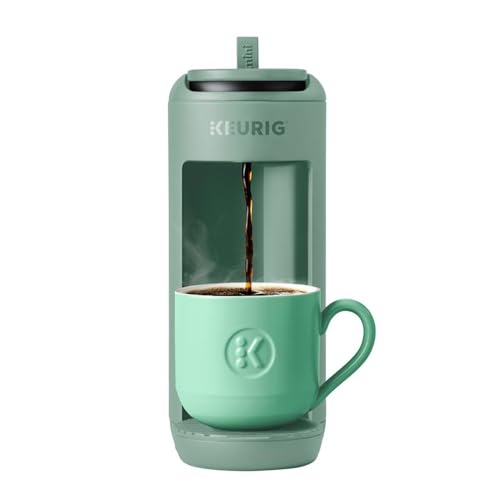
SMALL SPACE SAVER: Compact at 4" wide for brewing the perfect cup of coffee in small kitchens, dorm rooms, offices, and surfaces with limited space.

WHAT'S IN THE BOX: One water filter handle, and one filter to help ensure your beverages taste their absolute best.
Choosing the Right Spot for Your Coffee Station
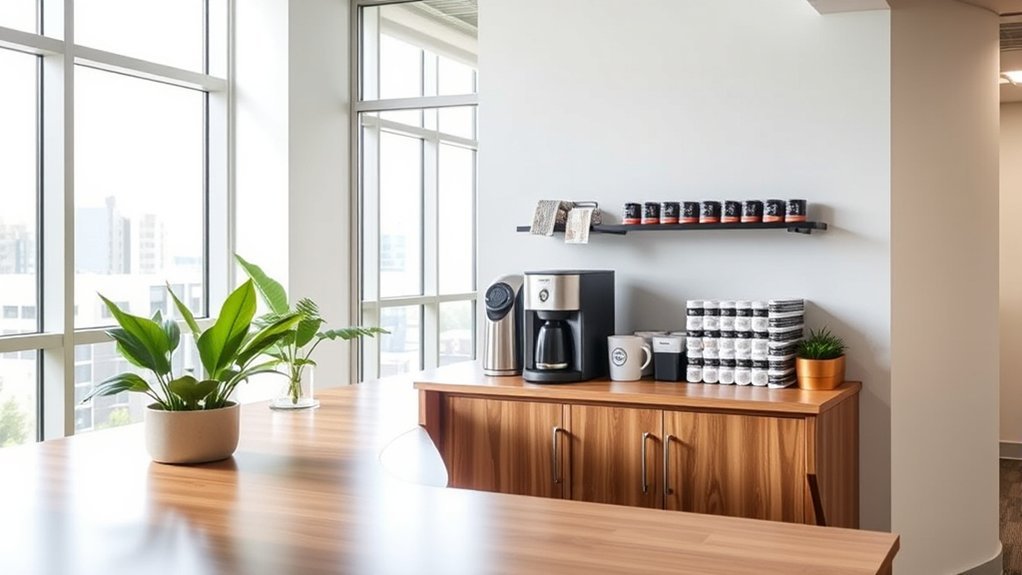
Place the coffee station close enough to work areas for convenient access but slightly outside the main walking path. Employees should be able to fill a cup, add milk, and dispose of waste without blocking a doorway, emergency route, printer, refrigerator, or busy corridor.
The best location is easy to reach but does not turn the office’s busiest walkway into a morning queue.
Use a stable, level counter that can support the filled machine and resist heat and moisture. Leave the clearances required by the manufacturer, especially around vents, water reservoirs, hinged lids, and service panels.
Check the machine’s plug, voltage, amperage, and circuit instructions before installation. Keep cords away from water, sharp edges, doors, and walking routes. The OSHA standard for cord-and-plug equipment requires damaged equipment and flexible cords to be inspected and removed from service when defects could create a hazard.
Warning: Do not use a power strip, adapter, or extension cord as a permanent substitute for a suitable outlet. Follow the coffee maker’s electrical instructions, keep water away from plugs, and stop using any machine with a damaged cord, unexplained heat, leaks, smoke, sparking, or a recall notice.
Before placing a new or used appliance into service, record its model and serial number and check the U.S. Consumer Product Safety Commission’s coffee-maker recalls.
Where applicable accessibility standards govern the space, preserve an unobstructed route and clear floor area at the appliance. The 2010 ADA Standards for Accessible Design specify a minimum clear floor space of 30 by 48 inches. Keep common cups, controls, and supplies within practical reach rather than stacking them above the machine.
A reservoir brewer needs convenient access to drinking water. A direct-plumbed machine may also need an approved water connection, shutoff valve, drain, backflow protection, filter, and qualified installer. Confirm those requirements with the manufacturer and building manager before purchase.
How to Choose the Right Coffee Machine for Your Office
Choose the machine by comparing actual use, drink preferences, service needs, and total operating cost. Headcount is only a starting point because ten people who brew at the same time can create a longer queue than a larger team whose breaks are spread through the day.
| Machine Type | Best Fit | Main Strength | Watch For |
|---|---|---|---|
| Batch brewer with thermal carafe or airpot | Teams that drink regular or decaf coffee in predictable waves | Brews several servings at once with relatively little packaging | Stale coffee, excess batches, filter supply, and carafe cleaning |
| Single-serve brewer | Low or staggered use with a need for individual choices | Simple serving control and several drink options | One-person-at-a-time queues, capsule waste, and higher serving cost |
| Bean-to-cup machine | Offices wanting fresh grinding and automated drink choices | Consistent drinks with less manual measuring | Higher cost, daily cleaning, service support, and ingredient refills |
| Espresso machine | Teams that strongly prefer espresso and milk-based drinks | Broad drink customization | Training, milk hygiene, cleaning time, and slower service |
| Hot-water dispenser with separate coffee service | Offices with many tea, cocoa, or instant-drink users | Reduces competition for the coffee brewer | Hot-water burn risk and additional counter and electrical needs |
Assess Office Size Requirements
Instead of choosing a machine from headcount alone, count the drinks made during your busiest period. Compare that number with the manufacturer’s published brew cycle, serving size, water recovery, hopper or reservoir capacity, and holding time.
For light, staggered use, one small batch or single-serve brewer may be enough. For predictable morning or lunch waves, a batch brewer with two thermal carafes can let one batch serve while another brews. High-volume workplaces may need a commercial machine, a second brewer, or multiple smaller stations placed near different departments.
Also check refill labor. A machine that technically produces enough drinks may still create delays if someone must refill its water tank, beans, powder, capsules, or milk after every few servings.
Consider Coffee Preferences
Ask employees what they will actually drink before buying a machine. A short anonymous survey can cover regular coffee, decaf, espresso, tea, hot chocolate, milk preferences, sweeteners, and reusable mugs.
Keep the survey focused. A machine with many specialty choices may not be worth the cost or cleaning time when most employees want plain brewed coffee. In another office, a single batch brewer may fail because employees need decaf, hot water, and individually prepared drinks.
Record food allergies and dietary needs without asking employees to disclose unnecessary personal information. Use clear ingredient labels and separate utensils for products containing common allergens such as milk, soy, or tree nuts.
Evaluate Budget Constraints
Compare total ownership cost rather than the machine price alone. Include:
- Purchase, rental, or lease payments
- Plumbing, drainage, electrical work, and installation
- Coffee beans, grounds, capsules, filters, tea, milk, and sweeteners
- Water filters and replacement cartridges
- Reusable or disposable cups and utensils
- Cleaning products and staff time
- Waste, recycling, or compost collection
- Preventive maintenance, repairs, and service contracts
- Waste from stale batches, expired milk, or unpopular flavors
A basic machine can cost less to buy but more to operate if it uses expensive portions or creates frequent stockouts. A commercial machine may have a higher initial cost but offer faster service or lower labor. Use your one-week trial to compare actual cost per drink and cleanup time.
Key Supplies for Your Office Coffee Station
A dependable coffee station needs more than a brewer. Organize supplies so employees can find what they need without opening several cabinets or reaching over hot equipment.
Essential Coffee Equipment Needed
- Suitable coffee maker, thermal carafe, airpot, or serving container
- Manufacturer-approved filters, pods, or brewing accessories
- Coffee grinder when whole beans are used and the machine lacks one
- Hot-water option for tea and other drinks
- Water filter when required by the machine or local water conditions
- Clearly labeled storage bins or airtight coffee containers
- Reusable mugs plus a small backup supply of accepted disposable cups
- Spoons, stirrers, napkins, sweeteners, and cup sleeves when needed
- Drip tray, washable counter mat, and nearby waste containers
- Cleaning cloths, brushes, suitable detergent, and approved descaling product
- Simple brewing, cleanup, and fault-reporting instructions
Store coffee, tea, filters, and dry ingredients in a clean cabinet away from heat, steam, and moisture. Use first-in, first-out rotation so older stock is used before newer deliveries.
Diverse Beverage Options Available
Offer enough variety to cover common needs without filling the station with products that expire before use. A practical starting selection includes:
- One regular roast and one decaffeinated option
- Black, green, and caffeine-free herbal tea
- Hot chocolate or another caffeine-free warm drink
- Plain sugar and one alternative sweetener
- Refrigerated dairy milk and one clearly labeled plant-based choice when demand supports them
- Shelf-stable individual creamers when reliable refrigeration is not available
Keep refrigerated milk and plant-based drinks at 40°F or below. The FDA’s safe food-handling guidance says perishables should be refrigerated promptly and should not remain at room temperature for more than two hours. Discard products that have been left out too long rather than returning them to the refrigerator.
Note: Plant-based does not mean allergen-free. Almond drinks can contain tree nuts, while soy drinks contain soy. Keep original labels available and use separate, clearly identified containers and utensils.
Sustainable Supplies for the Station
Begin with reusable mugs, spoons, and washable service ware when the office has a reliable washing system. This reduces the number of single-use items that must be purchased and sorted.
If disposables are necessary, confirm what the local recycling or commercial composting provider accepts before ordering them. The EPA’s sustainable food-service guidance places reusable service ware ahead of single-use options and warns that some commercial composting facilities do not accept compostable cups or utensils.
Provide clearly labeled landfill, recycling, and compost bins only for waste streams that your building actually collects. Labels should list accepted items, such as clean cans, coffee grounds, paper filters, or certified compostable products, rather than relying on color alone.
Reduce energy waste by enabling the machine’s automatic shutoff when available and turning equipment off after hours when the manufacturer permits it. Do not use an external timer unless the machine instructions and electrical setup allow one.
Designing a Welcoming Coffee Break Area for Employees
A comfortable break area can support casual conversation without becoming noisy or blocking the work area. Keep seating, brewing, milk preparation, and waste disposal in separate zones when space allows.
| Key Element | Implementation Ideas |
|---|---|
| Comfortable Seating | Chairs, benches, or small tables positioned away from the brewing queue |
| Communal Elements | Board games, puzzles, books, or a small noticeboard that does not crowd the counter |
| Ambiance | Easy-care plants, artwork, and adequate lighting without loud music near desks |
| Company Character | Team photos, local artwork, or restrained branding that keeps instructions easy to see |
| Accessibility | Clear approach space, reachable supplies, readable labels, and controls that are not blocked |
| Cleanup Flow | Cleaning cloths and waste bins placed beyond the dispensing area so users can move through the station |
Choose washable materials near the brewer. Fabric seating, books, and decorations should be far enough from the preparation counter to avoid absorbing spills or collecting coffee grounds.
Keep Your Coffee Station Clean and Tidy
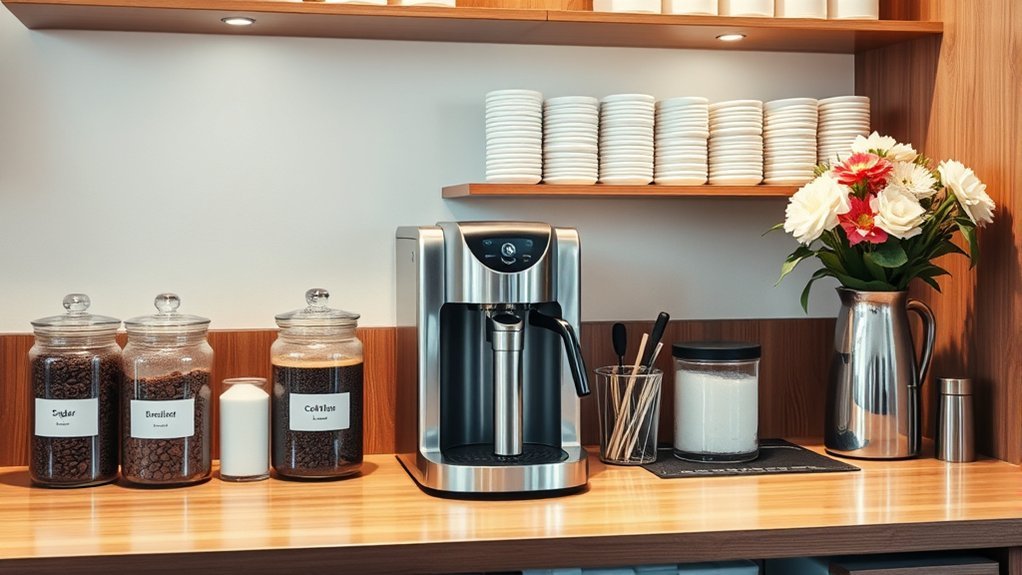
Assign one accountable owner even when employees share routine cleanup. The owner should verify that tasks are completed, replace missing supplies, remove expired products, and contact service support when the machine develops a fault.
Implement a cleaning rota among team members to ensure regular upkeep and promote a sense of shared responsibility.
Keep suitable cleaning products nearby but separate from coffee, tea, cups, and other food-contact supplies. Follow product labels and the coffee maker’s instructions. The CDC recommends cleaning high-touch surfaces regularly and cleaning other surfaces when visibly dirty.
| Frequency | Tasks |
|---|---|
| After Each Use | Wipe spills, discard used portions, return refrigerated products, and leave the dispensing area clear. |
| Daily | Clean the counter and high-touch controls, empty grounds and drip trays, wash removable milk parts, remove trash, and check refrigerator temperature and expiration dates. |
| Weekly | Wash storage bins, inspect cords and hoses, clean under the machine, review stock levels, and complete manufacturer-required weekly tasks. |
| Manufacturer Schedule | Descale, replace filters, sanitize internal milk systems, clean sprayheads or needles, and arrange preventive service exactly as the manual directs. |
Do not assume that every machine needs monthly descaling. Water hardness, filtration, brewing volume, and machine design affect scale buildup. For example, Keurig’s general maintenance guidance lists a three-to-six-month interval for many of its brewers. Always use the instructions for your exact model.
Enhancing Your Coffee Experience With Diverse Options
Offer a focused selection rather than stocking every available flavor. Start with regular coffee, decaf, several teas, and one caffeine-free drink. Add espresso, flavored syrups, kombucha, or specialty roasts only when usage data shows steady demand and suitable storage is available.
Local roasters can provide distinctive coffee and may offer training, equipment service, scheduled deliveries, or returnable containers. Compare freshness, price per serving, delivery minimums, and service terms before choosing a supplier.
Review the beverage list every few months. Remove items that repeatedly expire, add options requested by several employees, and keep ingredient labels easy to find. A smaller selection that stays fresh is usually more useful than a crowded shelf of rarely used products.
Manage Inventory and Restocking
Create a par level for each high-use item. A simple starting formula is:
Reorder level = average use during delivery lead time + one normal week of backup stock.
For example, if the office uses six bags of coffee per week and delivery takes one week, place the next order before stock falls below about 12 bags. Adjust the backup amount for storage limits, delivery reliability, and seasonal office attendance.
- Count coffee, tea, filters, milk, cups, and cleaning products on the same day each week.
- Write the opened date on milk, syrups, and other products when useful.
- Place newer stock behind older stock.
- Keep one visible reorder list or digital form rather than relying on several informal messages.
- Track stockouts and waste so ordering reflects actual use.
- Store emergency supplies separately and label when they should be used.
Troubleshoot Common Office Coffee Station Problems
| Problem | Likely Cause | Practical Fix |
|---|---|---|
| Long morning queue | One-at-a-time brewing or slow refilling | Pre-brew a thermal carafe, add a second machine, or separate hot-water users from coffee users. |
| Weak or inconsistent coffee | Incorrect dose, wrong grind, scale, or inconsistent measuring | Use the brewer’s recipe, standardize the scoop or weight, and complete the required cleaning. |
| Water leak | Overfilled reservoir, loose part, cracked tank, blocked drain, or plumbing fault | Keep people away from the wet area, unplug the machine when it is safe to do so, close the water valve if applicable, and contact the owner or service provider. |
| Stale smell or fruit flies | Wet grounds, milk residue, overflowing waste, or a dirty drip tray | Empty organic waste daily, wash trays and milk parts, clean under containers, and remove spills immediately. |
| Frequent stockouts | No owner, low par level, or irregular delivery | Assign weekly counts, raise the reorder point, and track actual consumption. |
| Slow brewing or scale alert | Mineral buildup, clogged parts, or overdue filter replacement | Follow the model-specific descaling and filter procedure. Do not force tools into internal openings. |
Frequently Asked Questions
How Can I Encourage Employees to Use the Coffee Station?
Ask employees what they want, keep the station consistently stocked, post clear instructions, and make cleanup easy. A short tasting session can introduce the machine, but long-term use depends more on reliable coffee, short queues, cleanliness, and convenient access.
What Are Some Budget-Friendly Coffee Options for the Office?
Compare bulk ground coffee, whole beans, capsules, and office-delivery plans by cost per prepared drink rather than package price. A basic batch brewer and thermal carafe can be economical when several people drink the same coffee, while single portions may suit low or unpredictable use.
How Often Should Coffee Supplies Be Restocked?
Check high-use supplies at least weekly during the first month. Set the reorder point from average use, delivery time, and backup stock. Milk and other short-life products may need more frequent checks, while filters and cleaning supplies can often be ordered less often.
Can I Include Tea and Other Beverages at the Station?
Yes. Tea, decaf coffee, hot chocolate, and other caffeine-free choices make the station useful to more employees. Provide a separate hot-water option when possible so tea users do not wait behind individually brewed coffee drinks.
What Are the Best Practices for Coffee Machine Maintenance?
Empty grounds and drip trays, wipe high-touch areas, wash removable food-contact parts, and complete every daily or weekly step listed in the manual. Descale and replace water filters on the model-specific schedule. Stop using the machine and request service when it leaks, overheats, sparks, or repeatedly shows an unresolved fault.
How Many Coffee Makers Does an Office Need?
Count drinks during the busiest 15 to 30 minutes and compare that demand with the brewer’s published cycle and holding capacity. Add another brewer or station when queues remain long, refilling interrupts service, or distant departments cannot reach the station conveniently.
Can an Office Coffee Maker Use an Extension Cord or Power Strip?
Do not use one as a permanent substitute for a suitable outlet. Coffee makers can draw significant power, and the exact electrical requirements vary by model. Follow the manual and building policy, keep cords away from water and walkways, and have a qualified person address inadequate outlets.
Should the Coffee Maker Stay On Overnight?
Follow the manufacturer’s instructions. Use the built-in automatic shutoff when available, and include the machine in the office closing checklist. Do not leave a damaged, leaking, overheating, or recall-affected appliance connected for continued use.
How Should Milk and Creamers Be Stored?
Keep products labeled as refrigerated at 40°F or below and return them to the refrigerator immediately after use. Discard perishables left at room temperature for more than two hours. Use shelf-stable individual portions when dependable refrigeration is unavailable.
Sources
- Occupational Safety and Health Administration — 29 CFR 1910.334 — inspection and safe use of cord-and-plug-connected workplace equipment
- U.S. Department of Justice — 2010 ADA Standards for Accessible Design — accessible routes, clear floor space, and appliance access
- U.S. Food and Drug Administration — Safe Food Handling — refrigerator temperature and time limits for perishable products
- Centers for Disease Control and Prevention — When and How to Clean a Facility — routine cleaning of high-touch and visibly dirty surfaces
- U.S. Environmental Protection Agency — Sustainable Food Service Ware — reusable, recyclable, and commercially compostable purchasing guidance
- Keurig Support — Cleaning and Descaling Guidance — an example of manufacturer-specific coffee maker maintenance intervals
Conclusion
A successful shared office coffee maker station depends on clear ownership, safe placement, suitable equipment, and simple daily routines. Measure peak demand before buying a machine, organize supplies around the way employees move through the space, and follow official food-safety and equipment instructions. With regular cleaning, dependable restocking, and honest review of what people use, the station can remain convenient without becoming a source of queues, waste, or maintenance problems.