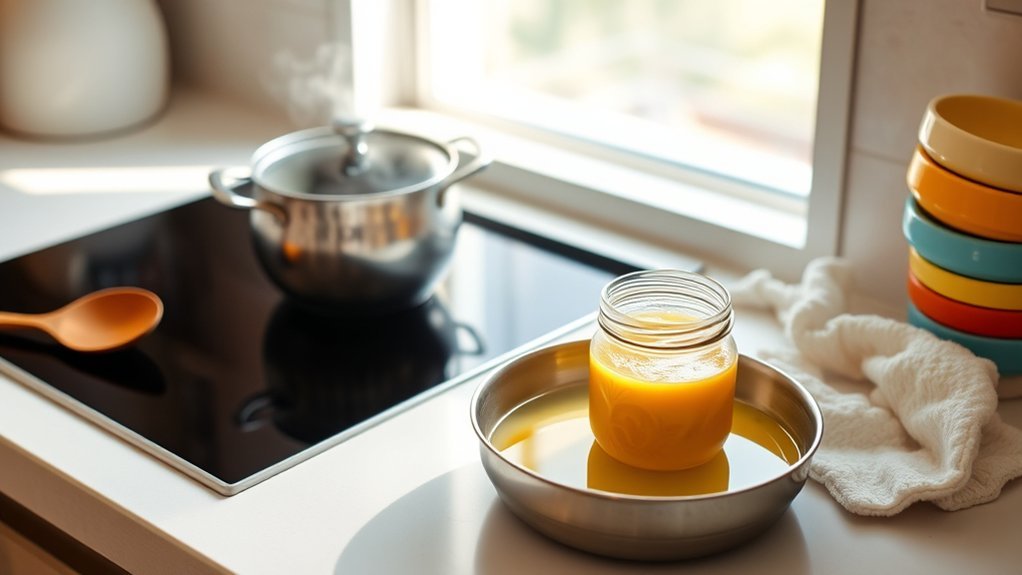
Warming baby food without a microwave is simple when you use low, gradual heat. A small saucepan is usually the fastest option, while a double boiler or water bath provides gentler temperature control. A low oven can also work for larger portions. Whatever method you choose, stir thoroughly and cool the food to lukewarm before feeding your baby.
Quick Answer
To warm baby food without a microwave, place a small portion in a saucepan over low heat, use a double boiler, set the container in a warm-water bath, or heat it in a covered oven-safe dish at about 250°F. Stir often, check several spots, and let the food cool until it is lukewarm before serving.
Key Takeaways
- Warm only the portion you plan to serve so the remaining food stays clean and cold.
- Use low heat and stir frequently to prevent scorching and uneven temperatures.
- Reheated leftovers should reach 165°F, but the food must then cool to lukewarm before it is offered to a baby.
- Discard food left in the serving bowl after the spoon has touched your baby’s mouth.
- This guidance is for purées, mashed foods, and soft solids—not breast milk or infant formula.
At a Glance
| Time Required | About 3–10 minutes on the stovetop or in a water bath; approximately 10–20 minutes in a low oven |
| Difficulty | Easy |
| Tools Needed | Small saucepan, spoon, heat-safe bowl or jar, and optional food thermometer |
| Cost | Usually no added cost when using standard kitchen equipment |
Note: Baby food does not have to be served warm. Room-temperature or safely chilled food is acceptable if your baby prefers it. Warming is mainly a matter of comfort and preference.
Warning: Never serve baby food immediately after heating. Stir it thoroughly, check more than one area, and let it cool until lukewarm. Food that feels comfortably warm to an adult may still be too hot for a baby’s mouth.
How to Warm Baby Food Without a Microwave
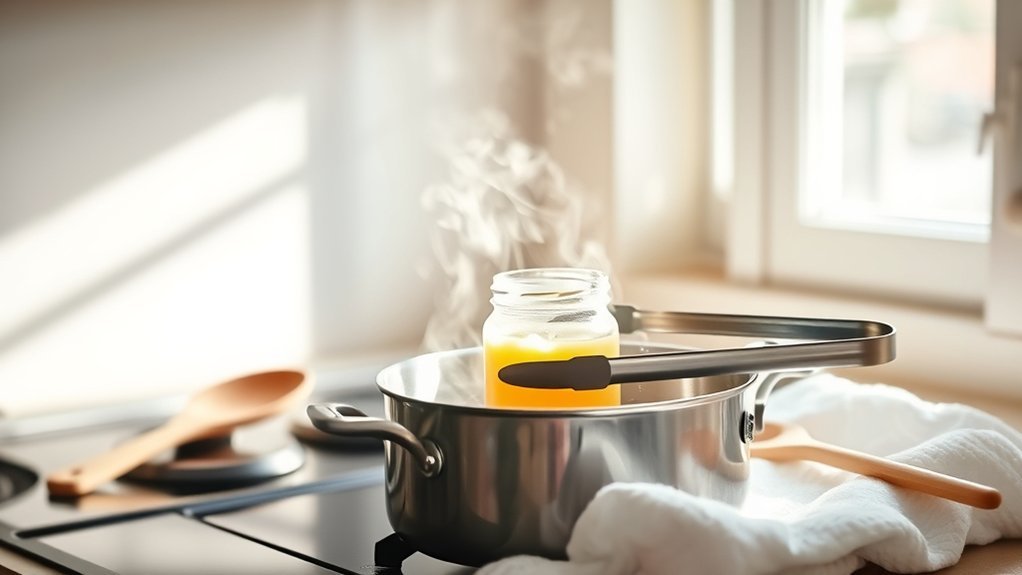
The best warming method depends on the portion size, how quickly you need the food, and the container you are using. For most single servings, a small saucepan or water bath is faster and easier than an oven.
| Method | Best For | Main Advantage |
|---|---|---|
| Small saucepan | One small portion | Fast and easy to stir |
| Double boiler | Thick food that may scorch | Gentle indirect heat |
| Water bath | Food already in a heat-safe container | Minimal cleanup |
| Low oven | Several portions or an oven-safe meal | Hands-off heating after setup |
Warm only the amount you expect your baby to eat. Keeping the remaining food cold and untouched reduces waste and lowers the chance of contamination.
Before You Start: Portion and Prepare Safely
- Wash your hands. Use clean cookware, bowls, spoons, and work surfaces.
- Transfer one serving to a separate dish. Do not feed directly from a storage jar if you plan to refrigerate the remaining food.
- Check the container. Use cookware or a container rated for the chosen method. A microwave-safe label does not automatically mean a container is safe for an oven or stovetop.
- Keep the remaining food refrigerated. Return the untouched jar or storage container to the refrigerator promptly.
- Plan to serve the warmed portion immediately. Do not leave perishable baby food sitting at room temperature for more than two hours.
The FDA advises caregivers to place a serving in a separate dish rather than feeding directly from a storage jar. Saliva transferred from a used spoon can contaminate the remaining food. Food left in the serving bowl after feeding should be discarded. See the FDA’s infant food-safety guidance.
Pro Tip: Freeze homemade baby food in single-serving portions. You can remove only what you need instead of thawing and reheating a larger batch.
Recommended Stovetop Method for Heating Baby Food
Direct saucepan heating is usually the quickest method for a small serving of purée, mashed vegetables, cereal, or another soft food.
Step-by-Step Saucepan Method
- Place one serving of baby food in a small, clean saucepan.
- Set the burner to its lowest practical heat setting.
- Stir continuously or every few seconds, scraping the bottom and sides of the pan.
- If a thick purée begins to stick, mix in a small amount of water, breast milk, or correctly prepared formula that is suitable for your baby.
- Continue until the food is evenly heated. A small refrigerated portion commonly takes about 3–5 minutes, although the exact time depends on the amount and pan.
- If reheating previously cooked leftovers, heat them to 165°F as measured with a food thermometer.
- Remove the pan from the burner, transfer the food to a clean serving bowl, stir again, and cool it until lukewarm.
FDA food-safety guidance recommends reheating leftovers to 165°F. That temperature is a reheating target—not a serving temperature. Always allow the food to cool before feeding. See the FDA safe food-handling chart.
Warming Baby Food With a Double Boiler
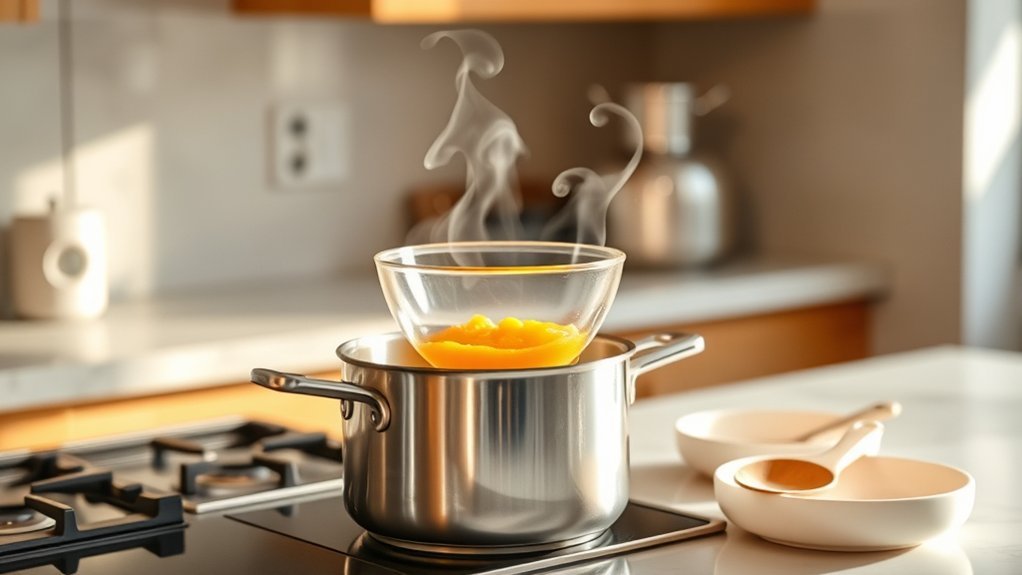
A double boiler uses indirect steam heat, which can help prevent thick baby food from scorching or drying along the bottom of a saucepan. It is especially useful for small portions containing oatmeal, mashed potato, meat purée, or another dense mixture.
Benefits of a Double Boiler
- Provides gradual, indirect heat
- Reduces the likelihood of scorching
- Makes it easier to control the temperature
- Works well for thick or sticky food
- Requires little or no added liquid
A double boiler does not guarantee that every nutrient will be preserved. Its main practical benefit is controlled heating without direct contact between the food container and the burner.
Step-by-Step Double-Boiler Process
- Add a small amount of water to the lower pot and bring it to a gentle simmer.
- Place the upper pot or a heat-safe bowl over the lower pot. The bottom of the upper container should not sit in the water.
- Add one serving of baby food to the upper container.
- Stir frequently for about 5–10 minutes, depending on the amount and starting temperature.
- Check the center and edges rather than testing only one area.
- When evenly heated, transfer the food to a clean bowl and let it cool to lukewarm.
Warming Baby Food in a Water Bath
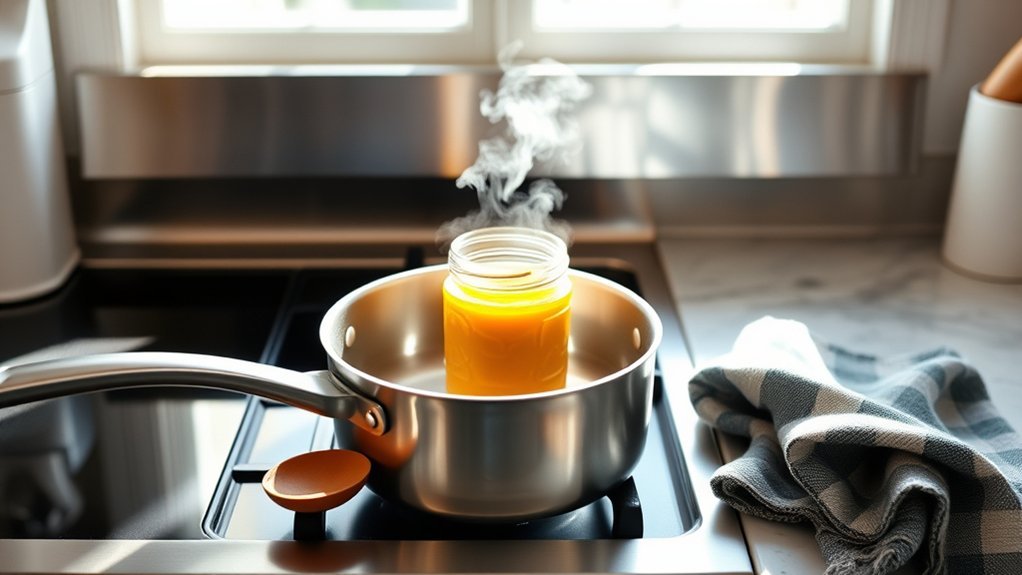
A water bath warms food while it remains inside a separate heat-safe container. This method works well when the food is already portioned into a glass jar, stainless-steel cup, or another container approved for contact with hot water.
- Place enough water in a saucepan to reach partway up the side of the baby-food container.
- Bring the water to a gentle simmer, then reduce the heat or remove the pan from the burner.
- Place the tightly closed or carefully covered food container in the water.
- Keep the water level below the container’s rim so water cannot enter the food.
- Let the container stand in the hot water for several minutes.
- Remove it with tongs or a dry oven mitt, open it carefully, and stir the food thoroughly.
- Return it to the bath briefly if the center is still cold.
- Cool the food to lukewarm before serving.
Note: Avoid rapidly boiling water. A gentle simmer or pan of recently heated water is easier to control and less likely to splash into the food.
Effective Oven Heating Techniques for Baby Food
An oven is slower than a saucepan or water bath, but it can be convenient when you are warming several portions or heating a soft family meal that has been set aside for the baby.
Preheating the Oven Properly
- Preheat the oven to approximately 250°F (120°C).
- Transfer the food to a small oven-safe glass or ceramic dish.
- Cover the dish with an oven-safe lid or foil to reduce moisture loss.
- Heat a small portion for approximately 10–20 minutes.
- Stir halfway through and check the center, sides, and bottom.
- Remove the food once it is evenly heated.
- If it is a reheated leftover, confirm that it reached 165°F, then allow it to cool to lukewarm.
Do not use 350°F for routine warming. A lower oven temperature gives you more control and reduces the chance of drying or overheating a small portion.
Using Oven-Safe Containers
Use only a container labeled for oven use. Oven-safe glass or ceramic is usually suitable, but you should follow the container manufacturer’s instructions. Do not place ordinary plastic storage tubs, thin commercial baby-food cups, or a container labeled only “microwave safe” in an oven.
Before placing cold glass in a hot oven, check whether the manufacturer allows the temperature change. Sudden temperature shifts can crack some glass containers.
Why Some Caregivers Skip the Microwave
Some caregivers prefer a stovetop or water bath because these methods make it easy to stir continuously and watch the temperature. However, solid baby food does not have to be warmed without a microwave for safety or nutrition.
FoodSafety.gov and the FDA allow solid baby food to be microwaved when it is transferred from the original jar to a dish, stirred thoroughly, allowed to stand, and tested before feeding. The main concern is uneven heating and hidden hot spots—not a blanket loss of nutrients. Baby-food meats and eggs are better heated on the stovetop because their fat content can contribute to splattering and overheating in a microwave. Review the current FoodSafety.gov guidance for children under five.
Note: This article applies to purées, mashed foods, cereal, and other soft solids. Breast milk and infant formula follow different handling rules. The FDA recommends warming a bottle in water rather than heating formula directly in a pan or microwave.
How to Check the Temperature Before Serving Baby Food
There are two different temperatures to consider:
- Reheating temperature: Previously cooked leftovers should reach 165°F to reduce food-safety risk.
- Serving temperature: After heating, the food should cool until it feels or tastes lukewarm.
Follow these steps before feeding:
- Stir from the bottom of the bowl to the top.
- Check at least two or three areas because the center may be hotter than the edges.
- Use a clean food thermometer when verifying a reheated leftover.
- Place a small amount on a clean spoon and taste-test it yourself.
- If it feels hot rather than comfortably lukewarm, wait and stir again.
Do not rely only on the outside of a container. The dish may feel cool while the food inside remains hot.
Essential Safety Tips for Warming Baby Food
- Wash your hands before preparing or serving baby food.
- Use clean utensils and containers.
- Portion food before warming rather than feeding from the storage jar.
- Keep the remaining food refrigerated at 40°F or below.
- Stir thoroughly after heating.
- Cool food to lukewarm before feeding.
- Discard food left in the serving bowl after the spoon has touched your baby’s mouth.
- Do not repeatedly cool and reheat the same serving.
- Discard perishable food left at room temperature for more than two hours.
- Ask your pediatrician for individualized advice if your baby was born prematurely, has a weakened immune system, has swallowing difficulties, or needs a medically prescribed diet.
How to Warm Frozen Baby Food
You can thaw frozen baby food in the refrigerator before warming it, or heat a small frozen portion directly in a saucepan. Refrigerator thawing generally produces the most even texture.
Refrigerator Thawing
- Move the portion from the freezer to the refrigerator in a covered container.
- Allow it to thaw overnight or until no frozen center remains.
- Warm it using a saucepan, double boiler, or water bath.
- Use the thawed food promptly and do not refreeze it after warming.
Warming Directly From Frozen
- Place the frozen portion in a small saucepan.
- Add a teaspoon or two of water if necessary to prevent sticking.
- Use low heat and cover the pan briefly to create gentle steam.
- Break the portion apart as it softens.
- Stir until no frozen or cold center remains.
- Heat a previously cooked leftover to 165°F, then cool it to lukewarm.
The American Academy of Pediatrics notes that frozen baby food can be reheated on the stove. For conservative storage planning, FoodSafety.gov currently lists homemade baby food for approximately 1–2 months in the freezer. See the AAP homemade baby-food guidance.
Best Practices for Storing and Reheating Leftovers
Storage time depends on the ingredients. FoodSafety.gov provides the following refrigerator and freezer guidance for opened or freshly made purées and solids:
| Baby Food Type | Refrigerator | Freezer |
|---|---|---|
| Strained fruits and vegetables | 2–3 days | 6–8 months |
| Strained meats and eggs | 1 day | 1–2 months |
| Meat-and-vegetable combinations | 1–2 days | 1–2 months |
| Homemade baby food | 1–2 days | 1–2 months |
Label homemade food with the contents and preparation date. Store it in small, covered portions so it cools quickly and you can remove only the amount needed.
When reheating:
- Reheat only one serving.
- Heat leftovers to 165°F.
- Stir and cool the food to lukewarm.
- Serve it promptly.
- Discard the portion after feeding rather than chilling and reheating it again.
Troubleshooting Common Warming Problems
The Baby Food Is Too Hot
Transfer it to a cool, clean bowl and stir it frequently. Spreading the food into a thinner layer can help it cool faster. Do not add an ice cube unless the water source is safe and the added liquid will not make the texture unsuitable.
The Baby Food Is Too Thick
Add a small amount of warm water, breast milk, or correctly prepared infant formula. Mix thoroughly and check the texture before feeding. Avoid adding a large amount at once.
The Baby Food Is Too Watery
Stir in a small amount of a suitable thicker food, such as iron-fortified infant cereal or additional purée, if it has already been safely introduced to your baby. Do not continue cooking aggressively because the bottom may scorch before the mixture thickens evenly.
The Food Is Sticking to the Pan
Lower the heat, stir continuously, and add a teaspoon of liquid. A double boiler may work better for the next serving.
The Center Is Still Cold
Break up any thick or frozen section, stir from the center outward, and continue heating gently. Check several areas before serving.
Frequently Asked Questions
Can I warm baby food directly in a saucepan?
Yes. Place one serving in a small saucepan and use low heat. Stir frequently so the food does not scorch or develop hot spots. Transfer it to a clean bowl and cool it to lukewarm before feeding.
How long does it take to warm baby food on the stovetop?
A small refrigerated portion often takes about 3–5 minutes over low heat. A frozen or larger portion can take longer. Stir continuously and judge readiness by the temperature throughout the food rather than time alone.
What container is safe for warming baby food?
Use a clean container rated for the method you choose. Heat-safe glass or stainless steel works well in a water bath, while an oven requires oven-safe glass or ceramic. Do not assume a container is oven-safe merely because it is labeled microwave-safe.
Can I warm frozen baby food without thawing it first?
Yes. Place a small frozen portion in a saucepan over low heat, add a little water if needed, and break it apart as it softens. Stir until no frozen or cold center remains. Refrigerator thawing is another safe option and may produce a smoother texture.
Is it safe to warm baby food multiple times?
It is safer to warm only the portion needed and avoid reheating that same serving again. Once a spoon has entered your baby’s mouth and returned to the bowl, discard the remaining food because saliva can introduce bacteria.
Does baby food have to be warmed?
No. Baby food can be served at room temperature or chilled when it has been stored safely and your baby accepts it. Many caregivers warm food simply because their baby prefers it that way.
Should baby food reach 165°F?
Previously cooked leftovers should be reheated to 165°F. Freshly made or newly opened food that is being warmed only for comfort does not need to be served at that temperature. In every case, cool the food to lukewarm before feeding.
Can I place a baby-food jar directly in hot water?
You may use a water bath when the container is heat-safe and undamaged. Keep the water below the rim and avoid sudden temperature changes that could crack glass. For better contamination control, transfer the amount you need to a separate clean container before warming.
Conclusion
The easiest way to warm baby food without a microwave is to use a small saucepan over low heat. A double boiler or water bath offers gentler control, while a low oven can handle several portions at once. Portion the food before heating, stir it thoroughly, and distinguish between reheating leftovers to 165°F and cooling food to a lukewarm serving temperature. Most importantly, discard food contaminated by a used spoon rather than saving it for another meal.
Sources
- FoodSafety.gov: People at Risk—Children Under Five — Baby-food storage limits, safe microwaving precautions, hygiene, and temperature control.
- U.S. Food and Drug Administration: Once Baby Arrives — Portioning, used-spoon contamination, warming, storage, and lukewarm serving guidance.
- U.S. Food and Drug Administration: Safe Food Handling — The 165°F reheating temperature for leftovers and refrigeration guidance.
- U.S. Food and Drug Administration: Handling Infant Formula Safely — Bottle-warming guidance and the distinction between formula and solid baby food.
- American Academy of Pediatrics: Is It OK to Make My Own Baby Food? — Homemade baby-food preparation, freezing, and stovetop reheating.