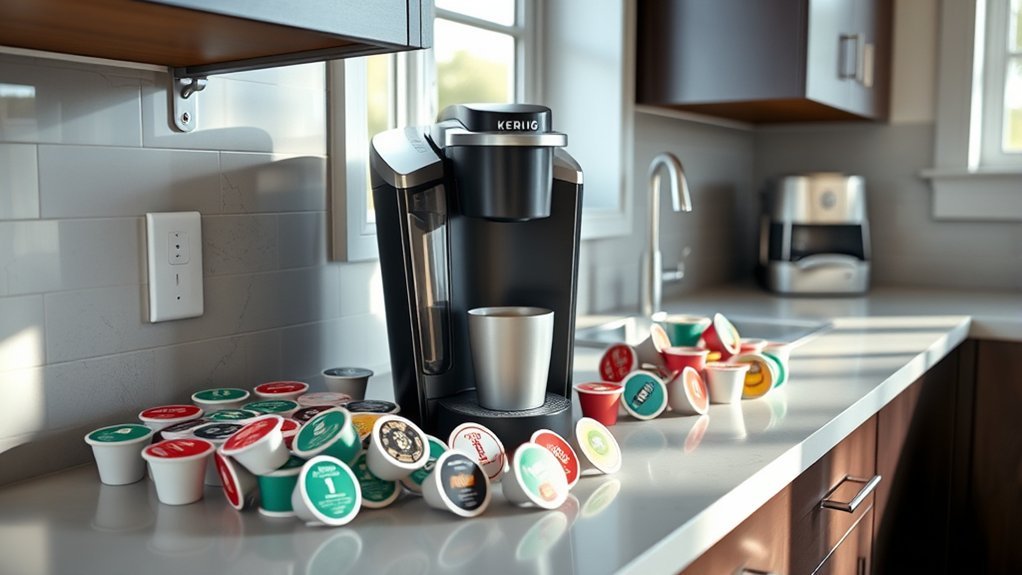
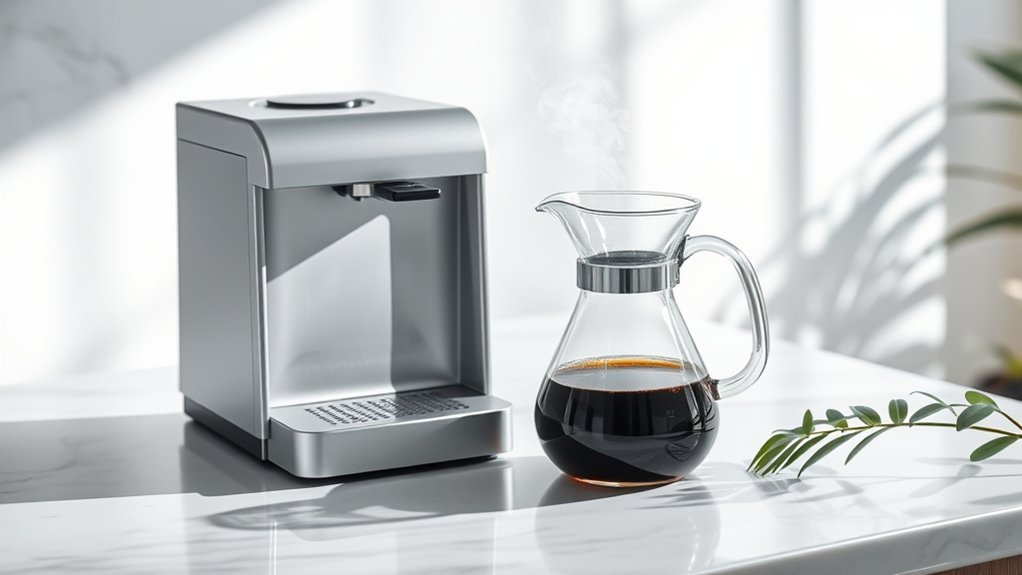
A thermal carafe coffee maker is an automatic drip brewer that extracts coffee directly into a double-wall insulated vessel rather than a glass pot resting on an active warming plate. By utilizing vacuum or air insulation to drastically slow heat dissipation, the system eliminates the need for ongoing burner heat after brewing. This passive thermal retention preserves delicate aromatic compounds, prevents scorching, and gives you the flexibility to transport hot, fresh coffee anywhere in your home or workspace without degrading its taste.
Quick Answer
A thermal carafe coffee maker brews drip coffee into a double-walled, vacuum-insulated carafe that holds heat passively without an electrical warming plate. Unlike glass carafes that rely on constant bottom heating—which cooks and bitters the coffee—thermal brewers lock in temperature and volatile aromatic oils while providing completely portable, tabletop-ready serving.
Key Takeaways
- The coffee maker controls water temperature, spray dispersion, and brew time; the thermal carafe is responsible strictly for passive heat retention post-brew.
- Eliminating the warming plate prevents the chemical decomposition of chlorogenic acids into bitter quinic acids, preserving clean coffee flavor for hours.
- Double-wall vacuum insulation blocks heat loss via conduction and convection, while stainless steel or silvered glass liners minimize radiant heat loss.
- Real-world heat retention depends on preheating the vessel with hot water, brewing near full capacity, and minimizing lid openings.
- Proper maintenance requires two distinct tasks: routine coffee oil degreasing of the carafe and periodic mineral descaling of the internal heating elements.
What Is a Thermal Carafe Coffee Maker and How Does It Work?

A thermal carafe coffee maker operates on the same core extraction principles as a traditional automatic drip brewer, with one fundamental engineering difference: the destination vessel. In a standard setup, coffee drips into a single-pane glass pot sitting on an energized heating element. In a thermal machine, the coffee flows through a specialized, brew-through lid directly into an insulated, double-walled chamber engineered to trap thermal energy.
The brewing cycle begins in the water reservoir. An internal heating element rapidly elevates fresh water to optimal extraction temperatures. The water is forced upward through a delivery tube and dispersed evenly over the coffee bed in the brew basket via a showerhead. Once saturated, the water dissolves soluble flavor compounds and drains through a paper or metal filter directly into the carafe below.
According to the Specialty Coffee Association (SCA) Home Brewer Standards, water contacting the coffee grounds must maintain a precise temperature between 92°C and 96°C (197.6°F to 204.8°F) to ensure balanced extraction without under-extracting sour acids or over-extracting astringent tannins. The brewer manages this critical thermal window; the carafe takes over the moment the liquid leaves the brew basket.
Power your essentials anywhere with a 999Wh pure sine wave power station delivering up to 1000W continuous with 2000W surge. It supports fast charging via USB-C PD 60W and USB-A QC 18W, plus simultaneous output for multiple devices through AC, USB, wireless, and car/DC ports. Recharge using AC, car, or solar with a built-in MPPT controller and dual cooling fans, while the upgraded battery management system protects against surges, short circuits, and overheating.

BUNN BREWS DIFFERENTLY - The BUNN Speed Brew uses an internal commercial grade stainless steel hot water tank that keeps 70oz of water always hot so you can quickly brew at the flip of a lid.
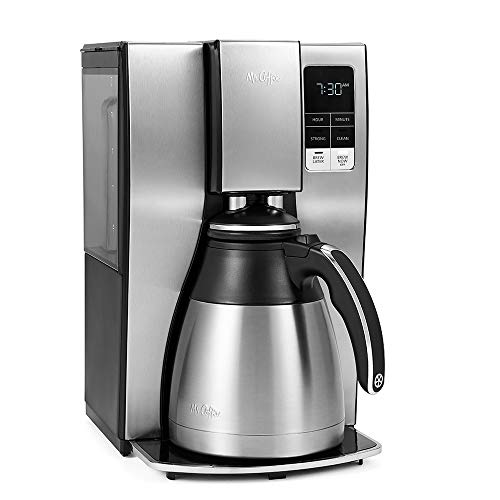
This Mr. Coffee 10-Cup Thermal Programmable Coffee Maker features Optimal Brew—it provides the fullest, richest flavor extraction by brewing coffee 20% faster*, at a temperature of up to 205 degrees *Compared to model BVMC-SJX39
The Thermodynamics of Heat Retention
Heat naturally moves from warmer zones to cooler zones through three physical mechanisms: conduction, convection, and radiation. A high-performance thermal carafe is engineered to neutralize all three:
- Conduction (Heat transfer through direct physical contact): Double-wall construction places an inner vessel inside an outer housing. In high-grade carafes, the air between these walls is evacuated to create a vacuum. Because a vacuum contains virtually no matter or molecules, conductive heat transfer from the inner wall to the outer shell drops to nearly zero.
- Convection (Heat transfer through air currents): The sealed vacuum pocket prevents air circulation between the interior and exterior walls. Furthermore, tight-fitting brew-through lids with rubber or silicone gaskets seal the top opening, preventing warm steam and rising air currents from escaping into the room.
- Radiation (Heat transfer via electromagnetic infrared waves): Even across a vacuum, heat can radiate outward as infrared energy. To combat this, the exterior surface of the inner wall or the interior surface of the outer shell is often electropolished, copper-plated, or silvered to reflect radiant heat back into the liquid.
Carafe Construction: Stainless Steel vs. Glass Vacuum Liners
Thermal carafes generally fall into two primary construction categories:
- Double-Wall All-Stainless Steel: The most common modern construction. Both the inner lining and outer shell are crafted from food-grade stainless steel (typically 18/8 or 304 grade). These carafes are exceptionally rugged, virtually shatterproof, and resistant to physical impact.
- Glass Vacuum-Lined Stainless Carafes: Premium machines—such as select configurations of the Technivorm Moccamaster KBT—utilize an exterior metal shell housing an internal, double-walled borosilicate glass vacuum insert. Borosilicate glass is completely non-porous, highly resistant to coffee oil absorption, and delivers exceptional thermal retention, though it requires gentle handling to prevent internal fractures.
Note: Thermal performance figures are not universal. Heat retention depends heavily on the volume of coffee brewed, ambient room temperature, initial carafe temperature, lid seal integrity, and how frequently the spout is opened.
The Science of Coffee Flavor Retention: Thermal Carafe vs. Hot Plate
The primary advantage of a thermal carafe is not simply keeping coffee warm—it is preserving the chemical integrity and flavor profile of the brew over time.
“A warming plate continues to apply direct thermal energy to brewed coffee, accelerating the thermal breakdown of chlorogenic acids into harsh, bitter quinic and caffeic acids within 20 to 30 minutes.”
When coffee sits on a conventional glass brewer’s electrical warming plate, three detrimental reactions occur:
- Accelerated Chemical Degradation: Continuous bottom heat breaks down chlorogenic acid lactones into quinic and caffeic acids. This chemical shift produces the astringent, sour, and “scorched” flavor typical of diner coffee left on a hot plate.
- Aroma Volatilization: Coffee’s signature aroma is driven by volatile organic compounds (including aldehydes, pyrazines, and esters). Ongoing heat vaporizes these delicate aromatics rapidly, leaving the remaining liquid flat and lifeless.
- Moisture Evaporation and Concentration: Open-vent glass pots allow water vapor to escape constantly. As water evaporates, the remaining coffee solids concentrate, throwing off the brew ratio and leaving a muddy, bitter cup.
Because an insulated thermal carafe relies on passive retention rather than active heating, it locks in the volatile flavor compounds and halts runaway chemical decomposition. The coffee gradually and naturally cools over several hours without scorching or altering its extracted balance.
Pro Tip: Always preheat your thermal carafe by filling it with hot tap or kettle water for 60 to 90 seconds before starting a brew cycle. Emptying the preheating water right before brewing prevents the cold inner stainless walls from stealing 5°F to 10°F from the initial extraction.
Thermal vs. Glass Carafes: Key Differences
Choosing between a thermal carafe brewer and a traditional glass-carafe machine comes down to balancing flavor preservation and portability against visibility and budget.
| Evaluation Factor | Thermal Carafe Brewer | Glass Carafe + Hot Plate |
| Heating Mechanism | Passive double-wall vacuum insulation | Active electrical warming plate (bottom element) |
| Flavor Stability (60+ Mins) | High: No scorching, preserves aromatic compounds | Low: Scorches coffee, increases bitterness rapidly |
| Portability | High: Move vessel to patio, desk, or meeting room | Low: Must remain on the brewer plate to stay hot |
| Liquid Visibility | Opaque: Must gauge remaining coffee by weight | Transparent: Easy to see remaining volume instantly |
| Physical Durability | High: All-steel models tolerate drops and bumps | Fragile: Susceptible to mechanical impact and thermal shock |
| Cleaning Complexity | Moderate: Narrow openings require a bottle brush | Simple: Wide mouth, transparent, often dishwasher-safe |
| Energy Consumption | Lower: Heating element shuts off immediately post-brew | Higher: Warming plate draws continuous power (30–80W) |
Heat Retention & Temperature Decay Curves
A common misconception is that thermal carafes maintain boiling-hot temperatures indefinitely. In reality, thermal carafes follow an asymptotic thermal decay curve:
- Freshly Brewed (0 Hours): Exits the brew basket into the carafe at roughly 180°F to 185°F (82°C to 85°C).
- At 2 Hours: High-end vacuum carafes maintain liquid between 168°F and 175°F (75°C to 79°C)—well within the ideal drinking temperature range.
- At 4 Hours: Retains liquid between 150°F and 160°F (65°C to 71°C) when kept sealed and undisturbed.
Conversely, a glass carafe on a hot plate maintains high heat (often boiling the bottom layer above 185°F), but at the direct cost of burning the beverage. The moment you remove a glass carafe from the hot plate, its temperature drops steeply within 15 minutes due to rapid convective and radiant loss through single-pane glass.
Warning: Never place a thermal carafe on an electric stovetop, gas burner, induction cooktop, or separate hot plate. External heating can permanently destroy the vacuum seal, warp internal silicone gaskets, and create dangerous internal pressure buildup.
Must-Have Features in Thermal Carafe Coffee Makers
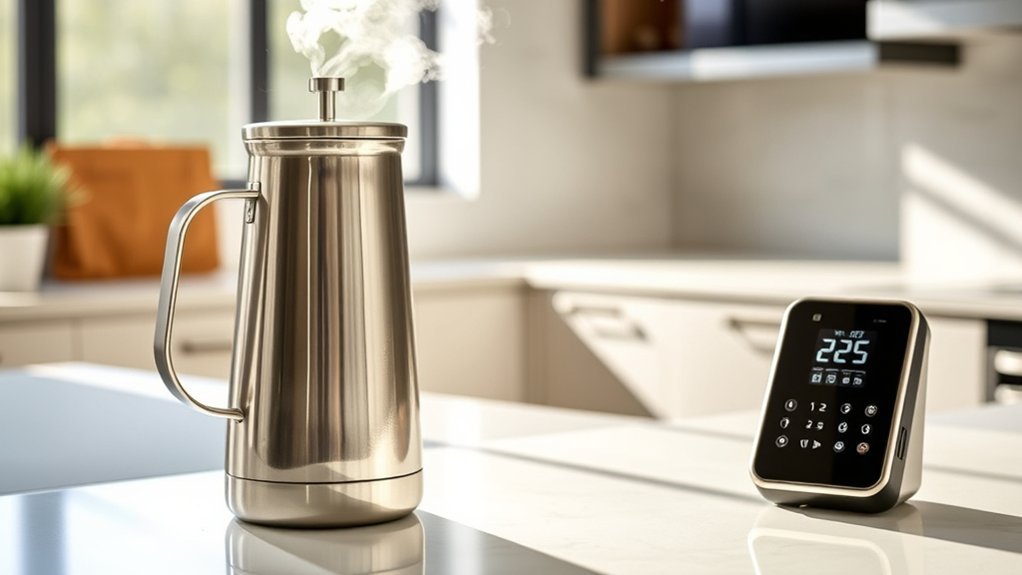
When shopping for a thermal drip coffee maker, look beyond aesthetic finishes and focus on brewing thermodynamics, fluid dynamics, and daily ergonomics.
1. Certified Brewing Temperature & Flow Dynamics
An SCA-certified brewer guarantees that the machine reaches the requisite 197.6°F–204.8°F contact window within 60 seconds of starting the cycle, maintains uniform saturation across the brew bed, and finishes brewing within standard SCA contact times (4 to 8 minutes for drip grinds). Machines with wide, multi-hole showerheads ensure even saturation, preventing channeling and dry pockets in the coffee bed.
2. Carafe Neck Width and Lid Engineering
A carafe’s usability largely hinges on two geometric factors:
- Opening Width: Narrow-mouth carafes retain heat slightly better but are frustrating to wash and require specialized brushes. Wide-mouth carafes allow your hand or a sponge inside for thorough cleaning.
- Lid Valve Mechanism: Look for a secure brew-through lid equipped with a thumb-activated pour lever or a tight-sealing internal ball valve. Brew-through lids that seal automatically between pours retain significantly more heat than simple open-pour spouts.
3. Batch Flexibility & Pre-Infusion Modes
Because thermal carafes rely on liquid volume to maintain heat, brewing small amounts (e.g., 2 cups in a 10-cup machine) can lead to rapid heat loss. Premium machines feature dedicated 1–4 cup modes or single-serve geometry. These settings adjust water flow rates to extend contact time, compensating for smaller ground beds while ensuring the extracted coffee is hot enough to overcome the thermal mass of the carafe.
Look also for a pre-infusion (bloom) cycle, which pulses a small amount of hot water onto the grounds for 30 to 45 seconds before the main brew. This degassing stage releases trapped carbon dioxide from freshly roasted beans, allowing more uniform water penetration and richer flavor extraction.
How to Keep Your Thermal Carafe Coffee Maker in Top Shape

Proper machine maintenance requires two separate, equally important cleaning procedures: degreasing organic coffee oils from the carafe and brew basket, and descaling inorganic mineral buildup from the internal boiler tubes.
At a Glance
| Time Required | 5–10 mins daily for rinsing; 30–45 mins monthly for descaling and deep cleaning |
| Difficulty | Easy (No special tools or technical disassembly needed) |
| Tools Needed | Soft bottle brush, mild dish soap, coffee oil detergent (e.g., Cafiza / sodium percarbonate), and manufacturer-approved descaling solution |
| Cost | Low ($5–$15 for several months of descaling and cleaning solutions) |
Step-by-Step Maintenance Protocol
- Daily Rinse and Dry: Immediately after finishing a pot, empty any remaining coffee. Rinse the carafe and lid thoroughly with warm water. Store the carafe with the lid off to allow the interior to dry completely, preventing stale odors and bacterial growth.
- Weekly Oil Stripping: Coffee contains non-polar lipids and oils that bond to stainless steel walls and oxidize into rancid compounds. Once a week, fill the carafe with warm water and 1/2 teaspoon of specialized coffee cleaner (or baking soda with a drop of liquid soap). Let it soak for 15 minutes, scrub with a nonabrasive sponge or bottle brush, and rinse clean.
- Disassemble the Lid Assembly: Many thermal lids feature removable rubber gaskets and spring-loaded pour levers. Take these components apart every 1 to 2 weeks to wash out trapped coffee residues hiding in the internal fluid channels.
- Descaling the Internal Boiler (Every 1–3 Months): Dissolved calcium and magnesium in tap water precipitate inside the copper or aluminum flash-boiler tubes, forming limescale. When scale accumulates, water flow slows and heating efficiency plummets. Follow your manufacturer’s specific descaling routine using an approved citric acid or sulfamic acid descaler (such as the method outlined in Breville’s Precision Brewer Maintenance Guide).
- Flushing the Machine: After any chemical descaling cycle, run at least two complete brew cycles with clean, cold, filtered water to purge all residual cleaning agents before brewing fresh coffee.
How to Maximize Heat Retention in Daily Use
If you find that your coffee cools down faster than expected, apply these operational best practices to optimize thermal efficiency:
- Preheat with Boiling Water: Fill the carafe with hot water while grinding your beans. A warm inner wall prevents instantaneous heat loss during the first 2 minutes of brewing.
- Brew Closer to Maximum Capacity: A thermal carafe filled to 90% capacity retains heat far longer than one filled to 30%. The larger the volume of hot liquid, the greater its collective thermal mass and the slower its rate of cooling.
- Keep the Lid Tightly Closed: Never leave the pour lid cracked or loosely threaded between cups. Always verify that spring levers snap back to their fully sealed positions.
- Warm Your Drinking Mugs: Pouring 175°F coffee into a heavy, room-temperature ceramic mug can instantly drop the liquid’s temperature by 15°F to 20°F. Swirl hot water in your mug before pouring.
Troubleshooting Common Thermal Carafe Coffee Maker Problems
Coffee Is Lukewarm Right After Brewing
If the coffee measures under 165°F immediately after completing a brew cycle, the root cause is almost always inside the brewer rather than the carafe. Heavy mineral scale insulating the heating element prevents efficient heat transfer to the water. Run a thorough descaling cycle. If scale is not the issue, verify your wall outlet voltage or check if a single-cup setting was accidentally enabled.
The Carafe Loses Heat Rapidly (Under 1 Hour)
If the carafe exterior becomes noticeably hot to the touch when filled with coffee, the vacuum seal between the double walls has failed. When air leaks into the vacuum pocket, conductive heat transfer skyrockets and the pot acts like a standard single-wall metal container. A failed vacuum seal cannot be repaired at home; the carafe must be replaced.
Brew Cycle Takes Abnormally Long or Gurgles Excessively
Loud bubbling, excessive steam escaping from the brew basket, and brew times exceeding 8 to 10 minutes indicate choked internal water lines due to heavy limescale calcification. Descale the brewer immediately using a dedicated commercial descaling solution to clear the heating tubes.
Freshly Brewed Coffee Tastes Rancid, Metallic, or Bitter
This is almost always caused by accumulated, polymerized coffee oils lining the stainless steel interior or trapped within the pour spout lid channels. Clean the carafe thoroughly using an oxygenated cleaner like sodium percarbonate (Cafiza), and soak the disassembled lid components in warm soapy water.
The Carafe Drips or Pours Erratically
Check the silicone sealing ring on the carafe lid. If the gasket is twisted, misaligned, or dried out, it disrupts the internal venting required for smooth liquid flow. Clean away any sticky dried coffee residue around the vent holes, and ensure the pour spout channel is clear of obstructions.
Popular Thermal Carafe Coffee Makers to Consider
When selecting a thermal drip maker, choose based on proven performance metrics, carafe construction, and certified temperature accuracy.
Budget-Friendly and Midrange Options
- Black+Decker 12-Cup Thermal Coffeemaker (CM2035B): The Black+Decker CM2035B provides an accessible entry point with a double-wall stainless steel vacuum carafe, 24-hour programmability, a wide-mouth opening, and a 1–4 cup small-batch setting.
- Zojirushi Fresh Brew Plus EC-YTC100: Renowned for vacuum insulation technology, the Zojirushi EC-YTC100 features a 10-cup (1.5-liter) vacuum-insulated carafe, a removable water reservoir, 200°F high-heat brewing, a bloom/pre-infusion cycle, and dedicated iced-coffee measuring guides.
- Mr. Coffee 10-Cup Thermal Coffee Maker: A simple, dependable budget option focusing on basic programmable controls, automatic pause-and-serve, and a dual-wall stainless carafe for everyday household brewing.
- Hamilton Beach FlexBrew Thermal System: Offers flexible brewing options by supporting both full thermal pot brewing and single-serve K-Cup or grounds extraction into travel mugs. (Always verify the exact model configuration to ensure the thermal carafe is included).
Premium and SCA-Certified Options
- OXO Brew 8-Cup Coffee Maker: The OXO Brew 8-Cup is SCA-certified, engineered with microprocessor-controlled brewing cycles, a rainmaker showerhead for even extraction, single-serve basket adaptability, and a double-wall vacuum stainless carafe.
- Technivorm Moccamaster KBT / KBGT: Handmade in the Netherlands, the Moccamaster KBT combines an energy-efficient copper boiling element with an SCA-certified 196°F–205°F brew range. It delivers a full 1.25-liter batch in 4 to 6 minutes into a heavy-duty insulated thermal carafe.
- Breville Grind Control (BDC650): The Breville Grind Control pairs an integrated stainless steel burr grinder with programmable steep-and-release extraction directly into a dual-wall stainless thermal carafe or travel mug.
- Breville Luxe Brewer Thermal (BDC465): The Breville Luxe Brewer Thermal offers a large 60-ounce capacity, precise PID temperature control, adjustable flow rates, cold brew settings, and an insulated carafe engineered to hold coffee above 150°F (65°C) for up to 4 hours.
Frequently Asked Questions
Can I Brew Tea in a Thermal Carafe Coffee Maker?
Only if specifically permitted by the manufacturer’s manual. Drip coffee machines are calibrated for coffee extraction temperatures (195°F–205°F), which may scald delicate green or white teas. Additionally, residual coffee oils embedded in the basket and carafe will impart off-flavors to tea. It is generally best to use a dedicated kettle and teapot for loose-leaf tea.
How Long Does Coffee Stay Hot in a Thermal Carafe?
In a quality double-walled vacuum carafe, coffee stays at prime drinking temperature (165°F–175°F) for 2 to 3 hours, and comfortably warm (above 150°F) for up to 4 to 6 hours. Heat retention is maximized when the carafe is preheated with hot water before brewing and kept fully closed between pours.
Are Thermal Carafes Dishwasher Safe?
Most thermal carafes are NOT dishwasher safe. The extreme heat and high-pressure water jets of a dishwasher can breach the hermetic vacuum seal between the walls or cause water to become trapped between the inner and outer casings. Always hand-wash thermal carafes using warm water, mild dish soap, and a soft sponge or bottle brush.
Can I Use a Thermal Carafe for Cold Beverages or Iced Coffee?
Yes. Vacuum insulation works bidirectionally—it prevents ambient heat from entering the vessel just as effectively as it stops internal heat from escaping. Thermal carafes keep iced coffee, cold brew, or chilled water ice-cold for 6 to 12 hours without causing condensation or “sweat” on the outer metal shell.
What Materials Are Thermal Carafes Typically Made From?
Most modern thermal carafes use double-wall 18/8 food-grade stainless steel for both the interior lining and exterior shell. Some specialized or premium carafes use an outer stainless housing with an internal double-walled borosilicate glass vacuum insert, paired with BPA-free polypropylene lids and food-grade silicone seals.
Does a Thermal Carafe Coffee Maker Need a Hot Plate?
No. Thermal carafe coffee makers do not use warming plates. The carafe holds heat purely through passive insulation. Eliminating the hot plate is the primary design benefit, as it stops brewed coffee from scorching and reduces overall electrical energy consumption.
Why Is My Thermal Carafe Not Keeping Coffee Hot?
Fast heat loss usually stems from three causes: failing to preheat the carafe (cold metal absorbs early brew heat), brewing very small partial batches (low thermal mass), or a compromised vacuum seal. If the outside of the carafe feels hot to the touch during use, the vacuum seal has failed and the carafe must be replaced.
Sources
- Specialty Coffee Association (SCA) — Certified Home Brewer Standards, water extraction temperature limits, holding temperatures, and testing requirements.
- OXO Global — Brew 8-Cup Coffee Maker technical specifications, SCA certification data, and cleaning guidelines.
- Technivorm Moccamaster USA — Moccamaster KBT/KBGT thermal brewer specifications, copper element performance, and carafe construction details.
- Zojirushi America Corporation — Fresh Brew Plus Thermal Carafe (EC-YTC100) specifications, pre-infusion timings, and vacuum insulation performance.
- Breville USA — Luxe Brewer Thermal (BDC465) and Precision Brewer thermal retention ratings, PID temperature controls, and official descaling procedures.
- Black+Decker Appliances — CM2035B 12-Cup Thermal Coffeemaker specifications and programmable settings.
Conclusion
A thermal carafe coffee maker represents one of the most impactful upgrades you can make to your daily drip coffee routine. By relying on passive double-wall vacuum insulation rather than aggressive hot-plate heating, these machines protect delicate aromatic oils and stop the chemical scorching that turns good coffee bitter. To achieve the best results, look for an SCA-certified model with precise temperature control, preheat your carafe with hot water prior to brewing, and maintain your brewer with routine oil degreasing and periodic descaling.