Weak drip coffee usually comes from using too little coffee, grinding too coarsely, or brewing with a machine that is not extracting evenly. The easiest fix is to measure the coffee and water by weight, begin with a medium grind, and change only one variable at a time. This gives you a fuller cup without automatically making it bitter.
Quick Answer
To make drip coffee stronger, use a 1:15 coffee-to-water ratio (24 grams of coffee per 360 grams of water, or about 2.5 level tablespoons per 6-ounce cup). Set your grinder to a medium consistency, ensure water temperature reaches 198°F–205°F, use fresh filtered water, and select your machine’s Bold brew setting.
Key Takeaways
- Use a digital scale and start with a 1:15 coffee-to-water ratio (24g coffee to 360g water) for a richer concentration.
- Start with a medium grind resembling sea salt; shift one notch finer if the cup tastes sour or watery.
- Roast darkness determines flavor notes (cocoa, smoke) but does not equate to beverage strength or total caffeine.
- Avoid overfilling the filter basket or grinding too finely to prevent basket overflows and harsh over-extraction.
- Use clean, filtered water, wash removable brewer components after every batch, and descale regularly.
At a Glance
| Time Required | About 5–10 minutes, depending on batch size and brewer flow rate |
| Difficulty | Easy |
| Tools Needed | Drip coffee maker, fresh filter, kitchen scale (or measuring scoop), and burr grinder |
| Cost | $0 with existing supplies; $15–$30 if upgrading to a digital gram scale |
What Makes Drip Coffee Taste Stronger?
Before changing your recipe, decide what you mean by “stronger.” Several distinct sensory and chemical factors contribute to that perception:
- Beverage strength (TDS): Total Dissolved Solids measures the actual percentage of dissolved coffee solids in the brewed liquid.
- Extraction yield: The percentage of soluble material removed from the dry coffee grounds by water (ideal target is 18%–22%).
- Flavor intensity: How pronounced the roasted, acidic, sweet, bitter, and aromatic compounds taste on the palate.
- Body and mouthfeel: The tactile weight, viscosity, and texture of the coffee, largely influenced by suspended coffee oils and micro-fines.
- Caffeine concentration: The total amount of dissolved caffeine, which scales with the total weight of dry grounds used and contact time.
The most direct way to make drip coffee stronger is to increase the amount of dry coffee relative to water. Grinding finer increases the extraction surface area, but it must be adjusted carefully to prevent channeling, stalled drainage, and astringency.
A darker roast delivers bolder roasted notes, but roast darkness alone does not create a higher concentration of dissolved coffee or more caffeine.
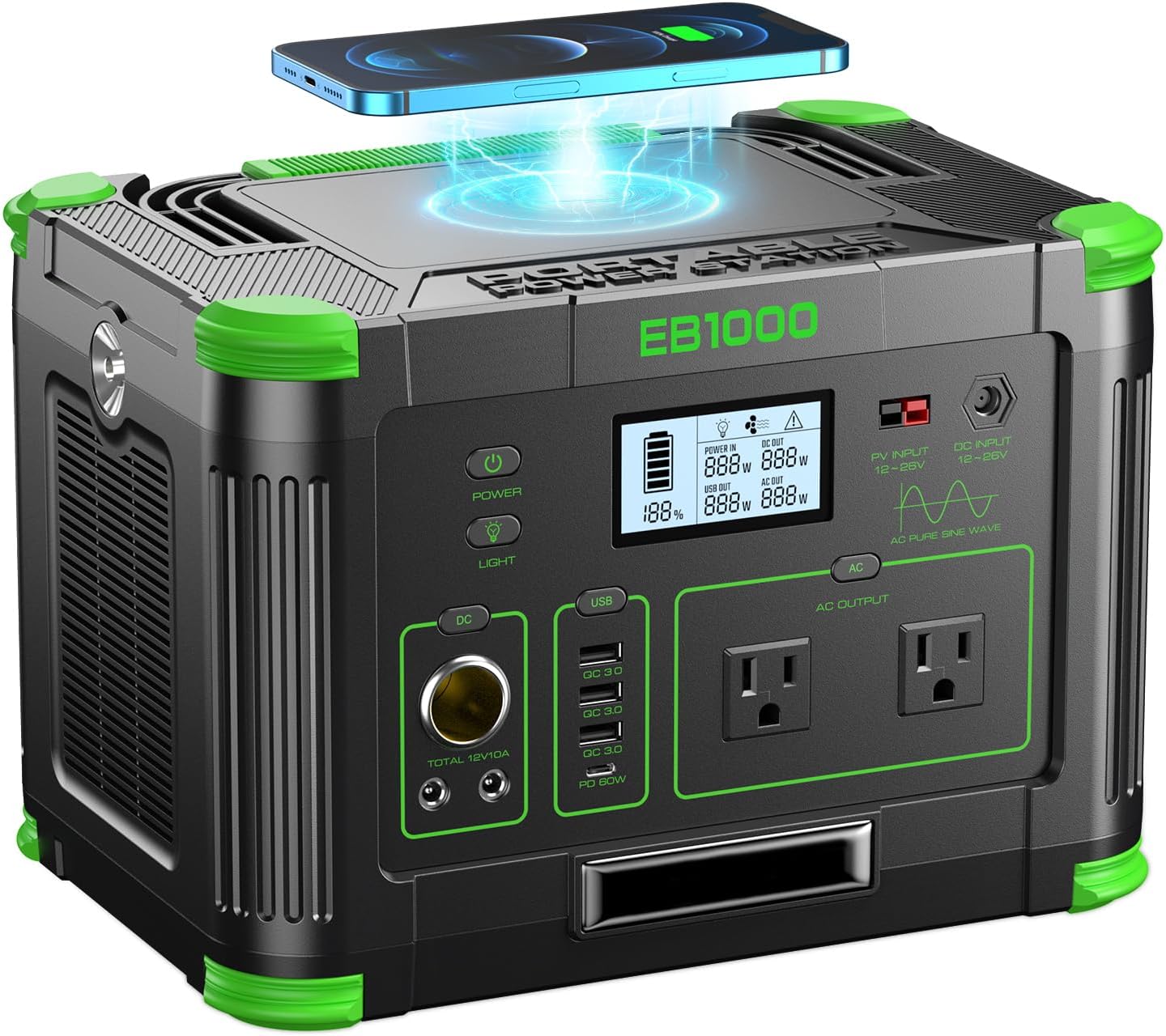
Power your essentials anywhere with a 999Wh pure sine wave power station delivering up to 1000W continuous with 2000W surge. It supports fast charging via USB-C PD 60W and USB-A QC 18W, plus simultaneous output for multiple devices through AC, USB, wireless, and car/DC ports. Recharge using AC, car, or solar with a built-in MPPT controller and dual cooling fans, while the upgraded battery management system protects against surges, short circuits, and overheating.
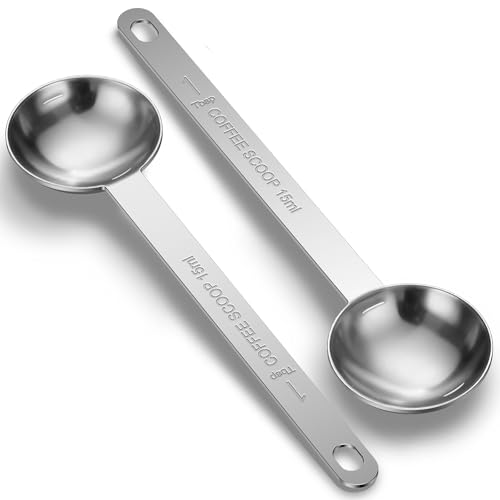
Precise Coffee Measurement: Each coffee scoop spoon holds 15ml (1 tablespoon), ensuring consistent coffee-to-water ratio for perfect brews every time. Ideal for coffee, tea, or baking essentials.
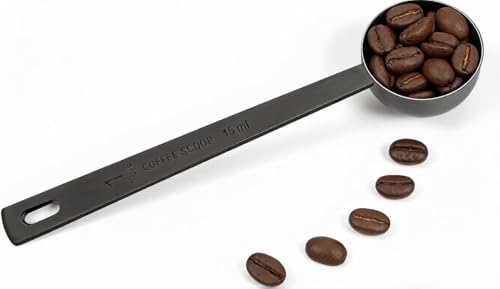
Precise 15ml (1 Tbsp) Measurement Get the perfect coffee-to-water ratio every time. This scoop holds exactly 15ml (1 US tablespoon), the ideal single-serving measure for consistent, flavorful coffee, espresso, or French press
Adjust the Coffee-to-Water Ratio First

A brew ratio compares the weight of water to the weight of dry coffee grounds. A 1:15 ratio means using 15 grams of brewing water for every 1 gram of coffee.
For a noticeably richer cup, start with 24 grams of coffee for 360 grams of water (approximately 12 fluid ounces). The finished beverage will measure slightly less because the spent grounds absorb roughly double their weight in water.
Standard industry testing from the Specialty Coffee Association (SCA) uses 55 grams of coffee per liter of water (~1:18 ratio). Shifting to 1:15 uses roughly 20% more coffee grounds, yielding a much denser, more concentrated extraction.
Note on Measuring Cups: Drip coffee maker carafe markings designate “cups” as 5 to 6 fluid ounces (150–175 ml), not standard 8-ounce kitchen measuring cups. Weighing both water and beans on a digital gram scale eliminates measuring errors.
| Water Volume | Balanced (1:16) | Strong (1:15) | Very Strong (1:14) | Tablespoon Approx. (1:15) |
|---|---|---|---|---|
| 12 fl oz / 355 g (2 carafe cups) | 22 g coffee | 24 g coffee | 25 g coffee | ~4.5 to 5 level tbsp |
| 20 fl oz / 591 g (4 carafe cups) | 37 g coffee | 39 g coffee | 42 g coffee | ~8 level tbsp |
| 32 fl oz / 946 g (6 carafe cups) | 59 g coffee | 63 g coffee | 68 g coffee | ~12.5 level tbsp |
| 40 fl oz / 1,183 g (8 carafe cups) | 74 g coffee | 79 g coffee | 85 g coffee | ~16 level tbsp |
Warning: Never exceed the maximum fill line of your filter basket. Overfilling with excessive coffee grounds causes water to back up, leading to messy grounds in the carafe or hazardous hot water overflows.
How to Brew Stronger Drip Coffee Step by Step
- Check the machine and filter basket: Ensure the showerhead, brew basket, filter, and carafe are spotless and seated properly.
- Measure the brewing water: Pour 360 grams (12 fl oz) of fresh, cold, filtered water into the water reservoir.
- Weigh the coffee beans: Measure 24 grams of whole-bean coffee on your digital kitchen scale.
- Grind to medium: Grind the beans to the consistency of coarse sea salt or kosher salt. Avoid powdery espresso grinds.
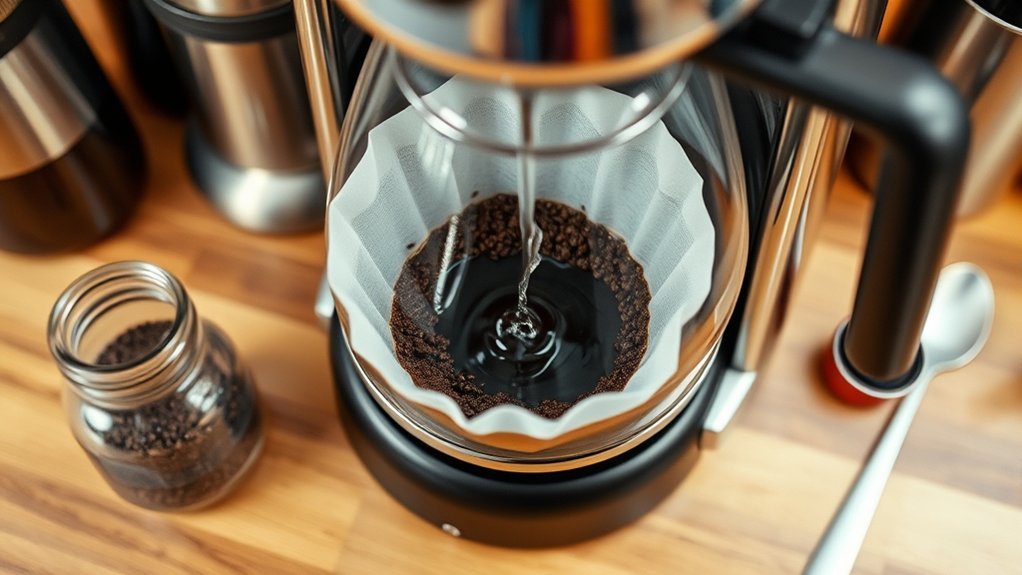
- Seat the filter and level the bed: Place the filter into the basket, add grounds, and gently tap the basket to level the coffee bed evenly without pressing or tamping down.
- Select Bold or Strong mode: If your machine offers a strength selector, enable it to optimize water pulsing and contact time.
- Run the complete brew cycle: Let the machine finish dripping completely. Never pull the carafe or interrupt the cycle midway.
- Swirl the carafe: Gently swirl the brewed coffee before pouring. Early drip stages are heavily concentrated while later stages are dilute; swirling homogenizes the batch.
- Let cool slightly and taste: Allow the coffee to cool to around 130°F–140°F (55°C–60°C) where your taste buds detect sweetness and body rather than scald.
- Refine one variable at a time: If the coffee still tastes weak, adjust the grinder one step finer or increase the dose by 1–2 grams on your next brew.
Pro Tip: Keep a quick log on your phone noting bean roast date, weight in grams, grind notch, and taste. Changing only one factor per pot makes dial-in simple and repeatable.
Select Coffee Beans for Bolder Flavor
Roast profiles change flavor characteristics, but they cannot compensate for an inaccurate brewing ratio. Medium-dark and dark roasts provide classic roasty, dark chocolate, molasses, and smoky profiles. Medium and light roasts preserve floral, citrus, and sweet caramel notes while still providing full beverage strength when brewed at 1:15.
Avoid buying beans based on vague marketing labels like “extra strong” or “bold blend,” which lack standardized meaning. A coffee’s varietal, processing method (natural vs. washed), roast level, and freshness are what determine cup profile.
A study published in Scientific Reports examined filter coffee extraction and found that extraction yield and caffeine delivery depend on the interplay of grind particle distribution, brew water contact, and dose weight—not roast color alone.
- For rich, heavy, chocolatey flavor: Choose a fresh medium-dark or dark roast with tasting notes of baker’s cocoa, toasted nuts, or caramel.
- For strength without bitter charcoal notes: Stick to a full-bodied medium roast and simply use the 1:15 ratio instead of buying heavily charred beans.
- For peak aromatic intensity: Buy whole beans roasted within the last 2 to 4 weeks, and store them in an airtight container away from light, heat, and oxygen.
- For consistent extraction: Grind immediately before brewing to prevent rapid degassing and staling of aromatics.
Grind Coffee for Better Extraction

The National Coffee Association (NCA) recommends a medium grind size for automatic drip brewers. A burr grinder is far superior to a blade grinder because it yields uniform particle sizes, avoiding the mix of boulders and fine dust that causes muddy, uneven extraction.
A finer grind creates greater surface area and slows water passage, which increases soluble extraction. However, going too fine in a drip basket creates excessive flow resistance, leading to channeling, dry astringency, sediment, or basket overflow.
| Sensory Cup Profile | Underlying Issue | Targeted Adjustment |
|---|---|---|
| Watery, thin, lacking body | Under-dosed or grind too coarse | Weigh at a strict 1:15 ratio; move grind 1 setting finer |
| Sour, sharp, grassy finish | Under-extraction (water drained too fast) | Move grind finer to slow flow rate and increase contact time |
| Dry, astringent, harsh bitterness | Over-extraction (excess fine particles or high heat) | Adjust 1–2 steps coarser; remove carafe from warming plate |
| Water drains very slowly / stalls | Excessive fines clogging paper pores | Coarsen grind size; ensure filter is properly seated |
| Slurry overflows basket rim | Overfilled basket or espresso-fine grind | Reduce dose below max line and use medium grind |
Choose a Filter for Body and Clarity
Your choice of coffee filter directly affects the body and perceived strength of the finished cup by controlling oil and particulate passage:
- Bleached or unbleached paper filters: Paper traps nearly all coffee diterpenes (cafestol and kahweol) and micro-fines. This produces a cup with high flavor clarity, crisp acidity, and a lighter mouthfeel.
- Permanent stainless steel / gold-tone filters: Metal mesh allows natural coffee oils and microscopic grounds to pass into the carafe. This provides significantly heavier body, creamy texture, and a bolder perceived mouthfeel.
Always verify filter sizing (#2, #4, or flat-bottom basket). If using paper filters, pre-wetting with hot water and draining before adding coffee washes away residual wood pulp flavors and seats the paper flush against the basket walls.
Keep the Coffee Maker Clean for Better Flavor
Residual coffee oils coating the showerhead, brew basket, and carafe rapidly turn rancid when exposed to oxygen and heat. This imparts a flat, bitter, astringent taste that masks the true strength of fresh beans. Mineral scale accumulation inside the heating element also restricts water temperature and pump pressure.
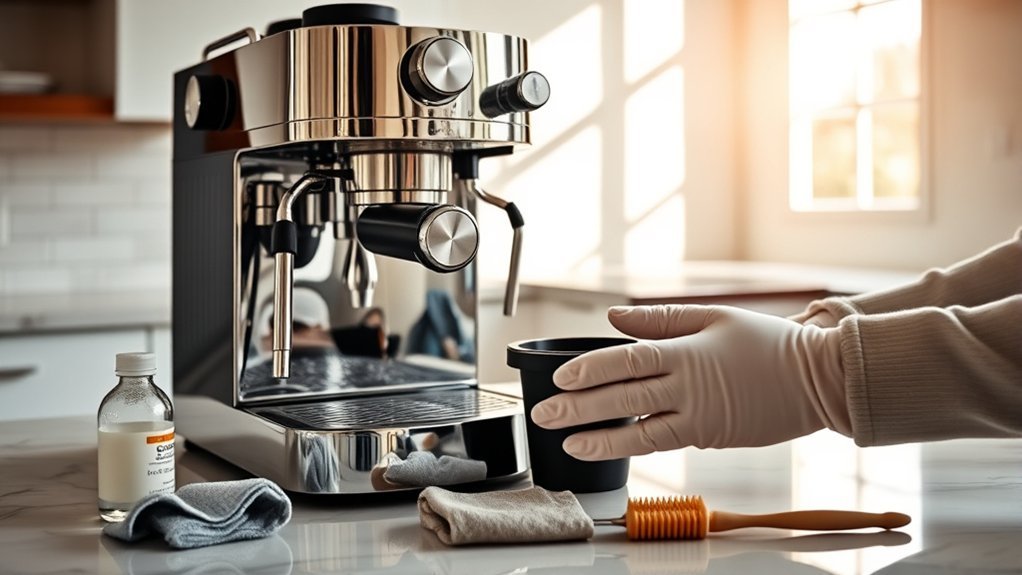
- Daily wash: Clean the brew basket, carafe, and reusable mesh filter with warm water and mild unscented dish soap after every brew cycle.
- Air dry: Allow all removable components to dry thoroughly outside the machine to prevent damp, stale odor build-up.
- Showerhead wipe: Wipe down the spray nozzle beneath the machine lid weekly to remove coffee oil splatter and clear blocked jets.
- Thermal carafe desoiling: Soak the inside of stainless carafes monthly with hot water and coffee equipment cleaning powder to dissolve baked-on oils.
- Descale every 1–3 months: Use a specialized citric acid or manufacturer-recommended descaling solution to strip calcium scale from the internal boiler.
Consult your appliance user manual before cleaning. Avoid running straight vinegar or household baking soda through your machine unless the manufacturer specifically approves it, as acetic acid can degrade internal silicone gaskets.
Use Brewing Settings, Water, and Temperature Correctly
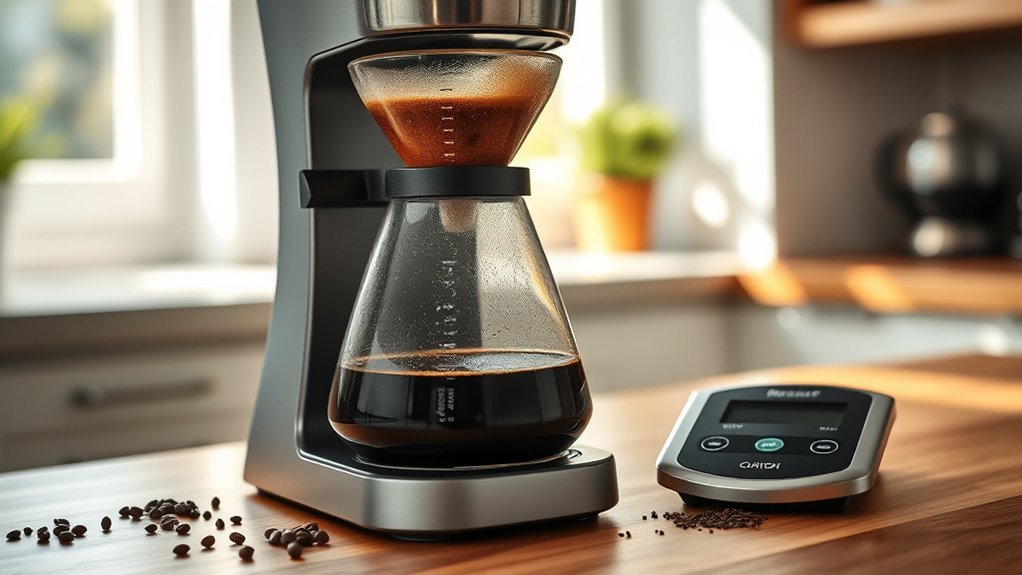
Use the Bold or Strong Setting
When you toggle the Bold or Strong button on an automatic coffee maker, the machine alters its pump cycle. Instead of a steady stream, it pulses hot water over the coffee bed in intervals. This creates an initial pre-infusion (bloom) and prolongs contact time between water and grounds, resulting in higher extraction yield.
While effective, the Bold setting cannot correct for insufficient coffee dose, stale pre-ground coffee, or low water temperatures.
Use Fresh, Filtered Water
Brewed coffee is 98.5% water. Tap water with high chlorine, iron, or sulfur content suppresses aromatic compounds and creates off-flavors. Use cold, filtered water from an active carbon filter or pitcher.
Do not use 100% distilled or reverse-osmosis (RO) water without remineralizing it. Essential minerals like magnesium and calcium are necessary to bind with coffee flavor compounds during extraction. Zero-TDS water extracts poorly and leaves coffee tasting flat and sour.
Check Brewing Temperature
The UC Davis Coffee Center and SCA standards identify 198°F to 205°F (92°C to 96°C) as the ideal water temperature at the showerhead for balanced drip extraction. Inexpensive or heavily scaled coffee makers often peak below 185°F (85°C), leading to chronic under-extraction.
If your coffee consistently tastes sour, thin, or lukewarm despite using a 1:15 ratio:
- Preheat your carafe with boiling tap water for 60 seconds before brewing, then discard the water.
- Run a full descaling cycle to remove mineral insulation on the heating element.
- Brew at least half the machine’s rated capacity to ensure the water heater reaches its target operating temperature.
Avoid Prolonged Warming Plate Exposure
Leaving brewed coffee on an electric hot plate for more than 20 to 30 minutes degrades chlorogenic acids into bitter quinic and caffeic acids while burning off delicate aromatic oils. To maintain rich flavor without scorching, transfer finished coffee immediately into a vacuum-insulated stainless thermal carafe.
Troubleshooting Weak Drip Coffee
| Symptom | Primary Cause | Recommended Solution |
|---|---|---|
| Watery but not sour | Under-dosed brew ratio | Weigh out a 1:15 ratio on a digital scale |
| Thin and sharp / sour | Under-extraction from coarse grind or cold water | Grind one step finer; descale the machine |
| Strong but unpleasantly harsh | Excessive fine grounds or hot plate burn | Grind one notch coarser and decant immediately |
| Muddy cup with sediment | Blade grinder dust or ill-fitting filter | Upgrade to burr grinder; switch to quality paper filter |
| Full pot weaker than half pot | Coffee grounds were not scaled proportionally | Maintain 1:15 ratio for every additional ounce of water |
| Slow or sputtering brew stream | Internal scale accumulation in boiler | Run a dedicated descaling cycle with citric acid descaler |
Caffeine Warning: A stronger brew recipe uses more coffee grounds and delivers more caffeine per cup. The U.S. FDA recommends keeping caffeine intake under 400 mg per day for healthy adults, with lower limits for pregnant individuals or those with cardiovascular sensitivity.
Frequently Asked Questions
Can I use flavored coffee beans for stronger coffee?
You can use flavored beans, but aromatic flavor oils do not increase the actual dissolved strength (TDS) or caffeine content of the coffee. Brew flavored beans at the same 1:15 ratio and medium grind as standard beans, and clean your grinder thoroughly afterward to prevent residual flavor oil transfer.
Does dark roast make stronger coffee?
Dark roast coffee produces bolder, more roasty, and bitter flavor profiles, but it does not inherently produce a stronger cup or more caffeine. Beverage strength is determined by your coffee-to-water ratio and extraction yield. A 1:15 ratio using a light or medium roast will have higher dissolved coffee solids and caffeine than an under-dosed 1:18 dark roast.
How does water temperature affect coffee strength?
Water temperature controls the speed and efficiency of extraction. Water below 195°F (90°C) under-extracts coffee, resulting in a thin, sour beverage. SCA-certified drip brewers maintain water between 198°F and 205°F (92°C to 96°C) throughout the cycle to dissolve the full balance of sugars, acids, and soluble solids.
What type of water is best for drip coffee?
Use fresh, cold filtered tap water. Carbon filtering removes unpleasant chlorine and chemical odors while retaining key dissolved minerals like calcium and magnesium, which are necessary to extract coffee solubles. Avoid distilled or untreated reverse-osmosis water unless remineralized.
Can milk or cream make coffee taste stronger?
No. Adding milk, cream, or plant milks dilutes the concentration of dissolved coffee solids in your cup, though dairy fats coat the tongue and smooth out bitter notes. For a drink that retains robust flavor with milk, brew a concentrated 1:14 or 1:15 base and add only small, measured amounts of dairy.
How long should drip coffee brew?
Optimal coffee-to-water contact time for an automatic drip machine is between 4 and 6 minutes (and up to 8 minutes for large 10–12 cup batches). Cycles under 4 minutes risk weak under-extraction, while cycles exceeding 8 minutes risk bitterness and over-extraction.
Can I use espresso-fine grounds in a drip coffee maker?
No. Espresso grounds are far too fine for gravitational drip brewing. Fine particles clog filter pores, stall drainage, cause hot water to overflow the basket, and produce a muddy, harsh, astringent cup. Use a medium grind resembling kosher salt.
Can I brew the same coffee grounds twice?
Never re-brew used coffee grounds. The first brew extracts nearly all desirable sugars, acids, and aromatic compounds. A second pass over the same grounds extracts only harsh woody fibers, astringent tannins, and bitter remnants.
Conclusion
Making stronger drip coffee is simple once you control your brewing variables. Measure a 1:15 ratio (24 grams of coffee per 360 grams of water) on a digital scale, grind fresh beans to a medium kosher salt texture, and use clean, filtered water. If the brew still lacks intensity, select the machine’s Bold setting or adjust one grinder notch finer. By keeping your brewer clean, avoiding warming plate scorch, and measuring by weight, you can consistently brew a bold, full-bodied cup every morning.
Sources
- Specialty Coffee Association (SCA) — Certified Home Brewer Standards: testing ratios, water temperature ranges (198°F–205°F), and contact times.
- National Coffee Association (NCA) — Drip Coffee Brewing Guide: grind parameters, water quality guidelines, and machine maintenance.
- UC Davis Coffee Center — Brewing Control Chart Research: relationships among brew ratio, Total Dissolved Solids (TDS), and extraction yield.
- Scientific Reports (Nature) — Study on caffeine concentration, roast degree, particle size distribution, and filter extraction yield.
- U.S. Food and Drug Administration (FDA) — Dietary Guidance: Daily caffeine consumption limits and individual sensitivities.