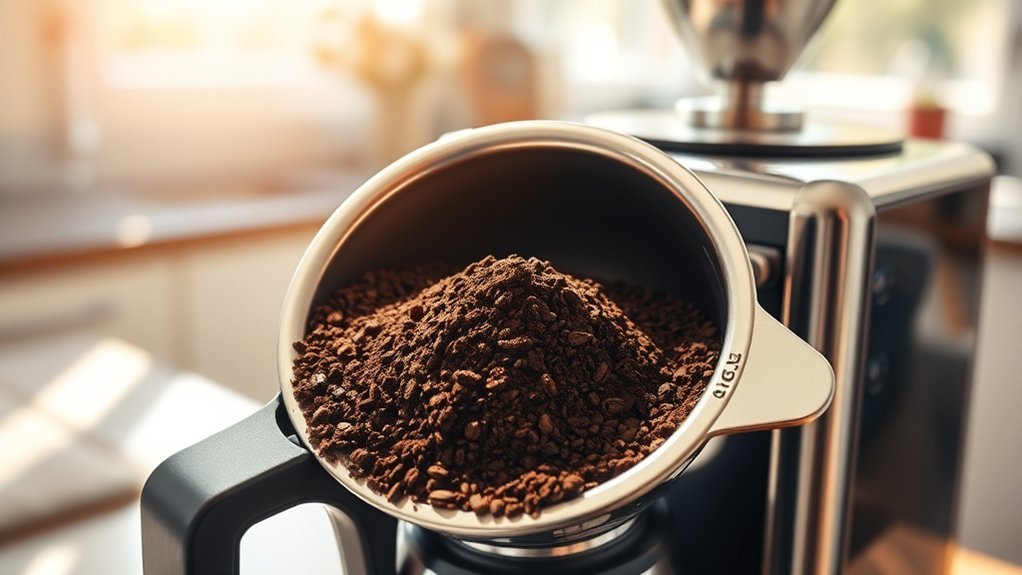
You should not put coffee grounds loose into the bare plastic basket of most drip coffee makers. Grounds normally belong inside a paper filter, a compatible reusable mesh filter, or a purpose-built grounds basket. Because some machines are designed differently, the owner’s manual—not the basket’s appearance alone—should decide where the grounds go.
Quick Answer
Usually, no. In a standard drip coffee maker, grounds belong inside a paper filter or compatible reusable filter, not loose in the bare support basket. The exception is a machine with a permanent mesh filter or a purpose-built grounds basket that the manufacturer specifically designed to hold coffee directly.
Key Takeaways
- Do not place loose grounds in a bare plastic brew basket unless the manufacturer specifically says that basket is designed to hold grounds.
- A compatible permanent metal or nylon filter is the simplest paper-free option for many drip coffee makers.
- Use a drip-appropriate grind unless your machine specifies something different; excessively fine grounds can restrict drainage and contribute to overflow.
- Metal-filtered and unfiltered coffee usually retains more oils and sediment than paper-filtered coffee.
- If the basket begins to overflow, turn off and unplug the machine and let the hot liquid and grounds cool before handling the basket.
- Follow your owner’s manual for filter setup, dose, cleaning, and descaling because these instructions vary by model.
At a Glance
| Time Required | A few minutes of setup plus your machine’s normal brew cycle and cleanup |
| Difficulty | Easy after confirming filter compatibility |
| Tools Needed | Coffee maker, approved permanent filter or grounds basket, appropriate-ground coffee, water, and carafe or mug |
| Cost | No extra cost if an approved reusable filter is already included; otherwise the price varies by model and filter type |
Why Brewing Without a Paper Filter Might Be Beneficial
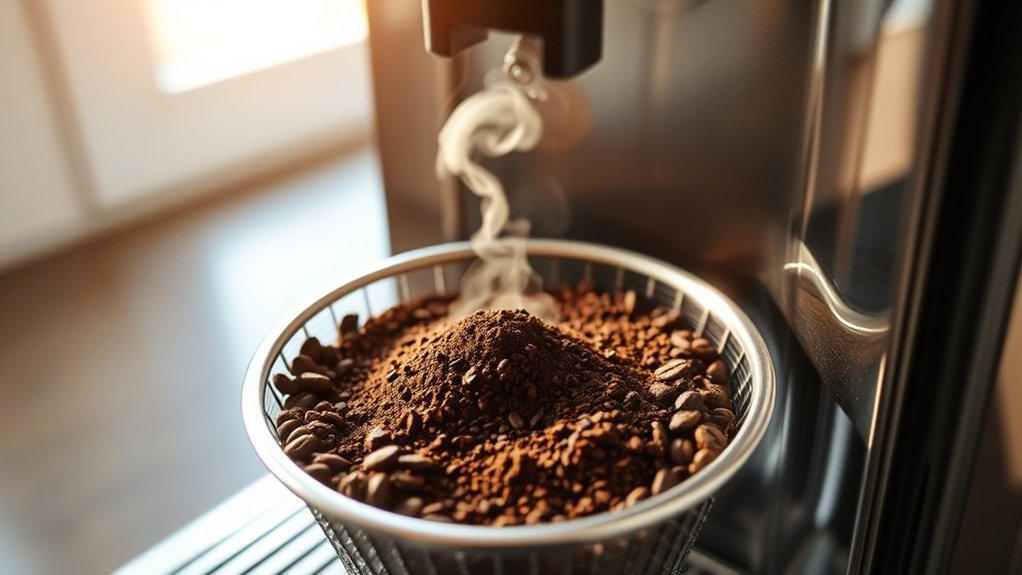
Brewing without a disposable paper filter can work well when you use a compatible permanent metal or nylon filter. It reduces your need for single-use filters while allowing more coffee oils and very fine particles into the finished drink.
Those oils can give metal-filtered coffee a fuller body and heavier mouthfeel. Paper filters create a cleaner-looking cup because they retain more sediment and remove much more of the coffee-oil fraction containing the diterpenes cafestol and kahweol.
Skip the disposable paper only when another approved filtering component is doing the job. A bare support basket is not automatically a coffee filter.
A permanent filter is also convenient because you can empty, wash, and reuse it. The tradeoff is more cleanup and, depending on the mesh and grind, somewhat more sediment in the carafe.
Note: “Without a paper filter” and “without any filtering system” are not the same. A French press, Vietnamese phin, Moka pot, and reusable drip filter all use a screen, perforated basket, or other component to keep most grounds out of the finished drink.
How to Brew Coffee Without a Paper Filter: Methods Explained
You have several ways to make coffee without disposable paper. Some methods use a reusable metal or nylon filter, while Turkish and cowboy coffee rely mainly on allowing the grounds to settle before the drink is served.
| Method | How Grounds Are Separated | Typical Grind |
|---|---|---|
| Drip machine with permanent filter | Reusable metal or nylon mesh | Medium or manufacturer-recommended drip grind |
| French press | Metal mesh plunger | Coarse |
| Vietnamese phin | Perforated metal chamber and press | Medium to medium-coarse |
| Moka pot | Metal grounds basket and filter screen | Medium-fine |
| Cold brew | Mesh basket, cloth, sieve, or other strainer after steeping | Coarse |
| Turkish coffee | Grounds remain in the cup and settle | Extra-fine |
| Cowboy coffee | Grounds settle before careful pouring | Coarse |
The correct method depends on your equipment. Do not improvise inside an electric coffee maker when its manual calls for a particular paper filter, permanent filter, or grounds basket.
Using Coffee Grounds in the Basket: A Practical Guide
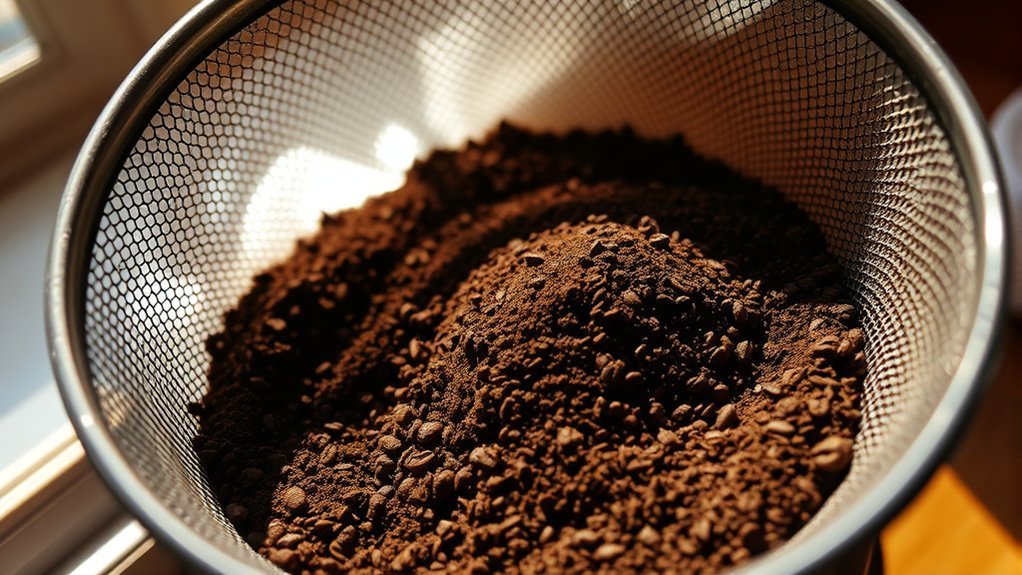
Before adding grounds, remove the basket and inspect it. A bare plastic support basket often has larger slots or an outlet intended to support a separate filter. A permanent filter has fine metal or nylon mesh across the areas where brewed coffee drains. A purpose-built grounds basket may look different again, so model-specific instructions still take priority.
Check Your Basket Type
- Bare support basket: Use the paper or permanent filter listed in the manual. Do not add loose grounds directly.
- Permanent mesh filter: Grounds may go directly into the reusable filter after it is seated correctly.
- Purpose-built grounds basket: Some single-serve machines have a small basket specifically designed to hold grounds without a separate paper liner. Stay below its maximum-fill line.
- Uncertain basket: Find the model number and check the manufacturer’s manual or support page before brewing.
For example, an official Hamilton Beach 2-Way Brewer manual shows grounds going directly into its designed single-serve grounds basket, while the carafe side uses a permanent filter or paper filter. This is a good example of why the machine’s design matters more than a general rule.
How to Brew With a Compatible Permanent Filter
- Confirm compatibility. Check the owner’s manual for the approved filter type, shape, and size.
- Seat the filter. Place the clean permanent filter fully inside the brew basket so it sits level. Do not stack a paper filter with it unless your manual specifically allows that arrangement.
- Add the correct grind. Use a drip-appropriate grind for most automatic machines unless the manufacturer recommends something different.
- Measure the coffee. Follow the manufacturer’s dose guidance. Do not pack the grounds or fill above a marked maximum line.
- Position the basket and carafe. Make sure the basket is fully seated and the carafe or mug is correctly positioned to open any drip-stop mechanism.
- Start the brew cycle. Watch the beginning of the cycle for unusually slow drainage or liquid rising toward the top of the basket.
- Clean promptly. Once the machine and grounds have cooled, empty and wash the reusable filter and basket according to the manual.
Warning: If hot coffee or water rises toward the top of the basket, turn off and unplug the coffee maker. Do not pull out or reach into the hot basket immediately. Let the liquid and grounds drain and cool before clearing the blockage to reduce the risk of burns.
Alternative Brewing Methods
If you do not have a suitable filter for your drip machine, use equipment designed for direct contact between water and coffee. A French press is straightforward because its mesh plunger separates most grounds after steeping. Cowboy coffee also works with a pot and careful pouring, although it leaves more sediment.
Cold brew is another option. Steep coarse grounds in cool water, then strain the liquid through a fine sieve, reusable mesh filter, or clean brewing cloth. A concentrated recipe may be diluted before serving, while a ready-to-drink recipe may be served as brewed.
Improvised Filter Techniques
A fine-mesh sieve or clean brewing cloth can strain manually steeped coffee after brewing. Cheesecloth may work when folded into several layers, but a single loose layer can allow many fine particles through.
A paper towel, napkin, or unsupported cloth should not be placed loosely in an automatic machine’s brew basket. It can collapse, tear, shift, or restrict drainage as hot water enters the basket. Use a purpose-made paper filter, approved permanent filter, or a separate manual brewing method instead.
Pro Tip: Keep a clean reusable filter that matches your machine as a backup. It gives you a paper-free option without having to place grounds in a bare basket or improvise with materials that were not designed for the brewer.
Tips for Grit-Free Coffee
- Use a consistent grind appropriate for the brewing method.
- Avoid very fine grounds in a reusable drip filter unless the manufacturer recommends them.
- Do not overfill the filter, because an excessively deep coffee bed can slow drainage.
- Let French press, cowboy, or Turkish coffee rest briefly before pouring or drinking.
- Pour settled coffee gently and leave the last sediment-heavy portion in the brewing vessel when appropriate.
- Use a finer mesh filter or a second straining step when sediment remains excessive.
- Clean mesh openings after every use so old oils and particles do not restrict flow.
Choosing Among Paper-Filter-Free Coffee Brewing Methods
Paper-filter-free methods differ in body, clarity, concentration, brew time, and cleanup. Most still use a reusable metal screen or basket. The best choice depends on whether you want a clean drip-style cup, a heavy immersion brew, or a concentrated drink.
Popular Coffee Brewing Methods
| Method | Description | Typical Result |
|---|---|---|
| French press | Coarse grounds steep in hot water before a mesh plunger is lowered. | Rich and full-bodied with light sediment |
| Turkish coffee | Extra-fine coffee is prepared in a cezve and served with the grounds remaining in the cup. | Thick, aromatic, and sediment-heavy |
| Cowboy coffee | Grounds steep in a pot and settle before careful pouring. | Rustic and bold with variable clarity |
| Vietnamese phin | Water slowly passes through coffee held in a small metal filter. | Strong and concentrated |
| Moka pot | Pressure from heated water moves water through a metal basket of coffee and a filter screen. | Concentrated and intense |
| Cold brew | Coarse grounds steep in cool water for several hours and are then strained. | Smooth; concentrate may be diluted before serving |
Unique Techniques Without Paper Filters
The French press works well when you want body and a simple immersion process. Turkish coffee creates a very different drink because the powder-like grounds remain in the cup and settle at the bottom.
A Moka pot uses pressure and a reusable metal basket and screen rather than a disposable paper filter. A Vietnamese phin also relies on metal filtration and a slow drip. These methods are paper-free, but they are not the same as putting loose grounds into an ordinary bare plastic drip basket.
Cowboy coffee is one of the simplest genuinely unfiltered techniques. Grounds steep directly in hot water and are then allowed to settle. Pour carefully so most of the settled layer stays in the pot.
How to Minimize Grit in Your Brew
Grit usually comes from fine particles passing through a metal filter or being disturbed after they settle. Grind consistency matters as much as the average grind size. A grinder that produces many tiny particles can create muddy coffee even when most of the grounds appear coarse.
For metal-filtered drip coffee, use the grind recommended for your brewer and avoid shaking or compressing the coffee bed. For French press and cowboy coffee, a coarse grind generally makes settling and separation easier.
You can also pass a manually brewed drink through a clean fine-mesh sieve. This removes larger particles, although it will not produce the same clarity as a paper filter.
How Grind Size Affects Coffee Flavor
Grind size affects how quickly water extracts soluble compounds from coffee and how easily brewed coffee moves through a filter. The correct setting depends on contact time, pressure, filter design, and the brewer manufacturer’s recommendations.
Impact of Grind Size
Fine particles have more exposed surface area and extract quickly. In a slow-draining drip basket or long immersion brew, too many fine particles can contribute to harsh flavors while also restricting flow through the filter.
Coarse grounds drain and settle more easily, but water may pass through them too quickly in some automatic drip machines. That can leave the coffee weak or under-extracted. A medium or automatic-drip grind is therefore a common starting point for standard drip machines, unless the manual specifies another setting.
Extraction Rate Variations
Brewing time, water temperature, coffee dose, agitation, and grind size all work together. Fine grinding suits methods such as espresso and Turkish coffee, while coarser grinding generally suits longer immersion methods such as French press and cold brew.
For strength, begin with the coffee dose recommended by your machine or brewer. If no specific ratio is provided, choose a moderate starting recipe and adjust the next batch according to taste. Do not exceed the basket’s marked capacity simply to make the coffee stronger.
Flavor Profile Differences
- Fine grind: Faster extraction and a greater risk of restricted drainage or bitterness when used in the wrong method.
- Medium grind: Balanced flow and extraction for many automatic drip machines.
- Coarse grind: Easier settling and slower extraction for methods such as French press, cowboy coffee, and cold brew.
Changing one variable at a time makes troubleshooting easier. If the coffee tastes weak, slightly increase the dose or grind somewhat finer within your brewer’s safe range. If it tastes harsh or the basket drains slowly, reduce the dose or grind slightly coarser.
How to Clean Your Coffee Maker After Brewing Without a Paper Filter
A permanent filter allows more oils and fine particles to contact the filter and basket, so prompt cleaning helps prevent stale flavors and restricted drainage.
- Turn off and unplug the coffee maker.
- Let the basket, carafe, grounds, and warming plate cool.
- Remove the permanent filter and empty the grounds into the trash or an accepted compost collection rather than rinsing a large mass of grounds into the sink.
- Rinse the filter promptly so particles do not dry inside the mesh.
- Wash removable parts with warm water and mild dish soap when the manual permits it.
- Use a soft brush to clear blocked mesh openings without bending or tearing them.
- Wipe accessible basket areas and the showerhead with a damp cloth after the machine has cooled.
- Descale the machine only with the solution and procedure approved for that model.
- Run the required clean-water rinse cycles before brewing again.
| Cleaning Task | When to Do It |
|---|---|
| Empty grounds and rinse permanent filter | After every brew |
| Wash removable basket and carafe | After every use or as directed by the manual |
| Inspect mesh and outlet for blockage or damage | Regularly and whenever drainage slows |
| Descale internal water passages | According to the manual and local water conditions |
Replace a reusable filter if its mesh is torn, permanently distorted, no longer fits securely, or continues to drain poorly after proper cleaning. Damaged mesh can allow more grounds into the carafe and may interfere with normal flow.
Note: Do not assume every coffee maker uses a 1:1 vinegar-and-water mixture. Manufacturer instructions vary by model, and some machines specify different vinegar amounts or a dedicated descaling product.
Troubleshooting Paper-Free Coffee
| Problem | Likely Cause | What to Do |
|---|---|---|
| Grounds in the carafe | No filter, damaged mesh, wrong filter size, or grind that is too fine for the filter | Install the correct filter, inspect the mesh for damage, and use the grind recommended for your brewer |
| Basket drains slowly | Fine grind, excessive dose, clogged mesh, or an unapproved double-filter setup | Reduce the dose if needed, clean the filter, adjust the grind, and use only the filter arrangement approved by the manufacturer |
| Basket overflows | Blocked outlet, overfilled basket, incorrectly positioned carafe, closed drip-stop, or excessively fine grounds | Turn off and unplug the machine, let it drain and cool, then clean and reseat the parts before trying again with the correct dose and grind |
| Loose grounds were accidentally brewed in a bare basket | The required paper or permanent filter was omitted | Turn the brewer off, let it cool, discard the affected brew, remove loose grounds, clean the basket and outlet, and follow the manual before the next cycle |
| Coffee tastes weak | Too little coffee, grind too coarse for the method, or incorrect water amount | Check the recommended dose and water amount, then adjust one variable at a time |
| Coffee tastes stale or oily | Residue in the mesh, basket, carafe, or showerhead | Wash removable parts and clean or descale the machine according to its manual |
Is Paper-Filter-Free Coffee Better for the Environment?
A reusable filter can reduce the number of disposable filters you buy and discard. However, that does not make every paper-free method automatically better in every situation. Reusable filters require manufacturing and washing, while many plain paper coffee filters can be composted with the grounds.
The U.S. Environmental Protection Agency’s home-composting guidance lists coffee grounds and paper filters as suitable backyard-compost materials. Remove plastic packaging, staples, or other noncompostable parts before adding material to a compost pile, and follow local collection rules when using a municipal program.
- Use a permanent filter when it fits your machine and you are willing to wash it after use.
- Compost plain paper filters and grounds when your composting setup or local collection system accepts them.
- Avoid wasting coffee by measuring the dose and water for the amount you actually plan to drink.
- Discard spent grounds responsibly rather than routinely washing a large quantity into household plumbing.
Taste Comparison: Filtered vs. Paper-Filter-Free Brewing
| Characteristic | Paper-Filtered Coffee | Metal-Filtered or Unfiltered Coffee |
|---|---|---|
| Body | Lighter and cleaner | Usually fuller and heavier |
| Sediment | Very low | Low to high, depending on mesh and brewing method |
| Coffee oils | More are retained by the paper | More remain in the drink |
| Flavor clarity | Often clearer separation of delicate flavors | Often richer or more blended |
| Cleanup | Filter lifts out with most grounds | Mesh and basket require rinsing |
Paper filtration also removes much more of the coffee-oil fraction containing cafestol and kahweol. According to the Harvard T.H. Chan School of Public Health, unfiltered methods such as French press and Turkish coffee contain diterpenes that can raise LDL cholesterol and triglycerides.
A meta-analysis of randomized clinical trials on coffee and serum lipids similarly found much stronger cholesterol effects with unfiltered coffee than with filtered coffee. This does not mean that an occasional French press or Turkish coffee is automatically harmful. It does mean that people who regularly consume substantial amounts of unfiltered coffee, especially those managing elevated LDL cholesterol, should consider the brewing method when discussing their diet with a qualified healthcare professional.
Filter choice also does not reliably predict caffeine content. A scientific review of factors affecting caffeine in brewed coffee found that coffee species, dose, water-to-coffee ratio, grind, temperature, contact time, pressure, and brewing method can all influence the final amount.
Can You Put Coffee Grounds in the Basket Without a Filter?
Use this decision checklist before brewing:
- The basket is bare plastic with relatively large drainage openings: No. Install the paper or permanent filter specified for the machine.
- The basket is a fine-mesh permanent filter: Yes, provided it is compatible, clean, undamaged, and fully seated.
- The basket is specifically labeled or documented as a grounds basket: Yes, but follow its dose and maximum-fill markings.
- The manual specifies a paper filter: Use that filter unless the manufacturer lists an approved reusable alternative.
- You already have an approved permanent filter installed: Grounds normally go into that filter; do not automatically add a paper filter as a second layer.
- You cannot identify the basket: Do not guess. Find the model number and consult the manufacturer’s instructions.
Putting grounds in the wrong basket may not instantly destroy a coffee maker, but it can send sediment into the carafe, restrict drainage, soil areas that were not meant to hold grounds, or contribute to a hot overflow. A compatible reusable filter gives you a paper-free brewing option without asking a bare support basket to perform a job it was not designed to do.
Frequently Asked Questions
Can using coffee grounds without a filter damage my coffee maker?
Loose grounds do not guarantee permanent damage, but they can enter areas not designed to hold them, restrict the basket outlet, create sediment, and contribute to an overflow. Put grounds directly into a basket only when it is an approved permanent filter or a purpose-built grounds basket.
What grind size is best for brewing without a paper filter?
Use the grind recommended by the brewer. A medium or automatic-drip grind is common for drip machines with permanent filters, while French press, cowboy coffee, and many cold-brew recipes use a coarser grind. Turkish coffee requires an extra-fine grind.
Does filterless coffee contain more caffeine?
Not necessarily. Coffee species, dose, serving size, grind, water temperature, contact time, and brewing method all influence caffeine. Removing a paper filter changes oils and sediment more predictably than it changes caffeine.
Can I reuse coffee grounds brewed without a filter?
You can run water through used grounds again, but much of their readily extractable flavor and caffeine has already been removed. The second brew is normally weaker and less aromatic. Composting or otherwise disposing of the spent grounds is usually more useful.
Are there health risks associated with drinking coffee sediment?
A small amount of ordinary coffee sediment is mainly a texture issue for most people. The better-supported dietary distinction is that unfiltered coffee retains more diterpenes such as cafestol, which can raise LDL cholesterol when substantial amounts of unfiltered coffee are consumed regularly.
Can I use a reusable filter instead of a paper filter?
Yes, when the reusable filter matches your coffee maker’s basket shape and size and the manufacturer approves it. Do not automatically use a paper filter and permanent filter together, because an unapproved double-filter setup can restrict drainage.
What should I do when I run out of coffee filters?
Use a compatible permanent filter or switch to a manual method such as French press, cowboy coffee, or strained immersion coffee. Do not put loose grounds into a bare automatic-drip basket when the machine requires a separate filter.
Can I use a paper towel or napkin instead of a coffee filter?
It is safer not to place loose paper towel or napkin material inside an automatic coffee maker unless the manufacturer specifically permits it. Improvised paper can tear, collapse, shift, or slow drainage. Use an approved reusable filter or brew manually and strain the coffee instead.
Do I need a paper filter if my coffee maker already has a permanent filter?
Usually not. If the manufacturer says the permanent filter is designed to be used by itself, place the grounds directly in that filter. Do not add a paper filter on top of or inside it unless your model’s instructions specifically allow both filters together.
Conclusion
You can brew coffee without a disposable paper filter, but that does not mean loose grounds belong in every brew basket. Many automatic drip machines need either a paper filter or a compatible permanent filter. Direct placement is appropriate only when the manufacturer designed the basket or filter to hold and separate the grounds.
A permanent filter can provide fuller body, reduce disposable-paper use, and be reused many times, although it usually requires more cleanup and may allow more sediment into the cup. Check the manual, use the correct filter, grind, and dose, and turn the machine off if the basket begins to overflow. When no approved filter is available, switch to a brewing method designed for direct steeping rather than risking a blocked drip basket.
Sources
- Hamilton Beach 2-Way Brewer Use and Care Manual — supports basket-type distinctions, direct use of a purpose-built grounds basket, permanent-filter use, grind guidance, overflow guidance, and model-specific cleaning.
- Ninja DualBrew Coffee Maker FAQs — manufacturer support reference for filter setup and ground-coffee brewing.
- Harvard T.H. Chan School of Public Health: Coffee — explains diterpenes in unfiltered coffee and their relationship to LDL cholesterol and triglycerides.
- Coffee Consumption and Serum Lipids: A Meta-Analysis of Randomized Controlled Clinical Trials — supports the difference between filtered and unfiltered coffee in their effects on serum lipids.
- Influence of Various Factors on Caffeine Content in Coffee Brews — supports the explanation that caffeine varies with multiple coffee and brewing variables rather than filter choice alone.
- U.S. Environmental Protection Agency: Composting at Home — lists coffee grounds and paper filters among suitable backyard-compost materials.