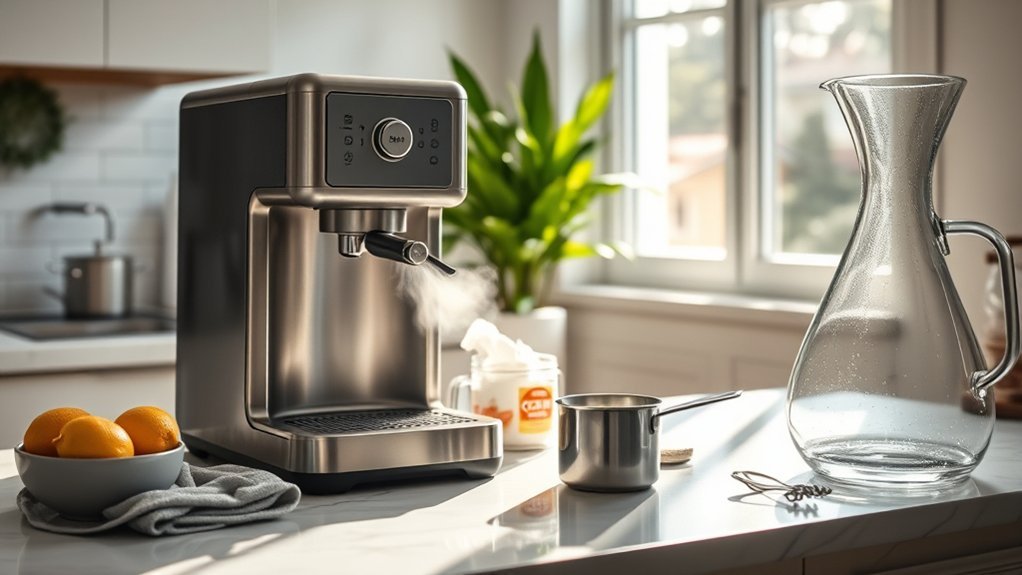
Having a coffee maker at home gives you fresh coffee on your schedule and more control over how each cup tastes. It can also lower your spending when you brew regularly. The greatest benefits come from choosing a machine that fits your habits, using fresh coffee and suitable water, and accounting for costs such as filters, milk, pods, cleaning supplies, and maintenance.
Quick Answer
A coffee maker at home can save time, reduce the cost of frequent café visits, and give you control over bean quality, strength, serving size, and added ingredients. It also makes it easier to try different coffees. The actual value depends on how often you brew, the machine you buy, and your ongoing supply costs.
Key Takeaways
- Home brewing gives you coffee without a café trip, line, or delivery wait.
- Regular coffee drinkers may save money, but the machine, filters, milk, pods, grinder, and maintenance should be included in the calculation.
- You can control the beans, grind, water, strength, serving size, sugar, and milk in each drink.
- Grinding shortly before brewing and storing beans correctly can help preserve aroma and flavor.
- The right machine depends on your household size, preferred drinks, available counter space, and tolerance for cleanup.
- Brewing method can affect more than flavor: paper-filtered coffee contains fewer diterpenes than French press and other unfiltered styles.
- Routine washing and manufacturer-recommended descaling help maintain flavor and machine performance.
The Convenience of Brewing Coffee at Home
When you brew coffee at home, you do not need to plan your morning around a café. You can start a drip machine while making breakfast, prepare a single serving during a work break, or brew decaf after dinner.
The amount of time saved depends on the method. A single-serve machine may finish quickly, while a full drip pot, French press, pour-over, or espresso workflow may take longer. Even so, home brewing removes travel, parking, ordering, and pickup time.
The main convenience is not that every machine brews instantly. It is that you can make coffee when you want it without leaving home or waiting for an order.
Programmable models can also begin brewing at a selected time. Smart functions may add convenience, but they are not essential. A basic machine with a clear water reservoir, simple controls, and an easy-to-clean basket may be faster to live with than a complex model that requires more setup and maintenance.
Potential Cost Savings Compared With Coffee Shops
Home brewing can cost less than buying prepared coffee, especially when you drink coffee most days. However, savings depend on the beans, serving size, machine, brewing method, and ingredients you choose.
Use this simple formula:
Cost per home-brewed drink = coffee used + filter or pod + milk or flavoring + estimated equipment and maintenance cost.
Illustrative Cost Example
Suppose a 12-ounce bag contains about 340 grams of coffee and costs $15. If you use 20 grams for each large mug, the bag makes about 17 mugs. The beans cost about $0.88 per mug before milk, filters, electricity, cleaning supplies, and the machine itself.
| Example | Calculation | Estimated Cost |
|---|---|---|
| Beans per mug | $15 ÷ 17 mugs | About $0.88 |
| Five home brews per week | $0.88 × 260 | About $229 per year for beans |
| Five $4 café drinks per week | $4 × 260 | $1,040 per year |
Note: This is an example, not a universal price comparison. Replace the bag price, coffee dose, café price, and weekly frequency with your own numbers. Espresso drinks, capsules, premium beans, syrups, milk, equipment, and maintenance can raise the home cost.
Estimate Your Coffee Maker’s Break-Even Point
Cost per cup does not tell you how long it takes to recover the price of a machine. For a simple estimate, calculate the amount you save on each drink and divide your upfront equipment cost by that number:
Break-even drinks = total upfront equipment cost ÷ (usual outside-coffee cost − home variable cost per drink).
Include a grinder or other equipment in the upfront cost if you need it. If your home drink costs almost as much as the drink it replaces, the financial payback will be slow. If the home drink costs the same or more, there may be no cash break-even at all, although convenience and customization can still have value to you.
Costs That Are Easy to Overlook
- Machine purchase: A basic drip brewer may be inexpensive, while espresso and bean-to-cup machines can cost much more.
- Filters or capsules: Paper filters and single-use pods create an ongoing expense.
- Grinder: Whole-bean coffee may require a separate grinder unless the machine includes one.
- Milk and flavoring: Lattes, creamers, syrups, and alternative milks add to each serving.
- Cleaning supplies: Some machines require filters, tablets, brushes, or a manufacturer-approved descaling product.
- Electricity: Heating water, running pumps or grinders, and keeping a warming plate on all use energy. The cost varies by brewer and settings, so include it if you want a complete per-cup estimate.
- Repairs and replacement: Pumps, seals, carafes, grinders, and other parts may eventually wear out.
If you brew only a few times per month, an expensive machine may take years to pay for itself. Frequent coffee drinkers who replace regular café purchases usually have a stronger opportunity to save.
Control Over Coffee Quality and Ingredients
A home coffee maker lets you choose the coffee, water, dose, and additions in every cup. You can use a familiar blend for everyday brewing or try different origins, roast levels, varieties, and processing styles.
You can also control:
- Serving size: Brew the amount you plan to drink instead of accepting a fixed café size.
- Strength: Adjust the amount of coffee, grind, or machine setting within the manufacturer’s instructions.
- Added ingredients: Measure milk, cream, sugar, syrups, or spices instead of relying on a premixed drink.
- Decaf and half-caf options: Blend regular and decaffeinated beans to adjust caffeine intake.
- Sourcing preferences: Choose products with certifications that match your priorities.
What Organic and Fairtrade Labels Mean
USDA Organic is a regulated labeling term for agricultural products produced under approved methods and verified through the organic certification system. It should not be described as a guarantee that coffee is toxin-free, completely pesticide-free, healthier, or better tasting.
Fairtrade coffee standards include requirements relating to certified producers and the coffee supply chain. Fairtrade and organic are separate certifications, although one coffee can qualify for both.
Neither label tells you whether you will enjoy the flavor. Roast date, origin, processing, roast level, water, grind, and brewing method may have a more direct effect on what you taste in the cup.
Freshness: Why It Matters for Flavor
Coffee begins changing after roasting, and grinding exposes much more surface area to air. This accelerates the loss of volatile aroma compounds. There is no single minute at which ground coffee suddenly becomes stale, but grinding shortly before brewing generally gives you a better chance of preserving aroma and flavor.
The National Coffee Association’s current storage guidance recommends protecting coffee from air, moisture, heat, and light. It advises airtight, opaque storage in a cool, dark location and recommends grinding only the amount needed immediately before brewing.
Pro Tip: Buy an amount of coffee you can use while it still tastes fresh. Keep the container away from the oven, dishwasher, direct sunlight, moisture, and strong odors, and grind only what you need for the next brew.
A home setup also lets you brew immediately after grinding. That is harder to control when using old pre-ground coffee, office coffee that has sat on a warming plate, or instant coffee.
How Home Brewing Can Save Time
The earlier convenience section explains why a home coffee maker removes a café trip. You can increase that advantage further by organizing the brewing process so it fits naturally into the rest of your routine.
Quick Morning Preparation
You can prepare the water, filter, and other approved parts the night before when the manufacturer permits it. In the morning, start the brewer while you make breakfast, pack a bag, or get ready.
A programmable machine may start automatically at a selected time. Do not leave milk or other perishable ingredients unrefrigerated overnight. Do not use a smart plug or other external automation to switch a coffee maker on unless the manufacturer specifically supports that setup.
Eliminate Café Wait Times
Once your setup is ready, your coffee task can happen alongside other morning activities rather than becoming a separate trip involving driving, parking, ordering, payment, and pickup.
The time advantage is smaller when you choose a hands-on method such as pour-over or manual espresso. Those methods may still be worthwhile when the brewing process itself is part of the experience you enjoy.
Fit Coffee Into Your Routine
A coffee maker can support several daily routines:
- Brew a full carafe for a household that drinks coffee at the same time.
- Make a single cup during a work or study break.
- Prepare iced coffee ahead of a warm day.
- Use a thermal carafe to keep coffee warm without leaving it on a hot plate.
- Switch to decaf later in the day if caffeine disrupts your sleep.
Health Considerations for Home-Brewed Coffee
Home brewing does not automatically make coffee healthy. Its practical advantage is that you can control the serving size and the amount of sugar, cream, syrup, and caffeine in the drink.
Plain black coffee is low in calories, while additions can change the calorie and sugar content quickly. The Harvard T.H. Chan School of Public Health summarizes research connecting coffee with a range of health outcomes while emphasizing that the type of coffee, brewing method, caffeine dose, and individual response all matter.
The FDA cites 400 milligrams of caffeine per day as an amount not generally associated with negative effects for most adults, but individual sensitivity varies widely.
The FDA also explains that caffeine content varies among products and that pregnancy, medicines, medical conditions, and individual sensitivity can affect how much caffeine is appropriate.
Filtered vs. Unfiltered Coffee
Brewing method can affect more than flavor. Coffee contains diterpenes such as cafestol and kahweol. Harvard notes that unfiltered methods, including French press and Turkish-style coffee, retain more of these compounds, which can raise LDL cholesterol and triglycerides. Espresso contains an intermediate amount, while paper-filtered drip coffee and instant coffee contain much less because much of the diterpene content is removed during filtering or processing.
If your LDL cholesterol is a concern, discuss your overall coffee intake and brewing method with a qualified healthcare professional rather than assuming every type of coffee has the same effect.
Warning: Reduce or avoid caffeine if it causes a rapid heartbeat, anxiety, headaches, digestive discomfort, or sleep problems. People who are pregnant, take medicines that may interact with caffeine, or have a condition affected by caffeine should follow guidance from a qualified healthcare professional.
Choosing organic or Fairtrade coffee may support particular farming, certification, or trade preferences, but neither certification makes coffee a medical treatment or guarantees that it is healthier for an individual drinker.
Discover Coffee Varieties From Around the World
Home brewing makes it easier to compare coffees from different regions, farms, varieties, and processing methods. Coffee flavor can vary with growing conditions, processing, roast level, freshness, water, and brewing technique.
Try one change at a time so you can identify what you enjoy:
- Compare roast levels: Taste a light, medium, and dark roast using the same brewing method.
- Try single-origin coffee: Compare coffee from different countries or growing regions.
- Explore processing methods: Washed, natural, and honey-processed coffees can produce different flavor impressions.
- Keep simple notes: Record the coffee dose, water amount, grind setting, brew time, and flavors you noticed.
Coffee subscriptions can introduce you to new products, but they may cost more than buying locally. Check the shipment size, roast-date policy, cancellation terms, and delivery frequency before subscribing.
Tailoring Your Coffee Experience
Customization is one of the strongest benefits of having a coffee maker at home. You can change the strength, texture, temperature, milk, sweetness, grind, and water instead of ordering from a fixed menu.
Match the Grind to the Brewing Method
Grind size changes how quickly water can extract soluble material from coffee. Finer particles expose more surface area and generally extract faster, while coarser particles generally extract more slowly. However, finer does not automatically mean better or stronger.
UC Davis coffee research guidance explains that grind size affects extraction rate and that other variables, including water chemistry and the brewing method, also influence the final cup.
- Coffee tastes sour or weak: Try a slightly finer grind, longer brew time, or a little more coffee.
- Coffee tastes bitter or harsh: Try a slightly coarser grind, shorter brew time, or a little less coffee.
- Drip basket overflows: Check for too much coffee, an overly fine grind, nested filters, or a blocked outlet.
- Brewing becomes slow: Clean the basket and showerhead, then descale according to the manual if mineral buildup is likely.
Make one adjustment at a time. Changing the dose, grind, water, temperature, and brew time together makes it difficult to identify what improved the cup.
Don’t Ignore Water Quality
Most brewed coffee is water, so unpleasant-tasting water can produce unpleasant-tasting coffee. UC Davis coffee research notes that water chemistry can affect extraction.
Use fresh, potable water that tastes acceptable on its own. If your tap water has a strong odor or taste, a suitable drinking-water filter may help. If your coffee maker includes a replaceable water filter, follow its replacement schedule instead of leaving the same filter installed indefinitely.
Extremely hard water may also increase mineral scale inside a machine. Water treatment should still follow the coffee maker manufacturer’s instructions because not every machine or internal filtration system is designed for the same water conditions.
Customize Milk, Sweetness, and Temperature
You can use dairy milk, an alternative milk, measured sweetener, or no additions at all. A separate frother can help with lattes and cappuccinos without requiring a full espresso machine.
Avoid pouring milk, syrup, cocoa, loose spices, or other ingredients into a water reservoir unless the owner’s manual specifically permits it. Add these ingredients to the cup or prepare them with approved accessories.
How to Choose the Right Coffee Maker
The best coffee maker is not always the machine with the most features. It is the one that fits the number of people you serve, the drinks you make, the time you have, your available space, and the amount of cleaning you are willing to do.
| Type | Best For | Main Trade-Off |
|---|---|---|
| Drip coffee maker | Several cups, households, and simple operation | A full carafe may create waste if only one person drinks it |
| Single-serve brewer | Fast individual servings and flavor variety | Pods can cost more per serving and create more packaging waste |
| Pour-over brewer | Hands-on control and small batches | Requires a kettle, attention, and practice |
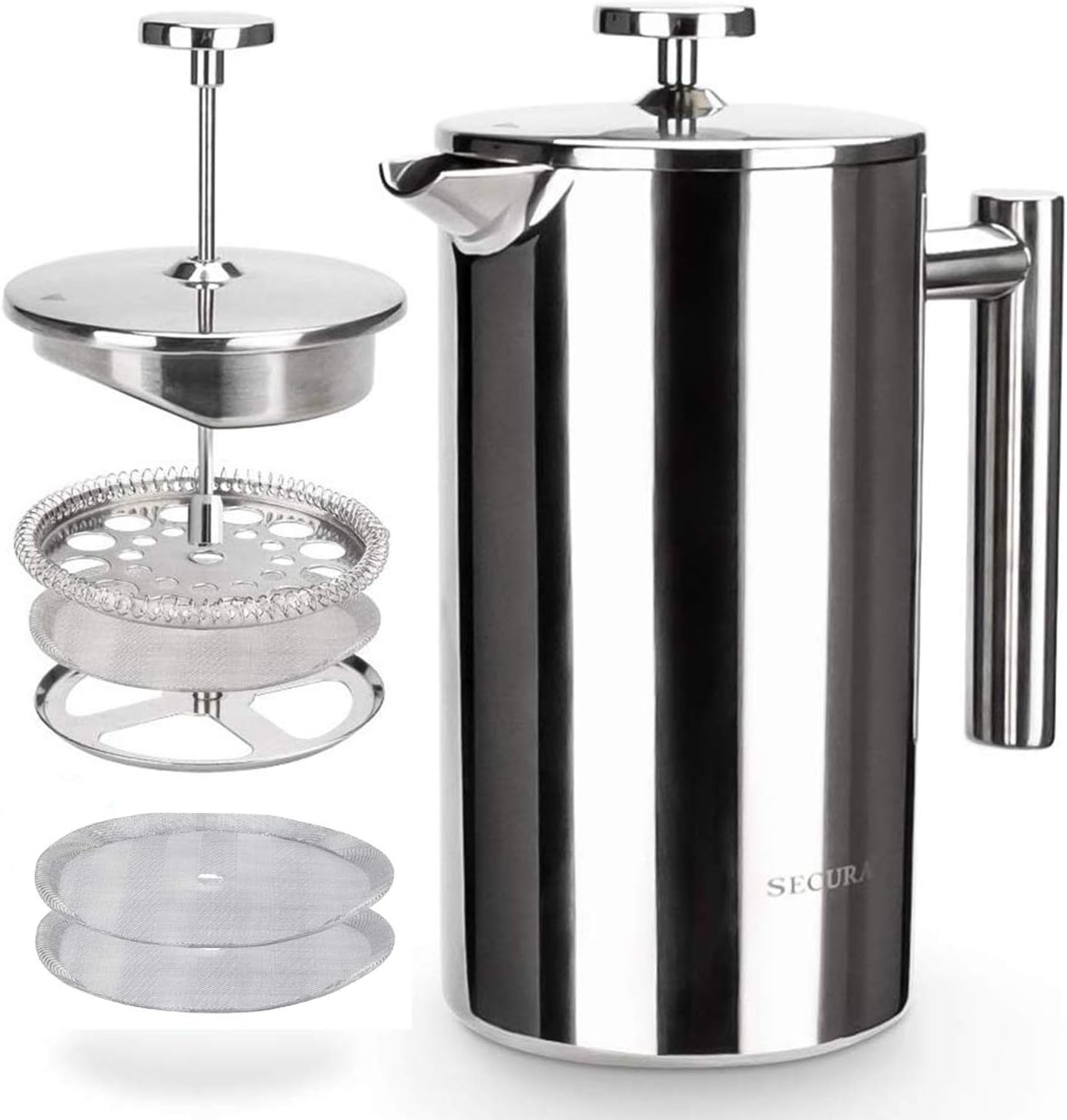
| French press | Full-bodied coffee and simple equipment | Leaves more sediment, requires cleanup, and retains more coffee diterpenes than paper filtration |
| Espresso machine | Espresso, lattes, cappuccinos, and milk drinks | Higher cost, more practice, and more maintenance |
| Cold-brew maker | Large batches of chilled concentrate or ready-to-drink coffee | Requires advance preparation and refrigerator space |
| Moka pot | Strong stovetop coffee with compact, inexpensive equipment | Needs hands-on heat control and does not make true pump-driven espresso |
| Bean-to-cup machine | Fresh grinding and automated coffee or espresso-style drinks | Higher purchase price, more moving parts, and more involved cleaning |
Features to Check Before Buying
- Capacity: Match the reservoir and carafe to the number of servings you normally make.
- Dimensions: Measure the counter, cabinet clearance, and space needed to open the lid or remove the reservoir.
- Noise: Built-in grinders, pumps, and automatic milk systems can be much louder than a basic drip brewer, which may matter in small homes or during early-morning use.
- Brew options: Decide whether you need a full pot, one cup, iced settings, espresso, or milk steaming.
- Cleaning access: Removable reservoirs, baskets, trays, and dishwasher-safe parts can reduce upkeep.
- Carafe type: Thermal carafes retain heat without a warming plate, while glass carafes let you see the amount remaining.
- Replacement supplies: Check the price and availability of filters, capsules, seals, carafes, and water filters.
- Automatic shutoff: This can improve convenience and reduce the chance of leaving a warming plate operating unnecessarily.
- Manufacturer support: Confirm that the manual, replacement parts, warranty information, and customer service are available.
What SCA Certification Can Tell You
If brewing performance matters to you, the Specialty Coffee Association Certified Home Brewer program can provide another comparison point. Certified models undergo third-party testing against SCA requirements for brewing quality, consistency, and performance.
Certification does not guarantee that a particular machine will suit your budget, kitchen, preferred drink, or cleaning habits. Treat it as one performance signal rather than the only reason to buy a brewer.
Reliability, Warranty, and Repairability
A machine that makes excellent coffee but fails early can erase some of the financial and environmental benefits of home brewing. Before buying, check the warranty terms, the availability and price of replacement carafes, seals, filters, brew baskets, and other common parts, and whether the manufacturer publishes manuals and support information for the model.
More automation can mean more convenience, but it can also add grinders, pumps, valves, milk systems, sensors, and other parts that require cleaning or can eventually wear out. Choose the level of complexity you will realistically maintain rather than paying for features you may rarely use.
Creating Your Coffee Ritual
A coffee routine can make the start of the day feel more organized. The benefit does not depend on complicated equipment. Measuring the coffee, hearing the grinder, and taking a quiet moment to drink can become a familiar pause in a busy schedule.
To build a routine that remains enjoyable:
- Choose a practical time: Brew when you can drink the coffee while it is fresh.
- Prepare only what helps: Fill a clean reservoir or set out a filter in advance when appropriate, but keep coffee sealed until needed.
- Use a consistent recipe: Record the coffee and water amounts for a cup you enjoy.
- Limit unnecessary steps: A ritual should make the day easier, not turn every cup into a long project.
- Notice caffeine timing: Switch to decaf or stop earlier if afternoon coffee affects sleep.
You can still experiment on weekends or when you have more time. A dependable weekday recipe and a more involved weekend method can work well together.
Sharing Your Coffee Passion With Friends and Family
A home coffee setup can make gatherings more personal. Instead of serving one standard pot, you can offer regular coffee, decaf, different milk choices, or a small tasting of two beans.
Inviting Coffee Gatherings
Keep the setup simple enough that you can spend time with your guests. Prepare cups, spoons, milk, and sweeteners before they arrive. If you plan to demonstrate a brewing method, test the recipe first.
Three easy gathering ideas include:
- Origin comparison: Brew two coffees from different countries using the same method.
- Roast comparison: Serve a light and dark roast without revealing which is which until everyone has tasted them.
- Milk-drink station: Provide brewed coffee or espresso with a frother and a few clearly labeled additions.
Ask guests about allergies and dietary needs before serving flavored syrups, dairy products, alternative milks, or foods alongside the coffee.
Discovering New Flavors
Different brewing methods can emphasize different parts of the same coffee. The descriptions below are common tendencies rather than guaranteed flavor results.
| Coffee Style | Common Characteristics | Equipment |
|---|---|---|
| Espresso | Concentrated, intense, and suitable for milk drinks | Espresso machine |
| Cold brew | Smooth, chilled, and often served diluted | Cold-brew maker or steeping container |
| Pour-over | Clear flavor separation and hands-on control | Pour-over cone, filter, and kettle |
| French press | Full body with more oils and fine sediment | French press |
| Drip coffee | Balanced and convenient for multiple servings | Automatic drip brewer |
Cleaning and Maintaining a Coffee Maker
Old coffee oils, residue, and mineral scale can affect flavor and machine performance. Routine washing and descaling are different maintenance tasks, and both should follow the instructions for your specific machine.
Basic Coffee Maker Safety
Warning: Coffee makers can involve hot water, steam, hot plates, glass carafes, and electricity. Keep the machine on a stable, dry surface, keep children away from steam wands and hot surfaces, and unplug the appliance before cleaning when the owner’s manual instructs you to do so. Stop using a machine with a damaged cord, cracked carafe, persistent leak, or other electrical or structural damage until it is repaired or replaced.
Do not immerse an electrical base, pour water onto electrical controls, defeat an automatic shutoff, or use accessories that the manufacturer does not approve. For espresso machines and milk systems, purge and clean steam or milk-contact parts according to the manual because dried milk residue is harder to remove and can affect hygiene and performance.
Routine Cleaning
- Discard used grounds or pods after brewing.
- Rinse removable baskets, reusable filters, and carafes after use.
- Wash removable parts according to the manual.
- Wipe the warming plate, drip tray, steam wand, and exterior after they cool.
- Allow washed parts to dry before reassembling the machine.
- Replace water filters at the interval specified by the manufacturer.
Descaling
Descaling removes mineral deposits from water pathways and heating components. The correct schedule depends on the machine, water hardness, and frequency of use.
Some coffee makers recommend descaling every three to six months. For example, Keurig provides model-specific descaling guidance, and several of its brewers use intervals in that range. Other models may call for a different interval or instruct you to descale when an indicator appears. Your own manual and descale indicator should take priority over a generic schedule.
Note: Do not assume that vinegar is approved for every coffee maker. Use the procedure and descaling product listed in the owner’s manual. Never mix vinegar, descaler, bleach, or other cleaning chemicals.
Waste and Environmental Trade-Offs of Home Coffee
Brewing at home is not automatically better or worse for the environment than buying coffee elsewhere. The result depends on the brewer, packaging, amount of coffee and water used, how long the equipment lasts, and whether your alternative would have involved disposable café cups and lids.
The U.S. Environmental Protection Agency recommends reducing waste at the source and choosing reusable products where practical.
Energy Use and Keep-Warm Settings
Electricity use varies widely by brewing method and machine design. An automatic brewer may use energy to heat water, run a grinder or pump, and keep a warming plate or boiler hot after brewing. A manual brewer shifts much of that energy use to a kettle or stove. There is no single energy figure that applies to every coffee maker.
To avoid unnecessary use, brew roughly the amount you need, use automatic shutoff when available, and avoid leaving a warming plate or always-hot system running longer than necessary. If energy use is a major buying factor, compare the manufacturer’s rated power, standby behavior, keep-warm settings, and expected brew time for the exact model.
For a lower-waste home routine:
- Brew approximately the amount you expect to drink instead of routinely discarding a large leftover pot.
- Use a reusable mug rather than a disposable cup when practical.
- If your brewer supports one, consider an approved reusable filter or refillable brewing accessory.
- Compare the packaging created by capsules, individually wrapped products, and bulk coffee before assuming one format creates less waste.
- Maintain and repair a machine when practical instead of replacing functioning equipment simply for new features.
- Follow local recycling and waste rules because capsules, filters, packaging, and appliances are handled differently by location.
When a Home Coffee Maker May Not Be Worth It
A coffee maker has clear advantages, but it is not the best purchase for everyone. It may provide limited value when:
- You drink coffee only occasionally.
- You mainly visit cafés for the social setting rather than the drink.
- You do not have enough counter or storage space.
- You dislike cleaning equipment.
- You plan to buy an expensive machine but normally drink simple coffee.
- You frequently change homes, travel, or lack reliable access to a kitchen.
- The cost of capsules, specialty milk, syrups, accessories, repairs, and cleaning supplies would match or exceed your current café spending.
A manual pour-over cone, French press, or compact brewer may be a better starting point than a large automatic machine. Begin with the simplest equipment that makes the drinks you actually enjoy.
Frequently Asked Questions
How do I choose the right coffee maker for my needs?
Start with the drinks and number of servings you make most often. Then compare capacity, dimensions, brew time, cleaning requirements, supply costs, carafe type, replacement-part availability, and the amount of control you want. A basic drip brewer suits multiple servings, while a single-serve machine may suit one person who values speed and variety.
What types of coffee makers are available?
Common choices include automatic drip machines, single-serve brewers, pour-over cones, French presses, espresso machines, moka pots, cold-brew makers, and bean-to-cup machines. Each differs in cost, convenience, serving capacity, drink style, skill required, and maintenance.
How often should I clean my coffee maker?
Discard grounds and rinse removable brewing parts after use. Wash the carafe, basket, drip tray, and other approved parts regularly. Descale according to the owner’s manual, the machine’s indicator, your water hardness, and how often you brew. Some machines use an interval of roughly three to six months, while others specify a different schedule.
Can I put tea, spices, milk, or cocoa in my coffee maker?
Only use ingredients and functions approved in the owner’s manual. Milk, syrup, cocoa, loose spices, and tea leaves may clog the machine, leave residue, or damage water pathways. Add flavorings to the finished drink, steep tea separately, or use an approved hot-water or specialty-drink function.
What accessories are useful for home coffee brewing?
Useful accessories may include a burr grinder, digital scale, approved filters, airtight opaque coffee container, kettle, milk frother, cleaning brush, and manufacturer-approved descaler. Buy only the accessories that support your preferred brewing method.
Does a coffee maker always save money?
No. Savings depend on how often you brew and what you buy. Premium machines, capsules, specialty beans, milk, syrups, filters, grinders, repairs, and cleaning products can raise the cost. Calculate your actual cost per drink and compare it with what you currently spend outside the home.
Why does my home coffee taste bitter, sour, or weak?
Bitter coffee may result from an overly fine grind, too much coffee, excessive contact time, old residue, or coffee left on a warming plate. Sour or weak coffee may result from an overly coarse grind, too little coffee, short contact time, unsuitable water, or a brewing-temperature problem. Adjust one variable at a time and clean the machine before assuming it is defective.
Does water quality affect the taste of home-brewed coffee?
Yes. Water chemistry and unwanted tastes or odors can affect extraction and flavor. Start with fresh, potable water that tastes acceptable on its own. If your machine has a water filter, replace it according to the manufacturer’s schedule, and follow the manual when dealing with hard water or mineral buildup.
Is French press coffee different from paper-filtered coffee for cholesterol?
Yes. French press and other unfiltered coffee methods retain more diterpenes such as cafestol, which can raise LDL cholesterol. Paper filters remove much of these compounds. If cholesterol is a concern, paper-filtered coffee may be a more suitable regular brewing method, but individual medical advice should come from a healthcare professional.
How much electricity does a coffee maker use?
There is no single figure for all coffee makers. Energy use depends on the machine’s wattage, brew time, grinder or pump, warming plate, boiler design, standby mode, and how often you brew. Check the exact model’s specifications, and use automatic shutoff or shorter keep-warm periods when practical.
What coffee maker safety checks should I make at home?
Keep the brewer on a stable, dry surface and follow the owner’s manual for cleaning, electrical use, and steam or hot-water functions. Do not use a damaged cord, cracked carafe, or leaking machine. Keep children away from hot plates and steam wands, and unplug the appliance before cleaning when the manual directs you to do so.
Conclusion
The main benefits of having a coffee maker at home are convenience, control, flexibility, and the potential to spend less. You can choose your coffee, adjust the recipe, manage added sugar and milk, control your brewing method, and prepare a drink without making a separate café trip.
The best results come from realistic expectations. Include the machine and supplies in your cost calculation, store coffee correctly, use suitable water, match the grind to the brewing method, and maintain the equipment according to its manual. Consider packaging waste and the type of coffee you brew as well as the purchase price. A simple machine that fits your actual routine will usually provide more value than an expensive model filled with features you rarely use.
Sources
- U.S. Food and Drug Administration: Spilling the Beans—How Much Caffeine Is Too Much? — caffeine intake, sensitivity, pregnancy, medication, and safety guidance
- USDA Agricultural Marketing Service: Organic Standards — meaning and requirements of the USDA Organic label
- Fairtrade International: Fairtrade Standard for Coffee — coffee-specific Fairtrade certification standards
- National Coffee Association: Storage and Shelf Life — coffee storage and grind-before-brewing guidance
- UC Davis College of Engineering: An Engineer’s Guide to Coffee from Bean to Brew — grind size, water chemistry, extraction, origin, processing, and brewing principles
- Harvard T.H. Chan School of Public Health: Coffee — coffee health context, caffeine, and filtered-versus-unfiltered brewing considerations