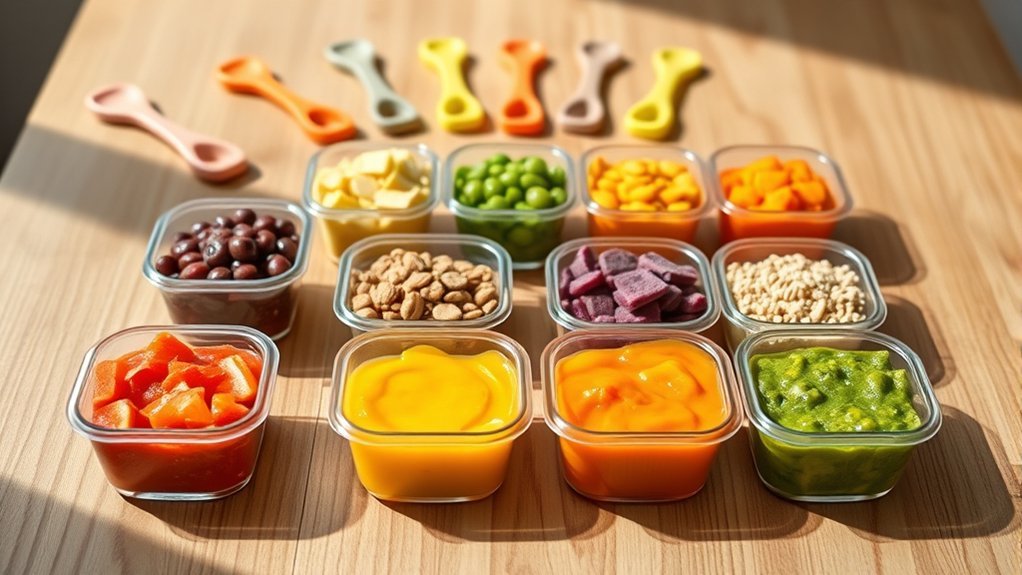
Packing baby food for daycare is easier when you plan around three things: your baby’s feeding skills, the daycare’s rules, and safe temperature control. Choose iron-rich foods, soft fruits and vegetables, and textures your baby already handles well. Pack each serving in a labeled, leak-proof container, and introduce new allergens at home rather than for the first time at daycare.
Quick Answer
For a safe daycare lunch, pack a familiar iron-rich food, a soft fruit or vegetable, and breast milk or formula as directed by your baby’s feeding plan. Use labeled, leak-proof containers and an insulated bag with two cold sources unless the daycare refrigerates food immediately.
Key Takeaways
- Start solids when your baby is developmentally ready, usually around 6 months, and keep breast milk or infant formula as the main source of nutrition through 12 months.
- Include an iron-rich food, such as meat, beans, lentils, egg, tofu, or iron-fortified infant cereal, when appropriate for your baby.
- Modify foods for choking safety: cook firm produce until soft, quarter grapes lengthwise, finely shred meat, and thin smooth nut or seed butter.
- Introduce new allergenic foods at home first. Follow the daycare’s allergy policy and clearly label every ingredient and known allergen.
- Keep perishable food at 40°F (4°C) or below, pack separate portions, and discard food that has been contaminated by a used spoon.
At a Glance
| Time Required | 10–20 minutes each morning, or about 45–60 minutes for weekly batch prep |
| Difficulty | Easy, once daycare rules and feeding skills are confirmed |
| Tools Needed | Leak-proof containers, labels, insulated lunch bag, two cold sources, and age-appropriate utensils |
| Cost | Varies by ingredients; no special appliance is required |
Note: This guide is for babies who are already ready for solid foods. A pediatrician or feeding specialist should guide feeding for premature babies, babies with swallowing problems, poor growth, severe eczema, or known food allergies.
Before Packing Baby Food for Daycare
Most babies are ready to begin foods other than breast milk or formula at about 6 months, but readiness matters more than a date on the calendar. Look for steady head control, the ability to sit with support, interest in food, and the ability to swallow food rather than push it back out. The CDC’s solid-food guidance explains these readiness signs and recommends against starting before 4 months.
Before the first packed lunch, ask the daycare:
- Whether food from home is allowed and which containers, labels, and utensils are required
- Whether the center refrigerates food immediately or expects an insulated bag with cold packs
- Whether staff can warm food and how they test its temperature
- Whether the room is nut-free or has other allergen restrictions
- How breast milk, formula, water, and cups or bottles must be labeled
- Whether staff save untouched extra portions or discard all leftovers
Breast milk or infant formula remains the main source of nutrition through the first year. Packed solids add nutrients and feeding practice; they do not replace the baby’s usual milk feeds unless the child’s healthcare professional has recommended a different plan.
Essential Nutrients for Baby Food: What to Include
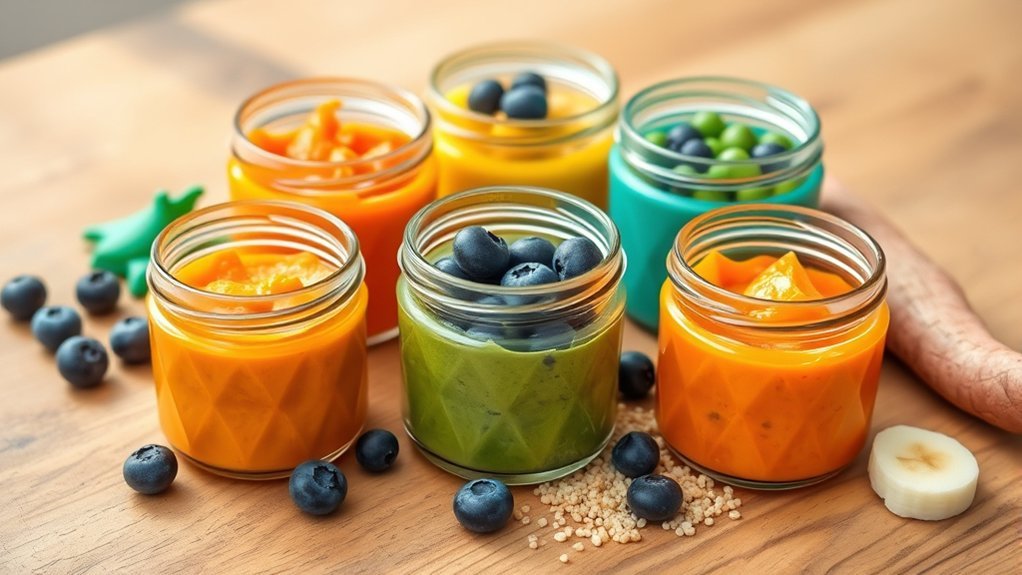
Build daycare meals around familiar foods from several nutrient groups. You do not need a perfect plate at every meal, but regular variety helps your baby get the nutrients needed for growth and development.
- Iron and zinc: Offer finely pureed or shredded meat, fish with every bone removed, mashed beans or lentils, tofu, well-cooked egg, or iron-fortified infant cereal.
- Healthy fats: Add avocado, full-fat plain yogurt, olive oil mixed into vegetables, or a thin layer of smooth nut or seed butter after that food has been safely introduced.
- Fruits and vegetables: Choose soft, mashed, pureed, grated, or well-cooked produce in textures your baby can manage.
- Grains and starchy foods: Try oatmeal, soft rice, mashed potato, soft pasta pieces, or strips of low-sodium bread that do not form a sticky wad in the mouth.
A practical daycare meal pairs one iron-rich food with a soft fruit or vegetable and a texture your baby has already practiced at home.
Good combinations include lentil and sweet potato mash, chicken with peas, oatmeal with mashed pear, or avocado with well-cooked egg. Avoid adding honey before 12 months, and limit foods with added sugar or high amounts of sodium. The CDC lists foods and drinks to avoid or limit, including honey and juice before the first birthday.
Finger Foods: The Best Options for Little Hands
Finger foods are appropriate when your baby can sit upright with good head control, bring food to the mouth, and manage soft pieces without frequent coughing or distress. Food should be soft enough to mash between your thumb and forefinger.
Safer options include:
- Soft-cooked sweet potato, zucchini, carrot, or broccoli
- Ripe banana, peach, pear, mango, or melon in easy-to-hold pieces
- Soft omelet strips or well-cooked scrambled egg
- Finely shredded, moist chicken or tender flaked fish with all bones removed
- Soft beans lightly flattened with a fork
- Toast strips spread with a very thin layer of smooth nut or seed butter
Warning: Never send whole grapes, whole cherry tomatoes, nuts, popcorn, hard raw apple or carrot, chunks of meat or cheese, hot dog rounds, spoonfuls of nut butter, or food on skewers. Follow the CDC’s choking-prevention guidance, and make sure the daycare seats and watches your baby during every meal.
Raw apple slices are too hard for many babies. Cook apple until soft, grate it finely, or offer a thin piece only when your baby has the chewing skills to handle it. Grapes and cherry tomatoes should be cut lengthwise into quarters, not merely halved.
Easy Purees for Safe Daycare Meals
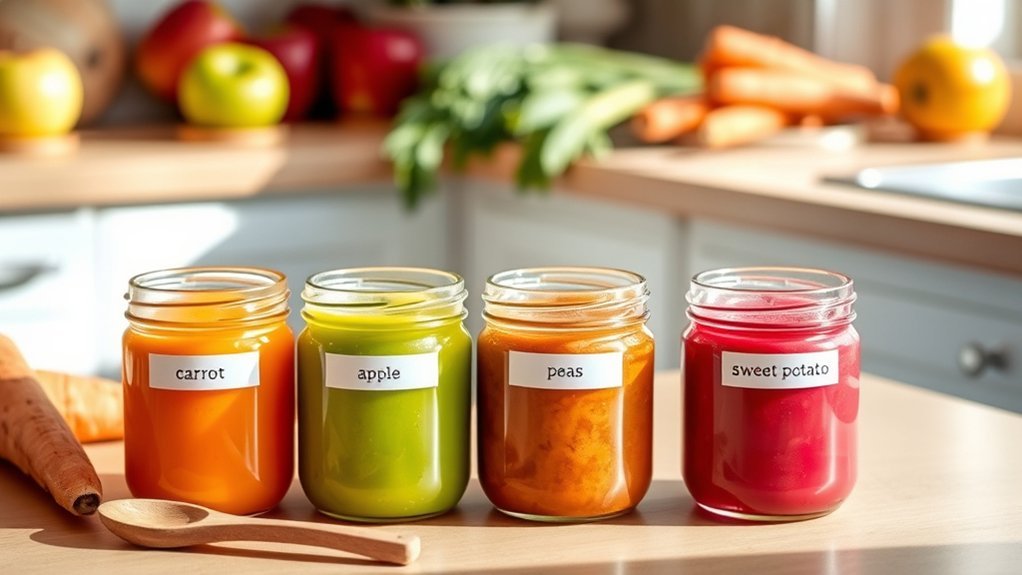
Purees are convenient for younger babies and for foods that are difficult to serve safely as finger foods. Begin with foods your baby has already eaten at home. Single-ingredient servings can make it easier to identify the cause of a reaction, but they do not make an allergenic food harmless.
Simple puree and mash ideas include:
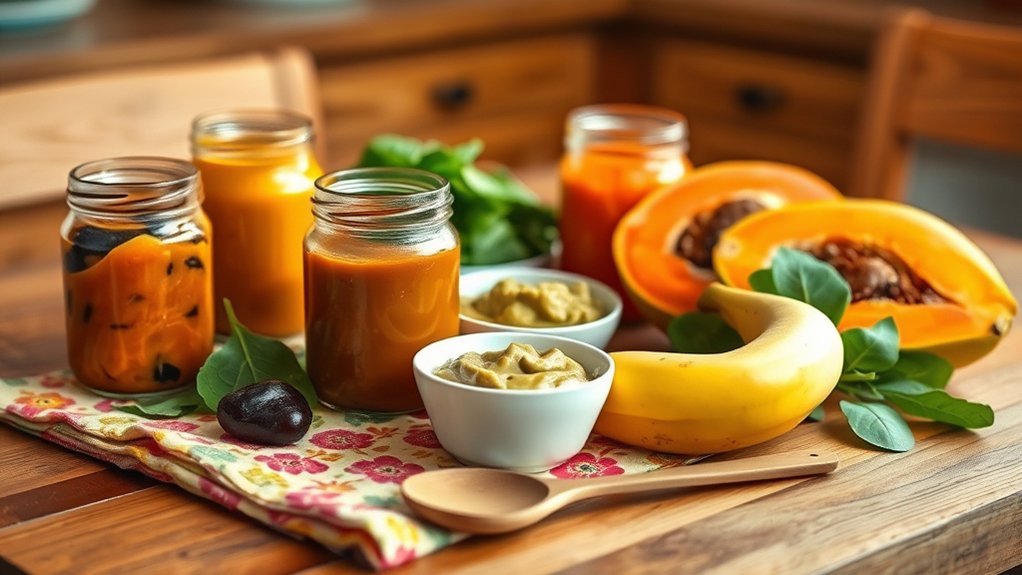
- Banana, avocado, pear, peach, squash, peas, or sweet potato
- Iron-fortified oatmeal mixed with breast milk, prepared formula, or water
- Chicken and sweet potato, lentil and carrot, or salmon and potato
- Apple and oatmeal, blueberry and plain full-fat yogurt, or spinach and pear
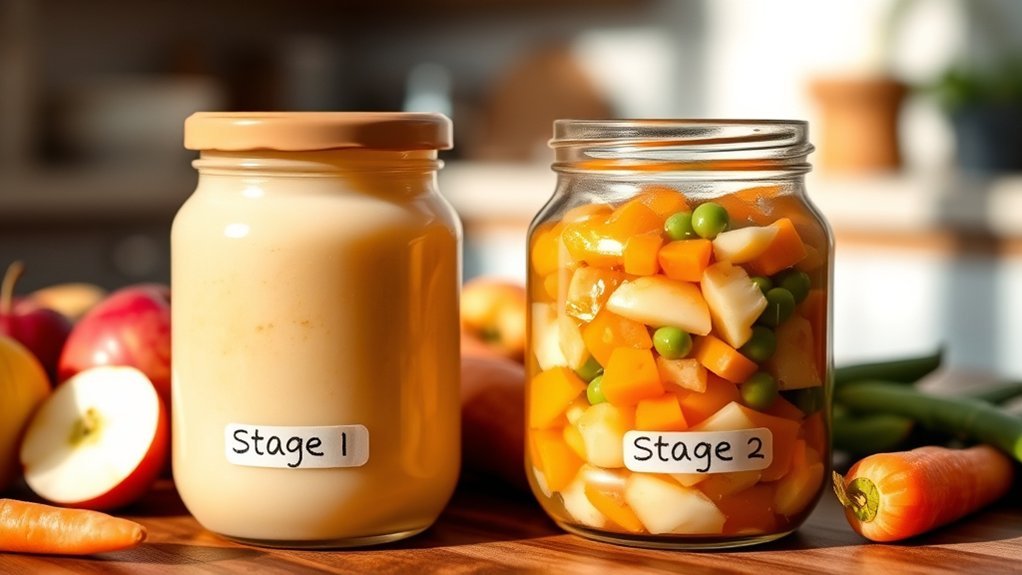
Match the texture to your baby’s current skills. Move from smooth purees to thicker mashed and lumpy textures as your baby becomes ready; there is no need to keep every food perfectly smooth. Pack only the amount staff are likely to serve, plus a separate untouched backup portion when daycare policy allows it.
Purees do not have to be served at room temperature. They may be served cold, cool, or warmed according to your baby’s preference and the daycare’s policy. If warmed, staff should stir the food, let it stand briefly, and test it before feeding so there are no hot spots.
Quick Meal Prep Tips for Busy Parents: Easy Baby Food Ideas
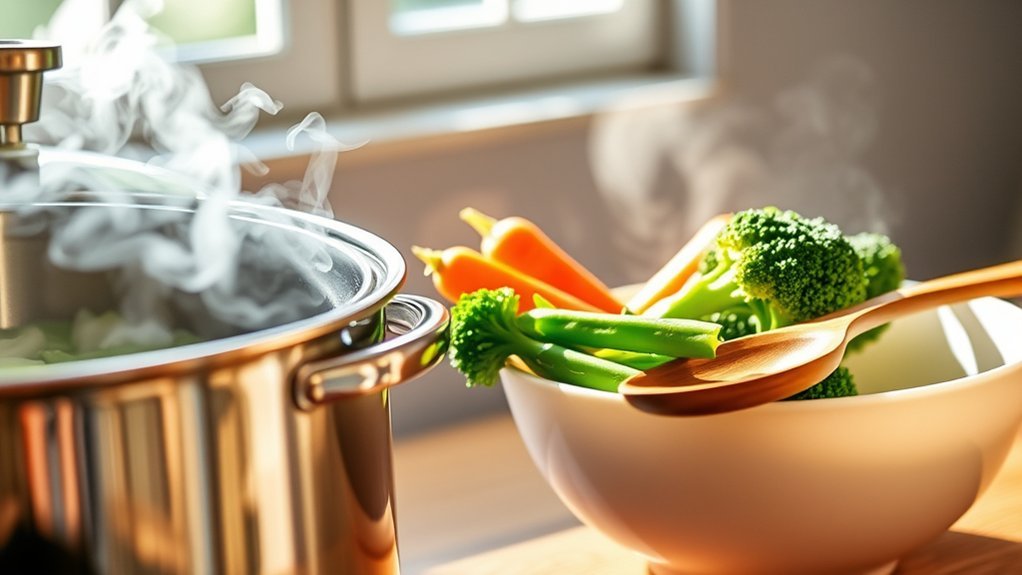
Batch preparation can make daycare mornings much easier. Steam, roast, or simmer several ingredients, cool them promptly, and portion them into small containers. Freeze extra portions once cool, then thaw the next day’s food in the refrigerator rather than on the counter.
- Choose two iron-rich foods, two vegetables, and two fruits for the week.
- Cook each food until it reaches a baby-safe texture.
- Puree, mash, shred, or cut the food for your baby’s current skills.
- Cool and refrigerate the next day’s portions promptly.
- Freeze the remaining portions in covered trays or small containers, then transfer frozen cubes to a dated, airtight freezer container.
- Pack each meal in separate containers so an untouched extra serving stays clean.
Convenience foods can help, but read labels carefully. Plain frozen vegetables are useful when cooked until soft. Pre-cooked chicken may be used only after removing skin and bones, checking the sodium level, and shredding it into moist, manageable pieces. Avoid honey-glazed meats, heavily salted foods, and products with hard coatings.
Pro Tip: Pack one small main serving and one separate backup serving. Daycare can offer more if your baby is still hungry without contaminating the food that was not served.
Make Meals Interesting With Flavor and Texture
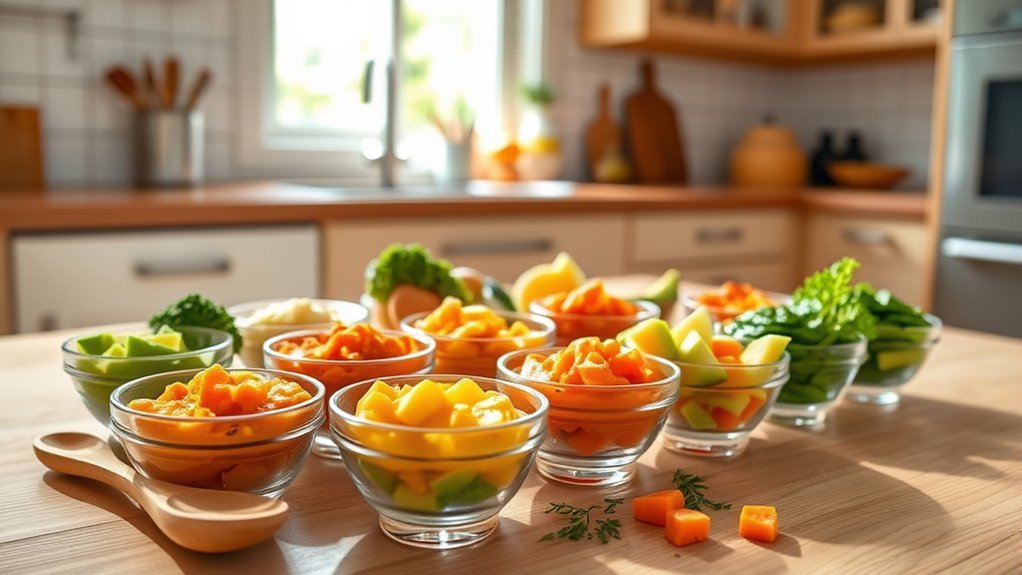
Variety does not require complicated recipes. Combine familiar foods, change the texture gradually, and add small amounts of mild herbs or spices without adding sugar or much salt.
Try sweet potato with apple, oatmeal with pear and cinnamon, lentils with carrot and cumin, or peas with mint. Steaming creates a soft, moist texture, while roasting can deepen flavor. Always check that roasted edges are not hard or leathery.
Combine familiar foods in new ways, and increase texture only as your baby’s eating skills develop.
Repeated exposure matters. A baby may need to see or taste a food many times before accepting it. Keep portions small, avoid pressure, and let caregivers follow the baby’s hunger and fullness cues.
How Much Baby Food to Pack for Daycare?
There is no single correct portion for every baby. The CDC suggests starting with 1–2 tablespoons and offering more when the child shows hunger. The USDA CACFP infant meal pattern also uses ranges because babies should be fed according to developmental readiness and appetite.
Recommended Serving Sizes
Use the following amounts as packing starting points, not as feeding targets:
| Feeding stage | Practical starting amount | Packing approach |
|---|---|---|
| Beginning solids | 1–2 tablespoons of one or two familiar foods | Small puree or mash containers plus the usual milk feed |
| Growing variety | Several tablespoons across two or three foods | One iron-rich food, one produce item, and an optional separate backup |
| Experienced self-feeder | About ¼–½ cup total may suit some babies, but appetite varies | A mixed meal with safe finger foods and a backup portion if permitted |
Some babies eat less at daycare and compensate with milk feeds or meals at home. Others need more during a growth spurt. Ask caregivers what was offered, what was eaten, and whether your baby seemed hungry afterward.
Consider Individual Preferences and Feeding Cues
Signs of hunger may include leaning toward food, opening the mouth, reaching, or becoming excited when food appears. Signs of fullness may include turning away, closing the mouth, slowing down, pushing food away, or becoming distracted. Caregivers should stop when your baby consistently shows fullness rather than trying to empty the container.
Pack familiar foods your baby usually accepts, but include variety over the week. Follow the daycare’s portion rules and send clear instructions for any special feeding plan.
Avoiding Allergen Risks: What to Watch Out For
Allergen safety does not mean avoiding every common allergen. Current guidance generally supports introducing age-appropriate allergenic foods once a baby is ready for solids, rather than delaying them without a medical reason. Introduce a new allergenic food at home, in a small amount, when you can observe your baby. Babies with severe eczema, an existing food allergy, or a previous reaction need individual advice from a pediatrician or allergist.
Common Allergen Identification
The FDA identifies nine major food allergens: milk, egg, fish, crustacean shellfish, tree nuts, peanuts, wheat, soy, and sesame. Other foods can also cause reactions.
Ask the daycare whether any of these foods are restricted in the room. A center may prohibit peanuts or tree nuts because another child has a severe allergy, even when your baby tolerates them.
Food Label Importance
Label every container with:
- Your baby’s full name
- The date prepared or packed
- The meal or intended serving time
- Every ingredient, including oils, seasonings, and mixed-food components
- Known allergens in clear wording
- Storage or reheating instructions required by the daycare
For packaged food, read the ingredient list and allergen statement every time because formulas and ingredients can change. Keep your baby’s written allergy action plan and prescribed medication current at daycare.
Safe Food Substitutes
A substitute must be safe for your individual child and suitable for the meal. Sunflower seed butter can replace peanut butter in a nut-free room, but it can still cause an allergy and must be spread thinly or diluted. Unsweetened coconut yogurt may fit some dairy-free diets, but it often has less protein than dairy yogurt and is not a direct nutritional replacement. Ask your pediatrician or dietitian when a major food group must be avoided.
Warning: If a child develops trouble breathing, swelling of the lips or tongue, widespread hives with other symptoms, sudden weakness, or collapse, daycare staff should follow the child’s emergency allergy plan and call 911.
Smart Packaging Tips for Baby Food
Good packaging protects food from leaks, warming, and cross-contamination. Use small, food-safe, BPA-free containers with tight lids. Send utensils in a clean pouch, and keep bottles and food away from diapers or soiled clothing.
- Chill food before packing it; do not rely on the lunch bag to cool warm food.
- Use an insulated bag with two frozen gel packs when immediate refrigeration is not guaranteed. USDA recommends placing cold sources above and below perishable food.
- Keep perishable food at 40°F (4°C) or below.
- Do not pack glass unless the daycare permits it.
- Use separate containers for the main serving and backup portion.
- Pack only clean utensils and a labeled bib if the daycare requests one.
The USDA’s packed-lunch guidance recommends at least two cold sources for perishable lunches. Perishable food left without refrigeration or a cold source for more than two hours should be discarded.
Safe Storage and Leftovers
Current federal food-safety guidance lists these refrigerator limits for opened or freshly made baby food:
- Strained fruits and vegetables: 2–3 days
- Strained meats and eggs: 1 day
- Meat-and-vegetable combinations: 1–2 days
- Homemade baby food: 1–2 days
Use the shortest applicable time and follow any stricter daycare rule. The FoodSafety.gov guidance for children under five also advises against feeding directly from a storage jar and refrigerating it again. Saliva on a used spoon can contaminate the remaining food. Serve food into a separate dish and discard what remains in that serving dish.
Warming Food Safely
Food does not need to be warmed unless your baby prefers it. When daycare warms solid food, it should be transferred to a microwave-safe dish if needed, stirred well, allowed to stand briefly, and tested before feeding. It should feel lukewarm, not hot. Breast milk and infant formula should never be microwaved because uneven heating can create hot spots.
Daycare Lunch Ideas by Feeding Stage
Use these combinations only after each ingredient has been introduced at home and prepared in a texture your baby can handle.
Smooth Purees and Mashes
- Iron-fortified oatmeal with mashed pear
- Chicken and sweet potato puree with peas
- Lentil and carrot puree with avocado
- Plain full-fat yogurt with mashed peach, when dairy is tolerated
Thicker Textures and Soft Lumps
- Mashed beans with avocado and soft-cooked zucchini
- Flaked salmon with mashed potato and very soft broccoli
- Thick oatmeal with soft blueberries pressed flat
- Finely minced turkey with squash and soft rice
Safe Finger-Food Lunches
- Soft omelet strips, ripe pear pieces, and avocado
- Moist shredded chicken, soft pasta, and cooked zucchini
- Flattened beans, soft sweet potato wedges, and ripe banana
- Soft tofu strips, well-cooked broccoli, and mango
Note: Daycare staff should not introduce a new allergen, new texture, or new self-feeding method for the first time unless that plan has been agreed on with the family and the child’s healthcare professional.
Fun Ideas to Make Lunchtime Enjoyable for Your Baby
Color, texture, and simple choices can make lunch engaging without using unsafe decorations. Let your baby explore at their own pace, and avoid pressure to take another bite.
| Creative Presentation | Interactive Meals |
|---|---|
| Three colorful puree or mash portions | Offer a choice between two familiar foods |
| Soft fruit and vegetable strips arranged by color | Use a preloaded spoon for self-feeding practice |
| A swirl of two familiar purees | Serve a deconstructed taco bowl with bean mash and avocado |
| Plain yogurt layered with mashed fruit | Let baby pick up one soft piece at a time |
Do not use skewers, toothpicks, hard food cutters, or small decorative picks in a baby’s lunch. For older babies, soft bread or tortilla may be cut into manageable strips, but it should not be dry, tough, or packed into a sticky ball.
Frequently Asked Questions
Can I mix different purees together for variety?
Yes. Mix foods after your baby has tolerated the individual ingredients. Start with familiar combinations, keep the texture appropriate, and do not save food left in a serving dish after a used spoon has touched it.
How do I know if food is too hot for my baby?
Stir warmed food thoroughly, let it stand briefly, and test a small amount before feeding. It should feel lukewarm, not hot. Never assume the outside of a container matches the temperature in the center.
What utensils should I send for my baby’s lunch?
Send a labeled soft-tip spoon, any cup or bottle required by the feeding plan, and leak-proof food containers. Follow the daycare’s rules for bibs, reusable pouches, glass, and utensils that stay at the center.
How can I encourage my baby to try new foods?
Offer a small amount beside a familiar food, repeat the exposure on different days, and let your baby touch and smell it. Model enjoyment and stop when your baby shows fullness. Avoid pressure, bribing, or forcing bites.
What are safe storage methods for homemade baby food?
Cool food promptly, refrigerate it in clean airtight containers, and use homemade baby food within 1–2 days. Freeze extra portions in labeled containers and thaw them in the refrigerator. Follow stricter limits for foods such as pureed meat or egg.
Can I send peanut butter or another nut butter to daycare?
Only when your baby has already tolerated it and the daycare permits it. Never send a spoonful or thick glob. Thin smooth nut butter with water, puree, yogurt, or cereal, or spread a very thin layer on a soft food.
What should I put on a daycare food label?
Include your baby’s full name, the date, the intended meal, every ingredient, and any major allergen. Add storage or reheating directions when the daycare requires them.
Can daycare save leftover baby food?
Food from a serving dish that has been touched by a used spoon should be discarded. A separate, unopened backup portion may be refrigerated and returned or saved only when it has remained safely cold and daycare policy allows it.
Conclusion
A good daycare lunch does not need to be elaborate. Start with familiar, nutrient-rich foods, match every texture to your baby’s skills, and pack portions in a way that protects them from warming and contamination. Clear labels, a written allergy plan when needed, and regular communication with caregivers make lunchtime safer and help you adjust portions as your baby’s appetite and abilities change.
Sources
- CDC: When, What, and How to Introduce Solid Foods — readiness, timing, and allergen precautions
- CDC: Choking Hazards — food preparation and choking prevention
- CDC: Foods and Drinks to Avoid or Limit — honey, juice, added sugars, and sodium
- USDA: CACFP Infant Meal Pattern — meal components and flexible serving ranges for child care
- FDA: Food Allergies — major allergens and food-label information
- FoodSafety.gov: Children Under Five — storage, reheating, transport, and leftover safety