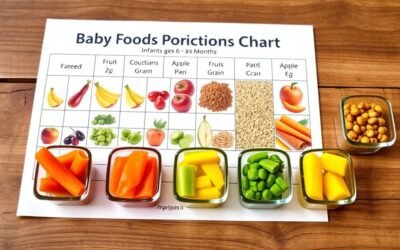
You should start introducing solid foods to your baby around 6 months. Look for signs of readiness like sitting up independently and showing interest in food. Begin with single-ingredient foods like iron-fortified cereals and introduce new items every 3 to 5 days to monitor for allergies. As your baby adjusts, gradually increase the meals. It’s important to guarantee food is soft and safe. There’s so much more to learn about making this shift smooth and enjoyable for both you and your baby.
Key Takeaways
- Begin introducing solid foods around 6 months, aligning with signs of readiness like head control and interest in food.
- Start with single-ingredient iron-fortified cereals and introduce new foods every 3 to 5 days for allergy monitoring.
- Ensure all foods are soft and pureed to prevent choking, gradually increasing texture as the baby becomes comfortable.
- Establish a feeding schedule starting with one meal a day, increasing to three meals by 9 months.
- Monitor for any reactions to new foods and maintain an hour between bottle feeds and solid foods.
When Should You Start Introducing Solid Foods to Your Baby?

When should you start introducing solid foods to your baby? The American Academy of Pediatrics recommends beginning around 6 months, aligning this timing with your baby’s readiness signs, like head control and interest in food.
Until then, it’s best to exclusively breastfeed or formula-feed, ensuring a strong nutritional balance. Starting solids too early, especially before 4 months, can lead to health risks, so patience is key.
As your little one develops, gradually incorporate solids into their diet, aiming for them to primarily consume solid foods by 12 months.
Key Signs That Indicate Your Baby Is Ready for Solids
Around 6 months of age, most babies show clear signs that they’re ready to start solid foods.
Look for these key indicators of baby readiness:
- Sitting up independently or with support
- Strong head and neck control
- Reaching for food and showing interest in the feeding process
- Moving food from a spoon to their throat without pushing it out
These feeding cues reflect that your baby is developing and curious about the world of flavors and textures.
Doubling their birth weight and weighing at least 13 pounds are additional signs of readiness.
Embrace this exciting milestone, as your baby takes their first steps toward solid foods, fostering a sense of independence and exploration in their eating journey.
Introducing Solid Foods: What to Start With

At about 6 months old, you’re ready to introduce solid foods to your baby’s diet, marking an exciting milestone in their development.
Start with single-ingredient first foods, like iron-fortified cereals or pureed fruits and vegetables. Introduce one new food every 3 to 5 days to allow for allergy monitoring. This approach helps you identify any potential reactions while ensuring your baby adapts to new tastes.
Make sure all foods are soft, pureed, or mashed to prevent choking hazards—avoid anything hard or sticky. Incorporating iron-rich foods, such as pureed meats, supports your baby’s nutritional needs.
Preparing Homemade Baby Food: Safety Tips
As you start introducing solid foods to your baby’s diet, preparing homemade baby food can be a rewarding experience.
To guarantee homemade safety and create the right food consistency, follow these essential tips:
- Always wash fruits and vegetables thoroughly to remove pesticides.
- Cook until soft enough to mash easily, avoiding choking hazards.
- Use a blender or food processor for a smooth texture, gradually increasing as your baby becomes comfortable.
- Freeze pureed food in ice cube trays, labeling the date to monitor freshness.
How to Introduce Finger Foods Safely

Introducing finger foods can be an exciting milestone in your baby’s journey to solid foods, especially when they’re ready to explore new textures and flavors. Start around 6-9 months, when your baby can sit up independently and bring objects to their mouth.
For finger food safety, choose soft, easy-to-swallow options like small pieces of banana, avocado, or well-cooked pasta, cutting them into manageable sizes to prevent choking. Avoid processed foods with added salt or sugar and steer clear of choking hazards like whole grapes and nuts.
Always supervise your baby during meals to monitor for any signs of distress. Gradually introducing a variety of finger foods not only promotes exploration but also lays the foundation for healthy eating habits.
Reading Your Baby’s Reactions to New Foods
Understanding your baby’s reactions to new foods is essential for a positive mealtime experience. By paying attention to baby cues, you can better navigate their food preferences and create a stress-free environment.
- A curious baby may open their mouth or reach for food, signaling readiness.
- If they turn away or cry, it’s likely a sign of discomfort—consider revisiting familiar foods.
- Pushing food out with their tongues is a normal reflex; don’t confuse this with rejection.
- Introducing one new single-ingredient food every 3 to 5 days helps monitor allergies and preferences.
Embrace this journey with patience, as consistent exposure to diverse flavors will encourage a love for food over time.
Your responsiveness will help your baby develop a healthy relationship with eating.
How to Establish a Feeding Schedule With Solids?
Once your baby shows readiness for solids, establishing a feeding schedule can help create a smooth mealtime routine. Start with one meal a day around 6 months, gradually increasing to two as your baby adjusts.
Pay attention to meal timing; offer solids when your baby is well-rested and interested. Keep an hour between bottle feeds and solid foods to encourage hunger, feeding solids after breastfeeding or bottle-feeding to minimize frustration.
As your baby develops, shift from purees to chewable foods and aim for three meals a day by 9 months. Consistency in meal timing will help regulate your baby’s feeding cues, making them more willing to try new foods and enjoy mealtimes as a joyful experience.
What You Need to Know About Baby Hydration and Juice?
As your baby begins exploring solid foods, it’s essential to pay attention to their hydration needs.
Remember, breast milk or formula should remain the primary source of hydration until they’re 12 months old.
Here are some hydration tips to keep in mind:
- Offer small amounts of water (less than 2 ounces per meal).
- Limit juice to 4 ounces daily, and make sure it’s 100% juice if introduced.
- Monitor wet diapers to gauge hydration.
- Consider juice alternatives like pureed fruits for added nutrition.
Key Questions About Introducing Solid Foods?
Introducing solid foods can feel overwhelming, but it’s an exciting milestone in your baby’s development. You’ll want to start around 6 months, ensuring your baby shows readiness, like sitting up and expressing interest in food.
Focus on one new single-ingredient food every 3 to 5 days to maintain allergy awareness, allowing you to spot any reactions. Begin with soft or pureed textures, opting for iron-rich choices like fortified cereals or pureed meats to support growth.
Introduce one new single-ingredient food every 3 to 5 days to monitor for allergies and support your baby’s growth with iron-rich options.
Remember, avoid cow’s milk until after 12 months, but yogurt can be introduced earlier. Always consult your pediatrician for personalized advice on feeding schedules and nutrient intake.
Embrace this journey, as introducing solid foods is a wonderful way to expand your baby’s palate and nutrition!
Frequently Asked Questions
Can I Mix Different Foods When Starting Solids?
Yes, you can mix different foods when starting solids! Experiment with food combinations and flavor pairing to enhance taste and nutrition. Just make certain you introduce one new food at a time to monitor for allergies.
How Do I Know if My Baby Is Allergic to a Food?
If your baby’s rash appears after trying peanuts, you might suspect an allergy. Watch for allergy symptoms like swelling or trouble breathing. Consult a pediatrician for food testing to confirm any concerns and guarantee safety.
Should I Use Store-Bought or Homemade Baby Food?
You should consider store-bought for convenience and safety, while homemade offers freshness. However, homemade has drawbacks like time and potential nutrient loss. Weigh your options to find what works best for your family’s needs.
How Can I Encourage My Baby to Try New Foods?
To encourage your baby to try new foods, prioritize taste exploration and consistent food exposure. Offer a variety of flavors, textures, and colors, creating a positive mealtime environment that fosters curiosity and acceptance of different foods.
What Are the Best Practices for Storing Homemade Baby Food?
Storing homemade baby food’s like safeguarding treasures. Use freezing techniques in ice cube trays for portion storage. Once frozen, transfer them to labeled bags. This keeps nutrients intact and makes feeding time a breeze for you both!
Conclusion
Introducing solid foods to your baby can feel challenging, but remember, you’re not alone in this journey. Trust your instincts and watch for your baby’s readiness cues. While some parents worry about allergies, introducing a variety of foods early can actually help reduce the risk. As you navigate this new chapter, stay patient and flexible. By following the guidelines and listening to your baby’s responses, you’ll create a positive feeding experience that sets the stage for healthy eating habits.