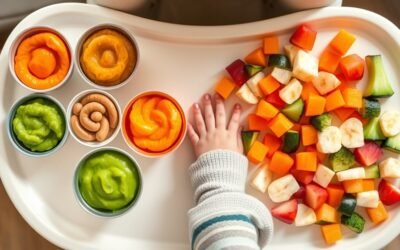
Starting solid foods is a gradual learning process, not a race to replace breast milk or formula. Most babies are ready at about 6 months when they can sit upright with support, control their head and neck, and swallow food. The safest approach combines developmentally appropriate textures, close supervision, responsive feeding, and timely introduction of nutritious foods.
Quick Answer
Most babies can start solid foods at about 6 months, once they can sit with support, control their head and neck, bring objects to their mouth, and swallow food instead of pushing it out. Begin with small portions of soft, iron-rich foods while breast milk or formula remains the main source of nutrition.
Key Takeaways
- Start at about 6 months when your baby shows several readiness signs; do not begin before 4 months.
- Offer small amounts of soft, iron- and zinc-rich foods, then increase variety, texture, and meal frequency as skills grow.
- Introduce one new food at a time at first, and do not delay common allergens once your baby is ready unless a clinician gives different advice.
- Prevent choking by seating your baby upright, preparing foods in a safe shape and texture, and supervising every bite.
- Breast milk or iron-fortified infant formula remains the main source of nutrition and hydration from 6 to 12 months; offer a little water, but no juice before age 1.
At a Glance
| Time Required | About 10–20 minutes per early meal; skills develop over several months |
| Difficulty | Beginner, with constant adult supervision |
| Tools Needed | Upright high chair, small soft spoon, cup, bib, fork or blender as needed |
| Cost | Usually low; use small portions of suitable family foods or commercial baby foods |
Medical note: This guide is general education, not a substitute for your pediatrician’s advice. Ask your baby’s clinician for an individual plan if your baby was born prematurely, has poor growth, swallowing or developmental concerns, severe eczema, a known food allergy, or another medical condition.
When Should You Start Introducing Solid Foods to Your Baby?

The CDC and the American Academy of Pediatrics recommend starting foods other than breast milk or infant formula at about 6 months. Introducing solids before 4 months is not recommended. The calendar is only one part of the decision; your baby also needs the physical skills to eat safely.
From 6 to 12 months, breast milk, iron-fortified infant formula, or a combination remains the main source of nutrition. Solid foods begin as practice and gradually provide more energy, iron, zinc, and other nutrients. By around 12 months, many children can eat a wide range of modified family foods, but the transition should follow the child’s skills and appetite.
Readiness matters more than reaching a certain weight or finishing a fixed number of meals.

Power your essentials anywhere with a 999Wh pure sine wave power station delivering up to 1000W continuous with 2000W surge. It supports fast charging via USB-C PD 60W and USB-A QC 18W, plus simultaneous output for multiple devices through AC, USB, wireless, and car/DC ports. Recharge using AC, car, or solar with a built-in MPPT controller and dual cooling fans, while the upgraded battery management system protects against surges, short circuits, and overheating.
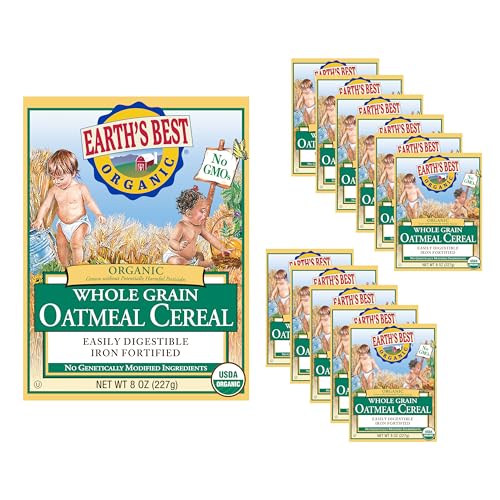
4+ MONTHS FIRST FOODS: Easily digestible infant cereal for babies transitioning from formula or breast milk to solid foods
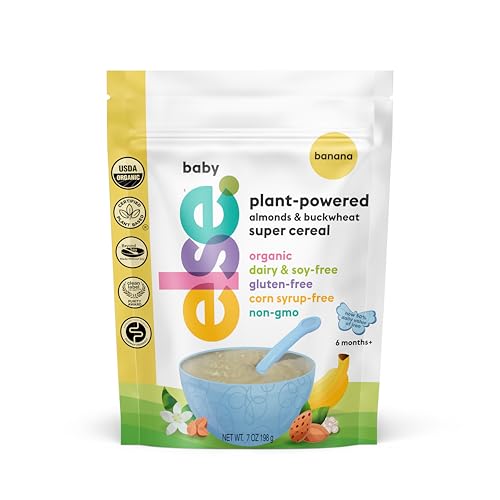
The First Solid Food for your baby: Else Super Cereal is your baby's first step into the world of solid foods. Designed for babies 6 months and older, our organic cereal provides a nutritious and gentle introduction to complementary feeding, making it the perfect stage 1 baby cereal.
Key Signs That Indicate Your Baby Is Ready for Solids
Look for several readiness signs together rather than relying on age alone. Your baby is more likely to be ready when they can:
- Sit upright alone or with support and stay steady in a high chair.
- Control their head and neck.
- Open their mouth when food is offered.
- Swallow food instead of pushing it back out onto the chin.
- Bring objects to their mouth and reach for or grasp food.
- Move food from the front to the back of the tongue.
Doubling birth weight and weighing about 13 pounds can be a secondary clue, but these numbers do not replace developmental readiness. If your baby repeatedly pushes food out, slumps in the seat, or cannot control their head, pause and try again in a week or two.
Pro Tip: Choose a time when your baby is alert, calm, and not extremely hungry. A small amount of breast milk or formula before the meal can reduce frustration; there is no need to enforce a strict one-hour gap.
Introducing Solid Foods: What to Start With

There is no required order for first foods. Start with soft foods that are rich in iron and zinc, then build variety across food groups. Good options include iron-fortified infant cereal, finely pureed or mashed meat, beans or lentils, well-cooked egg, plain whole-milk yogurt, avocado, vegetables, and fruit.
If you use infant cereal, choose iron-fortified products and rotate oat, barley, multigrain, and rice cereals instead of serving only rice cereal. The CDC recommends variety because relying only on rice cereal can increase arsenic exposure.
A Simple Step-by-Step Starting Routine
- Seat your baby upright. Use a stable high chair and secure the straps.
- Start small. Offer about half a spoonful to 1 or 2 tablespoons. Expect some food to come back out while your baby learns.
- Use one new food at a time at first. Wait 3 to 5 days before adding another new food so a reaction is easier to identify.
- Follow your baby’s cues. Continue when your baby opens their mouth or reaches for food. Stop when they turn away, close their mouth, push food away, or become upset.
- Increase texture gradually. Move from smooth purees to mashed, lumpy, finely chopped, and soft finger foods as eating skills improve.
- Build balanced meals. Over time, pair an iron-rich food with a vegetable or fruit and an energy-rich food such as avocado, yogurt, or a grain.
How to Introduce Common Food Allergens
Once your baby is developmentally ready and has tolerated a few first foods, introduce common allergens in baby-safe forms instead of delaying them. These include well-cooked egg, smooth thinned peanut or other nut butter, dairy, wheat, soy, sesame, fish, and shellfish. Offer a small amount at home, earlier in the day, and introduce one allergen at a time. If tolerated, keep the food in your baby’s diet regularly.
The American Academy of Pediatrics advises talking with a pediatrician before peanut introduction if a baby has severe eczema, an egg allergy, or a previous immediate reaction to food. Some high-risk babies may need supervised or earlier introduction.
Warning: Stop feeding and seek urgent medical help for trouble breathing, swelling of the tongue or face, repeated vomiting, widespread hives with other symptoms, unusual limpness, or a pale or blue appearance. Call 911 for a severe or rapidly worsening reaction.
Preparing Homemade Baby Food: Safety Tips
Homemade baby food can be fresh, flexible, and economical, but safe handling matters because infants are more vulnerable to foodborne illness.
- Wash your hands with soap before preparing food and after changing a diaper, touching pets, or handling raw meat or eggs.
- Wash produce under running water. Cook hard fruits and vegetables until they mash easily.
- Cook meat, poultry, fish, and eggs fully. Remove bones, skin, seeds, pits, and tough pieces.
- Use pasteurized milk products, and clean blenders, food processors, utensils, and preparation surfaces with hot soapy water.
- Transfer one serving to a clean bowl. Do not return food touched by the feeding spoon to the storage container because saliva can introduce bacteria.
- Refrigerate or freeze food promptly. The FDA says perishable baby food left without refrigeration for more than 2 hours should be discarded and homemade baby food may be frozen in dated, airtight portions for up to 3 months.
- Warm only the amount you plan to serve, stir it well, and test the temperature before feeding.
Note: Homemade baby food is not the same as homemade infant formula. Do not make infant formula from online or family recipes; use breast milk or a properly prepared commercial infant formula unless your clinician directs otherwise.
How to Introduce Finger Foods Safely

Finger foods can begin when your baby can sit upright, bring objects to their mouth, and grasp food. This often happens between 6 and 9 months, but skill matters more than the exact age. Spoon-feeding, self-feeding, or a combination can all work when the food is prepared safely and the baby controls how much to eat.
Choose foods that are soft enough to mash between your fingers or break apart easily in the mouth. Examples include ripe banana or avocado, strips of soft cooked vegetables, well-cooked pasta, scrambled egg, soft shredded meat, and toast fingers with a thin spread.
Follow the CDC’s choking-prevention guidance: keep your baby seated upright, remove distractions, prepare food for their developmental level, and watch them the entire time. Avoid whole grapes and cherry tomatoes, raw apple or carrot pieces, whole nuts, popcorn, chunks or spoonfuls of nut butter, hot-dog rounds, hard candy, tough meat, and large cheese cubes.
Warning: Never leave a baby alone with food or let them eat while lying down, crawling, walking, riding in a stroller, or traveling in a car. If your baby cannot breathe, cough, or cry, call 911 and begin infant choking first aid if you are trained.
Reading Your Baby’s Reactions to New Foods
Babies communicate clearly during meals. Responsive feeding means you offer suitable food and your baby decides whether and how much to eat.
- Hunger or interest: opening the mouth, leaning toward food, reaching, or becoming excited when food appears.
- Fullness or discomfort: turning away, closing the mouth, slowing down, pushing the spoon away, playing with food, or crying.
- Learning the skill: coughing, gagging, or pushing food out can happen as a baby adjusts to new textures. Pause, keep the meal calm, and make sure the texture is appropriate.
- Possible allergy: hives, swelling, vomiting, coughing, wheezing, or sudden unusual sleepiness after a food needs prompt medical attention.
Do not force a bite or treat a funny face as a firm rejection. A new taste may need repeated, pressure-free exposure before it becomes familiar. Return to a previously tolerated food if your baby seems overwhelmed, then try the new food again another day.
How to Establish a Feeding Schedule With Solids
Start with one short solid-food meal each day, then add a second and third meal as your baby becomes interested and skilled. Begin with 1 or 2 tablespoons and let hunger and fullness cues guide the amount. Many babies move toward three meals during later infancy, but “three meals by 9 months” is not a rule every baby must meet.
Breast milk or formula remains the main food from 6 to 12 months. Offer solids when your baby is rested and calm. If they are frantic with hunger, give a little breast milk or formula first, then offer solids and finish the milk feed as needed. A strict one-hour separation between milk and solids is not necessary.
As your baby grows, regular meal and snack times can help create a routine. Avoid constant grazing, keep mealtimes relaxed, and stop when your baby shows fullness. Contact your pediatrician if feeding regularly causes coughing, choking, pain, vomiting, poor weight gain, or strong distress.
Warning: Do not put infant cereal or other food in a bottle unless your baby’s clinician specifically prescribes it for a medical reason. Thickening a bottle without guidance can raise choking and overfeeding risks.
What You Need to Know About Baby Hydration and Juice
Breast milk or properly prepared infant formula should remain your baby’s main drink until 12 months. At about 6 months, you can offer small sips of plain water in an open, straw, or training cup. The AAP’s general range is about 4 to 8 ounces of water per day for babies 6 to 12 months, with most fluid still coming from milk feeds.
Do not give fruit or vegetable juice before 12 months. After the first birthday, juice is still optional; whole fruit provides fiber and is usually the better choice. Watch wet diapers, alertness, tears, and mouth moisture. Call your pediatrician promptly if you are worried about dehydration or your baby is not taking fluids.
Foods and Drinks to Avoid During the First Year
Some foods are unsafe or do not meet an infant’s needs. The CDC recommends avoiding or limiting the following:
- Honey before 12 months: including honey in cooked foods, drinks, or on a pacifier, because of infant botulism risk.
- Cow’s milk or plant-based beverages as the main drink before 12 months: pasteurized yogurt and cheese may be introduced earlier in suitable forms.
- Fruit or vegetable juice before 12 months: offer mashed or soft whole fruit instead.
- Unpasteurized milk, cheese, yogurt, or juice: these may contain harmful bacteria.
- Foods with added sugars and foods high in sodium: choose plain, minimally processed foods when possible.
- Fish high in mercury: choose lower-mercury fish and remove every bone.
- Hard, round, sticky, or tough foods: modify shape and texture to reduce choking risk.
Key Questions About Introducing Solid Foods
Before each meal, run through four simple checks:
- Is my baby ready? They should be alert, seated upright, and able to control their head and neck.
- Is the food safe? The texture, shape, and size should match current eating skills.
- Is the meal useful? Include iron-rich foods often and build variety across proteins, grains, vegetables, fruits, and pasteurized dairy.
- Am I following my baby’s cues? Offer food without pressure and stop when your baby shows fullness.
Your job is to offer safe, nutritious food in a calm setting. Your baby’s job is to decide whether and how much to eat.
Frequently Asked Questions
Can I mix different foods when starting solids?
Yes. Introduce foods separately at first so you can identify reactions. After your baby has tolerated each ingredient, you can combine them—for example, oatmeal with pear, lentils with vegetables, or yogurt with mashed fruit.
How do I know if my baby is allergic to a food?
Possible symptoms include hives, swelling, vomiting, coughing, wheezing, or sudden unusual sleepiness. Stop the food and contact your pediatrician. Call 911 for breathing trouble, swelling of the tongue or face, a pale or blue appearance, collapse, or a rapidly worsening reaction.
Should I use store-bought or homemade baby food?
Either can work. Commercial food is convenient and portioned; homemade food gives you control over ingredients and texture. For both, choose age-appropriate textures, avoid added sugar and excess sodium, check packaging, and handle leftovers safely.
How can I encourage my baby to try new foods?
Keep meals calm, eat together when possible, and offer small amounts without pressure. Let your baby touch and smell food. A refusal on one day does not mean a permanent dislike, so try the food again later in a safe texture.
What are the best practices for storing homemade baby food?
Use clean, airtight, dated containers and refrigerate or freeze food promptly. Serve from a separate bowl, discard food contaminated by the used spoon, and throw away perishable food left out for more than 2 hours. FDA guidance allows frozen homemade baby food to be stored for up to 3 months.
How much water or juice can a 6- to 12-month-old have?
Offer about 4 to 8 ounces of plain water per day once solids begin, usually in a cup. Breast milk or formula should provide most fluids. Do not offer fruit or vegetable juice before 12 months.
What should I do if my baby gags on a new texture?
Stay calm, pause the feeding, and let your baby recover while you watch closely. Gagging, coughing, or spitting food out can occur while learning. Recheck the food’s texture and size. If your baby cannot breathe, cough, or cry, treat it as choking and call 911.
Can I put infant cereal in a bottle?
Not routinely. Cereal in a bottle does not help most babies sleep longer and can increase choking or overfeeding risk. Only thicken a bottle when your baby’s clinician gives specific instructions for a medical reason.
Conclusion
Introducing solid foods should feel gradual, flexible, and responsive. Start at about 6 months when your baby is developmentally ready, keep breast milk or formula at the center of nutrition, and offer small portions of iron-rich foods in safe textures. Introduce allergens without unnecessary delay, avoid juice and honey during the first year, and supervise every meal. Your baby may accept some foods quickly and need many calm tries with others; steady exposure and attention to their cues matter more than following a perfect schedule.
Sources
- CDC: When, What, and How to Introduce Solid Foods — timing, readiness, first foods, textures, and food preparation.
- CDC: Choking Hazards — safe seating, supervision, preparation, and high-risk food shapes.
- CDC: Foods and Drinks to Avoid or Limit — honey, juice, cow’s milk, added sugar, sodium, mercury, and unpasteurized foods.
- American Academy of Pediatrics: Starting Solid Foods — feeding approach, portions, readiness, water, juice, and cereal-in-bottle guidance.
- American Academy of Pediatrics: Introducing Common Food Allergens — allergen timing, safe forms, and high-risk infants.
- FDA: Once Baby Arrives—Food Safety — hygiene, storage, freezing, leftovers, and pasteurization.