
Baby food portion sizes are best treated as flexible starting points, not amounts your child must finish. Most babies begin solids at about 6 months, when they can control their head, sit with support, bring objects to their mouth, and swallow food instead of pushing it back out. From there, portions and meal frequency can grow gradually with appetite and feeding skills.
Quick Answer
Around 6 months, begin with a few small tastes and work toward 1 to 2 tablespoons of soft food at a meal. Add larger servings and more meals gradually as your baby shows hunger and develops eating skills. Breast milk or iron-fortified formula remains the main source of nutrition through 12 months.
Key Takeaways
- Start solids at about 6 months when your baby shows developmental readiness; routine feeding before 4 months is not recommended.
- Begin with a few tastes or 1 to 2 tablespoons, then offer more when your baby remains interested and hungry.
- Breast milk or iron-fortified formula remains the main nutrition through the first birthday.
- Prioritize iron-rich foods, vegetables, fruits, healthy fats, dairy without added sugar, and whole grains in safe textures.
- Stop feeding when your child closes their mouth, turns away, pushes food aside, or otherwise signals fullness.
Note: This guide provides general feeding information for healthy, full-term children. A premature baby or a child with poor growth, swallowing trouble, developmental delays, food allergies, or a medical condition may need an individualized plan from a pediatrician or registered dietitian.
Understanding Baby Food Portion Sizes: A Guide for Parents
A baby’s appetite can change from one meal or day to the next. Growth spurts, teething, illness, fatigue, and how much breast milk or formula they recently had can all affect how much they want. Instead of measuring success by an empty bowl, offer a small amount first and provide more when your child is still hungry.
The Centers for Disease Control and Prevention recommends starting with 1 to 2 tablespoons of food and watching for hunger and fullness cues. One tablespoon equals 3 teaspoons, one-quarter cup equals 4 tablespoons, and one-half cup equals 8 tablespoons.
| Age or Stage | Practical Starting Portion | Common Feeding Rhythm | Suitable Textures |
|---|---|---|---|
| Around 6 months | A few small tastes, building toward 1 to 2 tablespoons total | Once daily at first, while continuing normal milk feeds | Smooth mashed, puréed, or strained foods |
| 6 to 8 months | Begin with 1 to 2 tablespoons of each food and offer more if wanted | Often 1 to 2 meals daily | Thicker mash, soft lumps, and dissolvable or very soft finger foods when ready |
| 8 to 12 months | About 2 to 4 tablespoons of several foods, followed by more as requested | Often 2 to 3 meals, with an optional snack as appetite grows | Mashed, lumpy, finely chopped, shredded, and soft finger foods |
| 12 to 24 months | Start with 1 to 2 tablespoons of each meal component and allow seconds | Usually 3 meals and 2 to 3 planned snacks | Soft family foods cut or cooked to reduce choking risk |
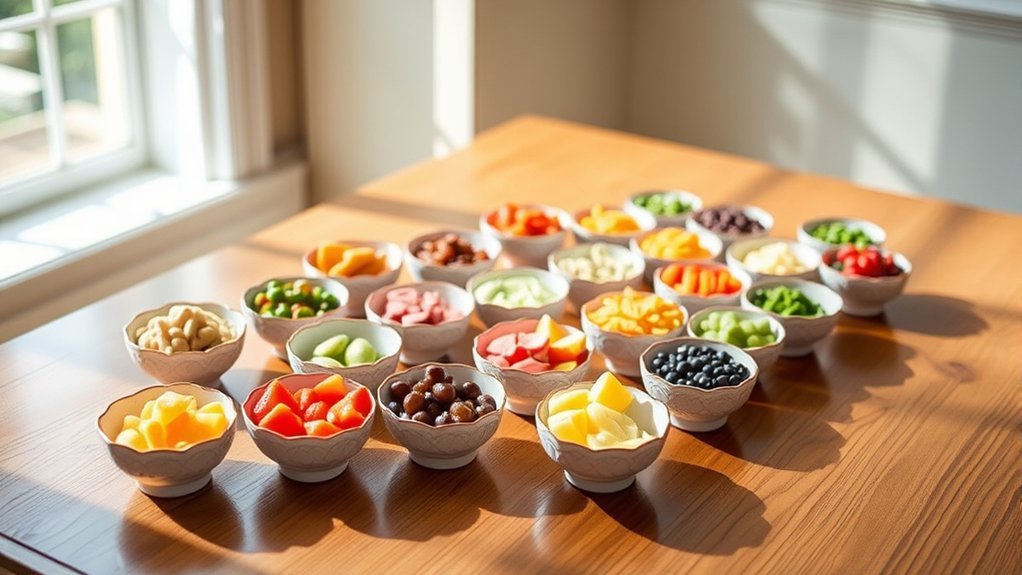
Offer an appropriate food at a regular time, then let your baby decide whether to eat and how much. Finishing the bowl is not the goal.

Power your essentials anywhere with a 999Wh pure sine wave power station delivering up to 1000W continuous with 2000W surge. It supports fast charging via USB-C PD 60W and USB-A QC 18W, plus simultaneous output for multiple devices through AC, USB, wireless, and car/DC ports. Recharge using AC, car, or solar with a built-in MPPT controller and dual cooling fans, while the upgraded battery management system protects against surges, short circuits, and overheating.

BABY'S FIRST FOOD CHECKLIST: Our large fridge magnet is perfect for tracking your baby's food journey as they try new foods for the first time. You can easily plan each meal while introducing your baby to an assortment of flavors to help minimize picky eating

Baby Food Portion Sizes Around 6 Months
Most babies are ready to begin solids at about 6 months. According to the current Dietary Guidelines for Americans, 2025–2030, readiness is based on development as well as age.
Your baby may be ready when they can:
- Sit alone or with support and remain reasonably upright.
- Control their head and neck.
- Reach for objects and bring them to their mouth.
- Open their mouth when food is offered.
- Move food toward the back of the mouth and swallow it.
- Keep more food in the mouth instead of pushing most of it onto the chin.
At the first few meals, one or two small spoonfuls may be enough. Gradually work toward approximately 1 to 2 tablespoons. Offer food when your baby is awake and calm rather than extremely hungry, tired, or upset.
Good first choices include:
- Iron-fortified infant cereal prepared with breast milk or formula.
- Purée or finely mashed meat, poultry, beans, lentils, or tofu.
- Mashed avocado, banana, pear, sweet potato, peas, or squash.
- Plain full-fat yogurt without added sugar.
- Well-cooked egg mashed to a safe texture.
There is no required order for fruits, vegetables, grains, or protein foods. However, include an iron-rich food regularly because iron needs rise during the second half of infancy.
Pro Tip: Put only a small serving in the bowl or on the tray and keep the remaining food separate. You can offer seconds without repeatedly serving and discarding a large portion.
Serving Sizes for 6 to 8 Months
As feeding skills improve, many babies move from one small meal to one or two meals each day. Continue breastfeeding or formula feeding according to your baby’s usual routine. Solids complement milk during this stage rather than replacing it.
A practical meal may begin with:
- 1 to 2 tablespoons of an iron-rich food, such as meat, beans, egg, tofu, or iron-fortified cereal.
- 1 to 2 tablespoons of a vegetable or fruit.
- A small amount of full-fat plain yogurt, avocado, or another energy-rich food.
Offer more if your baby opens their mouth, reaches for food, becomes excited when the spoon approaches, or signals that they want another bite. Stop when they consistently turn away, close their mouth, lean away, or push the food aside.
Do not keep every food completely smooth for too long. As your baby handles purées well, move toward thicker mashes and soft lumps. Texture practice helps your baby learn to move food around the mouth and prepare for chopped and finger foods.
Transitioning to Solid Foods: Serving Sizes for 8 to 12 Months

Between 8 and 12 months, solids usually become a larger part of the day. Many babies work toward two or three meals and may have a planned snack, but there is no need to force a fixed schedule before your child is ready.
Start with about 2 to 4 tablespoons of several meal components. A hungry baby may eat more, while a baby who recently nursed or had formula may eat less.
Sample Breakfast
- 2 to 4 tablespoons of iron-fortified oatmeal or scrambled egg.
- 2 to 4 tablespoons of mashed or finely diced soft fruit.
- Breast milk or formula according to the baby’s normal feeding pattern.
Sample Lunch
- 2 to 4 tablespoons of mashed beans, shredded chicken, ground meat, tofu, or plain yogurt.
- 2 to 4 tablespoons of soft cooked vegetables.
- A small serving of avocado, potato, rice, pasta, or another soft energy food.
Sample Snack
- Soft ripe fruit, plain yogurt, or a strip of toast with a very thin layer of smooth nut butter.
- A small amount of water in an open cup or straw cup.
By this stage, encourage safe self-feeding when your baby can grasp food and bring it to their mouth. Soft strips, finely shredded foods, and small pieces that flatten easily between two fingers are usually easier to manage than hard, round, or slippery pieces.
How Much Breast Milk, Formula, Water, and Cow’s Milk?
Breast milk or iron-fortified infant formula remains the main source of nutrition until 12 months. Avoid using one daily ounce target for every child: nursing frequency cannot be converted reliably into ounces, and formula intake changes as solids increase.
- Birth to about 6 months: Breast milk or iron-fortified formula provides the primary nutrition. Do not add cereal or other food to a bottle unless a clinician gives a specific medical instruction.
- 6 to 12 months: Continue breast milk or formula while gradually adding food. The CDC says babies in this age range may also have about 4 to 8 ounces of water a day from a cup. See the CDC’s foods and drinks to encourage.
- Before 12 months: Do not replace breast milk or formula with cow’s milk or plant-based beverages. Yogurt and pasteurized cheese can be offered as foods in suitable portions and textures.
- After 12 months: Plain, pasteurized whole cow’s milk may be introduced. Fortified, unsweetened alternatives may be appropriate in some situations, but their nutrient content varies, so discuss substitutions with your child’s clinician.
- Juice: Babies younger than 12 months should not drink juice. Whole fruit offers more fiber and feeding practice.
Warning: Do not give honey in food, water, formula, baked dishes, or on a pacifier before 12 months because it can cause infant botulism. Do not use cow’s milk as a main drink before 12 months. Review the CDC’s foods and drinks to avoid or limit.
Encouraging Healthy Eating: Portion Guidelines for Toddlers
After the first birthday, growth usually slows compared with infancy, so toddler appetite can be unpredictable. A child may eat a large breakfast and very little dinner, or eat well one day and lightly the next. Look at the overall pattern across several days rather than judging one meal.
For a 12- to 24-month-old, begin a meal with approximately 1 to 2 tablespoons of each food. Offer more when your child asks or continues showing hunger. A simple starting plate might include:
- 1 to 2 tablespoons of ground meat, fish, egg, tofu, or soft beans.
- 1 to 2 tablespoons of cooked vegetables.
- 1 to 2 tablespoons of soft fruit.
- 1 to 2 tablespoons of rice, pasta, potato, oatmeal, or another grain or starch.
Some toddlers will eat substantially more than these starting amounts. The purpose of a small serving is to make the meal manageable and reduce pressure, not to restrict food.
A regular routine of three meals and two or three planned snacks often works well. Try to leave roughly two to three hours between eating opportunities rather than allowing continuous grazing. Water can be available between meals.
Let your toddler practice using a spoon, drinking from an open or straw cup, and choosing from the foods you provide. Messy self-feeding is part of learning.
How to Build a Balanced Baby or Toddler Meal
You do not need to include every food group at every sitting. Across the day, aim to offer a range of nutrient-dense foods in safe textures.
A useful meal formula is:
- One iron- or protein-rich food: Meat, poultry, low-mercury fish, egg, beans, lentils, tofu, or iron-fortified cereal.
- One vegetable or fruit: Soft cooked vegetables, mashed fruit, or ripe fruit cut safely.
- One energy food: Avocado, plain full-fat yogurt, potato, rice, oatmeal, pasta, or whole-grain bread.
- A suitable drink: Breast milk or formula before 12 months; water in a cup with meals; plain whole milk may be offered beginning at 12 months.
Avoid added sugars during infancy and early childhood. Choose plain yogurt instead of sweetened yogurt, whole fruit instead of juice, and unsweetened cereals rather than desserts marketed as baby snacks.
Do not depend only on fruit and vegetable purées. Once solids begin, regularly offer iron-rich foods because iron supports healthy growth and development.
Textures and Choking Safety
Texture should progress with your baby’s skills. A child who begins with smooth foods can move to thick mash, soft lumps, finely chopped food, shredded meat, and soft finger foods. Delaying all texture changes may make it harder for some children to accept lumpy food later.
Always seat your child upright in a secure highchair or suitable feeding seat. An adult should remain close, attentive, and able to see the child throughout the meal. Eating while walking, lying down, riding in a car, or playing increases risk.
The CDC’s choking-hazard guidance recommends avoiding or modifying foods such as:
- Whole nuts and seeds.
- Thick spoonfuls or chunks of nut butter.
- Whole grapes, cherries, berries, or cherry tomatoes.
- Hard raw carrot, apple, or other firm produce pieces.
- Popcorn, chips, pretzels, hard candy, and gummy candy.
- Hot-dog rounds, meat sticks, tough meat, and large cheese cubes.
- Foods containing bones, pits, or hard seeds.
Quarter grapes and small tomatoes lengthwise, cook firm produce until soft, remove bones and pits, shred or finely chop meat, and thin smooth nut butter with water, breast milk, formula, yogurt, or purée. Never serve a baby a whole nut or a thick spoonful of nut butter.
Warning: Gagging can be noisy and may occur while a baby learns new textures. Choking may be silent and can prevent breathing. Learn infant and child choking first aid from a qualified course, supervise every meal, and call emergency services immediately if your child cannot breathe, cry, or cough effectively.
Introducing Allergenic Foods Safely
Once your baby is ready for solids, potentially allergenic foods such as well-cooked egg, peanut, dairy foods, wheat, sesame, soy, fish, and shellfish do not need to be delayed without a medical reason. Offer them in an age-appropriate form and begin with a small amount.
Examples include:
- Smooth peanut butter thinned into warm water, breast milk, formula, cereal, yogurt, or fruit purée.
- Well-cooked egg mashed or cut into a soft, manageable texture.
- Plain full-fat yogurt rather than cow’s milk as a drink before age 1.
- Soft flaked fish with every bone carefully removed.
- Wheat cereal or soft toast prepared in a safe shape.
Introduce a new allergenic food at home when your baby is healthy and you can observe them. Once tolerated, continue including it in the diet in safe forms rather than offering it once and then avoiding it for months.
Talk with your pediatrician before peanut introduction if your baby has severe eczema, egg allergy, or a previous immediate reaction to food. Current federal guidance notes that high-risk infants may benefit from clinician-guided peanut introduction as early as 4 to 6 months.
Stop feeding the new food and contact your child’s clinician for symptoms such as hives, a new rash, repeated vomiting, diarrhea, or facial swelling. Call emergency services for trouble breathing, wheezing, tongue or throat swelling, collapse, severe lethargy, or a rapidly worsening reaction.
Recognizing Your Baby’s Hunger and Fullness Signals

Responsive feeding means offering suitable food while allowing your child to control how much they eat. The CDC’s guide to hunger and fullness cues recommends watching your child’s movements and behavior instead of requiring a clean plate.
Your Baby May Still Be Hungry If They:
- Reach or point toward food.
- Open their mouth when the spoon or food approaches.
- Become excited when they see food.
- Lean forward or make sounds and gestures asking for more.
- Continue eating eagerly after the initial serving.
Your Baby May Be Full If They:
- Close their mouth when food is offered.
- Turn their head or body away.
- Push the spoon, bowl, or food away.
- Slow down and lose interest in eating.
- Use sounds or gestures to indicate they are finished.
Playing with food or utensils may mean your child is full, distracted, tired, or simply exploring. Look for several cues together before deciding whether the meal is over.
Do not distract your child into taking extra bites or use food as a reward or punishment. Pressure can make mealtimes stressful and interfere with the child’s ability to respond to appetite.
When to Ask a Pediatrician or Feeding Specialist
Contact your child’s pediatrician, registered dietitian, or feeding specialist when:
- Your baby is not showing readiness for solids near the expected age.
- Your child frequently coughs, chokes, arches, or has difficulty swallowing during meals.
- Meals regularly last much longer than 30 minutes or cause intense distress.
- Your baby refuses nearly all textures or cannot progress beyond smooth purées.
- There is poor weight gain, weight loss, unusual sleepiness, or fewer wet diapers.
- Your child repeatedly vomits, has persistent diarrhea, or develops possible allergy symptoms after eating.
- Your child has severe eczema, a known food allergy, or a previous immediate food reaction.
- You are unsure about vitamin D, iron, formula intake, milk alternatives, or a restricted diet.
Seek urgent medical help for breathing difficulty, blue or gray coloring, tongue or throat swelling, unresponsiveness, or a suspected complete airway blockage.
Frequently Asked Questions
How do I know if my baby is ready for solids?
Most babies are ready at about 6 months when they can sit upright with support, control their head and neck, reach for objects, open their mouth for food, and swallow food rather than pushing it back out. Interest in your meal alone is not enough if these physical skills are absent.
Can I mix different foods for my baby?
Yes. Once your baby has tolerated individual ingredients, you can combine them into balanced meals, such as oatmeal with pear and thinned peanut butter or mashed beans with avocado and sweet potato. When tracking a possible reaction, serving one new ingredient at a time makes the cause easier to identify.
What allergenic foods should I introduce early?
Common allergenic foods include peanut, egg, dairy foods, wheat, sesame, soy, fish, and shellfish. They may generally be introduced in infant-safe forms at about 6 months. Ask your pediatrician first if your baby has severe eczema, egg allergy, or a previous immediate food reaction.
How often should I feed my baby solid foods?
Begin with one small meal a day. Many babies progress to one or two meals between 6 and 8 months and two or three meals by 8 to 12 months. Treat this as a flexible progression, not a deadline, and continue normal breast milk or formula feeds.
What should I do if my baby refuses to eat?
Stay calm and end the meal when your baby consistently turns away or closes their mouth. Offer the food again on another day without pressure. Children often need repeated exposure to a taste or texture before accepting it. Contact your pediatrician if refusal affects growth, hydration, or texture development.
How do I know whether my baby ate enough?
Watch your baby rather than the bowl. A child who turns away, closes their mouth, pushes food aside, or loses interest is probably finished. Growth, wet diapers, energy, and the overall eating pattern matter more than the amount eaten at one meal.
Is gagging the same as choking?
No. Gagging is often noisy and may happen while a baby learns to manage texture. Choking can be silent and may prevent breathing or crying. Supervise meals closely, use safe food shapes, learn child choking first aid, and call emergency services for an ineffective cough or inability to breathe.
Conclusion
Baby food portion sizes should grow with your child rather than follow a rigid chart. Begin around 6 months with a few tastes or 1 to 2 tablespoons, continue breast milk or formula through the first year, and gradually add larger servings, more meals, and varied textures. Offer nutrient-dense foods, prepare them safely, and let your child’s hunger and fullness cues determine how much is eaten.
Some meals will be large and others will be tiny. That normal variation is less important than steady growth, safe feeding skills, regular exposure to nutritious foods, and calm mealtimes. Contact your child’s pediatrician whenever growth, swallowing, allergies, hydration, or feeding development causes concern.
Sources
- Dietary Guidelines for Americans, 2025–2030 — current federal guidance on breastfeeding, formula, solids, allergens, nutrient-dense foods, and readiness signs.
- CDC: How Much and How Often to Feed — starting portions, feeding routines, and flexible appetite guidance.
- CDC: Foods and Drinks to Encourage — food variety, water, milk, and age-appropriate drink guidance.
- CDC: Foods and Drinks to Avoid or Limit — honey, juice, cow’s milk, added sugars, and other feeding restrictions.
- CDC: Choking Hazards — foods that require avoidance or modification for babies and toddlers.
- CDC: Signs Your Child Is Hungry or Full — recognized hunger and fullness cues for responsive feeding.