
Baby food preservatives help extend shelf life and prevent spoilage, but they can pose health risks for your little one. Common additives like ascorbic and citric acid may trigger allergic reactions or behavioral issues in sensitive infants. The American Academy of Pediatrics recommends minimizing preservatives and opting for fresh, homemade options when possible. Be sure to check labels for minimal processing and avoid products with long ingredient lists. Discover more about safe baby food choices and natural alternatives.
Key Takeaways
- Preservatives like ascorbic acid and citric acid are commonly used in baby food to extend shelf life and prevent spoilage.
- Infants are more vulnerable to preservatives, which may lead to allergic reactions and behavioral issues, so caution is advised.
- The American Academy of Pediatrics recommends minimizing exposure to preservatives and prioritizing clean, preservative-free food options for infants.
- Homemade baby food allows parents to control ingredients and reduce contamination risks while catering to specific dietary needs.
- When selecting baby food, look for short ingredient lists and “preservative-free” labels to ensure healthier choices.
What Are Baby Food Preservatives and Why Are They Used?
When you choose baby food, it’s important to understand what preservatives are and why they’re used.
Preservatives are substances added to prolong shelf life and prevent spoilage from microbial growth, ensuring safety in various baby food types. Common preservatives like ascorbic acid and citric acid help maintain freshness and prevent oxidation, contributing to the nutritional benefits of the food.
While some preservatives are considered safe in small amounts, concerns linger about their long-term effects on developing infants. Many commercial baby food options are free from harmful preservatives, using only natural alternatives like lemon juice.
How Do Preservatives Impact Infant Health?
Although preservatives can extend the shelf life of baby food, their impact on infant health is a growing concern among parents and experts alike. Certain preservative types may lead to allergic reactions and behavioral issues, as infants are more vulnerable due to their developing bodies.
While some, like ascorbic acid, are generally deemed safe in small amounts, the long-term effects of various preservatives remain uncertain. The American Academy of Pediatrics urges caution with baby foods high in preservatives, especially those with lengthy shelf lives.
To minimize chemical exposure and guarantee nutritional quality, you should prioritize clean, preservative-free products and consider making homemade baby food. Your infant’s health deserves the best, and avoiding unnecessary additives is a step in the right direction.
Common Baby Food Preservatives and Their Effects
When choosing baby food, it’s important to know the common preservatives used, like ascorbic acid and citric acid, which help extend shelf life.
While ascorbic acid is generally safe in small amounts, excessive intake can pose risks, especially for sensitive infants.
Understanding these preservatives and their potential health effects will help you make informed choices for your child’s nutrition.
Common Preservatives Used
Preservatives play an essential role in baby food, helping to prevent spoilage and maintain freshness. Common preservatives like ascorbic acid (Vitamin C) and citric acid are widely used and generally deemed safe for infants in small quantities.
Many brands opt for natural additives, such as lemon juice, to preserve their products while keeping them wholesome. You’ll find that many baby food options—particularly jars and pouches—are free of unnecessary preservatives, retaining only important vitamins.
Choosing organic options can further minimize exposure to synthetic preservatives. As a conscious parent, it’s imperative to read labels carefully, opting for products with shorter ingredient lists that indicate minimal processing and a focus on your baby’s health and well-being.
Potential Health Risks
While many preservatives are used to enhance the shelf life of baby food, it’s essential to be aware of the potential health risks they may pose to your little one.
Common preservatives like ascorbic acid and citric acid can raise health concerns, especially given infants’ vulnerability to chemical exposure. Their developing organs make them more susceptible to side effects, including allergies and behavioral issues.
The American Academy of Pediatrics advises against added sugars and preservatives for children under 2. While natural options are generally safe in moderation, it’s wise to contemplate their cumulative effects.
Always read labels carefully to prioritize infant safety and guarantee your baby’s diet remains wholesome and free from harmful additives.
Safe Levels of Baby Food Preservatives?
When it comes to baby food preservatives, understanding safe levels is essential for your child’s health.
While the American Academy of Pediatrics doesn’t specify exact limits, they recommend minimizing exposure due to potential health risks.
It’s important to take into account both the preservatives used and the long-term effects on your little one.
Recommended Daily Limits
How can you guarantee the baby food you choose is safe regarding preservatives? Start by understanding that the American Academy of Pediatrics advises avoiding added sugars for children under 2 and suggests keeping added sugars under 10% of daily calories for older kids.
While some preservatives like ascorbic acid and lemon juice are generally safe in small amounts, caution is still essential. Unfortunately, there’s no consensus on safe daily limits for chemical preservatives, so you’ll need to read labels meticulously.
Many baby foods contain preservatives for longer shelf life, but they may also have artificial additives. The FDA hasn’t set specific regulations, so prioritizing products with minimal processing guarantees safer consumption for your little one.
Potential Health Risks
Understanding the potential health risks associated with preservatives in baby food is essential for ensuring your child’s safety.
Babies are particularly sensitive to these additives, which can lead to concerns about allergies and even ADHD. While the AAP hasn’t established clear safe levels, you can take steps to minimize risks:
- Read labels carefully to identify preservatives.
- Choose products with shorter ingredient lists to reduce chemical exposure.
- Prioritize fresh or minimally processed options to avoid high preservative levels.
- Stay informed about the long-term effects of preservatives like ascorbic acid, as ongoing research may reveal more about their impact.
Effective Natural Alternatives to Chemical Preservatives

As parents seek healthier options for their little ones, effective natural alternatives to chemical preservatives become essential in homemade baby food.
You can use natural ingredients like ascorbic acid (Vitamin C) and lemon juice, which inhibit microbial growth and extend shelf life without harmful effects.
Vinegar, derived from fermented fruits, offers antimicrobial properties, making it suitable for your recipes.
Vinegar, made from fermented fruits, provides natural antimicrobial properties, making it an excellent addition to your baby food recipes.
Additionally, essential oils such as rosemary and thyme not only enhance flavor but also provide antioxidant benefits to maintain freshness.
Freezing is a fantastic method to preserve the nutritional quality of baby food, allowing you to prepare meals ahead without chemical additives.
Tips for Reading Baby Food Labels
What should you look for when reading baby food labels? Prioritizing label clarity and ingredient transparency is essential for your child’s nutrition. Here are some tips to guide you:
- Short Ingredient Lists: Opt for products with recognizable whole foods to avoid ultra-processed items filled with unhealthy additives.
- Added Sugars: Check for added sugars; the American Academy of Pediatrics advises against sugar for kids under 2 to promote healthier habits.
- Watch for “Natural Flavors”: This term can hide questionable ingredients not explicitly listed.
- Expiration Dates: Favor products with shorter shelf lives, as they’re generally fresher and less likely to contain preservatives.
Is Homemade Baby Food a Healthier Option?
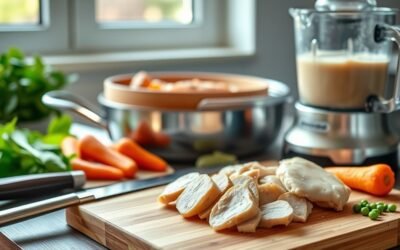
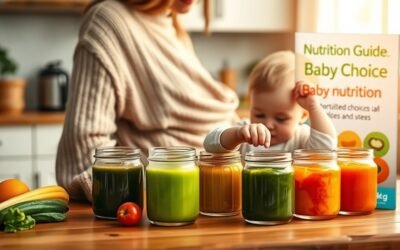
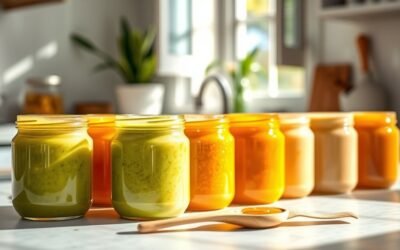
When you consider your baby’s nutrition, homemade baby food often emerges as a healthier option. You gain control over ingredients, eliminating preservatives and artificial additives that could compromise your child’s health. Additionally, you can customize flavors and textures, fostering healthy eating habits.
| Aspect | Homemade Baby Food | Commercial Baby Food |
|---|---|---|
| Control over Ingredients | Yes | Limited |
| Nutritional Benefits | High (fresh, whole foods) | Variable, may contain additives |
| Cost-Effectiveness | Typically lower | Often higher, especially organic |
| Preparation Methods | Flexible (batch cooking & freezing) | Fixed (single-serving jars) |
| Contamination Risk | Lower (fresh ingredients) | Higher (possible heavy metals) |
Recommendations for Choosing Preservative-Free Baby Products
To guarantee your baby gets the healthiest options, focus on selecting products that are free from artificial preservatives and additives.
Here are some recommendations to contemplate:
- Choose products with short ingredient lists; longer lists usually mean more processing.
- Look for brands that specifically label their products as “preservative-free” for ingredient transparency.
- Opt for jars and pouches with shorter expiration dates, indicating fresher products with fewer preservatives.
- Contemplate making homemade baby food to maximize the homemade benefits and maintain complete control over ingredients.
Understanding Allergies Related to Preservatives in Baby Foods
Selecting preservative-free baby food is a significant step toward ensuring your infant’s health, but it’s equally important to understand how certain preservatives can affect your baby.
Some preservatives, like sulfites and benzoates, can trigger allergy symptoms in sensitive infants, leading to reactions such as hives or respiratory issues. The rise in food allergies among children means you must monitor ingredient labels closely, as preservatives like sodium nitrite and potassium sorbate may pose increased risks.
The American Academy of Pediatrics emphasizes the need for vigilance regarding allergens, as reactions can vary widely. Being aware of potential infant sensitivities helps you make informed choices, allowing you to eliminate harmful additives and protect your baby’s well-being.
Frequently Asked Questions
Can Preservatives Affect My Baby’s Growth and Development?
Yes, preservatives can affect your baby’s growth and development. Adhering to safety guidelines guarantees you’re choosing foods with minimal nutritional impact, supporting ideal health. Always check labels to make informed choices for your little one.
Are All Baby Food Preservatives Harmful?
Not all baby food preservatives are harmful, like not every storm brings destruction. Many meet safety regulations, but exploring natural alternatives can offer peace of mind. Always check labels to guarantee your baby’s nourishment is safe.
How Can I Identify Preservatives in Baby Foods?
To identify preservatives in baby foods, read the label carefully. Check ingredient lists for common preservatives like sodium benzoate or potassium sorbate, ensuring you know what your baby’s consuming for healthier choices.
What Symptoms Indicate a Reaction to Baby Food Preservatives?
You might notice allergic reactions like rashes or swelling, alongside digestive issues such as vomiting or diarrhea, if your baby reacts to food preservatives. Always consult a pediatrician for advice tailored to your child’s needs.
Are Organic Baby Foods Preservative-Free?
Organic baby foods often boast preservative-free labels, thanks to strict organic certifications. By prioritizing natural ingredient sourcing, these products provide a wholesome choice, allowing you to nourish your little one without unnecessary additives.
Conclusion
In summary, being aware of baby food preservatives is essential for your child’s health. For example, a study found that infants exposed to certain preservatives showed signs of allergic reactions. By choosing preservative-free options and incorporating homemade meals, you can guarantee your baby receives the best nutrition. Always read labels carefully and consider natural alternatives. Prioritizing your baby’s well-being means making informed choices, so don’t hesitate to ask questions and seek advice from pediatricians.