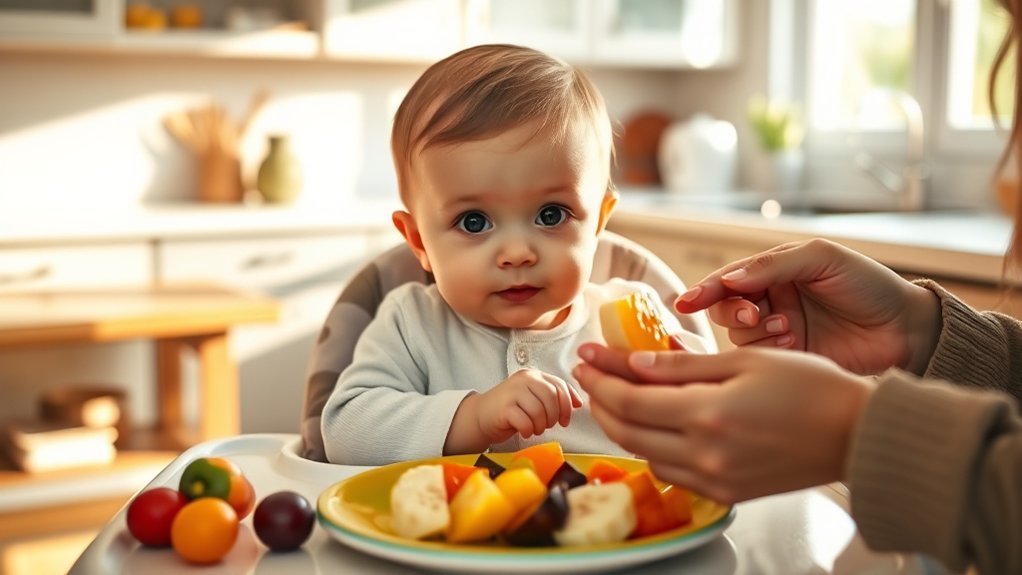
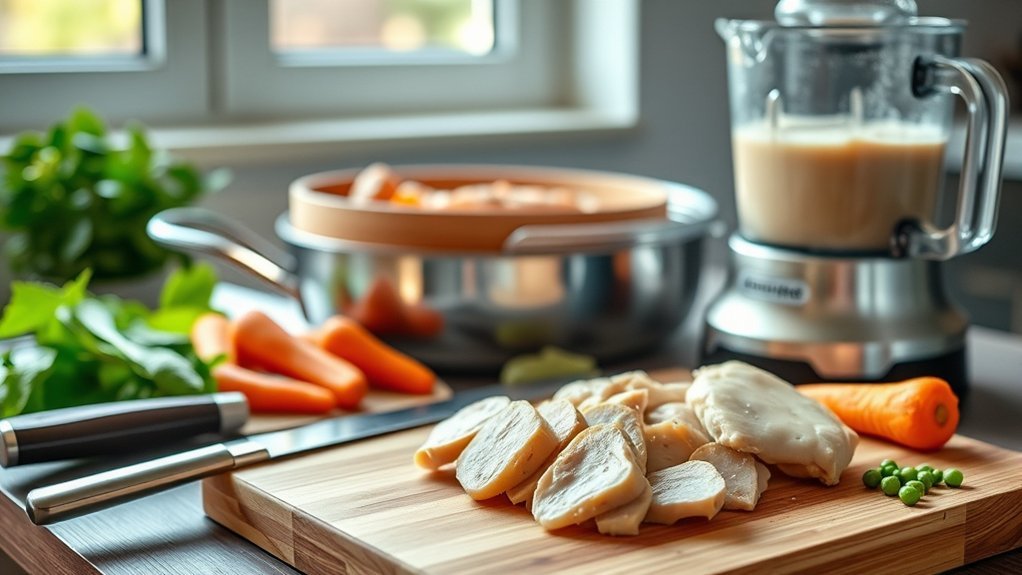
Homemade chicken puree for baby is a simple way to introduce tender poultry as part of a varied diet. The safest method is to cook boneless chicken to 165°F, blend it with water or no-salt-added liquid, and adjust the texture to your baby’s feeding skills. Careful handling and short storage times are especially important for meat-based baby food.
Quick Answer
Cube 8 ounces of boneless, skinless chicken and gently simmer it until the largest piece reaches 165°F. Blend with a little water or no-salt-added broth until developmentally appropriate. Refrigerate plain chicken puree for no more than one day, or freeze individual portions for one to two months.
Key Takeaways
- Chicken can usually be introduced at about 6 months when a baby shows signs of readiness for complementary foods.
- Use fresh or safely thawed boneless chicken, and do not rinse raw poultry.
- Cook every piece to an internal temperature of 165°F as measured with a food thermometer.
- Start with a smooth puree when appropriate, then gradually make it thicker as your baby’s eating skills improve.
- Use water or no-salt-added broth rather than salty stock, bouillon, or seasoning blends.
- Refrigerate plain chicken puree for one day or freeze it for one to two months.
At a Glance
| Time Required | About 25–30 minutes, plus cooling |
| Difficulty | Easy |
| Tools Needed | Knife, cutting board, saucepan with lid, food thermometer, blender or food processor, and storage containers |
| Cost | Varies with the local price of 8 ounces of chicken and any optional produce |
When Can Babies Have Chicken Puree?
Most babies can begin trying complementary foods at about 6 months. Chicken does not need to be delayed until 8 months or offered in a particular order. According to the Centers for Disease Control and Prevention, a baby may be ready when they can control their head and neck, sit alone or with support, open their mouth for food, and swallow food instead of pushing it back out.
Begin with a texture your baby can manage. A new eater may need a thin, smooth puree, while a baby with more feeding experience may be ready for a thicker mash. Breast milk or infant formula should continue to provide important nutrition while complementary foods are introduced.
Note: Ask your child’s pediatrician or feeding specialist before starting solids if your baby was born prematurely, has swallowing problems, has poor head control, has severe eczema, or has another medical or developmental concern.
Choosing the Best Chicken for Baby Food
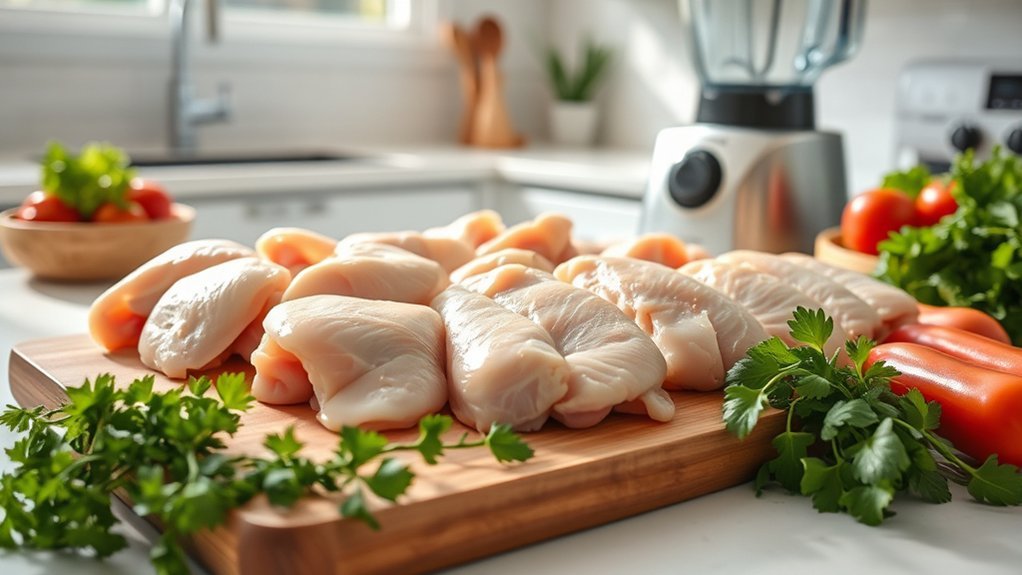
You can make baby food with fresh conventional chicken or USDA-certified organic chicken. Organic certification reflects production practices, including restrictions on antibiotic use, but it does not replace safe handling or thorough cooking. Hormones are not permitted in raising poultry in the United States, according to the USDA Food Safety and Inspection Service.
- Chicken thighs: Naturally contain more fat than breasts, which can create a softer, moister puree.
- Chicken breasts: Have a mild flavor and lean texture but may need more blending liquid.
- Frozen chicken: Is suitable when thawed safely in the refrigerator before cooking.
Choose boneless, skinless chicken without marinades, brines, seasoning packets, breading, or added sodium. Remove any visible bone fragments, cartilage, tough connective tissue, and excess skin before cooking.
Ingredients and Tools
Ingredients
- 8 ounces boneless, skinless chicken breast or thighs
- 1 to 1 1/2 cups water or no-salt-added chicken broth for cooking
- Additional cooking liquid for blending, as needed
- Optional: 1 cup fully cooked sweet potato, apple, broccoli, carrot, peas, or another previously tolerated food
- Optional: A small pinch of an unsalted herb, such as parsley, thyme, or oregano
Tools
- Separate cutting board used for raw poultry
- Sharp knife
- Medium saucepan with a lid
- Food thermometer
- Slotted spoon
- Blender or food processor
- Clean serving bowl and spoon
- Small airtight refrigerator containers or freezer-safe portion tray
Warning: Do not rinse raw chicken. Rinsing can splash bacteria onto the sink, counters, utensils, and nearby food. Wash your hands with soap and water before and after handling chicken, keep it separate from ready-to-eat ingredients, and clean and sanitize every surface it touches.
Top Cooking Techniques for Chicken Puree
Simmering and steaming can both produce tender chicken suitable for pureeing. Whichever method you choose, use a food thermometer to confirm that the thickest piece reaches 165°F. Cooking time alone cannot confirm safety because the time changes with the size and temperature of the pieces.
- Gentle simmering: Keeps the chicken surrounded by moisture and provides cooking liquid that can be used during blending.
- Steaming: Prevents the chicken from sitting directly in water. Add clean water, breast milk, or prepared formula during blending if more liquid is needed.
- Baking: Can work for a larger family batch, but lean breast meat may become dry and require more liquid to puree smoothly.
The dependable safety target is 165°F in the largest piece of chicken—not a specific number of minutes or the color of the meat.
How to Make Chicken Puree in Simple Steps
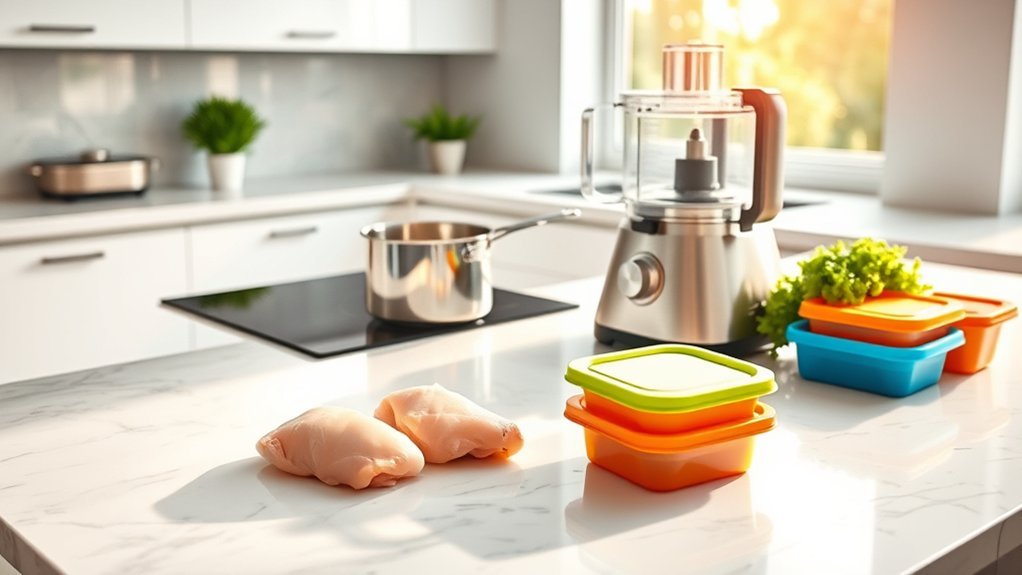
- Prepare the work area. Wash your hands, clean the counter, and place the raw chicken on a separate cutting board. Do not rinse it.
- Trim and cube the chicken. Remove skin, visible bone fragments, cartilage, and tough tissue. Cut the chicken into roughly 1-inch pieces so they cook evenly.
- Add the cooking liquid. Place the chicken in a medium saucepan and add enough water or no-salt-added broth to cover the pieces.
- Cook gently. Bring the liquid to a boil, reduce it to a gentle simmer, cover, and cook for about 12–20 minutes. Begin checking earlier for small breast pieces.
- Check the temperature. Insert a clean food thermometer into the center of the largest piece. Continue cooking until it reaches at least 165°F.
- Transfer the chicken. Use a clean slotted spoon to move the cooked chicken to a blender or food processor. Reserve some cooking liquid.
- Blend the puree. Add about 1/4 cup of the cooking liquid. Blend, scrape down the sides, and add more liquid one tablespoon at a time until the texture suits your baby.
- Add an optional pairing. Blend in a previously tolerated cooked vegetable or fruit if desired. Avoid salt, bouillon, honey, sugar, and salty seasoning blends.
- Cool before serving. Spoon a small amount into a separate bowl and let it cool until lukewarm. Test the temperature before feeding.
- Store promptly. Portion the remaining puree into clean containers and refrigerate or freeze it as soon as it has cooled.
Pro Tip: Chicken breast becomes grainy when it is overcooked or blended without enough liquid. Thigh meat usually makes a creamier puree, while breast meat benefits from warm cooking liquid added one tablespoon at a time.
How to Adjust the Texture
The right consistency depends on your baby’s current eating skills rather than age alone.
- For a new eater: Blend until very smooth and thin enough to fall slowly from a spoon.
- As skills improve: Use less liquid to make a thicker puree that stays on the spoon.
- For a baby managing soft lumps: Pulse the mixture briefly or mash it with a fork instead of blending it completely smooth.
- For a baby ready for soft pieces: Offer finely shredded, moist chicken mixed into a soft food your baby already handles safely.
It is normal for babies to need time to learn new textures. Gagging can occur while they practice moving food in the mouth, but choking is silent or nearly silent and requires immediate action. Always seat your baby upright and supervise every bite.
Flavor Pairings to Enhance Chicken Baby Food
Chicken has a mild flavor that pairs well with vegetables, fruits, and unsalted herbs. Cook all firm produce until it is soft enough to mash easily.
- Sweet potato: Adds a naturally sweet flavor and creamy texture.
- Apple or pear: Adds moisture and mild sweetness; cook until completely soft before blending.
- Broccoli: Adds a savory vegetable flavor and blends best when steamed until tender.
- Carrot or peas: Adds color and a familiar vegetable taste.
- Avocado: Can be blended into cooled chicken immediately before serving for extra creaminess.
- Parsley, thyme, oregano, or garlic: Can be used in very small amounts without adding salt.
When your baby is just starting solids, offer one new single-ingredient food at a time. The CDC recommends waiting three to five days between new foods so it is easier to recognize a possible reaction. Once the ingredients have been tolerated separately, you can combine them.
Note: Do not add honey to food for a child younger than 12 months. Avoid salty broth, bouillon cubes, soy sauce, seasoning salt, and packaged sauces. Choose water or a product labeled no salt added whenever possible.
How Much Chicken Puree to Serve
Start with about one or two tablespoons and let your baby decide whether to eat more. The CDC recommends starting with small portions and watching for hunger and fullness cues.
Signs that a baby may want more include leaning toward the spoon, opening the mouth, and reaching for food. Signs of fullness include closing the mouth, turning the head away, slowing down, pushing the spoon away, or becoming distracted. Do not pressure a baby to finish a portion.
Storage Tips and Reheating Methods for Chicken Puree
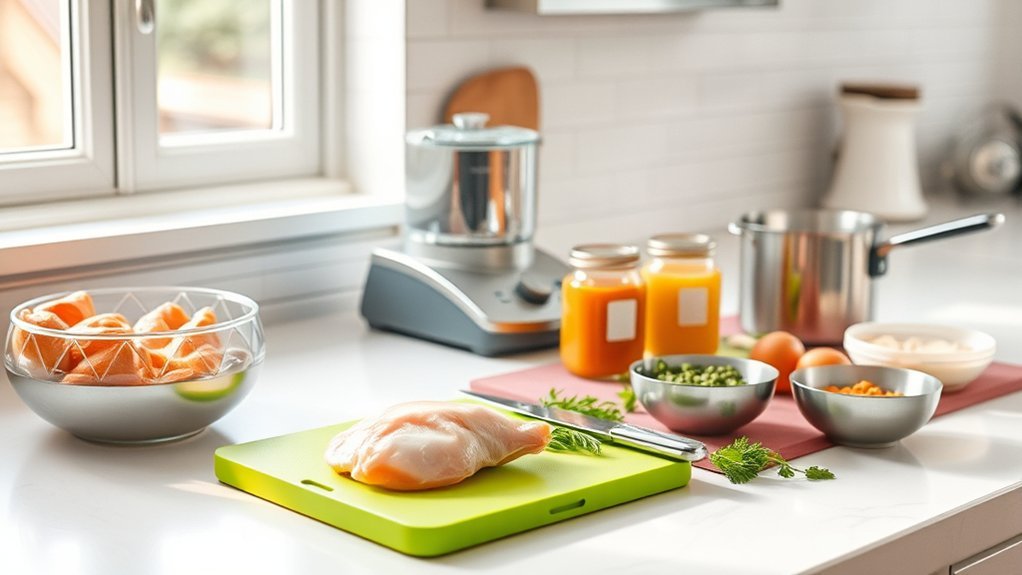
Meat-based baby food has shorter refrigerator limits than fruit or vegetable puree. The following limits follow the FoodSafety.gov baby-food storage chart.
| Food | Refrigerator | Freezer |
|---|---|---|
| Plain strained chicken puree | 1 day | 1–2 months |
| Chicken and vegetable or fruit combination | 1–2 days | 1–2 months |
Refrigerating
Place the cooled puree in a clean, airtight container and label it with the preparation date. Keep the refrigerator at 40°F or below. Store only untouched puree; discard food left in the baby’s serving bowl after the feeding session rather than returning it to the main container.
Freezing
Divide the puree into small freezer-safe portions. Once frozen, transfer the portions to a labeled freezer bag or sealed container. Remove as much air as practical and use the puree within one to two months.
Thawing and Reheating
Thaw a frozen portion overnight in the refrigerator. Warm meat puree gently in a small saucepan, stirring often so it heats evenly. Add a small amount of water if it thickens during storage. Let it cool to lukewarm and test the temperature before feeding.
FoodSafety.gov advises warming baby-food meats on the stovetop rather than in a microwave because meat can splatter or overheat. Reheat only the portion you plan to serve.
Chicken Puree Troubleshooting
- The puree is too thick: Blend in warm water, reserved cooking liquid, prepared formula, or breast milk one tablespoon at a time.
- The puree is too thin: Blend in more cooked chicken or a soft cooked vegetable such as sweet potato.
- The chicken is grainy: Add warm liquid and continue blending. Thigh meat may produce a smoother result than breast meat.
- The puree is stringy: Trim connective tissue before cooking and blend while the chicken is still warm.
- The flavor seems bland: Add a previously tolerated fruit, vegetable, or a tiny amount of an unsalted herb instead of salt.
- The puree separates after thawing: Stir it thoroughly while warming. Separation does not always mean spoilage, but discard food with an unusual odor, discoloration, mold, or damaged packaging.
- Your baby refuses it: Try a smaller serving, a familiar pairing, or a different safe texture on another day. Repeated calm exposure may be needed.
Frequently Asked Questions
Can I use frozen chicken for baby food?
Yes. Thaw frozen chicken in the refrigerator, keep it separate from ready-to-eat food, and cook the largest piece to 165°F. Do not thaw raw chicken on the counter.
How long can I store homemade chicken baby food?
Keep plain strained chicken puree in the refrigerator for no more than one day. A chicken-and-produce combination may be refrigerated for one to two days. Either type may be frozen for one to two months.
Is it safe to add spices to chicken puree?
Small amounts of unsalted herbs and mild spices can be used after considering your baby’s tolerance. Avoid salt, salty seasoning blends, bouillon, packaged sauces, added sugar, and honey for babies younger than 12 months.
When can I introduce chicken to my baby?
Chicken can generally be introduced at about 6 months when your baby shows developmental readiness for complementary foods. There is usually no need to wait until 8 months, but your child’s clinician can give individualized advice.
What are signs my baby dislikes chicken puree?
Turning away, closing the mouth, pushing the spoon away, or repeatedly refusing the food may show dislike or fullness. Gagging can be a temporary response to an unfamiliar texture. Stop feeding and seek urgent help for breathing trouble, facial or tongue swelling, widespread hives, severe vomiting, or unusual limpness.
Can I blend chicken with breast milk or formula?
Yes. Breast milk or correctly prepared infant formula can thin a serving of chicken puree. Add it after cooking, and prepare only the amount you expect to serve. Do not dilute powdered formula differently from the package instructions.
Can I use chicken broth in baby puree?
Water is the simplest option. You may also use broth labeled no salt added after checking its ingredients and sodium content. Regular broth, stock concentrates, and bouillon can contain more sodium than is appropriate for frequent use in baby food.
Conclusion
Making chicken baby food is straightforward when temperature, texture, and storage guide the process. Choose plain boneless chicken, prevent cross-contamination, and verify that the largest piece reaches 165°F. Blend it smooth for a new eater or leave it thicker as feeding skills develop. Serve a small portion, follow your baby’s hunger and fullness cues, and store untouched leftovers within the shorter limits recommended for meat-based baby food.
Sources
- CDC: When, What, and How to Introduce Solid Foods — readiness signs, introductory foods, texture progression, and supervision.
- USDA FSIS: Safe Minimum Internal Temperature Chart — the 165°F minimum temperature for poultry.
- FoodSafety.gov: Children Under Five — refrigeration, freezing, reheating, and baby-food safety guidance.
- USDA FSIS: Washing Food and Food Safety — why raw poultry should not be rinsed.
- USDA FSIS: Meat and Poultry Labeling Terms — hormone and poultry-labeling information.
- CDC: Foods and Drinks to Avoid or Limit — sodium, honey, added sugar, and other infant-feeding cautions.