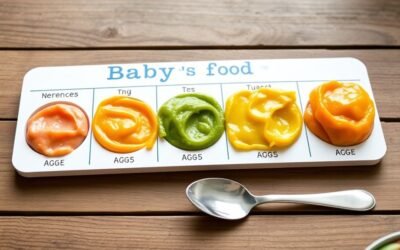
When introducing baby food recipes, focus on allergy-safe options to minimize risks. Start solids when your baby shows readiness, usually around six months, and introduce allergenic foods like peanuts and eggs gradually. Use fresh, age-appropriate ingredients, and prepare them safely with methods like steaming. Monitor your baby for any allergic symptoms after introducing new foods and keep a plan for allergic reactions. Discover more tips for creating diverse, safe recipes as you explore your baby’s dietary journey.
Key Takeaways
- Introduce new foods one at a time to monitor for allergic reactions and follow the three-day rule for allergenic foods.
- Use fresh, age-appropriate ingredients without added salt or spices, and opt for cooking methods like steaming or pureeing.
- Consider safe substitutes for common allergens, such as fortified oat milk for dairy and smooth nut butters for nut allergies.
- Maintain hygiene by washing hands and utensils to prevent cross-contamination when preparing baby food.
- Utilize apps like Solid Starts for guidance on allergenic food introduction and tracking reactions effectively.
Signs Your Baby Is Ready for Solid Foods

As your baby approaches the 4 to 6 month mark, you might notice several signs indicating they’re ready for solid foods.
Look for good head control and the ability to sit up unassisted; these are essential for safe feeding techniques. If your little one reaches for food or opens their mouth when offered a spoon, they’re showing strong baby preferences for more than just milk.
Observe for head control and the ability to sit up—key indicators your baby is ready to explore solid foods.
By 7 months, if solids haven’t been introduced, consult with a health professional.
Remember to introduce new foods one at a time, observing for any reactions. Rubbing a small amount of food inside their lip can help you check for allergies before fully incorporating it into their diet, ensuring a safe and enjoyable shift.
Understanding the Importance of Introducing Allergenic Foods Early
Introducing solid foods is an exciting milestone, and it’s equally important to contemplate how and when to introduce allergenic foods. Research shows that early allergen exposure, particularly peanuts and eggs, can reduce the risk of food allergies by up to 81%.
For babies, especially those with severe eczema or a family history of allergies, introducing these foods before age one is essential. Aim to offer allergenic foods around six months but not before four months, ensuring your baby is developmentally ready.
Regular exposure—ideally 2-3 times a week—promotes a healthy immune response. Remember to use the three-day rule when introducing new allergens to monitor for any reactions effectively.
This proactive approach can empower your baby’s health journey.
Top Allergenic Foods for Babies Starting Solids

When it comes to starting solids, knowing which allergenic foods to introduce can make a significant difference in your baby’s health. The top allergens include eggs, milk, peanuts, tree nuts, soy, wheat, shellfish, and fish.
Begin introducing these foods around six months, ensuring your baby shows developmental readiness. Start with tiny amounts and follow the three-day rule for allergen identification—monitor for any reactions.
If your baby has severe eczema or a family history of allergies, early introduction is vital. Regularly offering allergenic foods, like peanut butter or well-cooked eggs, at least 2-3 times a week can help reduce the risk of food allergies.
Practicing safe food preparation is essential for your peace of mind.
How to Safely Prepare Baby Food Recipes
When you prepare baby food, start by selecting fresh, age-appropriate ingredients without added salt or spices.
Use cooking methods like steaming or pureeing to guarantee the food is soft and safe for your baby to eat.
Remember to introduce new foods one at a time and keep everything clean to avoid any allergic reactions.
Safe Ingredient Selection
Choosing fresh, whole ingredients is essential for preparing baby food recipes that are safe and nutritious. Pay attention to ingredient sourcing and food safety to guarantee your little one’s meals are healthy.
Here are some key points to reflect on:
- Select soft, easy-to-digest foods like steamed veggies, ripe fruits, and single-grain cereals.
- Introduce potential allergens gradually, mixing them into familiar foods and monitoring for reactions over three days.
- Always read labels for hidden allergens and choose safe alternatives, like creamy nut butters or fortified oat milk.
- Maintain hygiene by washing hands and utensils thoroughly to avoid cross-contamination.
Cooking Methods Overview
There are several effective cooking methods to safely prepare baby food that guarantee it’s both nutritious and easy for your little one to eat.
Opt for safe cooking techniques like steaming, boiling, or baking to soften foods, making them manageable for your baby to chew and digest. Always mash or puree foods, especially hard fruits and vegetables, to minimize choking hazards.
When introducing common allergens like peanut butter, mix it with porridge for a smoother texture. Set aside unseasoned portions of family meals—avoid added salt or spices that aren’t suitable for their developing system.
While store-bought options exist, homemade baby food is often safer; just remember to practice proper food storage to maintain freshness and prevent spoilage.
The 3-Day Rule for Allergic Reaction Monitoring

When introducing new foods to your baby, follow the 3-Day Rule to monitor for any allergic reactions.
This method allows you to observe how your baby responds to each food before moving on to the next.
Monitor Baby Closely
Monitoring your baby closely during the introduction of new foods is essential, and following the 3-Day Rule can help guarantee safety. This practice allows for effective baby observation and helps you identify potential allergens.
Here are key points to keep in mind:
- Introduce one new food at a time for three days.
- Watch for allergy symptoms, which may appear within minutes to two hours.
- Keep offering previously introduced foods for a varied diet.
- Maintain a food diary to track reactions and facilitate communication with healthcare professionals.
Gradual Food Introduction
Introducing new foods to your baby is an essential step in their development, especially when it comes to identifying potential allergens. The 3-Day Rule is important; introduce one new food for three consecutive days, watching for any allergic reactions. This method allows you to monitor their response effectively.
| Day | Food Introduced | Observations |
|---|---|---|
| Day 1 | Avocado | Watch for reactions |
| Day 2 | Avocado | Maintain exposure |
| Day 3 | Avocado | Increase amount if no reaction |
Continue offering previously introduced foods to guarantee variety and support food texture progression. Regular exposure to allergens, ideally once a week, can also help prevent allergies while embracing baby led weaning principles.
Practical Strategies for Gradually Introducing Allergens
As you begin to incorporate allergenic foods into your baby’s diet, it’s essential to do so cautiously and methodically. Here are some practical strategies to guarantee safe allergen exposure:
- Introduce foods like peanut butter or eggs around 6 months, when your baby shows readiness.
- Start with tiny amounts—maybe 1/8 teaspoon mixed into other foods—and increase gradually.
- Follow the three-day rule: introduce one allergenic food at a time and monitor for reactions.
- Offer these foods 2-3 times a week to help build tolerance and improve food texture acceptance.
Always consult your pediatrician, especially if your baby has eczema or a family history of allergies, to tailor the introduction process to your child’s needs.
Recognizing Symptoms of Food Allergies in Infants
Recognizing the symptoms of food allergies in infants is essential for their safety and well-being. You should monitor your baby closely after introducing new foods, as reactions can occur within minutes to two hours.
Common signs include hives, swelling, vomiting, diarrhea, and behavioral changes. Be mindful of reaction severity; while minor redness around the mouth may signal irritation, it doesn’t always indicate an allergy.
Common signs of food allergies in infants include hives, swelling, and behavioral changes; minor redness may indicate irritation, not necessarily an allergy.
Anaphylaxis is a serious condition that requires immediate medical attention and can affect multiple body systems. If your baby has a family history of allergies or suffers from severe eczema, the risk increases.
Early symptom identification empowers you to act quickly, ensuring your child’s health and peace of mind.
How to Handle Baby Allergic Reactions?
When your baby shows signs of an allergic reaction, acting swiftly is essential. Here’s how you can manage the situation effectively:
- Stop feeding the suspected allergen immediately.
- Monitor symptoms, like hives, swelling, or unusual behavior, for escalation.
- Contact a healthcare provider for guidance tailored to your baby’s needs.
- Have an Anaphylaxis Action Plan ready, including the use of epinephrine if necessary.
Safe Substitutes for Common Allergens in Baby Food
When preparing baby food, finding safe substitutes for common allergens is essential for your child’s health.
For dairy-free options, consider fortified oat milk or pea protein milk, while smooth nut butters can replace whole nuts for little ones with nut allergies.
If your baby has an egg allergy, flaxseed or chia seed mixtures work well as binding agents, ensuring your recipes maintain the right texture.
Nut Butter Alternatives
If your baby has a peanut allergy, you can still offer delicious and safe alternatives that mimic the creamy texture of nut butters. Here are some great options to take into account, promoting allergy awareness:
- Sunflower seed butter: A tasty, allergen-friendly choice rich in nutrients.
- Soy nut butter: Smooth and satisfying, it provides a similar taste without the risks.
- Tahini: This sesame seed butter is packed with calcium and healthy fats, perfect for dairy-free diets.
- Check for cross-contamination: Always verify the brands you choose don’t process allergens in the same facility.
When introducing any nut butter alternatives, consult your pediatrician, especially if your baby has a history of allergies or eczema.
Keeping your little one safe is a priority!
Dairy-Free Options
For babies with dairy allergies, finding suitable substitutes is key to ensuring they receive balanced nutrition while enjoying their meals. Here are some dairy alternatives you can use:
| Dairy Substitute | Nutritional Benefits | Usage Suggestions |
|---|---|---|
| Fortified Oat Milk | Rich in vitamins, calcium | Mix into cereals or smoothies |
| Pea Protein Milk | High in protein | Use in recipes or as a drink |
| Coconut Yogurt | Probiotic-rich, creamy texture | Serve as a snack or dessert |
| Almond Butter | Healthy fats and protein | Spread on toast or mix into purees |
| Mashed Avocado | Packed with healthy fats | Use as a base for baby food |
Always consult a pediatric healthcare professional to maintain nutrition balance while avoiding allergens.
Egg Substitutes
Many parents face the challenge of finding suitable egg substitutes for baby food, especially when allergies are a concern.
Thankfully, several creative substitutions offer egg substitute benefits, ensuring your little one enjoys safe and nutritious meals. Here are some great options:
- Mashed bananas for binding and moisture
- Flaxseed meal mixed with water for omega-3s
- Chia seeds combined with water for a gel-like texture
- Unsweetened applesauce or yogurt for added creaminess
When introducing these substitutes, remember to follow the three-day rule to watch for any allergic reactions.
Helpful Apps and Tools for Managing Food Allergies
As you navigate the complexities of introducing solid foods to your baby, utilizing helpful apps and tools for managing food allergies can make the process smoother and more informed.
Apps like Solid Starts provide step-by-step guidance on safely introducing allergenic foods, along with allergy tracking features to monitor your baby’s food intake and reactions. You can scan product barcodes to identify allergens, ensuring informed shopping choices.
Many apps also include meal planning tools, helping you create diverse, allergy-friendly recipes. Additionally, educational resources enhance your understanding of common allergens and symptoms.
Engage with community support through forums where parents share experiences and tips, building a valuable network as you confidently manage your child’s food allergies.
Frequently Asked Questions
Can I Combine Allergenic Foods With Non-Allergenic Foods?
You can combine allergenic foods with non-allergenic ones, but stay vigilant. Monitor for reactions and consult a pediatrician for personalized advice. Practicing allergy awareness helps you create safe and enjoyable food combinations for your little one.
What Are the Best Sources for Allergy-Safe Baby Food Recipes?
You can find allergy-safe baby food recipes in trusted websites, pediatrician resources, and allergy guidelines. Look for recipe resources that focus on ingredient safety, ensuring you make nutritious meals without risking allergic reactions for your little one.
How Can I Tell if My Baby Dislikes a Food Versus an Allergy?
To tell if your baby dislikes a food versus an allergy, watch for food rejection signs like turning away or spitting it out. Allergy symptoms, however, include rashes or breathing difficulties, requiring immediate attention.
Should I Consult a Pediatrician Before Introducing Allergenic Foods?
Before introducing allergenic foods, picture your baby’s journey. Consulting your pediatrician for recommendations guarantees you’re timing it right, helping you navigate potential allergies confidently. Their guidance empowers you to explore new tastes safely and joyfully.
What Should I Do if My Baby Refuses Allergenic Foods?
If your baby refuses allergenic foods, try gradual exposure. Use baby food strategies like mixing small amounts into familiar dishes. Stay patient and consistent; it might take several attempts before they accept the new flavors.
Conclusion
Steering through the world of baby food can feel like walking a tightrope, especially with allergies in the mix. By introducing allergenic foods early and closely monitoring your little one, you’re not just feeding them; you’re laying the foundation for a lifetime of healthy eating. Remember, knowledge is your safety net. Keep those symptom checklists handy and don’t hesitate to seek advice when needed. With the right approach, you’ll transform mealtime into a joyful adventure for both you and your baby.