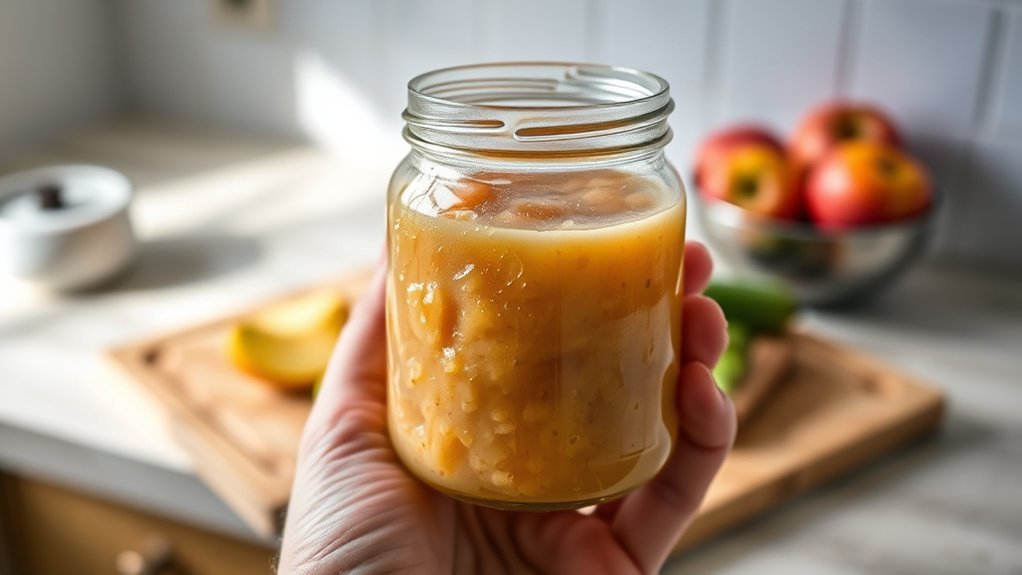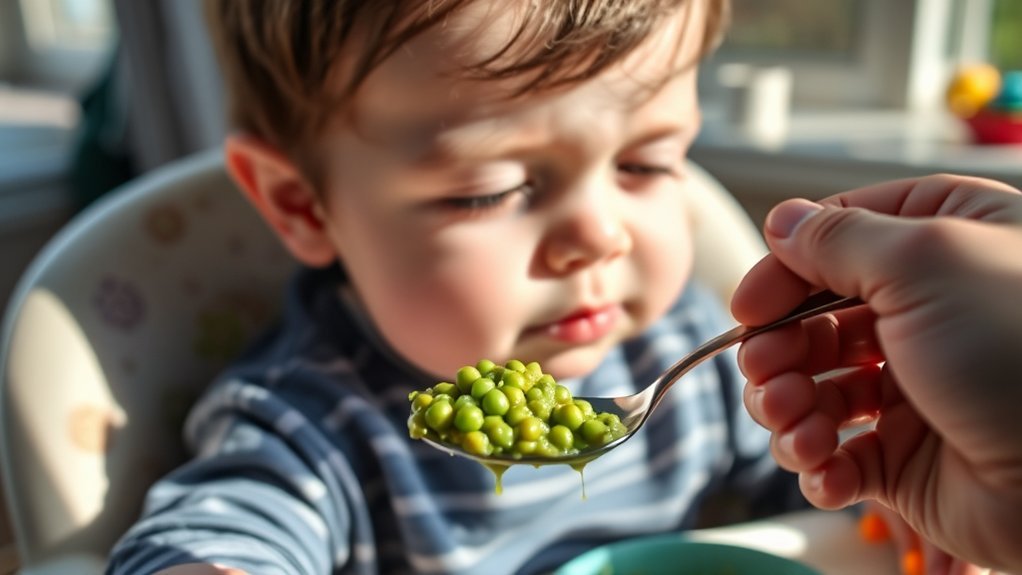
If your baby refuses textured foods, you are not alone. Some babies need more practice moving from smooth purees to thicker, mashed, lumpy, or soft foods. The best approach is gradual, calm, and based on your baby’s feeding skills—not pressure or a strict deadline. Persistent difficulty or signs of unsafe swallowing should be discussed with a healthcare professional.
Quick Answer
If your baby refuses textured foods, return to a texture they manage and make one small change at a time, such as a thicker puree or soft mash. Keep meals pressure-free, seat your baby upright, and supervise closely. Seek medical advice for coughing, choking, pain, vomiting, poor growth, or persistent difficulty.
Key Takeaways
- Move gradually from an accepted texture to slightly thicker, mashed, lumpy, finely chopped, or soft foods as your baby’s skills develop.
- Let your baby touch, smell, and taste food without forcing a bite or requiring them to finish.
- Gagging can happen while learning, but choking is an airway emergency and may be silent.
- Prepare food in a developmentally appropriate shape, size, and texture, and supervise every meal.
- Contact your baby’s healthcare professional if feeding causes pain, frequent coughing, choking, vomiting, breathing changes, poor growth, or ongoing distress.
At a Glance
| Time Required | Short practice opportunities during regular meals; progress may take repeated exposures over days or weeks. |
| Difficulty | Moderate; stop and seek advice if your baby shows pain, breathing trouble, repeated choking, or poor growth. |
| Tools Needed | A supportive high chair, bib, baby-safe spoon, fork for mashing, and soft foods appropriate for your baby’s skills. |
| Cost | Usually no added cost beyond normal food and feeding supplies; professional assessment costs vary. |
Note: This article provides general feeding education and cannot diagnose reflux, sensory differences, oral-motor problems, or swallowing disorders. Ask your baby’s pediatrician or other qualified healthcare professional for advice tailored to your child.
Understanding Texture Sensitivity in Babies

Babies learn to manage food through practice. According to the Centers for Disease Control and Prevention, textures may progress from smooth or pureed foods to mashed or lumpy foods and then to finely chopped or ground foods as a child’s eating skills develop.
A baby may initially push food out, gag, cough, make a face, or refuse another bite. These reactions do not always mean the baby dislikes the food. They may still be learning how to move it with their tongue, chew it with their gums, and prepare it for swallowing.
Texture refusal can also have several possible causes. A baby may be tired, full, teething, unfamiliar with the food, or not yet ready for that specific texture. Reflux, prematurity, pain, sensory differences, oral-motor weakness, and swallowing problems can also affect feeding, but refusal alone does not identify the cause.

Power your essentials anywhere with a 999Wh pure sine wave power station delivering up to 1000W continuous with 2000W surge. It supports fast charging via USB-C PD 60W and USB-A QC 18W, plus simultaneous output for multiple devices through AC, USB, wireless, and car/DC ports. Recharge using AC, car, or solar with a built-in MPPT controller and dual cooling fans, while the upgraded battery management system protects against surges, short circuits, and overheating.
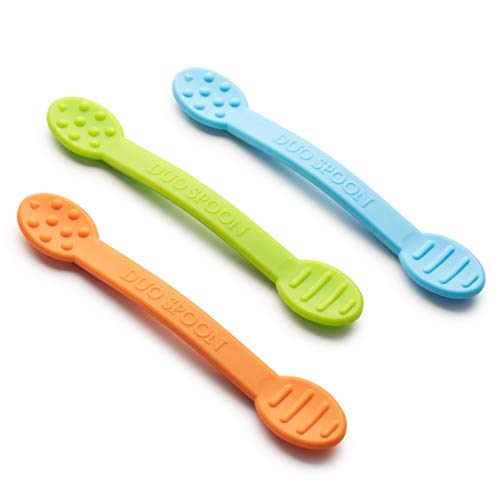
Creative Oral Motor Tools – An enhanced version of a baby spoon or toddler utensil these are more than oral motor chews. They stimulate the tongue, gums, lips and mouth palate with textured spoon ends.

Teething Relief with BerryBumps Design – Soothe your baby’s sore, swollen gums with the RaZberry teething pacifier! Made from 100% soft silicone, its patented BerryBumps texture provides gentle relief while encouraging chewing. Freeze it for extra cooling comfort and enhanced teething support.
Normal Adjustment or a Possible Feeding Problem?
Occasional gagging, spitting food out, messy eating, and slow progress can be part of learning. Concern increases when the problem is persistent, worsening, painful, or affecting nutrition, growth, breathing, or family mealtimes.
Watch the overall pattern rather than judging one meal. Note which textures your baby accepts, what happens when the texture changes, whether there is coughing or vomiting, and whether your baby remains calm and alert.
Why Babies May Reject Textured Foods
There is rarely one universal reason. Common possibilities include:
- New oral skills: Thicker or lumpier foods require different tongue, jaw, and chewing movements than a smooth puree.
- A sensitive gag response: Food that moves farther back in the mouth can trigger gagging while the baby is learning.
- A texture jump that is too large: Moving directly from thin puree to firm chunks may be harder than progressing through thicker puree and soft mash first.
- Limited readiness: The baby may need better head control, trunk support, hand-to-mouth coordination, or more practice with easier textures.
- Previous discomfort: Reflux, vomiting, constipation, illness, oral pain, or difficult feeding experiences may make a baby cautious.
- Sensory preferences: Some babies react strongly to a food’s feel, smell, temperature, or mixed consistency.
- Fatigue, hunger, or fullness: A baby who is overly hungry, tired, distracted, or already full may have less patience for a new skill.
Successful texture practice is not measured by an empty bowl. Touching, licking, mouthing, chewing, or calmly tasting a small amount can all be useful progress.
Gagging Versus Choking
Gagging can occur as babies learn to manage food. A gagging baby may cough, make noise, push the tongue forward, retch, or spit the food out. Stay calm, watch closely, and allow the baby to work the food forward unless breathing becomes impaired.
Choking occurs when the airway is blocked. A choking baby may be unable to breathe, cry, cough effectively, or make noise. They may turn blue, become limp, or lose consciousness.
Warning: If your baby cannot breathe, cry, or make noise, treat it as a choking emergency. Call 911 and provide age-appropriate choking first aid if you are trained. Do not leave the baby unattended. The American Academy of Pediatrics provides current choking-prevention and emergency-sign guidance.
Reduce choking risk by following the CDC’s choking-prevention guidance:
- Seat your baby upright in a stable high chair or other safe feeding seat.
- Supervise continuously while your baby is eating.
- Keep meals calm and avoid feeding while the baby is crawling, walking, riding in a stroller, or sitting in a moving car.
- Cook foods until they are soft enough to mash easily.
- Modify round, firm, sticky, tough, or hard foods into a safer shape and texture.
- Avoid whole grapes, whole nuts, popcorn, hard raw vegetable pieces, sausage rounds, large meat or cheese chunks, and spoonfuls of thick nut butter.
How to Introduce Textured Foods Gradually

The CDC advises beginning complementary foods at about 6 months for most babies who show developmental readiness. Its solid-food preparation guidance recommends introducing thicker and lumpier food as the baby’s ability develops.
1. Start With an Accepted Texture
Identify the texture your baby currently manages without distress. This might be a smooth puree, thick puree, mashed food, or very soft finger food. Use it as the starting point rather than repeatedly presenting a texture that causes immediate refusal.
2. Change One Feature at a Time
Make the next food only slightly different. For example:
- Make a familiar puree a little thicker.
- Leave a few tiny, soft lumps in an otherwise smooth food.
- Mash the food with a fork instead of blending it completely.
- Offer a familiar flavor in a softer finger-food form.
A small change helps you see whether the challenge is thickness, lump size, mixed consistency, flavor, temperature, or the way the food is offered.
3. Use Soft, Manageable Foods
Depending on your baby’s skills, examples may include mashed banana, mashed avocado, soft oatmeal, well-cooked mashed vegetables, soft scrambled egg, flaked fish with all bones removed, or tender foods cut and prepared in a developmentally appropriate way.
Test softness before serving. Food should mash easily between a fork and plate or between clean fingers. Preparation still needs to account for the food’s shape, size, stickiness, and your baby’s individual chewing and swallowing ability.
4. Allow Sensory Exploration
Let your baby touch, smear, smell, pick up, lick, or mouth the food. Sensory exploration can build familiarity before a baby is ready to swallow much of it.
Do not force the spoon past closed lips, scrape food into the mouth, hold the baby’s hands down, or repeatedly pressure them to take “one more bite.” These actions can increase stress and make feeding harder.
5. Model Eating Without Performing
Eat with your baby when possible and let them see you chew and enjoy similar foods. Keep your reactions natural. Excessive cheering, bargaining, distraction, or showing disappointment can make the new texture feel like a test.
6. Repeat Without Pressure
Refusal on the first attempt does not mean the texture must be abandoned. The CDC notes that some young children need 8 to 10 exposures before they are willing to try a new food.
Offer a small amount again on another day. An exposure may involve seeing, touching, smelling, licking, or tasting the food. Stop when your baby turns away, closes their mouth, pushes food away, becomes upset, or otherwise shows they are finished.
Pro Tip: Keep a simple feeding note for one or two weeks. Record the food, texture, amount offered, response, coughing or gagging, and any vomiting or discomfort. A clear pattern can help you adjust the next step and give your baby’s healthcare professional useful information.
Create a Positive Mealtime Environment
A calm setting can make practice easier. Seat your baby securely, reduce distractions, and offer food when they are alert—not exhausted, extremely hungry, or already full.
Use neutral language. Instead of saying, “You hate lumps,” try, “This one feels a little thicker.” Avoid labeling the baby as difficult, stubborn, or picky.
Follow hunger and fullness cues. A baby may show interest by reaching for food, opening their mouth, or leaning forward. They may show fullness by closing their mouth, turning away, pushing food away, or losing interest. Respecting these cues helps keep meals predictable and safe.
During the first year, solid food practice develops feeding skills and adds nutrients, while breast milk or infant formula remains an important part of the baby’s diet. Ask your healthcare professional about the appropriate balance for your baby.
How to Make Mealtime Fun for Your Baby
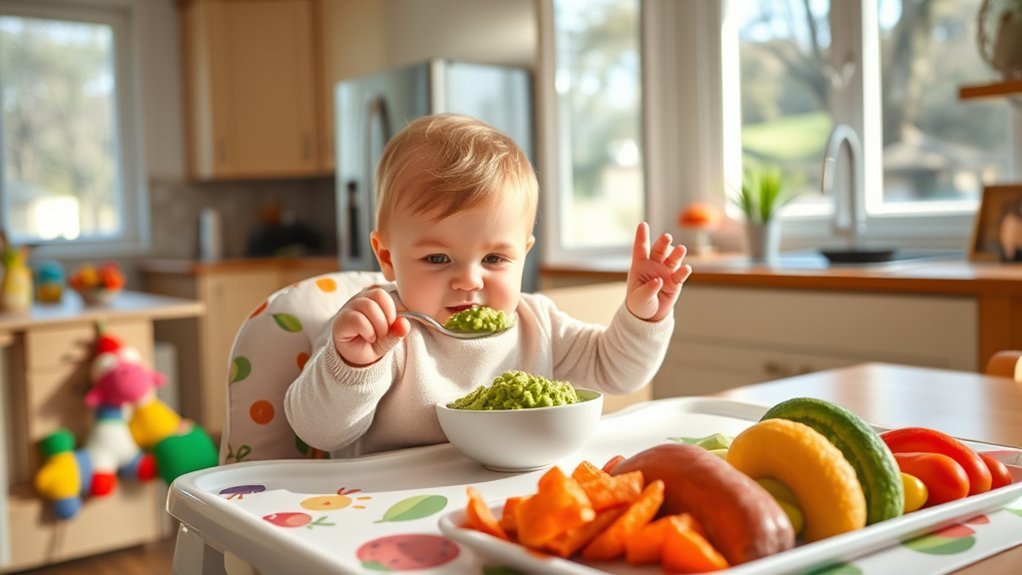
Mealtime can be pleasant without turning every bite into a game. The goal is to help your baby feel safe, curious, and involved while maintaining close supervision.
Explore Food Sensations Together
- Touch and feel: Let your baby squish a soft food or pick it up with their fingers.
- Name what is happening: Use simple words such as “soft,” “warm,” “smooth,” or “bumpy.”
- Show the action: Demonstrate taking a small bite and chewing without demanding that your baby copy you.
- Allow a pause: Give your baby time to process the food rather than quickly presenting spoonful after spoonful.
Use Playful Feeding Techniques Carefully
Colorful baby-safe utensils, simple songs, and arranging soft food into basic shapes may make meals more inviting. Keep play low-key enough that your baby can still concentrate on chewing and swallowing.
Avoid making your baby laugh with food in their mouth, feeding while they are moving, or using screens to distract them into accepting bites. Safe swallowing requires attention and an upright position.
What to Do When Your Baby Refuses Textured Foods
- Pause instead of pushing: End the attempt if your baby becomes distressed, repeatedly turns away, or cannot organize the food safely.
- Return to the last manageable texture: Use a texture your baby handles comfortably at the next meal.
- Make the next change smaller: Adjust thickness or lump size gradually instead of making a large jump.
- Check timing and posture: Offer food when your baby is alert and seated upright with good support.
- Review food preparation: Make sure the food is soft and prepared in a shape, size, and texture suited to your baby’s skills.
- Keep accepted foods available: Pair a small amount of the practice texture with familiar food without hiding large lumps unexpectedly.
- Track concerning symptoms: Record coughing, choking, vomiting, pain, breathing changes, food pocketing, long meals, or reduced intake.
- Ask for help when needed: Contact your baby’s healthcare professional if progress stalls or feeding feels unsafe.
When to Seek Professional Help
Do not rely only on an age cutoff. Contact your baby’s pediatrician or another qualified healthcare professional if your baby:
- Frequently coughs, chokes, or has breathing trouble during or after meals.
- Develops a wet, gurgly, hoarse, or unusual voice or cry after swallowing.
- Vomits frequently, appears to be in pain, or consistently arches or stiffens during feeding.
- Cannot manage textures expected for their development or makes no progress despite gradual practice.
- Holds food in the cheeks, repeatedly swallows food without chewing, or loses large amounts from the mouth.
- Takes longer than about 30 minutes for most meals.
- Accepts an extremely narrow range of textures or refuses most food and drink.
- Is losing weight, not gaining as expected, has fewer wet diapers, or has reduced energy.
- Has had a choking event or recurrent chest or lung infections.
- Causes you to feel that feeding is unsafe or unusually stressful.
The American Speech-Language-Hearing Association identifies these types of symptoms as possible signs of a pediatric feeding or swallowing disorder.
Your pediatrician may recommend assessment by a speech-language pathologist with pediatric feeding experience, an occupational therapist, a registered dietitian, a gastroenterologist, or a multidisciplinary feeding team. The correct referral depends on whether the main concern involves swallowing safety, oral skills, sensory responses, digestion, growth, or nutrition.
Frequently Asked Questions
When should I be concerned about my baby’s food refusal?
Contact your baby’s healthcare professional if refusal is persistent, worsening, painful, or accompanied by coughing, choking, breathing changes, frequent vomiting, long meals, food pocketing, poor intake, dehydration, weight loss, or slow growth. You do not need to wait until your baby turns one when warning signs are already present.
Can teething affect my baby’s willingness to try textured foods?
Teething discomfort may temporarily make chewing or accepting a spoon less appealing. Offer soft foods your baby already manages and avoid forcing new textures during obvious discomfort. Persistent refusal, choking, frequent vomiting, pain, or poor growth should not automatically be blamed on teething.
How long does texture sensitivity last in babies?
There is no standard timeline. Some babies adjust after several calm exposures, while others need a slower progression or professional support. Focus on whether your baby is making gradual progress and eating safely rather than expecting the problem to resolve within a set number of weeks or months.
Are there foods to avoid during the transition?
Avoid or modify foods that are hard, round, sticky, tough, or difficult to chew. Examples include whole grapes, whole nuts, popcorn, hard raw apple or carrot pieces, sausage rounds, large meat or cheese chunks, and spoonfuls of thick nut butter. Food should be prepared for your baby’s developmental skills and offered under close supervision.
Should I consult a pediatrician about my baby’s eating habits?
Yes, when you are worried about swallowing safety, nutrition, growth, pain, reflux symptoms, or a lack of progress. A pediatrician can review development and medical history and refer your baby to an appropriate feeding, swallowing, nutrition, or gastrointestinal specialist.
How can I tell gagging from choking?
Gagging may involve coughing, retching, noise, tongue movement, or pushing food forward. Choking blocks the airway, and the baby may be unable to breathe, cry, or make noise. Call 911 immediately for suspected choking and provide age-appropriate first aid if trained.
Who can help with a persistent texture problem?
Start with your baby’s pediatrician. Depending on the symptoms, your child may benefit from a speech-language pathologist who specializes in feeding and swallowing, an occupational therapist, a registered dietitian, a gastroenterologist, or a multidisciplinary pediatric feeding team.
Conclusion
A baby’s refusal of textured food does not mean you have failed or that they will always avoid lumps. Return to the last texture they manage, make the next change small, keep meals calm, and count exploration as progress. At the same time, do not dismiss persistent coughing, choking, pain, vomiting, poor growth, or severe texture restriction as a phase. Early professional guidance can make feeding safer and less stressful for both you and your baby.
Sources
- CDC: Tastes and Textures — texture progression and feeding-skill development.
- CDC: When, What, and How to Introduce Solid Foods — readiness, food preparation, and gradual introduction.
- CDC: Choking Hazards — safe seating, supervision, food preparation, and common choking risks.
- CDC: Picky Eaters and What to Do — repeated exposure and pressure-free food introduction.
- American Speech-Language-Hearing Association: Signs of Pediatric Feeding Disorder — feeding and swallowing warning signs and professional support.
- American Academy of Pediatrics: Choking Prevention — choking signs, hazards, and emergency preparedness.