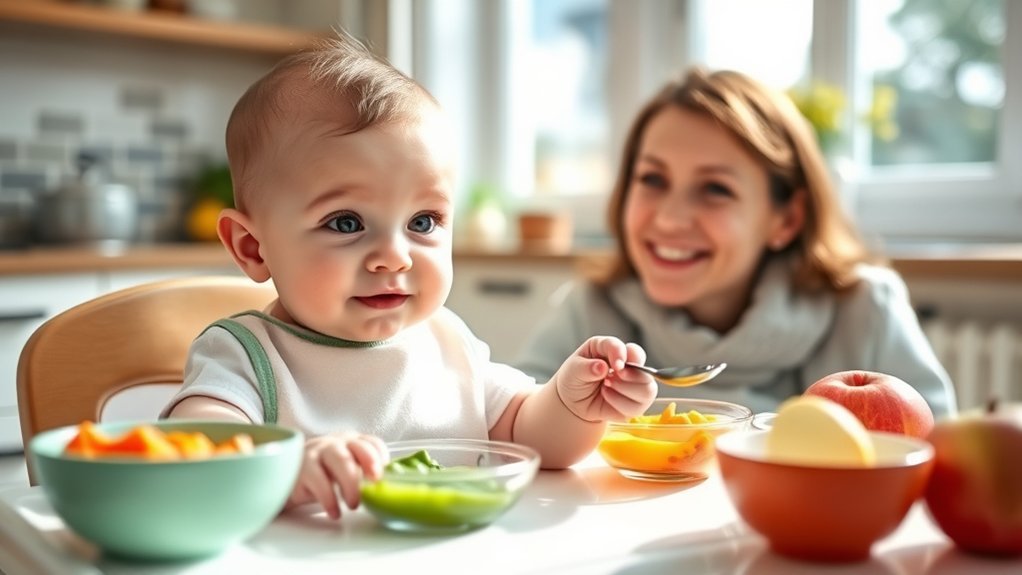

Starting solid foods can change the way your baby’s stool looks, feels, and moves. Baby food may contribute to constipation when the new diet is low in fiber or your baby takes in less fluid, but fewer dirty diapers do not automatically mean constipation. Hard, dry stools, pain, and repeated difficulty passing stool are more useful warning signs.
Quick Answer
Yes. Some babies become constipated after starting solids, especially when meals are low in fiber or they drink less breast milk or formula. Look for hard, dry, pellet-like stools or painful passage—not simply fewer bowel movements. Offer age-appropriate fluids and fiber-rich foods, and contact the pediatrician for persistent symptoms or warning signs.
Key Takeaways
- Constipation is mainly identified by hard, dry, painful, or difficult-to-pass stool—not by a fixed number of days between bowel movements.
- Straining, grunting, or turning red can be normal when the stool is still soft and passes successfully.
- Continue regular breast milk or formula feeds while introducing fruits, vegetables, legumes, and whole-grain cereals.
- Babies 6–12 months may be offered water, but babies under six months should not receive extra water unless a clinician recommends it.
- Call the pediatrician for blood, vomiting, a swollen abdomen, constant pain, poor feeding, or constipation that does not improve.
Warning: Do not dilute infant formula or give a baby laxatives, suppositories, enemas, herbal remedies, or extra juice without guidance from the baby’s pediatrician. Babies younger than six months generally should not receive water unless a healthcare professional specifically recommends it.
How Baby Food Can Contribute to Constipation
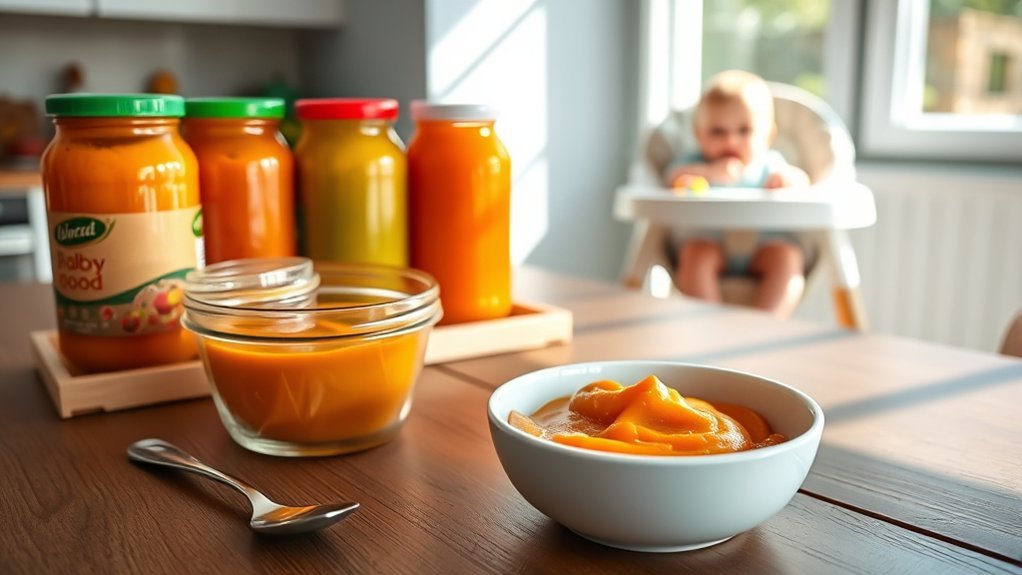
When a baby moves from a mostly liquid diet to solid foods, stool often becomes firmer, darker, and less frequent. That change can be normal. Constipation becomes more likely when stool is hard, dry, painful, or difficult to pass.
The CDC recommends introducing solid foods at about six months, when a baby shows developmental readiness. Introducing food before four months is not recommended. From 6–12 months, breast milk or infant formula should still provide most of the baby’s nutrition while the amount and variety of solid food gradually increase.
Constipation may occur when a baby’s new meals rely heavily on low-fiber foods, such as refined cereal or processed snacks, while fruits, vegetables, beans, and whole grains remain limited. It can also happen if the baby drinks less breast milk or formula because solid foods are replacing milk feeds too quickly.
Yogurt and pasteurized cheese can be part of a healthy complementary diet. They do not need to be banned, but large amounts may crowd out foods that contain more fiber. Cow’s milk should not replace breast milk or formula as a drink before 12 months.

Power your essentials anywhere with a 999Wh pure sine wave power station delivering up to 1000W continuous with 2000W surge. It supports fast charging via USB-C PD 60W and USB-A QC 18W, plus simultaneous output for multiple devices through AC, USB, wireless, and car/DC ports. Recharge using AC, car, or solar with a built-in MPPT controller and dual cooling fans, while the upgraded battery management system protects against surges, short circuits, and overheating.

ON THE GO BABY FOOD: Gerber Stage 1 Baby Food, Prune Puree Tubs are designed for ease and convenience. Our tubs are the perfect on the go baby food, made in a portable and easy-to-store format for busy parents

DIGESTIVE SUPPORT BLENDS: This blend delivers prebiotic fiber – which positively impacts the bacteria in baby’s gut – to help support baby’s digestive health
Signs Your Baby Might Be Constipated
The number of bowel movements varies greatly among babies. Some healthy babies go several days between stools, especially when breastfed, and are not constipated if the stool remains soft and passes without pain.
Stool consistency and difficulty passing it usually tell you more than the number of days between dirty diapers.
Possible signs of constipation include:
- Hard, dry, or pellet-like stools: Stool may look like small pebbles or form a large, firm mass.
- Painful bowel movements: Your baby may cry sharply, appear distressed, or avoid pushing because passing stool hurts.
- Repeated unsuccessful straining: Straining for several minutes without passing stool is more concerning than brief grunting that produces soft stool.
- A sudden change from the usual pattern: A major change in frequency combined with hard stool, pain, poor feeding, or discomfort deserves attention.
- A firm or swollen abdomen: Bloating that persists or occurs with vomiting or significant pain requires medical advice.
- Blood on the outside of hard stool: A small anal tear can cause a bright-red streak, but any blood in an infant’s stool should be discussed with the pediatrician.
Grunting, turning red, drawing up the legs, or crying briefly can be normal if your baby eventually passes a soft stool. The American Academy of Pediatrics explains that normal infant straining can look dramatic because babies are still learning to coordinate their abdominal and pelvic muscles.
Common Causes of Constipation in Infants

Constipation after the introduction of solids is usually related to several factors rather than one specific food.
- A rapid change in diet: The digestive system needs time to adjust to new textures and ingredients.
- Too little fiber: Meals based mainly on refined cereal, dairy, or low-fiber snacks may produce firmer stool.
- Reduced milk intake: Replacing breast milk or formula too quickly can lower overall fluid intake.
- Not enough age-appropriate fluid: Babies older than six months may need water alongside their usual milk feeds and solid foods.
- Illness or poor feeding: Fever, vomiting, congestion, or discomfort may temporarily reduce fluid intake.
- Medicines or supplements: Some products, including certain iron supplements, may affect stool. Do not stop a prescribed supplement without speaking to the clinician who recommended it.
- An underlying health condition: Persistent constipation beginning very early in life, poor growth, marked abdominal swelling, or repeated vomiting requires medical evaluation.
How to Prevent Constipation When Starting Solids
Introduce solids gradually and offer a varied diet instead of relying on one cereal, fruit, or dairy food. Continue regular milk feeds and watch how your baby responds to each new food.
Hydration and Fluid Intake
Breast milk or infant formula should remain the main drink throughout the first year. Do not reduce milk feeds simply to encourage a baby to eat more solids.
For babies 6–12 months, the CDC lists 4–8 ounces of water per day as a general range. Offer small sips from an open or training cup with meals rather than replacing breast milk or formula.
Babies younger than six months usually do not need water. Giving too much water can interfere with nutrition and electrolyte balance. Always prepare formula with the exact amount of powder and water printed on the container. The CDC warns against adding extra water to infant formula.
High-Fiber Food Options
Once your baby is developmentally ready for solids, offer soft foods that provide natural fiber. Match the texture to your baby’s feeding skills and supervise every meal.
| Food | Baby-Friendly Serving Idea | Helpful Feature |
|---|---|---|
| Prunes, pears, peaches, or plums | Cook and puree, mash until soft, or serve in a developmentally appropriate texture | Natural fiber and water |
| Peas, beans, or lentils | Cook until very soft, then puree or mash thoroughly | Fiber plus plant protein |
| Oatmeal, barley, or multigrain infant cereal | Prepare according to the package directions using breast milk, formula, or water as appropriate | More grain variety than relying only on rice cereal |
| Avocado or cooked vegetables | Mash or puree to a safe texture | Fiber, moisture, and varied nutrients |
Rice cereal does not have to be eliminated, but it should not be the only grain offered. Rotate it with oat, barley, and multigrain infant cereals. This provides more variety and also follows CDC advice not to rely exclusively on rice cereal.
Pro Tip: Keep a simple log of new foods, breast milk or formula feeds, water intake, stool consistency, and signs of pain. A short record can help you identify patterns and gives the pediatrician useful information if the problem continues.
Relieve Your Baby’s Constipation Safely
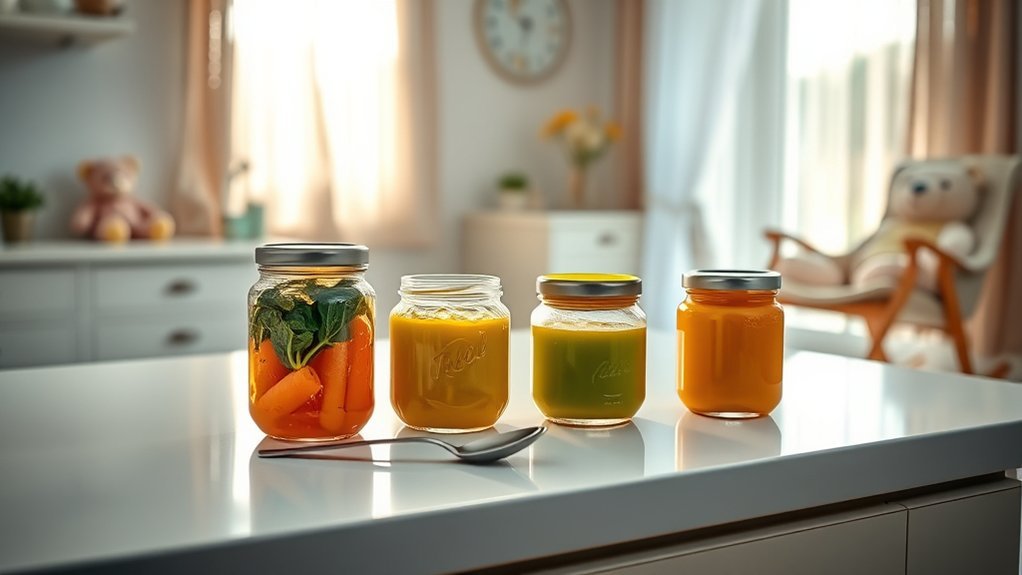
If your baby has recently started solids and passes firm stool without any urgent warning signs, the following steps may help:
- Continue normal breast milk or formula feeds. These remain the baby’s main source of nutrition and fluid.
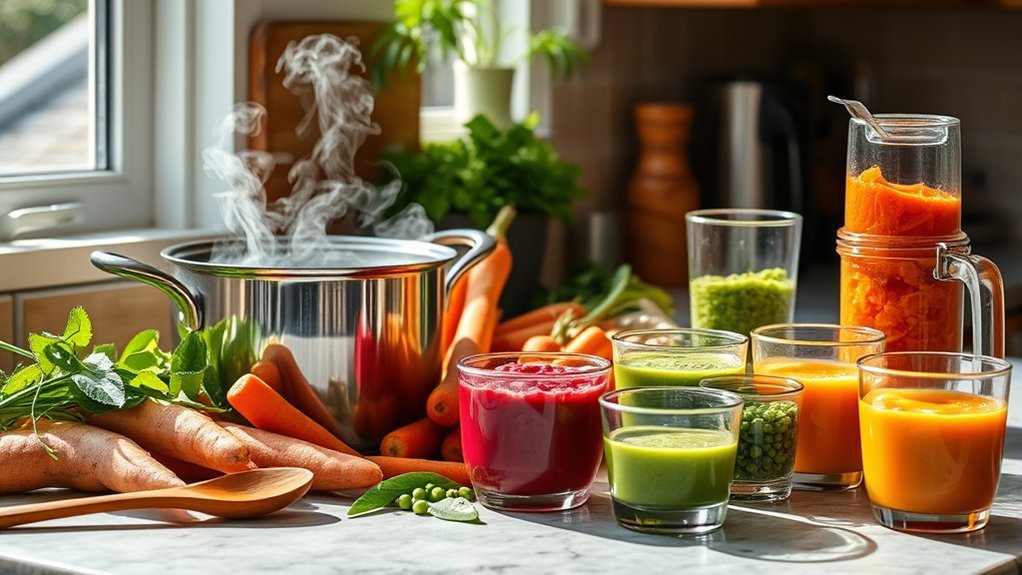
- Offer a fiber-rich food. Try an age-appropriate serving of pureed or mashed prunes, pears, peaches, peas, beans, or lentils.
- Offer water if your baby is at least six months old. Give small sips with meals while staying within the amount recommended by your pediatrician.
- Use gentle movement. Supervised tummy time or slowly moving the legs in a bicycle motion may help your baby relax and move gas, although it is not a substitute for medical treatment.
- Review the overall diet. Reduce repeated servings of low-fiber foods and add more fruit, vegetables, legumes, or whole grains.
- Contact the pediatrician if the problem continues or returns. Recurring constipation may require a tailored feeding plan or medical treatment.
Note: The American Academy of Pediatrics discusses limited apple or pear juice for selected cases of infant constipation. Because routine juice is not recommended for babies under 12 months, ask your pediatrician whether juice is appropriate and how much to give rather than estimating a dose.
Which Foods May Firm a Baby’s Stool?
No single food causes constipation in every baby. The amount eaten, the food’s preparation, and the balance of the full diet all matter.
- Rice cereal: It may firm stool in some babies and often contains less fiber than oatmeal, barley, or multigrain cereal. Rotate grains instead of relying on rice cereal at every meal.
- Underripe bananas: Green or underripe bananas may produce firmer stool. A ripe banana can still be part of a varied diet, especially when paired with pears, prunes, oatmeal, or other fiber-rich foods.
- Cheese and yogurt: Unsweetened yogurt and pasteurized cheese are appropriate for many babies after solids begin. Large portions may contribute indirectly if they replace fruits, vegetables, legumes, or whole grains.
- Processed baby snacks: Some crackers, puffs, and refined snacks contain little fiber. Check the ingredient and nutrition labels instead of judging by the brand name.
- Applesauce and white potatoes: These foods do not need to be banned, but they may provide less fiber than whole mashed fruit, pears, prunes, peas, beans, or whole grains. Serve them as part of a varied meal.
Food reactions are individual. If one food repeatedly coincides with hard stool, pause it temporarily, offer a more varied diet, and discuss the pattern with your baby’s healthcare provider.
When Should You Call the Pediatrician About Constipation?
Call the pediatrician if your baby repeatedly passes hard or painful stool, constipation does not improve with reasonable dietary changes, or the problem keeps returning. Contact the clinician before giving juice, changing formula, or using any medicine or rectal treatment.
Severe Pain and Other Warning Signs
Seek prompt medical care if constipation occurs with any of the following:
- A swollen, firm, or very tender abdomen
- Constant or severe abdominal pain
- Repeated vomiting
- Poor feeding, unusual sleepiness, or signs of dehydration
- Weight loss or poor weight gain
- Fever or a baby who appears seriously ill
- Constipation beginning in the newborn period or very early infancy
The National Institute of Diabetes and Digestive and Kidney Diseases advises prompt medical evaluation when constipation occurs with rectal bleeding, blood in the stool, bloating, constant abdominal pain, vomiting, or weight loss.
Blood in the Stool
A hard stool can create a small tear near the anus, called an anal fissure, and leave a bright-red streak on the outside of the stool. Even when a fissure seems likely, contact your pediatrician so the bleeding and constipation can be assessed.
Seek urgent care if there is more than a small streak, the stool is black or tar-like, bleeding continues, or blood appears with vomiting, significant abdominal pain, fever, poor feeding, unusual sleepiness, or a swollen abdomen.
Frequently Asked Questions
Can introducing solids too early cause constipation in babies?
A dietary change can alter stool at any age, but timing is only one factor. The CDC recommends starting solids at about six months when a baby shows developmental readiness and advises against starting before four months. Beginning too early may replace needed breast milk or formula and introduce textures the baby is not ready to manage.
Are certain baby food brands more likely to cause constipation?
The ingredients and overall diet matter more than the brand. Compare products for whole grains, fruit, vegetables, beans, and added sugars. A low-fiber product may contribute when it repeatedly replaces more varied foods, but one serving does not automatically cause constipation.
Is constipation common for every baby starting solids?
No. Many babies have a temporary change in stool texture or frequency without becoming constipated. True constipation is more likely when stool is hard, dry, painful, or repeatedly difficult to pass.
How long can constipation last after starting solids?
There is no fixed normal duration. A brief episode may improve after milk intake, age-appropriate water, and fiber-rich foods are balanced. Call the pediatrician if hard or painful stools continue, the problem repeatedly returns, or your baby develops blood, vomiting, abdominal swelling, constant pain, or poor feeding.
Can teething cause constipation?
Teething is not considered a direct cause of constipation. However, a baby who is uncomfortable may temporarily eat or drink less, and that change may affect the stool. Do not assume ongoing constipation is caused by teething, especially when other symptoms are present.
How much water can a baby have for constipation?
For babies 6–12 months, CDC guidance lists 4–8 ounces of water per day as a general range while breast milk or formula remains the main drink. Offer small sips with meals. Babies under six months should not receive extra water unless their healthcare provider recommends it.
Are prunes or pears safe for a constipated baby?
Once a baby is developmentally ready for solids, soft pureed or mashed prunes and pears can provide fiber and moisture. Use a texture that matches the baby’s feeding skills. Ask the pediatrician before giving fruit juice, particularly to a young infant.
Should I use a suppository, enema, or laxative?
Do not give an infant a suppository, enema, laxative, stool softener, or homemade remedy unless the baby’s pediatrician recommends the product and dose. These treatments may be appropriate in selected cases, but the clinician should first consider the baby’s age, feeding, symptoms, and medical history.
Conclusion
Baby food can contribute to constipation, but a change in stool frequency alone is not enough to diagnose it. Pay closer attention to stool that is hard, dry, painful, or repeatedly difficult to pass. Continue breast milk or formula, introduce a variety of fiber-rich foods, and offer age-appropriate water after six months.
Because infants have different feeding needs and medical histories, contact your pediatrician before using juice, medicine, suppositories, or enemas. Seek prompt care when constipation occurs with blood, vomiting, a swollen abdomen, constant pain, poor feeding, unusual sleepiness, or weight concerns.
Sources
- American Academy of Pediatrics: How Can I Tell If My Baby Is Constipated? — infant stool patterns, constipation signs, and dietary guidance.
- American Academy of Pediatrics: Pooping by the Numbers — normal stool frequency and straining in infants.
- CDC: When, What, and How to Introduce Solid Foods — readiness, timing, food variety, and safe preparation.
- CDC: Foods and Drinks to Encourage — balanced complementary foods and water guidance for ages 6–12 months.
- CDC: Infant Formula Preparation and Storage — correct formula mixing and the danger of adding extra water.
- National Institute of Diabetes and Digestive and Kidney Diseases: Constipation in Children — symptoms, causes, and signs requiring medical attention.