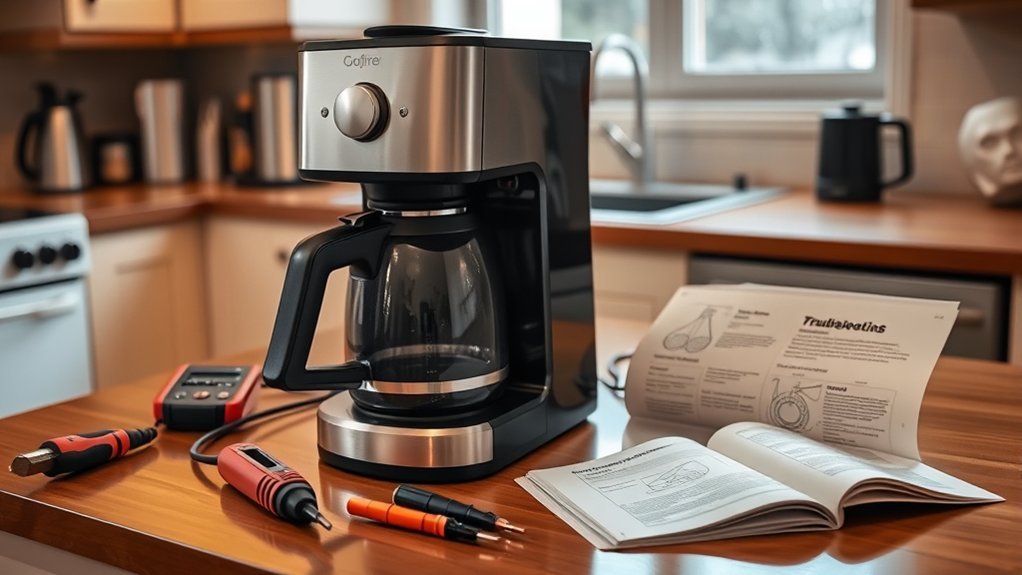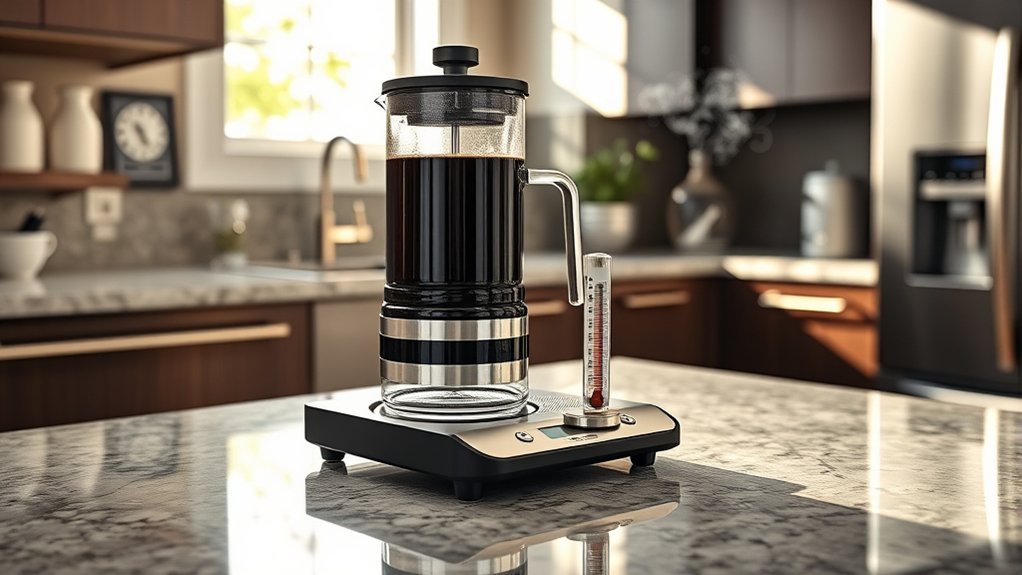
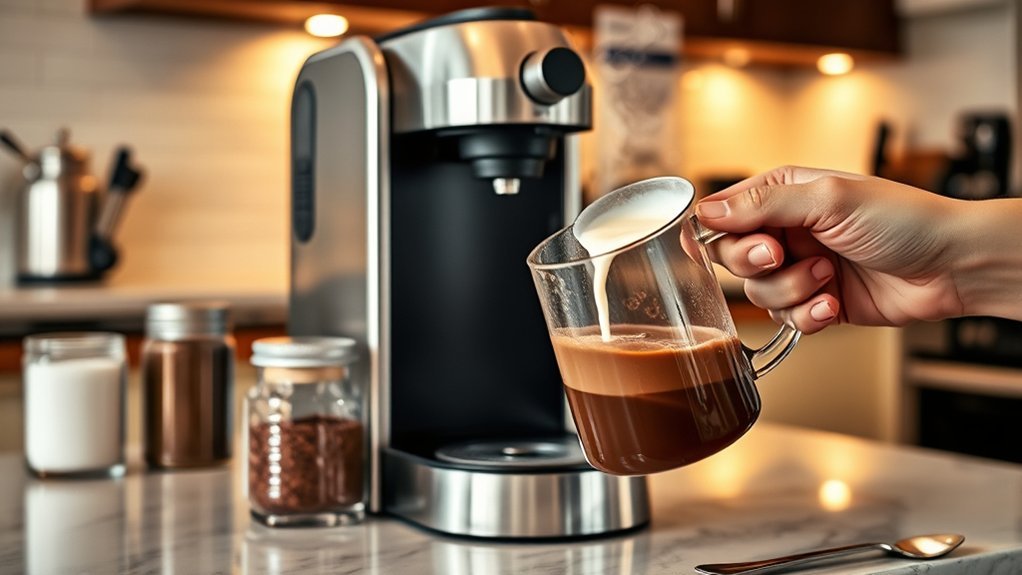
Yes, you can use a coffee maker to help make hot chocolate, but the safest method is to let the machine heat or dispense plain water and mix the cocoa in your mug. Do not put milk, cocoa powder, chocolate, sugar, or syrup into a standard water reservoir. An espresso machine can also steam plain milk, which you then combine with chocolate outside the machine’s water path.
Quick Answer
Use plain water in the coffee maker and put the hot cocoa mix in your mug. Run a water-only or hot-water cycle only if your model permits it, then stir well and add separately heated milk if desired. Never put milk or loose cocoa into a standard water reservoir or ordinary brew path.
Key Takeaways
- Fill a standard coffee maker’s water reservoir only with the type of water allowed by its manufacturer.
- Mix cocoa powder, hot cocoa mix, chopped chocolate, milk, and flavorings in the mug or a separate pitcher.
- Before running plain water, confirm that your brewer permits a water-only cycle and that any required basket, filter, carafe, or pod holder is correctly installed.
- With an espresso machine, steam plain milk as directed by the manufacturer and add it to the chocolate afterward.
- Use a cocoa capsule only when it is specifically approved for your capsule system, and check the label for milk or other allergens.
- Clean anything that touched cocoa or milk immediately after use, following the manufacturer’s instructions.
At a Glance
| Time Required | One permitted heating or brew cycle, plus about 1 minute for mixing |
| Difficulty | Easy |
| Tools Needed | Coffee maker, heat-safe mug, spoon, and optional milk pitcher |
| Cost | The cost of one serving of cocoa and optional milk; no extra appliance is normally required |
Warning: Never fill an ordinary coffee maker’s water reservoir with milk, cocoa mix, melted chocolate, creamer, sugar, or syrup. These ingredients can leave difficult residue, obstruct the flow path, create odors, or damage parts not designed for them. Hot water, steam wands, warming plates, and automatic wand-purge cycles can also cause burns.
Understanding the Risks of Brewing Hot Chocolate in a Coffee Maker
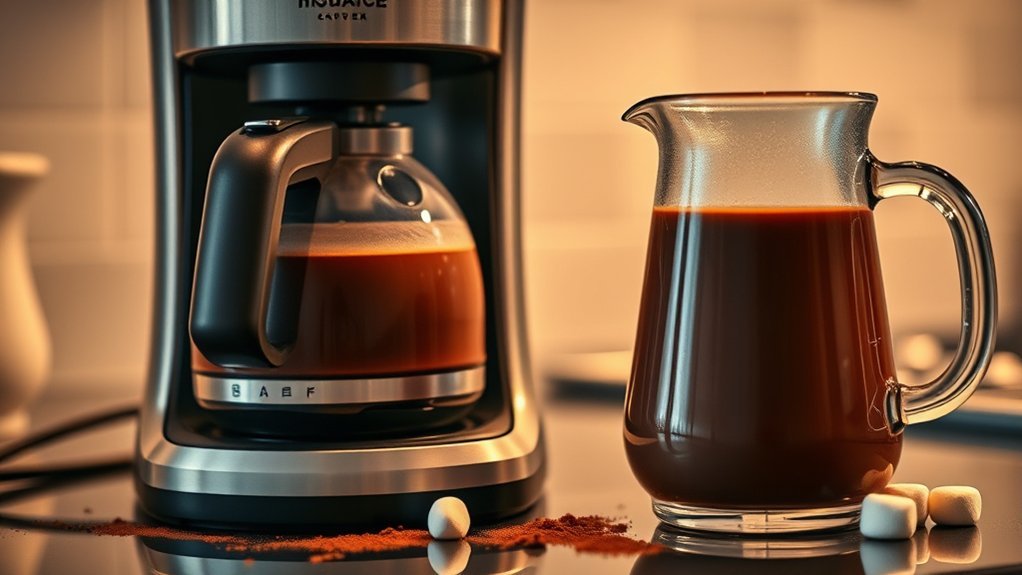
The main risk comes from putting ingredients into parts of a machine that were designed to circulate water. Milk contains proteins and fat, while cocoa mixes may contain fine cocoa solids, sugar, milk ingredients, starches, and flavorings. These materials can leave residue in tubes, pumps, valves, pod needles, heating chambers, or other internal components.
The water reservoir should therefore contain only the type of water allowed by the manufacturer. For example, Breville instructs users of its Grind Control drip brewer to refill the tank with cold water and not to use another liquid. Its Oracle Jet espresso instructions also say not to fill the water tank with milk. See the Breville Grind Control instruction manual and the Breville Oracle Jet instruction manual.
The safe distinction is simple: your coffee maker may heat or dispense the liquid used to prepare hot chocolate, but chocolate ingredients should stay outside the machine’s ordinary water path unless the manual specifically describes a compatible cocoa program, capsule, or other beverage function.
Use the coffee maker to supply the hot water or approved steamed milk—not to circulate loose cocoa, sugar, chocolate, or milk through a standard water system.
Which Coffee Makers Can Make Hot Chocolate?
| Machine Type | Safe Method | What to Avoid |
|---|---|---|
| Drip coffee maker | If the manual permits a water-only cycle, run plain water and combine it with cocoa mix in the mug. | Do not put cocoa or milk in the reservoir or brew basket. |
| Espresso machine | Steam plain milk according to the machine instructions and combine it with chocolate in the mug. | Do not draw chocolate through the wand or add milk to the water tank. |
| Capsule brewer | Use a cocoa capsule listed as compatible with that exact system, or dispense plain water into cocoa mix when the brewer permits it. | Do not assume every capsule system or reusable pod supports cocoa. |
| Standalone milk frother | Heat or froth plain milk, then mix it with chocolate separately unless the frother manual specifically permits additions. | Do not add powders, syrups, sugar, or chocolate when the manual prohibits them. |
| Coffee maker with a separate hot-water dispenser | Dispense plain hot water directly into the prepared mug. | Do not confuse the separate hot-water system with the coffee brew basket or milk system. |
How to Brew Hot Chocolate Safely in Your Coffee Maker
This basic method works when your coffee maker’s manual permits a water-only or hot-water cycle. Check the instructions first, especially if the brewer requires a coffee filter, pod holder, carafe, or another part to be installed before it will operate safely.
Before You Start: Check Your Brewer’s Required Parts
- Confirm water-only operation: Do not assume every brew mode is intended to run without coffee or a pod.
- Keep required parts installed: If the manual requires the filter basket, permanent filter, pod holder, or another insert to remain in place, install it even when no coffee is being brewed.
- Use the correct receiving vessel: Some drip brewers rely on the original carafe or its lid to open a drip-stop valve. Do not substitute a mug if your manual requires the carafe.
- Use a dedicated hot-water function when available: This usually keeps the cocoa completely separate from the coffee basket.
- Check clearance and capacity: Use a heat-safe mug or carafe that fits correctly and can hold the selected water volume without overflowing.
The Breville Grind Control manual, for example, requires its filter basket to be fitted correctly and gives model-specific instructions for positioning the carafe or cup. The exact setup on your machine may differ, which is why its manual should take priority.
- Prepare the mug. Add one packet of hot cocoa mix, or about 2 to 3 tablespoons of loose mix, to a heat-safe mug.
- Fill the reservoir. Add enough permitted plain water for one serving. Do not add milk or cocoa to the tank.
- Clear old coffee. Remove used grounds or pods. Rinse removable coffee-contact parts if they contain grounds or strong flavored-coffee residue.
- Install required parts. Make sure any basket, filter, carafe, pod holder, or cup required by the brewer is correctly positioned.
- Run the permitted water cycle. Use a hot-water function or the smallest suitable water-only cycle allowed by your model.
- Mix immediately. If the water collected in a carafe, pour it into the prepared mug. Stir until no dry pockets remain.
- Adjust the drink. Add more cocoa for a stronger flavor, or add separately warmed milk for a creamier texture.
- Clean what touched cocoa. Wash the mug, spoon, and carafe if used. The internal water path normally needs no special cocoa cleaning when only plain water passed through it.
Pro Tip: Mix the cocoa with one or two tablespoons of hot water first to form a smooth paste. Add the remaining hot water gradually while stirring. This reduces dry clumps and gives the drink a smoother texture.
Using Drip Coffee Makers for Hot Chocolate
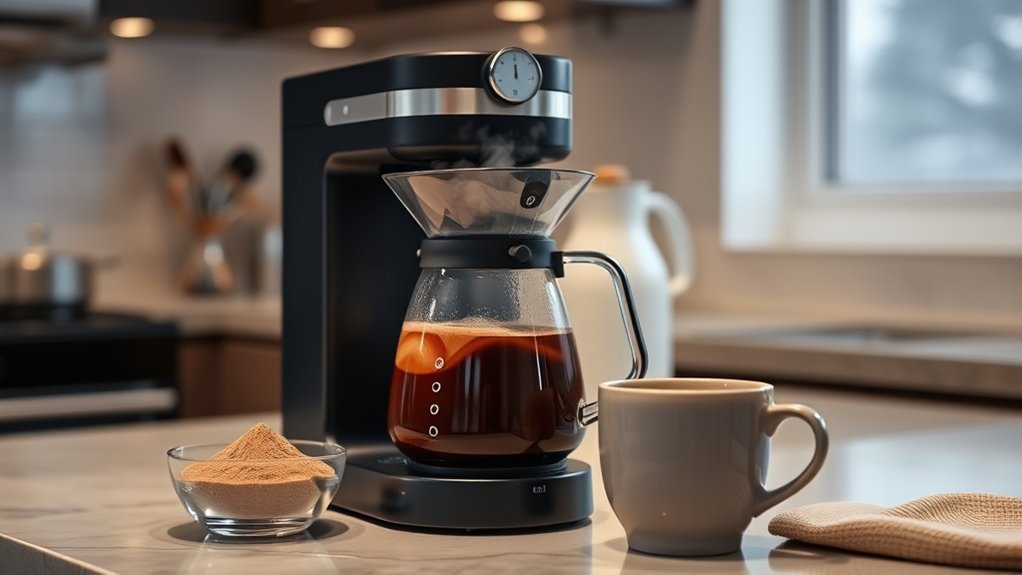
A drip coffee maker is best treated as a convenient hot-water source when its operating instructions allow a water-only cycle. Put the cocoa mix in the mug rather than the reservoir, paper filter, permanent filter, or brew basket. This keeps sugar and cocoa solids away from the showerhead, filter holder, tubing, and heating system.
Basic Water-Based Hot Chocolate
- Hot cocoa mix: One packet or 2 to 3 tablespoons
- Water: 6 to 8 fluid ounces, depending on the package directions and desired strength
- Optional additions: A splash of milk, a pinch of salt, vanilla, cinnamon, or whipped cream
Place the mix in the mug, dispense the permitted amount of hot water, and stir thoroughly. If the machine is designed to brew only into its carafe, run plain water into a clean, correctly positioned carafe and pour the water into the mug afterward.
Note: Do not use a warming plate as a substitute for a saucepan or milk heater. If cocoa is already in a carafe, avoid leaving the sugary drink on an active warming plate because it can thicken, scorch, and become difficult to clean. Mixing each serving in a mug is simpler.
How to Prevent a Coffee Aftertaste
Remove used grounds or pods, discard the old filter when appropriate, and rinse the basket and carafe before running the water. If the machine has recently brewed strong or flavored coffee, use the manufacturer-approved rinse or cleansing procedure first. Then use fresh water for the cocoa.
Using Espresso Machines for a Creamy Hot Chocolate Experience
An espresso machine can make a richer hot chocolate because its steam wand can heat and texture milk. Unless your manufacturer specifically says otherwise, let the wand contact plain milk only. Put the cocoa, chopped chocolate, or syrup in the cup, then combine it with the steamed milk.
Steam Wand Technique
- Add hot cocoa mix, cocoa paste, or finely chopped chocolate to a large heat-safe cup.
- Pour cold milk into a clean steaming pitcher without exceeding the pitcher or machine’s recommended fill level.
- Purge the wand briefly if your machine’s instructions call for it.
- Steam the milk using the temperature and texture procedure specified for your machine.
- Remove the pitcher and immediately wipe the wand with a clean, damp cloth as directed.
- Purge or lower the wand according to the manufacturer’s procedure, keeping your hands clear of hot steam and water.
- Pour a small amount of steamed milk into the chocolate and stir until smooth.
- Add the remaining milk and spoon the foam over the top if desired.
Nespresso’s Vertuo Creatista instructions tell users to wipe the steam wand with a clean, damp cloth after each use and wash the milk jug after use. See the Vertuo Creatista user manual.
Quality Chocolate Selection
The best chocolate depends on the flavor, sweetness, and texture you prefer. There is no machine-safety requirement for a particular cocoa percentage because the chocolate should remain outside the ordinary water system.
- Hot cocoa mix: Fast and easy to dissolve, though many mixes are fairly sweet.
- Unsweetened cocoa powder: Gives you control over the sugar but dissolves more smoothly when first made into a paste.
- Milk chocolate: Produces a sweet, mild drink.
- Semisweet or dark chocolate: Produces a richer, less-sweet drink.
- Finely chopped chocolate: Melts more evenly than large chunks.
Keep all chocolate in the cup or a separate mixing vessel. Do not insert pieces of chocolate into a portafilter, capsule holder, steam-wand opening, or water reservoir unless your machine’s manufacturer explicitly provides a procedure for that ingredient.
Flavor Enhancement Options
Add flavorings after the cocoa is smooth. Start with a small amount, taste, and add more only when needed.
| Flavor Addition | Suggested Starting Amount | How to Use It |
|---|---|---|
| Peppermint extract | 1/8 teaspoon | Stir into the finished drink. |
| Cayenne pepper | A very small pinch | Mix with the cocoa before adding liquid. |
| Peanut butter | 1 teaspoon | Blend into the hot drink in the mug. |
| Finely chopped chocolate | 1 to 2 ounces | Cover with a little hot milk, stir smooth, and add the remaining milk. |
| Vanilla extract | 1/4 teaspoon | Stir in after the chocolate has dissolved. |
Best Practices for Capsule Coffee Machines and Pods
Capsule systems need model-specific guidance. Some systems offer approved cocoa capsules, while others are designed for different beverage capsules. Check both the brewer manual and the capsule packaging before use.
Using Compatible Hot Chocolate Pods
Use a cocoa pod only when its manufacturer states that it fits your capsule system. Follow the serving-size instructions printed for that pod rather than automatically choosing the brewer’s largest setting. For example, Keurig’s guidance for its Swiss Miss Reduced Calorie Hot Cocoa K-Cup says to use the 8-ounce setting and press the Hot Cocoa/Other button when the brewer has that option. See Keurig’s hot cocoa K-Cup preparation guidance.
Note: Water in the reservoir does not automatically make a cocoa pod dairy-free. Some hot-cocoa capsules contain milk ingredients. Check the ingredient and allergen statement on the exact pod if you avoid dairy or have a food allergy.
Do not fill a reusable coffee capsule with loose cocoa mix unless both the reusable capsule maker and the brewer manufacturer expressly approve that use. Fine powder and sugar can escape an unsuitable capsule or collect around puncture and outlet areas.
Avoiding Clogs in Machines
Remove a used cocoa capsule after it has cooled enough to handle safely. If your manufacturer recommends a water-only cleansing brew after sweetened beverages, run it promptly. Keurig specifically advises running a cleansing brew after pods containing hot cocoa or milk ingredients to reduce the chance of needle clogging. See Keurig’s brewer-cleaning guide.
Caution: Capsule holders may contain sharp puncture needles. Turn the machine off, unplug it when directed, let it cool, and follow the manual before removing or cleaning the pod holder.
Importance of Regular Cleaning
Cleaning after hot chocolate has three separate parts:
- Immediate rinse: Clears beverage residue after a compatible sweetened pod when the manufacturer calls for a cleansing brew.
- After-use washing: Removes milk or cocoa from pitchers, removable frother parts, drip trays, cups, and steam-wand surfaces.
- Periodic descaling: Removes mineral deposits from the water system according to the machine’s maintenance schedule.
Do not assume that vinegar is safe for every machine. Manufacturers specify different descaling products and procedures. Nespresso’s descaling guidance warns against vinegar, so use the method and product stated for your exact model. See Nespresso’s official descaling guidance.
Maintenance Tips for Coffee Makers After Brewing Hot Chocolate
| Preparation Method | Immediate Cleanup |
|---|---|
| Drip brewer used for plain water only | Wash the mug and any carafe that touched cocoa. Cocoa never entered the internal water system. |
| Espresso steam wand used for milk | Wipe and purge or lower the wand as directed, then wash the pitcher. |
| Approved cocoa capsule | Discard the cooled pod and run the cleansing procedure recommended for the brewer. |
| Standalone milk frother | Wash the jug, whisk, lid, seals, or other washable parts exactly as the frother manual directs. |
Descaling is not the same as removing cocoa or milk residue. Descaling targets mineral buildup caused by water. Follow the maintenance light, schedule, water-hardness setting, or interval specified by your manufacturer rather than descaling simply because you prepared hot chocolate.
Choosing the Right Hot Cocoa Mix for Your Coffee Maker
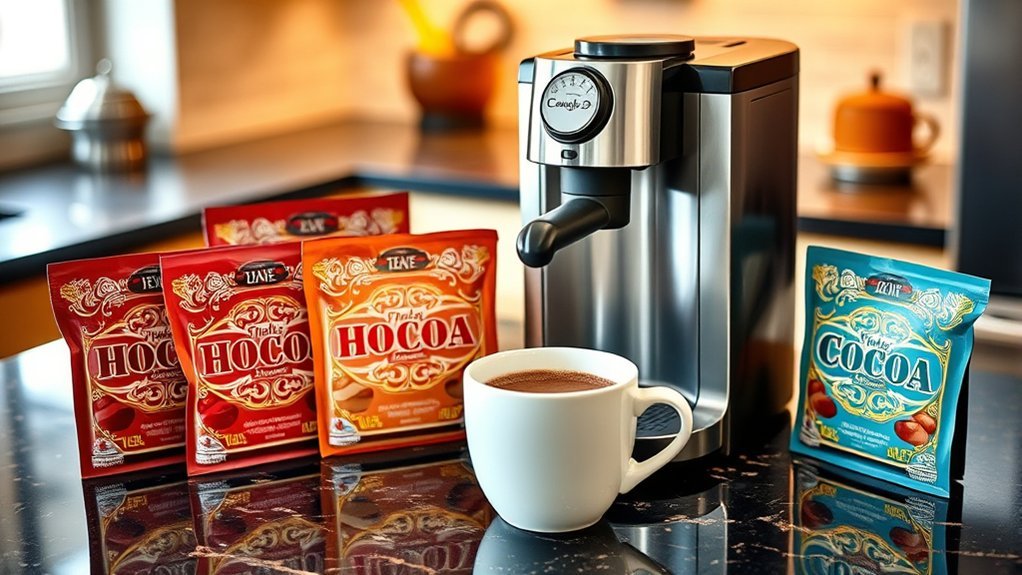
When the mix stays in the mug, choosing cocoa is mainly about flavor, sweetness, ingredients, and texture—not protecting the coffee maker. A fine, easily dissolving mix is convenient because it forms fewer clumps. A thicker mix is also usable as long as you stir it in the mug instead of sending it through the brewer.
Check the package directions first. Some mixes are designed for water, while others taste best with milk. If the instructions call for milk and your coffee maker has no approved milk-heating system, heat the milk in a suitable microwave-safe container, saucepan, or separate appliance instead of pouring it into the water reservoir.
If you avoid dairy or specific allergens, read the mix or pod label rather than assuming a drink prepared with water is dairy-free. Some instant cocoa mixes and capsules contain dry milk or other milk-derived ingredients.
For a capsule machine, the compatibility statement on the cocoa capsule matters more than the cocoa brand. The capsule must match the brewer’s system and should be used at the recommended serving size.
How to Enhance Your Hot Chocolate: Flavor Additions
Once the chocolate is fully dissolved, you can adjust the drink without exposing the coffee maker’s ordinary water system to sticky ingredients.
- Peppermint: Stir in a drop or two of peppermint extract for a cool finish.
- Cinnamon or cayenne: Add a small pinch for warmth and spice.
- Peanut butter: Whisk a teaspoon into the mug for a nutty, thicker drink.
- Vanilla: Add a small splash to soften bitter cocoa notes.
- Salt: A tiny pinch can balance sweetness and strengthen the chocolate flavor.
- Espresso: Add a freshly brewed shot after making the cocoa to create a mocha-style drink.
Whipped cream, marshmallows, shaved chocolate, or caramel can be added after the drink leaves the machine. Keep toppings away from steam openings, pod holders, water tanks, and other internal beverage pathways.
What to Do If Cocoa or Milk Entered the Reservoir
Act promptly, but do not keep running brew cycles in an attempt to force the ingredient through the machine. That can carry the contamination farther into parts that are difficult to clean.
- Stop the machine and switch it off.
- Unplug it if doing so is safe and consistent with the manual.
- Allow hot surfaces, water, and steam components to cool.
- Remove the reservoir if it is designed to be removable.
- Discard the contaminated liquid and wash the removable tank according to the manual.
- Do not immerse the machine or pour water into its housing.
- If milk, cocoa, syrup, or another ingredient was drawn into internal tubing, contact the manufacturer or an authorized service center before using the machine again.
If the contaminated liquid reached heated or inaccessible internal parts, residue can create odors, affect flow, contaminate later drinks, or interfere with components. Repeatedly running water may move the residue rather than remove it completely.
Troubleshooting Hot Chocolate Made With a Coffee Maker
| Problem | Likely Cause | Safe Fix |
|---|---|---|
| Powdery clumps | The mix was flooded with water before it dispersed. | Make a paste with a small amount of hot water, then add the rest gradually. |
| Weak or watery flavor | Too much water was used, or the selected capsule serving was larger than recommended. | Use less water or more mix; follow the capsule’s stated cup size. |
| Coffee aftertaste | Grounds, oils, or flavored-coffee residue remain in the basket, outlet, or carafe. | Wash removable parts and use the manufacturer-approved rinse or cleansing procedure before preparing cocoa. |
| Capsule brewer flows slowly after cocoa | Sweetened residue may be collecting near the pod holder or needle. | Run the manufacturer’s cleansing procedure and clean removable parts only as directed. |
| Steam wand produces weak foam | Dried milk or another obstruction may be restricting the steam openings. | Stop using the wand and follow its approved cleaning or unblocking procedure. |
| Burnt smell from the carafe | Sugary cocoa remained on an active warming plate. | Turn off the plate, let the carafe cool, and wash it according to its care instructions. |
| Water backs up in the brew basket | A required carafe or drip-stop mechanism may not be positioned correctly, or the basket may be obstructed. | Stop the cycle and follow the brewer manual. Do not improvise with a mug or force the drip-stop valve open. |
Frequently Asked Questions
Can I use milk instead of water in my coffee maker?
Do not pour milk into a standard coffee maker’s water reservoir. Milk can leave residue in internal parts that were designed for water. Heat milk separately, or steam it with an espresso wand or milk system specifically designed for that purpose.
Will making hot chocolate damage my coffee maker?
It should not damage a compatible machine when only permitted plain water passes through the ordinary water system and the cocoa is mixed in the mug. Problems become more likely when milk, sugar, loose cocoa, melted chocolate, or syrup enters parts that were designed only for water or coffee.
How long does it take to make hot chocolate with a coffee maker?
Preparation usually takes one machine heat-up or permitted water cycle plus about a minute for stirring. The exact time varies by brewer, serving size, and whether you also heat or steam milk.
Can I use a flavored hot chocolate mix?
Yes. Put the flavored mix in the mug and add hot water from the coffee maker. Do not place loose mix in the reservoir, brew basket, portafilter, or reusable capsule unless the relevant manufacturers expressly approve that use.
What should I do if my coffee maker clogs after hot chocolate?
Stop using the machine and follow its official cleaning or unblocking instructions. Do not insert objects into tubes or needles, and do not automatically use vinegar. Contact the manufacturer if cocoa or milk entered the internal water system or the approved cleaning procedure does not restore normal flow.
Can I put hot cocoa mix in the coffee filter or brew basket?
No. Fine cocoa particles and sugar can pass through or collect around the filter, basket, showerhead, and carafe. Put the mix directly in your mug instead.
Can I put chocolate powder directly in a milk frother?
Only when the exact frother’s manual specifically permits additives. Some frothers are intended for plain milk or approved plant-based beverages and can be damaged by sugar, syrup, or powders. When uncertain, froth the permitted plain liquid and combine it with chocolate in the mug afterward.
Can I make dairy-free hot chocolate with a coffee maker?
Yes. Choose a cocoa mix or chocolate that is labeled dairy-free, use plain water in the coffee maker, and add separately heated plant-based milk if desired. If you use a frother or automatic milk system, first confirm that its manual permits your chosen plant-based beverage. Cocoa capsules may contain milk, so check their allergen labels.
Do I need to clean the whole machine after every cup?
Not when a drip machine dispensed only plain water and the cocoa stayed in the mug. Wash anything that touched cocoa or milk. After an approved cocoa capsule, run the cleansing procedure recommended by the manufacturer. Clean a steam wand and milk pitcher after each milk use as directed.
Conclusion
A coffee maker can help you prepare hot chocolate without sending chocolate ingredients through parts that were designed for water. Use a compatible drip brewer or hot-water outlet to supply plain hot water, steam plain milk with an espresso wand before combining it with chocolate, or use a cocoa capsule specifically approved for your capsule system. Check your model’s required basket, filter, carafe, or hot-water setup before starting, and clean every part that actually touches cocoa or milk according to the manufacturer’s directions.
Sources
- Breville Grind Control Instruction Manual — supports using water rather than another liquid in the brewer and following the model’s required basket and receiving-vessel setup.
- Breville Oracle Jet Instruction Manual — supports the warning against milk in the water tank and the caution around hot steam and automatic purging.
- Keurig Brewer Cleaning Tips — supports running a cleansing brew after hot-cocoa or milk-ingredient pods.
- Keurig Hot Cocoa K-Cup Guidance — supports the product-specific 8-ounce and Hot Cocoa/Other setting guidance and identifies milk as an ingredient in this cocoa pod.
- Nespresso Vertuo Creatista User Manual — supports washing the milk jug and wiping the steam wand after use.
- Nespresso Descaling Guidance — supports following Nespresso’s approved descaling procedure rather than substituting an unapproved cleaner.