A reliable coffee maker can make an Airbnb or vacation rental feel more complete, but the best choice is not always the machine with the most features. Match the brewer to your guest count, available counter space, cleaning routine, and the type of coffee you plan to supply. Simple instructions, safe placement, and consistent restocking matter just as much as brewing performance.
Quick Answer
For most Airbnbs, choose a simple drip coffee maker with automatic shutoff, an easy-to-clean basket, and enough capacity for the listed occupancy. A single-serve brewer suits studios and short stays, while a dual brewer adds flexibility but requires more supplies, instructions, and cleaning.
Key Takeaways
- Choose a coffee maker that matches your maximum occupancy, counter space, outlet location, and cleaning workload.
- Prioritize simple controls, automatic shutoff, a stable base, readable water markings, and readily available replacement parts.
- Confirm whether the single-serve side accepts pods, ground coffee, or both; similar-looking dual brewers can work differently.
- Clean removable parts between guests and descale only according to the exact model’s manual.
- Provide a practical starter supply of regular and decaf coffee, with sealed and clearly labeled sweeteners and creamers.
- Inspect the cord, plug, carafe, lid, basket, and recall status regularly, and remove a damaged machine from service immediately.
At a Glance
| Time Required | About 30–60 minutes to compare models; 5–10 minutes to set up and test; several minutes during each turnover to clean and inspect |
| Difficulty | Easy, provided you follow the manufacturer’s setup, cleaning, and safety instructions |
| Tools Needed | Tape measure, occupancy information, nearby grounded outlet, appliance manual, dish soap, soft cloth, and the approved descaling product or solution |
| Cost | Varies by capacity and features; include coffee, filters, pods, cleaning supplies, replacement carafes, and other parts in the total cost |
Why a Good Coffee Maker Matters for Your Guests

A coffee maker is a practical kitchen amenity that can help guests start the day without leaving the property. Airbnb’s own host-preparation guidance lists a coffee maker among useful kitchen items and recommends giving guests instructions for household devices. Hosts should also mark the coffee maker accurately in their listing amenities. Airbnb’s preparation guidance supports providing the appliance, while the exact type remains the host’s decision.
The machine should be easy enough for a first-time user to operate without downloading an app or searching for a manual. A clearly labeled on/off button, visible water markings, a familiar filter basket, and a short instruction card usually provide more value than advanced controls that guests may never use.
The most guest-friendly coffee setup is the one that works predictably, is clean at check-in, and can be understood in less than a minute.
Offering more than one brewing method can be useful, but each extra option adds supplies, parts, and cleaning steps. A well-maintained drip brewer with regular and decaf coffee may serve guests better than a complicated station with several machines and unclear instructions.
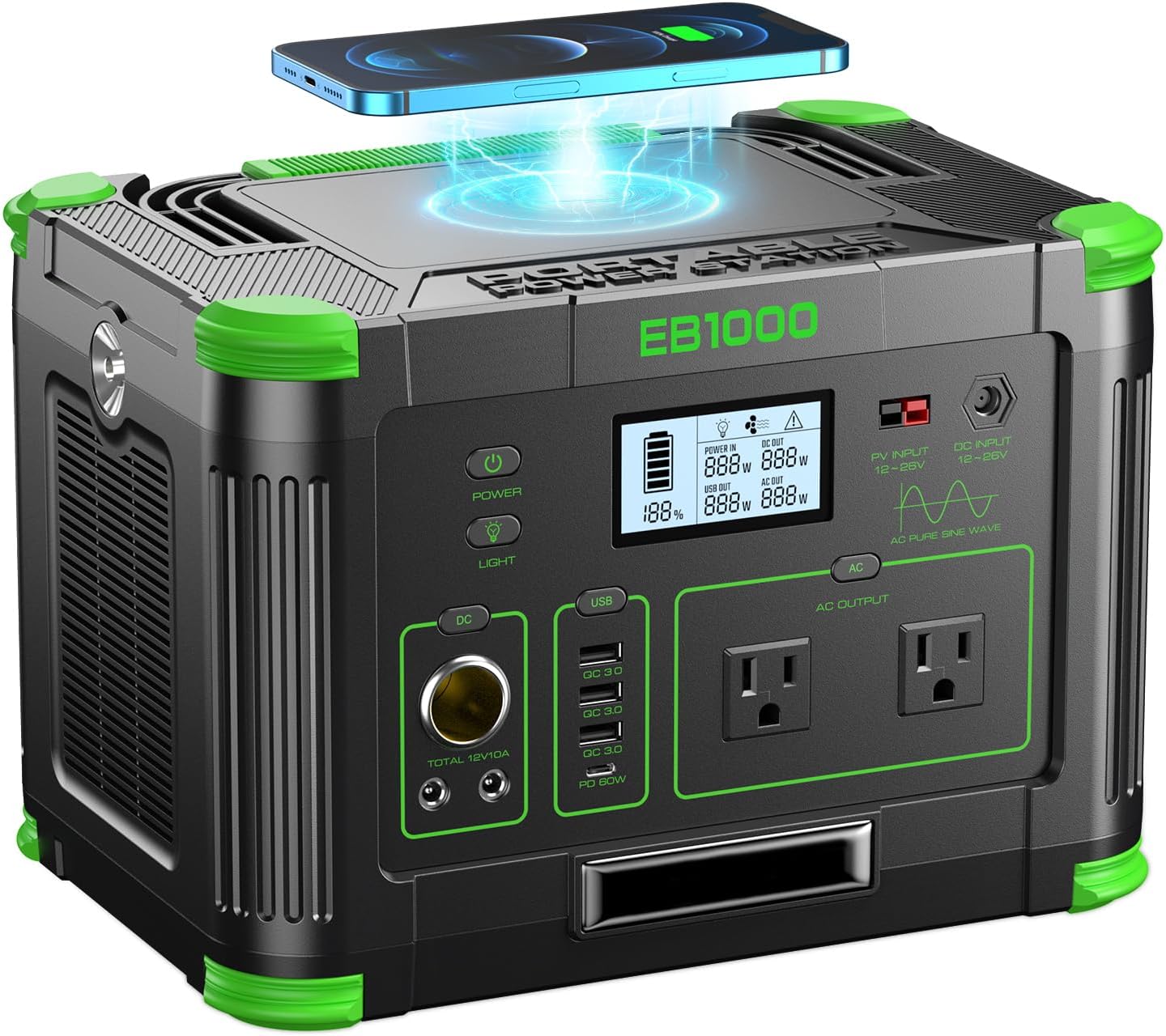
Power your essentials anywhere with a 999Wh pure sine wave power station delivering up to 1000W continuous with 2000W surge. It supports fast charging via USB-C PD 60W and USB-A QC 18W, plus simultaneous output for multiple devices through AC, USB, wireless, and car/DC ports. Recharge using AC, car, or solar with a built-in MPPT controller and dual cooling fans, while the upgraded battery management system protects against surges, short circuits, and overheating.

Please refer to user guide or user manual or user guide (provided below in PDF) before first use
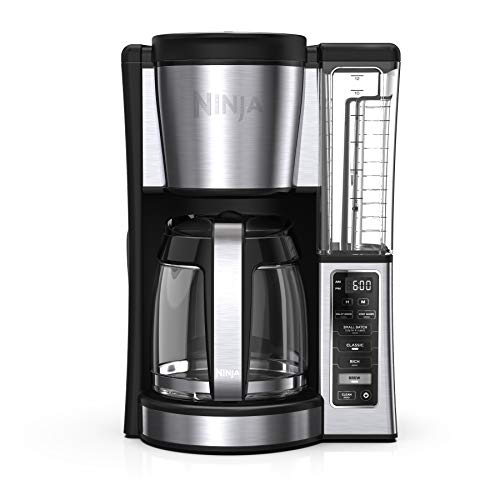
2 BREW STYLES: Classic or Rich, each brew is flavorful and never bitter with custom brew strengths.
Essential Features for Selecting the Best Coffee Maker for Your Airbnb
Before comparing brands, decide what the coffee maker must do in your property. Use the following checklist to separate essential features from extras.
User-Friendly Operation
Choose controls that are easy to read and difficult to activate by mistake. Helpful features include:
- A clear on/off control
- Automatic shutoff
- Visible water-level markings
- A removable filter basket or pod holder
- A pause-and-pour feature on carafe models
- A programmable timer only when the instructions are simple
- A clearly marked regular or bold setting, if included
Place a laminated or wipeable instruction card beside the machine. Keep it short: identify the filter or pod type, show the maximum fill line, explain the start button, and tell guests where to place used pods or grounds.
Pro Tip: Ask someone who has never used the machine to brew one cup using only your instruction card. Any question they ask reveals a step that needs clearer wording or labeling.
Automatic Shutoff and Safe Placement
Automatic shutoff reduces the chance that a warming plate remains on after guests leave the room. It does not replace safe placement or inspection. Set the coffee maker on a flat, dry, heat-resistant surface away from the counter edge, sink, stove, and hanging cords.
Check that the plug reaches the outlet without an extension cord crossing a walkway. Do not place the machine under a low cabinet if steam will collect against the cabinet surface or if the reservoir lid cannot open fully.
Easy Cleaning Process
Look for a design that allows staff to reach the areas where grounds, drips, and standing water collect. Useful features include:
- A removable basket, funnel, drip tray, or pod holder
- A wide carafe opening that can be cleaned without a special brush
- An accessible water reservoir
- A removable needle assembly on pod machines
- A replacement carafe and other parts that are still available
- A manufacturer manual with clear cleaning instructions
Do not assume that every removable part is dishwasher-safe. Check the exact model’s manual before placing a carafe, reservoir, basket, or pod component in a dishwasher. Some parts are top-rack only, and high-temperature sanitation cycles may damage them.
Capacity and Brewing Format
Match capacity to the number of likely coffee drinkers, not only the legal occupancy. A “12-cup” carafe does not necessarily equal 12 full-size guest mugs, so compare the stated water volume and carafe markings.
- Personal or single-serve brewer: Best for a room, studio, or one-guest property.
- Five-cup compact drip brewer: Works well for one or two coffee drinkers with limited counter space.
- Standard 10- to 12-cup drip brewer: A practical choice for families and small groups.
- Large 14-cup brewer: Useful for higher occupancy when several guests drink coffee together.
- Dual brewer: Offers a carafe and single serving but requires more cleaning and clearer supply labeling.
How to Choose the Right Coffee Maker for Your Property Size

Measure the available counter width, depth, and height before ordering a machine. Leave room to open the reservoir and filter-basket lid, remove the carafe, and wipe behind the appliance. Also check the outlet location and the path guests will use to reach cups, coffee, water, and trash.
Small-Space Solutions
For a small kitchen, room rental, or studio, prioritize a narrow footprint and simple brewing process. Examples to compare include:
- Elite Gourmet Personal Coffee Maker: Personal brewers in this product family commonly brew into a travel-style mug. Verify the exact model’s capacity, included mug, shutoff behavior, and cleaning instructions before purchase.
- BELLA Single Serve Coffee Maker: BELLA sells several single-serve designs, so confirm whether the exact model accepts pods, grounds, or both rather than relying on the brand name alone.
- BLACK+DECKER 5-Cup Compact Coffeemaker: A straightforward small-carafe format that avoids the storage and waste of multiple pod varieties. Check whether the selected model includes automatic shutoff.
A compact machine should still have enough clearance for filling and cleaning. Do not wedge it tightly between a wall and another hot appliance.
Large-Group Considerations
For a property that regularly hosts families or groups, choose a full-size drip brewer or a dual machine with a carafe. A larger brewer reduces the need for guests to run repeated single-serve cycles during breakfast.
The Cuisinart 14-Cup Programmable Coffee Maker DCC-3200NAS is one example with regular and bold strength settings, 24-hour programming, Brew Pause, and adjustable automatic shutoff. Its larger body requires adequate counter and cabinet clearance.
The Hamilton Beach 2-Way 49980RG combines a 12-cup carafe with a ground-coffee single-serve side. It is not compatible with K-Cup pods, which can simplify inventory for hosts who want to supply only ground coffee.
Seven-Step Selection Checklist
- Confirm maximum occupancy: Estimate how many guests are likely to drink coffee at the same time.
- Measure the space: Record counter width, depth, cabinet clearance, and distance to the outlet.
- Choose the brewing format: Decide among drip, personal single-serve, pod brewer, or dual machine.
- Check safety features: Look for automatic shutoff, a stable base, an intact listed plug, and a secure carafe handle.
- Review cleaning requirements: Count the removable parts and check the manual’s descaling procedure.
- Check parts and supplies: Confirm that filters, carafes, pod holders, and other replacements are available.
- Test before listing: Brew a full cycle, check for leaks or overflow, and confirm that your guest instructions work.
Affordable Coffee Makers for Airbnb Hosts: Models to Compare
Affordability should include more than the purchase price. A low-cost machine can become expensive if the carafe breaks, filters are difficult to find, or staff spend extra time cleaning clogs and spills. Prices also change frequently, so verify the current manufacturer or retailer price before buying.
| Coffee Maker | Best Fit | Useful Features | Check Before Buying |
|---|---|---|---|
| BLACK+DECKER 5-Cup Compact Coffeemaker | Studios and one or two guests | Compact drip format and familiar operation | Exact model, automatic shutoff, filter type, and replacement-carafe availability |
| Elite Gourmet Personal Coffee Maker | Rooms and very small kitchens | Direct-to-mug brewing and minimal counter use | Included mug, brew volume, shutoff, and whether parts are dishwasher-safe |
| BELLA Single Serve Coffee Maker | One or two guests who prefer single cups | Single-serve convenience; features vary by model | Pod and ground compatibility, cup-size range, and current manual |
| BLACK+DECKER 12-Cup Drip Coffee Maker | Families and small groups | Familiar full-pot brewing and widely available paper filters on many models | Exact model number, automatic shutoff, carafe replacement, and cleaning directions |
| Hamilton Beach 2-Way 49980RG | Hosts who want a carafe and a grounds-only single serving | 12-cup carafe, ground-coffee single-serve side, programming, strength control, and two-hour shutoff | It does not use K-Cup pods; allow space for two reservoirs and extra components |
| Hamilton Beach FlexBrew Trio 49976 | Properties that need pods, grounds, and a full carafe | Pod or ground single serving, 12-cup carafe, strength settings, programming, and automatic shutoff | More holders, needles, reservoirs, and trays must be cleaned and restocked |
| Cuisinart DCC-3200NAS 14-Cup | Larger rentals and group breakfasts | Large carafe, strength control, programming, Brew Pause, and adjustable auto-off | Counter height, larger glass carafe, filter replacements, and more coffee used per full batch |
Do not choose a product only because it is the cheapest model on the day you shop. Check the warranty, manual, current recall status, customer-support contact, and cost of a replacement carafe or pod holder.
Versatile Coffee Maker Brewing Options for Guest Convenience

A traditional drip coffee maker is usually the easiest option for a group. It uses familiar filters and ground coffee, and staff can clean the basket and carafe without handling pod needles or several small adapters.
A dual coffee maker may be worthwhile when your property hosts both solo travelers and groups. The Hamilton Beach FlexBrew Trio 49976, for example, can brew a single cup from a compatible pod or ground coffee and can also brew a full carafe. That flexibility comes with separate reservoirs, holders, a piercing assembly, and additional cleaning steps.
A French press or pour-over setup can appeal to experienced coffee drinkers, but it also introduces breakable glass, loose grounds, and more detailed instructions. An electric kettle must be positioned and maintained with the same care as any other hot-water appliance.
Note: Do not advertise pod compatibility from appearance alone. Confirm the exact model and list which pod type or reusable basket it accepts.
For hosts concerned about waste, a drip machine with paper or reusable filters generally creates less packaging than supplying several pod varieties. A reusable filter must be emptied and washed thoroughly during each turnover.
How to Maintain and Clean an Airbnb Coffee Maker
Separate everyday cleaning from descaling. Coffee grounds, oils, spills, and standing water should be addressed during every turnover. Descaling removes mineral buildup and should follow the schedule and procedure in the exact model’s manual.
Warning: Unplug the coffee maker and let it cool before cleaning. Never immerse the machine, cord, or plug in water. Remove a machine from service if the cord, plug, carafe, lid, handle, or housing is cracked, loose, scorched, leaking, or otherwise damaged.
Between-Guest Cleaning
- Turn the machine off, unplug it, and allow hot parts to cool.
- Discard used grounds, filters, and pods.
- Empty any standing water unless the manual directs otherwise.
- Wash removable parts in warm, soapy water or by the manual-approved dishwasher method.
- Rinse thoroughly and allow parts to dry before reassembly.
- Wipe the cooled warming plate, exterior, controls, and surrounding counter with a soft damp cloth.
- Inspect the basket, pod needle, drip tray, reservoir, carafe, lid, handle, cord, and plug.
- Run a water-only cycle when needed after cleaning or before returning the machine to service.
- Test the controls and automatic shutoff periodically.
Descaling and Mineral Buildup
Signs of mineral buildup can include slow brewing, excess steam, unusual noise, reduced water flow, or a clean indicator. Follow the exact manual rather than using a universal vinegar ratio.
Hamilton Beach’s published cleaning guidance for several standard drip models uses plain white vinegar, a timed pause, and two or three clean-water rinse cycles. Other brands or models may call for a different quantity or a commercial descaler. Review the manufacturer’s coffee-maker cleaning guidance and the manual supplied with your exact machine.
After descaling, continue rinsing until no vinegar or cleaner odor remains. Do not serve coffee from a machine that still smells or tastes like the cleaning solution.
Common Coffee Maker Problems and What to Check
- Weak coffee: Check the coffee-to-water ratio, grind size, freshness, selected strength setting, and whether a full-size mug is being compared with a smaller carafe “cup.”
- Grounds in the carafe: Confirm the correct filter size, make sure the basket is seated properly, and avoid overfilling it.
- Filter-basket overflow: Unplug the machine and let the hot contents cool before removing the basket. Check for too many grounds, an overly fine grind, a folded filter, or a blocked outlet.
- Slow brewing: Inspect for mineral buildup and follow the manual’s descaling procedure.
- Pod brewer sputters or stops: Clean the removable needle or piercing assembly only as directed by the manual.
- Water under the machine: Stop using it until you determine whether the spill came from overfilling, an incorrectly seated reservoir, a cracked component, or an internal leak.
- Burning smell, sparks, or hot cord: Unplug the unit if it is safe to do so and remove it from service. Do not attempt an internal repair.
Should You Provide Coffee Supplies for Guests?
A starter supply makes the amenity usable at check-in. Base the amount on maximum occupancy, stay length, and whether nearby stores are convenient.
For a short stay, consider providing enough coffee for at least the first morning plus a small buffer. For longer stays, state whether the supply is a welcome starter or will be replenished. Avoid promising unlimited coffee unless your turnover and restocking process can support it.
A balanced setup may include:
- Regular ground coffee or compatible pods
- A smaller decaf option
- Paper filters or a clean reusable filter
- Tea bags and access to hot water
- Sugar and one or two alternative sweeteners
- Individually sealed or properly stored creamers
- Cups, spoons, napkins, and a waste container
Ask guests for feedback when practical, but use consumption records as well. If most flavored pods or syrups expire unused, reduce the selection rather than continuing to overstock.
Note: A “leave one, take one” or borrow basket should contain only unopened, individually sealed items. Discard opened creamers, damaged packages, unlabeled products, and anything that requires refrigeration but has been left out.
Make Coffee Special With Sweeteners and Creamers
A small, organized selection is usually better than a crowded station. Common choices include:
- White or raw sugar
- Stevia or another clearly labeled sugar substitute
- Honey or agave in sealed portions
- Powdered creamer
- Individually sealed shelf-stable creamer cups
- A refrigerated dairy or plant-based creamer when your cleaning and restocking process can manage it safely
- One or two flavored syrups, such as vanilla or caramel
Keep ingredient and allergen information available. The U.S. Food and Drug Administration identifies nine major food allergens: milk, eggs, fish, Crustacean shellfish, tree nuts, peanuts, wheat, soybeans, and sesame. Coffee creamers, syrups, flavored coffees, and plant-based products may contain milk, soy, tree nuts, sesame, or other ingredients of concern. Review the FDA’s food-allergy guidance.
Do not pour products into decorative jars if doing so removes the ingredient list, expiration information, or allergen statement. When reusable containers are used for sugar or plain coffee, label them, wash them before refilling, and avoid mixing a new batch into old residue.
Refrigerate products that say “Keep Refrigerated,” follow the package’s instructions after opening, and discard anything with an unknown opening date or questionable storage history.
Creative Coffee Maker Station Ideas for Your Airbnb
A useful coffee station should guide guests through the brewing process in a natural order:
- Cups and travel mugs
- Coffee, pods, or filters
- Coffee maker and water access
- Sweeteners, creamers, and spoons
- Napkins and waste container
Use labeled trays or washable containers to keep small items together. Place regular and decaf products in separate sections, and label the filter size or pod type beside the machine.
Post a short instruction card that includes:
- The type of coffee or pod to use
- The correct basket or holder
- The maximum water level
- The start button
- How to cancel a cycle
- Where to place used grounds, filters, or pods
- A note not to move or immerse the machine
- Contact information for reporting a leak or malfunction
Eco-friendly options can include a washable tray, reusable spoons, recyclable paper filters where locally accepted, and a drip brewer that reduces individual pod packaging. Reusable filters should be thoroughly cleaned and dried between stays.
Top Tips for Keeping Your Coffee Maker in Great Condition
Regular Cleaning Schedule
Use a written turnover checklist so the machine receives the same attention after every stay.
- After every stay: Empty grounds and water, wash approved removable parts, wipe the exterior and counter, inspect for damage, and restock supplies.
- On a regular usage-based schedule: Inspect pod needles, seals, water reservoirs, and hidden drip areas.
- When indicated by the manual or machine: Descale using the approved method.
- After an overflow or leak: Unplug, cool, clean, inspect, and test the unit before making it available again.
- Periodically: Verify the automatic shutoff and compare the model number with current recall notices.
Proper Storage Practices
Store coffee in an airtight, opaque container in a cool, dark, dry location. Avoid cabinets beside the oven or dishwasher and areas exposed to direct afternoon sun. The National Coffee Association’s storage guidance recommends buying smaller batches, limiting exposure to air and light, and waiting to grind whole beans until needed.
Date opened coffee packages and buy quantities that turn over before their quality declines. Store pods in their original boxes or labeled containers so guests can identify roast, decaf status, ingredients, and compatibility.
If the coffee maker is temporarily removed from service, clean and dry it fully before storage. Store removable parts so air can circulate and odors or moisture do not become trapped.
Check for Damage and Recalls
Inspect the machine before each new guest arrives. Look for:
- Cracks, chips, or a loose handle on the carafe
- A damaged, loose, pinched, discolored, or unusually hot cord or plug
- Leaks from the reservoir, base, basket, or carafe
- A lid or basket that no longer locks or sits correctly
- Mineral buildup, standing water, mold, residue, or persistent odor
- Unusual noise, steam release, sparks, or burning smells
- Missing pod holders, funnels, seals, or drip trays
- A model included in a manufacturer or government recall
Use the U.S. Consumer Product Safety Commission’s coffee-maker recall listings and the manufacturer’s recall page. Stop using a recalled or damaged machine and follow the official remedy.
Replace the coffee maker when it leaks internally, fails to heat or shut off reliably, has unsafe electrical damage, has an unavailable essential part, is recalled without an acceptable repair, or continues to malfunction after manufacturer-approved service. Age alone is not a reliable replacement rule.
Frequently Asked Questions
How often should I replace an Airbnb coffee maker?
Do not replace it on a fixed three-to-five-year schedule. Replace it when it no longer brews reliably, leaks, has a cracked carafe, has a damaged cord or plug, lacks available replacement parts, or is included in a safety recall.
Can I offer flavored coffee options for guests?
Yes. Offer a small, clearly labeled selection and keep products in their original sealed packaging when possible. Flavored coffee and syrups can contain allergens, so guests should be able to read the ingredient and allergen labels.
What is the best way to store coffee beans or grounds?
Store coffee in an airtight, opaque container in a cool, dark, dry place. Buy quantities that turn over quickly, date opened packages, and avoid placing coffee beside the oven, dishwasher, or a sunny window.
Should I provide decaf coffee?
Yes. A small decaf option is useful for guests who avoid caffeine. Keep it clearly labeled and separate from regular coffee so guests can identify it easily.
How can I accommodate guests with dietary restrictions?
Provide sealed, labeled choices such as dairy and plant-based creamers, but do not describe any item as allergy-safe unless the manufacturer does. Keep ingredient labels available and use separate, clean utensils to reduce cross-contact.
Is a single-serve or drip coffee maker better for an Airbnb?
A drip brewer is usually simpler and less wasteful for groups, while a single-serve brewer offers more choice for one or two guests. A dual brewer can cover both needs but requires more cleaning, more instructions, and more replacement parts.
How much coffee should I leave for guests?
Provide a practical starter supply based on occupancy and stay length, such as enough for at least the first morning plus a small buffer. For longer stays, explain whether the supply is replenished or intended only as a welcome amenity.
Can I descale every coffee maker with vinegar?
Not automatically. Use the cleaning method and amount listed in the exact model’s manual. Some manufacturers allow plain white vinegar, while others recommend a branded descaler or a different procedure.
Conclusion
A quality coffee setup does not need to be expensive or complicated. Choose a machine that fits the property, is easy for first-time users, shuts off safely, and can be cleaned thoroughly during every turnover. Provide clear instructions and a practical supply of regular, decaf, sweeteners, and labeled creamers.
Test the brewer, inspect it for damage, follow the exact manual when descaling, and check for recalls. These steps create a cleaner, safer, and more dependable coffee station that guests can use without confusion.
Sources
- Airbnb: Prepare Your Space — supports providing a coffee maker and clear instructions for household devices.
- Hamilton Beach FlexBrew Trio 49976 — verifies pod, ground-coffee, carafe, programming, and automatic-shutoff features.
- Hamilton Beach: How to Clean Your Coffee Maker — supports model-specific descaling, rinsing, and dishwasher cautions.
- U.S. Food and Drug Administration: Food Allergies — supports allergen-label and cross-contact guidance.
- National Coffee Association: Storage and Shelf Life — supports airtight, opaque, cool, and dark coffee storage.
- U.S. Consumer Product Safety Commission: Coffee Maker Recalls — supports regular model and recall checks.