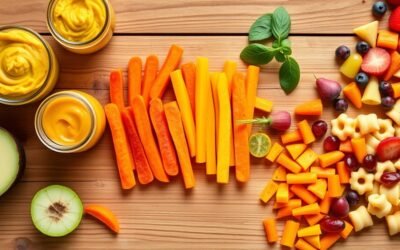
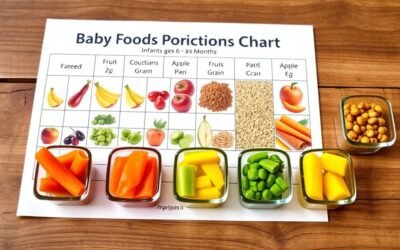
To build your baby food freezer stash, start by choosing fresh, organic ingredients. Steam them until tender, then puree to a smooth consistency. Portion your purees into ice cube trays, label with dates, and freeze for up to three months. When you need a meal, thaw in the fridge or use a warm water bath. This simple process guarantees convenient access to nutritious meals for your baby. There’s more to discover about flavors and storage techniques!
Key Takeaways
- Start by selecting fresh, organic fruits and vegetables to maximize nutrition for your baby food stash.
- Prepare purees by steaming ingredients until tender, then blend to a smooth consistency for easy feeding.
- Use ice cube trays or silicone muffin cups to portion out purees, making it easy to thaw only what you need.
- Label all containers with the food type and preparation date to manage inventory and ensure freshness.
- Store purees in the freezer for up to three months, rotating stock regularly to use older items first.
Why Homemade Baby Food Is Worth the Effort
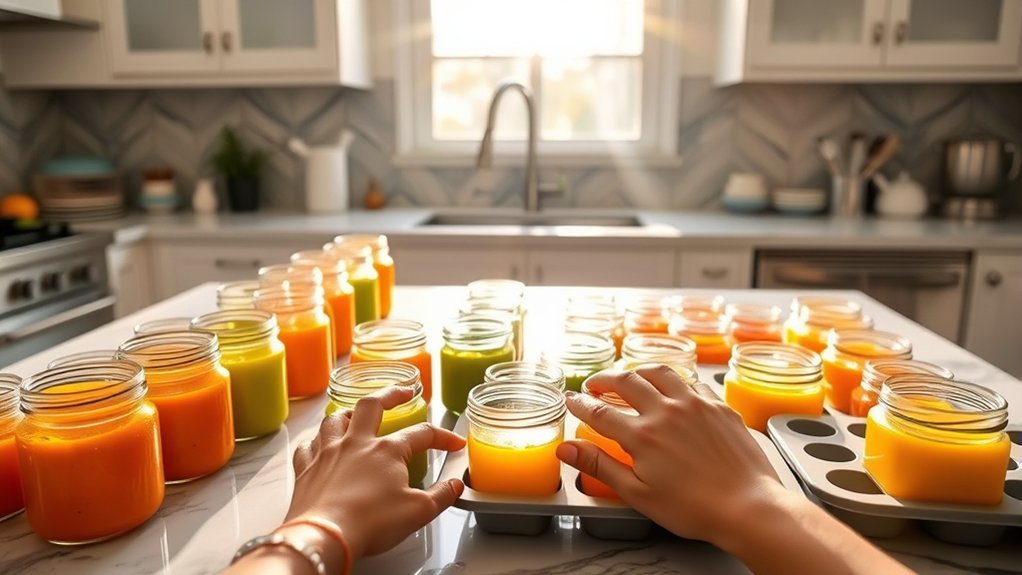
When you consider the benefits, making homemade baby food is definitely worth the effort. Not only do you gain control over ingredients, ensuring your baby receives the highest nutritional benefits, but you also avoid preservatives commonly found in store-bought options.
The cost savings are significant; while organic pouches can cost $1.50 to $2 each, homemade food can be prepared for a fraction of that price.
Homemade baby food offers substantial savings compared to pricey organic pouches, making nutrition affordable for your little one.
Plus, experimenting with various flavors and textures helps cultivate your child’s palate, fostering healthy eating habits early on. You can even store purees in the freezer for up to six months, providing convenient, nutritious meals that reduce food waste.
Engaging in this process connects you to your child’s dietary development, empowering you as a parent.
How to Prepare Homemade Baby Food: A Step-by-Step Guide
When you’re preparing homemade baby food, start by choosing fresh, organic fruits and vegetables to guarantee maximum nutrition.
You’ll then steam these ingredients until they’re tender, which helps retain their essential vitamins before pureeing them into a smooth consistency.
Understanding how to effectively puree and combine different foods will allow you to create nutritious and delicious meals for your little one.
Selecting Ingredients Wisely
Selecting ingredients wisely is essential for creating nutritious homemade baby food that supports your little one’s growth and development. Aim for a nutrient variety by incorporating steamed vegetables, fruits, grains, meats, legumes, and dairy.
Always choose age-appropriate foods based on pediatric guidelines, introducing new items gradually to guarantee allergy awareness. For instance, steam vegetables like carrots and sweet potatoes to soften them without losing nutrients, making them perfect for pureeing.
Experiment with combinations, like mixing spinach with bananas or carrots with applesauce, to create diverse flavors. This approach not only enhances your baby’s palate but also provides essential nutrients for their development.
Pureeing Techniques Explained
To create smooth and nutritious purees for your baby, start by steaming the vegetables until they’re tender, which helps retain essential nutrients.
Here are some effective puree techniques and blending tips:
- Use a mesh steamer insert or pressure cooker for efficiency.
- Blend cooked vegetables in a food processor or blender, adjusting the consistency with filtered water based on your baby’s age.
- Mix different pureed foods for variety, such as spinach with bananas or sweet potatoes with broccoli.
- Store purees in small, airtight containers or silicone muffin cups, labeling them with the food type and date.
- Thaw purees in the refrigerator or microwave, stirring well to avoid hot spots before serving.
Following these steps guarantees a nutritious and enjoyable feeding experience for your little one.
How to Properly Store and Freeze Homemade Baby Food
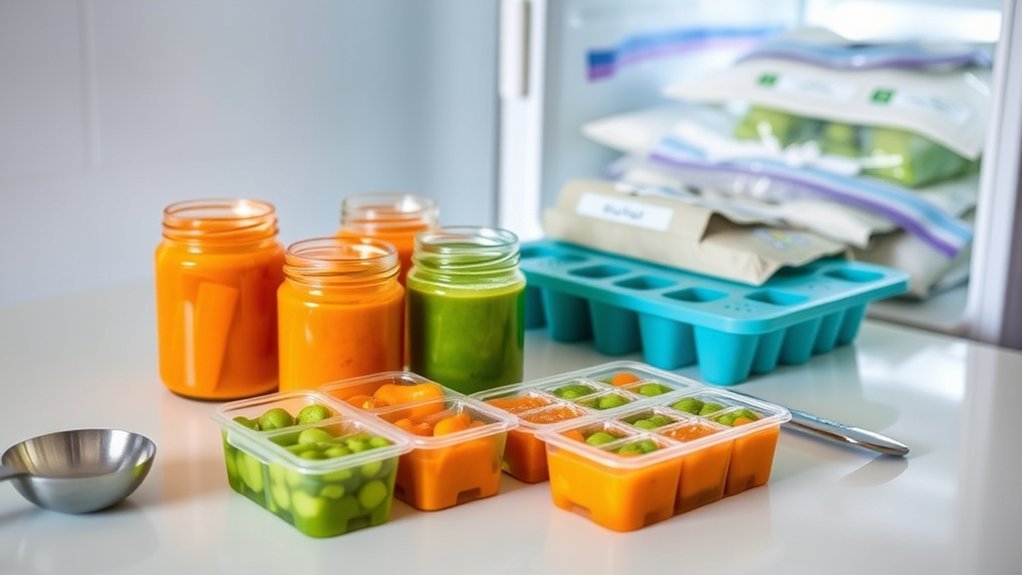
Properly storing and freezing homemade baby food is essential for maintaining its quality and safety. Start by refrigerating your purees within two hours of preparation. For freezer organization, use ice cube trays or specialized baby food trays to create convenient 1 oz portions. Label your containers with the food type and date to guarantee you use the oldest items first.
| Storage Method | Duration |
|---|---|
| Refrigerator | Up to 48 hours |
| Freezer (airtight) | Up to 3 months (safe for 6) |
| Thawing Methods | Refrigerator or warm bath |
Always thaw in a safe manner, checking the temperature before serving to avoid any risks for your baby. Enjoy the freedom of knowing your baby’s meals are safe!
Flavor Ideas for Baby Purees
Creating a baby food freezer stash opens up exciting culinary possibilities for your little one. You can blend flavors and textures that not only nourish but also delight their taste buds.
Here are some delicious puree ideas to get you started:
- Spinach banana with brown rice for iron and potassium.
- Carrot beet mixed with applesauce for a sweet, vibrant treat.
- Sweet potatoes, broccoli, and oatmeal for fiber-rich digestion support.
- Avocado and pear for healthy fats that aid brain development.
- Peas with mint and quinoa to introduce unique flavors and essential nutrients.
These combinations help you explore a world of nutritious options, ensuring your baby enjoys a variety of tastes while reaping health benefits.
Thawing and Serving Frozen Baby Food: Essential Tips

When it’s time to serve your frozen baby food, using safe thawing methods is essential to guarantee your child’s health.
Thawing in the refrigerator overnight, using a cold water bath, or carefully microwaving are effective techniques, but always remember to stir the food well and check its temperature before serving.
If the consistency needs adjusting, you can add a little water or breast milk to create the perfect texture for your little one.
Safe Thawing Methods
Thawing your frozen baby food safely is essential to ensuring your little one’s meals are both nutritious and free from harmful bacteria. Use these safe practices to thaw effectively:
- Refrigerator: Thaw overnight for a gradual, safe method.
- Cold Water Bath: Place the sealed container in cold water, changing it every 30 minutes until thawed.
- Microwave: Use cautiously to avoid hot spots; always stir well before serving.
- Avoid Room Temperature: Never thaw at room temperature to prevent bacteria growth.
- Timely Consumption: Use thawed meat purees within 24 hours and fruits/vegetables within 48 hours.
Checking Temperature Before Serving
How can you guarantee your baby’s food is served at a safe temperature? Start with temperature checks to confirm the food is warm, not hot. Ideally, aim for around 98.6°F (37°C), similar to body temperature. Use a food thermometer for accurate readings.
After warming, stir the thawed baby food thoroughly to eliminate any hot spots that might’ve formed, assuring even heat distribution. If it feels too hot post-microwave, cool it down for a few minutes or add ice cubes for safety.
Adjusting Consistency As Needed
Adjusting the consistency of your baby’s food is essential for ensuring it’s appropriate for their age and developmental stage.
When thawing your frozen baby food, you’ll want to focus on safe methods and careful adjustments for texture variations. Here are some key tips:
- Thaw in the refrigerator overnight, cold water baths, or use the microwave.
- Stir the thawed food well and check the temperature.
- Add filtered water or baby cereal for consistency adjustments.
- Gradually add small amounts of liquid if the puree is too thick.
- Use ice cubes to cool warm purees quickly.
Essential Tools for Building Your Baby Food Freezer Stash
When you’re ready to build your baby food freezer stash, having the right tools makes all the difference in creating nutritious and convenient meals for your little one. Here are some essential tools you’ll need:
| Tool | Purpose | Benefits |
|---|---|---|
| Silicone Ice Cube Trays | Portioning baby food into 1 oz servings | Easy removal and storage |
| Food Processor | Pureeing fruits, vegetables, and grains | Achieves desired consistency |
| Airtight Containers | Protecting food from freezer burn | Preserves quality for up to 6 months |
| Steamer Basket | Cooking fruits and veggies to softness | Maximizes nutrient retention |
| Labels | Tracking food type and preparation date | Guarantees older items are used first |
With these tools, you’ll simplify the process and guarantee your baby’s meals are fresh and nutritious!
Fun Ways to Store Baby Food for Travel
Traveling with your little one doesn’t have to mean sacrificing healthy meals. With the right travel friendly containers, you can guarantee nutritious baby food is always within reach.
Traveling with your baby can still include healthy meals with the right containers for nutritious food on the go.
Consider these easy feeding solutions for your next adventure:
- Reusable Squeeze Pouches™: Eco-friendly and mess-free for easy transport.
- Insulated Lunch Bags: Pair with ice packs to keep food fresh.
- Single-Serve Pouches: Eliminate utensils and reduce mess.
- Silicone Muffin Cups: Convenient storage for various purees.
- Warm Water Baths: Use for gentle heating instead of microwaves to avoid hot spots.
With these strategies, you’ll make mealtime on the go enjoyable and stress-free!
Frequently Asked Questions
How Long Can Homemade Baby Food Be Stored in the Freezer?
You can store homemade baby food in the freezer for up to three months. For ideal quality, label containers with the date and guarantee proper freezer storage to maintain the puree duration and freshness.
Can I Mix Different Fruits and Vegetables in One Puree?
Yes, you can mix different fruits and vegetables in one puree! Combining fruit combinations like apple and pear or vegetable pairings such as carrot and sweet potato creates tasty, nutritious blends that your baby will love.
Are There Any Foods to Avoid for Baby Food?
You should avoid highly allergenic foods like peanuts, tree nuts, and shellfish until your baby’s older. Also, steer clear of choking hazards, such as whole grapes or large chunks of food, to guarantee their safety.
What Equipment Do I Need for Making Baby Food?
You’ll need a good blender, like a high-speed option, to puree fruits and veggies smoothly. Don’t forget sturdy storage containers to keep your homemade baby food fresh and easy to access when you need it.
How Do I Know if My Baby Is Ready for Solids?
You’ll know your baby’s ready for solids when you see baby cues like sitting up independently, reaching for food, or showing interest in your meals. These solid signs indicate it’s time to start introducing new flavors.
Conclusion
Building a baby food freezer stash is like crafting a treasure trove of nutrition for your little one. With each batch you prepare, you’re not just saving time; you’re also nurturing their growth with wholesome goodness. By organizing, storing, and flavoring your purees thoughtfully, you create a vibrant palette of meals ready to nourish your baby’s journey into solid foods. So roll up your sleeves, embrace the process, and watch as your freezer transforms into a haven of homemade delights.