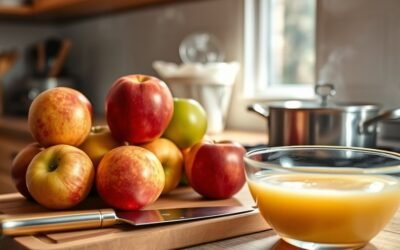

To make baby food for your 1-year-old, start by choosing safe ingredients like soft fruits and cooked vegetables. Steam or bake them to preserve nutrients, and mash or blend until smooth, adding water or milk as needed for consistency. Store purees in airtight containers for up to four days or freeze in cubes for later use. Experiment with flavors by mixing fruits and vegetables, introducing herbs gradually. If you want even more tips and ideas, keep exploring!
Key Takeaways
- Choose a variety of fresh, whole foods like fruits, vegetables, and lean proteins, ensuring they are safe and nutritious for your child.
- Cook ingredients thoroughly using steaming or baking methods to retain nutrients and achieve a texture suitable for a one-year-old.
- Cut foods into small, manageable pieces to prevent choking hazards and introduce new ingredients one at a time for better acceptance.
- Blend or mash cooked foods, adding water, breast milk, or formula to create a smooth consistency that is easy for your baby to swallow.
- Store baby food in airtight containers in the fridge for up to three days or freeze in portions for up to three months.
Choosing Safe and Nutritious Ingredients for Baby Food
When you’re preparing baby food for your one-year-old, it’s vital to focus on safe and nutritious ingredients to support their growth and development.
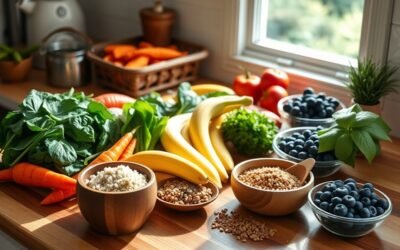
Prioritize whole foods like fruits, vegetables, whole grains, and lean proteins to guarantee nutrient density. Begin with low-allergenic options such as sweet potatoes, bananas, and avocados, slowly introducing new flavors and textures.
Focus on whole foods like fruits and vegetables, starting with low-allergenic options to introduce new flavors gradually.
Opt for organic produce when possible, especially for items like strawberries and spinach, to minimize pesticide exposure. Incorporate diverse food groups, including beans and dairy (if tolerated), to provide crucial protein and calcium.
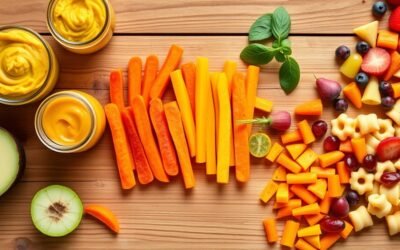
Always cut food into small, manageable pieces to prevent choking hazards, and introduce new ingredients one at a time to monitor for potential food allergies.
Top Cooking Methods for Baby Food
Choosing the right cooking method is essential for preparing baby food that’s both nutritious and safe. Steaming techniques are your best bet, as they preserve more vitamins and nutrients than boiling. Aim to steam vegetables for 7-11 minutes until they’re tender and bright, guaranteeing they retain their goodness.
For meats and certain veggies, baking is an excellent option. It promotes even cooking and enhances flavors, so just be mindful of reaching safe internal temperatures.
Always avoid frying, as it introduces unhealthy fats and creates a texture that mightn’t be suitable for your little one.
Finally, make sure all food is thoroughly cooked and pureed to a smooth consistency, making it easy for babies to swallow and digest.
How to Prepare Baby Food Step-by-Step
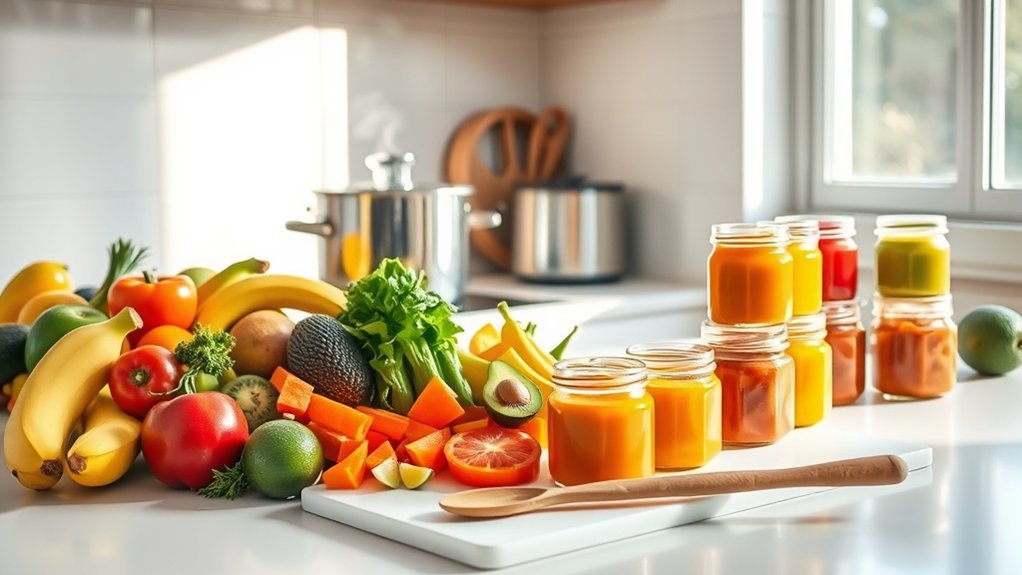
After selecting the best cooking methods for baby food, it’s time to prepare those wholesome ingredients. Follow these steps to create nutritious baby food recipes that align with nutritional guidelines:
- Choose fresh ingredients: Select ripe fruits or vegetables, wash, peel, or pit them as necessary.
- Cook the ingredients: Use steaming, roasting, or baking to make them tender while preserving nutrients.
- Blend or mash: Puree cooked ingredients in a strong blender or food processor, adding water, breast milk, or formula to adjust consistency. For chunkier textures, mash with a fork.
- Store properly: Keep prepared baby food in airtight containers in the fridge for up to three days, or freeze in portions for up to three months, labeling them for freshness.
How to Store and Freeze Baby Food Like a Pro
Storing and freezing baby food effectively guarantees your little one always has access to fresh, nutritious meals.
For ideal baby food storage, use airtight containers or silicone ice cube trays. Purees can stay fresh in the refrigerator for 3-4 days or be frozen for up to 3-4 months.
Label your storage bags with the preparation date to track freshness. When freezing, pour purees into ice cube trays and cover them. Once frozen, transfer the cubes to freezer bags for better organization and easy portioning.
To thaw, place the food in the refrigerator overnight, use cold running water, or gently reheat in a saucepan. Remember, use thawed food within 48 hours and never refreeze it to guarantee safety.
Creative Ways to Introduce New Flavors in Baby Food
Introducing new flavors to your baby’s diet can be a fun and rewarding experience, especially when you combine familiar foods with exciting new tastes. Here are some creative ways to explore flavor combinations and texture variations:
Exploring new flavors with your baby can be a delightful journey, blending familiar foods with exciting tastes.
- Mix mashed sweet potatoes with a hint of cinnamon for a warm flavor.
- Blend peas with pears or add mango to spinach puree for unique fruit-vegetable combos.
- Gradually introduce herbs like basil, dill, or mint to enhance flavors without overpowering.
- Experiment with cooking methods—roasting vegetables can intensify sweetness, while steaming keeps flavors mild.
Incorporating healthy fats, like avocado or olive oil, can also enrich the taste and boost nutrients, making meals more appealing for your little one.
Frequently Asked Questions
How Do I Know if a Food Is Safe for My Baby?
Check ingredient labels for allergens and additives. Verify the food’s fresh, age-appropriate, and free from choking hazards. Prioritize organic options when possible, and consult trusted resources to enhance your baby’s food safety knowledge.
Can I Use Frozen Fruits and Vegetables for Baby Food?
Yes, you can use frozen fruits and vegetables for baby food. They’re often picked at peak ripeness, preserving nutritional benefits. Just make certain you thaw and cook them properly to enhance taste and texture for your baby.
What Are Common Allergens to Avoid for 1-Year-Olds?
You should avoid common allergens like peanuts, which can trigger serious reactions, and dairy, as many kids show sensitivity. Introduce new foods gradually, and watch for any signs of allergies as your child grows.
How Can I Tell if My Baby Likes a New Food?
You’ll know your baby likes a new food if they enthusiastically taste it, smile, or reach for more. Observe their reactions to different textures, as varied food experiences shape their evolving taste preferences.
How Long Can I Keep Homemade Baby Food in the Fridge?
You can store homemade baby food in the fridge for up to 48 hours. Following storage guidelines guarantees ideal freshness, while the shelf life varies depending on ingredients. Always check for signs of spoilage before serving.
Conclusion
As you commence on this journey of making baby food, think of each meal as a building block in your child’s growth. By choosing fresh ingredients and employing safe cooking methods, you’re not just feeding; you’re nurturing their development. Storing and introducing new flavors can transform mealtime into a delightful adventure. Embrace this opportunity to create a vibrant palette of tastes and textures, fostering a love for healthy eating that will last a lifetime. Your kitchen is a garden of possibilities!