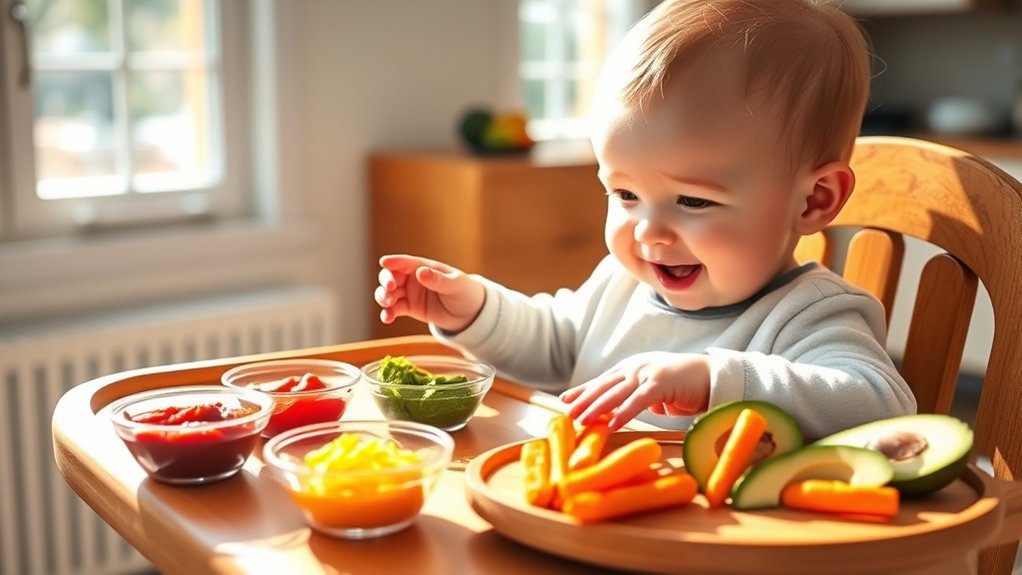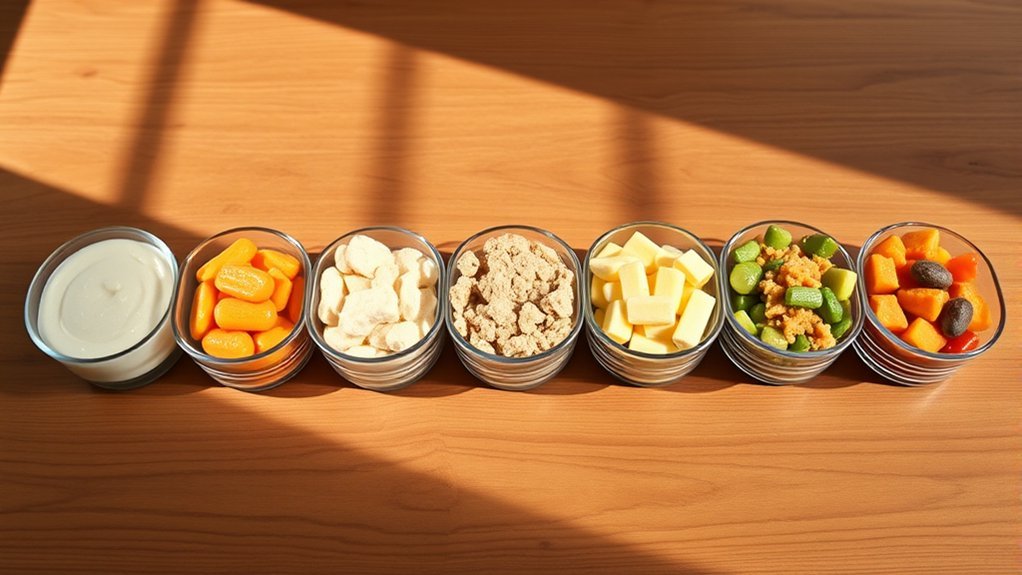
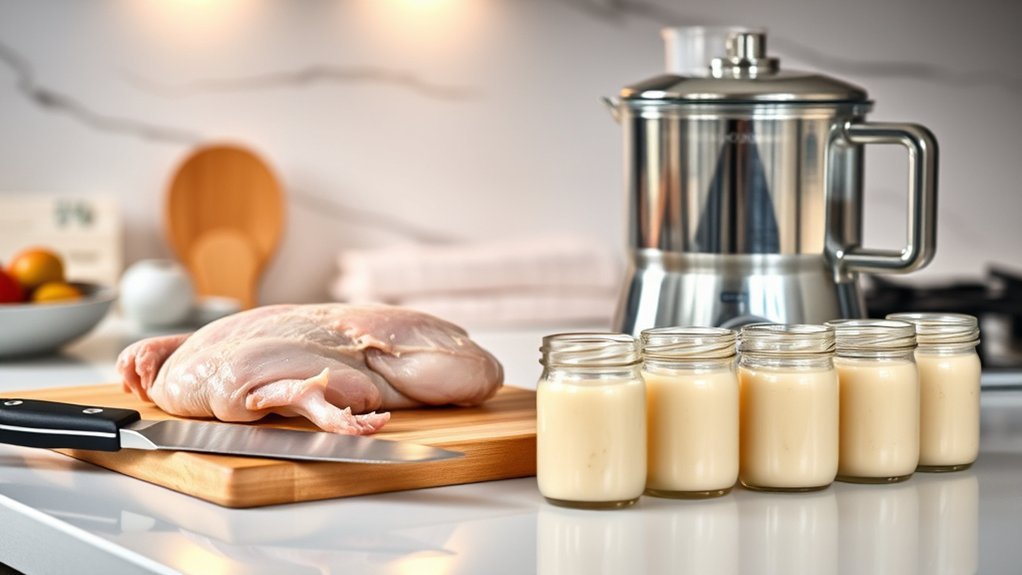
Homemade meat puree can be a useful way to introduce iron-rich food when your baby is about 6 months old and developmentally ready for complementary foods. The safest method is to prevent cross-contamination, cook the meat to the correct internal temperature, blend it to a suitable texture, and follow the short storage limits used for infant meat puree.
Quick Answer
To make meat puree for a baby, cook fresh meat to its USDA-safe internal temperature, remove bones, skin, gristle, and hard fat, then blend it with water or unsalted cooking liquid until the texture matches your baby’s skills. Cool and portion it promptly. Refrigerate plain meat puree for no more than 24 hours, or freeze it.
Key Takeaways
- Most babies can try meat at about 6 months when they can control their head, sit with support, bring food to their mouth, and swallow food instead of pushing it out.
- Do not rinse raw meat or poultry. Washing can splash bacteria onto the sink, counters, utensils, and other food.
- Use a food thermometer: poultry must reach 165°F, ground beef and other ground red meats 160°F, and whole cuts of beef, pork, lamb, or veal 145°F followed by a three-minute rest.
- Remove every bone, piece of skin, tough membrane, gristle, and hard lump of fat before blending or serving.
- Use plain water or unsalted cooking liquid to thin the puree. Avoid salty broth, cured meat, sausage, hot dogs, and heavily seasoned leftovers.
- Keep plain strained meat puree in the refrigerator for no more than one day or in the freezer for one to two months.
At a Glance
| Time Required | About 30–45 minutes, depending on the meat and cooking method |
| Difficulty | Easy, with careful temperature and storage checks |
| Tools Needed | Knife, cutting board, pan or saucepan, food thermometer, blender or food processor, spoon, and airtight containers |
| Cost | Variable; a small batch requires only a few ounces of meat |
Warning: Do not wash raw meat or poultry. According to the USDA Food Safety and Inspection Service, washing can spread bacteria through splashing. Wash your hands instead, clean and sanitize work surfaces, and keep raw meat separate from ready-to-eat food.
When Can Babies Start Eating Meat?
The Centers for Disease Control and Prevention says children can generally begin complementary foods at about 6 months. Age alone is not enough, however. Your baby should also show signs of developmental readiness.
Common readiness signs include:
- Sitting upright alone or with support
- Holding the head and neck steady
- Opening the mouth when food is offered
- Swallowing food instead of pushing it back out
- Bringing objects or food toward the mouth
- Showing interest in what other people are eating
Note: Complementary foods add to breast milk or infant formula rather than replacing it immediately. Ask your pediatrician before starting solids if your baby was born prematurely, has poor head control, has swallowing problems, is not growing as expected, or has a medical condition that affects feeding.

Power your essentials anywhere with a 999Wh pure sine wave power station delivering up to 1000W continuous with 2000W surge. It supports fast charging via USB-C PD 60W and USB-A QC 18W, plus simultaneous output for multiple devices through AC, USB, wireless, and car/DC ports. Recharge using AC, car, or solar with a built-in MPPT controller and dual cooling fans, while the upgraded battery management system protects against surges, short circuits, and overheating.

ON THE GO BABY FOOD: Gerber Stage 2 Baby Food Puree blends are designed for ease and convenience. These tubs are the perfect on the go baby food, made in a portable and easy-to-store format for busy parents

Make fresh, delicious food with wholesome ingredients. You control exactly what goes in - no hidden stabilizers, preservatives, or flavor enhancers necessary.
How to Prepare Baby Food Meat: A Step-by-Step Guide
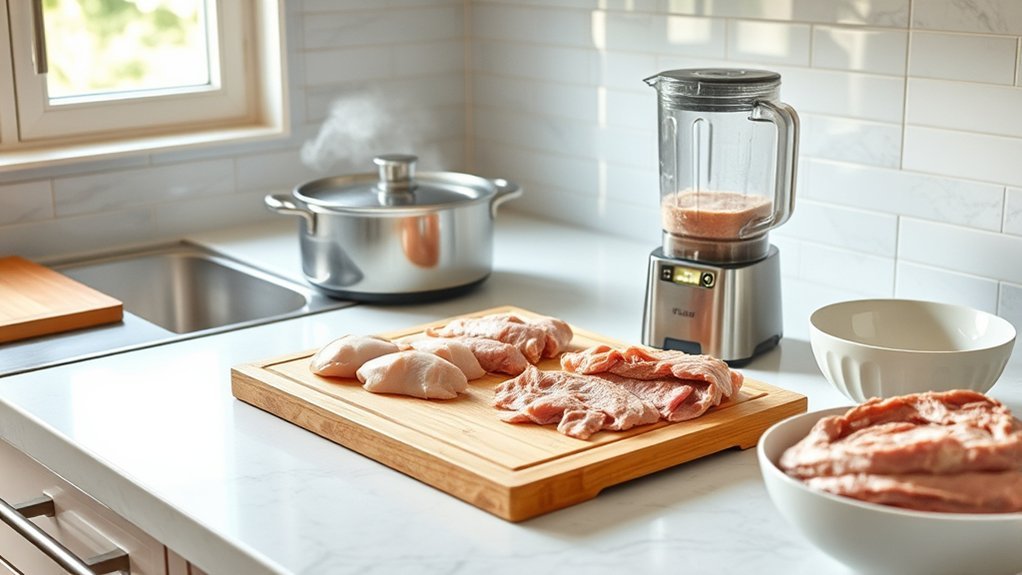
1. Clean Your Hands and Work Area
Wash your hands with soap and water before and after handling raw meat. Use a clean cutting board, knife, pan, thermometer, blender, and storage containers. Keep raw meat and its juices away from cooked food, produce, feeding spoons, bottles, and pacifiers.
Do not rinse the meat. If the package contains excess liquid, open it carefully near the sink and discard the packaging without splashing.
2. Choose and Trim the Meat
Choose fresh or safely frozen chicken, turkey, beef, pork, or lamb. Tender cuts are easier to blend, but tougher cuts can also work when they are cooked slowly until soft.
Before cooking, remove:
- Bones and bone fragments
- Poultry skin
- Gristle and tough membranes
- Large pieces of hard fat
- Packaging pads, clips, string, or netting
Cut whole meat into small, even pieces so that it cooks more consistently. You can also use plain ground meat, but ground poultry must reach a higher temperature than ground beef, pork, lamb, or veal.
3. Cook the Meat Thoroughly
Simmer, steam, bake, or sauté the meat without adding salt. A cooking time such as 15 or 20 minutes is only an estimate. Piece size, pan temperature, meat type, and starting temperature all affect how quickly the center cooks.
Use a clean food thermometer and follow the USDA safe minimum internal temperature chart.
| Meat | Minimum Internal Temperature |
| Chicken, turkey, and other poultry, including ground poultry | 165°F |
| Ground beef, pork, lamb, or veal | 160°F |
| Whole cuts of beef, pork, lamb, or veal | 145°F, followed by a three-minute rest |
| Fish | 145°F; remove every bone before blending |
| Previously cooked leftovers being reheated | 165°F |
Use a food thermometer—not color, texture, or cooking time—to decide when meat is safely cooked.
4. Check the Meat Before Blending
Place the cooked meat on a clean plate. Check it again for bones, cartilage, skin, gristle, string, and tough pieces. Finely chop or shred it before placing it in the blender. Smaller pieces blend more evenly and place less strain on the appliance.
5. Blend to the Right Texture
Add the cooked meat to a high-power blender, food processor, or small baby-food blender. Add plain water or unsalted cooking liquid one tablespoon at a time. Begin at low speed, stop to scrape down the sides, and gradually increase the speed until the puree reaches the desired consistency.
You may use breast milk or correctly prepared infant formula to thin a serving. For simpler storage and less waste, add it to the portion you plan to serve rather than to the full batch.
Pro Tip: If meat becomes dry or grainy, blend it while it is still slightly warm and add liquid slowly. Too much liquid at once can make the puree watery, while too little can leave stringy pieces.
6. Serve or Store Promptly
Transfer the amount your baby will eat to a clean bowl. Let it cool to lukewarm or room temperature and test it before serving. Refrigerate or freeze the untouched remainder promptly rather than leaving it on the counter.
Do not return food from the feeding bowl to the storage container. Saliva from the spoon can introduce bacteria into the remaining puree.
How to Choose Safe and Nutritious Meat for Your Baby
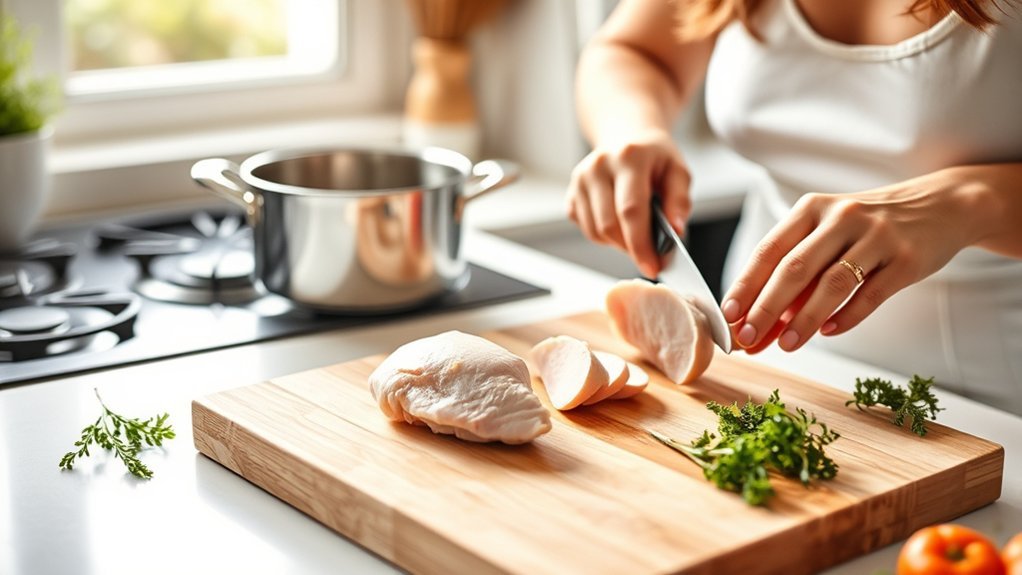
You do not need a special cut labeled for babies. Choose meat that has been stored safely, is within its use-by guidance, and has no unusual odor, sliminess, damaged packaging, or signs of spoilage.
Chicken and Turkey
Chicken and turkey breast are mild and easy to pair with vegetables, while dark meat often stays moister during blending. Remove all skin and bones and cook every part of the poultry to 165°F.
Beef, Lamb, and Pork
Beef and lamb provide heme iron, which the body can absorb efficiently. Tender cuts are convenient, but slowly cooked chuck, stew meat, pork loin, or other cuts can also make a smooth puree when all tough tissue is removed.
Ground beef, pork, lamb, and veal must reach 160°F. Whole cuts must reach 145°F and rest for at least three minutes before chopping or blending.
Fish
Fish can also be mashed or pureed when it is appropriate for your baby. Cook it to 145°F and examine it carefully with clean fingers and a fork to remove every bone. Ask your pediatrician about suitable fish choices if you have concerns about allergies or mercury exposure.
Meat to Limit
Avoid using hot dogs, sausage, bacon, heavily salted deli meat, cured meat, and salty packaged meat as routine baby food. These foods may be high in sodium, and firm or round pieces can be choking hazards. The CDC recommends limiting high-sodium foods for infants and young children.
Does the Meat Need to Be Organic or Grass-Fed?
No. Organic meat is an optional purchasing choice, not a requirement for making safe baby food. USDA organic rules address how animals are raised, while “grass-fed” is a separate production claim and does not automatically mean the animal received no antibiotics.
Conventional, organic, and grass-fed meat must all be handled, cooked, cooled, and stored safely. The label does not replace proper food-safety practices.
Blending Techniques for a Smooth Consistency
The best texture depends on your baby’s current eating skills. The CDC recommends exposing children to developmentally appropriate textures, including smooth, mashed, lumpy, finely chopped, and ground foods.
Smooth Puree
For a baby who is new to solids, blend the meat until no stringy or firm pieces remain. Add liquid gradually until the puree falls easily from a spoon but is not so thin that it runs like water.
Thicker Mash
As your baby becomes more comfortable moving food around the mouth, blend for less time or mash cooked ground meat with a soft vegetable. The texture should remain moist and easy to swallow.
Finely Ground or Chopped Meat
When your child is ready for more texture, offer soft, finely ground, minced, or shredded meat. Avoid dry cubes, tough strips, chunks with skin, bones, gristle, and round pieces of processed meat.
Warning: Always seat your baby upright and supervise every bite. Gagging can occur while babies learn new textures, but choking may be silent. Review the CDC choking-hazard guidance and learn age-appropriate choking first aid.
Mixing Meat With Vegetables and Grains
Once your baby has tolerated the individual ingredients, you can combine meat with soft vegetables or grains. Useful combinations include:
- Beef with sweet potato
- Chicken with peas or carrots
- Turkey with squash
- Pork with apple or potato
- Lamb with lentils
- Chicken with infant oatmeal
Cook every ingredient thoroughly and blend the mixture to the texture your baby can manage. Do not add salt, salty gravy, bouillon cubes, or regular canned broth. Choose unsalted cooking liquid or a product clearly labeled no-salt-added when needed.
Nutritional Benefits of Baby Food Meat
Meat can provide several nutrients that become important as babies begin complementary foods.
- Iron: Beef, lamb, pork, poultry, and seafood contain heme iron. The CDC lists meat, seafood, and poultry as iron-rich foods.
- Zinc: Meat is a concentrated source of zinc, which supports normal growth and immune function.
- Protein: Protein supplies amino acids used to build and maintain body tissues.
- Vitamin B12: Meat, poultry, and fish naturally contain vitamin B12, which supports blood and nerve function.
Meat does not need to be your baby’s only iron-rich food. Iron-fortified infant cereal, beans, lentils, eggs, and other suitable foods can help provide dietary variety.
Storing and Freezing Meat Puree Tips
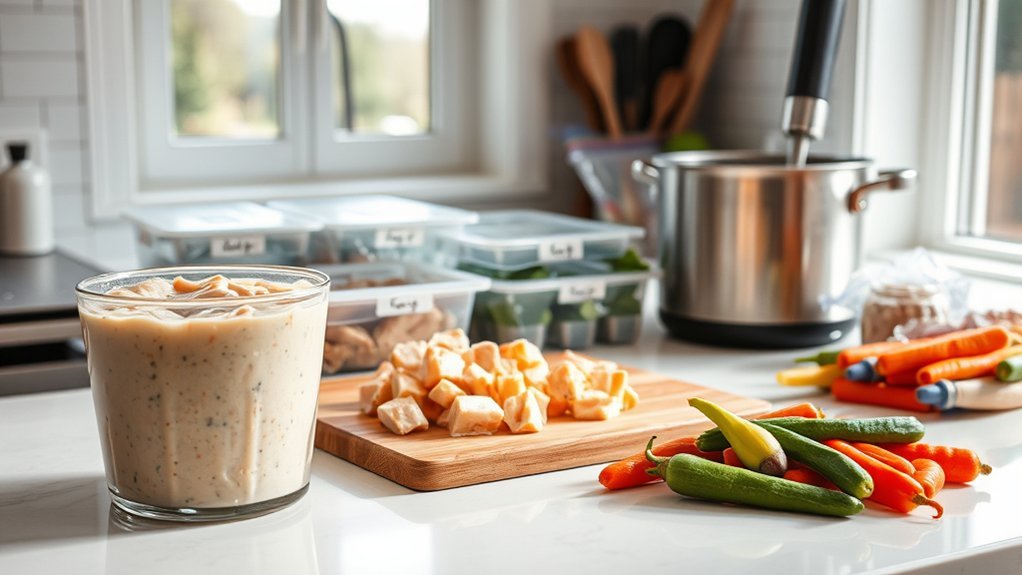
Infant meat puree has a shorter recommended refrigerator life than ordinary cooked-meat leftovers. Follow the meat-specific limits in the FDA baby-food storage chart.
| Type of Baby Food | Refrigerator | Freezer |
| Plain strained meat or egg puree | 1 day | 1–2 months |
| Meat-and-vegetable combination | 1–2 days | 1–2 months |
Proper Container Selection
Place the puree in clean, shallow, airtight containers made from glass or food-safe plastic. Small containers cool more quickly and let you thaw only the amount you need.
Label each container with the meat, added ingredients, and preparation date. Keep refrigerated puree at 40°F or below and frozen puree at 0°F or below.
How to Freeze Portions
- Cool the untouched puree promptly.
- Spoon it into a clean covered ice cube tray or small freezer-safe containers.
- Freeze until solid.
- Transfer frozen cubes to a labeled freezer bag or airtight container.
- Remove only the number of portions needed for the next meal.
Do not freeze food left in your baby’s serving bowl or food touched by a used feeding spoon.
Safe Thawing Techniques
The safest and easiest method is to thaw a covered portion in the refrigerator overnight. For faster thawing, place the sealed container under cold running water or in a bowl of cold water. Do not leave meat puree on the counter to thaw.
You may also heat a frozen or refrigerated portion gently on the stove or in the microwave. When using a microwave:
- Transfer the food to a microwave-safe dish.
- Heat only the portion you plan to serve.
- Stir thoroughly to remove hot and cold spots.
- Let the food stand briefly after heating.
- Test the temperature before feeding.
Baby food does not need to be hot. Lukewarm or room-temperature food is acceptable if your baby prefers it.
Common Mistakes and Troubleshooting
The Puree Is Too Thick
Add plain water or unsalted cooking liquid one tablespoon at a time and blend again. Avoid pouring in a large amount at once.
The Puree Is Stringy
Remove any remaining connective tissue, chop the meat more finely, add a little more liquid, and blend longer. Dark poultry meat or slowly cooked meat may puree more smoothly than a dry, overcooked breast or chop.
The Puree Is Grainy
Blend while the cooked meat is still slightly warm, scrape down the blender, and add moisture gradually. A soft vegetable such as sweet potato, squash, or peas can also improve the texture.
The Puree Is Watery
Add more cooked meat or a small amount of soft mashed vegetable. Do not add dry chunks that your baby cannot safely manage.
The Meat Has Been Out Too Long
Discard perishable meat or puree that has remained at room temperature for more than two hours, or more than one hour in temperatures above 90°F. When uncertain about how long it has been out, throw it away.
Frequently Asked Questions
Can I use leftover meat for baby food?
Yes, provided the meat was cooked to a safe temperature, refrigerated within two hours, and has not contacted anyone’s plate, mouth, or used utensils. Choose plain, low-sodium meat without tough skin, bones, gristle, or salty sauce. Puree it and follow the one-day refrigerator limit for plain strained meat baby food.
How often can I feed my baby meat?
There is no single meat schedule that fits every baby. Meat can be offered regularly as one of several iron-rich foods, according to your baby’s appetite, developmental skills, family diet, and pediatric guidance. Continue offering a varied diet rather than relying on one food for protein or iron.
What age can babies start eating meat?
Most babies can begin developmentally appropriate meat at about 6 months, when they can sit with support, control their head and neck, open for food, and swallow it. Introducing solid food before 4 months is not recommended. Ask your pediatrician when readiness is uncertain.
Is homemade meat puree safer than store-bought baby food?
Not automatically. Homemade puree gives you control over the ingredients and texture, but it requires careful sanitation, cooking, cooling, storage, and serving. Commercial baby food can also be safe when the package is intact and the manufacturer’s opening, storage, and disposal instructions are followed.
Can I mix different meats in one puree?
Yes, but mixing meats is rarely necessary. Each meat must be cooked to its required internal temperature and checked for bones and tough tissue. When introducing a new ingredient, serving it separately at first may make it easier to identify the cause of a reaction or digestive problem.
Can I add broth to baby meat puree?
You can use unsalted cooking liquid or broth clearly labeled no-salt-added. Regular broth, bouillon, gravy, and pan sauce may contain more sodium than a baby needs. Plain water is usually the simplest thinning liquid.
Can I thin meat puree with breast milk or formula?
Yes. Use safely handled breast milk or correctly prepared infant formula and add it to the serving you plan to use immediately. Adding it after thawing makes the main batch easier to store and reduces waste. Discard any puree left in the feeding bowl.
Can I serve meat without pureeing it?
Yes, when your baby has the skills to manage another texture. Meat may be mashed, finely ground, minced, or shredded until very soft and moist. The appropriate size and texture depend on your child’s feeding development. Always remove bones, skin, gristle, and hard pieces and supervise closely.
Conclusion
To prepare meat puree safely, begin when your baby is developmentally ready, keep raw meat separate from other foods, and never rinse it. Cook each type of meat to its USDA-safe internal temperature, remove every choking hazard, and blend it to a texture your baby can manage. Serve from a separate bowl, refrigerate plain meat puree for no more than 24 hours, and freeze extra portions within the recommended one-to-two-month window.
Sources
- CDC: When, What, and How to Introduce Solid Foods — developmental readiness and timing for complementary foods
- CDC: Iron for Infants and Toddlers — meat, poultry, and seafood as iron-rich foods
- CDC: Tastes and Textures — progression from smooth puree to mashed, ground, and chopped food
- CDC: Choking Hazards — safe preparation and supervision of infant food
- USDA FSIS: Safe Minimum Internal Temperature Chart — required temperatures for poultry, ground meat, whole cuts, fish, and leftovers
- FDA: Once Baby Arrives—Food Safety — infant-food storage periods and safe microwave heating