
Meal prepping baby food without losing nutrients starts with selecting fresh, seasonal produce and nutrient-dense ingredients. Use cooking methods like steaming or microwaving to preserve vitamins. Portion meals in airtight containers to maximize freshness and store them properly. Thaw food in the fridge and reheat gently to maintain quality, always checking the temperature. Keep track of your baby’s reactions to new foods. Want to discover more tips for creating a diverse and nutritious diet?
Key Takeaways
- Choose fresh, seasonal produce to maximize flavor and nutrient content in your baby food preparations.
- Use steaming or microwaving techniques to preserve water-soluble vitamins during cooking.
- Store prepared baby food in airtight containers, labeling them with the contents and preparation date for freshness tracking.
- Freeze portions of baby food in silicone trays to maintain nutritional quality for up to three months.
- Thaw baby food in the refrigerator or under cool water, and reheat gently to avoid nutrient loss.
Why Meal Prep Baby Food Is Essential for Nutrient Retention
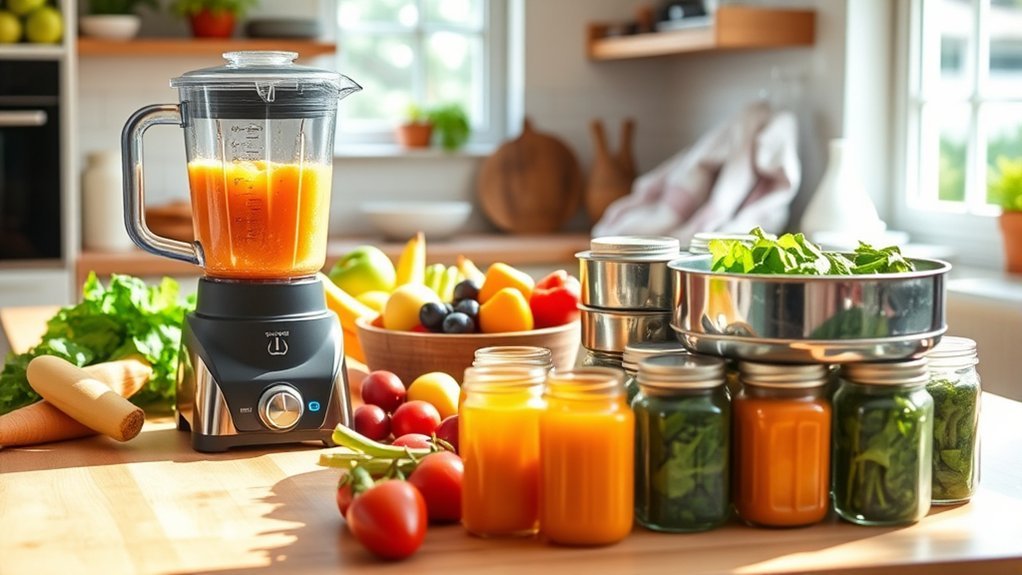
When you meal prep baby food, you’re not just saving time; you’re also preserving essential nutrients that are fundamental for your infant’s growth.
Cooking methods like steaming or microwaving can enhance nutrient retention, as they limit the exposure to heat and water, reducing nutrient loss. By quickly preparing fresh ingredients and storing them properly in airtight containers, you maximize their vitamins and minerals.
Freezing baby food allows you to keep its nutritional quality intact for up to three months, ensuring your baby gets the best. Additionally, portioning meals encourages you to serve fresh food, further supporting nutrient retention.
Embracing meal prep empowers you to nourish your child effectively during these crucial early stages of development.
Selecting Nutrient-Dense Ingredients for Baby Food
When selecting ingredients for your baby food, prioritize fresh, seasonal produce for maximum flavor and nutrients.
Incorporating iron-rich foods like cooked meats, tofu, and legumes is essential for your baby’s growth as they start eating solids.
Seasonal Produce Selection
Selecting seasonal produce for baby food not only enhances flavor but also boosts nutritional value, ensuring your little one gets the best start in life.
Choosing fruits and vegetables at their peak means you’re maximizing nutrient content, as they’re harvested when their vitamins and minerals are highest. Local sourcing of seasonal produce reduces transportation time, minimizing nutrient loss compared to out-of-season options.
Incorporating a variety of colorful ingredients like beets, broccoli, and spinach exposes your infant to diverse flavors and textures, fostering healthy eating habits early on.
Research supports that a colorful diet enhances dietary diversity, providing essential phytonutrients that promote overall health.
Embrace seasonal benefits to nourish your child with the freshest, most nutrient-dense baby food possible.
Iron-Rich Food Options
Introducing a variety of iron-rich foods into your baby’s diet is vital for supporting healthy brain development and preventing iron deficiency anemia. Excellent iron-rich options include cooked beef, lamb, pork, chicken, tofu, legumes, and fortified infant cereals—all easy to puree for young ones.
Aim to introduce these foods around 6 months when your baby’s natural iron stores deplete. To enhance iron absorption, pair these foods with vitamin C sources like pureed strawberries or citrus fruits; these food combinations make a nutritious impact.
Watch for signs of iron deficiency, such as fatigue and poor weight gain, to guarantee your baby’s overall health. Prioritizing these iron-rich options will set a strong foundation for your child’s growth and development.
Step-By-Step Cooking Methods for Preserving Nutrients
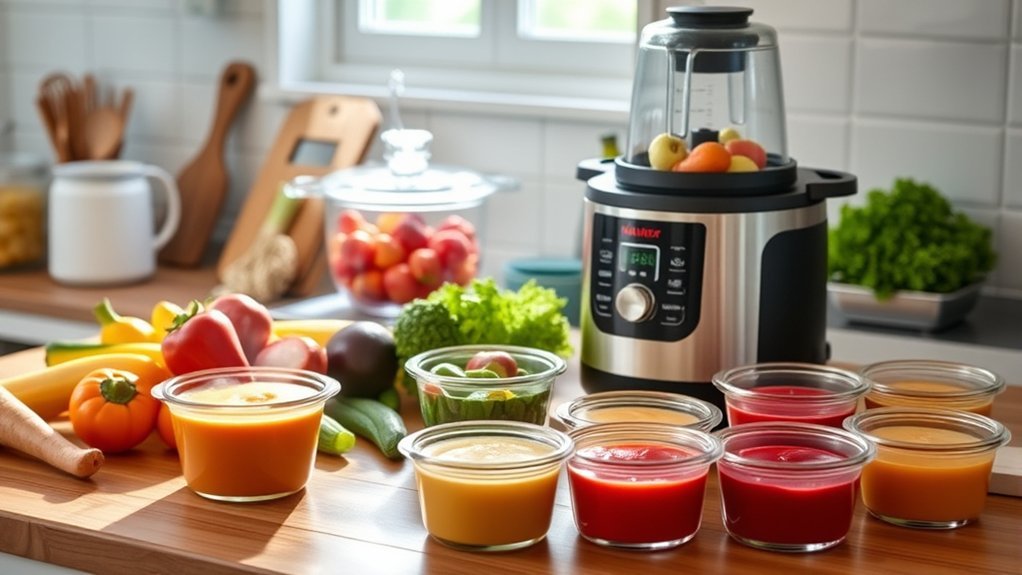
When preparing baby food, using ideal cooking techniques is essential for preserving nutrients.
Steaming vegetables and microwaving them can greatly reduce nutrient loss, especially water-soluble vitamins.
Additionally, pureeing the food right after cooking and storing it in airtight containers helps maintain its nutritional quality during storage.
Optimal Cooking Techniques
One of the best ways to guarantee your homemade baby food is nutrient-rich is by choosing ideal cooking techniques. Here are some effective methods that help maintain nutrients:
| Cooking Technique | Benefits |
|---|---|
| Steaming | Preserves water-soluble vitamins |
| Blanching | Maintains color and flavor |
| Microwaving | Shorter cooking times, less water |
| Roasting | Enhances flavor, minimal nutrient loss |
| Using Cooking Liquid | Retains nutrients and adds flavor |
Steaming benefits are clear; it minimizes nutrient loss compared to boiling. For quick meals, microwaving methods work well too. Roasting root vegetables at moderate temperatures caramelizes naturally, enhancing taste without sacrificing nutrition. Embrace these techniques for wholesome baby food!
Nutrient Retention Strategies
To guarantee your baby food is packed with nutrients, it’s essential to employ specific cooking methods that prioritize nutrient retention.
Steaming vegetables is a top choice, as it minimizes water exposure and preserves vitamins, especially when you keep cooking times to just 3-5 minutes for items like broccoli.
Avoid overcooking; tender is best to maintain nutrient absorption.
Pureeing foods right after cooking, with minimal water, helps retain more nutrients often lost in cooking liquids.
Once prepared, freeze your baby food quickly to lock in vitamins and minerals, as refrigeration can lead to nutrient degradation over time.
Mastering the Art of Mashing or Pureeing Baby Food
Mastering the art of mashing or pureeing baby food requires careful attention to cooking techniques to guarantee your little one gets the best nutrition possible. Start by cooking fruits and vegetables until very tender, usually through steaming or boiling for 5-15 minutes. Use a blender or food processor to create smooth textures, adding cooking liquid, breast milk, or formula as needed. Introduce single-ingredient purees first, then gradually add variety to enhance flavor and texture variations. To retain nutrients, avoid overcooking and opt for fresh, seasonal produce.
| Ingredient | Cooking Time | Texture Variation |
|---|---|---|
| Carrots | 10 mins | Smooth |
| Sweet Potatoes | 12 mins | Chunky |
| Apples | 5 mins | Creamy |
Storing Your Homemade Baby Food Safely
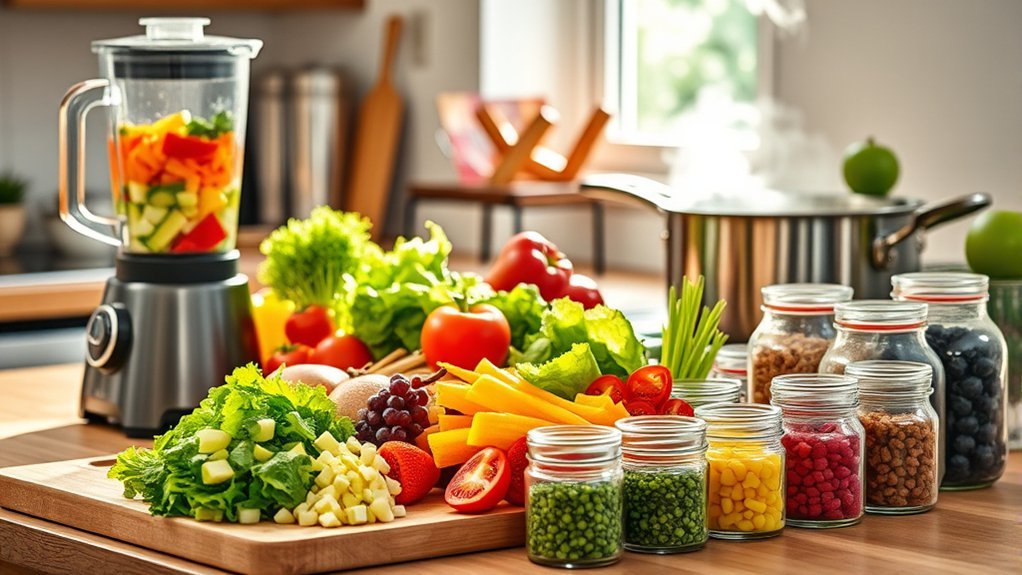
When it comes to storing your homemade baby food safely, using airtight containers is essential to prevent oxidation and moisture loss, which can compromise the food’s nutritional value.
Using airtight containers is crucial for preserving the nutritional value of your homemade baby food by preventing oxidation and moisture loss.
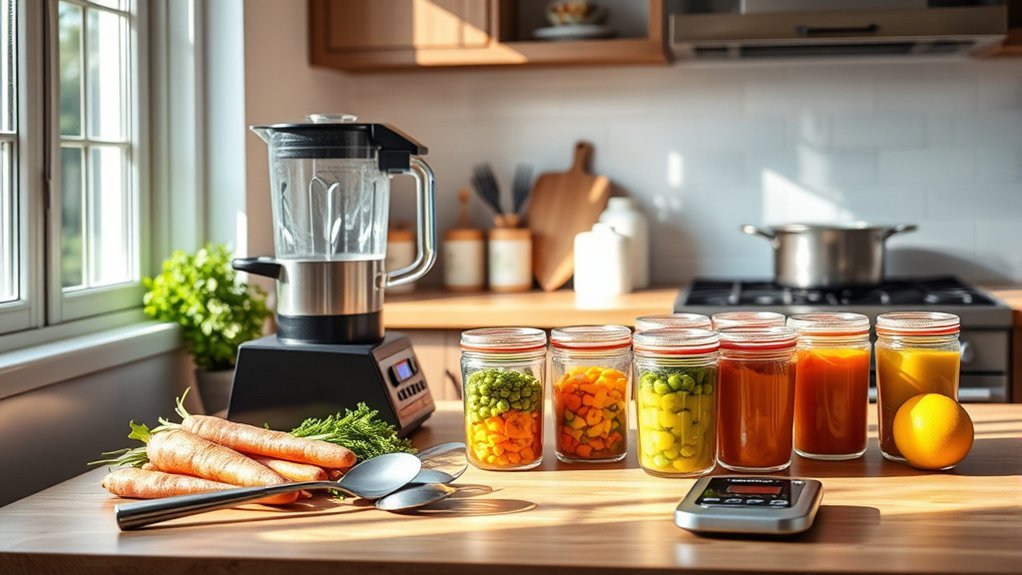
Choose container types that suit your needs, like glass jars, silicone trays, or BPA-free plastic. Here are some key tips:
- Refrigerate baby food for up to 48 hours, or freeze it for 1 to 3 months.
- Always label containers with the contents and date of preparation to track freshness.
- Discard any uneaten baby food that’s come into contact with your baby’s mouth to prevent contamination.
Thawing and Reheating Baby Food Safely
Once you’ve safely stored your homemade baby food, the next step is thawing and reheating it properly to confirm your little one enjoys it at its best.
For thawing techniques, the best method is to let the food sit in the refrigerator overnight. If you need it quicker, run the ice cube tray under cool water to thaw individual portions swiftly.
When it comes to reheating methods, warm the food gently using the stovetop or microwave, stirring well to confirm even heating throughout. Always check the temperature before serving—aim for it to be warm but not hot, to avoid burns.
Use thawed baby food within 24 hours, and remember, don’t refreeze it to prevent bacterial growth.
How to Monitor Your Baby’s Reaction to New Foods?
How can you effectively monitor your baby’s reaction to new foods? Start by introducing one single-ingredient food at a time, waiting three to five days before adding another. This helps you recognize any allergy symptoms or sensitivities.
Introduce new foods one at a time, waiting three to five days to identify any potential allergies or sensitivities.
Keep a food diary to track what foods your baby tries and any reactions noted. Pay attention to behavioral cues that may signal intolerance.
- Look for rashes or gastrointestinal discomfort.
- Notice unusual fussiness after meals.
- Watch for refusal to eat specific foods.
If you notice severe reactions or have concerns, consult your pediatrician.
This proactive approach guarantees that your baby’s dietary journey is safe and enjoyable, paving the way for a diverse and healthy diet.
How to Introduce Variety in Your Baby’s Diet?
Introducing a variety of foods to your baby’s diet can be an exciting and rewarding experience. Start by introducing single-ingredient purees like avocado or banana to monitor for allergies and gauge preferences.
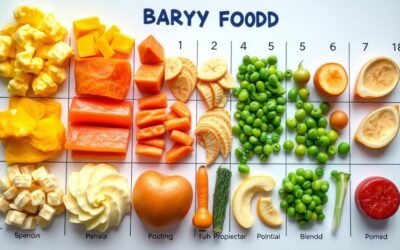
As your baby adapts, gradually incorporate nutrient-rich foods such as beets, broccoli, and spinach. Mix different purees for delightful fruit combinations, like sweet potato with peas or apples with carrots, to encourage texture exploration.
Don’t forget to include iron-rich foods like cooked lentils, finely minced meats, and tofu, essential for growth. Regularly rotate fruits and vegetables, offering seasonal produce to enhance nutrition and flavor.
This diverse approach helps create a well-rounded diet that supports your baby’s developing palate and nutritional needs.
Frequently Asked Questions
Can I Use Frozen Fruits and Vegetables for Baby Food Prep?
Yes, you can use frozen fruits and vegetables for baby food prep. Frozen food benefits include excellent nutrient retention, as freezing preserves essential vitamins and minerals, ensuring your baby enjoys healthy, nutritious meals without compromising quality.
How Long Can I Store Homemade Baby Food in the Freezer?
Think of your freezer as a treasure chest. You can store homemade baby food for up to three months. Follow storage guidelines and freezing tips to keep those nutrients locked in, ensuring your baby thrives!
What Kitchen Tools Are Essential for Making Baby Food?
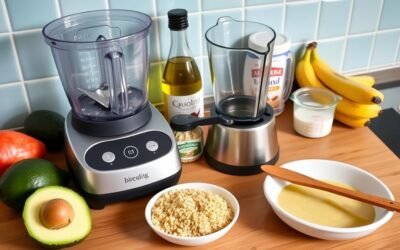
You’ll need a high-quality blender, like an immersion or countertop type, for pureeing. Don’t forget food storage containers that are BPA-free, airtight, and freezer-safe to keep your homemade baby food fresh without losing nutrients.
Can I Mix Different Foods in One Batch?
Yes, you can mix different foods in one batch! Experimenting with flavor combinations can enhance your baby’s taste experience while providing essential nutrients. Just make certain the ingredients are complementary and suitable for your baby’s age and dietary needs.
Are There Any Foods I Should Avoid for Baby Food?
Avoid foods like honey, whole nuts, and certain fish due to allergy concerns and food safety. Always check for potential allergens, and guarantee your baby’s meals are nutritious and safe for their growing body.
Conclusion
You can meal prep baby food without sacrificing nutrients, ensuring your little one gets the good stuff. Remember, it’s not rocket science—unless, of course, you’re trying to launch a space shuttle with organic carrots. By selecting the right ingredients, cooking smartly, and storing properly, you’ll be the proud parent of a mini gourmet. Now, go forth and conquer that blender with confidence, because your baby’s taste buds deserve a Michelin star!