
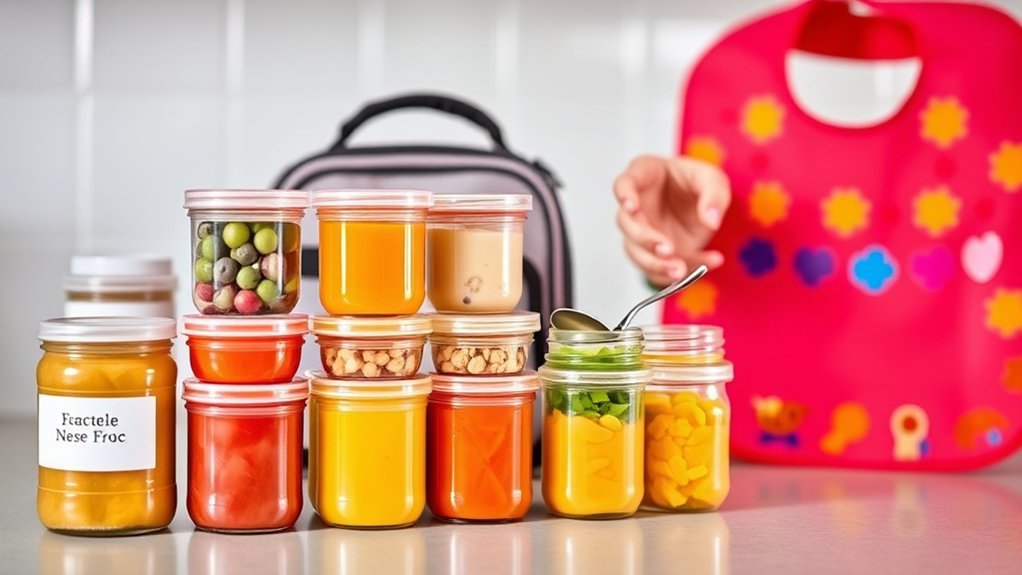
Packing baby food for daycare is easier when you use a repeatable routine: check the daycare’s rules, prepare age-appropriate food, portion it into approved containers, label everything clearly, and keep perishable food cold until it reaches the daycare refrigerator. A few extra safety steps can also prevent choking, allergen mix-ups, burns, and foodborne illness.
Quick Answer
To pack baby food for daycare, send child-sized portions in leak-resistant, clearly labeled containers. Transport perishable food in an insulated bag with two frozen cold sources, ask staff to refrigerate it immediately, and provide written instructions for storage, warming, allergies, and safe serving.
Key Takeaways
- Ask whether the daycare accepts homemade food, glass containers, frozen portions, and meals that require warming.
- Prepare food in a texture and shape that matches your baby’s current eating skills.
- Label every container with your child’s name, the food, the preparation or freeze date, and serving instructions.
- Keep perishable food at 40°F (4°C) or below with an insulated bag and two cold sources.
- Use a written feeding and allergy plan, and never save food that has touched a used spoon or your baby’s mouth.
At a Glance
| Time Required | About 30–60 minutes for a small batch, plus cooling or freezing time |
| Difficulty | Easy once you establish a routine |
| Tools Needed | Cooking utensils, blender or masher if needed, small containers, labels, insulated bag, and two frozen cold sources |
| Cost | Low if you already own reusable containers and an insulated lunch bag |
Note: This guide provides general food-safety information. Follow your child’s pediatrician or feeding specialist when your baby has a diagnosed allergy, swallowing difficulty, medical condition, or special feeding plan. The daycare’s written policies and applicable local rules also take priority.
Check the Daycare’s Food Rules First
Before you cook or buy containers, ask the daycare exactly how food from home must be prepared and delivered. Rules can vary between facilities, and a container that works at home may not be accepted in the classroom.
Ask the daycare:
- Does the facility accept homemade baby food?
- Are glass containers allowed, or are plastic or silicone containers required?
- Must food arrive refrigerated, frozen, or ready to serve?
- Will staff thaw frozen portions in a refrigerator?
- Can staff warm food, and which warming method do they use?
- Do you need to provide a bowl, spoon, bib, or cup?
- What information must appear on the label?
- How does the facility prevent allergen cross-contact?
- Are opened or partially eaten foods discarded or returned?
- Does the daycare require a physician-completed allergy or feeding plan?
Pro Tip: Ask for the daycare’s food-from-home policy in writing. Save a copy on your phone so another caregiver can pack the meal correctly.
Power your essentials anywhere with a 999Wh pure sine wave power station delivering up to 1000W continuous with 2000W surge. It supports fast charging via USB-C PD 60W and USB-A QC 18W, plus simultaneous output for multiple devices through AC, USB, wireless, and car/DC ports. Recharge using AC, car, or solar with a built-in MPPT controller and dual cooling fans, while the upgraded battery management system protects against surges, short circuits, and overheating.
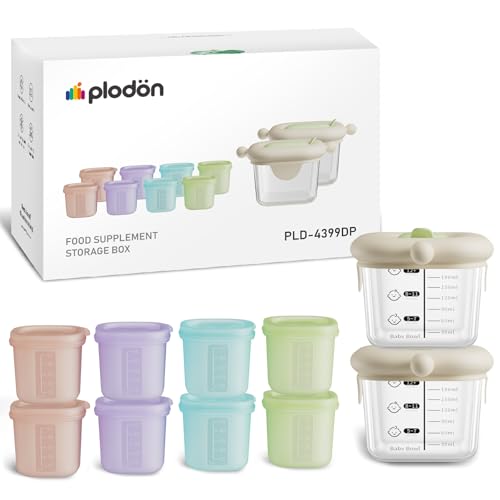
Leak-Proof for On-the-Go & Home: 8 Airtight Silicone Cups (1.7oz) + 2 Glass Jars (7oz) form a complete baby food containers set. Airtight leak-proof silicone prevents spills in diaper bags; glass jars ideal for home prep and batch cooking. From starting solids to toddlerhood- grows with your baby.
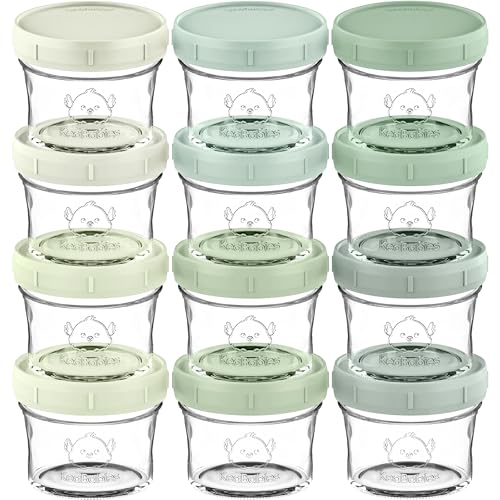
12-Pack, Durable 4oz Glass Jars with Lids – KeaBabies Baby Food Jars Glass check all the right boxes for a reliable baby snack containers. Ideal for busy parents as baby food containers for prepping and storing homemade meals smoothly.
How to Prepare Baby Food for Daycare
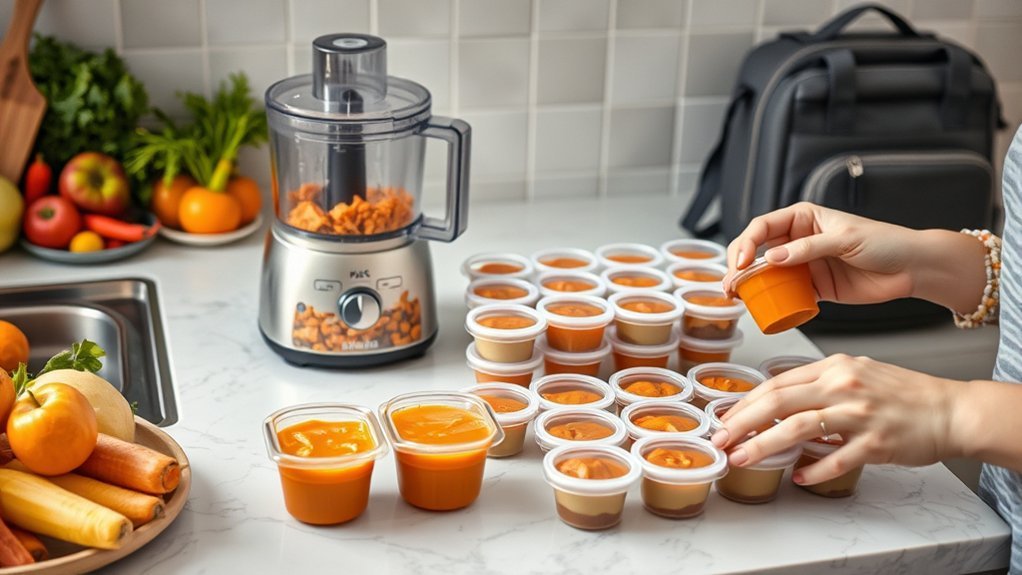
Preparing baby food in batches can save time, but safe handling matters at every step. Babies and young children are more likely to become seriously ill from contaminated food, so start with clean hands, clean equipment, and properly cooked ingredients.
- Confirm that your baby is ready for the food. The CDC says most children begin complementary foods at about 6 months, when they show developmental signs such as controlling their head and neck and swallowing food instead of pushing it back out. Follow your pediatrician’s guidance. See the CDC guidance on introducing solid foods.
- Wash your hands and equipment. Clean the blender, food processor, cutting board, knife, containers, and utensils with hot soapy water before use.
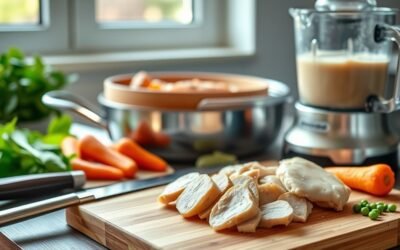
- Cook ingredients until safely done and soft. Hard fruits and vegetables should be soft enough to mash easily with a fork. Remove bones, pits, seeds, tough skins, and excess fat.
- Adjust the texture. Puree, mash, shred, or cut the food according to your baby’s current chewing and swallowing ability.
- Cool cooked food promptly. Divide a large batch into small, shallow portions so it cools faster. Refrigerate or freeze it within two hours of preparation.
- Portion only what your baby usually eats. Appetite varies by age, growth, milk intake, and the time of day. Use the daycare’s feeding record and your baby’s normal appetite instead of relying on one universal serving size.
- Refrigerate or freeze promptly. Keep the food covered and clearly dated.
Warning: Never send a texture your baby has not yet managed safely at home. Daycare staff should not be expected to test whether your baby can handle a new shape, lumpiness level, or chewing challenge.
Choosing Containers for Baby Food
Choose containers based on the daycare’s policy and the way the food will be stored and served. The brand matters less than the container’s safety and function.
A suitable baby-food container should be:
- Made for food storage
- Leak-resistant when closed
- Easy for staff to open
- Easy to label
- Freezer-safe when used for frozen portions
- Compatible with the daycare’s approved warming method
- Small enough to hold one meal or snack without excessive leftovers
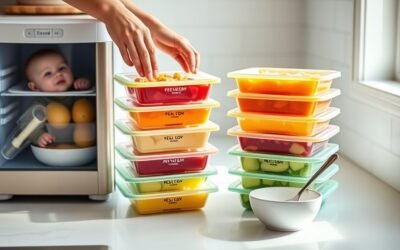
The safest container is one the daycare accepts, staff can identify quickly, and your baby’s food can remain cold in until serving time.
Glass containers can resist stains and odors, but only use them if the daycare allows glass. Lightweight plastic containers may be easier to transport. Reusable silicone containers or pouches can work for smooth food if the daycare permits them and staff can open and clean them safely.
Compartment-style containers can keep several foods organized, but every compartment must seal well. Do not place warm food beside cold yogurt, fruit, or another chilled item unless the complete container will be cooled immediately.
For frozen puree portions, covered silicone molds or ice-cube trays are convenient during preparation. After the portions freeze solid, transfer them to a dated freezer-safe bag or airtight container. Do not assume every cube is the same serving size because tray cavities vary.
How to Portion, Freeze, and Thaw Baby Food
The FDA advises covering homemade baby food while it freezes, transferring frozen portions to airtight storage, and dating the package. A conservative approach is to use frozen homemade baby food within three months. Review the FDA’s baby-food safety guidance.
Refrigerating Baby Food
Freshly made homemade baby food should generally be used within one to two refrigerated days. Keep it covered at 40°F (4°C) or below. When in doubt about how long a mixed dish has been stored, discard it rather than relying on its smell or appearance.
Freezing Baby Food
- Cool cooked food promptly before freezing.
- Use covered trays, small freezer-safe containers, or freezer bags.
- Leave expansion space in rigid containers.
- Label the food with its name and freeze date.
- Use the oldest safe portions first.
Thawing Baby Food
The safest routine is to thaw the next day’s food in the refrigerator. Do not leave baby food on a counter to thaw. You may also send a frozen portion if the daycare confirms that staff will place it in a refrigerator and thaw it safely before the scheduled meal.
Note: Infant formula follows different preparation, storage, and discard rules. Do not freeze prepared formula or treat it like solid baby food.
How to Label Baby Food Containers Clearly
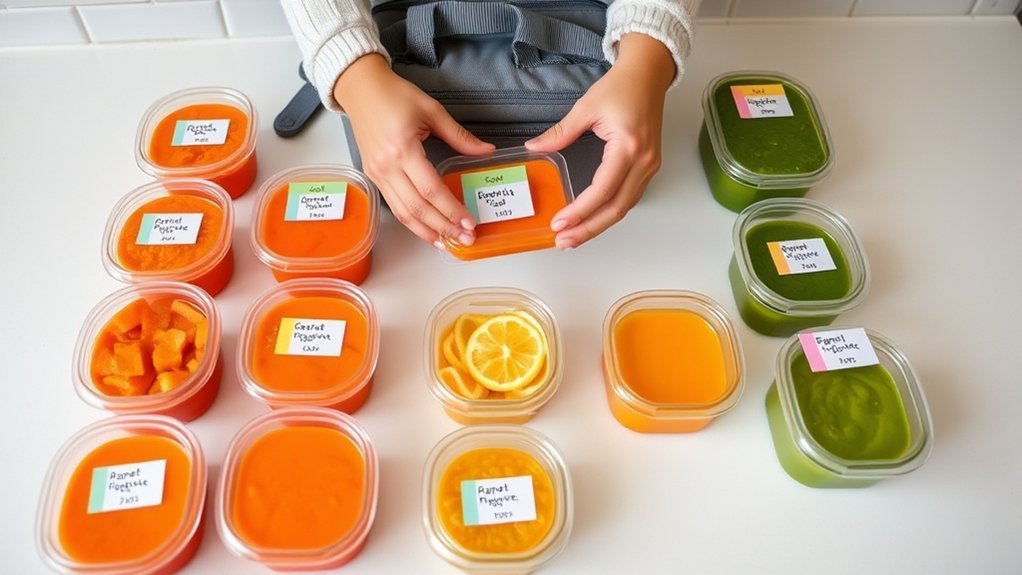
Clear labeling prevents meal mix-ups and helps staff follow the correct storage and serving instructions. Use durable, waterproof labels or a daycare-approved marker that remains readable when the container becomes cold or damp.
Include:
- Your child’s full name
- The food or meal name
- The preparation or freeze date
- The date the food should be served
- The meal or snack time, when requested
- Storage instructions, such as “Refrigerate on arrival”
- Warming instructions, such as “Serve cold” or “Warm, stir, and cool before serving”
- Known allergen information or a clear “Do not feed” warning required by the child’s plan
Color coding can help staff sort containers, but color should never replace written information. Another child may use the same color, and a substitute caregiver may not know your color system.
Pro Tip: Put the same label on the lid and container. Lids can become separated during refrigeration, washing, or serving.
Ways to Keep Your Baby’s Food Fresh and Safe
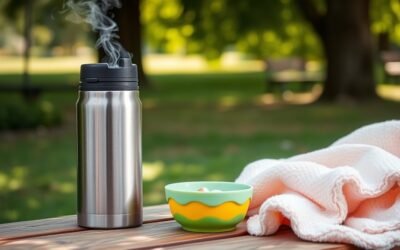
Most homemade baby food is perishable. It must remain cold during the trip and be refrigerated promptly when you arrive.
- Chill the food completely before packing it.
- Place each portion in a sealed container.
- Pack the containers in an insulated lunch bag.
- Use two frozen cold sources, such as two gel packs or one gel pack plus a frozen water bottle.
- Place one cold source below the food and one above it when the bag design allows.
- Keep the insulated bag closed during transport.
- Hand the food directly to a caregiver and ask for immediate refrigeration.
USDA guidance recommends keeping cold food at 40°F (4°C) or below. FoodSafety.gov also advises discarding perishable food that has remained unrefrigerated for more than two hours, or more than one hour when the surrounding temperature is above 90°F (32°C). See the USDA lunch-packing guidance and FoodSafety.gov’s time and temperature guidance.
Warning: If food returns home warm and you cannot confirm that it stayed at 40°F or below, discard it. Do not taste it to decide whether it is safe.
Safe Warming and Serving at Daycare
Baby food does not always need to be warm. Many babies can eat refrigerated puree, yogurt, soft fruit, or other suitable foods cold. If your baby prefers warm food, agree on a safe method with the daycare.
Reheating Cooked Food
Previously cooked leftovers should reach an internal temperature of 165°F (74°C) when reheated. That is a reheating temperature, not a serving temperature. Staff must stir the food and allow it to cool until it is lukewarm before offering it to your baby.
Microwaving Baby Food
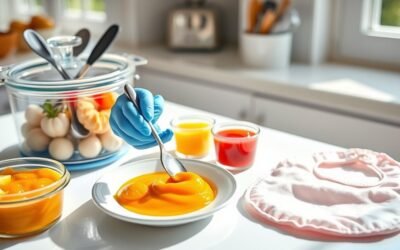
The FDA warns that microwaves can heat baby food unevenly. Staff should transfer food to a microwave-safe dish instead of heating it in a baby-food jar. After heating, stir the food thoroughly, let it stand for at least 30 seconds, and test the temperature before serving.
Preventing Saliva Contamination
Staff should place one serving in a clean bowl rather than repeatedly dipping a used spoon into the storage container. Once a spoon has been in the baby’s mouth, saliva can contaminate the remaining food.
Discard food left in the serving bowl after the meal. Do not return it to the refrigerator, mix it with untouched food, or send it home for later.
Foods and Textures to Avoid
Foods should be chosen for your child’s age, development, allergies, and medical needs. The following concerns are especially important for daycare meals.
Common Choking Hazards
The CDC choking-hazard guidance identifies foods that need to be avoided or changed in shape and texture for young children, including:
- Whole grapes, cherries, berries, or cherry tomatoes
- Hard raw apple or carrot pieces
- Whole or chopped nuts and seeds
- Thick chunks or spoonfuls of nut butter
- Round slices of hot dog or sausage
- Large meat or cheese chunks
- Popcorn, pretzels, hard candy, and chewy candy
- Foods containing bones, hard pits, or tough skins
Cut small round foods into small pieces, cook hard produce until soft, spread nut butter thinly when it is part of the approved feeding plan, and match every texture to the child’s skills.
Honey and Unpasteurized Foods
- Do not give honey to a child under 12 months. Honey can cause infant botulism.
- Do not send unpasteurized milk, juice, yogurt, or cheese. These products may contain harmful bacteria.
See the CDC list of foods and drinks to avoid or limit.
Added Sugar and Sodium
Choose foods without added sugar when possible and limit high-sodium foods such as processed meats, salty snacks, and heavily seasoned packaged meals. Babies have small appetites, so each portion should provide useful nutrition rather than added sugar or excess salt.
Communicating Dietary Needs With Daycare Providers
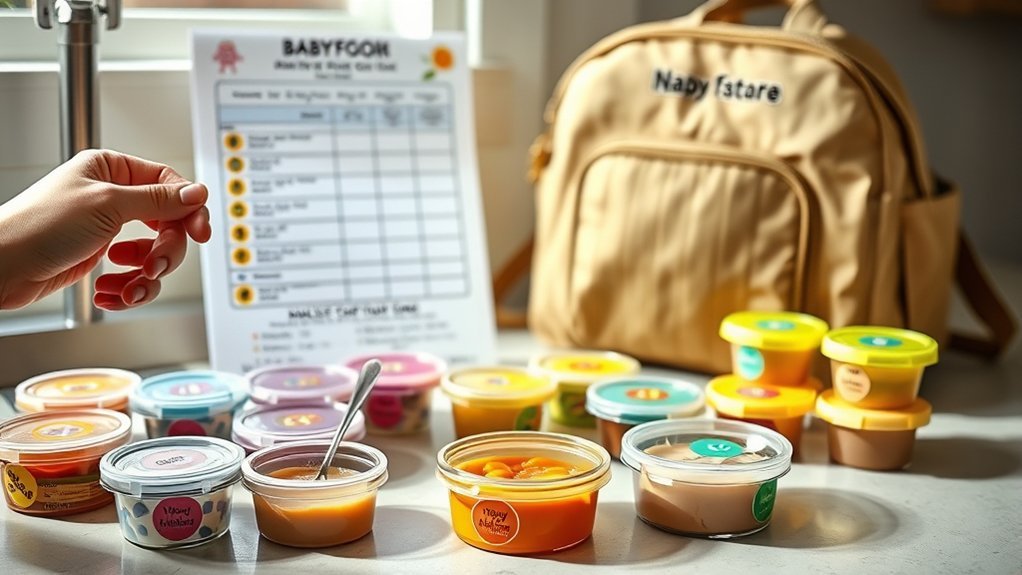
Provide a written feeding plan that explains what your baby eats, how each food should be prepared, and what staff should do if a problem occurs.
The plan should cover:
- Your baby’s usual meal and snack times
- Current textures and safe food shapes
- Foods your baby has already eaten successfully
- Diagnosed allergies and foods that must be avoided
- Cross-contact precautions
- Symptoms that may signal an allergic reaction
- The location and use of prescribed emergency medicine
- Who staff should contact in an emergency
- Whether food should be served cold or warmed
- Whether unfinished food should be discarded or returned unopened
The CDC recommends that early care and education programs prepare for food-allergy emergencies and use individual emergency care plans. Review the CDC’s food-allergy planning guidance.
Warning: A known allergen must be avoided according to your child’s medical plan. However, potential allergens should not be treated as universally forbidden foods. Discuss introduction with your child’s clinician when needed and use an age-appropriate form.
Introduce a new food at home when you can observe your child instead of making daycare the first trial. The CDC recommends starting with one single-ingredient food at a time and waiting three to five days between new foods during early introduction. Potentially allergenic foods may be introduced with other complementary foods unless a clinician advises a different plan.
Check in with daycare staff regularly. Ask what your baby ate, whether the texture worked, whether any food was returned, and whether instructions need to be updated.
Daycare Baby Food Packing Checklist
- Approved food containers with secure lids
- One child-sized portion for each planned meal or snack
- A small unopened backup portion when permitted
- Your child’s name on every container and lid
- Food name and preparation or freeze date
- Serving date and meal time, when required
- Refrigeration and warming instructions
- Allergy warnings required by the feeding plan
- Insulated lunch bag
- Two frozen cold sources
- Daycare-approved bowl, spoon, bib, cup, or pouch attachment
- Written feeding and allergy plan
Troubleshooting Common Daycare Food Problems
The Daycare Does Not Accept Homemade Food
Ask which sealed commercial foods are permitted and whether the facility supplies meals through its own food program. Choose a product with an age-appropriate texture and follow the package storage instructions.
The Daycare Does Not Allow Glass
Use a daycare-approved food-safe plastic or silicone container with a leak-resistant lid. Test it at home with water before trusting it inside the daycare bag.
The Daycare Does Not Warm Food
Pack food that is safe and acceptable when served cold. Do not depend on food remaining lukewarm from the morning because temperatures between 40°F and 140°F allow bacteria to multiply.
The Daycare Has No Refrigerator Available for Parent-Packed Food
Ask for the facility’s approved cold-storage procedure. An insulated bag with cold sources can protect food during transport, but you should not assume it will keep food safely cold for an entire daycare day without verification.
Your Baby Eats Less Than Expected
Send smaller portions and, when allowed, one separate unopened backup. Smaller servings reduce waste because any food touched by a used spoon must be discarded.
Food Comes Home Warm
Discard it unless the daycare can confirm that it stayed at 40°F or below. Add larger or additional cold sources, reduce empty space in the insulated bag, and ask staff to refrigerate the food immediately at drop-off.
Sources
- U.S. Food and Drug Administration: Once Baby Arrives — homemade baby-food freezing, storage, microwaving, saliva contamination, honey, and unpasteurized-food safety
- CDC: When, What, and How to Introduce Solid Foods — readiness, textures, food introduction, and potential allergens
- CDC: Choking Hazards — foods, shapes, and textures that can increase choking risk
- CDC: Foods and Drinks to Avoid or Limit — honey, unpasteurized food, added sugar, sodium, milk, and juice guidance
- FoodSafety.gov: Leftover Food Safety — 40°F storage, the two-hour rule, and reheating cooked leftovers to 165°F
- CDC: Food Allergies in Schools and Early Care — allergy prevention and emergency care planning
Frequently Asked Questions
Can I freeze baby food for daycare use?
Yes. Freeze cooled homemade baby food in covered trays or small freezer-safe containers. Transfer frozen portions to an airtight container or freezer bag, label the food and freeze date, and use it within three months. Thaw it in the refrigerator rather than on the counter.
What are safe temperature guidelines for baby food?
Keep cold baby food at 40°F (4°C) or below. Discard perishable food left without refrigeration or a reliable cold source for more than two hours, or one hour above 90°F. Reheat previously cooked leftovers to 165°F, then stir and cool the food to lukewarm before serving.
How much baby food should I pack for each day?
Pack the amount your baby usually eats at each daycare meal rather than relying on a fixed ounce rule. Appetite varies. Smaller separate portions are often best because food touched by a used spoon must be discarded. An unopened backup portion can help when the daycare allows one.
Are there foods I should avoid packing for daycare?
Avoid diagnosed allergens, honey for children under 12 months, unpasteurized foods, and developmentally unsafe choking hazards such as whole grapes, whole nuts, popcorn, hard raw vegetables, sausage rounds, and thick spoonfuls of nut butter. Limit foods high in added sugar or sodium.
How should I introduce new foods before sending them to daycare?
Introduce new foods at home when you can observe your baby. During early food introduction, offer one single-ingredient food at a time and watch for problems. Potential allergens do not need to be universally delayed, but babies with severe eczema, egg allergy, or another medical concern may need clinician guidance.
Are glass containers safe for daycare baby food?
Glass can be suitable for food storage, but some daycare facilities prohibit it. Ask before packing. Any container you use should be food-safe, leak-resistant, clearly labeled, and compatible with the daycare’s refrigeration and warming procedures.
Can daycare save unfinished baby food for later?
Only untouched food kept in the original storage container may be suitable for later use within its safe storage period. Food in a serving bowl or container that has contacted a used spoon or the baby’s mouth should be discarded because saliva can introduce bacteria.
Conclusion
Packing baby food for daycare becomes manageable when each meal follows the same safe routine. Confirm the daycare’s rules, prepare food in a texture your baby can handle, use approved containers, label every portion, and keep perishable food at 40°F or below. A written feeding and allergy plan gives caregivers the information they need to store, warm, and serve the meal safely.
The most important details are simple: do not send choking hazards, do not save food contaminated by saliva, cool warmed food before serving, and discard food that has been held at an unsafe temperature. With those safeguards in place, you can create a daycare meal routine that is practical, organized, and suited to your baby’s needs.