
Rice cereal can be part of a healthy infant diet, but it does not need to be your baby’s first or only grain. The most practical way to reduce arsenic exposure is to rotate rice cereal with iron-fortified oat, barley, and multigrain cereals. If you make cereal from whole rice, an excess-water cooking method can lower inorganic arsenic, although it may also remove added nutrients.
Quick Answer
To reduce arsenic exposure, serve a variety of iron-fortified infant cereals instead of relying on rice cereal every day. Prepare packaged cereal according to its label. For cereal made from whole rice, cooking in 6 to 10 parts water and draining it can lower inorganic arsenic, but rinsing alone has little effect.
Key Takeaways
- Rotate rice cereal with iron-fortified oat, barley, and multigrain infant cereals.
- Do not rinse or boil powdered infant cereal; prepare it according to the package directions.
- When cooking whole rice, using 6 to 10 parts water and draining the excess can reduce inorganic arsenic by about 40% to 60%.
- Do not depend on rinsing alone. FDA research found that it has a minimal effect on arsenic and may wash away added nutrients.
- Use tested, safe water for cereal and formula, particularly if your home relies on a private well.
- Discuss feeding readiness, supplements, swallowing concerns, and restricted diets with your pediatrician.
At a Glance
| Time Required | About 5 minutes for packaged cereal; 20–30 minutes for whole rice |
| Difficulty | Easy |
| Tools Needed | Bowl and spoon for packaged cereal; saucepan, measuring cup, and fine-mesh strainer for whole rice |
| Cost | No significant added cost beyond the cereal or grain |
Understanding Arsenic Risks in Rice for Babies
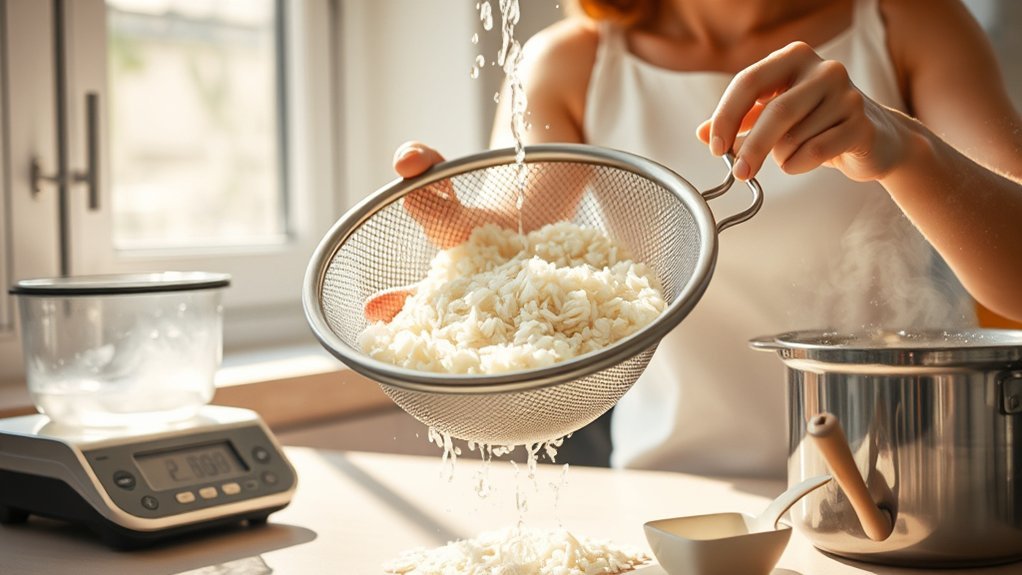
Arsenic occurs naturally in soil and water and can also enter the environment through human activity. Rice tends to absorb arsenic more readily than many other crops because of the way it grows. As a result, rice and rice-based foods may contain more inorganic arsenic than other cereal grains.
Inorganic arsenic is the form of greatest health concern. The U.S. Food and Drug Administration reports that exposure during pregnancy, infancy, and childhood may contribute to neurodevelopmental effects and increased lifetime health risks.
Babies can receive a higher dose of a food contaminant relative to their body weight than adults. Their diets may also be less varied, especially when one cereal is served frequently. This is why grain variety matters more than trying to remove every trace of arsenic from a single food.
The FDA’s current action level for inorganic arsenic in infant rice cereal is 100 parts per billion. The level applies to white-rice, brown-rice, organic, and conventionally produced infant cereals.
The action level helps guide manufacturers, sourcing, testing, and FDA enforcement decisions. It does not mean that cereal meeting the level is arsenic-free, so serving a varied diet remains important.

Power your essentials anywhere with a 999Wh pure sine wave power station delivering up to 1000W continuous with 2000W surge. It supports fast charging via USB-C PD 60W and USB-A QC 18W, plus simultaneous output for multiple devices through AC, USB, wireless, and car/DC ports. Recharge using AC, car, or solar with a built-in MPPT controller and dual cooling fans, while the upgraded battery management system protects against surges, short circuits, and overheating.

HEAVY METAL TESTED: A cleaner alternative to traditional baby rice cereal. Every batch independently third-party tested for arsenic, lead, cadmium, and mercury. Clean from the very first bite
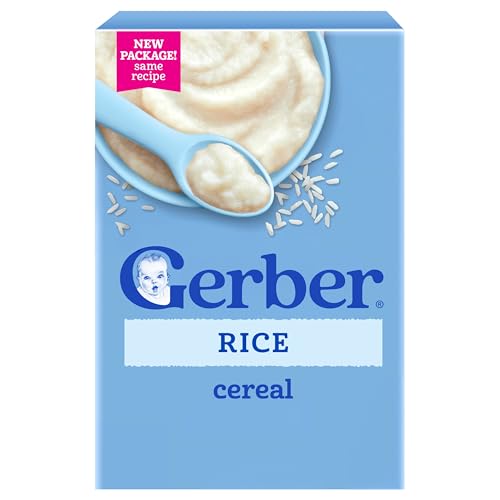
WHOLESOME, HIGH-QUALITY INGREDIENTS Gerber baby rice cereal gives busy parents a convenient, reliable way to provide their little one with high-quality ingredients. Our rice cereal for baby is made with 60% of the daily value of iron to support brain development SNAP and EBT item in eligible states
Best Ways to Reduce Arsenic Exposure
You do not have to remove all rice from your baby’s diet. Instead, use several practical steps to prevent rice from becoming the main source of grains day after day.
- Rotate infant cereals. Offer iron-fortified oat, barley, and multigrain cereal in addition to rice cereal.
- Read ingredient lists. Rice flour, brown rice syrup, and other rice ingredients can appear in cereals, snacks, and mixed baby foods.
- Choose foods made for infants. When buying cereal, select a product labeled for babies and fortified with iron.
- Serve a varied diet. As your baby becomes ready, include age-appropriate fruits, vegetables, protein foods, eggs, fish, and other grains.
- Use safe water. Water used to prepare cereal or formula can add to arsenic exposure if a private well is contaminated.
Pro Tip: Look at the first few ingredients in mixed cereals and baby foods. Products with different flavors may still rely on the same rice-based ingredient, so labels help you provide true variety.
Commercial Infant Cereal Versus Whole Rice
The correct preparation method depends on whether you have powdered infant cereal or uncooked whole rice. The two products are not interchangeable.
How to Prepare Commercial Infant Cereal
Commercial dry infant cereal is normally precooked and ground into a powder. You mix it with breast milk, infant formula, or water according to the product directions. You cannot rinse the powder or drain it with a strainer.
- Wash your hands and use a clean bowl and spoon.
- Follow the package’s mixing directions.
- Begin with a thin, smooth texture and thicken it gradually as your baby develops better eating skills.
- Feed cereal from a spoon while your baby is sitting upright.
- Discard cereal that has been contaminated by a used feeding spoon rather than saving it for another meal.
Warning: Do not put infant cereal in a bottle unless your child’s healthcare professional specifically recommends it for a medical reason. The American Academy of Pediatrics warns that cereal in a bottle can increase choking and overfeeding risks.
How to Prepare Cereal From Whole Rice
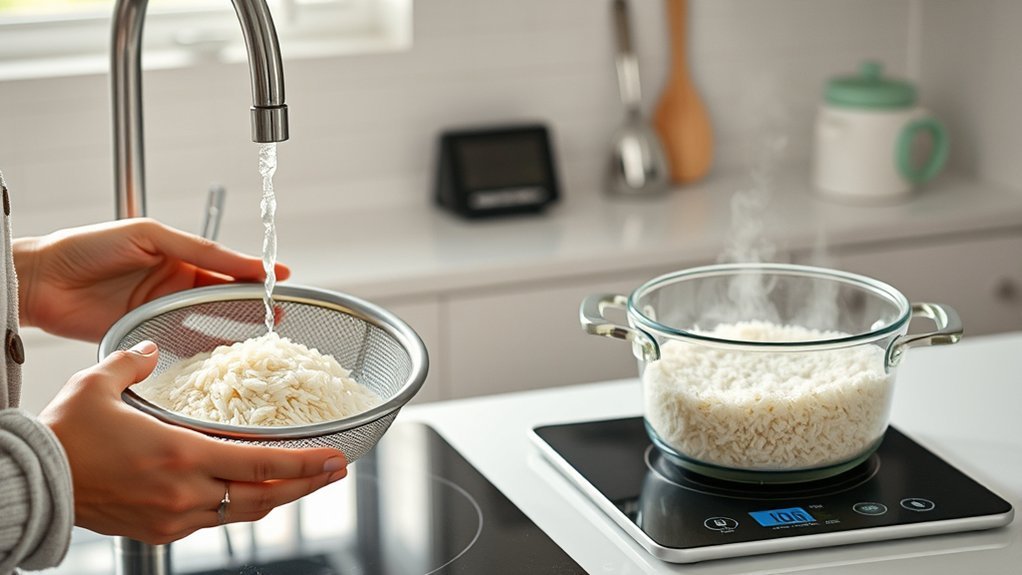
If you prepare homemade cereal from whole rice, the FDA’s excess-water method can reduce inorganic arsenic by about 40% to 60%, depending on the rice.
- Choose the rice. Brown rice generally contains more arsenic than white rice because arsenic concentrates in the grain’s outer layers. The American Academy of Pediatrics notes that white basmati and sushi rice tend to contain less.
- Measure extra water. Use 6 to 10 cups of safe water for every 1 cup of uncooked rice.
- Cook until tender. Boil and cook the rice as you would pasta, following an appropriate cooking time for the variety.
- Drain thoroughly. Pour the cooked rice into a clean fine-mesh strainer and discard the cooking water.
- Prepare a safe texture. Blend or mash the rice with breast milk, infant formula, or safe water until it is smooth enough for your baby’s feeding skills.
- Serve a small portion. Let the food cool, check the temperature, and feed it from a spoon while your baby is upright.
If you rinse whole rice before cooking, do not count on rinsing as the main arsenic-reduction step. FDA research found that rinsing has a minimal effect on inorganic arsenic in the cooked grain.
Note: Excess-water cooking can also remove about 50% to 70% of the iron, folate, niacin, and thiamine added to enriched white or parboiled rice. This is one reason homemade rice should not replace iron-rich foods or iron-fortified infant cereal.
Top Grain Alternatives for Your Baby’s Diet
Oatmeal, barley, quinoa, millet, and multigrain cereals can reduce your baby’s dependence on rice while adding different flavors and textures. No food is guaranteed to be completely free of environmental contaminants, but rotating grains can lower repeated exposure from a single source.
Oatmeal-Based Cereals
Iron-fortified oatmeal cereal is a practical alternative for babies beginning solid foods. It is widely available, easy to prepare, and does not need to be mixed with rice cereal.
Prepare commercial oatmeal cereal with breast milk, infant formula, or water according to the label. Check that it is made for infants and fortified with iron rather than using an adult breakfast cereal with added sugar, salt, or a coarse texture.
Quinoa and Barley Options
Quinoa provides protein and fiber and is naturally gluten-free. Cook it until very soft, then blend or mash it to an age-appropriate texture. Rinse whole quinoa according to its package directions to remove its naturally bitter outer coating.
Barley provides fiber and several vitamins and minerals. It contains gluten, so introduce it in a safe texture while watching for a possible reaction, just as you would with other new foods.
Iron-fortified multigrain infant cereal is another convenient choice. Check the ingredients because some multigrain products still list rice as the first ingredient.
How to Choose Infant Cereal Safely
No single brand can be called the safest for every purchase or production batch. Product formulations, ingredient sources, and testing results can change. Use these criteria instead:
- Choose cereal made specifically for infants.
- Look for iron fortification on the nutrition label.
- Rotate the main grain instead of purchasing only rice cereal.
- Do not assume that an organic label means the product contains less arsenic.
- Check the package for damage, follow its storage directions, and do not use it after the stated date.
- Review current FDA recall notices when you hear about a possible baby-food safety problem.
FDA’s 100-ppb action level applies to all infant rice cereals, including organic and conventional products. Choosing organic food may reflect other preferences, but it does not remove naturally occurring arsenic from soil or water.
Keep an Eye on Your Baby’s Nutrition and Health

Most babies are developmentally ready to begin solid foods at about 6 months, although readiness varies. According to the American Academy of Pediatrics, useful readiness signs include good head control, the ability to sit with support, interest in food, and the ability to move food from a spoon toward the throat.
At first, breast milk, infant formula, or both still provide most of a baby’s nutrition. Solid foods should gradually add iron, zinc, protein, healthy fats, and new textures rather than immediately replacing milk feedings.
Offer small spoonfuls and follow your baby’s hunger and fullness cues. Foods should be smooth or soft enough for your baby’s current skills. If your baby repeatedly coughs, chokes, struggles to swallow, or cannot manage an appropriate texture, stop and contact a healthcare professional.
Warning: Rice milk, oat milk, almond milk, and ordinary fortified soy beverages should not replace breast milk or iron-fortified infant formula before 12 months. Ask your pediatrician about suitable milk choices after your child’s first birthday.
Check Water Used for Cereal and Formula
Arsenic has no smell or taste, so you cannot identify contaminated water without testing. Public water systems must meet federal standards, but private-well owners are responsible for arranging their own tests.
The Environmental Protection Agency’s drinking-water standard for arsenic is 10 parts per billion, or 0.010 milligrams per liter. If your household uses a private well, contact your local health department, state drinking-water program, or a certified laboratory for testing instructions.
Do not use water with an arsenic result above the recommended limit to mix infant formula, prepare cereal, cook rice, or make other foods for your baby. Boiling contaminated water does not remove arsenic and may concentrate it as water evaporates. Follow your local health authority’s advice about treatment or an alternative water source.
Consult Pediatricians About Diet and Safety
A pediatrician can help you match feeding choices to your baby’s age, development, medical history, and nutritional needs. Individual advice is especially important when your baby:
- Was born prematurely or had a low birth weight
- Has poor growth or a very limited diet
- Has eczema, food allergies, or a strong allergy history
- Has reflux, swallowing difficulty, or frequent choking
- Receives formula prepared with private-well water
- Needs advice about iron or vitamin D supplementation
The AAP supports continued breastfeeding after solid foods are introduced for as long as the parent and child desire, including for two years or beyond. Families who use formula can also introduce a varied range of appropriate solid foods at about 6 months while continuing iron-fortified infant formula through the first year.
Note: This article provides general food-safety and nutrition information. It does not replace individual medical advice from your child’s pediatrician, registered dietitian, or feeding specialist.
Frequently Asked Questions
Are all rice cereals equally high in arsenic?
No. Inorganic arsenic levels vary by rice type, growing location, ingredient source, and production batch. Brown-rice cereal tends to contain more arsenic than white-rice cereal, but a package label cannot tell you the exact concentration in a particular batch.
How often should I give rice cereal to my baby?
There is no universal evidence-based rule limiting rice cereal to a fixed number of servings per week. The FDA and AAP recommend variety. Rotate rice cereal with iron-fortified oat, barley, and multigrain cereals instead of serving rice as the only grain.
What brand of rice cereal is safest for babies?
No permanent official ranking identifies one brand as safest. Choose cereal made for infants, confirm that it is iron-fortified, inspect the package, follow current recall information, and rotate it with non-rice grains. Do not rely on an organic label as proof of lower arsenic.
Can cooking methods reduce arsenic in other grains?
The FDA’s measured 40% to 60% reduction applies specifically to whole rice cooked in excess water and drained. Do not assume the same percentage applies to oats, barley, quinoa, or other grains. Prepare those grains according to their directions and use dietary variety to reduce dependence on any one food.
Is it safe to mix rice cereal with other foods?
Yes, once your baby has safely tried the ingredients and can manage the texture. Rice cereal can be mixed with breast milk, formula, fruit, vegetables, or other appropriate foods. Introduce new ingredients separately at first when your pediatrician advises doing so, making it easier to identify a possible reaction.
Does organic rice cereal contain less arsenic?
Not necessarily. Arsenic can occur naturally in the soil and water used to grow organic or conventional rice. FDA’s 100-parts-per-billion action level applies to both production methods.
Is brown rice cereal safer than white rice cereal?
Brown rice is nutritious, but it generally contains more inorganic arsenic because the outer layers of the grain remain intact. White rice usually contains less, although levels vary. Grain variety is more useful than depending on one rice type.
Can I remove all arsenic from rice cereal?
No household method guarantees complete removal. Packaged infant cereal cannot be rinsed, and excess-water cooking only reduces some inorganic arsenic in whole rice. The best overall strategy is to vary grains, use safe water, and follow current infant-feeding guidance.
Conclusion
You can reduce your baby’s arsenic exposure without removing every rice food from the menu. The most effective everyday step is to serve a genuine variety of grains, including iron-fortified oat, barley, and multigrain infant cereals.
Prepare commercial infant cereal according to its label. Use the excess-water method only when cooking whole rice, and remember that the method can remove added nutrients as well as arsenic. Safe water, age-appropriate textures, spoon feeding, and guidance from your pediatrician complete a safer and more balanced approach.
Sources
- U.S. Food and Drug Administration: What You Can Do to Limit Exposure to Arsenic — supports grain variety, excess-water cooking, rinsing limitations, nutrient loss, and well-water testing.
- U.S. Food and Drug Administration: Action Level for Inorganic Arsenic in Infant Rice Cereals — supports the 100-parts-per-billion action level and use of alternative iron-fortified cereals.
- FDA Supporting Document for the Infant Rice Cereal Action Level — supports health-risk context and application of the action level to organic and conventional cereals.
- American Academy of Pediatrics: Heavy Metals in Baby Food — supports rotating grains, avoiding rice milk, reading labels, and choosing lower-arsenic rice types.
- American Academy of Pediatrics: Starting Solid Foods — supports feeding readiness, iron-fortified infant cereal, safe textures, and the cereal-in-bottle warning.
- U.S. Environmental Protection Agency: Chemical Contaminant Rules — supports the federal 10-parts-per-billion drinking-water standard for arsenic.