To reduce heavy metals exposure from baby food, start by choosing fresh, organic produce and washing all fruits and vegetables thoroughly. If using rice, cook it with six cups of water for every cup, and discard the excess water afterward to lower arsenic levels. Diversify your baby’s diet with grains like oats and quinoa, and limit processed foods. Discuss food choices and testing methods with your pediatrician to guarantee safety. More detailed steps can enhance your baby’s nutrition and safety.
Key Takeaways
- Choose fresh, organic produce for homemade baby food and wash fruits and vegetables thoroughly before serving to remove contaminants.
- Limit infant rice cereals and rice puff snacks, opting for grains like oats, barley, and quinoa that are lower in heavy metals.
- Use a 6:1 water-to-rice ratio when cooking rice and discard excess water to reduce arsenic levels effectively.
- Prioritize low-mercury fish like salmon or sardines, avoiding high-mercury fish species to minimize exposure to harmful metals.
- Regularly test tap water for lead and use filtered water for cooking and preparing baby food to ensure safety.
How Heavy Metals Affect Your Baby’s Health
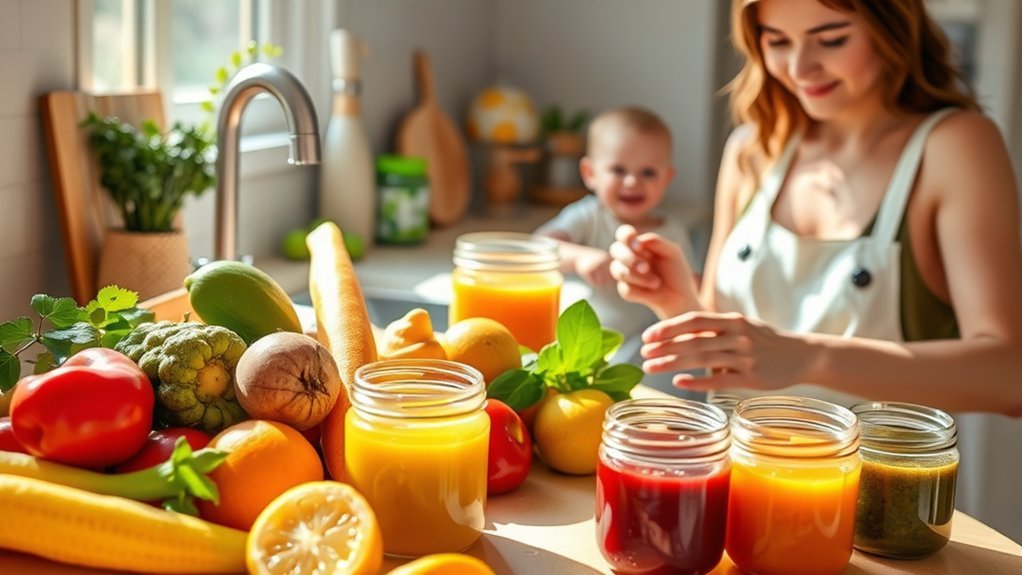
Since babies are in a essential stage of brain development, exposure to heavy metals like lead, arsenic, and mercury can have devastating effects on their cognitive abilities.
These neurodevelopmental effects can hinder learning, cognition, and behavior, which are important during their first 1,000 days of life. Babies’ rapid brain growth and smaller body size make them particularly vulnerable, as even low levels of these toxins can pose significant risks.
Exposure to heavy metals during crucial developmental phases can severely impact a baby’s learning and behavior.
Studies show that nearly 95% of baby foods contain toxic metals, emphasizing the urgent need for vigilance. The long-term implications of such exposure can extend well into childhood and beyond, impacting overall health.
Continuous monitoring and minimizing exposure to heavy metals are essential to safeguard your child’s development and future well-being.
Common Sources of Heavy Metals in Baby Food
Understanding how heavy metals affect your baby’s health highlights the importance of recognizing their common sources in baby food.
Several heavy metal sources contribute to baby food contamination, often making their way into your child’s diet. Be aware of these key sources:
- Infant rice cereals and rice puff snacks, particularly high in arsenic
- Store-bought baby foods, with studies revealing 50% contain measurable heavy metals
- Raw ingredients used in homemade baby food, like fruits and vegetables
- Specific crops, such as carrots and sweet potatoes, that accumulate higher levels of metals
- Contamination from pesticides and pollution during food production
Tips for Safe Food Preparation and Cooking Methods
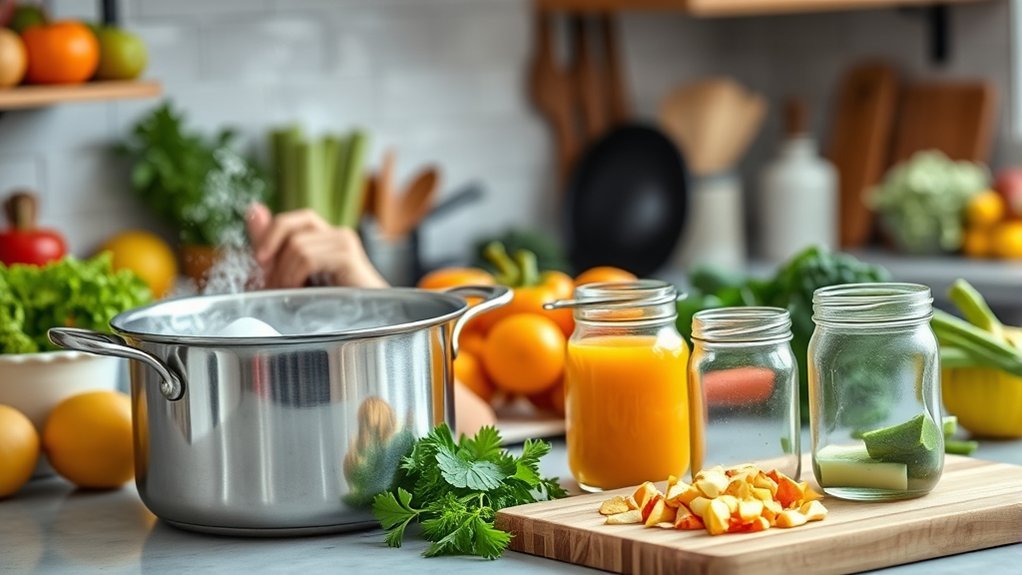
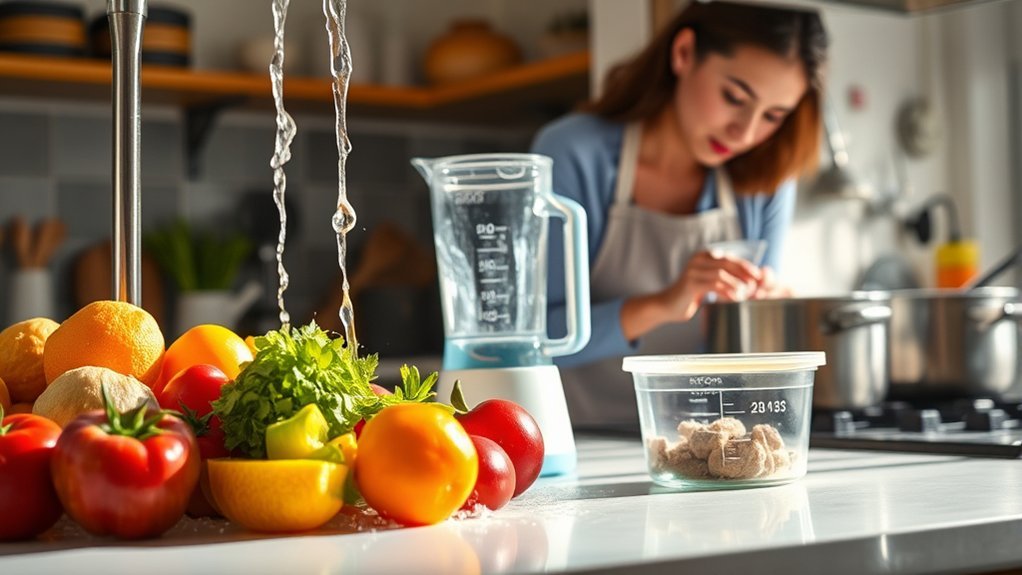
To guarantee your baby’s food is safe, start by rinsing all fruits and vegetables under cool water to remove contaminants.
Properly cooking rice can also make a difference; rinsing it thoroughly before cooking and using excess water helps lower arsenic levels.
These simple steps can greatly reduce the risk of heavy metals in your baby’s meals.
Rinse Fruits And Vegetables
Rinsing fruits and vegetables is an essential step in ensuring your baby’s food is safe and free from harmful contaminants. Effective rinsing techniques can help reduce surface contaminants, including heavy metals that might be present.
Here are some tips to follow:
- Rinse under cool running water for at least 30 seconds.
- For leafy greens, submerge in a bowl of water and agitate to dislodge dirt.
- Peel fruits and vegetables to lower heavy metal exposure.
- Wash all produce before serving to babies to minimize contamination.
- Consider using a produce brush for firmer items to enhance cleaning.
Cook Rice Properly
Cooking rice properly is crucial for minimizing harmful substances like arsenic that can affect your baby’s health. Start with rice rinsing; thoroughly wash the rice under cool running water to remove surface arsenic and other contaminants.
When cooking, use a ratio of at least six cups of water for every one cup of rice. This dilutes arsenic levels effectively. After boiling, drain any excess water to further reduce remaining arsenic content.
Consider choosing white basmati or sushi rice, as they generally have lower arsenic levels. Finally, avoid relying solely on rice as a staple; diversify your baby’s diet by incorporating other grains like oats, barley, and quinoa to guarantee a balanced, healthy intake.
Talking to Your Pediatrician About Heavy Metals: What to Ask?
When talking to your pediatrician about heavy metals in baby food, start by asking about the specific metals that could affect your child’s health and development.
Discuss safe food choices and preparation methods to minimize exposure, like rinsing rice or choosing whole fruits.
It’s also essential to emphasize the importance of a diverse diet to reduce reliance on high-risk foods.
Heavy Metals Risks
Discussing heavy metals in baby food with your pediatrician is essential for ensuring your child’s health and development.
Here are key points to address during your conversation:
- Talk about your child’s diet, focusing on rice-based products that may contain arsenic.
- Inquire about the long-term effects of heavy metal exposure on cognitive and behavioral development.
- Ask for advice on varying food sources to minimize heavy metal accumulation.
- Request information on the latest FDA guidelines regarding heavy metals in baby food.
- Discuss testing your tap water for lead and other contaminants used in food preparation.
These discussions can help you make informed choices and reduce your child’s exposure to heavy metals, promoting healthier growth and development.
Safe Food Choices
Steering safe food choices for your baby is crucial, especially when considering the risks of heavy metals in their diet.
Talk to your pediatrician about specific heavy metals like arsenic and lead, and their effects on your child’s health. Ask for recommendations on baby food options that are lower in these contaminants, focusing on safe snack options and organic food choices.
Diversifying your baby’s diet can minimize exposure to any one harmful substance while providing balanced nutrition. Discuss how to prepare homemade baby food safely by washing produce thoroughly and selecting ingredients with lower contamination risks.
Finally, inquire about testing methods for tap water to guarantee it’s free from lead and other heavy metals, safeguarding your baby’s meals.
How Variety in Diet Reduces Heavy Metal Exposure for Your Baby
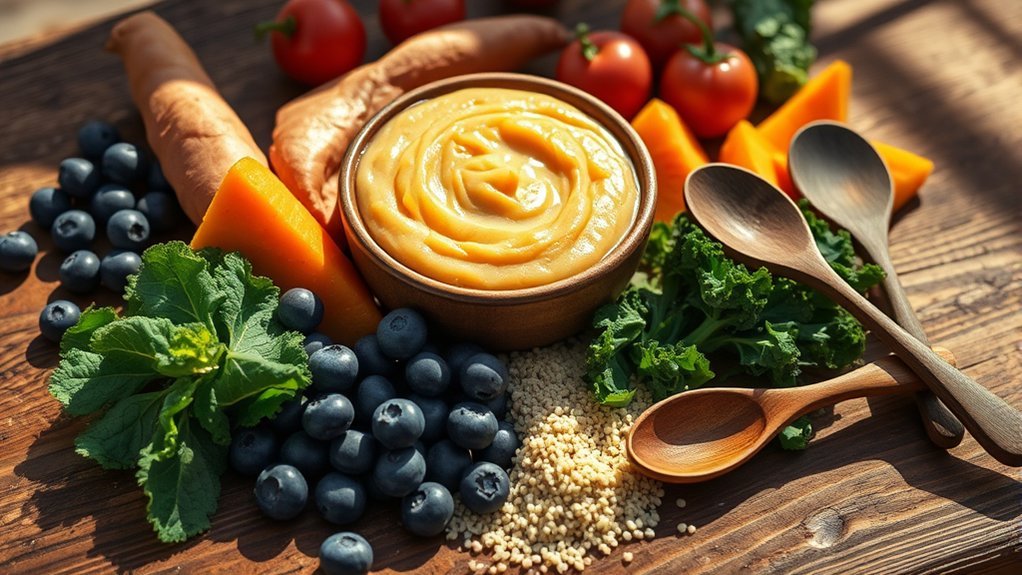
Incorporating a variety of foods into your baby’s diet plays an essential role in reducing exposure to heavy metals. By diversifying meals, you can guarantee balanced nutrition while minimizing risks associated with any single food source.
Here are some effective strategies:
- Introduce diverse grains like oats, barley, and quinoa instead of relying solely on rice.
- Rotate fruits and vegetables to limit exposure to heavy metals absorbed from soil.
- Include low-mercury fish and legumes as alternative protein sources.
- Serve a mix of colorful produce to enhance nutrient diversity.
- Regularly update your baby’s meal plan to keep it exciting and nutritious.
A varied diet not only protects your baby from heavy metals but also supports their overall health and development.
Testing Water and Ingredients for Heavy Metals
Testing your water and ingredients for heavy metals is essential for ensuring the safety of your baby’s food. Start with water testing—use home kits or contact local health departments to check for lead contamination, which can leach from old pipes.
When ingredient sourcing, prioritize organic produce to minimize pesticide residues that might contribute to heavy metal exposure. If you grow your own fruits and vegetables, research local soil contamination levels, as heavy metals can accumulate in the soil.
Additionally, look for brands on the Clean Label Project that voluntarily test their products for heavy metals, ensuring safer options.
Finally, opt for glass or BPA-free containers to avoid harmful metals from food packaging. Your vigilance protects your baby’s health.
Homemade vs. Store-Bought Baby Food: What’s Best?
When it comes to feeding your baby, the choice between homemade and store-bought baby food can greatly impact their health, particularly concerning heavy metal exposure.
- Homemade benefits: You control the ingredients, reducing risks from packaging.
- Store-bought risks: Many options contain higher levels of heavy metals due to industrial practices.
- Ingredient sourcing: For homemade, choose fresh, organic produce, and wash thoroughly.
- Variety is key: Both methods should include diverse foods to guarantee balanced nutrition.
- Water safety: Always test your tap water for lead, regardless of food preparation method.
Ultimately, weighing the homemade benefits against store-bought risks is crucial for minimizing heavy metal exposure while providing nutritious meals for your little one.
Staying Informed: Resources for Parents on Heavy Metals in Food
As you navigate the complexities of feeding your baby, staying informed about heavy metals in food is essential for safeguarding their health. Organizations like the Clean Label Project offer independent testing results, giving you transparency through certification seals to identify safer options.
Healthy Babies Bright Futures highlights that 95% of baby foods tested contained toxic metals, so vigilance in your food choices is crucial. Keep an eye on FDA research updates as they work on setting standards and testing protocols.
Utilize resources from the CDC and local health departments for information on lead exposure and testing your tap water. Engaging with community support groups and credible websites can also provide valuable insights and shared experiences to help reduce heavy metal exposure in baby food.
Practical Steps to Reduce Heavy Metal Exposure From Baby Food
Being proactive about your baby’s nutrition means taking steps to minimize heavy metal exposure in their food. Here are practical strategies to help you reduce heavy metals in baby food:
- Serve a variety of grains like oats, barley, or quinoa instead of just rice.
- Wash fruits and vegetables thoroughly before serving, and choose whole fruits over juices.
- Opt for low-mercury fish, such as salmon or sardines, and avoid high-mercury species.
- Rinse rice before cooking, using a 6:1 water-to-rice ratio and discard excess water.
- Limit processed baby food snacks and prioritize nutrient-rich whole foods like mashed fruits, vegetables, yogurt, and pureed family meals.
Frequently Asked Questions
What Are the Signs of Heavy Metal Exposure in Infants?
You’ll notice infant symptoms like irritability, developmental delays, poor appetite, and gastrointestinal issues. These toxicity indicators can signal heavy metal exposure, so it’s essential to monitor your baby’s health and consult a pediatrician if concerned.
How Can I Identify Heavy Metal Content in Baby Food Brands?
To uncover hidden dangers in baby food, you’ll need to explore testing methods like lab analysis and brand comparisons. Look for certifications and transparency to guarantee your child’s meals are safe and healthy.
Are Organic Baby Foods Safer Regarding Heavy Metal Exposure?
Yes, organic baby foods often have stricter ingredient sourcing and organic certification standards, which can reduce heavy metal exposure. However, it’s essential to research brands, as not all organic products guarantee safety from contaminants.
What Should I Do if My Baby Shows Symptoms of Heavy Metal Toxicity?
If your baby shows heavy metal toxicity symptoms, act swiftly. Prioritize symptom management while coordinating with healthcare professionals for an emergency response. Knowledge empowers you to safeguard your child’s health and future effectively.
Can Heavy Metals in Baby Food Affect Long-Term Development?
Yes, heavy metals in baby food can impact long-term development. They may hinder your child’s ability to reach developmental milestones, leading to potential cognitive and behavioral issues that could affect overall growth and learning.
Conclusion
By taking proactive steps to reduce heavy metal exposure in your baby’s diet, you’re building a protective shield around their health. Remember, just like a gardener tends to their plants, nurturing a diverse and safe diet for your little one can foster their growth and development. Stay informed, talk to your pediatrician, and choose wisely—these actions can help cultivate a brighter, healthier future for your child. Together, you can navigate the landscape of baby food safely.