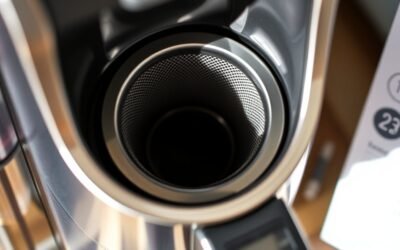
To safely remove mold from your coffee maker, unplug it first. Rinse all removable parts with warm, soapy water. For deep cleaning, mix equal parts vinegar and water, brew the solution, and let it sit for 30 minutes. Rinse multiple times with plain water to eliminate any residue. Clean and dry the exterior thoroughly. To prevent future mold, maintain a regular cleaning routine. There’s more you can do to keep your coffee maker fresh and functional.
Key Takeaways
- Unplug the coffee maker and remove all detachable parts for safe and thorough cleaning.
- Rinse components with warm, soapy water to eliminate mold and residue after each use.
- Use a vinegar and water solution (equal parts) to disinfect by brewing it and letting it sit for 30 minutes.
- Rinse multiple times with plain water after using the vinegar solution to remove any residual taste.
- Regularly inspect for signs of mold and clean at least once a month to maintain freshness and prevent buildup.
How to Clean Your Coffee Maker to Prevent Mold
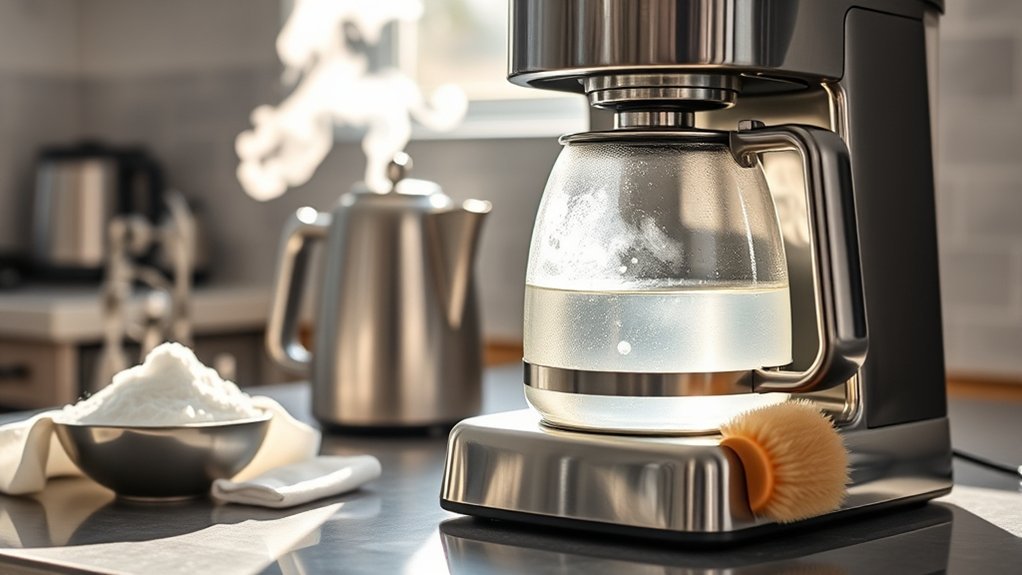
To keep mold at bay in your coffee maker, you should establish a regular cleaning routine.
Establishing a regular cleaning routine is essential to prevent mold in your coffee maker.
Begin with daily coffee maker maintenance by rinsing the carafe, lid, and filter basket with warm, sudsy water. This simple step helps prevent mold buildup.
For a deeper clean, mix equal parts white vinegar and water, brewing the solution halfway through and letting it sit for 30 minutes. This effectively eliminates mold and bacteria.
After cleaning, verify all components are thoroughly dried to minimize moisture, which fosters mold growth.
Wipe down the exterior regularly with a damp cloth to maintain cleanliness.
Schedule deep cleaning every couple of months, particularly for machines like Keurigs, to uphold a safe and healthy brewing environment.
Signs Your Coffee Maker Has Mold Buildup
Have you noticed a strange odor coming from your coffee maker? This could be one of the key mold indicators. A musty or off-putting smell might signal mold buildup in your machine.
Check for discoloration or visible black spots inside the water reservoir, carafe, or filter basket—these are strong signs of mold presence. Additionally, if your coffee tastes sour or unusual, it may indicate contamination from mold or bacteria.
A slimy or greasy residue on any components should prompt immediate action. Regularly inspecting and cleaning your coffee maker is essential to maintain coffee freshness and prevent mold growth.
Stay vigilant to these signs to guarantee your coffee remains safe and enjoyable.
How to Prepare Your Coffee Maker for Cleaning
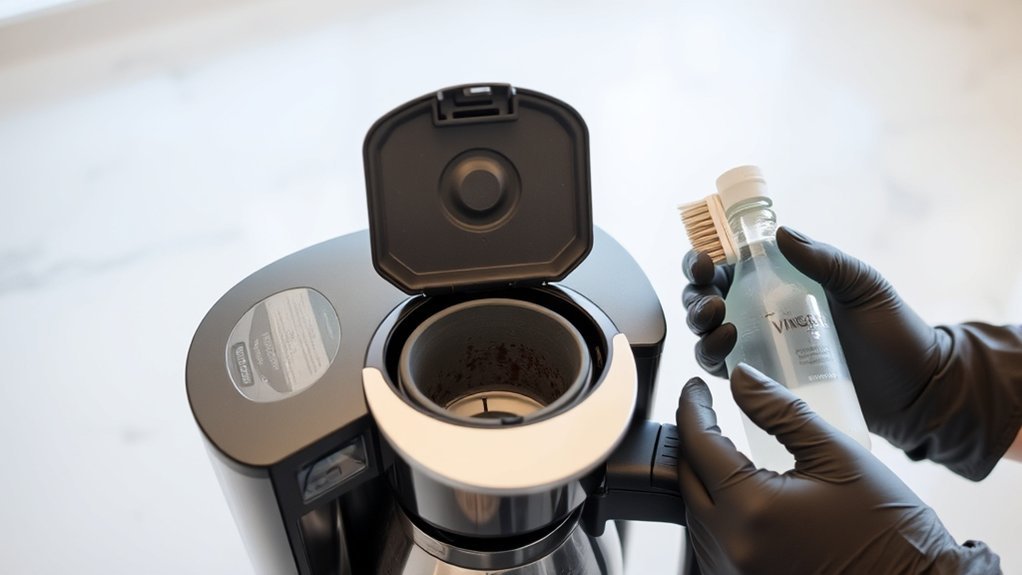
Before you begin cleaning your coffee maker, make sure it’s unplugged for safety. Start by removing all detachable parts, such as the carafe, lid, and filter basket. This allows for a thorough washing and helps prevent mold buildup. Rinse these components with warm, soapy water to eliminate any residue.
Here’s a quick overview of the preparation steps:
| Step | Action | Purpose |
|---|---|---|
| 1 | Unplug the coffee maker | Guarantee safety |
| 2 | Remove detachable parts | Enable thorough cleaning |
| 3 | Rinse with warm, soapy water | Eliminate residue |
| 4 | Wipe exterior with a damp cloth | Remove dust and spills |
| 5 | Assess cleanliness | Prepare for internal cleaning |
Following these steps guarantees effective mold removal later on.
Step-by-Step Guide to Cleaning Removable Parts
After preparing your coffee maker for cleaning, focus on the removable parts, which are essential for maintaining a mold-free environment.
Start by unplugging the machine and detaching the carafe, lid, and filter basket. Rinse these components under warm water, using mild dish soap to scrub any areas with visible mold or buildup.
For stubborn stains, mix warm, soapy water with rice and swirl it in the carafe to dislodge residue effectively.
Once washed, verify all parts are completely dried before reassembling, as moisture can promote mold growth.
To enhance mold prevention, establish a cleaning frequency, ideally after each use, to keep your coffee-making environment hygienic and free from mold buildup.
Why Vinegar and Water Is Your Best Cleaning Solution

Vinegar and water is your best cleaning solution because it acts as a natural disinfectant that effectively eliminates mold and bacteria.
This mixture not only breaks down biofilm but also removes mineral deposits, ensuring your coffee maker operates efficiently.
Regular use of this solution is safe and can improve your coffee’s taste while extending the machine’s lifespan.
Natural Cleaning Agent Benefits
While many cleaning agents promise to eliminate mold and bacteria, vinegar and water stand out as a superior solution for maintaining your coffee maker. The vinegar properties make it a natural disinfectant, effectively killing mold and bacteria while breaking down mineral deposits. By mixing equal parts vinegar and water, you create a powerful solution that reaches all areas of your coffee maker. This eco-friendly alternative promotes a safer brewing environment and enhances your coffee’s taste by removing stale flavors.
| Feature | Benefit |
|---|---|
| Natural Disinfectant | Effectively kills mold and bacteria |
| Acidity | Breaks down mineral deposits |
| Eco-Friendly | Safe for you and the environment |
| Taste Enhancement | Improves coffee quality |
Effective Mold Removal Method
When it comes to effectively removing mold from your coffee maker, a vinegar and water solution stands out as the best option.
Vinegar acts as a natural disinfectant, effectively killing mold and bacteria. To create a potent cleaning solution, mix equal parts white vinegar and water. Brew this mixture to guarantee it reaches all internal components, targeting mold growth effectively.
Allow the solution to sit for 30 minutes; this enhances its ability to break down mold and residues. Afterward, rinse the coffee maker multiple times with plain water to remove any residual vinegar taste.
Regular cleaning frequency with this method will help prevent future mold growth, keeping your coffee maker clean and safe for daily use.
Safe For Daily Use
Using a vinegar and water solution for cleaning your coffee maker not only guarantees a thorough removal of mold but also promotes safe daily use.
Vinegar acts as a natural disinfectant, effectively killing mold and bacteria without harmful chemicals. By using a solution of equal parts vinegar and water, you can penetrate and remove mold buildup while enhancing daily maintenance.
The acidity of vinegar breaks down mineral deposits, improving your coffee maker’s performance and ensuring mold prevention. Regular cleaning with vinegar maintains the flavor and quality of your coffee by eliminating contaminants.
Implementing this simple routine every couple of months considerably reduces health risks associated with mold consumption in brewed coffee, ensuring a safer brewing experience.
Brewing the Vinegar Solution for Cleaning
To effectively brew the vinegar solution for cleaning your coffee maker, start by mixing equal parts of white vinegar and water until the solution fills the water reservoir adequately.
This vinegar proportion guarantees ideal cleaning effectiveness. Once mixed, initiate the brewing cycle as if you were preparing coffee, allowing the vinegar solution to flow through the machine, breaking down any mold or mineral buildup.
When half the water chamber is emptied, turn off the coffee maker and let the solution sit for 30 minutes to enhance its cleaning effect.
Afterward, complete the brewing process to flush the vinegar through entirely. For thorough cleaning frequency, run two additional cycles of plain water to eliminate any residual vinegar taste or smell.
Rinsing Your Coffee Maker to Eliminate Residue
Regularly rinsing your coffee maker is essential for preventing mold buildup and maintaining ideal brewing conditions. Daily maintenance guarantees you remove residual coffee grounds and moisture that could foster mold growth.
Use warm, sudsy water to clean components like the carafe, lid, and filter basket, thoroughly rinsing away soap residue. After rinsing, allow all parts to dry completely to minimize moisture.
For a deeper clean, run a mixture of equal parts vinegar and water through the machine, followed by several cycles of clear water.
- Establish a rinsing schedule based on your cleaning frequency.
- Inspect parts for any remaining residue.
- Confirm all components are completely dry.
- Clean areas where moisture can accumulate.
- Prioritize rinsing after each use.
Proactive Tips to Prevent Mold in Your Coffee Maker
Although mold can thrive in moist environments, you can take several proactive measures to keep your coffee maker mold-free. Establishing a consistent cleaning routine is essential for effective mold prevention. Here are some key strategies:
| Action | Frequency | Purpose |
|---|---|---|
| Rinse coffee maker | Daily | Eliminate moisture and prevent buildup |
| Clean carafe and lid | After each use | Remove residue promoting mold growth |
| Vinegar and water solution | Every few weeks | Decalcify and sanitize internal parts |
| Store in a dry area | Always | Promote air circulation and discourage mold |
Avoid These Common Mistakes When Cleaning Your Coffee Maker
When cleaning your coffee maker, it’s important to avoid common mistakes that can compromise both the appliance’s performance and your coffee’s taste. Stick to safe materials and follow these guidelines:
- Don’t use harsh chemicals or abrasive cleaners that can damage components.
- Never skip the vinegar rinse process; it’s vital for removing mold and preventing unpleasant tastes.
- Regularly clean the carafe and removable parts to eliminate bacteria buildup.
- Always wipe down the exterior to prevent grime and mold growth.
- Avoid using the same cleaning method repeatedly; vary your techniques with vinegar, baking soda, or gentle scrubs for better results.
When to Clean Your Coffee Maker for Best Results?
How often should you clean your coffee maker to keep it in top shape? To guarantee peak performance and mold prevention, clean your coffee maker at least once a month.
Daily, rinse the coffee maker and wash the carafe, lid, and filter basket with warm, soapy water after each use.
For a deep clean, use a vinegar solution every couple of months to effectively eliminate mineral buildup and bacteria. Adjust your cleaning frequency based on how often you use the machine; more frequent usage may necessitate more regular cleaning.
Always stay vigilant for visible signs of mold or residue, as they indicate it’s time for a thorough clean. Keeping a consistent schedule helps maintain hygiene and prolongs your coffee maker’s lifespan.
Frequently Asked Questions
Can I Use Bleach to Clean My Coffee Maker?
No, you shouldn’t use bleach to clean your coffee maker. Consider bleach alternatives like vinegar or baking soda. These cleaning methods effectively sanitize without leaving harmful residues that could affect your coffee’s taste and safety.
How Often Should I Clean My Coffee Maker?
You should clean your coffee maker weekly for ideal performance, but daily maintenance, like rinsing the brew basket, can prevent buildup. Balancing these practices guarantees a fresh brew and extends your machine’s lifespan.
Is Mold Harmful if Ingested in Coffee?
Ingesting mold from coffee can lead to health issues due to mold exposure, including allergies or respiratory problems. For your coffee safety, it’s essential to keep your coffee maker clean and free of mold.
What Should I Do if Mold Returns After Cleaning?
If mold returns after cleaning, increase your cleaning frequency and implement mold prevention techniques, like ensuring proper ventilation and regularly descaling your coffee maker. This proactive approach helps maintain a mold-free environment for your coffee.
Can I Clean My Coffee Maker With Baking Soda?
Yes, you can clean your coffee maker with baking soda. Its benefits include odor removal and gentle abrasion for tough stains, enhancing your coffee maker maintenance routine while ensuring a cleaner, fresher brewing experience.
Conclusion
By regularly cleaning your coffee maker and following the steps outlined, you can keep mold at bay and enjoy fresh, flavorful brews. Think of your coffee maker as a garden; with a little care and attention, it can flourish and provide you with the perfect cup every time. Don’t let mold take root—stay proactive and establish a cleaning routine to guarantee your coffee maker remains a source of delight, not a breeding ground for bacteria.