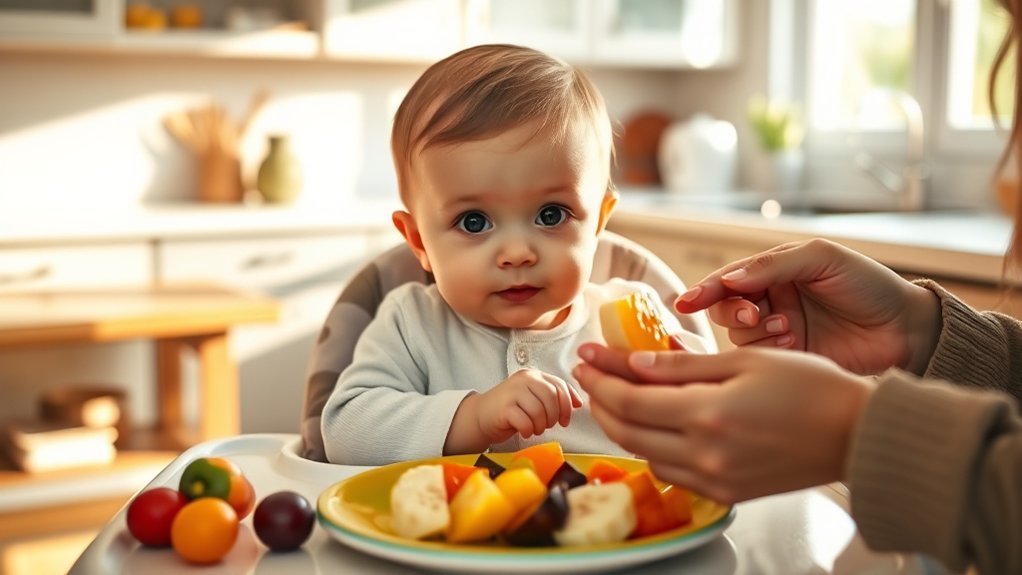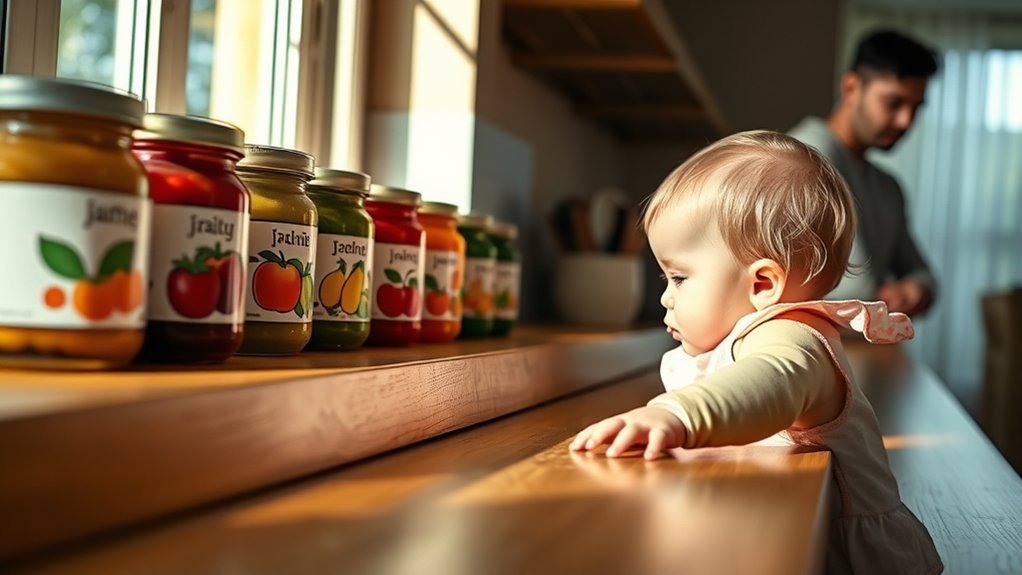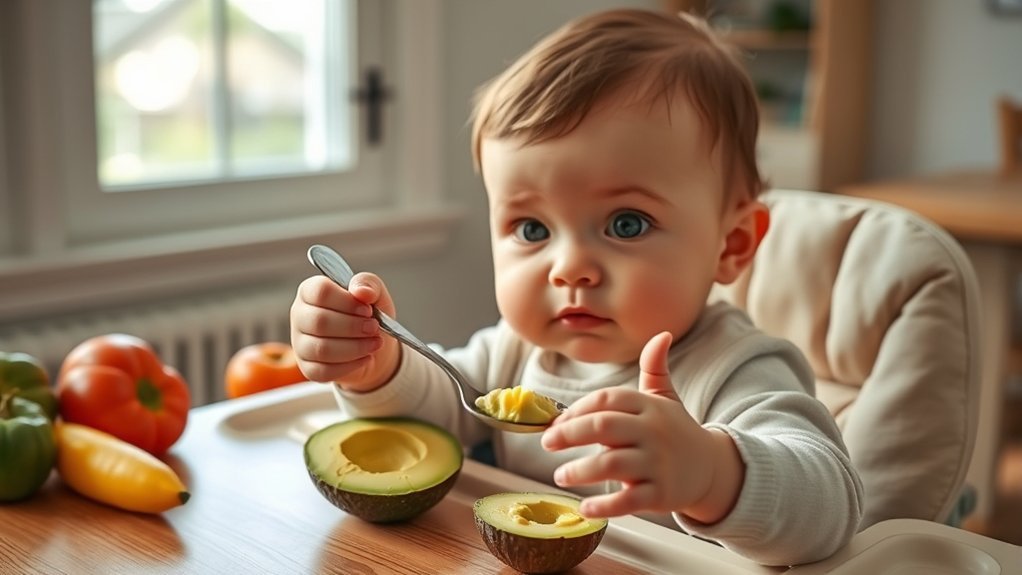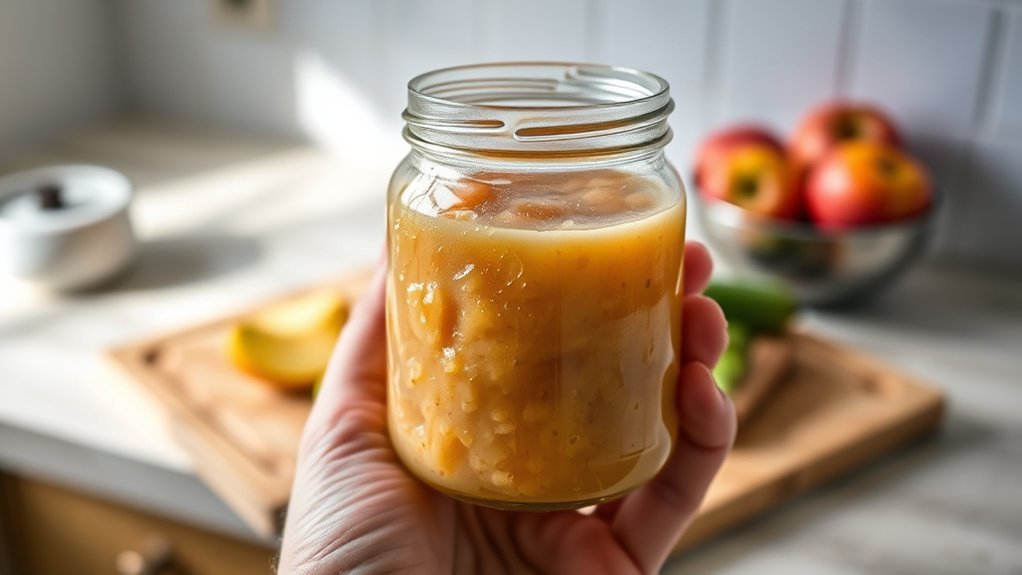
Baby food can spoil because of damaged packaging, poor storage, contamination from a used spoon, or simply being kept too long after opening. Before every serving, check the container, date label, storage history, appearance, texture, and odor. Because harmful germs do not always change how food looks or smells, discard anything questionable instead of tasting it.
Quick Answer
Baby food may be bad if the seal is broken, the package is swollen or leaking, mold is present, the color or texture has changed unexpectedly, or the food smells sour or rancid. Also discard it when storage time or temperature limits were exceeded. Never taste questionable baby food to test it.
Key Takeaways
- Discard baby food with mold, an unexpected odor, major color or texture changes, or damaged packaging.
- Do not rely on a sniff test alone; foodborne germs may be present without obvious spoilage signs.
- Opened storage time varies: fruits and vegetables usually keep 2 to 3 days, while meats, eggs, combinations, and homemade food keep for less time.
- Spoon a portion into a clean dish instead of feeding directly from the jar, then discard food that touched the baby’s spoon or mouth.
- Follow the package date and instructions, keep refrigerated food at 40°F (4°C) or below, and check FDA recall notices when a product is under investigation.
At a Glance
| Time Required | 1 to 2 minutes |
| Difficulty | Easy |
| Tools Needed | Clean spoon and dish; refrigerator thermometer recommended |
| Cost | No cost |
Warning: Never taste baby food to decide whether it is safe. Infants and young children have a higher risk of serious foodborne illness and dehydration. When the seal, storage history, or food condition is uncertain, throw it away.
Signs of Spoilage: What to Look For in Baby Food
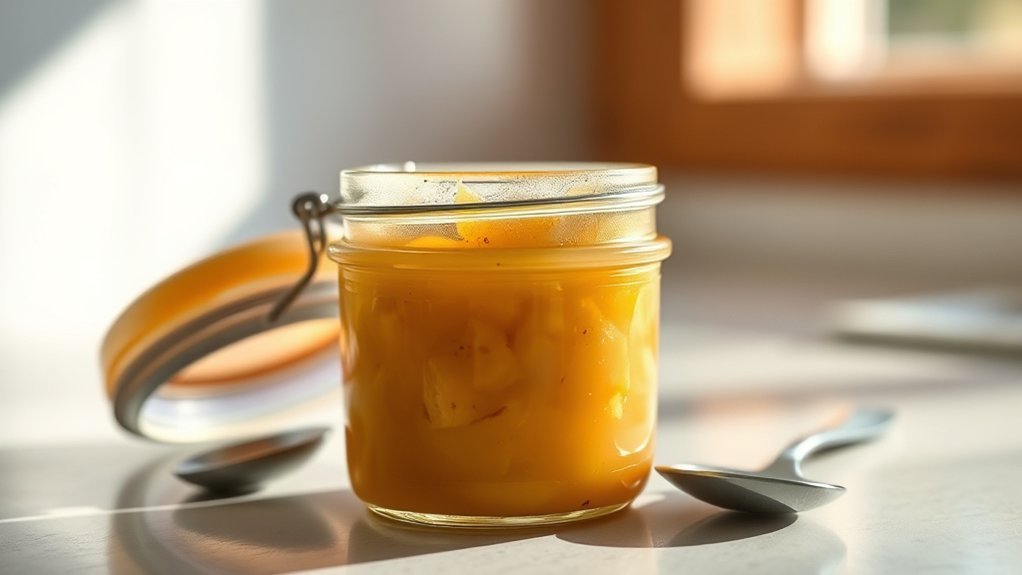
Use a full safety check rather than relying on one clue. Review the package first, then the date label, how long the food has been open, whether it stayed cold, and whether a used spoon touched the remaining food.
- Packaging: Do not use jars with chipped glass, rusty lids, broken seals, or safety buttons that are raised before opening. Discard leaking, torn, punctured, or swollen pouches.
- Appearance: Throw away food with mold, fuzzy growth, or an unexpected color change that cannot be explained by the ingredients.
- Texture: Watch for unexpected sliminess, bubbling, curdling, or a major change from the product’s normal consistency.
- Odor: Sour, fermented, rancid, or otherwise abnormal smells are reasons to discard the food.
- Storage history: Discard food that was left warm too long, kept past its safe refrigerated period, or contaminated by a spoon that entered the baby’s mouth.
Spoilage signs can warn you that food is bad, but their absence does not prove the food is safe. Some illness-causing germs do not change a food’s smell, taste, or appearance.
When any part of the check fails, discard the food. Do not scrape off mold, stir a questionable layer back in, or serve a small amount to “see what happens.”
Why Expiration and Date Labels Matter
Date labels do not all mean the same thing. A “Best if Used By” date usually refers to expected quality, while a “Use By” date tells you the manufacturer’s recommended final date for use. The FDA notes that infant formula and some baby foods must be used by the use-by date printed on the package.
Follow the exact wording and storage directions on the container. Do not assume an unopened baby food is safe for several extra days simply because the seal looks intact. If the package carries a use-by date, do not serve it after that date. If it carries a quality date, inspect the package and food carefully and contact the manufacturer when the label is unclear.
Note: Infant formula has separate preparation, storage, and use-by rules. Follow the formula label and current CDC or FDA guidance rather than applying solid-baby-food storage times to formula.
Visual Inspection: Spotting Color and Texture Changes
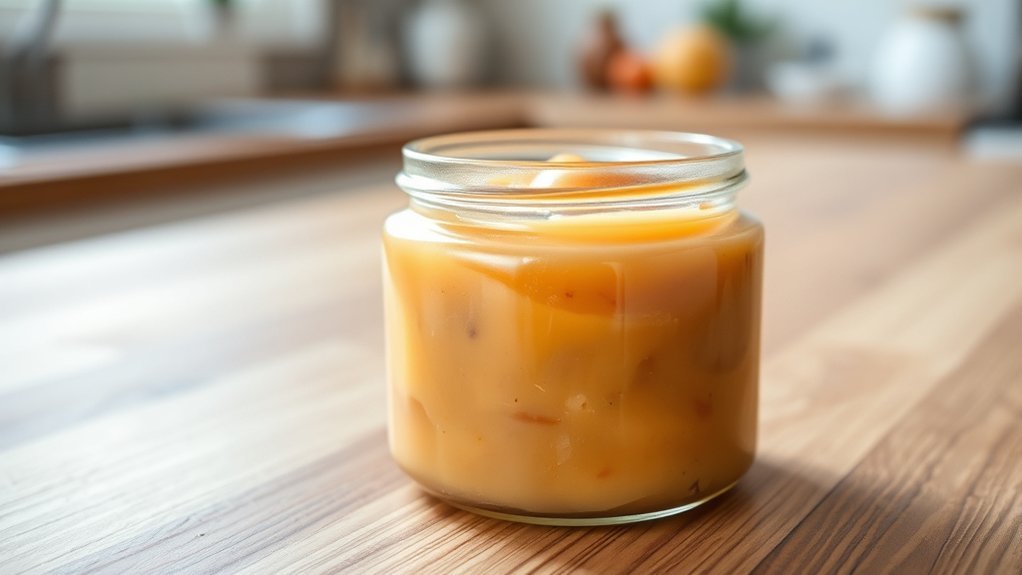
Compare the food with how that product normally looks. Ingredients such as banana, avocado, apple, or sweet potato can darken naturally after exposure to air, so color alone is not always proof of spoilage. The concern is an unexplained or severe change, especially when it appears with odor, gas, mold, packaging damage, or unsafe storage.
Identify Color Alterations
Discard baby food with fuzzy growth, spreading dark spots, pink or green patches that are not part of the recipe, or discoloration around a damaged seal. Do not try to remove the affected area. Soft, moist foods can be contaminated below the visible surface.
A small amount of browning may be normal in some fruit purees, but you should still check the date, storage time, odor, texture, and package. When you cannot tell whether a change is expected, use a new container.
Check Texture Consistency
Texture varies widely among purees, cereals, meats, and mixed meals. Mild separation can be normal, especially in products without stabilizers, and may disappear after stirring with a clean utensil. Separation by itself is not a reliable spoilage test.
Discard the food if it has unexpected slime, foam, bubbles, curdling, a stringy texture, or a major change that developed during storage. Also discard it if the package is swollen or releases gas unexpectedly when opened.
Look for Mold
Mold may appear as fuzzy, powdery, or discolored growth on the food, lid, rim, or inside surface of the package. If you see any mold, discard the entire container. Do not smell it closely, taste it, or feed from an unaffected-looking area.
Also discard food exposed to insects, pests, floodwater, or a dirty utensil. These are contamination risks even when no mold is visible.
Use the Sniff Test: What Off Odors Indicate

A quick smell check can help identify obvious spoilage, but it should be only one part of the inspection. Compare the odor with the food’s usual ingredients rather than expecting every baby food to smell neutral.
- Sour or fermented odor: May suggest unwanted fermentation or spoilage.
- Rancid odor: May indicate that fats in a meat, dairy, or mixed product have broken down.
- Unusual chemical or rotten odor: Is a reason to discard the food, even when the package date has not passed.
Do not place your nose directly over a swollen container or inhale mold. More importantly, do not treat a normal smell as proof of safety. The FDA warns that food can contain harmful bacteria without looking, smelling, or tasting spoiled.
Packaging Integrity: Ensuring Safety Before Use
Check packaging before opening and again before serving:
- Glass jars: The safety button should be down before opening, and the lid should make a pop when first opened. Discard jars with chipped or cracked glass, rusty lids, leakage, or a loose seal.
- Pouches: Discard pouches that are swollen, leaking, punctured, torn, or have a damaged cap or seal.
- Plastic tubs and trays: Do not use containers with broken film, loose lids, cracks, leaks, or unexplained swelling.
- Cans: Discard cans with swelling, leakage, punctures, deep rust, or severe dents that affect the seams or opening.
Do not serve food that sprays, spurts, foams, or releases an abnormal amount of gas when opened. Keep the package, lot code, and receipt when you may need to report a defect or check a recall.
Safe Storage Tips to Prevent Baby Food Spoilage
Storage time depends on the ingredients. The following limits from FoodSafety.gov apply to opened commercial purees or freshly made baby food kept at 40°F (4°C) or below. The product label may give a shorter limit, which should take priority.
| Baby Food Type | Refrigerator | Freezer |
|---|---|---|
| Strained fruits and vegetables | 2 to 3 days | 6 to 8 months |
| Strained meats and eggs | 1 day | 1 to 2 months |
| Meat-and-vegetable combinations | 1 to 2 days | 1 to 2 months |
| Homemade baby food | 1 to 2 days | 1 to 2 months |
Proper Container Sealing
Transfer homemade food or opened food that is safe to save into a clean, food-grade container with a tight lid. Label it with the food name and opening or preparation date. Use shallow, meal-size portions so the food cools quickly and you thaw only what you need.
Pro Tip: Before feeding, spoon one serving into a clean bowl. Refrigerate the untouched food right away. Any food in the serving bowl—or any jar fed from directly—should be discarded because saliva can introduce bacteria.
Ideal Storage Temperature
Keep the refrigerator at 40°F (4°C) or below and the freezer at 0°F (-18°C). Refrigerate opened or freshly made baby food promptly. Discard perishable baby food left at room temperature for more than two hours, or more than one hour when the temperature is above 90°F (32°C).
During a power outage, keep the refrigerator door closed. If perishable food has been above 40°F for two hours or more, discard it. When the time or temperature is unknown, do not rely on smell or appearance.
Check Expiration Dates
- Read the exact date phrase on the package and follow the manufacturer’s instructions.
- Do not use infant formula or baby food after a use-by date when the label requires use by that date.
- Write the opening date on refrigerated food and use the category-specific storage limit.
- Discard food that has passed its refrigerated limit, even if it still smells normal.
Prevent Contamination During Serving
Wash your hands before handling baby food, and use clean dishes and utensils. Keep raw meat, eggs, and unwashed produce away from ready-to-eat baby food. Wash blenders, food processors, cutting boards, and storage containers thoroughly after use.
Never double-dip a spoon. Once a spoon has entered the baby’s mouth, do not put it back into food you plan to save. Do not return partly eaten food to the refrigerator, and do not mix a fresh container with leftovers from an earlier meal.
Check for Baby Food Recalls
A product can be unsafe even when the package is sealed and the food appears normal. Check the FDA food recall page when you hear about a brand alert or when a product’s lot code is in question.
If the product is recalled, follow the recall notice rather than tasting or serving it. Save the container, lot number, best-by or use-by date, and purchase details until you know whether the item should be returned, discarded, or reported.
Actions to Take When You Suspect Baby Food Spoilage
- Stop serving it. Remove the food and do not taste it.
- Check the facts. Review the package date, opening date, refrigerator temperature, time left out, and whether a used spoon touched it.
- Discard unsafe food. Seal it so children and pets cannot reach it. Follow special disposal directions when the product is recalled.
- Clean contaminated items. Wash the dish, spoon, counter, and any reusable container with hot, soapy water.
- Document a package problem. Photograph swelling, leakage, a failed seal, or foreign material, and record the lot code before disposal.
- Monitor your baby. Watch for vomiting, diarrhea, fever, unusual sleepiness, poor feeding, or signs of dehydration.
Seek medical care: Contact your child’s healthcare professional promptly if you think your baby ate spoiled or recalled food. Seek urgent care for bloody diarrhea, repeated vomiting that prevents fluids from staying down, a prolonged high fever, very few wet diapers, a dry mouth, no tears, unusual sleepiness, or other signs of dehydration.
Frequently Asked Questions
Can homemade baby food spoil faster than store-bought?
Yes. Homemade baby food usually has a shorter recommended refrigerated life than unopened shelf-stable commercial food. FoodSafety.gov recommends using homemade baby food within 1 to 2 days in the refrigerator. Freeze extra portions promptly if you will not use them in that time.
What should I do if my baby eats spoiled food?
Stop serving the food, save the package information, and call your pediatrician or healthcare professional for advice. Monitor for vomiting, diarrhea, fever, poor feeding, unusual sleepiness, or dehydration. Seek urgent care for blood in diarrhea, repeated vomiting, inability to take fluids, very few wet diapers, a dry mouth, or no tears.
How long can opened baby food be stored in the fridge?
It depends on the ingredients. Strained fruits and vegetables generally keep 2 to 3 days; strained meats and eggs keep 1 day; meat-and-vegetable combinations keep 1 to 2 days; and homemade baby food keeps 1 to 2 days at 40°F (4°C) or below. Follow a shorter limit printed on the package.
Is it safe to refreeze thawed baby food?
Food thawed safely in the refrigerator may generally be refrozen if it stayed at 40°F (4°C) or below, although texture and quality may decline. Do not refreeze food that was warmed, left out too long, or touched by the baby’s spoon or mouth. Portion food before freezing to avoid repeated thawing.
Can baby food spoil before the expiration date?
Yes. A damaged seal, heat exposure, contamination, or improper refrigeration can make food unsafe before the printed date. The date does not override a swollen or leaking package, mold, an abnormal odor, unsafe storage, or a recall.
Can I remove mold and use the rest of the baby food?
No. Discard the entire container. Baby food is soft and moist, so contamination can spread beyond the visible mold. Do not scrape off the surface or smell the mold closely.
Can I tell whether baby food is safe by smelling it?
No. An off odor is a reason to throw food away, but a normal odor does not guarantee safety. Harmful bacteria may be present without changing the smell, appearance, or taste. Storage time, temperature, packaging, and contamination history matter just as much.
Conclusion
To tell whether baby food has gone bad, check more than the expiration date. Inspect the seal and package, confirm how long the food has been open, verify that it stayed at 40°F (4°C) or below, and look for mold, abnormal color, texture, or odor. Never taste questionable food, and discard anything that was left out too long or contaminated by a used spoon.
When your baby may have eaten spoiled or recalled food, contact a healthcare professional and watch closely for vomiting, diarrhea, fever, poor fluid intake, or dehydration. A new container of food costs far less than taking a chance with an infant’s health.
Sources
- U.S. Food and Drug Administration: Once Baby Arrives — jar-seal checks, direct-from-jar contamination, room-temperature limits, and when to call a doctor.
- FoodSafety.gov: Children Under Five — refrigerator and freezer storage times for pureed and solid baby food.
- U.S. Food and Drug Administration: Are You Storing Food Safely? — refrigerator temperature, date-label context, mold, and the limits of appearance and odor.
- Centers for Disease Control and Prevention: Food Poisoning Symptoms — severe symptoms and dehydration warning signs.
- U.S. Food and Drug Administration: Food Recalls — current recall and safety-alert information.
- USDA Food Safety and Inspection Service: Freezing and Food Safety — safe refrigerator thawing and refreezing guidance.