
Leaving a household coffee maker on all day is usually not worth the risk. A warming plate, boiler, or internal heater remains energized, and extended unattended operation gives damaged wiring, a failed switch, nearby combustible material, or another fault more time to create trouble. Use only the operating or keep-warm period permitted by your model’s manual, then turn the machine off.
Quick Answer
No. A household coffee maker should not remain heating unattended all day unless its manual specifically permits a timed keep-warm period. Turn it off after brewing or after the approved warming cycle, and unplug it when not in use. Use a thermal carafe or brew smaller batches instead of relying on a hot plate.
Key Takeaways
- Do not leave a household coffee maker heating unattended beyond the keep-warm period stated in its manual.
- Automatic shutoff helps limit operating time, but it is a backup feature rather than a guarantee against faults.
- Plug the coffee maker directly into a wall outlet, avoid extension cords and power strips, and do not share the receptacle with another heat-producing appliance.
- Stop using the machine if its cord, plug, outlet, housing, warming plate, or internal operation shows signs of damage or overheating.
- A thermal carafe, smaller batch, or model with an adjustable auto-off setting can keep coffee available without an all-day hot plate.
At a Glance
| Time Required | Less than one minute to turn off the machine, move coffee to a thermal carafe, and unplug it when appropriate |
| Difficulty | Easy |
| Tools Needed | None; an insulated thermal carafe is optional |
| Cost | Usually $0; replacement or authorized service may be needed if the cord, plug, outlet, or appliance is damaged |
Is It Safe to Leave Your Coffee Maker On?

It is not a good idea to leave a household coffee maker heating unattended all day. The risk is not that every machine will immediately overheat. The concern is that an energized heating appliance can develop a fault, be affected by a damaged cord or outlet, or ignite nearby material while no one is present to notice the warning signs.
The U.S. Fire Administration advises unplugging small appliances when they are not in use and replacing appliances with cracked, damaged, or loose cords. The safest default is therefore to turn the coffee maker off when brewing and its approved warming cycle are complete.
Automatic shutoff can reduce the time a machine remains energized, but it should not be treated as permission to leave the appliance unattended indefinitely. The setting may differ by model, and older machines with mechanical switches may remain on until someone manually switches them off.
Warning: Stop using the coffee maker if you see smoke, sparks, flames, melting plastic, leaking water near electrical parts, or a persistent burning smell. Turn it off and unplug it only if you can do so safely. If burning or smoking continues, move away from the appliance and call 911.
The safest routine is simple: brew the coffee, use only the manual-approved warming period, and turn the machine off when that period ends.
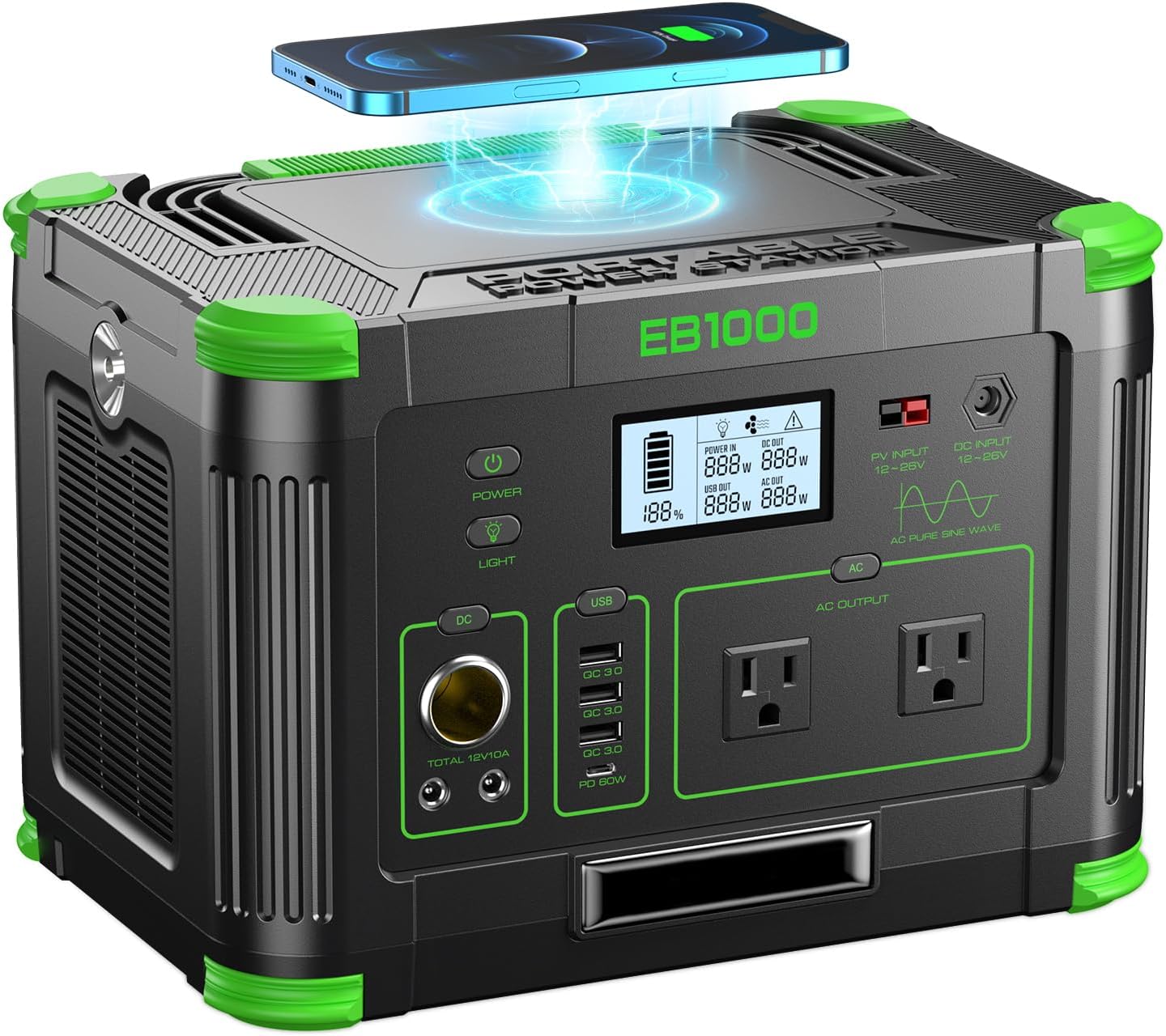
Power your essentials anywhere with a 999Wh pure sine wave power station delivering up to 1000W continuous with 2000W surge. It supports fast charging via USB-C PD 60W and USB-A QC 18W, plus simultaneous output for multiple devices through AC, USB, wireless, and car/DC ports. Recharge using AC, car, or solar with a built-in MPPT controller and dual cooling fans, while the upgraded battery management system protects against surges, short circuits, and overheating.

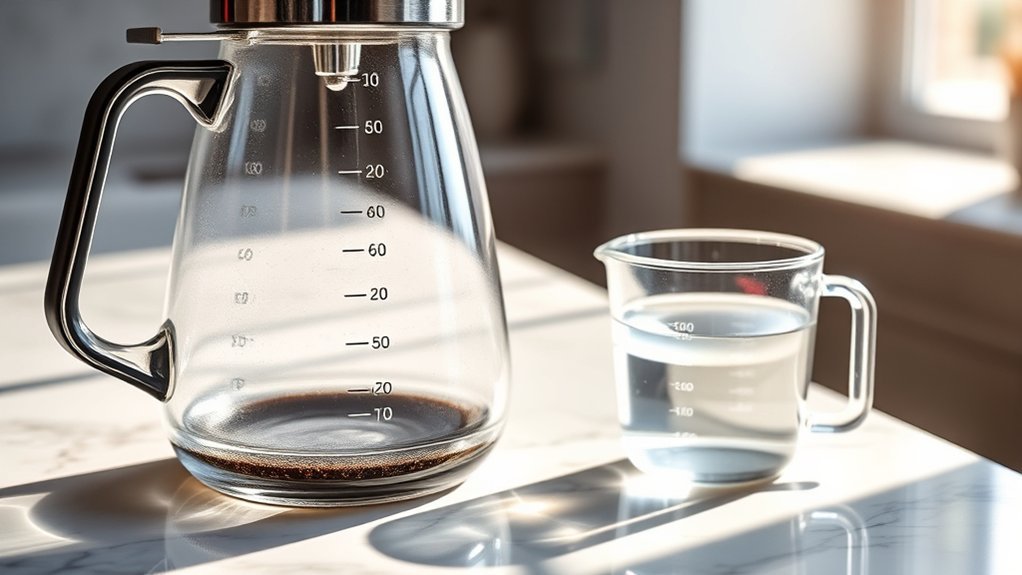
12-CUP DURALIFE GLASS CARAFE: The sturdy 12-cup* carafe has measurement markings for accurate filling and an easy-grip handle for comfortable pouring. *Cup equals approximately 5 ounces (varies by brewing technique).

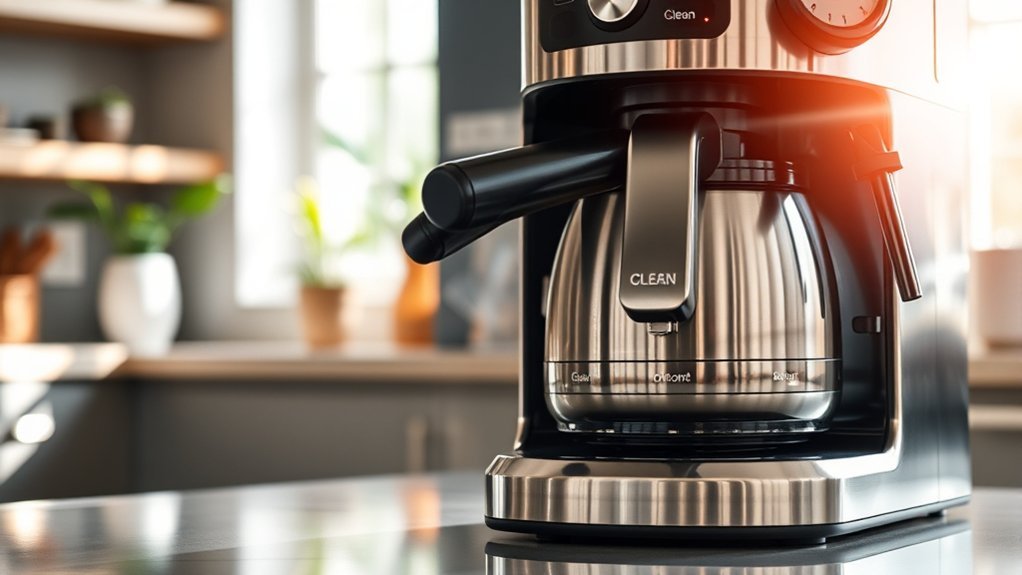
AUTO SHUTOFF: Built-in 2-hour automatic shutoff ensures safety and energy savings
How Long Can a Coffee Maker Stay On?
There is no single safe runtime that applies to every coffee maker. The correct limit is the operating or keep-warm time stated in the manual for your exact model.
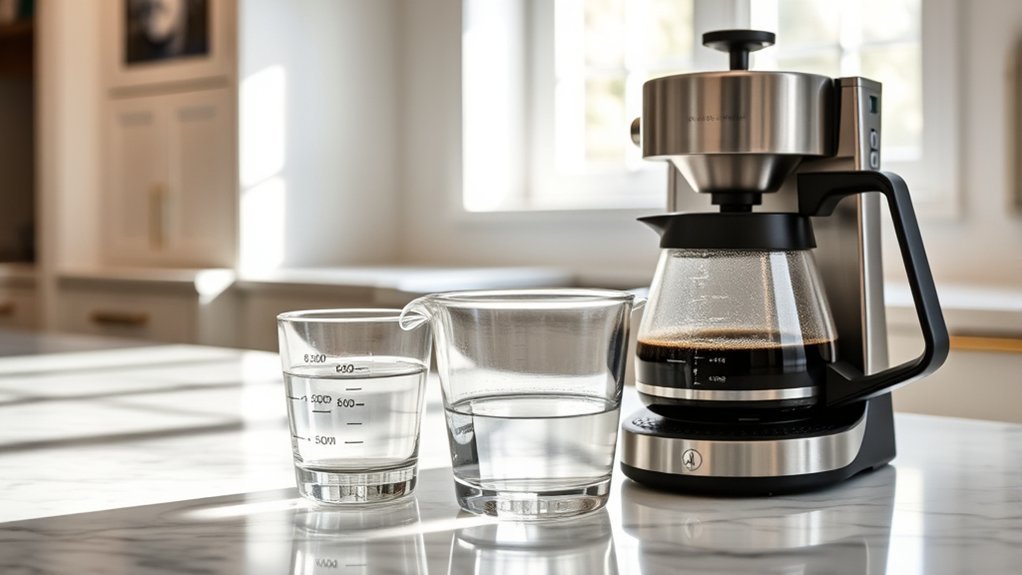
- Glass-carafe drip machines: These commonly use a warming plate. Use the plate only for the period permitted by the manufacturer, then switch it off.
- Thermal-carafe machines: The insulated carafe holds heat without requiring a warming plate after brewing, making it a better choice when coffee will be served over several hours.
- Single-serve brewers: Many enter an idle, energy-saving, or auto-off mode after brewing. Confirm the setting in the manual rather than assuming the heater is fully off.
- Espresso machines: Some maintain a heated boiler or thermoblock while powered on. Follow their standby and shutdown instructions.
- Commercial brewers and coffee urns: These are designed differently from household countertop machines. Follow the commercial unit’s manual, workplace procedures, and inspection schedule.
Note: A delayed-start timer turns the brewer on at a chosen time. An automatic-shutoff timer turns it off after a set period. One feature does not necessarily mean the machine includes the other.
Which Safety Features Are Essential for Coffee Makers?
Reliable safety features can reduce risk, but the machine still needs correct placement, a sound electrical connection, and routine inspection.
Automatic Shutoff
An automatic-shutoff function limits how long the coffee maker or warming plate operates. Look for a clearly stated shutoff time and, when available, an adjustable keep-warm duration.
Recognized Product Certification
Choose a model carrying a certification mark from a nationally recognized testing laboratory, such as UL or ETL. OSHA’s testing-laboratory scope includes UL 1082 for household electric coffee makers and brewing-type appliances. Certification does not make misuse impossible, but it shows that the product was evaluated to an applicable safety standard.
Internal Overtemperature Protection
Thermal fuses, cutoffs, thermostats, and other internal controls may disconnect or regulate power when abnormal heat develops. Consumers generally cannot inspect these parts, so certification and the manufacturer’s instructions are more useful shopping criteria than an unsupported claim about a hidden component.
Stable Construction and Heat-Resistant Surfaces
The coffee maker should sit level on a dry, stable counter with open space around vents and hot surfaces. Keep paper towels, curtains, packaging, dishcloths, and other combustible items away from the warming plate and appliance body.
Sound Cord and Plug
The cord should have intact insulation, a firm plug, and no scorch marks, exposed wire, loose connections, or sharply bent sections. A warm or discolored plug can indicate a poor connection or overloaded outlet.
Direct Wall-Outlet Connection
Plug the coffee maker directly into a wall outlet. Do not use an extension cord or power strip. The National Fire Protection Association recommends using only one heat-producing appliance on a receptacle at a time.
How Does Prolonged Use Impact Your Coffee Maker?

Keeping a coffee maker or warming plate on longer than the manufacturer intends can affect safety, coffee quality, energy use, and appliance wear. The outcome depends on the design and condition of the machine, so prolonged use does not guarantee a failure. It simply creates unnecessary heat exposure and operating time.
| Impact | What May Happen | Safer Response |
|---|---|---|
| Excess heat | A fault, blocked vent, failing thermostat, or poor electrical connection may produce abnormal heat. | Turn the machine off after the approved warming period and stop using it if the housing, plug, or outlet becomes unusually hot. |
| Component wear | Additional heating cycles and operating hours may increase wear on switches, thermostats, wiring, seals, and heating parts. | Use the machine only as directed and arrange authorized service when operation changes. |
| Coffee quality | Coffee held on a warming plate can lose aroma and develop a flatter, harsher, or more cooked taste as it sits. | Brew smaller batches or transfer the coffee to a clean thermal carafe. |
| Energy use | A warming plate or active heater continues consuming electricity while it operates. | Use auto-off, standby mode, or a thermal carafe. |
| Repair or replacement | A damaged switch, heater, cord, thermostat, or internal connection may make further use unsafe. | Do not open or repair the appliance unless the manufacturer authorizes user service. Seek qualified service or replace it. |
What Warning Signs Should You Watch For?
Turn the coffee maker off and discontinue use if you notice any of these conditions:
- A burning, chemical, or melting-plastic odor
- Smoke, sparks, flames, or visible arcing
- A plug, cord, outlet, or switch plate that becomes unusually hot
- Scorch marks or discoloration around the plug or outlet
- Cracked insulation, exposed wire, or a loose plug
- Repeated breaker or GFCI trips
- Unusual buzzing, popping, clicking, or crackling
- Water leaking beneath the appliance or near electrical parts
- A warming plate that stays hot after the machine should have shut off
- A machine that starts, stops, or changes temperature unexpectedly
Do not keep turning the appliance back on to see whether the problem repeats. The FDNY advises discontinuing use when an appliance develops an unusual smell, sound, or warm cord and calling 911 if burning or smoking occurs.
What Should You Do if You Left the Coffee Maker On?
- Check for immediate danger. Look for smoke, flames, sparks, melting, or a strong burning odor before approaching.
- Turn it off. Use the normal switch if the appliance appears stable and it is safe to reach.
- Unplug it only if safe. Pull from the plug rather than the cord. Do not touch a hot, wet, damaged, sparking, or smoking plug.
- Let the machine cool. Keep it on a stable, noncombustible surface and do not pour water onto electrical parts.
- Inspect the area. Check the cord, plug, outlet, warming plate, carafe, housing, and surrounding materials for heat damage.
- Do not reuse a damaged machine. Contact the manufacturer or an authorized service provider if it failed to shut off, smelled abnormal, leaked, smoked, or overheated.
- Check for a recall. Search the model number on the CPSC coffee-maker and teapot recall page.
What Are the Best Practices for Coffee Maker Maintenance?
Maintenance cannot prevent every electrical fault, but it can reduce buildup, leaks, blocked flow, and operating problems that place unnecessary stress on the machine.
- After each use: Discard the grounds, empty or rinse the carafe, and wipe spills from the base and warming plate after they cool.
- Keep electrical areas dry: Do not immerse the machine, plug, or cord. Apply cleaner to a cloth rather than spraying liquid into controls or vents.
- Inspect the cord and plug: Stop using the appliance if insulation is cracked, the plug is loose, or either part becomes abnormally hot.
- Clean removable parts: Wash the brew basket, reusable filter, lid, and carafe according to the manual.
- Descale on schedule: Follow the manufacturer’s instructions because water hardness and machine design affect the interval. As one example, Keurig recommends descaling many brewers every three to six months or when the descale indicator appears.
- Keep vents open: Do not crowd the appliance against a wall or cover it while it is warm.
- Use the correct carafe and parts: A poorly fitting replacement carafe or basket can interfere with drip-stop and overflow controls.
- Follow recall notices: Stop using a recalled model and complete the remedy described by the manufacturer or CPSC.
Pro Tip: Photograph the model and serial-number label when you buy the machine. You will have the information needed for a recall search, replacement part, warranty claim, or support request without moving a hot or leaking appliance later.
What Alternatives Exist to Leaving Your Coffee Maker On?

You can keep coffee available without running a warming plate from morning to evening.
Use a Thermal Carafe
A double-wall thermal carafe retains heat without an active warming plate. Preheating it with hot water before filling can help the coffee stay warm longer.
Brew Smaller Batches
Make only what you expect to drink within a reasonable period. A second small batch usually tastes better than coffee that has spent hours on a hot plate.
Choose Adjustable Auto-Off
A model with a clearly labeled auto-off or keep-warm setting allows you to select a limited operating period. Confirm whether the setting controls the entire machine or only the warming plate.
Use Delayed Brew Correctly
A programmable start time can prepare coffee shortly before you wake up or arrive at the kitchen. Set up the machine according to its manual, keep the area dry and clear, and do not confuse delayed start with automatic shutoff.
Use a Smart Plug Only When Fully Compatible
A smart plug should not be the first solution for a heat-producing appliance. Use one only when both the coffee-maker manufacturer and smart-plug manufacturer permit the arrangement, the plug is certified and rated above the machine’s electrical load, and the coffee maker can safely respond to restored power. Never use remote activation to start the machine in an empty home, and never use a smart plug to bypass an automatic-shutoff feature.
Can You Leave a Coffee Maker Plugged In Overnight?
The safest general practice is to unplug a household coffee maker when it is not being used. This is especially important when the machine:
- Has no automatic shutoff
- Uses an older mechanical on/off switch
- Has a damaged or warm cord or plug
- Has leaked water
- Has failed to shut off correctly
- Has an open recall
- Will not be used for an extended period
A programmable brewer must remain connected to power for its clock or delayed-start feature to work. In that case, follow the manual, connect it directly to a suitable wall outlet, and leave the surrounding area dry and clear. Do not use a damaged machine simply because the timer still operates.
Frequently Asked Questions
Can leaving a coffee maker on affect coffee taste?
Yes. Coffee held on a warming plate can lose aroma and develop a flatter, harsher, or more cooked flavor as time passes. Brew smaller batches or transfer fresh coffee to a clean thermal carafe instead of reheating the same pot for hours.
What should I do if my coffee maker overheats?
Turn it off and unplug it only if it is safe to reach. Let it cool, inspect the cord, plug, outlet, housing, and surrounding area, and do not use it again until the cause has been resolved. If the appliance is burning or smoking, move away and call 911.
Are certain coffee-maker brands safer than others?
There is no dependable brand-wide ranking that makes every model from one company safer. Compare individual models. Look for an NRTL certification mark, automatic shutoff, clear operating instructions, a sound recall history for that model, and accessible manufacturer support.
How often should I descale my coffee maker?
Follow the manual for your exact model. The interval depends on water hardness, brewing frequency, and the machine’s design. Some manufacturers recommend every three to six months, while other machines use a descale light or a different schedule.
Is it safe to use a coffee maker with a damaged cord?
No. Stop using it immediately. Do not cover the damage with tape or attempt a splice. Contact the manufacturer or an authorized service provider to determine whether the cord can be professionally replaced or whether the appliance should be discarded.
Can a coffee maker’s automatic shutoff fail?
Any electrical or mechanical component can fail. Automatic shutoff is a valuable backup, but you should still turn the machine off when you finish using it, inspect abnormal operation, and stop using a brewer that remains hot beyond its programmed period.
Is it safe to leave an empty coffee pot on the warming plate?
Do not leave an empty carafe on an active warming plate unless the manual expressly allows it. The plate and carafe can become very hot, residue can bake onto the glass, and a damaged or unsuitable carafe may crack. Turn the warming plate off when it is no longer needed.
Conclusion
Leaving a household coffee maker heating unattended all day creates avoidable risk and can also waste energy, increase appliance wear, and reduce coffee quality. Use only the warming period approved for your model, plug it directly into a wall outlet, and turn it off when you are finished.
Automatic shutoff is a helpful safeguard, but it is not a substitute for a sound cord, a suitable outlet, a clear counter, regular maintenance, and attention to abnormal heat or odors. If you need coffee throughout the day, a thermal carafe or several smaller batches is safer and usually tastes better than keeping the same pot on a hot plate for hours.
Sources
- U.S. Fire Administration: Appliance and Electrical Fire Safety — supports unplugging small appliances, checking cords, and replacing damaged appliances.
- National Fire Protection Association: Electrical Safety in the Home — supports using only one heat-producing appliance on a receptacle at a time.
- OSHA: Intertek NRTL Scope of Recognition — identifies UL 1082 as a standard for household electric coffee makers and brewing-type appliances.
- U.S. Consumer Product Safety Commission: Coffee-Maker and Teapot Recalls — provides model-specific recall and remedy information.
- Keurig: Descaling Guidance — supports the manufacturer-specific three-to-six-month descaling example.
- FDNY: Electrical Home Safety — supports discontinuing use when appliances develop unusual smells, sounds, or warm cords and calling 911 for burning or smoke.