
Paper and metal coffee filters can brew noticeably different cups from the same beans. Paper usually produces a cleaner, brighter drink with less sediment, while metal allows more oils and fine particles through for greater body. The best choice depends on your taste, brewer, cleanup preferences, recurring costs, and health considerations.
Quick Answer
Choose paper filters for a clean, bright cup with less sediment and substantially fewer coffee diterpenes. Choose metal filters for a fuller body, more oils, less single-use waste, and reusable convenience. Neither is universally better: the right choice depends on taste, brewer compatibility, cleanup, budget, and cholesterol considerations.
Key Takeaways
- Paper filters trap more fine sediment and oil-rich particles, creating a cleaner cup with clearer flavor separation.
- Metal filters let more oils and fine particles pass, producing heavier body and sometimes a small amount of sediment.
- Filter flow is affected by pore size, grind, fines, coffee dose, filter shape, and pouring—not material alone.
- Paper creates a recurring expense and disposable waste, while a well-maintained metal filter may serve for years.
- People concerned about LDL cholesterol may prefer paper-filtered coffee because it generally contains fewer diterpenes such as cafestol.
Understanding Paper vs. Metal Coffee Filters

Paper coffee filters are made from tightly arranged cellulose fibers. They hold back most visible grounds, many very fine particles, and much of the oil-rich material carried by those particles. The result is usually a clear cup with a lighter mouthfeel and little sediment.
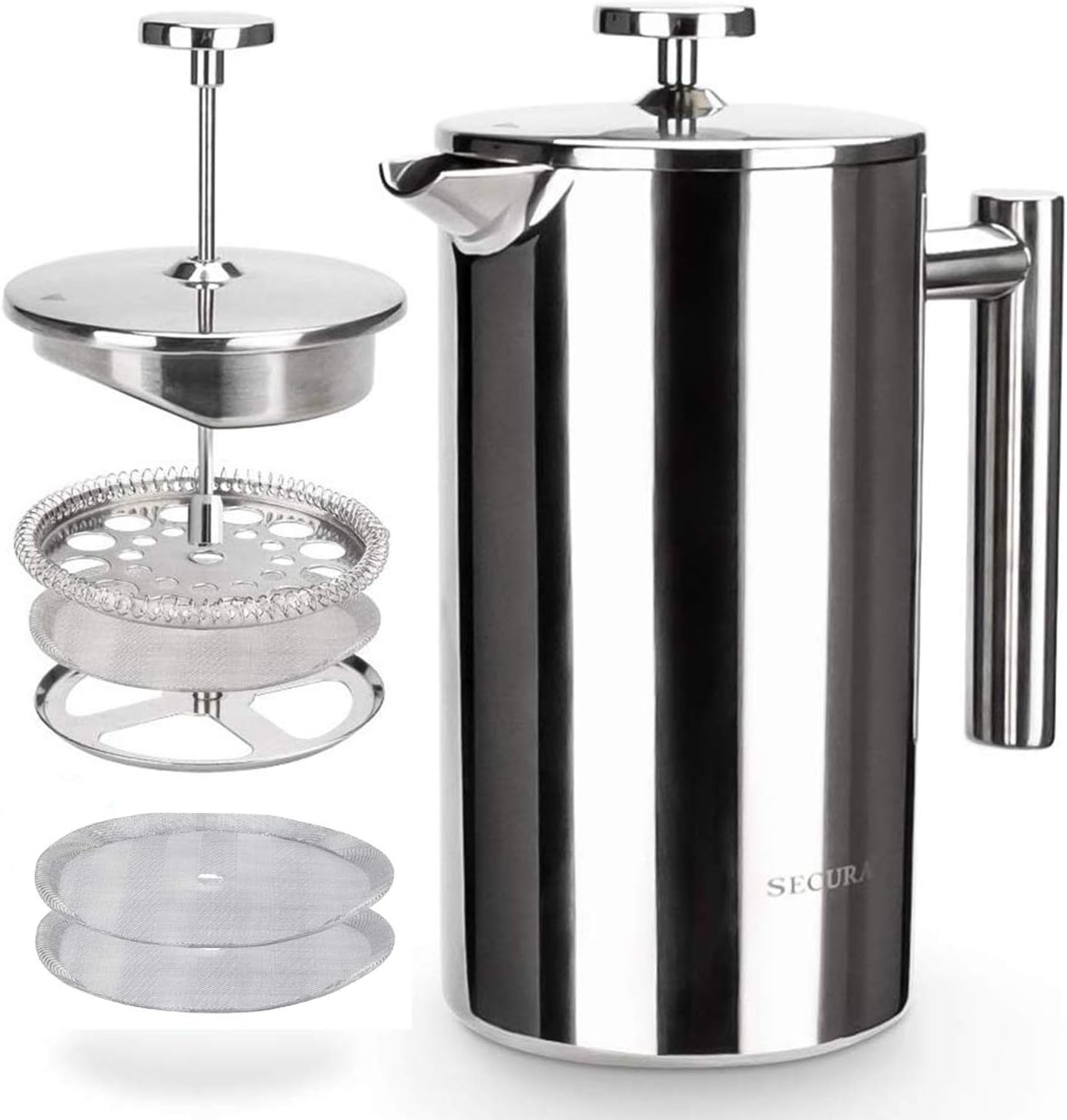
Metal filters use a perforated or woven mesh, commonly made from stainless steel. Their openings are generally larger than the pathways through paper, so more coffee oils and microscopic particles reach the cup. This often creates a heavier texture and a more aromatic, lingering finish.
The difference is not simply that paper “absorbs flavor.” Research on cafestol suggests that the spent coffee grounds retain most of this compound, while the paper-filtration system helps prevent diterpene-rich fine particles and oil droplets from entering the finished drink. A 2017 laboratory study of paper-filtered coffee found very little cafestol in the brewed coffee compared with the starting coffee and spent grounds.
What Are the Practical Differences Between Paper and Metal Filters?
| Factor | Paper Filter | Metal Filter |
|---|---|---|
| Cup character | Clear, light to medium body | Fuller body and heavier texture |
| Oils and sediment | Traps more oils and fine particles | Allows more oils and fine particles through |
| Cleanup | Lift out and discard or compost where accepted | Empty, rinse, and periodically deep-clean |
| Cost | Low purchase price with an ongoing replacement cost | Higher upfront cost but reusable for years when maintained |
| Waste | Creates recurring paper waste; many plain filters can be composted | Avoids disposable-filter waste but requires manufacturing and washing |
| Cholesterol consideration | Generally produces coffee with fewer diterpenes | Usually allows more diterpenes into the cup |
Paper is often the easiest option for quick cleanup. Metal avoids the need to keep replacement filters on hand, but it requires regular rinsing and occasional deeper cleaning to remove trapped oils.
Do not assume that one material always brews faster. Two paper filters can have very different flow rates, and metal mesh can slow down when its openings become clogged.
How Do Paper and Metal Filters Affect Coffee Flavor?

Paper filters are a strong choice when you want flavor clarity. By reducing oils and suspended particles, they can make acidity, fruit, floral notes, and individual flavor layers easier to distinguish. The cup usually feels lighter and finishes more cleanly.
Metal filters emphasize body and texture. The extra oils and fine particles can add richness, deepen roasted or chocolate-like flavors, and create a longer finish. Some drinkers enjoy that weight, while others describe the same cup as muddy or silty.
Paper tends to emphasize clarity; metal tends to emphasize body. Your beans, grind, water, and recipe still matter as much as the filter.
A paper filter does not automatically make coffee weak, and a metal filter does not automatically make it bitter. Strength and extraction are controlled mainly by the coffee-to-water ratio, grind size, water temperature, contact time, and pouring pattern.
How Does Water Flow Differ Between Paper and Metal Filters?
Filter material affects resistance, but it is only one part of the flow system. Drawdown can change because of:
- Filter porosity and thickness: Different paper brands and metal meshes have different opening structures.
- Grind size: Finer coffee creates more resistance and normally slows flow.
- Fine particles: Coffee fines can migrate to the bottom or sides and block flow through either filter.
- Coffee dose: A deeper bed usually takes longer for water to pass through.
- Agitation: Heavy stirring or aggressive pouring may move fines into the filter surface.
- Filter condition: Oil residue can clog metal mesh, while a folded, damaged, or poorly seated paper filter can create uneven flow.
Paper-filter rinsing is optional unless the filter or brewer manufacturer recommends it. Rinsing can help seat the paper, warm the brewer, and reduce a noticeable paper aroma. It also adds a small preparation step and uses extra water.
Pro Tip: When switching from paper to metal, start with your normal recipe and adjust one variable at a time. If the cup drains too quickly and tastes sour or thin, grind slightly finer. If it drains slowly or tastes dry and bitter, grind slightly coarser.
Best Roast Levels for Paper vs. Metal Filters

No roast level requires a specific filter. However, the following pairings can be useful starting points:
- Light roasts with paper: A paper filter may make bright acidity, floral aromas, and fruit notes easier to separate.
- Light roasts with metal: Metal can add body to a coffee that otherwise feels tea-like, though it may soften perceived clarity.
- Medium roasts with either: Paper can emphasize balance and sweetness, while metal can add texture and richness.
- Dark roasts with paper: Paper may reduce heavy sediment and create a cleaner finish.
- Dark roasts with metal: Metal can reinforce chocolate, toasted, smoky, or bittersweet characteristics.
Treat these as experiments, not rules. Processing method, origin, freshness, water chemistry, and brewing recipe can matter more than the roast label on the bag.
Coffee Filters, Cholesterol, and Diterpenes
Coffee naturally contains oily compounds called cafestol and kahweol. Brewing methods that allow more oil and fine material into the cup usually produce higher diterpene levels than paper-filtered drip coffee.
Controlled research has found that the cholesterol-raising component of boiled coffee was largely prevented from reaching the drink when the coffee was passed through a commercial paper filter. Other research comparing brewing methods has found higher cafestol levels in metal-mesh and unfiltered coffee than in typical paper-filtered coffee.
The Harvard T.H. Chan School of Public Health notes that unfiltered coffee contains diterpenes that can raise LDL cholesterol and triglycerides, while paper-filtered and instant coffee contain very low amounts.
Health Note: This article provides general information, not medical advice. People with high LDL cholesterol, familial cholesterol disorders, or clinician-directed dietary limits may wish to favor paper-filtered coffee and discuss their coffee intake with a qualified healthcare professional.
This does not mean metal-filtered coffee is unsafe for everyone. Personal risk depends on the amount consumed, the coffee and brewing method, individual cholesterol response, and the rest of the diet. It does mean that “more oils” should not automatically be described as a health advantage.
Environmental Impact of Paper and Metal Coffee Filters
A reusable metal filter can prevent hundreds of disposable filters from entering the waste stream over several years of frequent use. However, reduced paper waste does not prove that every metal filter has a lower total environmental footprint.
A fair comparison includes:
- The materials and energy used to manufacture the metal filter.
- How many years and brewing cycles the filter lasts.
- The water and energy used for cleaning.
- Whether damaged metal can be recycled locally.
- Whether used paper filters are landfilled or composted.
- The packaging and transportation associated with both options.
According to current U.S. Environmental Protection Agency composting guidance, coffee grounds and paper filters can be added to a backyard compost pile. Use plain paper filters and check local rules before placing them in a municipal organics bin, because collection programs may have different requirements.
Note: The lowest-waste option is usually the filter you can use correctly for a long time. A reusable filter that is replaced frequently may lose much of its waste advantage.
Coffee Filter Size and Brewer Compatibility
A filter must fit the brewer before flavor preferences matter. Coffee makers may use cone-shaped, basket-shaped, flat-bottom, disk, capsule-style, or brewer-specific filters.
Check Paper-Filter Fit
- Match the number, size, and shape specified in the coffee maker’s manual.
- Make sure the paper sits flat without folding over the drain opening.
- Do not force an oversized filter into a small basket.
- Confirm that the filter will not collapse when saturated.
Check Metal-Filter Fit
- Verify that the rim sits securely in the brewer.
- Confirm that the mesh does not touch moving parts or interfere with a drip-stop valve.
- Make sure the brewer’s lid closes normally.
- Use only manufacturer-approved filters in machines where flow restriction could cause overflowing.
A reusable filter described as “universal” may still fit some brewers poorly. Compare its dimensions and shape with the original basket rather than relying only on a broad compatibility label.
How to Choose the Best Coffee Filter for Your Taste and Lifestyle
- Choose your preferred texture. Select paper for a clear, low-sediment cup or metal for heavier body and more oils.
- Check your brewer. Use the exact shape and size the manufacturer permits.
- Consider cholesterol concerns. Paper filtration is the more cautious option when reducing diterpene intake is a priority.
- Compare cleanup. Paper is faster to remove, while metal must be emptied and washed.
- Compare long-term use. Paper has a recurring replacement cost; metal has an upfront cost and maintenance requirement.
- Consider disposal. Compost plain paper filters where accepted, or keep a metal filter in service for as long as practical.
- Test the result. Brew the same coffee with each filter and compare clarity, body, sediment, and flavor.
For many drinkers, paper is the better default for light, clean coffee and simple cleanup. Metal is a good fit for people who value body, reuse, and a richer texture. Some households keep both and choose according to the coffee being brewed.
Cleaning and Maintaining a Metal Coffee Filter
Empty and rinse a metal filter soon after brewing. Allowing wet grounds and oils to dry against the mesh makes buildup harder to remove.
- Rinse both sides under warm running water after each use.
- Use a soft brush when grounds remain trapped in the mesh.
- Wash with mild dish soap when permitted by the manufacturer, then rinse thoroughly.
- Periodically deep-clean the filter using the manufacturer’s recommended method.
- Avoid steel wool, sharp tools, and aggressive scraping that can deform the mesh.
- Let the filter dry fully before storing it.
Replace the filter if the mesh tears, the frame bends, corrosion appears, or cleaning no longer restores normal flow. Persistent rancid odors or oily flavors can also indicate buildup that requires a deeper cleaning or replacement.
Frequently Asked Questions
Can I reuse metal coffee filters?
Yes. Metal coffee filters are designed for repeated use. Empty and rinse the filter after each brew, remove oil buildup periodically, and replace it if the mesh tears, corrodes, or becomes permanently clogged.
Are paper coffee filters biodegradable?
Many plain paper coffee filters are biodegradable and can be composted with the grounds. Check the package and local composting rules, especially if the filter contains coatings, synthetic fibers, staples, or other non-paper materials.
Do paper coffee filters come in different sizes?
Yes. Paper filters come in multiple cone, basket, flat-bottom, and brewer-specific sizes. Check the coffee maker’s manual or existing filter number before buying replacements.
How do I clean a metal coffee filter?
Discard the grounds, rinse the filter under warm water, and use a soft brush for trapped particles. Follow the manufacturer’s instructions for soap, dishwasher use, or deeper cleaning, and avoid abrasive tools that can damage the mesh.
Can I use paper and metal filters together?
Sometimes, provided the brewer safely accommodates both. Paper placed inside a metal basket can reduce sediment and oils, but it may slow flow. Never stack filters if doing so prevents the basket from seating correctly or increases overflow risk.
Do metal coffee filters raise cholesterol?
Metal-filtered coffee usually contains more cafestol and kahweol than paper-filtered coffee because more oils and fine particles pass through. Cafestol can raise LDL cholesterol in some people, but the effect depends on the brewing method, coffee, amount consumed, and individual response.
Do paper filters change the taste of coffee?
Yes. Paper generally reduces oils and sediment, creating a lighter body and clearer flavor separation. Some filters may add a faint paper aroma, which can often be reduced by rinsing when the manufacturer allows it.
Which filter is better for pour-over coffee?
Paper is the standard choice for a clean, high-clarity pour-over. A compatible metal filter can create a heavier cup and eliminate disposable filters. The better option depends on the dripper, desired texture, and willingness to adjust the grind and pouring technique.
Conclusion
Choose a paper coffee filter when you value clarity, low sediment, fast disposal, and lower diterpene levels. Choose a metal filter when you prefer a fuller body, want to avoid recurring filter purchases, and are willing to clean the mesh after brewing.
Neither option guarantees better coffee. Confirm that the filter fits your brewer, use the same beans and recipe for a fair comparison, and adjust the grind when flow changes. Many coffee drinkers get the most flexibility by keeping both filter types available.
Sources
- Is Cafestol Retained on the Paper Filter in the Preparation of Filter Coffee? — supports the discussion of cafestol retention by the grounds and paper-filtration system.
- Cholesterol-Raising Factor From Boiled Coffee Does Not Pass a Paper Filter — supports the cholesterol and paper-filtration discussion.
- Cholesterol-Raising Diterpenes in Commonly Consumed Coffee Types — compares diterpene levels across paper-filtered, metal-mesh, and unfiltered brewing methods.
- Harvard T.H. Chan School of Public Health: Coffee — provides an overview of coffee, diterpenes, filtration, and health considerations.
- U.S. Environmental Protection Agency: Composting at Home — supports composting guidance for coffee grounds and paper filters.