

You shouldn’t leave water in your coffee maker reservoir overnight. Stagnant water creates an ideal breeding ground for harmful bacteria and mold, which can compromise both your health and coffee’s flavor. Even after just 24 hours, harmful microorganisms can develop, affecting the brew quality. Regularly emptying the reservoir and following proper cleaning routines are crucial for maintaining hygiene and taste. For more insights into maintaining your coffee maker, consider the essential practices highlighted in further detail.
Key Takeaways
- Leaving water in the coffee maker reservoir overnight can lead to bacterial growth and contamination within 24 hours.
- Stagnant water negatively impacts coffee quality, resulting in off flavors and unpleasant odors.
- Mold spores thrive in damp environments, potentially developing if water is left overnight.
- Regular cleaning and emptying the reservoir after use are crucial for maintaining hygiene and safety.
- To ensure a fresh brew, always replace the water daily and clean the coffee maker regularly.
The Risks of Leaving Water in Your Coffee Maker Overnight
When you leave water in your coffee maker overnight, you’re not just risking a less flavorful brew; you’re also inviting the potential for harmful bacterial and mold growth.
Stagnant water can develop dangerous bacteria within 24 hours, which can contaminate your coffee and pose serious health risks. The warm, humid environment of the coffee maker exacerbates these issues, making it vital to empty the reservoir after each use.
Stagnant water in your coffee maker can harbor dangerous bacteria within 24 hours, risking your health and coffee quality.
Mold spores thrive in damp conditions, negatively impacting coffee quality and possibly leading to flu-like symptoms if ingested.
To guarantee both safety and taste, it’s important to empty the reservoir daily and clean it regularly with mild soap and water. Prioritizing hygiene will enhance your overall coffee experience.
Why Stagnant Water Can Ruin Your Coffee
Leaving water in your coffee maker can greatly diminish the quality of your coffee. Here’s why stagnant water is a problem:
- Bacterial contamination can occur, risking your health.
- Flavor degradation happens as bacteria and mold alter the taste.
- Stagnant water creates a breeding ground for harmful microorganisms.
- Heating this water during brewing can exacerbate microbial growth.
- Regularly emptying and cleaning the reservoir prevents these issues.
When you use water that’s been sitting too long, you introduce unwanted flavors and potential health risks into your cup.
To guarantee a great tasting brew, always start with fresh water and maintain a clean coffee maker. Your morning routine deserves better than stagnant water.
Mold and Bacteria Growth in Coffee Reservoirs
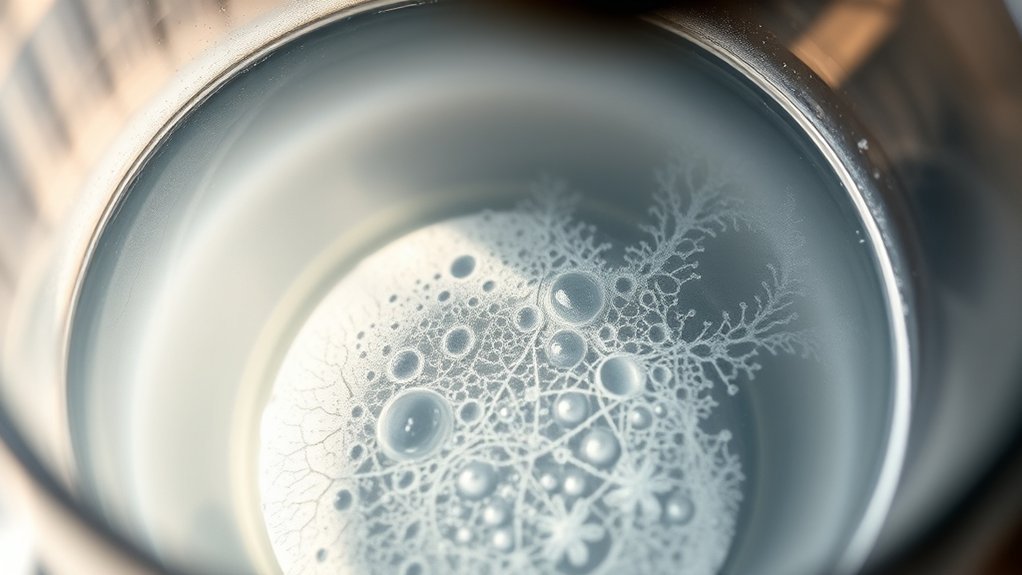
Leaving water in your coffee maker’s reservoir can create a perfect environment for mold and bacteria to thrive.
Stagnant water not only risks contamination but also leads to unpleasant odors and a slimy buildup.
To guarantee safe coffee consumption, it’s essential to adopt mold prevention strategies and maintain a regular cleaning routine.
Stagnant Water Risks
Stagnant water in your coffee maker’s reservoir poses significant risks, as it can quickly become a breeding ground for mold and bacteria.
Here are some vital points to take into account:
- Stagnant water can breed mold and bacteria within 24 hours.
- Warm, damp conditions in the reservoir enhance bacterial growth.
- Contaminated water can lead to flu-like symptoms if ingested.
- Regularly emptying the reservoir helps maintain hygiene and coffee quality.
- Cleaning with mild soap and hot water brew cycles is essential to eliminate residues.
Being aware of these health risks can help you make informed decisions about your coffee maker hygiene.
Regular maintenance not only protects your health but also enhances the taste and quality of your morning brew.
Mold Prevention Strategies
When you want to prevent mold and bacteria growth in your coffee maker, taking proactive measures is essential. Mold spores can develop within 24 hours, so it’s vital to empty the reservoir after each use. Here are some effective strategies for mold prevention:
| Strategy | Description |
|---|---|
| Empty Reservoir | Always remove water after brewing. |
| Use Fresh Water | Opt for filtered water daily. |
| Clean Regularly | Wash the reservoir with soap weekly. |
| Keep It Dry | Wipe the reservoir after cleaning. |
| Store in a Cool Place | Keep the coffee maker away from heat. |
Regular Cleaning Importance
Neglecting to clean the coffee maker reservoir can lead to serious consequences, including the growth of mold and bacteria. By understanding the importance of regular cleaning, you can maintain reservoir hygiene and guarantee a better coffee experience.
Consider these key points:
- Stagnant water breeds mold and bacteria within 24 hours.
- A slimy biofilm can develop, affecting taste and safety.
- Regular cleaning frequency should include emptying and drying after each use.
- Monthly deep cleans with vinegar or soap are recommended.
- Off-flavors in coffee can stem from a dirty reservoir.
Implementing these practices not only enhances the quality of your brew but also safeguards your health by minimizing microbial risks.
Prioritize your coffee maker’s cleanliness for peak performance and enjoyment.
Essential Cleaning Tips for Coffee Makers
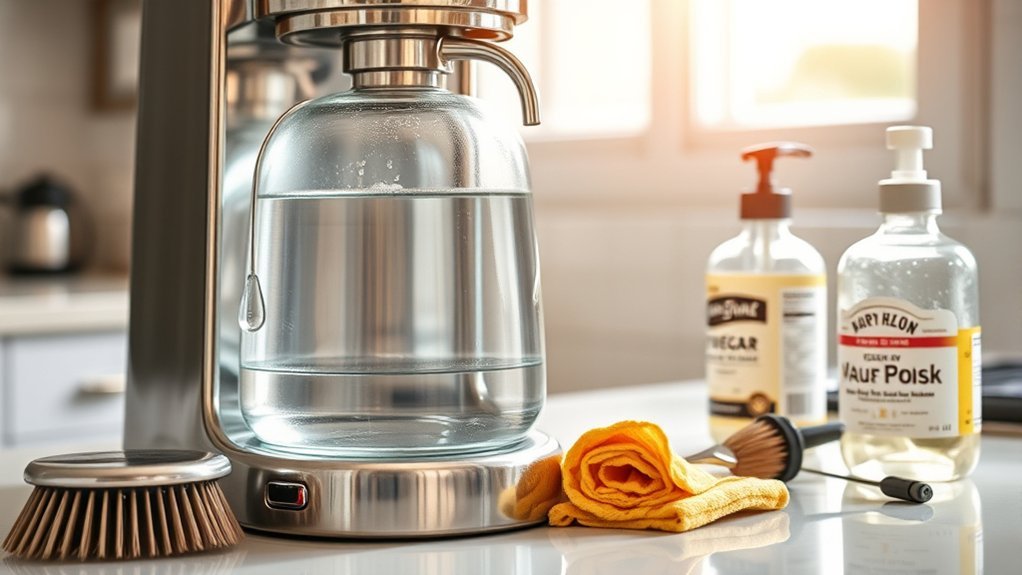
To keep your coffee maker in top shape, it’s essential to empty the reservoir after each use.
This simple step reduces the risk of contamination and guarantees your coffee tastes fresh.
Additionally, incorporating regular deep cleaning with a vinegar-water mixture will help eliminate mold and buildup, extending your coffee maker’s lifespan.
Daily Reservoir Emptying
Keeping your coffee maker’s reservoir empty on a daily basis is essential for maintaining both hygiene and coffee quality. Stagnant water creates a breeding ground for bacteria and mold, which can compromise your brew.
By implementing these daily maintenance tips, you can guarantee a fresher cup every time:
- Empty the reservoir each night to prevent mold growth.
- Clean the reservoir with mild dish soap and water regularly.
- Use fresh, filtered water each time before brewing.
- Check for any signs of slime or residue.
- Store your coffee maker in a cool, dry place.
Adopting these hygiene practices keeps your coffee maker in top shape and enhances the overall taste of your coffee.
Regular Deep Cleaning
While daily reservoir emptying is essential, regular deep cleaning of your coffee maker is equally important for ensuring peak performance and hygiene.
To maintain reservoir hygiene, aim for a cleaning frequency of at least once a month. Use a mild dish soap and water solution to clean the reservoir, effectively preventing mold and bacterial growth.
For a deeper clean, a vinegar-water mixture can tackle mineral buildup and other residues. After cleaning, run a brew cycle with just water to flush out any lingering vinegar, ensuring ideal performance.
Additionally, thoroughly drying all parts helps prevent odors and guarantees a better-tasting coffee experience.
Indicators Your Coffee Maker Needs Immediate Cleaning
If you start noticing a slimy film or residue in your coffee maker’s reservoir, it’s a clear sign that immediate cleaning is necessary. Neglecting this can compromise coffee freshness and ruin your brewing techniques.
Here are some indicators that your coffee maker needs urgent attention:
- A foul or off-putting odor emanating from the machine.
- Stale or unpleasant-tasting coffee, indicating buildup.
- Visible discoloration or residue on surfaces.
- Signs of mold after several days of inactivity.
- An unusual smell when brewing, suggesting microbial contamination.
Addressing these issues promptly can help maintain your coffee maker’s performance and guarantee every cup is enjoyable.
Regular maintenance is key to enhancing both flavor and hygiene in your brewing process.
Alternatives to Leaving Water in the Reservoir
When it comes to maintaining your coffee maker, consider daily water replacement to prevent stagnation and contamination.
Efficient cleaning practices and ideal brewing techniques can greatly enhance your coffee experience.
Daily Water Replacement Tips
How often should you replace the water in your coffee maker?
It’s best to empty the reservoir daily to guarantee ideal water quality and prevent stagnant water, which can harbor bacteria and mold.
By replacing the water each morning, you enhance the taste and freshness of your brew.
Here are some tips for daily upkeep:
- Replace water every morning for freshness.
- Use distilled water to reduce impurities and extend time between changes.
- Always empty the reservoir if water’s been left overnight.
- Regularly clean the reservoir every month or two.
- Monitor water quality for any odor or discoloration.
Implementing these practices not only improves your coffee but also prolongs your coffee maker’s lifespan.
Efficient Cleaning Practices
While maintaining a clean coffee maker may seem tedious, adopting efficient cleaning practices can greatly enhance both the hygiene of your machine and the quality of your coffee.
Start by emptying the reservoir after each use, preventing mold growth from stagnant water. Regularly clean the reservoir with mild dish soap and water to eliminate any potential bacterial buildup. Consider using distilled water to reduce cleaning frequency and keep the reservoir cleaner over time.
If you accidentally leave water in the reservoir, run several brew cycles without a coffee pod to kill any bacteria before your next brew. For thorough maintenance, perform a deep clean every month or two to guarantee peak coffee quality and extend your machine’s lifespan.
Optimal Brewing Techniques
Leaving water in the coffee maker’s reservoir overnight can compromise both the taste of your coffee and the hygiene of your machine. Instead, consider these ideal brewing techniques:
- Always empty the reservoir after use to prevent mold and bacteria.
- Brew fresh coffee daily with filtered water for enhanced flavor.
- Use a timer to set your coffee maker for automatic brewing in the morning.
- Try a thermal carafe to keep your coffee warm without leaving water in the reservoir.
- Regularly clean your machine’s components to maintain hygiene and improve brewing temperature consistency.
Pay attention to grind size; it plays a vital role in extraction.
Implementing these strategies guarantees you enjoy fresh, quality coffee every time.
Best Practices for Coffee Maker Maintenance
Maintaining your coffee maker is essential for ensuring both hygiene and the quality of your brew. To prevent stagnant water that encourages bacterial and mold growth, you should empty the reservoir after each use. Leaving water in overnight greatly increases contamination risks, as mold can develop within just 24 hours.
Regularly clean removable parts, like the water reservoir, with mild dish soap to maintain hygiene and eliminate odors. For ideal coffee freshness, load coffee and filters just before brewing instead of pre-loading them.
After cleaning, make sure to thoroughly dry your coffee maker to prevent moisture buildup, which can lead to mold issues and negatively affect the taste of your coffee. Following these practices will enhance your brewing techniques and overall coffee experience.
How Humidity Impacts Your Coffee Maker’s Hygiene
Humidity plays a critical role in your coffee maker’s hygiene, as high moisture levels can impede the drying process and create an environment conducive to mold and bacteria growth.
Humidity significantly affects your coffee maker’s hygiene, promoting mold and bacteria growth when moisture levels are high.
Here’s what you need to know about humidity levels and moisture control:
- High humidity increases the risk of mold in the reservoir.
- Residual moisture can lead to unpleasant odors.
- Mold spores can develop within 24 hours in stagnant water.
- Users in humid areas must regularly empty and clean the reservoir.
- Lower indoor humidity levels through air conditioning enhance hygiene.
Maintaining moisture control is essential, especially in humid conditions.
Regular cleaning and monitoring humidity levels will help keep your coffee maker hygienic and your coffee tasting fresh.
Consequences of Neglecting Coffee Maker Hygiene
Neglecting the hygiene of your coffee maker can have serious repercussions for both your health and your coffee’s flavor.
When you leave water in the reservoir overnight, it creates an ideal environment for bacterial and mold growth. In just 24 hours, mold spores can proliferate, contaminating your coffee. Consuming coffee brewed with this contaminated water may lead to flu-like symptoms, posing health risks that shouldn’t be ignored.
In addition, poor hygiene practices can result in unwanted odors and off-flavors, diminishing the quality of your brew. Regularly emptying and cleaning your coffee maker not only promotes hygiene but also preserves the rich flavors you expect from your morning cup.
Prioritizing maintenance is essential for both your health and your coffee experience.
Final Thoughts on Overnight Water Storage in Coffee Makers
While it might seem convenient to leave water in your coffee maker overnight, doing so can lead to significant hygiene concerns and a decline in coffee quality.
Here are some key points to reflect on:
- Stagnant water promotes mold and bacterial growth.
- A slimy film can develop within 24 hours, affecting taste.
- Empty the reservoir after each use for better water quality.
- Regular cleaning frequency—at least once a month—is essential.
- If water’s been left for too long, run several brew cycles without a pod to sanitize.
Frequently Asked Questions
Can I Leave Water in the Coffee Maker for a Few Hours?
You can leave water in the coffee maker for a few hours, but it might compromise water quality and coffee freshness. Stagnant water can develop bacteria, impacting your brew’s taste and safety.
How Often Should I Clean My Coffee Maker?
You should clean your coffee maker every month for ideal coffee maker maintenance. Regular cleaning helps prevent buildup and guarantees better-tasting coffee. Adjust the cleaning frequency based on usage for best results.
What Type of Water Is Best for Coffee Makers?
Filtered water is best for coffee makers as it reduces mineral content, preventing buildup and ensuring ideal flavor extraction. Using filtered water also enhances the longevity of your machine, keeping your coffee tasting fresh.
Does Leaving Water in Affect Coffee Flavor?
Yes, leaving water in the reservoir affects coffee flavor. Stale water compromises coffee freshness and impacts water quality, leading to off-tastes. For ideal flavor, always use fresh water and clean your coffee maker regularly.
Are There Any Coffee Makers Designed for Overnight Use?
Yes, some coffee makers offer features specifically for overnight brewing. These models often include programmable timers, keeping your coffee fresh while you sleep, so you can wake up to a perfectly brewed cup every morning.
Conclusion
In summary, leaving water in your coffee maker overnight can lead to harmful mold and bacteria growth, compromising the quality of your brew. For instance, a study revealed that a household coffee maker left unattended for just a week showed significant microbial contamination, resulting in off-tasting coffee and potential health risks. To guarantee your coffee remains fresh and safe, make it a habit to empty the reservoir daily and clean your machine regularly.


