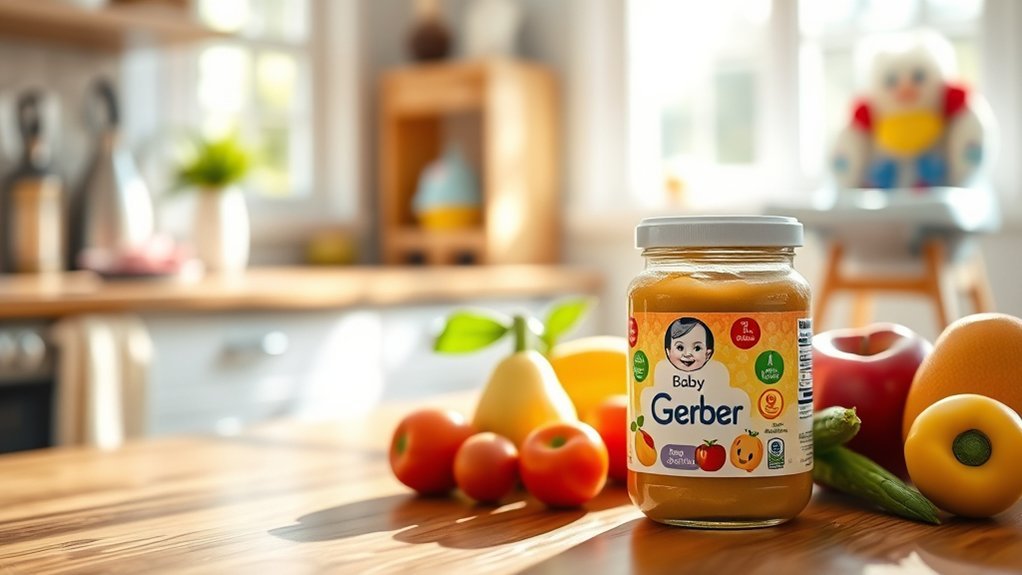

Introducing new foods to your baby is less about finding one “perfect” first food and more about matching food texture, timing, and portion size to your baby’s development. Most babies are ready for complementary foods at about 6 months, while breast milk or iron-fortified formula remains their main source of nutrition through the first year.
Quick Answer
Start solids at about 6 months when your baby can sit upright with support, control their head and neck, bring objects to their mouth, and swallow food. Offer a small amount of one soft food, supervise closely, introduce common allergens in safe forms, and increase textures as your baby’s eating skills grow.
Key Takeaways
- Begin at about 6 months when your baby shows developmental readiness; do not start before 4 months.
- Start with 1 to 2 tablespoons of soft food and continue regular breast milk or iron-fortified formula feeds.
- Offer one single-ingredient food at a time at first, waiting 3 to 5 days before another new food if you are tracking reactions.
- Introduce common allergens in age-appropriate forms instead of delaying them, unless your pediatrician gives different advice.
- Prevent choking by seating your baby upright, matching texture and shape to development, and watching every bite.
- Avoid honey before 12 months, unpasteurized foods, juice before 12 months, whole nuts, and other common choking hazards.
At a Glance
| Time Required | About 10 to 20 minutes per feeding session |
| Difficulty | Moderate; food must match your baby’s current eating skills |
| Tools Needed | Stable high chair, small bowl, infant spoon, fork or blender, clean cutting board, and food thermometer when cooking meat or eggs |
| Cost | Usually $0 to $15 per week when using small portions of family foods |
Note: This guide gives general feeding information, not individual medical advice. Babies born prematurely or those with swallowing problems, poor growth, severe eczema, known allergies, or developmental delays may need a personalized plan from a pediatrician or feeding specialist.
Signs Your Baby Is Ready for Solid Foods

Most babies can begin foods other than breast milk or infant formula at about 6 months. The Centers for Disease Control and Prevention advises against introducing solids before 4 months.
Look for a group of developmental signs rather than relying on age or weight alone. Your baby should be able to:
- Sit upright alone or with support and stay stable in a high chair.
- Control their head and neck.
- Open their mouth when food is offered and show interest in eating.
- Bring objects to their mouth and try to grasp food or toys.
- Move food from the front of the tongue toward the back and swallow it instead of pushing it out.
Readiness is based on coordinated sitting, head control, reaching, and swallowing—not on reaching a specific weight.
If your baby cannot stay upright, repeatedly coughs or chokes with smooth foods, or has trouble coordinating swallowing, pause and ask your pediatrician for guidance.

Power your essentials anywhere with a 999Wh pure sine wave power station delivering up to 1000W continuous with 2000W surge. It supports fast charging via USB-C PD 60W and USB-A QC 18W, plus simultaneous output for multiple devices through AC, USB, wireless, and car/DC ports. Recharge using AC, car, or solar with a built-in MPPT controller and dual cooling fans, while the upgraded battery management system protects against surges, short circuits, and overheating.

Portable and comfy infant chair that helps your baby sit up

Bright Starts Learn-to-Sit 2-Position Floor Seat supports baby as they learn to sit independently; grow-with-me design allows for earlier use in lower position when baby can hold up their head independently; ideal for ages 4-12 months
How to Safely Prepare and Serve Solid Foods for Babies
Wash your hands, clean the preparation surface, and use separate utensils for raw meat, poultry, seafood, and ready-to-eat foods. Cook meat, fish, and eggs thoroughly, and use pasteurized dairy products. For produce, wash it under running water, remove hard pits, seeds, bones, tough skins, and excess fat, then cook firm foods until they mash easily with a fork.
At first, offer smooth mashed, pureed, or strained foods. As your baby gains control, move to thicker mashes, soft lumps, and safe finger foods. Staying on smooth purees for too long can delay practice with chewing and varied textures, but moving ahead before your baby is ready can raise choking risk.
Warning: Always seat your baby upright in a stable high chair and watch continuously while they eat. Do not feed a baby who is lying down, crawling, walking, riding in a car, or distracted by toys. Whole nuts, popcorn, hard raw vegetables, uncut grapes, coin-shaped sausage, chunks of meat or cheese, and spoonfuls of thick nut butter are choking hazards.
For homemade baby food, refrigerate it promptly in a covered container. FoodSafety.gov lists a refrigerator window of 1 to 2 days for homemade baby food. Do not save food left in a bowl after your baby has eaten from it because saliva can introduce bacteria.
How to Choose and Introduce First Foods for Your Baby

There is no required order for first foods. Aim for variety while giving special attention to iron- and zinc-rich choices, because babies need more of these nutrients as they grow. Good options include iron-fortified oat or multigrain cereal, finely minced or pureed meat, mashed beans or lentils, cooked egg, tofu, plain full-fat yogurt, avocado, soft vegetables, and fruit.
Avoid relying only on rice cereal. Offering oat, barley, and multigrain infant cereals can reduce repeated exposure to arsenic from rice and provides a wider range of flavors and grains.
Signs of Readiness
Before the first feeding, confirm that your baby can stay upright with good head control, open their mouth for food, and swallow rather than automatically push food out. Doubling birth weight or weighing 13 pounds may happen near this stage, but those numbers are not a substitute for developmental readiness.
First Food Suggestions
Start with about 1 to 2 tablespoons once a day when your baby is alert and not overly hungry or tired. Offer breast milk or formula as usual. Solids are complementary at this stage, and breast milk or iron-fortified formula remains the main source of nutrition from 6 to 12 months.
Practical first foods include:
- Iron-rich: iron-fortified oat cereal, pureed beef or chicken, mashed lentils, beans, tofu, and cooked egg.
- Vegetables: soft-cooked sweet potato, squash, peas, broccoli, carrots, or green beans.
- Fruit: mashed banana, pear, peach, avocado, or applesauce without added sugar.
- Dairy: plain pasteurized full-fat yogurt or soft pasteurized cheese in a safe texture.
- Whole grains: soft oats, barley, quinoa, or multigrain infant cereal.
By about 7 to 8 months, many babies can eat foods from several food groups, provided each item is prepared for their current skills.
Safe Preparation Methods
- Begin with one ingredient: Offer one new food at a time at first so a reaction is easier to identify.
- Wait and observe: Waiting 3 to 5 days between new foods can simplify allergy tracking. Once several foods are tolerated, meals can combine familiar ingredients.
- Adjust texture: Thin cereal or mashed food with breast milk, formula, or water if needed. Make the food thicker as your baby gains skill.
- Use flavor without excess: Skip honey, added sugar, and heavily salted foods. Mild herbs and spices are acceptable unless your clinician has advised otherwise.
- Serve safely: Test temperature before feeding, use a clean spoon, and discard leftovers from the baby’s serving bowl.
Pro Tip: Offer a new food early in the day when possible. That gives you more time to observe your baby and contact the pediatrician if a reaction develops.
Why Single-Ingredient Foods Are Crucial for Allergy Monitoring
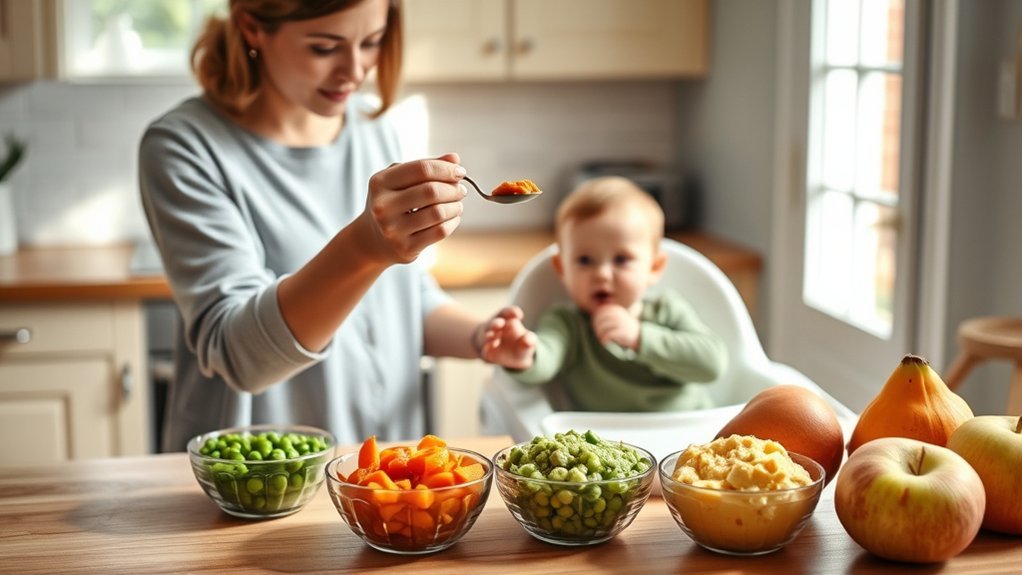
Single-ingredient foods make early reactions easier to connect with a specific food. This does not mean your baby must eat only plain purees for weeks. After a food is tolerated, you can combine it with other foods your baby has already eaten safely.
Identifying Allergic Reactions Early
Food allergy symptoms often begin within minutes to a few hours. Watch for hives, facial or lip swelling, coughing, wheezing, repeated vomiting, diarrhea, unusual sleepiness, or difficulty breathing. The U.S. Food and Drug Administration identifies trouble breathing, throat swelling, dizziness, and loss of consciousness as signs of a potentially severe reaction.
- Stop the food: Do not offer more of the suspected food until you have medical guidance.
- For a mild reaction: Contact your pediatrician promptly for advice and document the food, amount, timing, and symptoms.
- For a severe reaction: Call 911 immediately for breathing trouble, swelling of the tongue or throat, faintness, blue or pale color, sudden limpness, or symptoms affecting more than one body system. Use prescribed epinephrine if your child has an emergency plan.
Simplifying the Food Tracking Process
A simple log helps you remember what was offered and what happened. Record the exact food, preparation, amount, time, and any symptoms rather than writing only “reaction.”
| Food Introduced | Date and Amount | Reaction Observed |
|---|---|---|
| Sweet potato, mashed | Day 1, 1 teaspoon | None |
| Cooked egg, finely mashed | Day 4, 1/4 teaspoon | None |
| Plain yogurt | Day 7, 1 teaspoon | Two hives within 20 minutes; pediatrician contacted |
Introducing Allergenic Foods: What You Need to Know
Common allergenic foods can be introduced when your baby starts other complementary foods, usually at about 6 months. Delaying them is not recommended for most babies. Introduce one allergen at a time in a small, age-appropriate amount when your baby is healthy, then continue offering tolerated foods regularly as part of the diet.
Safe forms include thoroughly cooked egg, plain yogurt, wheat cereal, smooth hummus or well-mashed chickpeas, soft tofu, finely flaked cooked fish with all bones removed, and smooth peanut or tree-nut butter thinned with warm water, breast milk, formula, or puree. Never give whole nuts or a thick spoonful of nut butter.
Infants with severe eczema, an existing egg allergy, or a previous immediate reaction to food need medical guidance before peanut introduction. The NIAID peanut-allergy prevention guidelines recommend evaluation and age-appropriate peanut introduction as early as 4 to 6 months for some high-risk infants.
Warning: Early allergen introduction is prevention guidance, not a home treatment for a known allergy. Never deliberately re-test a food that previously caused hives, swelling, repeated vomiting, wheezing, or breathing trouble unless an allergy professional directs you.
How to Safely Transition to Finger Foods
You do not have to wait until exactly 9 months. Begin finger foods when your baby can sit steadily, reach and grasp, bring food to the mouth, and manage thicker textures. The right shape changes with skill:
- Early self-feeders: Offer very soft, finger-length strips that are easy to grasp, such as ripe avocado wedges, soft-cooked broccoli florets, omelet strips, or tender shredded meat pressed into a soft patty.
- After the pincer grasp develops: Offer small, soft bite-size pieces, such as diced ripe fruit, soft pasta, finely shredded meat, or cooked vegetables.
Food should be soft enough to squash easily between your thumb and forefinger. Cut grapes, cherry tomatoes, berries, and similar round foods into small pieces. Cut sausage lengthwise into thin strips rather than round coins.
Gagging can be noisy and may include coughing, retching, or a red face while the baby still breathes. Choking may be silent, with an inability to cry, cough effectively, or breathe. Learn infant choking first aid and CPR before starting finger foods, and follow the CDC choking-prevention guidance.
Foods and Drinks to Avoid or Limit
- Honey before 12 months: Honey can contain spores that cause infant botulism. This includes foods made with honey.
- Cow’s milk or plant beverages as a drink before 12 months: They should not replace breast milk or infant formula. Pasteurized yogurt and cheese can be offered earlier in safe forms.
- Juice before 12 months: Whole fruit is the better choice. Avoid sweet drinks and drinks with caffeine.
- Unpasteurized foods and drinks: Avoid raw milk, unpasteurized juice, and cheeses or yogurt made from unpasteurized milk.
- Raw or undercooked animal foods: Avoid runny eggs, undercooked meat, raw shellfish, and fish with bones.
- Added sugar and high-sodium foods: Babies do not need added sugar. Limit heavily salted packaged and restaurant foods.
- High-mercury fish: Choose lower-mercury fish and follow current FDA and EPA fish advice.
- Choking hazards: Avoid whole nuts, popcorn, hard candy, marshmallows, chips, raw carrot coins, uncut grapes, tough meat, and chunks of cheese or nut butter.
The CDC list of foods and drinks to avoid or limit provides current age-specific guidance.
How Much and How Often to Feed
Begin with 1 to 2 tablespoons once daily and follow your baby’s cues. Gradually move toward two and then three eating opportunities as interest, skill, and appetite increase. Continue breast milk or iron-fortified formula on the usual schedule; from 6 to 12 months it remains the main source of nutrition.
Signs of hunger include leaning toward food, opening the mouth, reaching, and becoming excited when food appears. Signs of fullness include closing the mouth, turning away, pushing food away, slowing down, or losing interest. Do not pressure your baby to finish a serving.
Offer sips of water in an open cup or straw cup with meals once solids begin. Water is for practice and hydration support; it should not displace breast milk or formula.
Building Healthy Eating Habits Early
Healthy habits grow from repeated, low-pressure practice. Offer different colors, tastes, and textures, and include your baby in family meals when possible. Let your baby touch food and attempt self-feeding while you remain in control of what is served and how it is prepared.
- Use responsive feeding: You choose safe, nutritious options; your baby decides whether and how much to eat.
- Keep meals calm: Seat your baby securely, reduce distractions, and stop when they show fullness.
- Repeat foods: A refusal today does not mean permanent dislike. Offer the food again on another day without pressure.
- Model eating: Babies learn by watching family members eat the same or similar foods.
- Build variety: Rotate proteins, grains, fruits, vegetables, and safe allergenic foods instead of relying on a small set of sweet purees.
Tackling Picky Eaters: Fun Strategies to Try
Food refusal is common while babies and toddlers learn. A grimace may reflect surprise, not dislike. Keep the portion tiny, pair a new food with a familiar one, and allow touching and smelling without requiring a bite.
Avoid bribing, forcing, or hiding every new food. Instead, praise exploration: “You touched the broccoli,” or “You tasted the yogurt.” The CDC notes that a young child may need 8 to 10 exposures before being willing to try a new food.
Pro Tip: Freeze teaspoon-size portions of prepared food. You can thaw one small serving at a time, which makes repeat exposure easier and reduces waste.
When Should You Talk to Your Pediatrician About Baby Food?
Contact your pediatrician or feeding specialist when your baby:
- Was born prematurely or has a medical condition that affects feeding.
- Cannot sit safely or has poor head and neck control near the expected time for solids.
- Frequently coughs, chokes, arches, becomes congested, or sounds wet during or after feeds.
- Has severe eczema, a known food allergy, or an immediate reaction to a new food.
- Refuses most textures, gags or vomits with nearly every attempt, or has not progressed beyond smooth purees.
- Is not gaining weight as expected, has fewer wet diapers, or seems unusually tired.
- Needs advice about iron, vitamin D, formula, breast milk intake, or a vegetarian or vegan feeding plan.
Call 911 for trouble breathing, swelling of the tongue or throat, sudden limpness, fainting, blue or pale color, or a suspected complete airway blockage.
Frequently Asked Questions
How can I tell if my baby dislikes a food?
Turning away, keeping the mouth closed, or repeatedly refusing may show that your baby is finished or not interested. A grimace alone can be a normal response to a new flavor. Remove pressure and offer a small amount again on another day.
What should I do if my baby refuses to eat?
Check that your baby is alert, seated comfortably, and not too hungry, tired, or full from a recent milk feed. Offer a tiny portion, keep the meal calm, and end without forcing. Repeated refusal with poor growth, pain, coughing, or vomiting needs pediatric evaluation.
Are there foods that should be avoided entirely for babies?
Avoid honey before 12 months, unpasteurized foods and drinks, raw or undercooked animal foods, juice before 12 months, and cow’s milk or plant beverages as a replacement drink before 12 months. Also avoid whole nuts, popcorn, uncut grapes, hard raw vegetables, and other choking hazards.
How can I make mealtime more enjoyable for my baby?
Use a stable high chair, eat together, offer colorful foods, and allow safe touching and self-feeding. Keep sessions short and stop when your baby turns away or loses interest. Praise exploration rather than the amount eaten.
What are signs of a food allergy in babies?
Possible signs include hives, facial or lip swelling, coughing, wheezing, repeated vomiting, diarrhea, or sudden unusual sleepiness. Stop the food and seek medical advice. Call 911 for breathing trouble, tongue or throat swelling, faintness, sudden limpness, or blue or pale color.
What is the difference between gagging and choking?
Gagging is often noisy and may include coughing or retching while the baby still moves air. Choking can be silent, and the baby may be unable to breathe, cry, or cough effectively. Treat suspected choking as an emergency and use infant choking first aid.
Should I introduce one new food every 3 to 5 days?
That spacing can help identify reactions during the first introductions. It is most useful for new ingredients and common allergens. Once your baby has tolerated several foods, you can combine familiar ingredients and continue adding variety.
Conclusion
Introducing new foods works best as a gradual, supervised process. Start at about 6 months when your baby shows developmental readiness, keep breast milk or iron-fortified formula as the main nutrition through 12 months, and offer small amounts of iron-rich foods, vegetables, fruits, grains, and common allergens in safe forms. Let your baby set the pace, advance texture as skills improve, and contact your pediatrician whenever feeding, growth, swallowing, or allergy symptoms concern you.
Sources
- CDC: When, What, and How to Introduce Solid Foods — readiness signs, timing, first foods, allergen introduction, and preparation.
- CDC: Choking Hazards — seating, supervision, food shapes, textures, and foods to avoid.
- CDC: Foods and Drinks to Avoid or Limit — honey, unpasteurized foods, juice, cow’s milk, sugar, and caffeine guidance.
- FDA: Food Allergies — allergy symptoms and when reactions may be severe.
- NIAID: Addendum Guidelines for the Prevention of Peanut Allergy — early peanut introduction for infants at different allergy-risk levels.
- FoodSafety.gov: Safe Storage of Puréed and Solid Baby Food — refrigerator and freezer storage times.