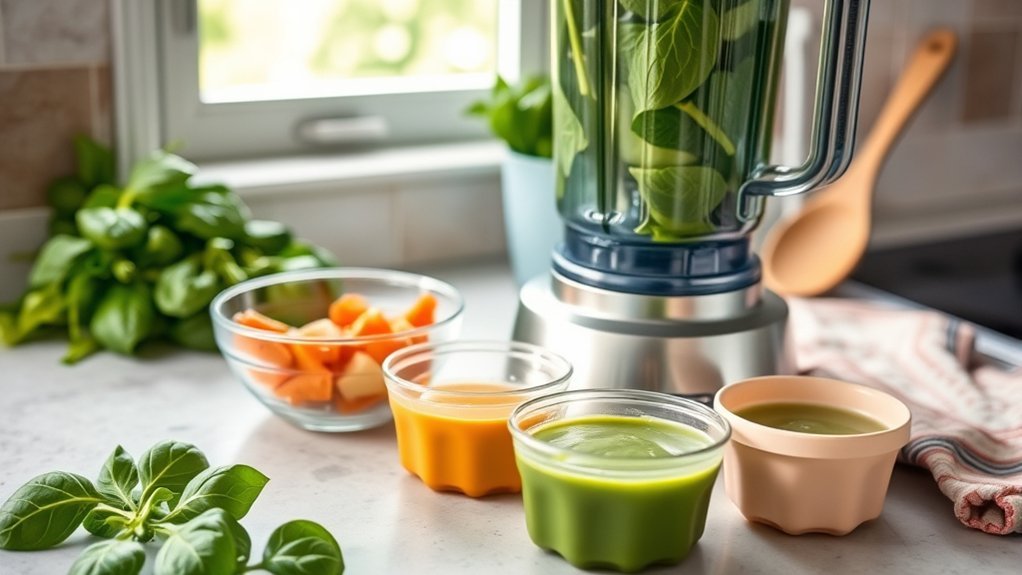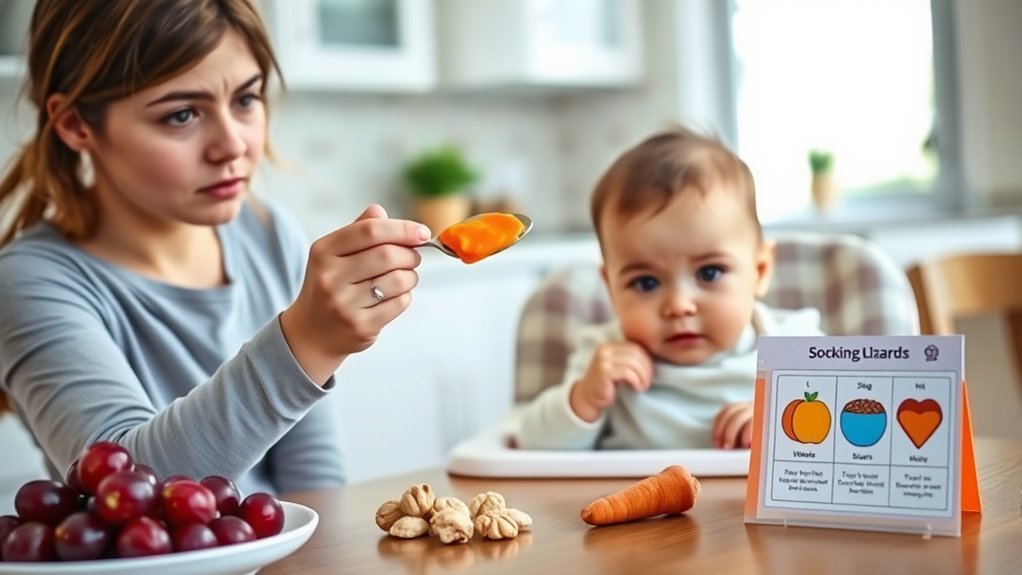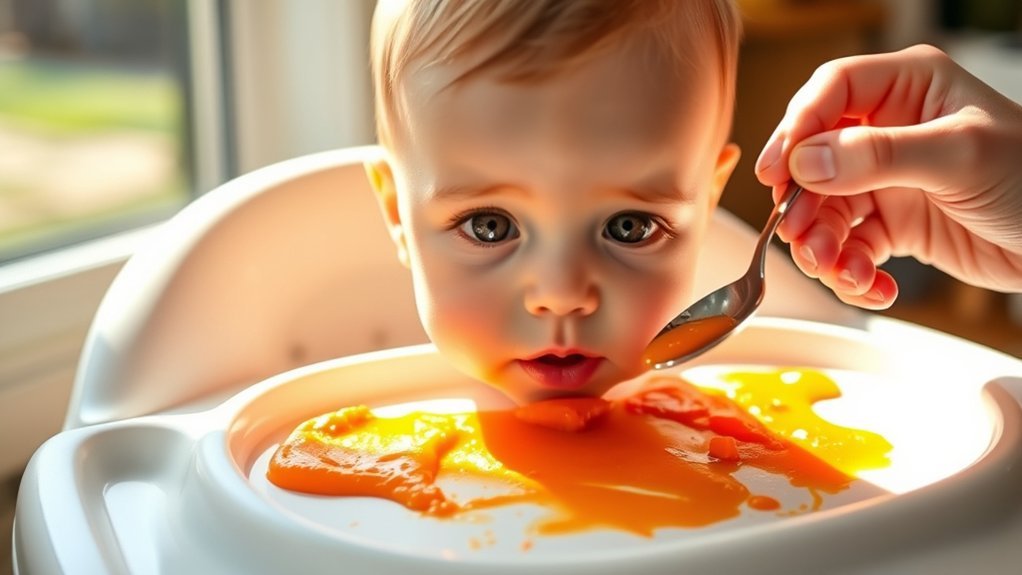
Baby food usually tastes mild because it is commonly made without added salt, sugar, or strong sauces. Fruit purees tend to taste naturally sweet, vegetable purees can range from sweet and earthy to slightly bitter, and plain meat or bean purees may taste savory but subdued. Texture, temperature, ripeness, and preparation can change the experience as much as the ingredient itself.
Quick Answer
Baby food generally tastes mild, simple, and less seasoned than adult food. Fruit is often sweet, vegetables may be earthy or slightly bitter, grains are neutral, and protein purees are savory. A baby’s funny face does not always mean dislike; unfamiliar flavor, temperature, and texture can all cause a strong first reaction.
Key Takeaways
- Baby food is usually mild because it contains little or no added salt, sugar, or seasoning.
- Fruit is often naturally sweet, while green vegetables may taste more bitter and protein purees more savory.
- A grimace, squint, or wrinkled nose can be a normal response to novelty rather than proof that a baby dislikes the food.
- Evidence suggests that some foods become more acceptable after about eight to ten or more pressure-free exposures, although every baby is different.
- Introduce varied flavors, iron-rich foods, and developmentally safe textures while continuing breast milk or infant formula.
- Do not add honey before 12 months, and avoid added sugar, unnecessary salt, unsafe food shapes, and pressure to eat.
Note: This article provides general feeding information, not individualized medical advice. Ask your pediatrician about starting solids if your baby was born prematurely, has swallowing or growth concerns, has severe eczema, or has a known or suspected food allergy.
What Does Baby Food Really Taste Like?
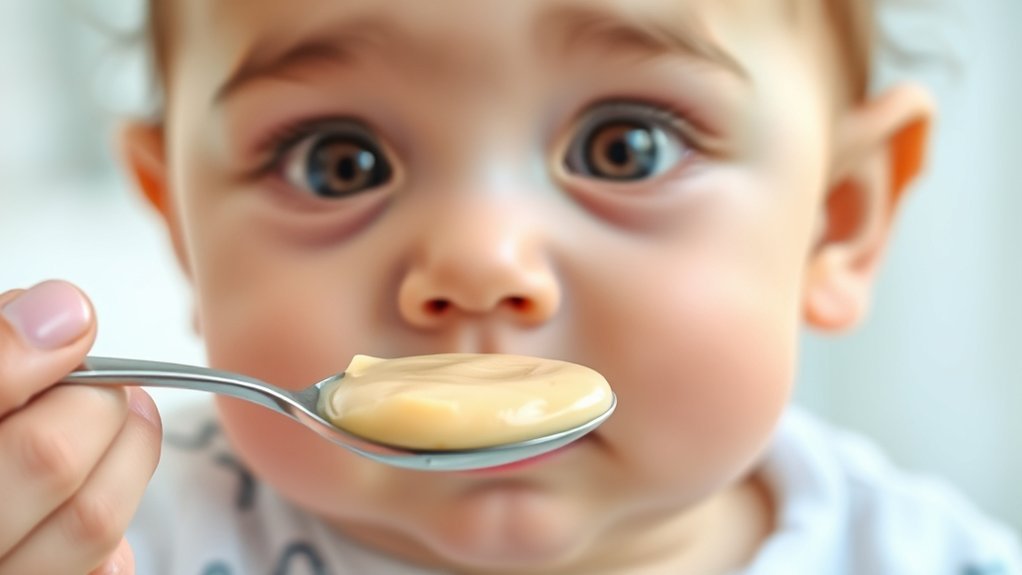
There is no meaningful universal taste score for baby food. What it tastes like depends on the ingredient, its ripeness, how it was cooked, the amount of water added, and whether it is served warm, cool, smooth, or textured.
| Food Type | Common Flavor | What Changes It |
|---|---|---|
| Fruit purees | Sweet, tart, or fragrant | Ripeness, variety, and cooking method |
| Orange vegetables | Naturally sweet and earthy | Roasting can taste sweeter than boiling |
| Green vegetables | Fresh, grassy, earthy, or slightly bitter | Freshness and overcooking |
| Infant cereal and grains | Mild, toasted, or neutral | The grain and liquid used for mixing |
| Meat, fish, beans, and lentils | Savory, earthy, or slightly metallic | Fat content, cooking liquid, and freshness |
| Combination foods | A blend of sweet, savory, and earthy notes | The ratio of ingredients and seasonings |
Adults may describe plain baby food as bland because adult meals commonly contain more salt, browning, fat, acid, and seasoning. Babies do not need food to match an adult palate. They are learning the natural flavors of individual ingredients while also developing the oral skills needed to manage them.
Infant formula is not a baby food or complementary food. Its flavor varies by product and may seem mildly sweet, creamy, metallic, or mineral-like to an adult. It should always be prepared exactly as directed rather than flavored or sweetened.
Do Babies Taste Food Differently Than Adults?
Babies can detect sweet, sour, bitter, salty, and savory tastes, but their preferences are not the same as an adult’s established preferences. Research indicates that children begin life with a stronger attraction to sweetness and greater caution toward bitterness. These tendencies can change as they repeatedly experience safe foods and watch other people eat them.
Flavor also includes smell, temperature, texture, and previous experience. A familiar carrot puree served lumpier than usual may produce a stronger response even though the ingredient has not changed.
A first facial reaction measures surprise better than long-term preference. Acceptance is learned over repeated, calm experiences.
What to Expect When Your Baby Tries New Tastes
Your baby may squint, shiver, wrinkle their nose, open their mouth again, push the spoon away, or let food fall out. These reactions can reflect novelty, temperature, texture, hunger, fullness, or developing mouth control. One expression alone does not prove that the food is liked or disliked.
Common Initial Reactions
- Looking surprised or grimacing: Often a response to an unfamiliar sensation.
- Opening the mouth or leaning forward: May show interest or continued hunger.
- Turning away, closing the mouth, or losing interest: May signal fullness or a need for a break.
- Letting food fall out: Common while learning to move food around the mouth.
- Gagging: Can occur while learning new textures and is not the same as choking.
Follow your baby’s cues. Offer the food without forcing another bite, and end the meal when your baby repeatedly turns away, closes their mouth, or becomes upset.
Importance of Repeated Exposure
A food that is refused today may be accepted later. A USDA evidence review found that repeated exposure to fruits and vegetables can improve acceptance after approximately eight to ten or more exposures. That is a research pattern, not a deadline. Some babies need fewer attempts, while others need more.
Offer a small amount without pressure. You can try the same food again on another day, serve it in a different developmentally appropriate texture, or pair it with a familiar food while still allowing the new ingredient to be tasted on its own.
Pro Tip: Treat each exposure as practice, not a test. A lick, touch, smell, or tiny taste can still build familiarity even when very little is swallowed.
Gagging Versus Choking
Gagging is a protective reflex that may be noisy and can include coughing, retching, watery eyes, or pushing food forward. Choking happens when the airway is blocked. A choking baby may be unable to breathe, cough effectively, cry, or make sound.
Warning: Always seat your baby upright and supervise every meal. Prepare food in a size, shape, and texture appropriate for the baby’s development. If your baby cannot breathe, cough, cry, or make sound, begin age-appropriate choking first aid and call 911. The CDC provides additional guidance on preventing food-related choking.
Consider taking an infant CPR and choking-response class before starting finger foods. Seek feeding advice if gagging is frequent or severe, meals are consistently distressing, your baby coughs or sounds wet during meals, food repeatedly comes through the nose, or growth is a concern.
Why Sweetness Matters for Your Baby’s Food
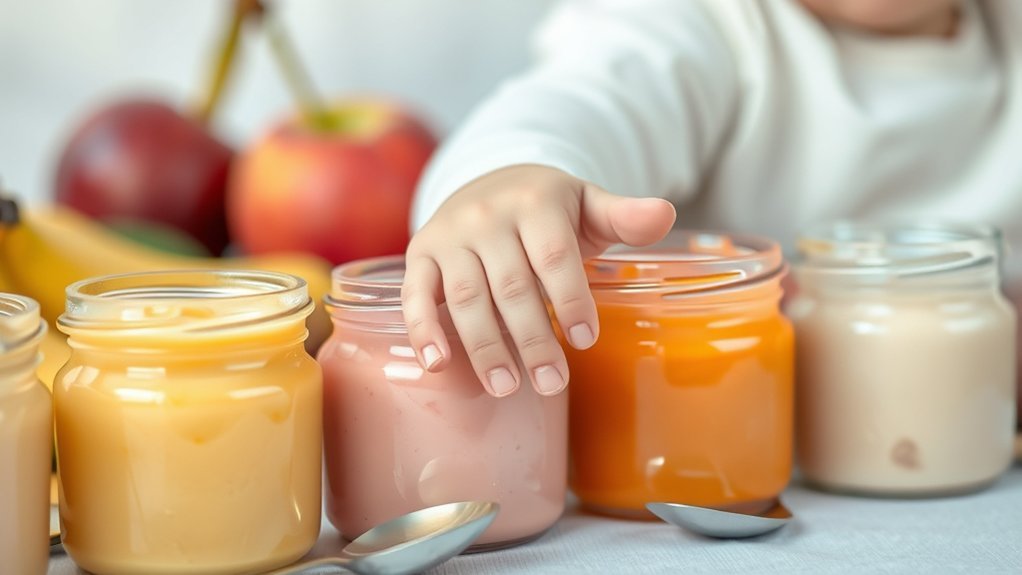
Babies generally respond positively to sweetness, which helps explain why banana, pear, apple, squash, and sweet potato are often accepted quickly. That natural preference does not mean foods need added sugar.
Offer naturally sweet foods as part of a varied diet, but continue serving less-sweet vegetables, grains, and proteins. A baby can try peas alone on one day and peas combined with potato or chicken on another. Routinely hiding every vegetable in a sweet fruit mixture may limit opportunities to learn the vegetable’s own flavor.
The CDC advises avoiding foods and drinks with added sugars for infants and young children. Do not sweeten baby food with table sugar, syrup, juice concentrate, artificial sweeteners, or honey.
Warning: Never give honey to a child younger than 12 months, even when it is cooked or mixed into food. Honey can contain spores that cause infant botulism.
How to Introduce New Foods to Your Baby
Most babies can begin complementary foods at about six months, once they show developmental readiness. The CDC does not recommend introducing solid food before four months.
Look for Readiness Signs
A baby who is ready for complementary food can usually:
- Sit alone or with support and maintain steady head and neck control.
- Bring objects toward the mouth.
- Open the mouth when food is offered.
- Swallow food rather than consistently pushing it back out.
Age alone is not enough. Ask your pediatrician for guidance if your baby was born prematurely or has developmental, swallowing, or growth concerns.
Start With Simple, Nutrient-Rich Foods
There is no required order for first foods. Include vegetables and fruits, but also offer iron-rich options such as iron-fortified infant cereal, meat, poultry, fish, egg, beans, lentils, and tofu in safe forms. Breast milk or correctly prepared infant formula remains an important source of nutrition during the transition.
Starting with single-ingredient foods can make it easier to identify a possible reaction. Current CDC guidance recommends allowing three to five days between new single-ingredient foods at first.
| Ingredient | Preparation | Optional Flavor |
|---|---|---|
| Sweet potato | Steam or roast until soft, then mash | A pinch of cinnamon |
| Apple or pear | Cook until soft, then mash | Cinnamon or ground cardamom |
| Carrot | Steam until very soft | A small pinch of ginger |
| Peas | Steam and mash or blend | Finely crushed basil |
| Lentils | Cook until very soft and mash | A pinch of cumin |
Use small culinary amounts of plain herbs and spices. Avoid hot pepper, seasoning blends with added salt, bouillon, and sauces high in sodium or sugar.
Progress Through Safe Textures
The CDC recommends letting children experience a variety of developmentally appropriate textures. Depending on the baby’s skills, these may include:
- Smooth strained or pureed food.
- Thicker mashed or lumpy food.
- Finely chopped or ground food.
- Soft finger foods prepared in safe shapes.
Do not remain with thin, perfectly smooth purees longer than necessary if your baby is ready to progress. Gradual texture changes help develop chewing and oral-motor skills, even before a baby has many teeth.
Observe Hunger and Fullness Cues
Use responsive feeding: you decide what safe food is offered and when, while your baby decides whether and how much to eat. Offer food slowly, talk calmly, and stop when fullness cues continue.
Possible hunger cues include leaning toward food, reaching, becoming excited, or opening the mouth. Fullness cues can include slowing down, turning away, closing the mouth, pushing food away, or losing interest.
How to Introduce Common Allergens
Once a baby is ready for complementary foods, allergenic foods can generally be introduced along with other foods. Delaying egg, peanut, dairy foods, sesame, fish, or other allergens has not been shown to prevent food allergy. The American Academy of Pediatrics provides current guidance on introducing common food allergens.
The nine major food allergens recognized in the United States are milk, egg, fish, crustacean shellfish, tree nuts, peanuts, wheat, soy, and sesame. Introduce them in developmentally safe forms, such as:
- Well-cooked egg mashed to a manageable texture.
- Thinned smooth peanut or tree-nut butter rather than a spoonful of sticky nut butter.
- Plain pasteurized yogurt rather than cow’s milk as the main drink before 12 months.
- Finely flaked, fully cooked fish with all bones removed.
- Soft tofu, well-cooked wheat foods, or thinned sesame paste.
Offer one new allergen at a time, earlier in the day when you can observe your baby. Once tolerated, continue including it regularly in an age-appropriate form rather than treating the first exposure as a one-time test.
Ask your pediatrician how to introduce peanut if your baby has severe eczema, egg allergy, or another condition that places them at higher allergy risk.
Warning: Stop feeding and seek medical advice for symptoms such as hives, facial swelling, repeated vomiting, or worsening cough. Trouble breathing, throat or tongue swelling, sudden limpness, widespread symptoms, or other signs of anaphylaxis require immediate epinephrine if prescribed and a call to 911. Antihistamines are not a substitute for epinephrine in anaphylaxis.
Creative Ways to Make Baby Food More Appealing
You do not need sugar, salt, or elaborate recipes to make baby food interesting. Variety can come from aroma, color, temperature, texture, and safe ingredient combinations.
| Flavor Pairing | Texture Idea | Color Combination |
|---|---|---|
| Peas with basil | Smooth, then lightly mashed | Peas and potato |
| Apple with cinnamon | Mashed with soft pieces | Apple and carrot |
| Lentils with cumin | Thick mash | Red lentil and squash |
| Plain yogurt with pear | Creamy with soft ripe fruit | Yogurt and berry mash |
| Chicken with thyme | Finely ground with soft vegetables | Chicken, carrot, and peas |
Serve familiar and less-familiar foods together without requiring your baby to eat either one. Avoid using dessert, praise, toys, or screen time as a reward for taking bites.
Tips for Encouraging Acceptance of Fruits and Vegetables
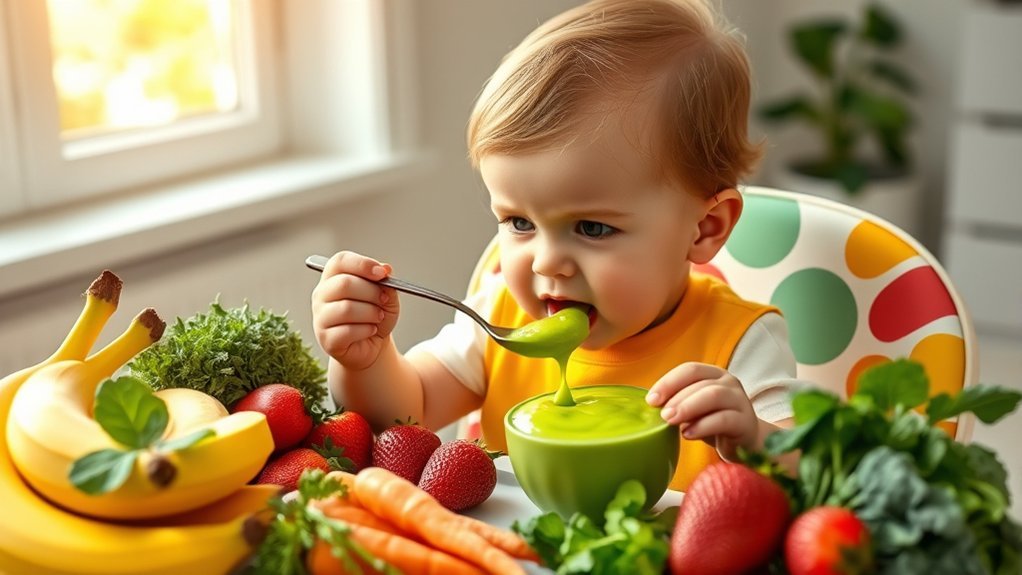
- Offer variety across the week: Rotate colors and food families rather than relying on one favorite puree.
- Repeat without pressure: Reoffer a refused food in a small amount on another day.
- Let vegetables taste like vegetables: Use fruit combinations sometimes, but also serve the vegetable alone.
- Change preparation: A baby may respond differently to roasted carrot, mashed carrot, and a soft carrot finger-food shape.
- Eat together when practical: Babies learn by watching trusted caregivers eat.
- Expect mess: Touching and smearing food are part of sensory learning.
- Respect fullness: Continuing after clear fullness cues can make meals stressful.
Do not measure success by the number of bites eaten at one meal. The larger goal is repeated, safe, and calm experience with a wide range of nutritious foods.
Why Early Flavor Exposure Is Important for Your Child
Flavor learning begins before a child eats a first spoonful and continues throughout infancy and toddlerhood. Early exposure can support familiarity with different vegetables, fruits, grains, proteins, herbs, and cultural foods. It influences later preferences, but it does not permanently determine them.
Continue offering variety as textures progress. Include nutrient-dense foods instead of focusing only on fruits and vegetables. Iron-rich foods are especially important around the time complementary feeding begins.
Organic certification is not a flavor-development requirement. Fresh, frozen, homemade, and commercially prepared foods can all contribute to a varied diet. Choose products without unnecessary added sugar or sodium, follow storage directions, and vary ingredients rather than depending heavily on one food.
Is Homemade Baby Food Better Than Store-Bought Food?
Neither option is automatically safer, healthier, or better tasting. Homemade food offers control over ingredients and texture. Commercial food offers convenience, consistent labeling, and controlled processing. Families can safely use either or combine both.
Homemade Baby Food Safety
- Wash hands, produce, utensils, blenders, cutting boards, and work surfaces.
- Keep raw meat, poultry, seafood, and eggs separate from ready-to-eat food.
- Cook animal foods thoroughly and remove all bones, skin, gristle, and hard pieces.
- Refrigerate freshly made baby food promptly in clean, covered containers.
- Do not return food from the baby’s bowl to the storage container after the spoon has touched the baby’s mouth.
- Reheat food evenly, stir it well, and test the temperature before serving.
The FDA advises discarding perishable baby food left without refrigeration for more than two hours. Its baby food-safety guidance also explains cleaning, transport, freezing, and reheating precautions.
Environmental Contaminants and Variety
Arsenic, lead, cadmium, and mercury can occur in soil, water, and food ingredients. This issue is not limited to one brand or to commercial food. The FDA’s Closer to Zero initiative is intended to reduce young children’s dietary exposure.
A practical response is to serve a varied diet rather than eliminating nutritious food groups or relying heavily on a single grain, root vegetable, snack, or puree. Follow recalls and speak with your pediatrician before imposing a restrictive diet.
Frequently Asked Questions
Can babies taste food differently than adults?
Babies detect the same basic taste categories, but they begin with different preferences and much less experience. They generally respond positively to sweetness and may react strongly to bitter or sour foods. Repeated exposure, aroma, temperature, texture, and family food habits help shape later acceptance.
How can I tell if my baby likes a food?
Interest may include opening the mouth, leaning forward, reaching, or accepting another bite. However, one successful or refused serving does not establish a lasting preference. Watch the baby’s overall pattern across several calm exposures and stop when fullness cues continue.
Does a funny face mean my baby dislikes the food?
Not necessarily. A grimace, squint, shiver, or wrinkled nose can reflect surprise at a new flavor, temperature, or texture. Give your baby time to respond and avoid forcing another bite. The response over repeated exposures is more informative than the first facial expression.
Are there allergens to be aware of in baby food?
Yes. Major allergens include milk, egg, fish, crustacean shellfish, tree nuts, peanuts, wheat, soy, and sesame. Introduce each in a developmentally safe form once your baby is ready for solids. Ask a pediatrician about peanut introduction if your baby has severe eczema, egg allergy, or another allergy risk.
Is homemade baby food safer than store-bought food?
No option is automatically safer. Homemade food can be safe when ingredients are washed, cooked, stored, and reheated correctly. Commercial food can also be safe when packaging is intact and storage directions are followed. Ingredient variety and good handling matter with both options.
When can I introduce herbs and spices?
Small culinary amounts of salt-free herbs and mild spices can be used when a baby begins complementary foods at about six months and is developmentally ready. Introduce simple seasonings gradually, and avoid hot pepper, salty blends, added sugar, and honey before 12 months.
What is the difference between gagging and choking?
Gagging is usually noisy and may include coughing, retching, or pushing food forward. Choking blocks the airway and may prevent a baby from breathing, coughing effectively, crying, or making sound. Choking requires immediate first aid and emergency assistance.
Conclusion
Baby food usually tastes milder than adult food, but mild does not mean meaningless to a developing palate. Your baby is learning about natural sweetness, bitterness, savory flavors, aromas, temperatures, and textures at the same time.
Do not judge a preference by one funny face or refused spoonful. Offer varied, nutrient-dense foods repeatedly without pressure, progress through safe textures, respect hunger and fullness cues, and follow allergen and choking precautions. Calm practice matters more than a perfectly clean bowl or a fixed number of bites.
Sources
- Centers for Disease Control and Prevention: When, What, and How to Introduce Solid Foods — readiness, timing, single-ingredient foods, and allergen introduction.
- Centers for Disease Control and Prevention: Tastes and Textures — texture progression and normal adjustment to new food textures.
- USDA Nutrition Evidence Systematic Review: Repeated Exposure and Early Food Acceptance — evidence on repeated exposure to fruits and vegetables.
- American Academy of Pediatrics: Introducing Common Food Allergens — timing and higher-risk infant considerations.
- Centers for Disease Control and Prevention: Foods and Drinks to Avoid or Limit — honey, added sugars, sodium, and infant food-safety limits.
- U.S. Food and Drug Administration: Food Safety Once Baby Arrives — preparation, cleaning, refrigeration, freezing, transport, and reheating.