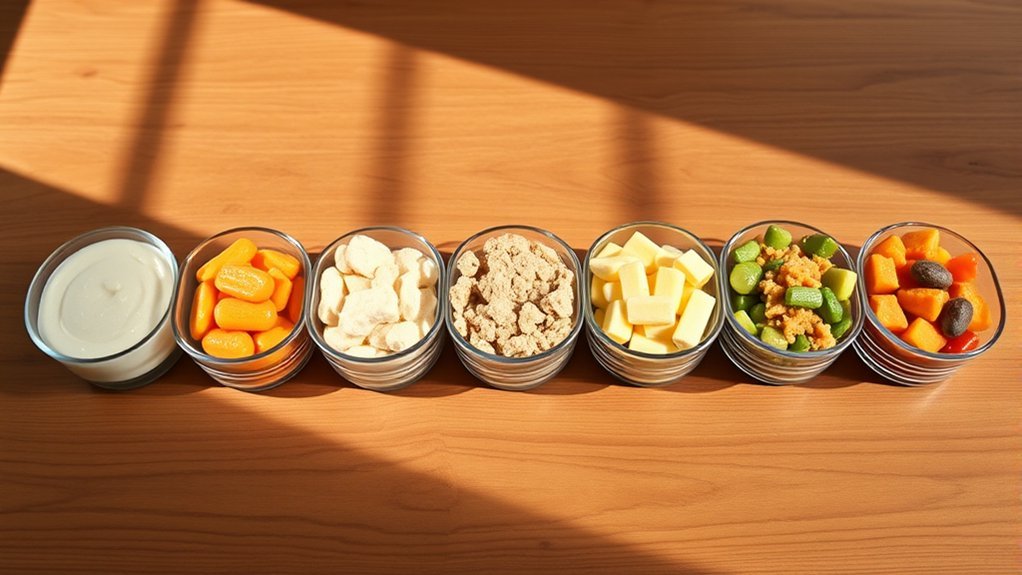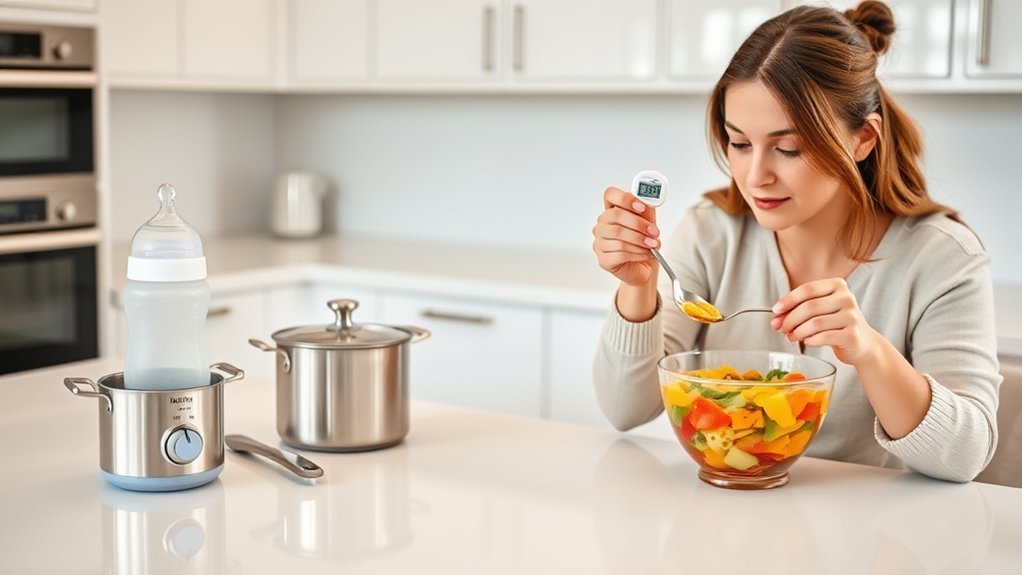
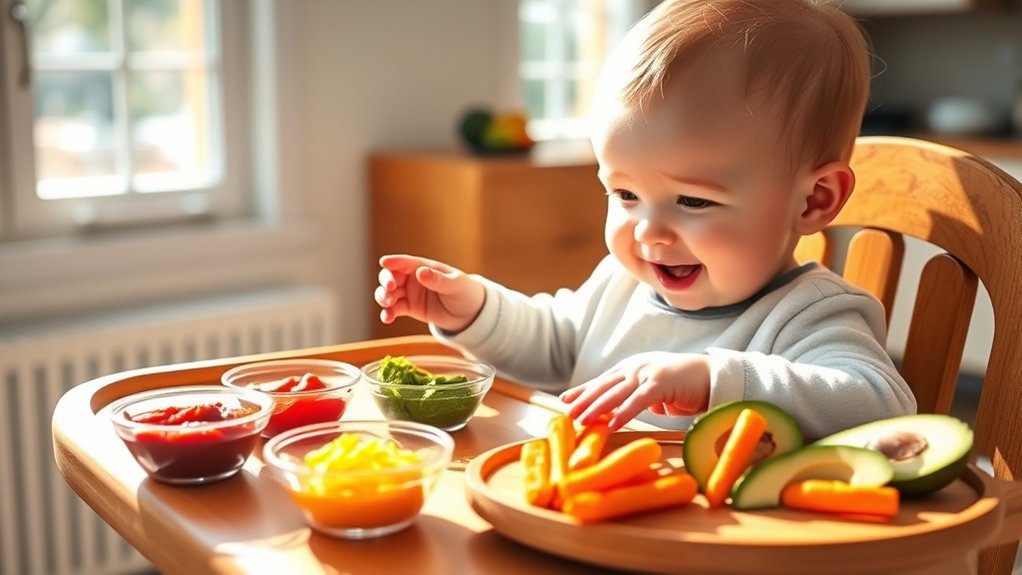
Combination feeding lets you use both responsive spoon-feeding and baby-led self-feeding as your baby learns to eat solids. Rather than choosing only purees or only finger foods, you can offer safe versions of both, follow your baby’s hunger and fullness cues, and gradually increase texture as their skills develop.
Quick Answer
Most babies can begin a combination of purees and soft finger foods at about 6 months, once they can sit upright with support, control their head and neck, grasp food, and swallow it. Use responsive spoon-feeding, offer iron-rich foods often, and prepare every finger food for the baby’s current skills.
Key Takeaways
- Start solids at about 6 months when your baby shows developmental readiness; do not rely on age alone.
- Combination feeding can include caregiver-fed purees, preloaded spoons, mashed foods, and soft finger foods in the same meal.
- Breast milk or iron-fortified infant formula remains the main source of nutrition through 12 months.
- Offer iron- and zinc-rich foods regularly, such as meat, eggs, beans, lentils, tofu, fish, or iron-fortified cereal.
- Combination feeding is not proven to prevent choking; safe preparation, upright seating, close supervision, and caregiver first-aid training are essential.
- Do not routinely delay common allergens. Introduce them in safe forms, with individual medical guidance for babies at higher allergy risk.
At a Glance
| Time Required | About 15–30 minutes per meal, plus food preparation |
| Difficulty | Beginner, with constant adult supervision |
| Tools Needed | Stable high chair with harness and foot support, baby-safe spoon, open or straw cup, fork or masher, and bib |
| Cost | Usually low; most meals can use safely prepared versions of family foods |
Note: This article provides general educational guidance. Ask your baby’s pediatrician for an individual plan if your baby was born prematurely, has poor growth, severe eczema, a known food allergy, low muscle tone, frequent coughing during meals, or difficulty chewing or swallowing.
What Is Combination Feeding and Why Choose It?
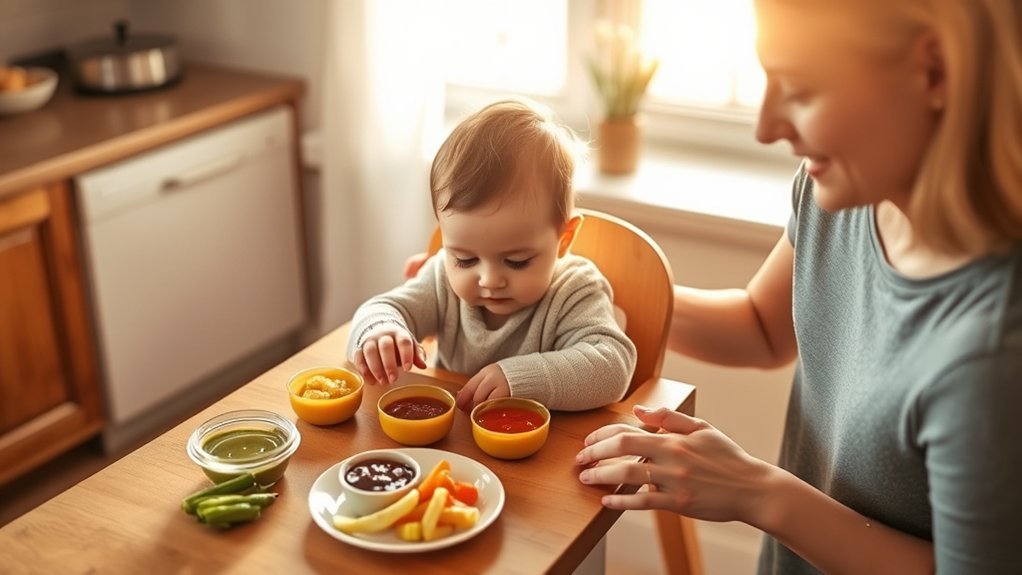
In this article, combination feeding means combining spoon-fed or spoon-assisted foods with baby-led self-feeding. The same term is sometimes used for feeding both breast milk and formula, so the meaning depends on the context.
A combination approach can be flexible. One meal might include meat-and-vegetable puree offered on a spoon, an avocado spear your baby holds, and a preloaded spoon of yogurt. At another meal, your baby may prefer mostly mashed food. Neither method has to be used at every meal.
Offering different tastes and developmentally appropriate textures can help babies practice grasping, bringing food to their mouths, moving food around the mouth, and chewing. The Centers for Disease Control and Prevention recommends gradually moving from smooth foods to mashed, lumpy, finely chopped, and ground textures as a child’s eating skills develop.
Combination feeding can also help caregivers cover nutritional gaps that may arise when a baby self-selects mostly fruit or vegetables. However, it does not guarantee adequate nutrition, prevent picky eating, or eliminate choking risk. Food selection, preparation, supervision, and responsive feeding still matter.

Power your essentials anywhere with a 999Wh pure sine wave power station delivering up to 1000W continuous with 2000W surge. It supports fast charging via USB-C PD 60W and USB-A QC 18W, plus simultaneous output for multiple devices through AC, USB, wireless, and car/DC ports. Recharge using AC, car, or solar with a built-in MPPT controller and dual cooling fans, while the upgraded battery management system protects against surges, short circuits, and overheating.
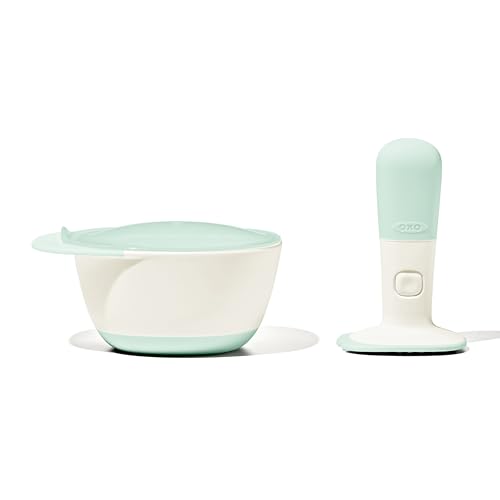
Helps you turn fruit, veggies and more into instant baby food

Create fresh, healthy baby food for your from your home: Prep, mash, store, and feed - all from the same bowl
When Is a Baby Ready for Combination Feeding?
The CDC recommends introducing solid foods at about 6 months. Starting before 4 months is not recommended. Look for several readiness signs together:
- Your baby can sit upright alone or with support.
- Your baby has steady head and neck control.
- Your baby opens their mouth when food is offered.
- Your baby brings hands and objects to their mouth.
- Your baby reaches for or tries to grasp food.
- Your baby moves food from the front of the mouth toward the back and swallows it instead of pushing it straight out.
Interest in your food is useful, but it is not enough by itself. A baby who cannot remain upright or control their head is not ready for finger foods, even if they watch others eat.
Warning: Never feed a baby while they are lying down, crawling, walking, riding in a moving car, or sitting in a reclined seat. Use a stable, upright high chair, secure the harness, keep the baby within arm’s reach, and watch continuously.
How to Start Combination Feeding Step by Step
1. Set Up a Safe Feeding Position
Seat your baby upright in a stable high chair. A supported footrest can improve stability. Wash your hands, clean the eating surface, and remove distractions so you can watch your baby closely.
2. Begin With a Small Amount
Start with a few tastes once a day when your baby is alert and not overly hungry or tired. A small amount may be one or two spoonfuls plus one or two pieces of soft finger food. The goal at first is skill-building and exploration, not finishing a serving.
3. Include an Iron-Rich Food
Build the meal around a soft iron- or zinc-rich food. Options include:
- Pureed, mashed, shredded, or finely ground beef, chicken, turkey, or lamb
- Flaked low-mercury fish with all bones removed
- Mashed beans, lentils, or chickpeas
- Tofu strips or mashed tofu
- Well-cooked egg
- Iron-fortified infant oatmeal or multigrain cereal
Pair plant-based iron foods with a vitamin C source, such as soft broccoli, strawberries, tomato, mango, or sweet potato.
4. Offer One Assisted Food and One Self-Fed Food
You might offer lentil puree on a spoon while placing a soft broccoli floret on the tray. You can also load a baby-safe spoon and let your baby bring it to their mouth. There is no need to alternate spoonfuls and finger foods in a fixed pattern.
5. Use Responsive Spoon-Feeding
Hold the spoon near your baby’s mouth and wait for them to lean forward or open. Let them close their lips around the spoon rather than scraping food onto the upper lip or pushing the spoon deep into the mouth.
Pause when your baby turns away, closes their mouth, pushes food aside, becomes distracted, arches, or loses interest. Do not pressure them to take “one more bite.”
6. Increase Texture Gradually
Move beyond perfectly smooth purees as your baby’s skills improve. Offer thicker mashes, soft lumps, finely shredded foods, and safe finger foods. Remaining on thin purees for too long gives your baby fewer chances to practice chewing and handling texture.
Texture and Food Guide for Combination Feeding
The following ages are approximate. Your baby’s posture, grasp, chewing, and swallowing skills should guide progression.
| Approximate Stage | Spoon-Fed or Preloaded-Spoon Foods | Self-Fed Foods |
|---|---|---|
| Starting solids, often around 6 months | Smooth or mashed foods that hold on a spoon, such as meat puree, lentil mash, infant oatmeal, yogurt, or mashed beans | Very soft, finger-length pieces such as avocado spears, ripe banana, soft-cooked broccoli florets, omelet strips, or tender shredded meat |
| Developing chewing and grasping skills | Thicker mashed or lumpy foods, minced meat in sauce, mashed fish, cottage cheese, or soft porridge | Soft strips, wedges, shreds, and large pieces the baby can grip; begin smaller pieces when a pincer grasp develops |
| Later infancy, often 9–12 months | Chopped family foods, thick dips, rice dishes, soft casseroles, and foods the baby can scoop with a spoon | Soft bite-size pieces, quartered soft fruit, small pasta, flaked fish, diced tofu, and tender chopped vegetables |
Use a fork test before serving a finger food: it should squash easily between a fork and the plate or between your thumb and finger. Remove bones, pits, tough skins, hard seeds, and fibrous pieces.
Tips for Balancing Purees and Finger Foods
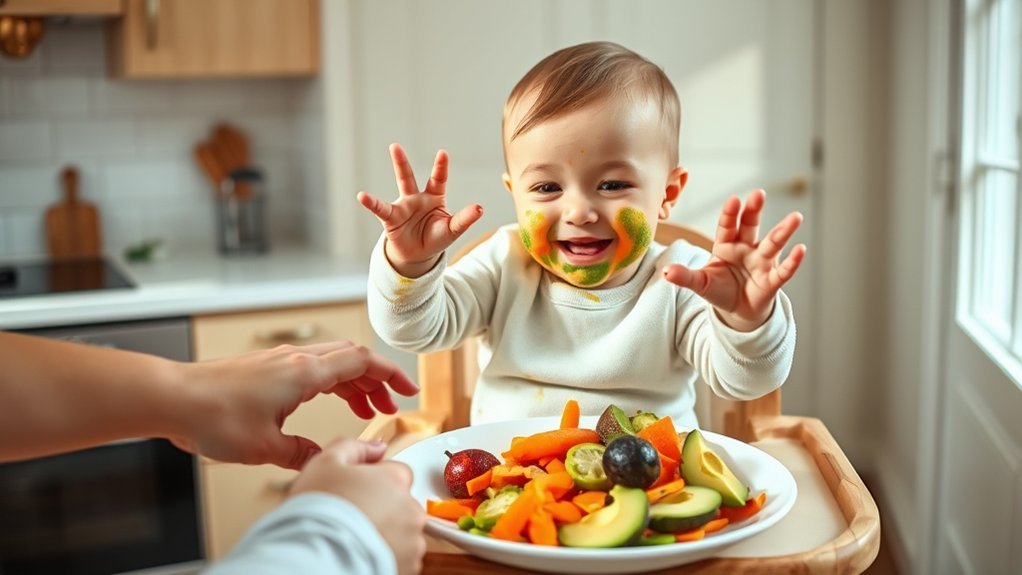
There is no required ratio of puree to finger food. Use the balance that works for your baby’s skills, appetite, and energy that day.
- Serve both at the same meal. Offer an iron-rich puree or mash beside one or two soft finger foods.
- Use thick foods as dips. Hummus without excess salt, yogurt, mashed beans, or vegetable puree can add moisture to toast strips, soft pancakes, or cooked vegetables.
- Offer preloaded spoons. Place a small amount of oatmeal, yogurt, mashed avocado, or lentils on a short baby-safe spoon and let your baby grasp it.
- Repeat foods without pressure. A baby may need many calm exposures before accepting a new taste or texture.
- Change one feature at a time. When a food is accepted as a smooth puree, try it mashed, then lumpy, then as a safe finger food.
- Let the meal end when your baby is finished. Follow fullness cues rather than a target number of bites.
Pro Tip: Set aside your baby’s portion before adding extra salt, honey, hot sauce, or hard garnishes to the family meal. This makes combination feeding easier without requiring a separate menu.
Sample Puree and Finger-Food Combinations
These examples are flexible ideas rather than required menus or serving sizes:
- Breakfast: Iron-fortified oatmeal on a spoon, a preloaded spoon of plain yogurt, and a ripe pear wedge cooked until soft
- Egg meal: Mashed egg mixed with avocado plus a soft omelet strip
- Lentil meal: Thick lentil and sweet-potato puree with a soft broccoli floret
- Meat meal: Beef and vegetable puree with tender shredded beef and a soft-cooked carrot spear
- Fish meal: Mashed salmon and potato with a soft avocado spear
- Bean meal: Mashed black beans with soft tortilla strips and ripe tomato with the firm skin removed as needed
- Snack or mini-meal: Plain full-fat yogurt on a preloaded spoon with very soft ripe fruit
Continue offering breast milk or iron-fortified infant formula according to your baby’s usual routine. The current Dietary Guidelines for Americans, 2025–2030 states that breast milk or infant formula remains the main source of infant nutrition through 12 months while solids are introduced.
Nutrition Priorities for Combination Feeding
Iron and Zinc
Include an iron- or zinc-rich food regularly, especially for babies who receive breast milk. Purees can make meat, beans, and lentils easier to offer, while shredded meat, omelet strips, tofu, and soft patties allow self-feeding practice.
Energy and Healthy Fats
Babies have small stomachs. Include energy-rich foods such as avocado, egg, full-fat plain yogurt, oily low-mercury fish, smooth nut or seed butter thinned to a safe consistency, and olive oil mixed into mashed foods.
Variety
Offer foods from different groups across the week: vegetables, fruits, protein foods, dairy foods, and whole grains. No single meal must be perfectly balanced.
Breast Milk or Infant Formula
Solids complement rather than immediately replace milk feeds. Breast milk or iron-fortified infant formula should remain the main beverage and nutrition source until 12 months. Do not replace it with cow’s milk, plant beverages, juice, or homemade formula during the first year.
The goal is not to make every bite baby-led or spoon-fed. The goal is to offer safe, nutrient-dense food while allowing your baby to participate and stop when full.
Finger-Food Safety: Gagging and Choking
Gagging and choking are not the same. Gagging is a protective reflex that may happen while a baby learns to manage food. It is often noisy and may involve coughing, sputtering, or pushing food forward.
Choking happens when food blocks the airway. A choking baby may be unable to breathe, cry, or cough effectively and may become silent or change color.
Warning: If your baby cannot breathe, cry, or cough, treat it as an emergency. Call 911 and provide age-appropriate choking first aid if you have been trained. Do not blindly sweep a finger inside the baby’s mouth. Before offering finger foods, take an infant CPR and first-aid course and review the American Academy of Pediatrics choking-prevention guidance.
To reduce choking hazards:
- Keep your baby upright and secured in a high chair.
- Watch continuously and stay within reach.
- Keep meals calm and free from toys or screens.
- Cook hard fruits and vegetables until soft.
- Quarter grapes and small tomatoes lengthwise before serving them to an older baby who can manage small pieces.
- Shred or finely chop tough meat and remove every bone.
- Spread nut butter thinly or mix it into yogurt, cereal, puree, or water to create a safe consistency.
- Avoid whole nuts, popcorn, hard raw vegetables, hard fruit pieces, spoonfuls of nut butter, chunks of cheese, sausages, and round coin-shaped slices.
See the CDC’s full list of choking hazards for infants and young children.
Introducing Common Food Allergens
Combination feeding can make allergens easy to introduce in different safe textures. For example, you can mix smooth peanut butter into warm water, breast milk, formula, yogurt, or oatmeal until it is thin enough to swallow. Egg can be served mashed or as a soft omelet strip.
Potentially allergenic foods include peanut, egg, cow’s-milk products, sesame, wheat, soy, fish, shellfish, and tree nuts. Introduce one allergen at a time in a small amount when your baby is healthy and you can observe them. Once a food is tolerated, continue offering it in an age-appropriate form as part of the normal diet.
A baby with severe eczema, an existing egg allergy, or a previous immediate food reaction may need testing, supervised feeding, or a specific peanut-introduction plan. Discuss this with the baby’s pediatrician or allergist before introduction.
Possible allergic-reaction symptoms include hives, swelling, repeated vomiting, coughing, wheezing, trouble breathing, sudden unusual sleepiness, limpness, or pale or bluish skin. The American Academy of Pediatrics advises using prescribed epinephrine immediately for anaphylaxis and then calling 911. Antihistamines do not replace epinephrine for a severe reaction.
Foods and Drinks to Avoid or Limit
Common allergens should not be confused with foods that are unsafe for infants. According to the CDC’s current infant-feeding guidance, avoid or limit the following:
- Honey before 12 months: Honey can cause infant botulism, including when it is cooked or mixed into another food.
- Unpasteurized foods and drinks: Avoid raw milk, unpasteurized juice, and cheeses or yogurt made from unpasteurized milk.
- Raw or undercooked animal foods: Fully cook eggs, meat, poultry, fish, and shellfish.
- Cow’s milk as a drink before 12 months: Pasteurized yogurt and cheese may be offered earlier, but cow’s milk should not replace breast milk or formula.
- Juice before 12 months: Whole fruit is a better option.
- Added sugars and high-sodium foods: Babies have limited room for foods that provide calories without needed nutrients.
- High-mercury fish: Avoid shark, swordfish, king mackerel, marlin, orange roughy, Gulf of Mexico tilefish, and bigeye tuna.
- Choking hazards: Avoid whole nuts, popcorn, uncut grapes, hard raw vegetables, tough meat chunks, hard candy, and thick globs of nut or seed butter.
Potential Benefits and Limits of Baby-Led Weaning
Baby-led weaning gives babies opportunities to handle food, practice self-feeding, and experience different textures. Responsive feeding may also help babies pay attention to hunger and fullness cues because the caregiver does not pressure them to finish.
However, the American Academy of Pediatrics notes that research on BLW’s health benefits remains limited. Claims that BLW prevents obesity, eliminates picky eating, or guarantees better appetite regulation are not established.
Strict baby-led feeding can also make it harder for some babies to consume enough energy, iron, or zinc. Combining safe self-fed foods with nutrient-dense purees or mashed foods can make those nutrients easier to provide, but caregivers should still monitor the overall diet and the baby’s growth.
Addressing Common Concerns in Combination Feeding
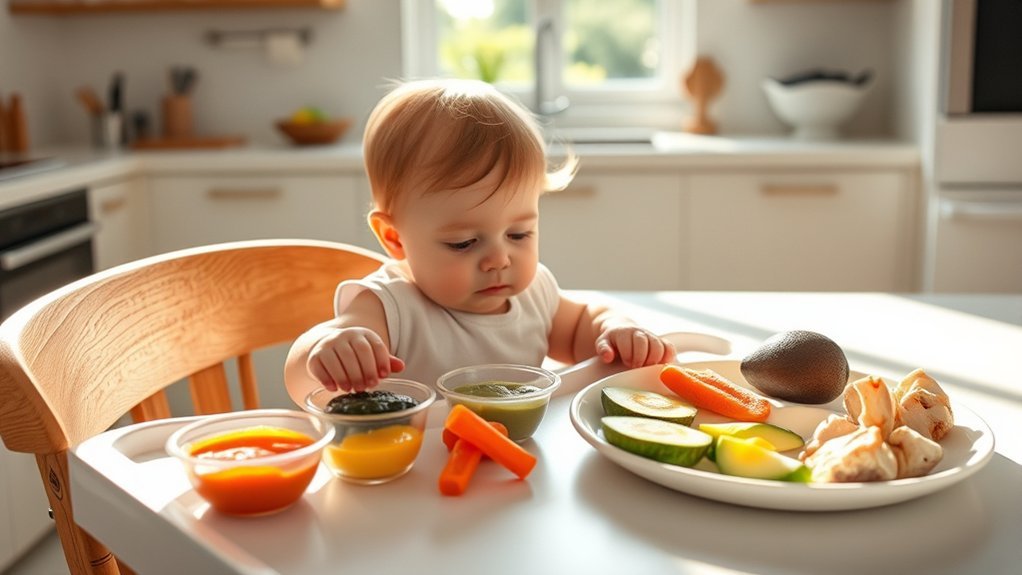
My Baby Prefers Purees
Continue offering safe finger foods without pressure. You can gradually thicken familiar purees, leave soft lumps, offer a preloaded spoon, or place a finger-food version of the same ingredient beside the puree.
My Baby Refuses the Spoon
Let your baby hold a second spoon or use a preloaded spoon. Try thicker foods that stay on the utensil. A baby who turns away or closes their mouth may simply be finished.
My Baby Eats Very Little
Small amounts are normal at first. Continue usual breast-milk or formula feeds, offer solids regularly without pressure, and watch growth over time rather than judging one meal. Contact the pediatrician if intake remains very low, wet diapers decrease, or growth is a concern.
My Baby Gags Frequently
Occasional gagging can happen during texture learning. Check that the food is soft, the baby is upright, and the pieces match their skills. Seek professional advice if gagging is severe, happens at nearly every meal, causes repeated vomiting, or prevents texture progression.
My Baby Coughs or Has a Wet-Sounding Voice During Meals
Repeated coughing, choking, breathing changes, watery eyes during swallowing, a wet or gurgly voice, or frequent chest infections can signal a swallowing problem. Stop advancing textures and contact the pediatrician. A feeding or swallowing evaluation may be needed.
My Baby Becomes Constipated
Continue breast milk or formula and offer foods with fiber and moisture, such as pears, prunes, peaches, beans, lentils, vegetables, or oatmeal. Small amounts of water can be offered in a cup with meals after solids begin. Contact the pediatrician for blood in the stool, vomiting, a swollen abdomen, severe pain, or ongoing constipation.
Frequently Asked Questions
How do I know when my baby is ready for combination feeding?
Most babies are ready at about 6 months when they can sit upright alone or with support, maintain head and neck control, bring objects to the mouth, grasp food, open for a spoon, and swallow food instead of immediately pushing it out.
Can combination feeding help prevent food allergies?
The feeding method itself does not prevent allergies. Introducing common allergens in safe, age-appropriate forms once a baby is ready for solids may lower the risk of some allergies, especially peanut allergy. Babies with severe eczema, egg allergy, or a previous reaction need individualized medical guidance.
What age should I start introducing finger foods?
Safe finger foods may be introduced at about 6 months when the baby meets the readiness signs. Start with very soft, finger-length pieces that are easy to grasp and move to smaller pieces after a pincer grasp develops.
How can I ensure my baby is getting enough nutrients?
Continue breast milk or iron-fortified formula as the main nutrition source through 12 months. Offer iron- or zinc-rich food regularly, include energy-rich foods and healthy fats, provide produce and grains across the week, and keep routine growth appointments.
Are there specific foods to avoid during combination feeding?
Avoid honey before 12 months, unpasteurized foods, raw or undercooked animal foods, high-mercury fish, added sugars, excess sodium, and choking hazards. Do not routinely avoid common allergens unless your baby has a diagnosed allergy or a clinician gives different instructions.
Can I spoon-feed and still follow baby-led principles?
Yes. Offer the spoon and wait for your baby to open or lean forward. Pause when they turn away, close their mouth, or lose interest. You can also use preloaded spoons so your baby participates directly.
How often should I offer solids?
Many families begin with one small meal a day and gradually add meals as the baby becomes interested and skilled. Follow hunger and fullness cues while continuing the baby’s normal breast-milk or formula routine.
Conclusion
Combination feeding with purees and baby-led weaning can be a practical way to introduce solids without committing to one rigid method. Begin at about 6 months when your baby is developmentally ready, keep breast milk or formula central, offer iron-rich foods, and progress through textures at your baby’s pace.
The safest approach is responsive rather than forceful: prepare every food for your baby’s current skills, keep them upright, supervise every bite, and stop when they show fullness. Seek pediatric or feeding-specialist guidance when allergy risk, swallowing difficulty, poor growth, prematurity, or repeated choking complicates the plan.
Sources
- Dietary Guidelines for Americans, 2025–2030 — infant readiness, allergen introduction, nutrient-dense foods, and the role of breast milk or infant formula
- CDC: When, What, and How to Introduce Solid Foods — starting age, developmental readiness, textures, and allergen introduction
- CDC: Choking Hazards — safe positioning, supervision, food preparation, and choking-hazard examples
- CDC: Foods and Drinks to Avoid or Limit — honey, unpasteurized foods, added sugars, sodium, juice, cow’s milk, and high-mercury fish
- American Academy of Pediatrics: Baby-Led Weaning—Is It Safe? — possible benefits, nutritional limitations, readiness, and finger-food safety
- American Academy of Pediatrics: Food Allergies in Children — allergen introduction, reaction symptoms, and emergency treatment