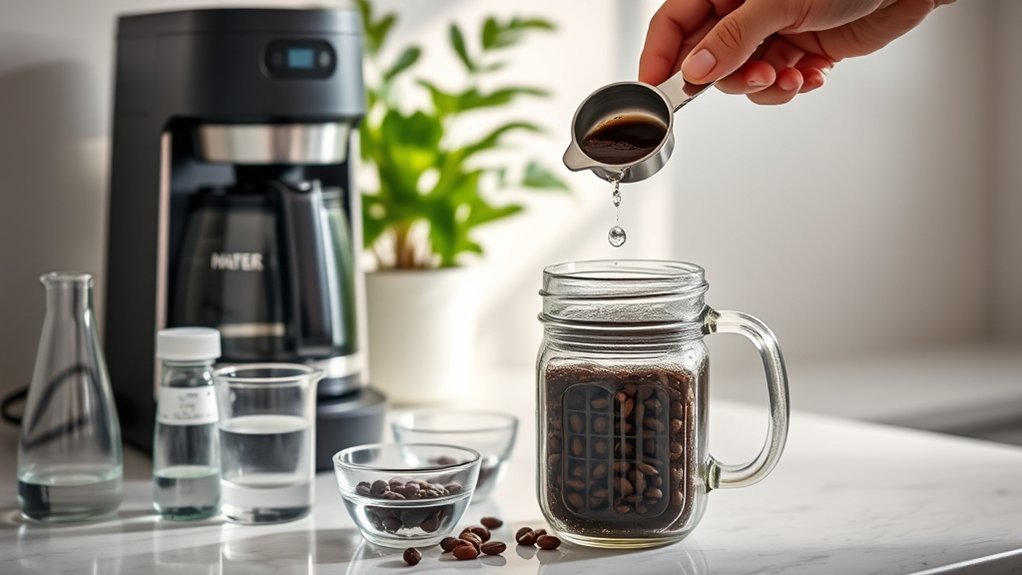
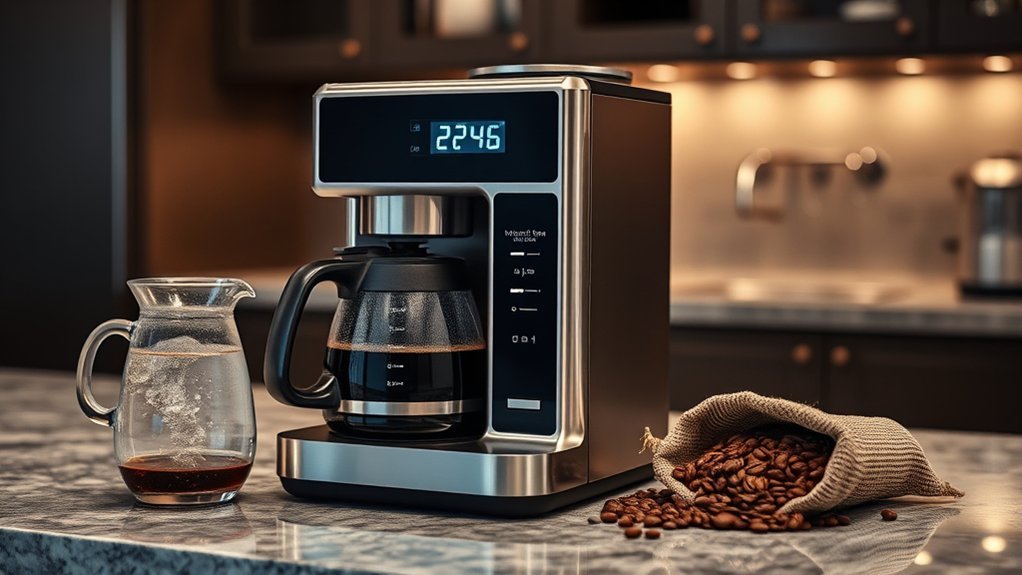
A hot and cold brew coffee maker can prepare hot coffee and at least one chilled coffee style from the same appliance. However, the label can be confusing. Some machines brew concentrated coffee over ice, some actively cool hot-brewed coffee, and others use a faster cold-extraction program. Understanding the brewing method is the key to choosing the right machine.
Quick Answer
A hot and cold brew coffee maker is a multi-mode appliance that makes hot coffee plus iced, actively chilled, or rapid cold-brew-style coffee. Features vary widely by model. Before buying, check whether the machine uses pods or grounds, whether it makes true cold brew, and how long its chilling or extraction process takes.
Key Takeaways
- “Cold” can mean coffee brewed over ice, hot coffee cooled by a chilling system, or coffee extracted with cooler water.
- Chill tanks, automatic cold rinses, and 6- to 12-ounce sizes are model-specific features rather than category standards.
- Check whether a machine accepts pods, loose grounds, reusable filters, travel mugs, or full carafes.
- Traditional cold brew takes hours, while newer rapid systems can shorten the process substantially.
- Cleaning access, descaling requirements, fan noise, cold-system recharge time, and ongoing coffee costs matter as much as brewing speed.
At a Glance
| Time Required | A few minutes for most hot or iced modes; about 10–15 minutes for some rapid cold-brew programs; several hours for traditional cold brew |
| Difficulty | Easy once you match the coffee, grind, water, cup, and program to the machine |
| Tools Needed | Compatible coffee grounds or pods, fresh water, a mug or carafe, and ice when required |
| Cost | Varies by model; include pods or beans, filters, descaling supplies, and replacement accessories in the ownership cost |
What Is a Hot and Cold Brew Coffee Maker?
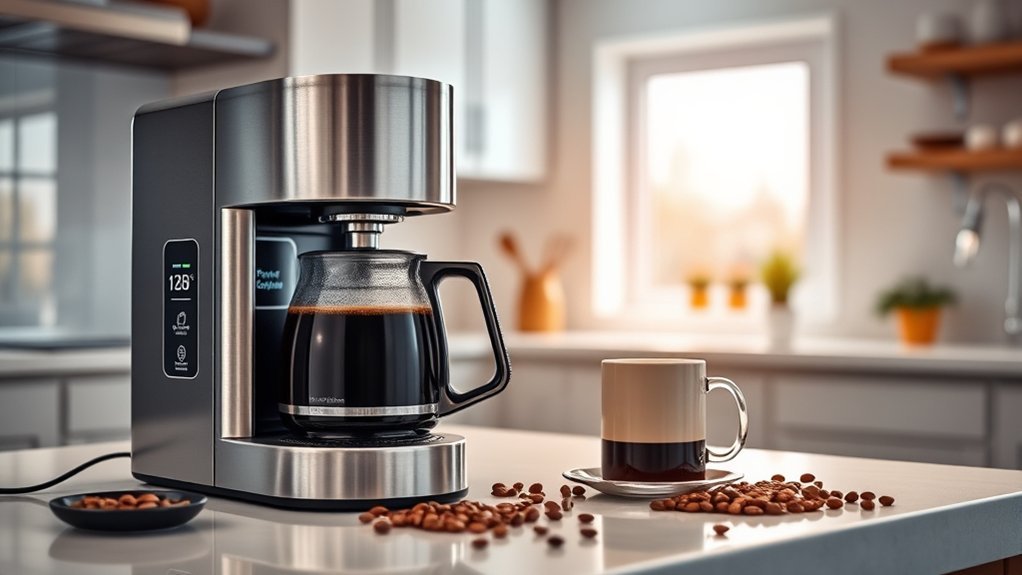
A hot and cold brew coffee maker is a countertop appliance with programs for hot coffee and one or more cold-serving options. It may be a single-serve pod brewer, a grounds-based drip machine, a carafe brewer, a bean-to-cup system, or a combination of those designs.
There is no single standard that all machines follow. A “cold” button may tell the machine to:
- Brew a smaller, stronger serving directly over ice.
- Brew coffee hot and pass it through an active cooling system.
- Use a lower-temperature or accelerated extraction program.
- Prepare a concentrate that you dilute before drinking.
Pro Tip: Do not rely on the words “cold brew” or “iced” alone. Read the manufacturer’s description to learn whether the coffee is extracted cold, brewed hot over ice, or brewed hot and actively chilled.
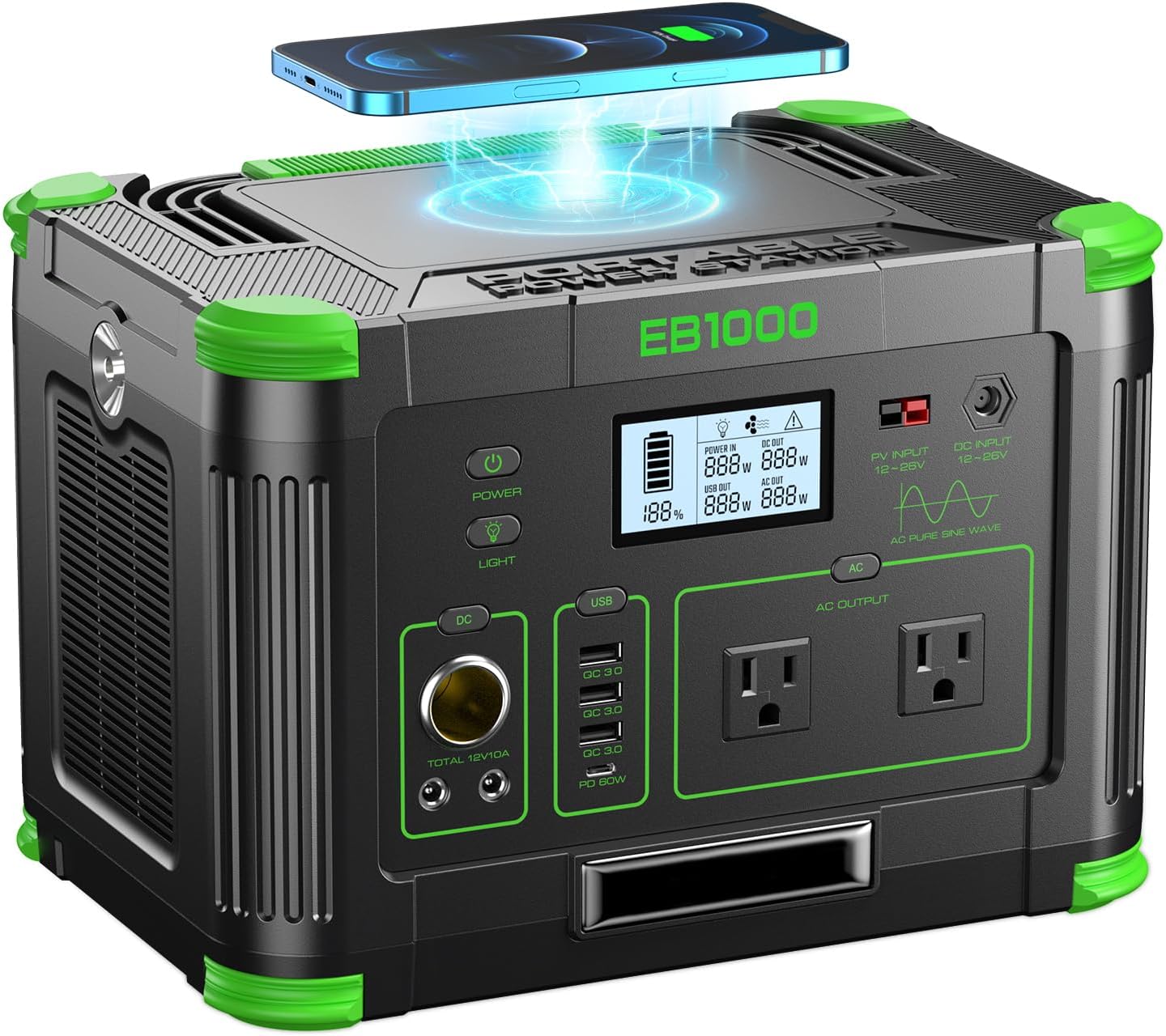
Power your essentials anywhere with a 999Wh pure sine wave power station delivering up to 1000W continuous with 2000W surge. It supports fast charging via USB-C PD 60W and USB-A QC 18W, plus simultaneous output for multiple devices through AC, USB, wireless, and car/DC ports. Recharge using AC, car, or solar with a built-in MPPT controller and dual cooling fans, while the upgraded battery management system protects against surges, short circuits, and overheating.

4 BREW STYLES: Select from Classic, Rich, Over Ice, and Cold Brew for coffee any way you like it.

【⚠️ Important Usage Warning】: Do not pour boiling water directly into the container; the maximum safe operating temperature is 60°C (140°F). Avoid drastic sudden temperature shifts to stop cracking damage.
Cold Brew, Iced Coffee, and Quick-Chilled Coffee Are Different
The drinks may look similar in a glass, but their preparation methods are not the same.
| Drink or Method | How It Is Made | Typical Time |
|---|---|---|
| Iced or over-ice coffee | Coffee is extracted with hot water, usually at a stronger concentration, and brewed over ice. | A few minutes |
| Quick-chilled coffee | Coffee is brewed hot and then cooled inside the appliance before entering the cup. | A few minutes |
| Traditional cold brew | Coarsely ground coffee steeps in cool or room-temperature water before filtration. | Several hours, often overnight |
| Rapid cold brew | The machine accelerates extraction with controlled flow, agitation, pressure, spinning, or another proprietary process. | Model-dependent; some current systems take about 10–15 minutes |
The National Coffee Association’s brewing guide treats cold brew as its own brewing method, separate from standard drip coffee. By contrast, an active-chill machine such as the Keurig K-Brew+Chill brews the coffee hot and then cools it through its chilling system.
Note: A hot-extracted drink can still make excellent iced coffee. It simply should not be confused with traditional cold brew, because extraction temperature affects the process, timing, and flavor.
How Does a Hot and Cold Brew Coffee Maker Work?
The exact process depends on the machine. Most combination brewers use one or more of the following systems.
Hot Coffee Mode
The machine heats water, moves it through coffee grounds, and dispenses the brewed coffee into a cup or carafe. A common reference range for filter-coffee extraction is approximately 195°F to 205°F, although the temperature in your finished cup will be lower. Research discussing Specialty Coffee Association guidance places normal water-contact temperatures near this range.
The machine may adjust flow rate, water volume, pre-infusion, or contact time when you choose a rich or strong setting. A strong button does not add caffeine by itself; it changes how the available coffee and water interact.
Over-Ice Mode
An over-ice program usually brews less water or a more concentrated serving so melting ice does not make the drink taste weak. You normally place a cup filled with ice beneath the outlet before starting the cycle.
This method is fast and simple, but it does not keep all of the ice from melting. Cup size, ice quantity, brew volume, and the temperature of the cup all affect dilution.
Active-Chilling Mode
An active-chill machine first extracts the coffee with hot water and then cools the liquid inside the appliance. The Keurig K-Brew+Chill support guide, for example, describes QuickChill technology, a separate chill tank, 6-, 8-, 10-, and 12-ounce selections, and an automatic rinse after a cold cycle.
This design can produce a cold drink without brewing directly onto a full cup of ice. However, its cooling system needs time to charge, adequate ventilation, and periodic model-specific care.
Rapid Cold-Brew Mode
A rapid cold-brew program speeds up a process that normally takes hours. The method differs by brand. Some machines control water flow and contact time, while others use agitation or centrifugal force.
For example, the current Ninja Hot & Iced XL Coffee Maker with Rapid Cold Brew uses grounds and offers single-cup through carafe sizes. Ninja states that its rapid cold-brew setting can make a serving in approximately 10–15 minutes.
Key Features to Compare
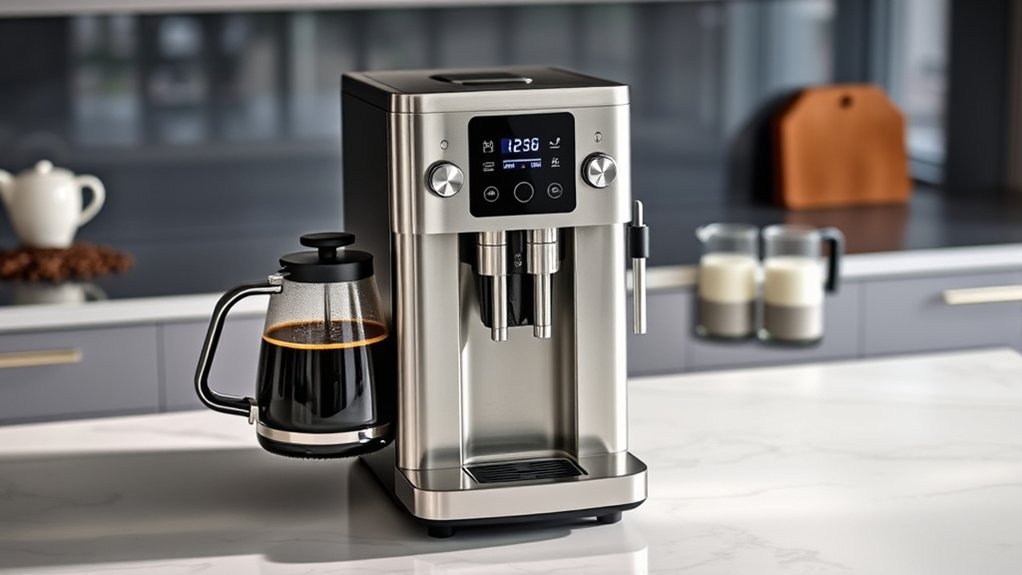
The most useful machine is not necessarily the one with the longest feature list. Focus on the functions that match how you actually drink coffee.
| Feature | Why It Matters | What to Check |
|---|---|---|
| Cold-coffee method | Determines flavor, speed, dilution, and whether ice is required. | Over ice, active chill, rapid extraction, or traditional steeping |
| Coffee compatibility | Controls your coffee choices and ongoing cost. | Pods, reusable pods, loose grounds, whole beans, or multiple formats |
| Brew sizes | Affects strength and compatibility with your cups. | Small cups, travel mugs, partial carafes, and full carafes |
| Cooling capacity | Active-chill systems may become warmer after consecutive drinks. | Initial charge time, recharge time, and consecutive cold servings |
| Cleaning access | Coffee oils and mineral scale can affect flow and taste. | Removable reservoir, dishwasher-safe parts, rinse cycle, and descale alert |
| Footprint and noise | Cooling fans, grinders, and larger reservoirs add size and sound. | Height beneath cabinets, side clearance, fan settings, and grinder noise |
Why Choose a Hot and Cold Brew Coffee Maker?
A combination machine can replace two appliances and make it easier to switch between a hot morning cup and an afternoon iced drink. It is most useful when several people in the home prefer different coffee styles or when your own habits change with the season.
Main Benefits
- One countertop appliance: You do not need separate hot and cold machines.
- Faster chilled drinks: Over-ice and active-chill modes avoid an overnight wait.
- Flexible serving sizes: Depending on the model, you may brew a small cup, travel mug, or carafe.
- Adjustable strength: Rich, strong, specialty, and concentrate settings can help offset ice dilution.
- More coffee choices: Some systems accept pods and grounds, while others grind whole beans automatically.
Main Tradeoffs
- Combination machines are often larger and more complex than a basic drip brewer.
- Cooling systems may use fans, require ventilation, and need charging time.
- Pod systems create an ongoing cost unless a compatible reusable filter is available.
- Rapid cold brew may not taste identical to a traditional overnight immersion.
- More water paths, valves, and removable parts can mean more cleaning.
Examples of Hot and Cold Coffee Maker Designs
Brand names alone do not tell you how the cold drink is made. Compare the individual model and its brewing method.
Keurig K-Brew+Chill
This single-serve machine accepts K-Cup pods and is compatible with Keurig’s reusable My K-Cup filter. It brews coffee hot and then cools cold selections through its QuickChill system. Its official guide lists 6-, 8-, 10-, and 12-ounce sizes, a strong option, a cold-system auto-rinse, and a chill tank that must charge for best cooling performance.
This design suits someone who values pod convenience and wants a cold drink without brewing directly over a full cup of ice. It is less suitable for someone who wants a full carafe or a traditional overnight cold-brew concentrate.
Ninja Hot, Iced, and Rapid Cold Brew Machines
Ninja offers several different designs. Some DualBrew models accept grounds and pods and make concentrated coffee over ice. Other grounds-based machines brew from a single cup through a full carafe. The CM371 adds a Rapid Cold Brew setting that Ninja says can prepare cold brew in approximately 10–15 minutes.
Because these machines use different processes, confirm that the model you are considering has the exact cold-coffee mode you want. An “Over Ice” setting is not the same as a Rapid Cold Brew setting.
Spinn Coffee Makers
Spinn machines combine a built-in grinder with centrifugal brewing and offer programs for coffee, espresso, and cold-brew-style drinks. They are aimed at people who want whole-bean convenience and automated drink settings rather than pods.
Check the current model, supported recipes, maintenance requirements, app functions, and availability before buying, because product configurations can change.
Note: Prices and promotions change frequently. Compare the current machine price along with the cost of pods, beans, filters, descaler, and replacement accessories.
How to Get Better Hot Coffee
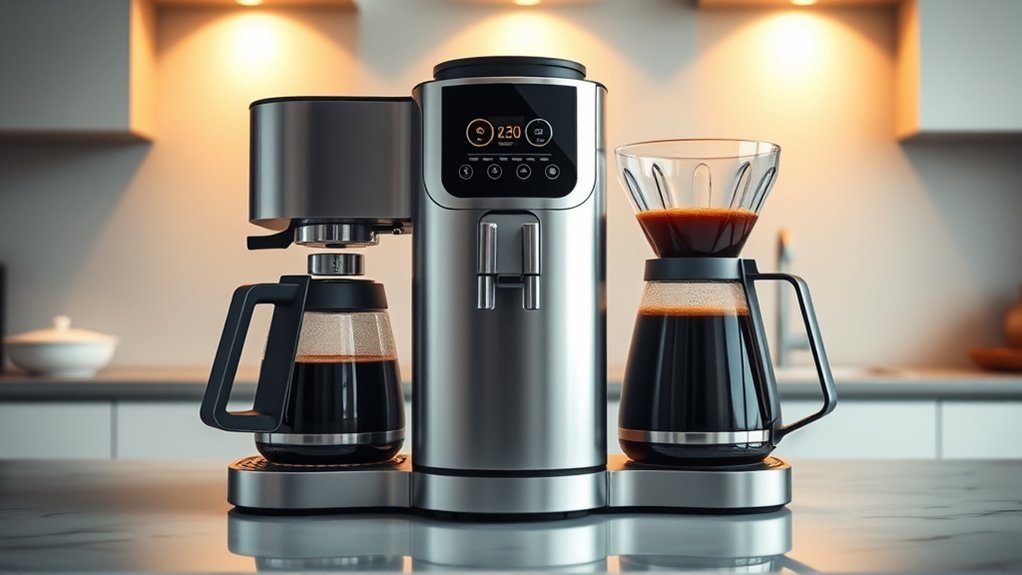
Even an advanced machine cannot correct every problem caused by stale coffee, the wrong grind, or poor maintenance. Use these steps as a starting point:
- Use fresh water. Fill the reservoir with water that tastes good on its own. Follow the manual if the machine prohibits distilled or softened water.
- Match the coffee to the basket. Use the grind recommended for the machine. Standard drip brewers commonly work best with a medium grind, while reusable pod filters may need a slightly different texture.
- Measure consistently. Follow the manufacturer’s scoop or weight guidance before changing strength settings.
- Choose a suitable serving size. Selecting the largest water volume with a small pod or small dose can produce weak coffee.
- Preheat the cup. Rinsing a ceramic mug with hot water can reduce heat loss after brewing.
- Clean coffee-contact parts. Old oils in a basket, pod holder, grinder chute, or carafe can make fresh coffee taste stale or bitter.
The Specialty Coffee Association’s certified home brewer program evaluates machines for factors related to consistent brewing performance. Certification is not required for a usable machine, but it can provide another comparison point for drip-coffee buyers.
How to Get Better Iced or Cold Coffee
For Over-Ice Coffee
- Use the machine’s dedicated over-ice setting instead of a normal full-size brew.
- Fill the cup with the amount of ice specified in the manual.
- Use larger, solid ice cubes when possible because small or hollow cubes melt quickly.
- Select a rich or strong mode when the manufacturer recommends it.
- Leave enough cup space for milk, cream, or syrup.
For Active-Chilled Coffee
- Allow the chilling system to reach its ready or fully charged state.
- Keep ventilation openings clear and move the machine away from stoves and direct sunlight.
- Expect later drinks to be slightly warmer if the machine has a limited consecutive-brew capacity.
- Complete any automatic rinse before opening the brewer or removing required trays.
- Add ice after brewing when the manufacturer instructs you not to brew directly into a glass filled with ice.
For Traditional or Rapid Cold Brew
- Use the grind and coffee-to-water amount specified for the brewer.
- Do not assume every cold-brew output is ready to drink; some machines make a concentrate that requires dilution.
- Keep reusable filters and storage containers clean.
- Refrigerate finished cold brew promptly and follow the manufacturer’s storage guidance.
- Adjust strength by changing the approved dose, dilution, or program rather than extending a machine cycle without guidance.
Note: Cold brew does not automatically contain more caffeine than hot coffee. Caffeine depends on the bean, coffee dose, water ratio, extraction, serving size, and dilution. The FDA cites 400 mg per day as an amount not generally associated with negative effects for most adults, but sensitivity varies.
The temperature of the drink does not determine its caffeine content. Coffee dose, extraction, serving volume, and dilution matter more.
How to Clean and Maintain the Machine
Warning: Unplug the coffee maker and let hot parts cool before manual cleaning. Never immerse the appliance, power cord, plug, grinder, or nonremovable electrical base in water. Follow the model’s manual for needle cleaning, chill-system care, and descaling.
Maintenance intervals vary with the machine, water hardness, and frequency of use. Use the following schedule as general guidance, then follow the manual when it gives different instructions.
After Each Use
- Discard the used pod or grounds.
- Rinse removable brew baskets, reusable filters, and carafes.
- Empty the drip tray when needed.
- Allow wet parts to dry before reassembly or storage.
- Let any required automatic cold-system rinse finish completely.
Weekly Cleaning
- Wash removable reservoirs, lids, baskets, carafes, and drip-tray parts as directed.
- Wipe the housing with a damp, nonabrasive cloth.
- Clean milk frothers or separate milk systems after every use rather than waiting for the weekly cleaning.
- Inspect coffee outlets and reusable filters for trapped grounds.
Descaling
Descaling removes mineral deposits from the water path. Run the process when the machine displays a descale alert or at the interval in its manual. Hard water and heavy use may require more frequent treatment.
Use only a descaling product or method approved for your machine. Do not assume vinegar is suitable for every brewer, and always complete the required fresh-water rinse cycles afterward.
Chill-System Care
Active-chill machines may require additional steps, including keeping vents clear, allowing a cooling tank to recharge, completing automatic rinses, or occasionally adding water to the cooling system. These instructions are model-specific and should not be applied to a machine that lacks that design.
Troubleshooting Common Problems
The Coffee Is Not Cold Enough
- Confirm that the cold mode was selected.
- Allow an active chilling system to charge fully.
- Check that air vents have the required clearance.
- Remember that consecutive cold drinks may become warmer on some machines.
- Use the specified amount of ice for an over-ice program.
The Iced Coffee Tastes Watery
- Use the over-ice, rich, strong, or concentrate setting rather than a normal large brew.
- Choose a smaller brew volume.
- Use enough coffee for the selected serving size.
- Try larger ice cubes and a prechilled cup.
The Coffee Is Weak, Bitter, or Sour
- Check the grind size and coffee dose.
- Use fresh coffee and clean water.
- Clean coffee oils from the basket, reusable pod, grinder, or carafe.
- Try a different strength setting before making large changes to the dose.
Brewing Is Slow or the Volume Is Low
- Refill and correctly seat the water reservoir.
- Run the manufacturer’s descaling process.
- Inspect approved user-cleanable outlets, filters, or pod needles.
- Do not insert tools into internal parts unless the manual specifically tells you how.
The Coffee Has an Off-Flavor
- Rinse away all cleaner or descaler.
- Wash reusable filters and removable baskets.
- Replace stale water that has been sitting in the reservoir.
- Use separate coffee and tea baskets when the machine provides them.
The Machine Leaks
Check that the reservoir, drip tray, carafe, brew basket, and lids are seated correctly. Stop using the machine if water appears beneath the appliance, near the cord, or inside an area the manual does not identify as user-serviceable.
Are Hot and Cold Brew Coffee Makers Worth It?
A combination machine can be worth the cost when you regularly drink both hot and cold coffee and want to reduce countertop clutter. The strongest value comes from choosing a model whose cold process matches the drink you prefer.
A hot and cold brew coffee maker is likely a good fit when:
- You switch between hot and iced drinks several times a week.
- Several people in the home want different serving sizes or coffee styles.
- You value speed more than a traditional overnight cold-brew process.
- You want one appliance instead of separate brewers.
- You will use the machine’s pod, grounds, carafe, or whole-bean options regularly.
You may be better served by a simpler machine when:
- You almost always drink one type of coffee.
- You already make traditional cold brew successfully in an inexpensive immersion container.
- You have limited counter space or do not want fan or grinder noise.
- You prefer a manual method with fewer parts to clean.
- You would rarely use the machine’s premium features.
There is no reliable universal lifespan for this category. Longevity depends on build quality, water hardness, brewing frequency, cleaning, descaling, and whether replacement parts remain available. Compare the warranty and support options before buying.
Frequently Asked Questions
Can I use ground coffee instead of K-Cup pods?
It depends on the model. Grounds-based machines accept loose coffee directly, while compatible Keurig brewers can use an approved reusable My K-Cup filter. Confirm reusable-filter compatibility for the exact brewer before buying.
Does a cold setting make true cold brew?
Not always. Some cold settings brew concentrated coffee over ice, while active-chill machines brew hot coffee and cool it internally. True cold brew uses cooler water for extraction, although rapid machines can accelerate that process.
How long does the brewing process take?
Hot and over-ice cycles commonly take a few minutes, but the exact time depends on serving size and machine design. Active-chill drinks may be ready within minutes once the cooling system is charged. Rapid cold-brew programs may take about 10–15 minutes, while traditional cold brew usually takes several hours.
Are hot and cold coffee makers easy to clean?
Many have removable reservoirs, baskets, drip trays, or dishwasher-safe parts, but active cooling systems and built-in grinders add maintenance. Check which parts are removable and whether the machine provides rinse and descale alerts.
Do these machines require special maintenance?
All coffee makers need routine washing and periodic descaling. A model with a chill tank, grinder, milk system, or automatic rinse may require extra steps. Follow the manual instead of applying instructions from a different machine.
Is cold brew always stronger or higher in caffeine?
No. Cold-brew concentrate can be strong because it uses a high coffee-to-water ratio, but it is often diluted before drinking. Caffeine varies with the beans, dose, extraction, serving volume, and dilution rather than temperature alone.
Can a hot and cold coffee maker brew a full carafe?
Some can, but many active-chill and pod machines are single-serve only. Check the listed grounds and pod sizes separately because a machine may support carafes with grounds but only 6- to 12-ounce servings with pods.
How long should a hot and cold brew coffee maker last?
There is no dependable lifespan that applies to every model. Water hardness, daily use, descaling, grinder wear, cooling-system complexity, build quality, and parts availability all affect service life. Review the warranty and follow the maintenance schedule.
Conclusion
A hot and cold brew coffee maker can be a practical choice when you regularly enjoy both hot and chilled coffee. The most important question is not how many buttons the machine has, but how it creates its cold drink. Decide whether you want over-ice coffee, actively chilled hot coffee, rapid cold brew, or a traditional concentrate. Then compare coffee compatibility, serving sizes, cooling or extraction time, cleaning needs, footprint, and ongoing cost before choosing a model.
Sources
- Specialty Coffee Association — Certified Home Brewers — brewing-performance and equipment guidance
- National Coffee Association — How to Brew Coffee — distinctions among drip, cold brew, French press, espresso, and pour-over methods
- Keurig — How to Use the K-Brew+Chill Coffee Maker — QuickChill operation, cold cycles, cleaning, and maintenance
- Ninja — Hot & Iced XL Coffee Maker with Rapid Cold Brew — current grounds-based rapid cold-brew features
- U.S. Food and Drug Administration — How Much Caffeine Is Too Much? — general adult caffeine guidance
- Cold Brew Coffee: Definition and Extraction Pilot Studies — research on cold-brew extraction time and composition