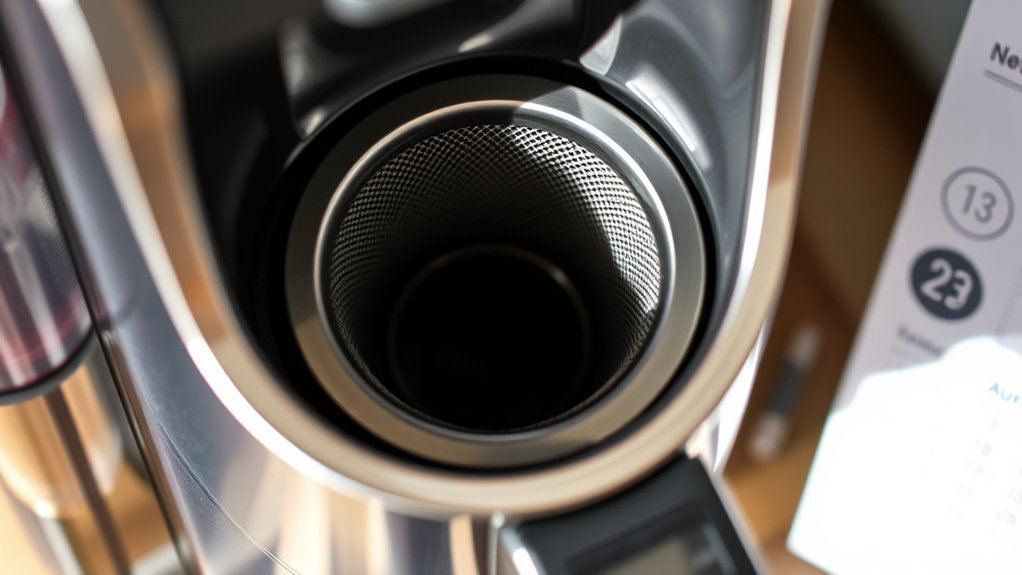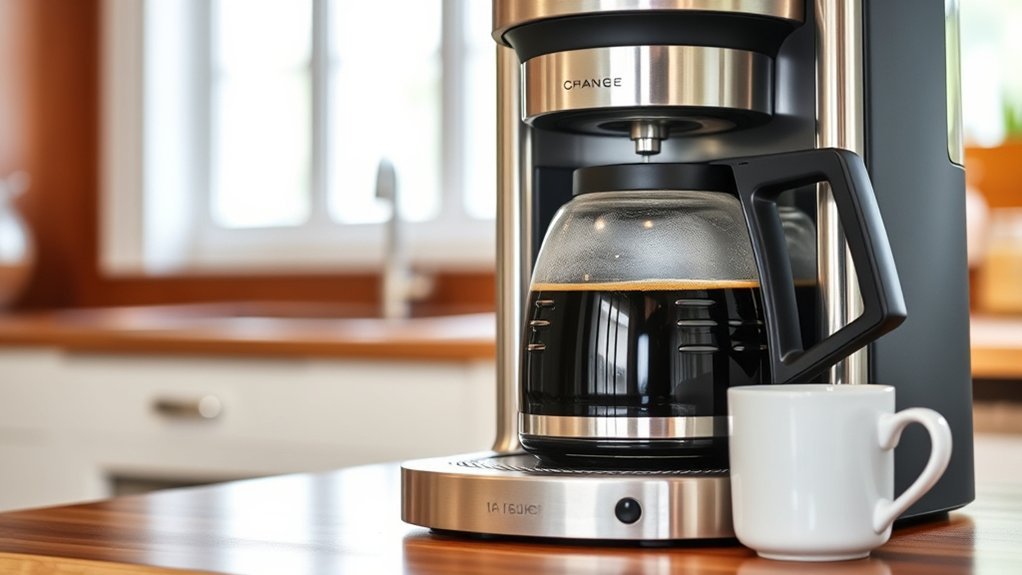
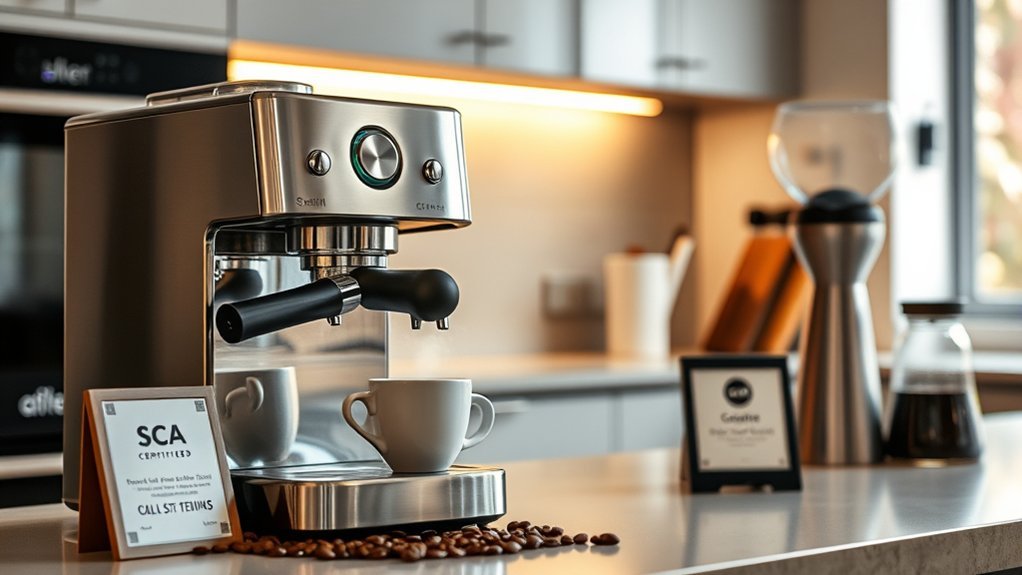
SCA certification for coffee makers is a rigorous third-party equipment evaluation program designed to identify home brewers that meet the Specialty Coffee Association’s strict technical standards for brewing temperature, extraction uniformity, and performance consistency. It is essential to distinguish this equipment certification from SCA educational diplomas for coffee professionals, as the two programs have completely different testing procedures, licensing structures, costs, and objectives.
Quick Answer
SCA certification for a coffee maker indicates that a specific machine model has passed laboratory performance testing under the Specialty Coffee Association’s SCA-310 standard. Testing verifies precise water temperature (92°C–96°C), contact time, beverage strength (1.15%–1.45% TDS), and extraction yield (18%–22%). It is completely separate from individual barista and professional education certificates.
Key Takeaways
- SCA Certified Home Equipment is tested for brewing quality, thermal stability, extraction yield, and repeatability against established laboratory standards.
- The governing technical document is SCA-310 Home Coffee Brewers: Specifications and Test Methods, accessible to manufacturers via the SCA member portal.
- Testing is conducted independently by the European Coffee Brewing Centre (ECBC) in Oslo, Norway, which produces a detailed pass/fail evaluation report.
- Passing brewers enter a three-year licensing agreement subject to an annual licensing fee of $5,000 to display the official certification mark.
- Foundation, Intermediate, and Professional levels refer strictly to professional SCA education modules (Barista, Brewing, Sensory, Roasting, Green Coffee), not machine tiers.
Why Get SCA Certified?

For coffee maker manufacturers, obtaining SCA certification provides independent, scientific validation that an automatic brewer can execute the complex thermodynamic and extraction requirements needed to brew specialty-grade coffee. The SCA Certified Equipment program maintains a public registry of tested and approved machines.
For consumers, the certification logo cuts through misleading marketing jargon like “barista style,” “commercial grade,” or “optimal extraction.” When an appliance carries the SCA Certified mark, buyers know the machine was evaluated in a laboratory rather than relying solely on manufacturer claims.
Commercial advantages for manufacturers include:
- Third-Party Credibility: Objective verification from the world’s foremost specialty coffee authority.
- Retail Differentiation: Distinct shelf placement and marketing authority in high-end kitchenware and specialty coffee retail channels.
- Brand Licensing: Authorized use of the official SCA Certified Home Brewer mark on retail packaging, websites, and promotional campaigns.
Note: Certification is awarded strictly to specific, individual machine model numbers. Never assume that every brewer in a manufacturer’s catalog is certified simply because the brand produces one certified flagship model. Always verify the exact model designation on the SCA registry.
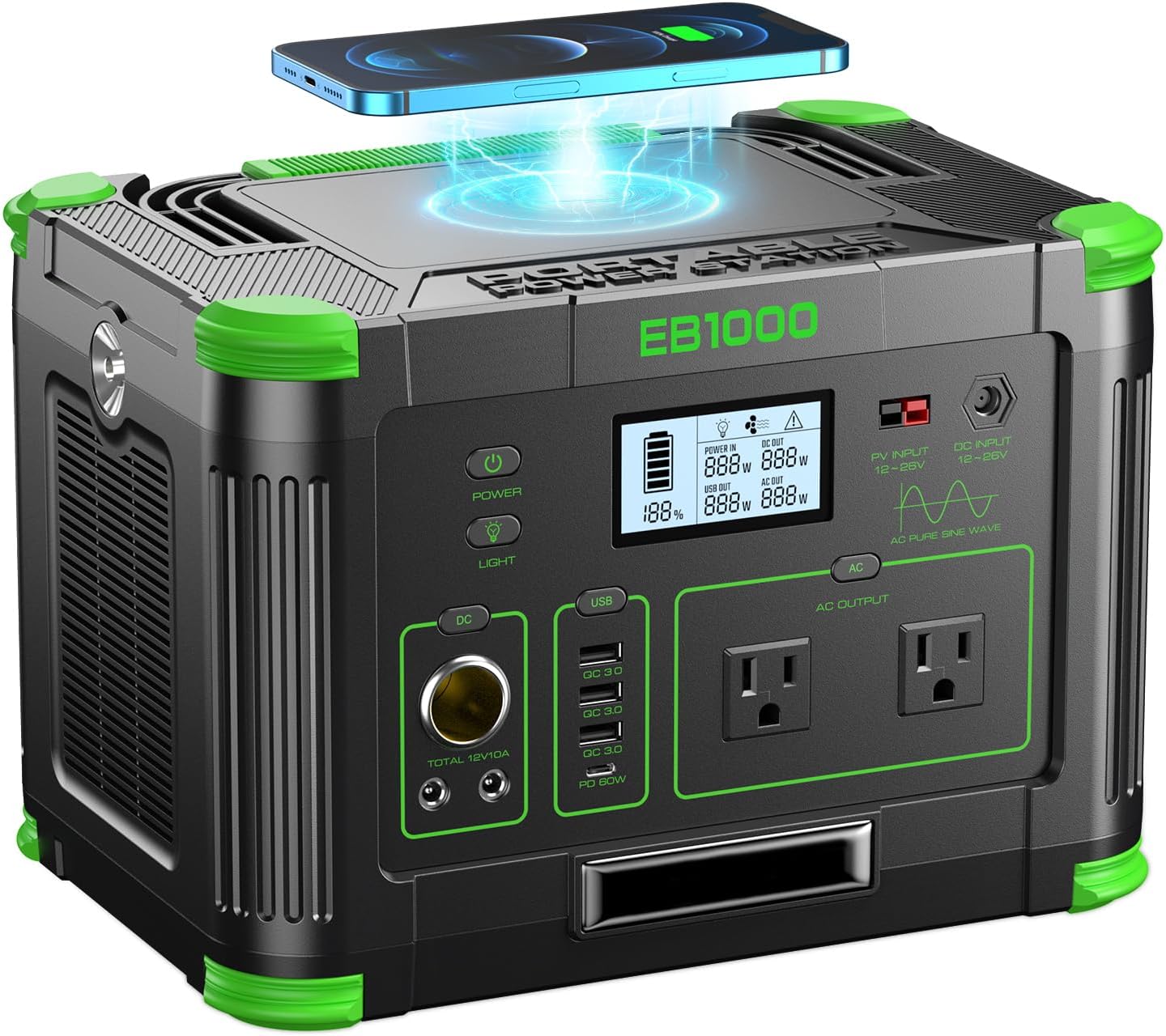
Power your essentials anywhere with a 999Wh pure sine wave power station delivering up to 1000W continuous with 2000W surge. It supports fast charging via USB-C PD 60W and USB-A QC 18W, plus simultaneous output for multiple devices through AC, USB, wireless, and car/DC ports. Recharge using AC, car, or solar with a built-in MPPT controller and dual cooling fans, while the upgraded battery management system protects against surges, short circuits, and overheating.

SCA-CERTIFIED QUALITY: This automatic coffee maker is among the few in the industry to earn Specialty Coffee Association (SCA) certification, ensuring exceptional flavor extraction and precise brewing at the ideal temperature.

Preheats Water to SCA-Preferred Temperature: Water hits the grounds at 194 F to 205 F for a fast, flavorful brew. BetterBrew precision technology controls water temperature and brew cycles; meeting the Specialty Coffee Association's Golden Cup standard.
What SCA Certification Does and Does Not Mean
An SCA Certified Home Brewer guarantees that the hardware delivers precise water temperatures, even dispersion, and proper contact times under controlled conditions. However, hardware is only one component of final cup quality.
| Certification Confirms | Certification Cannot Guarantee |
|---|---|
| The tested machine heats water to 92°C–96°C and maintains stability across the brew cycle. | That stale, pre-ground, or low-grade commodity beans will produce delicious coffee. |
| Water-to-coffee contact time and sprayhead saturation meet technical extraction tolerances. | That improper tap water chemistry (excessive hardness or chlorine) will not spoil taste. |
| The machine yields an extraction percentage between 18% and 22% using standard ratios. | That every individual consumer will prefer the resulting cup profile over personal taste preferences. |
| The specific submitted production model passed rigorous laboratory scrutiny. | That uncertified companion models from the same brand perform at the same level. |
The Core Areas of SCA Certification for Coffee Makers
Certification protocols evaluate how effectively a drip coffee maker manages physical brewing variables. Testing is performed under standardized laboratory conditions using protocol-defined water formulations, standardized coffee roasts, and precise grinds.
According to SCA testing protocols and manufacturer certification releases, testing centers evaluate seven primary criteria:
- Brew-Basket Capacity and Geometry: Verifies that the brew basket holds the necessary grounds for a full batch without overflowing, channeling, or causing bed compaction.
- Water Delivery Temperature: Ensures water reaching the coffee bed reaches 92°C (197.6°F) within the first minute of brewing, stays between 92°C and 96°C (204.8°F) throughout the extraction cycle, and never exceeds 96°C.
- Brewing Time and Contact Duration: Measures total contact time between water and ground coffee, ensuring full batches complete within the ideal 4-to-8-minute window.
- Beverage Strength (TDS): Verifies that the finished beverage achieves a Total Dissolved Solids (TDS) concentration between 1.15% and 1.45%.
- Extraction Yield: Measures the percentage of soluble coffee solids extracted from the dry coffee grounds, targeting the Golden Cup standard range of 18.0% to 22.0%.
- Uniformity of Performance and Bed Wetting: Evaluates the showerhead dispersion pattern to ensure all grounds are wetted evenly without leaving dry pockets or excessive channeling.
- Beverage Clarity and Sediment Retention: Analyzes the brewed coffee for excessive sediment, fines, or suspended insolubles passing through the filter basket into the carafe.
- Holding Temperature: If equipped with a warming plate or thermal carafe, ensures the brewed coffee maintains a stable temperature between 80°C and 85°C (176°F–185°F) without scorching the liquid.
“The value of SCA certification is not an isolated temperature or brew-time specification. It is the brewer’s proven ability to harmonize thermal stability, contact time, and water delivery into an optimal extraction window.”
The Current SCA Home Coffee Brewer Standard
The operational certification document is SCA-310 Home Coffee Brewers: Specifications and Test Methods. Maintained by the SCA Standards Committee, this technical standard is accessible through the SCA Coffee Standards portal.
The SCA-310 protocol builds upon the scientific foundation established in the historical Golden Cup standards while updating laboratory test methods for modern residential brewing appliances.
| Standard Metric | Technical Requirement | Engineering Purpose |
|---|---|---|
| Brew Water Temperature | 92°C to 96°C (197.6°F to 204.8°F) | Extracts desirable aromatic compounds while avoiding bitter over-extraction or sour under-extraction. |
| Water Contact Time | 4 to 8 minutes (drip filter) | Prevents premature drawdown (sour/weak) and prolonged saturation (astringent/bitter). |
| Solubles Concentration (TDS) | 1.15% to 1.45% Total Dissolved Solids | Delivers balanced body and strength without tasting watery or excessively muddy. |
| Extraction Yield | 18.0% to 22.0% of dry mass | Targets the chemical sweet spot where coffee solubles provide optimal sweetness and clarity. |
| Standard Test Ratio | 55 g of coffee per 1.0 L of water (±5 g) | Provides a consistent baseline (~1:18.2 ratio) for evaluating extraction chemistry. |
Warning: Manufacturers preparing appliances for certification submission must obtain the full, unabridged SCA-310 specification document via their SCA Company Membership portal. Publicly circulated legacy guidelines (such as the 2017 SCA CHB requirements) should only be referenced for historical context.
Popular SCA-Certified Coffee Makers on the Market
Several major appliance manufacturers design automatic brewers specifically to meet and maintain SCA certification. Understanding how certified models translate technical requirements into everyday features helps buyers choose the right setup.
| Brewer Model | Carafe Type | Key Technical Highlights |
|---|---|---|
| Technivorm Moccamaster KBGV Select | Glass or Thermal | Copper heating element, 9-hole sprayhead, independent hotplate heating switch. |
| Breville Precision Brewer (BDC450) | Thermal or Glass | PID thermal control, adjustable flow rate, dedicated “Gold Cup” preset mode. |
| Fellow Aiden Precision Coffee Maker | Double-wall Thermal | Single-serve and batch brew baskets, built-in brew profiling, pulse brewing delivery. |
| Bonavita Connoisseur 8-Cup | Stainless Thermal | 1500W heater, pre-infusion bloom mode, wide showerhead dispersion. |
| OXO Brew 8-Cup / 9-Cup Coffee Maker | Thermal | Microprocessor-controlled brew cycle, rainmaker showerhead, single-serve capability. |
| Braun MultiServe Plus | Glass | ExactBrew system, multi-serve dial (cup to full carafe), integrated cold brew function. |
SCA Education Levels Are Separate From Coffee Maker Certification
A frequent point of confusion among consumers and new industry professionals is mixing up equipment certification with SCA professional credentials. An appliance is either SCA Certified or it is not—there is no such thing as a “Level 1” or “Professional Tier” certified coffee machine.
The progressive terms Foundation, Intermediate, and Professional belong exclusively to the SCA Coffee Skills Program (CSP), which trains individual people.
Certification Levels Overview
Learners in the SCA Coffee Skills Program advance through three defined tiers designed to build professional capability:
- Foundation Level: Introduces core concepts, basic practical skills, and foundational brewing science (~7 hours of instruction).
- Intermediate Level: Examines extraction mechanics, sensory analysis, water quality measurement, and grind size distribution (~14 hours of instruction).
- Professional Level: Focuses on advanced diagnostic testing, quality control management, sensory calibration, and scientific coffee evaluation (~21 hours of instruction).
Training Areas Explained
The SCA education system is organized into five primary specialist modules alongside introductory and technical disciplines:
- Barista Skills: Espresso extraction, grind dialing, milk texturing, beverage construction, and customer workflow.
- Brewing: Manual and batch filter brewing, grind analysis, refractometry, extraction calculation, and water chemistry.
- Green Coffee: Botanical classification, agronomy, harvesting, processing methods, grading standards, and green storage.
- Roasting: Roast profiles, heat transfer dynamics, chemical alterations, defect identification, and sample roasting.
- Sensory Skills: Cup tasting protocols, flavor attribute identification, threshold testing, and SCA cupping form evaluation.
Exam Structure Details
Individual student assessments are administered exclusively by certified Authorized SCA Trainers (ASTs). Certification exams combine two components:
- Written Exam: Evaluates theoretical understanding of extraction science, coffee chemistry, standards, and equipment maintenance.
- Practical Exam: Hands-on, timed laboratory evaluations testing palate calibration, brewing precision, espresso dial-in, or roasting execution.
Current SCA Diploma Pathways
Credits accumulated across individual modules can be applied toward specialized SCA Diplomas:
- Café Diploma: Tailored for café managers, head baristas, and hospitality directors.
- Roastery Diploma: Designed for production roasters, green buyers, and quality control leads.
- Trade Diploma: Focused on green coffee purchasing, international logistics, and sensory grading.
- Sustainable Coffee Diploma: Dedicated to environmental sustainability, farm economics, and equitable supply chains.
How SCA Standards Improve Coffee Quality
Brewing coffee is a process of solid-liquid extraction governed by water temperature, contact duration, surface area, and flow agitation. When an automatic coffee maker lacks precise engineering, water temperatures fluctuate wildly, contact times vary, and extraction becomes uneven.
SCA equipment standards eliminate these machine-induced variables:
- Thermal Precision: Heating elements must supply water within the active 92°C–96°C range without prolonged ramp-up periods that cause bitter or tepid underextraction.
- Balanced Turbulence: Showerheads must deliver water across the entire bed evenly, eliminating channeling where water bypasses ground coffee.
- Consistent Flow Metering: Water flow rates are timed to ensure grounds remain saturated without pooling or draining too quickly.
Brewing Standards and SCA Certification
It is helpful to separate laboratory equipment testing procedures from daily home brewing recipes.
| Equipment Certification Testing | At-Home Daily Brewing |
|---|---|
| Uses fixed 55 g/L test baseline to evaluate brewer extraction potential. | Adjusts brew ratio (e.g., 1:15 to 1:17) based on roast profile, density, and taste. |
| Measures precise TDS and refractometric yield against scientific benchmarks. | Evaluates flavor balance, sweetness, acidity, and mouthfeel in the cup. |
| Conducted in a climate-controlled laboratory with standardized water mineral profiles. | Operates in home kitchens using filtered tap or remineralized brewing water. |
What Happens During the SCA Certification Process?
The path to obtaining the SCA Certified Home Brewer mark requires hardware manufacturers to complete a formal multi-step testing and licensing cycle:
- Active SCA Company Membership: The manufacturer must maintain an active corporate membership with the Specialty Coffee Association prior to application.
- Standard Procurement & Self-Testing: The manufacturer accesses the official SCA-310 document and performs internal engineering validation.
- Submission to ECBC: Physical production units are shipped to the European Coffee Brewing Centre (ECBC) in Oslo, Norway—the SCA’s designated independent testing facility.
- Laboratory Evaluation: ECBC technicians conduct multi-run thermal profile logging, extraction yield measurements, and bed dispersion analysis.
- Detailed Test Report: Within approximately two weeks of testing, ECBC delivers a full technical report documenting performance against every SCA-310 standard.
- Licensing Agreement: If the model successfully passes all criteria, the manufacturer signs a three-year certification agreement.
- Annual Licensing Fee: The manufacturer pays an annual licensing fee of $5,000 to display the SCA Certified mark on packaging and retail materials.
Pro Tip: Manufacturers can submit pre-production prototypes to ECBC for technical feedback prior to finalizing tooling molds. This prevents costly manufacturing adjustments later in the production lifecycle.
Effective Study Tips for SCA Certification Exams
For students preparing for SCA professional education exams rather than machine testing, strategic preparation is vital:
- Master the Brewing Control Chart: Understand how brew ratio, TDS (strength), and extraction percentage intersect to diagnose under- or over-extraction.
- Calibrate Sensory Descriptors: Practice blind cupping using the World Coffee Research (WCR) Sensory Lexicon to build standardized aroma and flavor vocabulary.
- Practice Refractometer Calibration: Ensure you can properly clean, zero with distilled water, sample, and read a digital coffee refractometer.
- Study Water Chemistry Basics: Review standard water specifications (total hardness ~50–175 ppm CaCO3, alkalinity ~40–75 ppm, pH 6.5–8.0).
Applying SCA Brewing Principles at Home
You do not need commercial laboratory gear to apply the principles of SCA brewing standards in your everyday kitchen routine.
Weigh Coffee Accurately
Volumetric coffee scoops are inherently inaccurate due to differences in bean density, roast level, and bean size. Using a digital gram scale ensures consistent extraction.
A standard 1:16 to 1:17 brewing ratio requires approximately 60 grams of coffee per 1,000 grams (1 liter) of water, or 30 grams for a 500 ml brew. Accurate weighing enables you to:
- Replicate exceptional brews without guessing.
- Isolate grind size adjustments without altering mass variables.
- Eliminate coffee bean waste.
Maintain Appropriate Brewing Temperature
If you use a manual pour-over method (such as a V60, Chemex, or Kalita Wave), brew water should be between 92°C and 96°C when it contacts the grounds.
Note on Elevation: According to the USDA Food Safety and Inspection Service, the boiling point of water decreases by approximately 1°F for every 500 feet of elevation gain (about 1°C per 300 meters). If you live at high altitudes, water may boil at 93°C or lower; brew immediately off the boil rather than letting water cool.
Benefits of SCA Certification for Coffee Professionals
For individuals working in the coffee industry, completing SCA accredited coursework provides distinct professional advantages:
- Industry Recognition: Provides globally standardized credentials recognized by roasteries, green importers, and specialty cafés worldwide.
- Technical Fluency: Builds confidence in quality control, sample evaluation, and production optimization.
- Career Advancement: Differentiates candidates applying for head roaster, green buyer, laboratory technician, or quality assurance roles.
Future Trends in SCA Certification and Coffee Standards
The Specialty Coffee Association continues to revise and expand its standards program to incorporate modern sensory science and emerging hardware categories.
| Focus Area | Current SCA Development | Practical Industry Impact |
|---|---|---|
| Espresso Standards | Development of fully automatic espresso machine standards. | Will establish clear technical testing protocols for super-automatic home and commercial units. |
| Commercial Batch Brewers | Dedicated standards for high-volume café batch brewing systems. | Expands independent testing from residential brewers to high-capacity commercial equipment. |
| Sensory Assessment | Integration of the Coffee Value Assessment (CVA) system. | Transitions sensory evaluation from rigid scoring to holistic descriptive and affective analysis. |
Evolving Brewing Technology
Modern SCA-certified brewers increasingly incorporate smart features such as companion app control, customized pre-wet bloom profiles, variable water flow rates, and programmable brew temperatures. While these digital features enhance user convenience, certification remains rooted strictly in physical brewing performance and extraction chemistry.
Sustainability in Standards
Environmental sustainability is an ongoing focus across SCA education and industry initiatives. However, current SCA-310 equipment certification tests strictly evaluate brewing thermodynamics and extraction; sustainability metrics are not currently factored into home brewer certification testing.
Frequently Asked Questions
How long does SCA coffee-maker certification take?
The laboratory testing phase at the European Coffee Brewing Centre (ECBC) takes approximately two weeks once units are received. Total certification timeline varies based on pre-testing shipping logistics, administrative reviews, and licensing agreement execution.
Are there prerequisites for starting SCA certification courses?
Introduction to Coffee and Foundation-level modules have no prerequisites and are open to anyone. Intermediate courses require previous foundational knowledge or equivalent experience, while Professional courses typically require completed Intermediate certifications.
Can I earn an SCA education certificate online?
Some theoretical coursework is available via remote learning through Authorized SCA Trainers. However, modules requiring hands-on sensory calibration, espresso extraction, or green grading mandate in-person practical assessments at a certified SCA Premier Training Campus.
Is SCA certification recognized internationally?
Yes. The Specialty Coffee Association is a global entity formed by the unification of the SCAA (America) and SCAE (Europe). Both equipment marks and education diplomas are globally recognized across the specialty coffee trade.
How much does SCA certification cost?
For equipment manufacturers, SCA Certified Home Brewer licensing requires an annual fee of $5,000 during the three-year term, alongside testing and membership fees. For individual students, course prices are determined independently by Authorized SCA Trainers (ASTs), typically ranging from $250 to $1,500+ depending on module level and materials.
How can I tell whether a coffee maker is currently SCA certified?
Check the specific model designation directly on the official SCA Certified Home Brewer directory. Only machines explicitly listed on the registry hold active certification.
Does an SCA-certified coffee maker guarantee better-tasting coffee?
It guarantees that the hardware delivers precise water temperature, optimal contact time, and even extraction. Overall taste still depends on your choice of beans, freshness, roast date, grind size, and water mineral chemistry.
Is SCA certification required for a coffee maker to brew good coffee?
No. Certification is voluntary. Some high-end manual devices or boutique machines can brew exceptional coffee without submitting to the formal certification program, though certification remains the most reliable independent quality benchmark.
Conclusion
SCA certification for coffee makers is fundamentally an equipment performance benchmark governed by laboratory specifications in SCA-310. It assures consumers that an automatic drip machine provides the thermodynamic control, water dispersion, and contact duration necessary to achieve balanced extraction.
For appliance manufacturers, achieving certified status requires SCA Company Membership, laboratory testing through ECBC, and an annual licensing agreement. For coffee professionals, Foundation, Intermediate, and Professional levels remain part of a separate educational pathway designed to build individual barista, brewing, roasting, and sensory mastery.
By understanding the distinct purposes of equipment testing versus professional education, coffee enthusiasts and industry professionals alike can make informed hardware investments and pursue meaningful training goals.
Sources
- Specialty Coffee Association — Certified Equipment — Official program guidelines, testing protocols, licensing terms, and certified brewer directory.
- Specialty Coffee Association — Coffee Standards — SCA-310 Home Coffee Brewers technical standard specifications and development framework.
- Specialty Coffee Association — Courses — Coffee Skills Program structure, module levels, curriculum hours, and delivery methods.
- Specialty Coffee Association — Diplomas — Official requirements for Café, Roastery, Trade, and Sustainable Coffee diploma tracks.
- Specialty Coffee Association — Legacy Minimum Certification Requirements for Coffee Brewers — Historical technical documentation for baseline extraction yield and thermal parameters.
- USDA Food Safety and Inspection Service — High Altitude Cooking — Scientific reference explaining the thermodynamic impact of elevation on boiling point.