Baby food does expire, but the printed date is only one part of the safety check. The food type, package condition, storage temperature, time since opening, and whether a used spoon touched the container all matter. Because infants are more vulnerable to foodborne illness, use conservative storage limits and discard anything with an uncertain history.
Quick Answer
Unopened baby food should be used according to the date and storage directions on its package. After opening, refrigerated storage ranges from one to three days for most purees. Discard food touched by the baby’s spoon, food left out too long, damaged packages, and infant formula past its use-by date.
Key Takeaways
- There is no universal number of extra days that unopened baby food remains safe after its printed date.
- Opened strained fruits and vegetables generally keep for two to three days, while meats, eggs, combinations, and homemade foods have shorter limits.
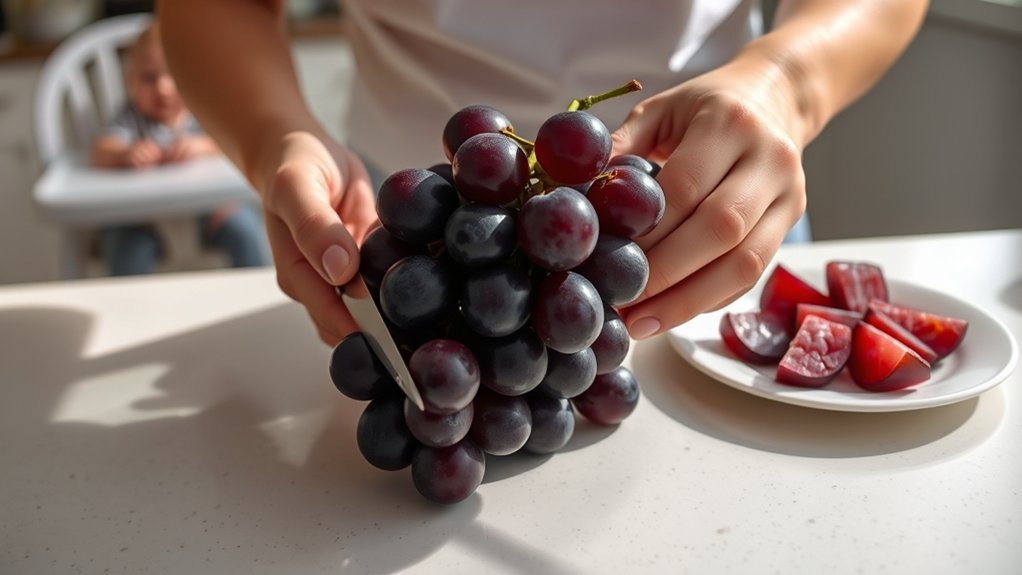
- Spoon a serving into a clean dish before feeding. Discard food that has contacted the baby’s mouth or used spoon.
- Refrigerate perishable food at 40°F or below and discard it after more than two hours at room temperature, or one hour above 90°F.
- Never use infant formula after the use-by date printed on its container.
At a Glance
| Time Required | About 1–2 minutes per safety check |
| Difficulty | Easy, but storage times must be followed carefully |
| Tools Needed | Clean spoon and dish, permanent marker or label, and refrigerator thermometer |
| Cost | Usually $0 with normal kitchen supplies |
How to Determine If Baby Food Is Still Safe
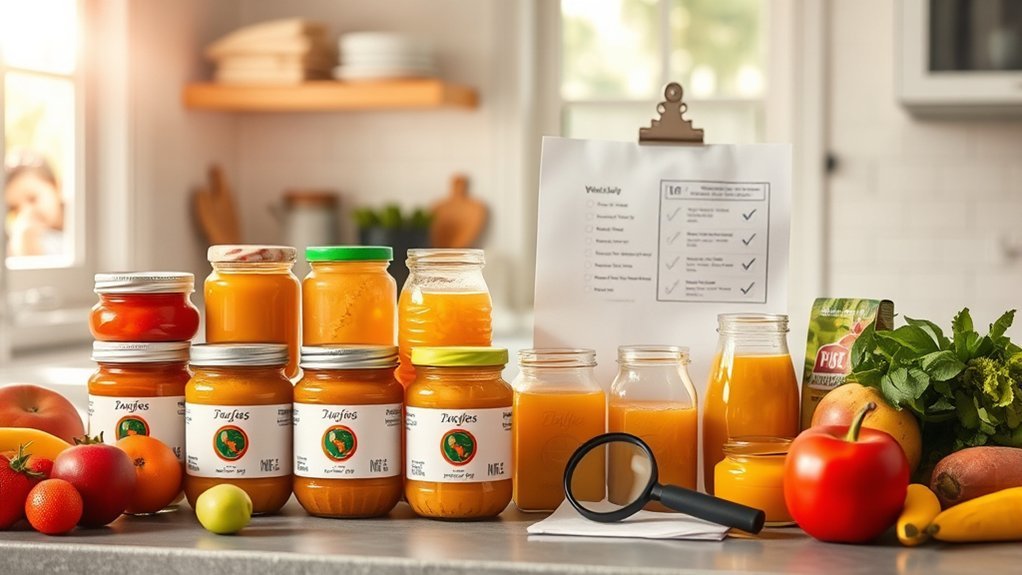
Use the following checks before serving commercial or homemade baby food:
- Read the package date. Follow any use-by, expiration, refrigeration, or use-after-opening instructions printed by the manufacturer.
- Inspect the package. Do not use a jar, pouch, tray, or tub that is swollen, leaking, cracked, chipped, rusty, punctured, or missing its original seal.
- Review its storage history. Confirm that refrigerated food stayed at 40°F or below and frozen food stayed at 0°F or below.
- Check when it was opened or prepared. Compare the date with the food-specific storage limits below.
- Consider contamination. Discard food that was fed directly from the container or contacted a spoon that had been in the baby’s mouth.
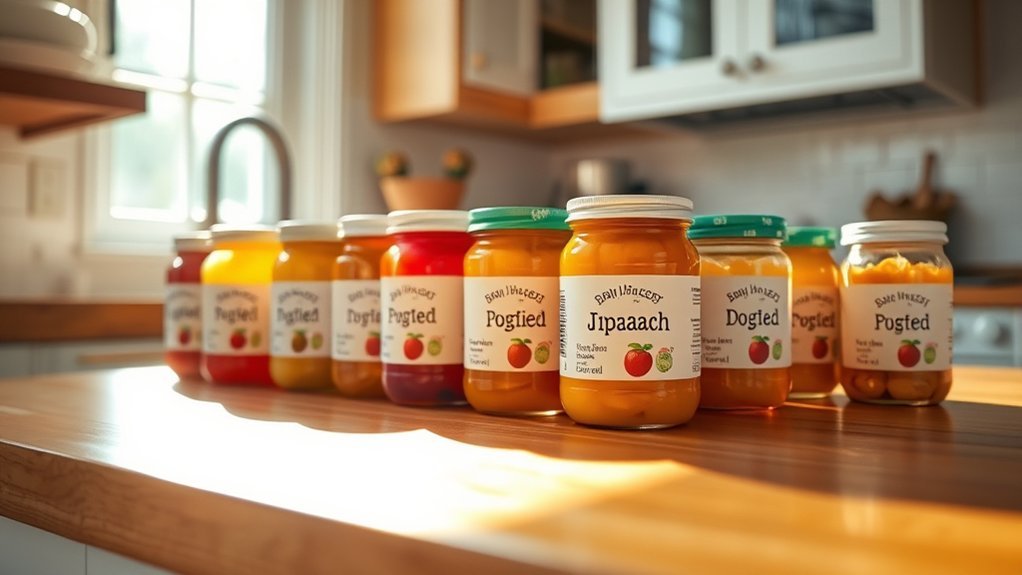
The safety button on a commercial jar lid should be down before opening, and the lid should make a normal popping sound when the seal breaks. The FDA advises discarding jars with chipped glass, rusty lids, or failed seals.
Warning: Never taste questionable baby food to decide whether it is safe. Harmful contamination may be present even when food looks, smells, and tastes normal.
Power your essentials anywhere with a 999Wh pure sine wave power station delivering up to 1000W continuous with 2000W surge. It supports fast charging via USB-C PD 60W and USB-A QC 18W, plus simultaneous output for multiple devices through AC, USB, wireless, and car/DC ports. Recharge using AC, car, or solar with a built-in MPPT controller and dual cooling fans, while the upgraded battery management system protects against surges, short circuits, and overheating.

PREP ONCE, ENJOY MORE: Keep homemade purees ready for busy days with a station that fills up to 3 pouches at once

100% Safe: Our baby food pouches are made of food-grade silicone material which is BPA, PVC, lead and phthalate free. If you are a health-conscious parent who wants the convenience of high-quality material without the fear, this set is your choice
Signs of Spoilage in Baby Food
Discard baby food when you find any of these warning signs:
- A bulging jar lid, swollen pouch, leaking seam, or broken safety seal
- Mold or fuzzy growth on the food or around the container opening
- An unexpected sour, rancid, fermented, or otherwise unpleasant odor
- Fizzing, foaming, spurting liquid, or gas release when the package opens
- A major color or texture change that is not normal for the ingredients
- A cracked jar, chipped rim, badly dented container, rusted lid, or punctured pouch
- Food that was stored above 40°F for too long
Some changes are quality issues rather than proof of dangerous spoilage. Natural ingredients may separate during storage, and frozen food may develop ice crystals or freezer burn. Stirring may restore normal consistency, but discard the food when its package, temperature history, opening date, or safety is uncertain.
A normal smell does not guarantee safety. Package integrity, temperature, opening time, and saliva exposure are more reliable checks.
What You Need to Know About Baby Food Expiration Dates
Date labels can describe product quality, inventory timing, or a firm use limit. The wording is not identical across all baby-food products, so avoid relying on a universal grace period.
Understanding Expiration Labeling
- Best if used by or best before: Often describes the period of best flavor, texture, or quality.
- Sell by: Usually helps a store manage inventory and does not tell a caregiver how long an opened product can be refrigerated.
- Use by or expiration: Follow the manufacturer’s stated limit, especially when the product requires refrigeration.
- Infant formula use-by date: This is a firm limit. Do not use formula after that date.
The USDA explains that most food date labels are not federal safety dates, with infant formula as an important exception. However, infants are a higher-risk group, and packaging or storage problems can make food unsafe before any printed date. Follow the label, inspect the package, and do not promise yourself a fixed number of “extra” days.
Safe Refrigeration and Freezer Guidelines
The following limits come from the federal FoodSafety.gov guidance for children under five. They apply to opened commercial food or freshly made food that has not been contaminated by a used feeding spoon.
| Baby Food Type | Refrigerator at 40°F or Below | Freezer at 0°F or Below |
|---|---|---|
| Strained fruits and vegetables | 2–3 days | 6–8 months |
| Strained meats and eggs | 1 day | 1–2 months |
| Meat-and-vegetable combinations | 1–2 days | 1–2 months |
| Homemade baby food | 1–2 days | 1–2 months |
| Food exposed to the baby’s mouth or used spoon | Discard after the feeding | Do not freeze |
Note: If the package gives a shorter storage period, follow the package. Label the container with the opening or preparation date so every caregiver uses the same deadline.
Infant Formula Expiration and Storage
Infant formula follows stricter rules than solid baby food. The FDA requires a use-by date on every formula container, and formula should never be fed after that date.
- Use prepared formula within two hours of preparation.
- Once feeding begins, use the bottle within one hour.
- If feeding has not started, immediately refrigerated prepared formula should be used within 24 hours.
- Discard formula left in the bottle after a feeding because the baby’s saliva can allow bacteria to grow.
- Most opened powdered formulas must be used within one month, but the container label controls.
- Store opened powdered formula tightly closed in a cool, dry place—not in the refrigerator.
- Do not freeze infant formula because freezing can cause separation and lower its quality.
The CDC recommends additional formula-preparation precautions for babies younger than two months, babies born prematurely, and babies with weakened immune systems.
Why Storing Baby Food Right Matters
Good storage slows bacterial growth, protects food quality, and makes it easier to know when a container should be discarded. It cannot make contaminated or expired food safe again.
Proper Storage Techniques
- Keep the refrigerator at 40°F or below and the freezer at 0°F or below.
- Refrigerate opened or freshly prepared baby food promptly.
- Do not leave perishable baby food at room temperature for more than two hours.
- Reduce the limit to one hour when the surrounding temperature is above 90°F.
- Store food in clean, covered, food-safe containers.
- Write the opening, preparation, or freezing date on every container.
- Keep older containers at the front so they are used first.
- Discard food when you cannot confirm how long it has been open or unrefrigerated.
Pro Tip: Before feeding, place only the expected serving in a clean bowl. Return the untouched container to the refrigerator immediately instead of leaving the full jar on the table.
Impact on Nutritional Quality
Long storage can change color, flavor, texture, and nutrient quality even when food remains frozen. This is why freezer recommendations focus partly on quality and why the oldest safe food should be used first.
Infant formula is different because the manufacturer guarantees its nutrient content and quality only through the printed use-by date. Do not extend that date based on appearance or smell.
Safety Concerns for Infants
Infants and young children have developing immune systems and can become seriously ill from contaminated food. Wash your hands before preparation, clean utensils and surfaces, and keep raw meat and eggs away from ready-to-eat baby food.
If your baby develops blood in the stool, a prolonged high fever, repeated vomiting, poor fluid intake, unusual weakness, or signs of dehydration after eating questionable or recalled food, contact a pediatrician or other healthcare professional promptly. Seek emergency care for trouble breathing, seizures, unresponsiveness, or another severe reaction.
Note: This article provides general food-safety information and does not replace medical advice for an ill child.
Freezing Baby Food: Key Tips for Success
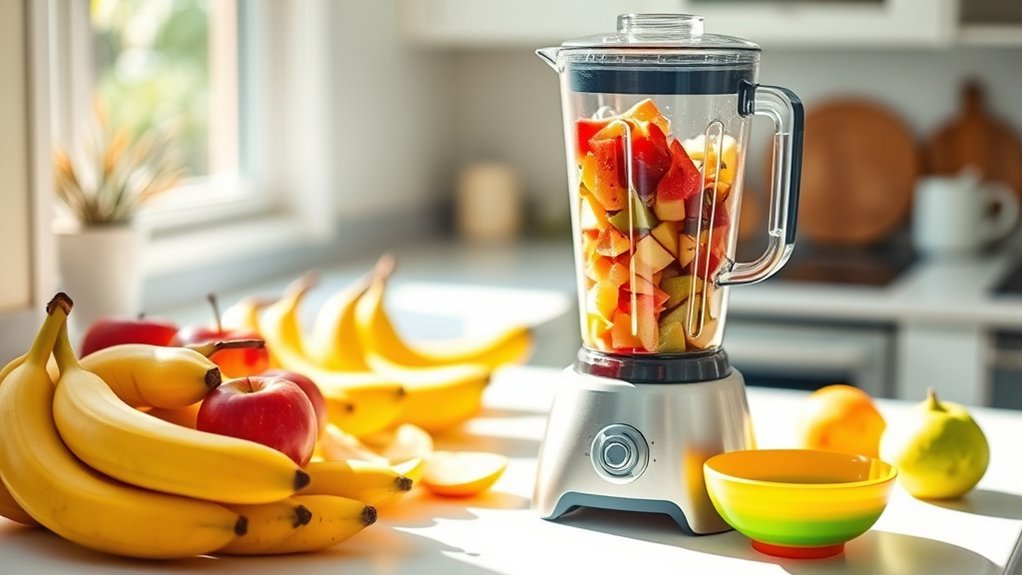
Freezing small portions can reduce waste and make meal preparation easier. Use clean freezer-safe containers, silicone trays intended for food, or freezer bags. Leave a little room for expansion, seal the food tightly, and label it with the food name and freezing date.
- Freeze freshly prepared food promptly rather than waiting until the end of its refrigerator life.
- Portion food before freezing so you can thaw only what the baby needs.
- Thaw food overnight in the refrigerator or use a microwave-safe dish when quick thawing is necessary.
- Do not thaw baby food on the counter.
- When microwaving, transfer food out of the jar, stir well, allow it to stand, and test that it is lukewarm before feeding.
- Discard any thawed food that was warmed, served, or exposed to a used spoon.
Ice crystals or freezer burn can make baby food drier, grainier, or less flavorful, but they do not automatically prove that it spoiled. If food partly thawed during a delivery or power interruption, determine whether it remained at 40°F or below. When its temperature history is unknown, discard it.
Avoid repeatedly thawing and refreezing baby food. Even when temperature conditions allow refreezing, each cycle can reduce quality and creates more opportunities for unsafe handling.
Tips for Ordering Fresh Baby Food on Time
Refrigerated baby-food subscriptions have shorter shelf lives than shelf-stable jars and pouches. Delivery schedules and product formulas can also change, so rely on the current package label rather than an older blog post.
- Arrange delivery for a time when someone can bring the package inside promptly.
- Check that the shipping box and individual containers are intact.
- Use a food thermometer when needed. Perishable food should arrive frozen, partly frozen with ice crystals, or at 40°F or below.
- Do not taste food that arrives above 40°F. Contact the company and follow its replacement or disposal instructions.
- Refrigerate or freeze the products as soon as they arrive.
- Check the use-by date on every container and place the earliest dates at the front.
- Order an amount your baby can use within the package’s stated storage period.
- For Yumi or any other subscription brand, follow the current instructions printed on the product and shown in your active account.
FoodSafety.gov provides additional safety guidance for meal kits and delivered refrigerated food.
What to Do If Baby Food Is Recalled
A recalled product may look and smell normal. Check the FDA food recall listings when you receive a manufacturer notice or hear about a baby-food or formula recall.
- Stop using the product and do not taste it.
- Compare the brand, product name, package size, lot code, and date with the recall notice.
- Keep the product away from other baby food while you read the instructions.
- Return or discard it exactly as the recall notice directs.
- Clean any utensils, shelves, counters, or containers that contacted the recalled product.
- Contact your child’s healthcare professional if the product was consumed and symptoms develop.
Sources
- FoodSafety.gov: Children Under Five — refrigerator and freezer limits for opened and homemade baby food
- FDA: Once Baby Arrives — package checks, saliva contamination, feeding, heating, and handling precautions
- FDA: Handling Infant Formula Safely — use-by dates and opened, prepared, and leftover formula guidance
- CDC: Infant Formula Preparation and Storage — current formula preparation, refrigeration, and high-risk infant precautions
- USDA FSIS: Food Product Dating — meaning and limitations of common date labels
- FDA: Food and Dietary Supplement Recalls — current recall notices and affected product details
Frequently Asked Questions
Can I use baby food after the expiration date?
Do not assume baby food has a fixed grace period after its date. Follow the wording and instructions on the package. Never use infant formula after its use-by date, and discard any baby food with damaged packaging, a failed seal, uncertain storage, or signs of spoilage.
How long does homemade baby food last?
Current FoodSafety.gov guidance recommends storing homemade baby food for one to two days in a refrigerator at 40°F or below, or one to two months in a freezer at 0°F or below. Label every batch with its preparation or freezing date.
Is it safe to feed expired baby food?
Do not feed a baby food that is past a firm use-by or expiration date, has been open longer than recommended, or has an uncertain temperature history. A best-by date may describe quality, but the package condition and manufacturer’s instructions still need to be checked.
What should I do with leftover opened baby food?
If you placed a portion in a separate dish and kept the remaining container untouched, refrigerate it promptly and follow the food-specific one-to-three-day limit. Discard food left in the serving dish or any container contacted by the baby’s spoon or saliva.
Are there different expiration rules for organic baby food?
Organic certification does not change the basic microbial safety rules. Organic and conventional baby food both require intact packaging, proper refrigeration, clean handling, and compliance with the date and storage instructions printed on the product.
Does freezer burn mean baby food is spoiled?
Not necessarily. Freezer burn and ice crystals often affect texture, moisture, and flavor rather than safety. Discard the food if it became too warm, has an uncertain temperature history, was contaminated during feeding, or shows other spoilage signs.
Can thawed baby food be refrozen?
Avoid refreezing baby food that fully thawed, was warmed, sat out, or was served. Food that still contains ice crystals and remained at 40°F or below may meet general temperature-based refreezing guidance, but quality will decline. When the storage history is uncertain, discard it.
Conclusion
Baby food safety depends on more than a date stamped on the package. Check the seal, follow the label, refrigerate food promptly, use the correct one-to-three-day limit after opening, and discard anything exposed to saliva or an uncertain temperature. Keep infant formula separate in your routine because its use-by and preparation rules are stricter. When you cannot confirm that a food was handled safely, throw it out rather than risk feeding it to your baby.