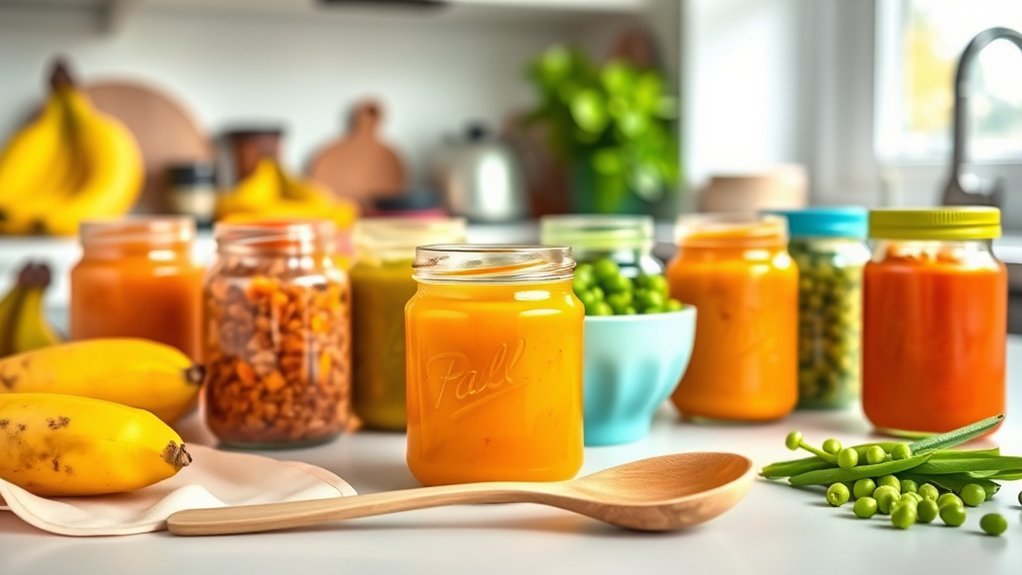
Heavy metals such as arsenic, lead, cadmium, and mercury can enter food from soil, water, environmental pollution, farming, processing, or packaging. No baby food can be promised completely free of these elements, but you can lower your baby’s exposure without cutting nutritious foods from the diet. The most useful strategy is to serve a varied diet, rotate grains, prepare rice carefully, limit juice, choose lower-mercury fish, and follow food-recall notices.
Quick Answer
Choose a wide mix of fruits, vegetables, iron-rich proteins, dairy foods, and grains such as oats, barley, quinoa, and multigrain cereal. Rice can remain in the diet, but it should not be the only grain. Avoid claims that any food or brand is completely free of heavy metals.
Key Takeaways
- No ordinary baby food is guaranteed to be completely free of arsenic, lead, cadmium, or mercury.
- Dietary variety is more useful than relying on a short list of supposedly “safe” foods.
- Rotate rice with oats, barley, quinoa, wheat, and other age-appropriate grains.
- Rinsing rice alone has little effect on arsenic; cooking it in excess water and draining it can reduce more arsenic.
- Ingredient labels can help you spot repeated ingredients, but they do not disclose lot-specific heavy-metal levels.
- Ask your pediatrician about a blood lead test when your child has relevant risk factors or may have eaten a recalled product.
Understanding the Risks of Heavy Metals in Baby Foods
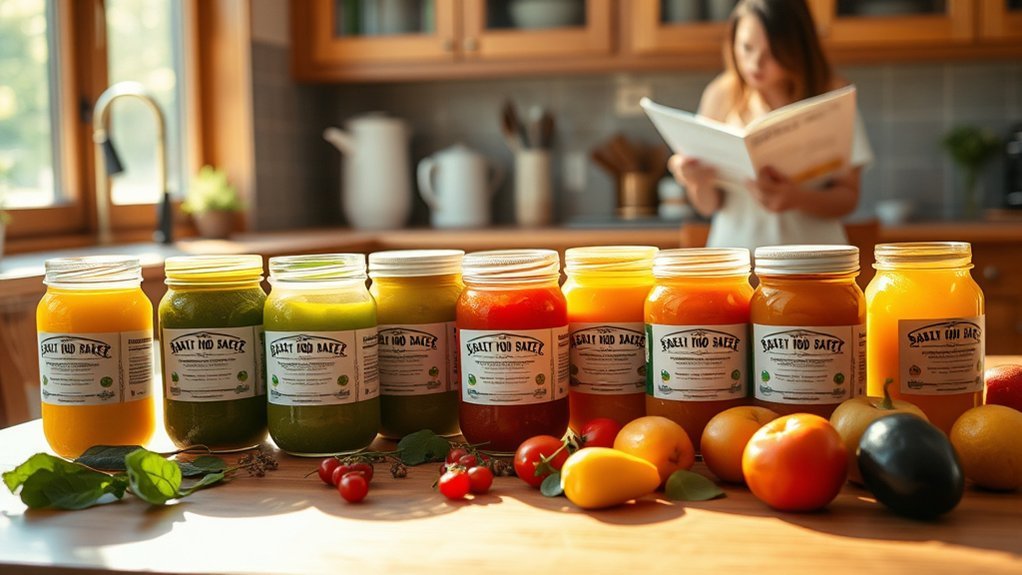
Arsenic, lead, cadmium, and mercury occur naturally in the environment and may also come from human activity. Crops can take them up from soil and water, while processing or packaging can add smaller amounts in some cases. This means homemade, packaged, organic, and conventional foods may all contain trace amounts.
Babies and young children deserve special protection because their bodies and brains are still developing. However, the American Academy of Pediatrics also notes that the low levels found in baby foods are generally only one part of a child’s total exposure. Parents should reduce avoidable exposure without removing so many foods that the child misses iron, protein, healthy fats, or other nutrients.
Lead deserves particular attention because there is no known safe blood lead level in children. Inorganic arsenic is also a concern because rice absorbs more arsenic than many other crops. Cadmium may occur in some grains, vegetables, and other foods, while methylmercury is mainly associated with certain fish.
The goal is not to find a perfect “metal-free” menu. It is to reduce repeated exposure while preserving a varied, nutrient-rich diet.
Lower-Exposure Baby Food Choices
Rather than depending on one food, build meals from several food groups. Prepare every food in a texture that matches your baby’s feeding skills and readiness for solids.
Fruits
Bananas, apples, pears, berries, peaches, melon, oranges, and other fruits can all contribute to a varied diet. Offer mashed, pureed, soft-cooked, or safely cut fruit instead of juice. Whole fruit supplies fiber and is usually more filling than juice.
Vegetables
Serve vegetables in different colors and from different plant families. Options include squash, peas, green beans, broccoli, cauliflower, zucchini, avocado, carrots, and sweet potatoes. Root vegetables do not need to be banned, but avoid relying on the same carrot- or sweet-potato-based puree at most meals.
Grains and Infant Cereals
Fortified infant cereals can provide iron and other nutrients. Rice cereal does not need to be your baby’s first or only cereal. Rotate it with oat, barley, wheat, quinoa, and multigrain cereals when those foods are appropriate for your child.
White basmati and sushi rice tend to contain less arsenic than brown rice, although levels vary by growing region and product. Brown rice can still appear occasionally in a varied diet; the main concern is repeated, heavy reliance on rice and rice-based foods.
Protein and Dairy Foods
Age-appropriate options include well-cooked egg, mashed beans or lentils, finely prepared meat or poultry, tofu, and lower-mercury fish. Plain pasteurized yogurt and small amounts of pasteurized cheese can also be offered after a baby is ready for solids.
Egg and dairy are common allergens. They do not need to be delayed for most babies once solids begin, but parents of babies with severe eczema, known food allergies, or other special risks should ask a pediatrician how to introduce them. Cow’s milk should not replace breast milk or infant formula as the main drink before 12 months, although plain yogurt and cheese may be introduced earlier.
Warning: Metal exposure is only one part of feeding safety. Use pasteurized dairy, cook eggs and meat thoroughly, avoid choking hazards, and prepare every food in a texture your baby can manage safely.
Foods That May Increase Repeated Exposure
The following foods do not always need to be eliminated. The practical goal is to prevent one ingredient from becoming a large share of your baby’s diet.
Rice Cereal and Rice-Based Snacks
Rice tends to absorb more arsenic than many other grains. Repeated servings of rice cereal, rice puffs, rice crackers, rice rusks, and teething biscuits can therefore add up. Use rice products less often and rotate them with products made from oats, barley, wheat, corn, quinoa, or mixed grains.
Avoid rice milk as a drink for babies and young children unless a qualified clinician recommends a specific product for a medical reason. Brown rice syrup can also appear as a sweetener in processed foods, so check ingredient lists when rice already makes up a large part of the diet.
Fruit Juice
Whole fruit is a better routine choice than fruit juice. Juice lacks the fiber of whole fruit, can add a concentrated source of sugar, and may contribute to contaminant exposure when consumed often. Babies younger than 12 months generally do not need fruit juice.
Higher-Mercury Fish
Fish provides protein, healthy fats, and other nutrients, so it should not automatically be removed. Choose lower-mercury options such as salmon, pollock, cod, shrimp, tilapia, sardines, or trout. Follow the current FDA and EPA fish-advice chart when choosing species and portions for children.
Repeated Root-Vegetable Blends
Carrots and sweet potatoes remain nutritious foods. However, many pouches with different names use the same root vegetable as the first or second ingredient. Read the ingredient list so that several apparently different blends do not become the same meal repeated throughout the week.
Note: Standard Nutrition Facts and ingredient labels do not reveal the amount of arsenic, lead, cadmium, or mercury in a specific package. Labels are useful for checking ingredients, added sugar, sodium, allergens, and dietary variety—not for measuring contaminants.
Tips to Reduce Heavy Metal Exposure in Your Baby’s Diet
- Serve genuine variety. Change the main fruit, vegetable, grain, and protein instead of repeatedly buying blends based on the same first ingredient.
- Rotate grains. Alternate rice with oat, barley, quinoa, wheat, corn, and multigrain choices that are appropriate for your baby.
- Use the excess-water method for rice. The FDA reports that cooking rice like pasta in 6 to 10 parts water for 1 part rice, then draining the extra water, can reduce inorganic arsenic by about 40% to 60%, depending on the rice.
- Do not rely on rinsing alone. Rinsing before cooking has little effect on arsenic and may wash away some added iron and B vitamins from enriched rice.
- Prefer whole fruit over juice. Serve mashed, pureed, cooked, or safely cut fruit rather than making juice a regular drink.
- Choose lower-mercury fish. Use the FDA and EPA chart to vary fish species rather than avoiding fish altogether.
- Check water when there is a reason for concern. Private well water may need testing for arsenic or other contaminants. Older plumbing can contribute lead to tap water. Contact your local health department or water utility for testing advice.
- Follow recalls. Check the FDA food-recall page and act on notices that identify a product, lot number, or best-by date you have purchased.
Cooking rice in excess water can also remove some iron, folate, niacin, and thiamine from enriched rice. That tradeoff is another reason to rotate grains and continue offering other iron-rich foods.
Pro Tip: Plan variety across the week. For example, use oat cereal one day, barley or multigrain cereal the next, quinoa or another soft grain later, and rice occasionally rather than at every meal.
Are Homemade or Organic Baby Foods Safer?
Homemade baby food can be affordable and gives you control over ingredients and texture. However, it is not automatically lower in arsenic, lead, cadmium, or mercury because plants may absorb these elements before they reach your kitchen.
Packaged baby food is not automatically more contaminated, either. Concentrations can differ among ingredients, growing areas, manufacturers, and production lots. A manufacturer’s testing statement may provide useful information, but it does not prove that every product is completely metal-free.
Organic certification covers farming and production practices; it does not guarantee lower heavy-metal levels. Metals that occur naturally in soil can be present in both organic and conventional crops. Whether you prepare food at home or buy it, variety remains the most practical consumer strategy.
Current FDA Action Levels for Baby and Toddler Foods
Current as of July 21, 2026: The FDA has final guidance for lead in several categories of processed food intended for children younger than 2. It also has an action level for inorganic arsenic in infant rice cereal.
| Food category | FDA action level | Contaminant |
|---|---|---|
| Processed fruits, most vegetables, mixtures, yogurt, custard or pudding, and single-ingredient meats | 10 parts per billion | Lead |
| Single-ingredient root vegetables | 20 parts per billion | Lead |
| Dry infant cereals | 20 parts per billion | Lead |
| Infant rice cereal | 100 parts per billion | Inorganic arsenic |
The lead values come from the FDA’s January 2025 final guidance. The infant-rice-cereal value comes from the FDA’s 2020 inorganic arsenic guidance.
These action levels help the FDA decide when a product may be considered adulterated and when enforcement may be appropriate. They are not a promise that every product below the listed number is risk-free, and they are not instructions for parents to remove an entire food group.
The FDA’s 2026 Human Foods Program priorities include further work toward action levels for cadmium and inorganic arsenic in baby and toddler foods.
When to Talk to Your Pediatrician About Heavy-Metal Concerns

Contact your pediatrician if your baby ate a recalled product, may have been exposed to peeling lead paint, lives or spends time in a home built before 1978, drinks water with a known contamination problem, or has another recognized exposure risk.
Do not wait for developmental or behavioral changes before asking for advice. Most children with lead in their blood have no obvious immediate symptoms, and delays in speech, learning, or movement can have many unrelated causes.
A blood lead test is the best way to assess lead exposure. According to the CDC’s current testing guidance, children enrolled in Medicaid are required to be tested at 12 and 24 months, or between 24 and 72 months if they have no record of a previous test. For children who are not enrolled in Medicaid, testing is generally based on local screening plans and individual risk factors.
Routine consumer testing for every metal is not usually recommended solely because a child has eaten rice, carrots, or packaged baby food. Your pediatrician can decide whether a blood, urine, or other clinical test is appropriate based on the suspected metal, exposure source, timing, and symptoms.
Warning: Most low-level exposure cannot be diagnosed from symptoms. If your child may have swallowed a known contaminated product or develops severe vomiting, unusual sleepiness, confusion, weakness, or seizures, seek urgent medical help. Those symptoms can have many causes and require professional evaluation.
Medical Note: This article provides general educational information and does not replace care from your child’s pediatrician, local health department, poison-control service, or another qualified healthcare professional.
Frequently Asked Questions
How can I test baby food for heavy metals at home?
Consumer strips and household test kits cannot reliably show whether food contains arsenic, lead, cadmium, or mercury at the parts-per-billion levels used in regulatory testing. Meaningful testing requires a qualified laboratory using validated methods. If a product concerns you, keep the package and lot information, stop serving it until you receive advice, check FDA recalls, and contact the manufacturer or your pediatrician.
Are there specific brands known for low heavy-metal levels?
There is no permanent list of brands that can guarantee every food and production lot is low in every metal. Results can change with ingredients, farms, suppliers, and manufacturing lots. Favor companies that clearly explain their testing practices, check current recalls, and avoid depending on one brand or ingredient for most meals.
Can heavy metals affect my baby’s development over time?
Repeated exposure to toxic forms of lead, arsenic, mercury, or cadmium can affect health and development. The actual risk depends on the metal, dose, exposure source, and length of exposure. Food is only one possible source, so reducing household lead hazards, contaminated water, smoke, and other environmental exposures also matters.
What symptoms indicate that my baby has been affected?
Most children with low-level lead exposure have no obvious immediate symptoms. Developmental delays, feeding changes, stomach problems, tiredness, or behavioral changes are not specific to heavy metals and can have many causes. Discuss known exposure risks with your pediatrician instead of trying to diagnose exposure from symptoms.
How often should I change my baby’s diet to reduce risk?
There is no required rotation schedule. Aim for variety across meals and throughout the week. Avoid serving the same grain, pouch base, snack ingredient, or vegetable at nearly every meal. Your baby can eat familiar foods repeatedly while still receiving a changing mix of grains, produce, proteins, and textures.
Is homemade or organic baby food automatically safer?
No. Homemade food gives you control over ingredients and texture, but crops may absorb metals before purchase. Organic certification does not guarantee lower heavy-metal levels because naturally occurring metals can be present in organic and conventional soil. Variety is important with every preparation method.
Should I stop serving rice, carrots, or sweet potatoes?
Most families do not need to eliminate these foods. Serve them as part of a varied diet instead of making them the base of most meals and snacks. Rotate rice with other grains, use the excess-water cooking method for rice when practical, and change the main vegetable in purees and pouches.
Does every child need a blood lead test at 12 and 24 months?
Children enrolled in Medicaid are required to receive blood lead tests at 12 and 24 months. Testing for other children depends on state or local screening plans and personal risk factors, such as older housing, contaminated water, a household member’s lead-related work, or consumption of a recalled product. Ask your pediatrician what applies to your child.
Conclusion
You cannot remove every trace environmental contaminant from a baby’s diet, and you do not need to create an overly restrictive menu. Offer a varied mix of fruits, vegetables, grains, iron-rich proteins, pasteurized dairy foods, and lower-mercury fish. Rotate rice-based foods, limit juice, prepare rice with excess water when practical, and pay attention to recalls and water risks.
If your child may have eaten a recalled food or has another known exposure risk, contact your pediatrician. Risk-based testing and calm, practical changes are more useful than unvalidated home kits, permanent brand rankings, or eliminating nutritious foods without medical advice.
Sources
- FDA — Closer to Zero — explains how contaminants enter food and the federal approach to reducing childhood exposure.
- FDA — Action Levels for Lead in Processed Food Intended for Babies and Young Children — supports the current 10-ppb and 20-ppb lead levels.
- FDA — What You Can Do to Limit Exposure to Arsenic — supports the excess-water rice-cooking method and explains the limits of rinsing.
- American Academy of Pediatrics — Heavy Metals in Baby Food — supports dietary variety, grain rotation, whole fruit, water checks, and balanced risk reduction.
- CDC — Testing for Lead Poisoning in Children — supports risk-based screening and Medicaid testing requirements.
- FDA and EPA — Advice About Eating Fish — identifies nutritious fish choices that are lower in mercury.