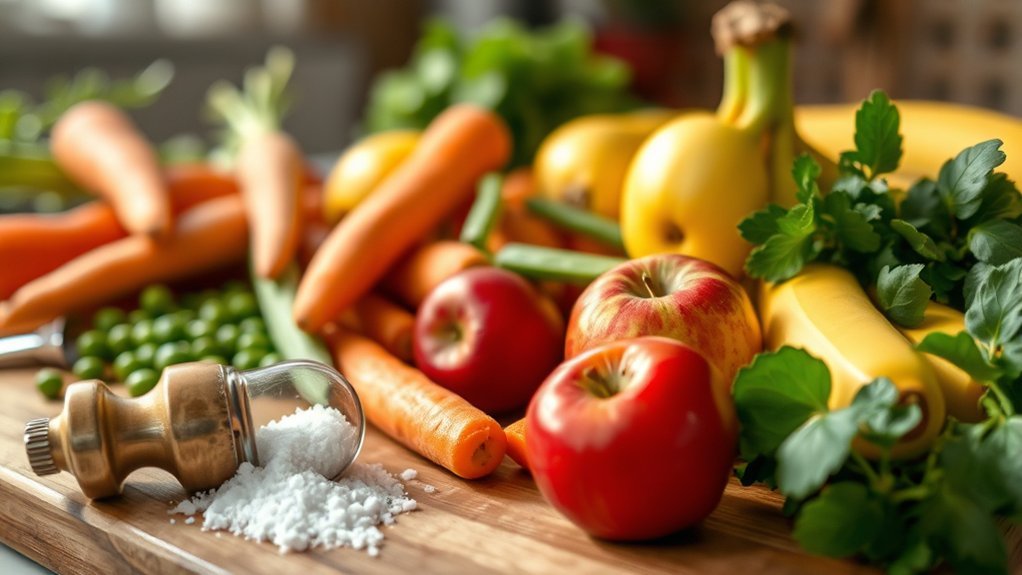
Sodium is an essential mineral, but that does not mean you need to add salt to your baby’s food. Breast milk, infant formula, and ordinary complementary foods normally supply sodium during the first year. The safest everyday approach is to serve mostly fresh, minimally processed foods and prepare your baby’s portion before salting the rest of the family meal.
Quick Answer
Do not deliberately add salt to baby food during the first 12 months unless your child’s clinician has given you different instructions. Babies need sodium, but they normally get it from breast milk, formula, and complementary foods. After the first birthday, small amounts may be included in family meals, but high-sodium foods should still be limited.
Key Takeaways
- Sodium is necessary for fluid balance, nerve signaling, and muscle function, but added table salt is not required during infancy.
- The U.S. Adequate Intake is 110 mg of sodium per day for birth through 6 months and 370 mg per day for 7 through 12 months.
- These figures describe total sodium from milk feeds and food; they are not instructions to measure sodium or add salt to meals.
- Avoid salty processed meats, stock cubes, gravy, soy sauce, ready meals, and heavily salted snacks.
- Flavor food with salt-free herbs, spices, garlic, onion, fruit, vegetables, or a little lemon instead.
Medical note: This article provides general feeding information. A baby who was born prematurely or has kidney disease, heart disease, poor growth, a feeding disorder, or a prescribed formula may need individualized sodium guidance from a pediatrician or registered dietitian.
Why Babies Need Sodium but Not Added Salt
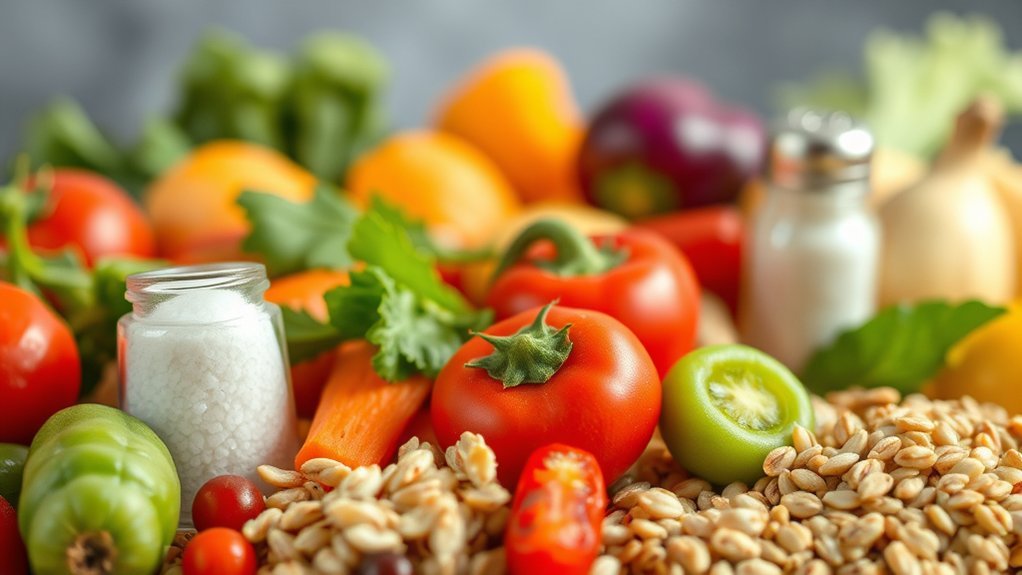
Sodium helps regulate fluid balance and supports normal nerve and muscle function. It is found naturally in human milk, infant formula, meat, eggs, dairy foods, grains, vegetables, and many other foods.
The important distinction is between sodium that is already present in a balanced diet and salt that is deliberately added during cooking or at the table. Healthy infants generally do not need the second source.
According to the National Academies of Sciences, Engineering, and Medicine, the U.S. sodium Adequate Intake for infants is based on the sodium normally obtained from human milk, formula, and complementary foods.
Babies need sodium, but needing sodium is not the same as needing added salt.
How Much Sodium Does a Baby Need?
Current U.S. dietary reference values separate infants into two age groups:
| Age | U.S. Adequate Intake | Practical Meaning |
|---|---|---|
| Birth through 6 months | 110 mg sodium per day | The value is based on estimated intake from human milk. Properly prepared infant formula also contains sodium. |
| 7 through 12 months | 370 mg sodium per day | The estimate includes sodium from milk feeds and complementary foods. It is not a reason to add salt. |
| 1 through 3 years | 800 mg sodium per day | Toddlers can gradually share more family foods, but their meals should still be lower in sodium than a typical adult diet. |
An Adequate Intake is a reference used when evidence is not strong enough to establish a precise requirement for every person. It is not a dosing target, and parents do not need to count every milligram eaten by a healthy baby.
The National Academies did not establish a Tolerable Upper Intake Level or a Chronic Disease Risk Reduction threshold for infants. That lack of a numerical upper limit does not mean unlimited sodium is safe. It means there was not enough evidence to set a reliable cutoff for this age group.
Note: Guidelines use different formats. The U.K. NHS advises that babies under one year have less than 1 gram of salt per day. One gram of table salt contains about 400 mg of sodium. The U.S. value of 370 mg for ages 7–12 months is an Adequate Intake, not an upper limit, so the two figures should not be treated as identical rules.
Why Added Salt Is Discouraged Before 12 Months
Infants have small bodies and developing kidneys, so a heavily salted meal delivers much more sodium relative to body size than it would for an adult. The NHS advises parents not to add salt to baby food, cooking water, stock, or gravy.
There are several reasons to avoid unnecessary salt:
- It is easy to overdo: Stock cubes, sauces, processed meat, cheese, bread, and packaged snacks can add sodium quickly.
- It can displace better foods: Infants have small appetites, so meals should focus on iron, zinc, protein, healthy fats, fruits, vegetables, and varied textures.
- Early experience may influence taste: Research has linked early exposure to sodium-containing table foods with greater acceptance of salty tastes during infancy.
- Higher sodium is associated with higher blood pressure in older children: This does not prove that one salty infant meal causes future hypertension, but it supports building a lower-sodium eating pattern early.
A single salty bite is not the same as a long-term high-sodium diet. The goal is not perfection. It is to avoid routinely adding salt and to limit foods in which sodium is concentrated.
When Can Babies Have Salt?
Birth to Around 6 Months
Most babies receive only breast milk or properly prepared infant formula during this stage unless a clinician recommends otherwise. Do not add salt to bottles, formula, expressed milk, or water. Always prepare formula exactly as directed on the label.
From Around 6 to 12 Months
Complementary foods commonly begin around six months, but starting solids does not create a need for added salt. Offer a variety of unsalted or minimally processed foods while continuing breast milk or infant formula.
Suitable choices include:
- Soft vegetables, beans, lentils, eggs, meat, poultry, and low-mercury fish
- Plain oatmeal, quinoa, pasta, rice, or other grains without salty seasoning packets
- Plain full-fat yogurt and suitable pasteurized cheese in age-appropriate portions
- Fruit, avocado, nut or seed butter spread thinly or mixed into food, where developmentally appropriate
- Homemade family foods prepared without salty stock, gravy, sauces, or seasoning blends
After the First Birthday
There is no sudden point at 12 months when high-sodium food becomes harmless. After the first birthday, a child can gradually share more family meals, and a small amount of salt may sometimes be present. Continue limiting processed meats, salty snacks, takeout meals, instant noodles, concentrated sauces, and heavily salted prepared foods.
Pro Tip: When cooking for the family, prepare the meal with herbs and other salt-free seasonings. Remove your baby’s portion first, then add salt, stock, soy sauce, or other salty ingredients to the adult portions if needed.
Common Sources of Sodium in Baby and Family Foods
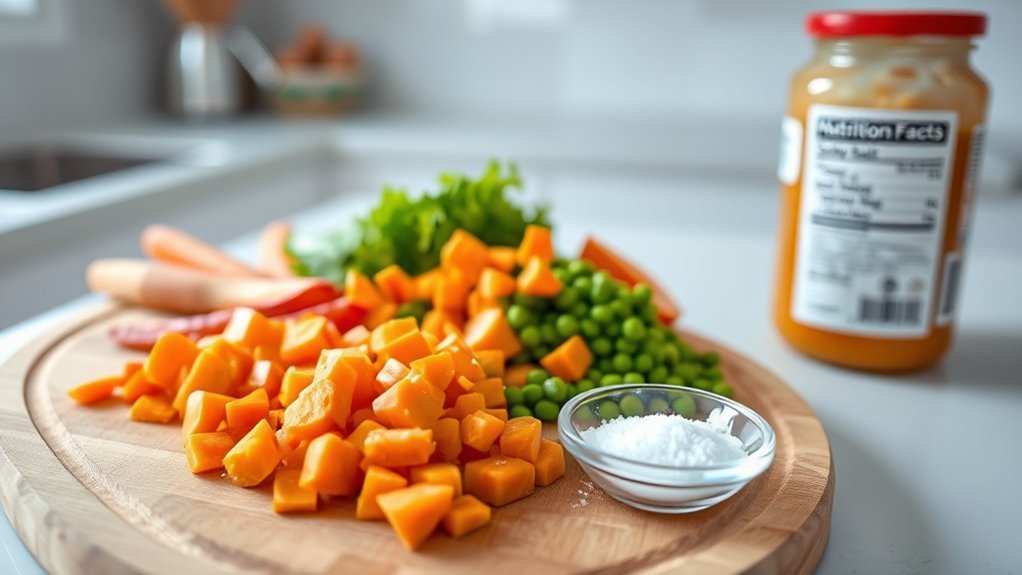
The CDC recommends avoiding foods high in salt for young children. The main concern is usually not the small amount of sodium naturally found in vegetables. It is sodium added during processing, preparation, or seasoning.
Check these foods carefully:
- Processed meats: Bacon, ham, sausage, hot dogs, deli meat, and cured meat
- Stocks and sauces: Stock cubes, bouillon, gravy, soy sauce, teriyaki sauce, ketchup, and bottled marinades
- Prepared meals: Frozen dinners, canned soups, takeout food, instant noodles, and boxed meal mixes
- Salty snacks: Chips, pretzels, salted crackers, flavored rice cakes, and some packaged toddler snacks
- Canned foods: Vegetables, beans, meat, or fish packed with added salt or brine
- Bread and baked foods: Individual servings may not taste very salty, but sodium can add up when they are eaten several times a day
- Cheese: Cheese can be nutritious, but sodium differs widely by type and brand, so keep portions suitable for a baby and compare labels
Plain commercial baby foods are not automatically high in sodium, and homemade food is not automatically low. Read the label or check every ingredient rather than judging by whether a food is homemade, organic, or marketed for babies.
How to Read Sodium on a Food Label
The Nutrition Facts label lists sodium in milligrams per serving. The FDA provides these definitions for packaged foods:
- Sodium-free: Less than 5 mg per serving
- Very low sodium: 35 mg or less per serving
- Low sodium: 140 mg or less per serving
- Reduced sodium: At least 25% less sodium than the regular product
- Light in sodium: At least 50% less sodium than the regular product
- No salt added or unsalted: No salt was added during processing, but the food may still contain naturally occurring sodium
For an infant, concentrate on the milligrams of sodium in the amount your baby will actually eat. The percentage Daily Value on a standard Nutrition Facts label is based on a 2,300 mg adult Daily Value, not an infant’s needs.
When comparing products:
- Check that the serving sizes are similar.
- Compare sodium in milligrams, not just advertising terms on the front.
- Look for “no salt added,” “unsalted,” or the lowest-sodium practical option.
- Read the ingredient list for salt, brine, sodium bicarbonate, monosodium glutamate, sodium nitrate, and other sodium-containing ingredients.
- Remember that “reduced sodium” does not necessarily mean low sodium.
How to Flavor Baby Food Without Salt
Babies can learn to enjoy many flavors without salty sauces or seasoning blends. Introduce one new ingredient at a time when needed to identify allergies or intolerances, and use a small amount of seasoning at first.
| Salt-Free Flavor | Works Well With | Flavor Profile |
|---|---|---|
| Garlic | Beans, lentils, meat, vegetables, pasta | Savory and aromatic |
| Cinnamon | Oatmeal, apple, pear, squash, yogurt | Sweet and warm |
| Onion or onion powder without salt | Eggs, vegetables, meat, beans | Rich and slightly sweet |
| Basil, oregano, or thyme | Tomato, pasta, chicken, vegetables | Fresh and savory |
| Cumin or mild paprika | Beans, lentils, sweet potato, meat | Earthy and warm |
| Lemon or lime juice | Fish, avocado, vegetables, beans | Bright and tangy |
Check packaged herb and spice blends carefully. Garlic salt, onion salt, seasoned salt, taco seasoning, and many mixed seasonings can contain significant sodium. Choose single herbs and spices or blends clearly labeled salt-free.
Are Sea Salt and Salt Substitutes Safer?
Sea salt, kosher salt, Himalayan pink salt, and ordinary table salt all provide sodium. Differences in crystal size, color, trace minerals, or processing do not make one a suitable infant seasoning.
Low-sodium salt substitutes are also unnecessary for most babies. Some replace sodium chloride with potassium chloride. Do not use a potassium-based salt substitute for an infant unless a pediatric clinician specifically recommends it, especially if the baby has a kidney, heart, or medication-related concern.
What to Do If Your Baby Eats Salty Food
If your baby has one bite or one meal that is saltier than intended, do not panic. Return to the usual breast milk or formula feeds and lower-sodium foods. Do not try to compensate by forcing large amounts of water, and do not change formula concentration.
Contact your pediatrician if the meal contained an unusually large amount of salt, if repeated high-sodium feeding has occurred, or if your child has a medical condition affecting fluid or electrolyte balance.
Warning: Deliberately eating or drinking a concentrated amount of salt can cause poisoning. Never give salt water to make a child vomit or add extra salt to formula. In the United States, call Poison Control at 1-800-222-1222 or use webPOISONCONTROL if a large ingestion may have occurred. Call 911 if the child collapses, has a seizure, has trouble breathing, or cannot be awakened.
Frequently Asked Questions
Can I use sea salt in my baby’s food?
No type of salt is necessary during infancy. Sea salt, kosher salt, Himalayan salt, and table salt all contain sodium. Trace minerals or different crystal shapes do not make sea salt safer for a baby.
Can I use low-sodium soy sauce or ketchup?
These are not good everyday flavorings for an infant. Reduced-sodium soy sauce can still be salty, and ketchup may contain both sodium and added sugar. Use garlic, onion, herbs, mild spices, fruit, vegetables, or lemon instead.
What are natural flavor alternatives for baby food?
Try salt-free garlic or onion, cinnamon, basil, dill, oregano, thyme, cumin, mild paprika, lemon, ripe fruit, roasted vegetables, or unsweetened fruit puree. Check mixed seasonings to make sure salt has not been added.
How can I tell whether baby food contains added salt?
Read both the Nutrition Facts panel and the ingredient list. Compare sodium in milligrams for similar serving sizes. Ingredients may list salt, brine, sodium bicarbonate, monosodium glutamate, sodium nitrate, or other sodium compounds.
Are vegetables that naturally contain sodium a concern?
Ordinary portions of unsalted vegetables are not usually the main concern for a healthy baby. Sodium added to processed meats, sauces, stock, prepared meals, snacks, and canned foods is generally more concentrated and easier to overconsume.
Can babies eat cheese and bread?
Age-appropriate bread and suitable pasteurized cheese can be part of a varied diet, but sodium differs by product. Serve reasonable portions, compare labels, and balance them with lower-sodium foods rather than offering several salty foods in the same meal.
What if my baby ate one salty meal?
One unexpectedly salty meal is usually different from routine high-sodium feeding. Resume normal breast milk or formula feeds and lower-sodium foods. Contact a pediatrician or Poison Control if a large amount of salt may have been swallowed or the baby seems unwell.
At what age can I add salt to family meals?
Do not deliberately add salt to an infant’s portion during the first year. After 12 months, small amounts may be present as your child shares more family foods, but meals should remain modest in sodium. Taking the child’s portion out before salting is still a useful habit.
Conclusion
Your baby needs sodium, but healthy infants normally receive it from breast milk, formula, and ordinary complementary foods. There is no need to add salt during the first year. Focus on fresh or minimally processed foods, compare packaged products by sodium milligrams, and remove your baby’s serving before salting a family meal.
After 12 months, small amounts of salt may appear as your child eats a wider range of family foods, but salty processed foods should remain occasional choices. Ask your pediatrician for individualized advice if your baby has a medical condition, uses a prescribed formula, or has specific growth or feeding needs.
Sources
- Centers for Disease Control and Prevention: Foods and Drinks to Avoid or Limit — guidance on high-salt foods, packaged snacks, processed meats, canned foods, and label checking.
- National Academies: Sodium and Potassium Dietary Reference Intake Values — U.S. sodium Adequate Intake values for infants and young children.
- NHS: Foods to Avoid Giving Babies and Young Children — advice not to add salt, stock cubes, or gravy to baby food.
- U.S. Food and Drug Administration: Sodium in Your Diet — sodium label definitions and the difference between sodium and salt.
- Stein et al.: Development of Salty Taste Acceptance in Human Infants — prospective research on dietary experience and early salt preference.
- Leyvraz et al.: Sodium Intake and Blood Pressure in Children and Adolescents — systematic review and meta-analysis of sodium intake and childhood blood pressure.