A new coffee maker may smell like plastic because odors from newly molded parts, silicone seals, packaging materials, adhesives, filters, or small amounts of manufacturing residue can become more noticeable when the appliance warms up. A mild new-material odor may improve after the manufacturer’s first-use cleaning procedure, but a burning, melting, or electrical smell is not normal and requires immediate attention.
Quick Answer
Wash the removable parts, run the water-only cleansing cycle or cycles required for your exact model, and let the clean appliance air out. Do not circulate bleach, alcohol, OxiClean, dish soap, or another unapproved cleaner through the internal water path. Stop using the machine if you smell burning, see smoke, or notice melting, leaking, or electrical trouble.
Key Takeaways
- A plastic-like odor can come from new materials, packaging, seals, filters, or manufacturing residue, but smell alone cannot identify a specific chemical.
- Wash removable food-contact parts with warm, soapy water, then rinse and dry them as directed by the manual.
- Run the model-specific water-only cleansing procedure before brewing coffee. Some machines require one cleansing brew; others use a different setup sequence.
- Use vinegar or a descaling product only when your exact coffee maker’s instructions approve that method.
- A mild first-use odor is different from a smell that suddenly appears in an older machine after months of normal operation.
- Stop using the appliance if the odor resembles burning plastic or wiring, or if you see smoke, sparks, leaking, warping, melting, or unusual overheating.
At a Glance
| Time Required | About 20–60 minutes for basic first-use washing and rinsing, depending on the model and brew-cycle length |
| Difficulty | Easy |
| Tools Needed | Fresh water, mild unscented dish soap, and a soft cloth or nonabrasive sponge |
| Cost | Usually no added cost; a manufacturer-approved descaler may cost extra if your manual calls for one |
Warning: Unplug the coffee maker before washing or wiping it, and never immerse the base, cord, or plug. Stop using the appliance if you notice smoke, sparks, a burning-wire odor, melted or warped plastic, leaking onto electrical parts, an unusually hot cord or plug, or a tripped outlet or breaker.
Cleaning Your Coffee Maker to Remove Plastic Smell
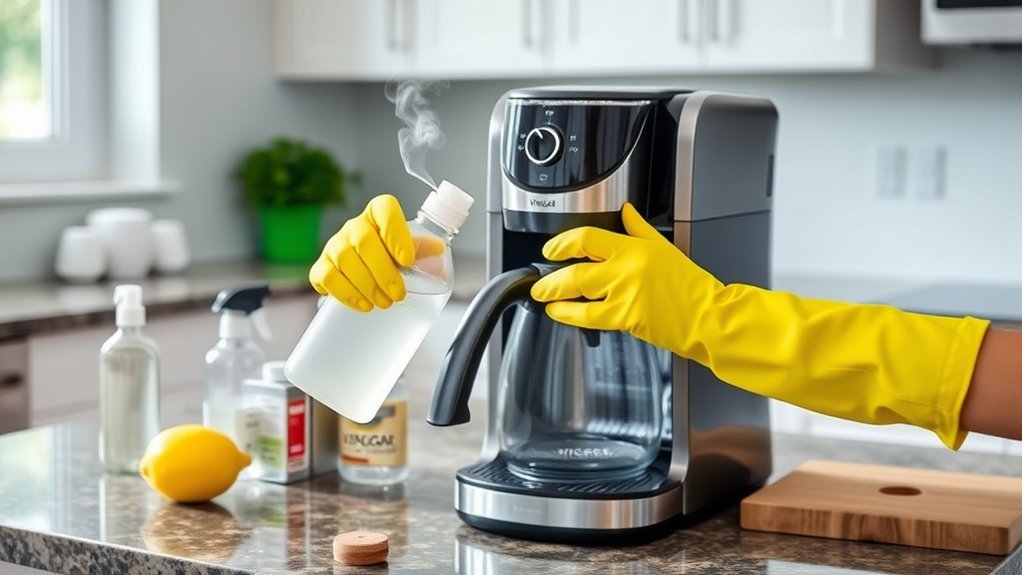
Start with the coffee maker’s instruction manual. The approved first-use, cleaning, rinsing, and descaling procedures can differ even between models from the same brand. Do not assume that a cleaning mixture recommended for one brewer is safe for another.
First-Use Cleaning Steps
- Inspect the machine. Remove tape, protective film, cardboard, foam, twist ties, and any shipping plug or disk identified in the manual. Check the reservoir, filter basket, pod holder, carafe lid, drip tray, hot plate, and other accessible areas.
- Unplug and cool the appliance. Remove only the parts the manual identifies as washable.
- Wash removable parts. Use warm water, mild unscented dish soap, and a soft sponge. Rinse thoroughly and allow the parts to dry.
- Prepare any water filter correctly. A charcoal or resin filter may need to be rinsed or soaked before installation. Follow the filter instructions rather than placing a dry filter directly into service.
- Reassemble the coffee maker. Install the reservoir, basket, carafe, water filter, pod holder, or other removable parts exactly as directed.
- Run the specified water-only cleansing cycle. Fill the reservoir with fresh water and brew without coffee grounds or a pod. Do not add coffee until the first-use process is complete.
- Repeat only when directed. The required procedure varies by model. For example, current Keurig setup guidance for the K-Supreme SMART describes a one-time initial cleansing brew, while other machines and post-storage procedures may require different rinsing steps.
- Check the cooled rinse water. Let the final water cool before smelling or tasting it. It should not have a strong plastic, chemical, detergent, or burned flavor before you make coffee.
Manufacturer directions should decide the number of cleansing brews—not a generic rule from another brand or model. A first-use rinse, a routine cleaning cycle, and a descaling cycle solve different problems and may use different procedures.
Pro Tip: Use the same fresh water you normally drink. If the odor appears only with tap water, compare one approved water-only cycle using filtered or bottled drinking water. That can help show whether chlorine, sulfur compounds, or another water-source odor is contributing to the problem.
What Is Outgassing in a New Coffee Maker?
The U.S. Environmental Protection Agency explains that volatile organic compounds, or VOCs, can be emitted as gases from certain solids and liquids. Many household materials and products can release volatile substances, particularly while they are new or in use.
A new coffee maker’s warmth can make odors from recently molded polymers, silicone seals, adhesives, coatings, filters, or packaging more noticeable. People often call this “outgassing,” but smelling something does not identify the chemical involved, prove that a particular VOC is present, or establish how much exposure has occurred.
A detectable odor is a reason to clean and inspect the appliance, not proof that BPA, a phthalate, or another specific chemical is present.
Ventilation can help disperse an ordinary new-material smell. After the appliance is unplugged and cool, letting clean parts air out can also help. Ventilation should never be used to justify continued operation when a coffee maker smells burned, smokes, overheats, leaks, trips an electrical circuit, or shows visible heat damage.
How Manufacturing Residues Can Affect Smell and Taste
A new appliance may contain dust, traces of processing residue, or odors from packaging and recently manufactured components. Hot water or steam can make those odors easier to notice during the first few cycles.
Possible sources include:
- Protective film, tape, foam, cardboard, a shipping disk, or a shipping plug left in place
- Dust or residue on a removable reservoir, basket, carafe, lid, or drip tray
- A new charcoal water filter that was not rinsed or soaked as directed
- Silicone seals, tubing, or gaskets with a temporary new-material odor
- Packaging odor trapped inside a closed reservoir or carafe
- Odors absorbed while the appliance was stored in a box, warehouse, garage, cabinet, or other enclosed area
- Tap water containing chlorine, sulfur compounds, or another noticeable odor
- Old coffee oils or cleaning residue if the brewer is not actually new
- A hot plate, heater, wire, plug, connector, or plastic component that is overheating
Cleaning can address residue on washable parts. Airing can help with trapped packaging or material odors. Neither cleaning nor ventilation can repair overheating components, damaged wiring, melting plastic, or a failing electrical connection.
Normal New-Appliance Odor vs. Warning Signs
| What you notice | What to do |
| Mild plastic-like odor on a brand-new machine that becomes weaker after the approved first-use rinse | Complete the manual’s first-use cleaning steps and air out the clean, dry appliance. |
| Odor remains in the reservoir or carafe when the machine is cold | Rewash approved removable parts and inspect for packaging, storage odor, an improperly prepared filter, or a strongly scented gasket or lid. |
| Odor occurs only when the hot plate or heater turns on | Unplug the machine and inspect for film, debris, warping, residue, or overheating. Contact the manufacturer before using it again if the cause is not obvious and removable. |
| A plastic or electrical odor suddenly begins after months or years of normal operation | Treat this more seriously than a first-use smell. Stop using the brewer until you have ruled out heat damage, wiring trouble, a deteriorated seal, residue on a hot surface, or another defect. |
| Burning-wire smell, smoke, sparks, melting, unusual heat, or electrical tripping | Stop immediately, unplug the appliance if it is safe to do so, and arrange manufacturer support, service, replacement, or return. |
| Headache, nausea, coughing, eye irritation, dizziness, or breathing discomfort while the odor is present | Stop using the appliance and move to fresh air. Seek prompt medical help for severe breathing difficulty or other severe symptoms, or medical advice if symptoms do not resolve. |
New Machine vs. Older Machine
Timing is an important clue. A mild smell during the first-use rinse of a brand-new brewer may come from packaging or new components and should improve. A strong plastic or electrical smell that appears suddenly after a machine has worked normally for months is different. In an older brewer, first look for an overheated part, damaged wiring, residue on a heater or hot plate, a failing gasket, leaking water, or another mechanical problem rather than assuming the machine is simply “outgassing.”
Should You Use Vinegar to Remove the Plastic Smell?
Vinegar is commonly used to remove mineral scale in some coffee makers, but it is not a universal first-use cleaner. A new brewer normally needs its first-use washing and water-only rinse before it needs descaling, and some manufacturers prefer or require a dedicated descaling solution.
Procedures vary widely. Cuisinart provides vinegar-based cleaning guidance for many of its machines. Keurig offers its own descaling solution for its brewing systems. A Hamilton Beach One Press manual, meanwhile, specifies 1 pint (2 cups/473 mL) of plain white vinegar for that model’s cleaning program and then requires two or three full fresh-water brew cycles.
Note: Do not copy a vinegar ratio, soak time, or rinse count from an unrelated coffee maker. Locate the manual for your exact model and use its approved cleaner, amount, program, soak time, filter-removal steps, and rinsing instructions.
If vinegar is allowed, remove a water filter when instructed, complete the approved cleaning procedure, and run every required fresh-water rinse cycle. Do not keep running vinegar through a new machine 10, 15, or 20 times in an attempt to force a material odor to disappear.
If the first-use process is complete and a strong plastic taste or smell remains, more acid is not automatically the answer. Isolate the reservoir, lid, basket, gasket, filter, water source, and heated components first so you know what problem you are trying to solve.
Best Practices for Cleaning Your Coffee Maker
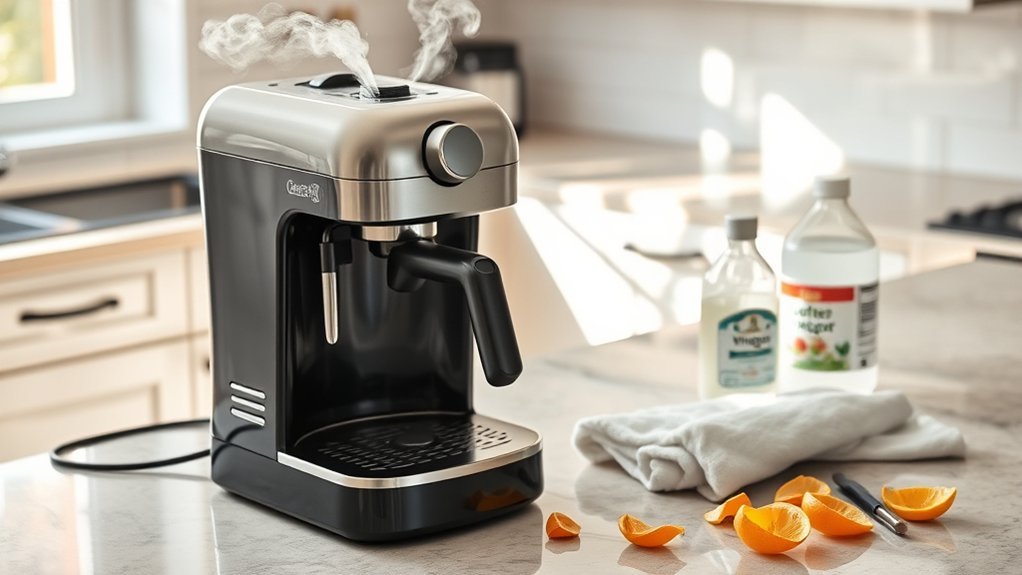
A consistent cleaning routine helps prevent old coffee oils, mineral deposits, detergent residue, and standing water from producing odors that can be mistaken for a plastic or chemical smell.
Vinegar or Descaling Method
- Read the exact model manual before choosing a cleaner.
- Do not use a descaling procedure as a substitute for the manufacturer’s first-use setup unless the instructions say to do so.
- Remove a charcoal, resin, or other replaceable water filter when the manual requires it.
- Measure the approved cleaner and water accurately.
- Run only the specified cleaning or descaling program.
- Complete every required fresh-water rinse cycle.
- Replace, reinstall, or prepare the water filter as directed.
Descaling removes mineral deposits. It does not repair damaged plastic, wiring, electrical connections, a defective heater, or an odor caused by overheating.
Regular Maintenance Schedule
- After use: Discard grounds or pods and rinse the carafe and brew basket when appropriate for your model.
- Regularly: Wash removable parts with warm, soapy water if the manual permits it. Avoid leaving stale water standing in a removable reservoir for long periods.
- As directed: Clean the pod needle, spray head, reusable filter, milk system, steam wand, or grinder using the model instructions.
- When indicated: Descale when the clean or descale light appears, or at the interval recommended for your water hardness and usage.
- Periodically: Inspect the cord, plug, reservoir, accessible tubing connections, seals, hot plate, and surrounding plastic for leaks, discoloration, cracks, deformation, or other damage.
Alternative Cleaning Solutions
The safest alternatives are products specifically approved by the coffee maker’s manufacturer. Depending on the model, these may include a branded descaler, a citric-acid-based product, cleaning tablets, or another model-specific cleaner.
Baking soda may be useful as a gentle paste on a removable carafe or another washable surface when the manufacturer permits it. It should not be pumped through internal tubing, valves, boilers, or pumps unless the manual expressly provides that procedure.
Do Not Run Through the Internal Water Path: Rubbing alcohol, vodka, bleach, ammonia, OxiClean, dishwasher detergent, scented soap, essential oils, or an unapproved homemade chemical mixture. Never combine vinegar with bleach or another cleaner.
Does the Cleaning Method Change by Coffee Maker Type?
Yes. “Coffee maker” covers machines with very different water paths, pumps, heaters, valves, seals, and cleaning programs. Follow the instructions for the type and model you own.
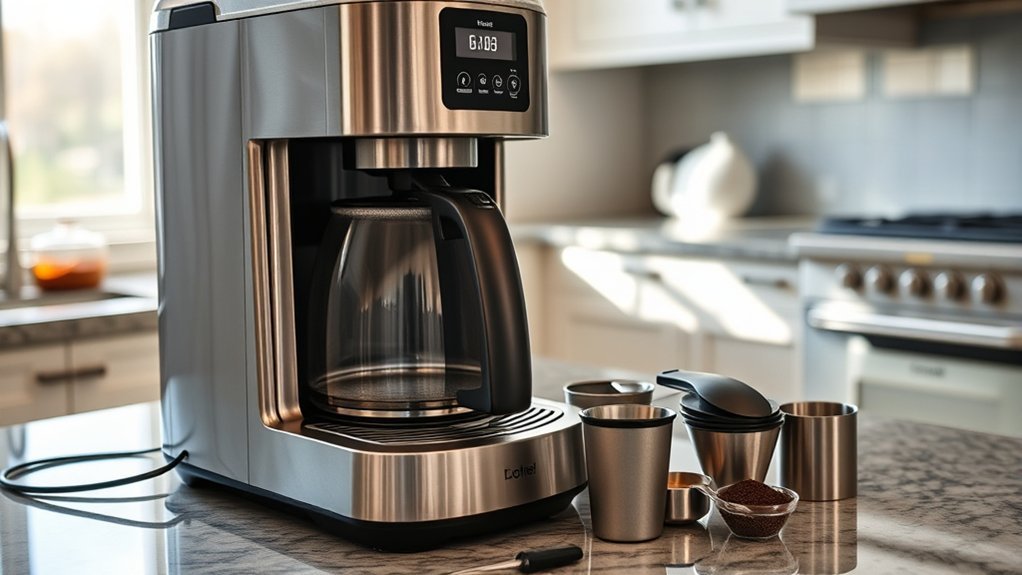
- Automatic drip coffee maker: Removable baskets, carafes, and reservoirs can often be washed separately, while the internal system may have a dedicated cleaning or descaling cycle.
- Pod or single-serve brewer: Initial cleansing brews, pod-holder cleaning, needle maintenance, water-filter preparation, and descaling instructions can be highly model-specific.
- Espresso machine: Do not assume a drip-machine vinegar method is safe. Espresso machines may have boilers, thermoblocks, pumps, solenoid valves, group-head cleaning routines, backflushing procedures, milk circuits, or manufacturer-specific descalers.
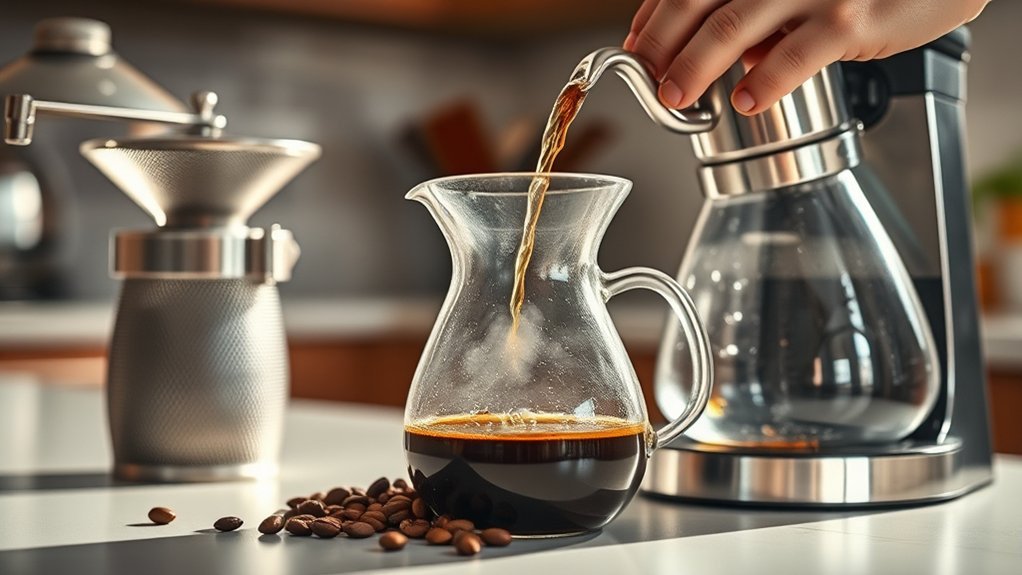
- Manual brewer: Pour-over cones, French presses, and other manual devices usually have no internal heated water path, so cleaning focuses on removable food-contact surfaces rather than pumping cleaner through a machine.
When in doubt, use the least aggressive approved process first. Stronger chemicals or repeated acidic cycles are not a substitute for identifying where the smell comes from.
Does BPA-Free Mean a Coffee Maker Will Not Smell Like Plastic?
No. A BPA-free label does not guarantee that a coffee maker is plastic-free, odor-free, or free of every other polymer, silicone seal, adhesive, coating, or food-contact substance. It also does not show that BPA caused an odor in a different appliance.
The FDA’s current position on BPA is that available information continues to support the safety of BPA for currently approved food-contact uses at the levels occurring in foods. That regulatory position does not mean you should ignore a defective appliance, strong persistent odor, abnormal taste, melting, smoke, or overheating.
Material Choices and Flavor
Material choice can affect durability, cleaning, odor retention, breakage risk, and how much polymer material contacts hot water. Common options include:
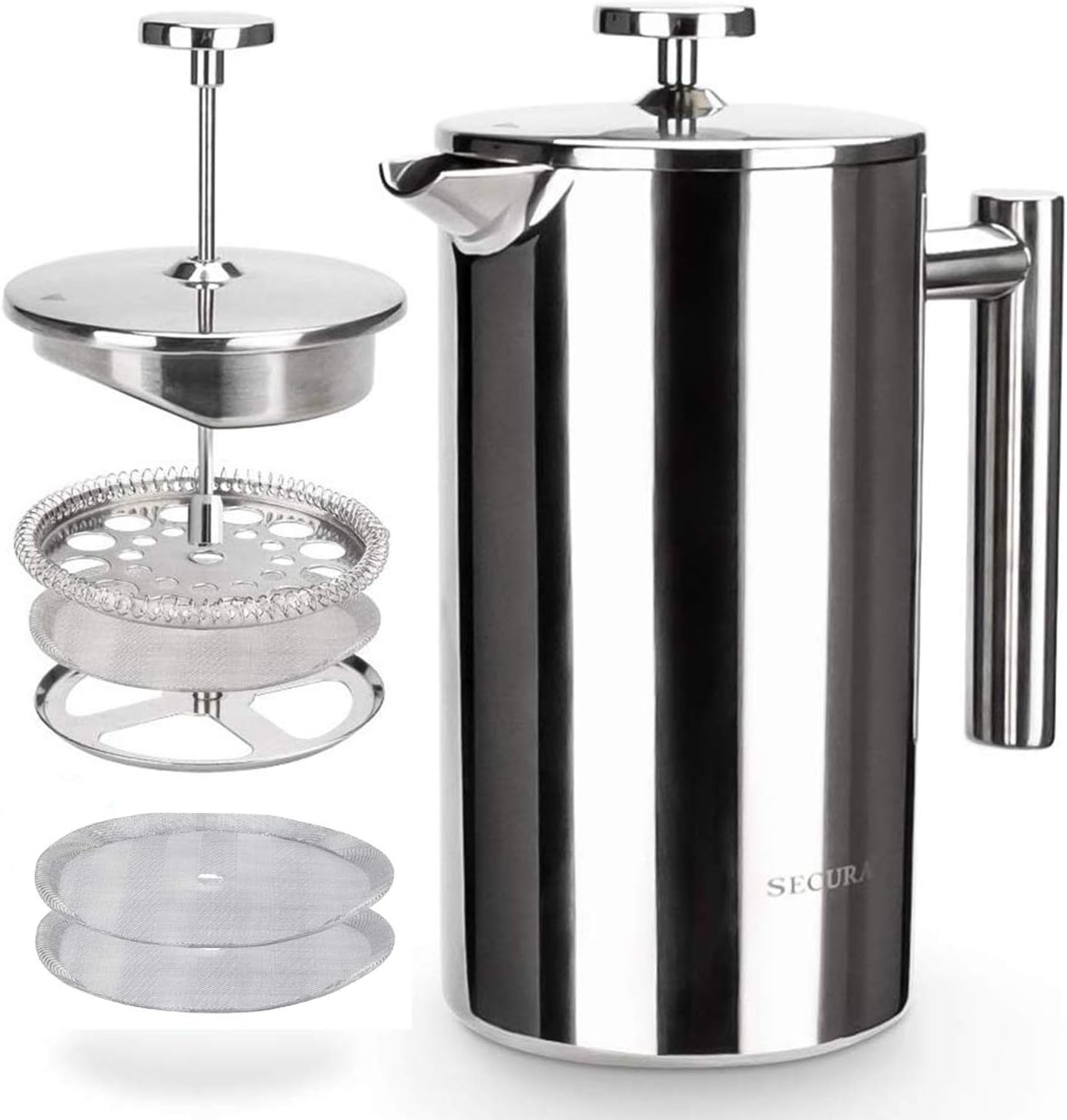
- Stainless steel: Durable and generally resistant to absorbing odors, although seals, handles, valves, lids, or internal tubes may still contain polymers or silicone.
- Glass: Nonporous and easy to inspect, but breakable.
- Ceramic: Common in manual pour-over brewers and generally straightforward to wash, but also breakable.
- Food-contact plastic: Lightweight and impact-resistant. Some newly manufactured parts may have a temporary material odor even when they are intended for food contact.
- Silicone seals and tubing: Useful for heat resistance and leak prevention, although new silicone parts can have a noticeable material odor in some products.
Choose a model with a clear material list, an accessible reservoir, replaceable seals or filters where practical, and cleaning instructions you are comfortable following. If reducing plastic contact is important to you, inspect the entire hot-water path rather than judging the brewer only by the visible carafe or exterior.
BPA and Phthalate Claims
Do not assume that a detectable smell means BPA or phthalates are entering the water. Chemical identification and exposure assessment require appropriate testing; odor alone cannot establish which substance is present.
The FDA’s 2026 phthalate information states that nine phthalates are currently allowed in food-contact applications: eight for use as plasticizers and one for use as a monomer. On May 27, 2026, FDA also released a scientific evaluation of the eight phthalates authorized as plasticizers to inform further cumulative-risk and post-market assessment work.
Phthalates are most commonly associated with plasticizing materials such as PVC or vinyl. The existence of authorized food-contact uses does not mean every plastic appliance contains them, and a generic claim that every heated coffee maker releases phthalates is not supported.
Alternative Brewing Methods With Less Plastic Contact
If you prefer to minimize polymer contact in the hot-water path, consider a brewer made mainly from glass, stainless steel, or ceramic. Check every component because lids, gaskets, plungers, valves, handles, and filter holders may still contain polymer or silicone parts.
- Glass French press: Uses a glass vessel and usually a metal mesh plunger, although the lid, frame, handle, or seal may contain plastic or silicone.
- Glass pour-over brewer: A Chemex-style brewer can keep most hot water and brewed coffee in contact with glass and a paper filter.
- Ceramic pour-over: A ceramic dripper provides a simple manual option with few components in the hot-water path.
- Stainless steel brewer: Stainless pour-over cones, French presses, and percolators can reduce plastic contact and resist breakage.
- AeroPress models: Material depends on the model. According to AeroPress’s current materials guidance, the Original, Original XL, and Go use polypropylene for major brewing components, while the Premium uses borosilicate glass, anodized aluminum, stainless steel, and silicone, and AeroPress Steel is primarily stainless steel with a silicone plunger seal. Choose by the exact model if minimizing polymer contact is your goal.
Changing brewing methods is a personal preference, not a required response to every temporary new-appliance odor. A properly functioning appliance should still complete its manufacturer-approved first-use process without persistent abnormal taste, burning smells, or heat damage.
How to Air Out Your Coffee Maker for Best Results
After washing and rinsing the machine, switch it off, unplug it, and let it cool completely. Remove any washable reservoir and lid, empty standing water, and allow approved removable parts to dry in a well-ventilated room.
Leave the reservoir or lid open for several hours or overnight if the design permits. Keep the appliance away from direct sunlight, outdoor moisture, dust, pets, tobacco smoke, strong household chemicals, and cooking fumes that could introduce another odor.
Do not place coffee beans, fragrance, essential oils, dryer sheets, loose baking soda, or another deodorizing material inside the reservoir or brew basket. These can add oils, particles, residue, or a new smell that must then be removed.
Troubleshooting a Plastic Smell That Will Not Go Away
- Check the water by itself. Smell a glass of unheated tap water and, if practical, compare it with water heated in another clean appliance. If your water already smells of chlorine, sulfur, or another substance, the brewer may not be the source.
- Run plain water through the brewer. If the model permits a water-only cycle, smell the cooled output before adding coffee. This helps separate a brewer problem from coffee beans, grounds, or a reusable filter.
- Remove the water filter temporarily when its instructions allow. A new, expired, damaged, or incorrectly prepared filter can affect taste or smell. Prepare it correctly before reinstalling or replacing it.
- Test individual removable parts. Smell the clean, dry reservoir, carafe, lid, brew basket, pod holder, reusable filter, gasket, and other accessible parts separately.
- Inspect hidden packaging and hot areas. Look for film, labels, foam, shipping plugs, adhesive, or tape around the hot plate, reservoir valve, pod holder, water intake, drip tray, or other accessible areas.
- Compare cold and heated conditions. If the smell appears only after the heater or warming plate turns on, stop and investigate heat-related causes rather than repeatedly flushing the brewer.
- Run only the manual’s approved rinse or cleaning process. Do not improvise stronger chemicals, longer acid soaks, or excessive cleaning cycles.
- Document the problem. Record the model and serial number, purchase date, number of cleansing cycles, cleaners used, and whether the smell comes from the water, a specific part, or the electrical/base area.
- Contact the manufacturer or retailer. Ask whether the odor is expected for that model and whether a replacement reservoir, gasket, filter, lid, other component, or complete return is appropriate.
Return, replace, or arrange manufacturer service when a strong odor remains after the complete approved first-use process, the brewed water continues to taste abnormal, a component appears damaged, or the appliance shows overheating, smoke, leaking, melting, electrical tripping, or a burning-wire smell.
When Is It Safe to Brew Coffee Again?
After a normal first-use cleaning, you can move on to coffee when all of the following are true:
- The required manufacturer setup and cleansing process is complete.
- All soap or approved cleaner has been fully rinsed away.
- The cooled rinse water has no strong plastic, detergent, chemical, or burned taste or smell.
- The odor is gone or clearly fading rather than becoming stronger with heat.
- There is no smoke, melting, warping, leaking, sparking, electrical tripping, or unusual heat.
- The cord, plug, base, reservoir, lid, basket, and other accessible components appear undamaged.
If you cannot meet those conditions, do not waste more coffee trying to cover the taste. Continue only with the approved troubleshooting process or contact the manufacturer or retailer.
Frequently Asked Questions
Is the plastic smell harmful to my health?
Odor alone cannot establish whether a harmful exposure exists or identify a particular chemical. A mild temporary new-material smell may improve after proper first-use cleaning. Stop using the machine if the odor is strong or persistent, resembles burning or wiring, occurs with visible damage, or causes symptoms such as coughing, headache, nausea, dizziness, eye irritation, or breathing discomfort.
How long should the plastic smell last?
There is no universal timeline. A mild first-use odor should become weaker rather than stronger as you complete the model’s approved washing and cleansing process. Contact the manufacturer if the smell remains strong after you have completed every required setup and rinse step.
Can I use my coffee maker before cleaning it?
Complete the manufacturer’s first-use procedure before making coffee. Depending on the brewer, this can include removing packing material, washing approved removable parts, rinsing the reservoir, preparing a water filter, and running a water-only cleansing brew.
Will the smell affect the taste of my coffee?
It can. Test the machine with plain water first. If the cooled rinse water smells or tastes unusual, continue only with the approved cleaning or troubleshooting process and do not brew coffee until the final rinse water is acceptable.
Are all coffee makers prone to a plastic smell?
No. Odor varies by design, materials, packaging, storage conditions, filters, manufacturing processes, and individual sensitivity. Machines with more glass or stainless steel in the hot-water path may have less polymer contact, but many still use silicone seals, gaskets, lids, valves, or other polymer components.
Can I use vinegar in a new coffee maker?
Only when the instructions for your exact model permit vinegar. A new machine normally needs its first-use procedure first. Vinegar amounts, soak times, filter-removal steps, cleaning programs, and rinse requirements vary, and some manufacturers specify a branded descaling solution instead.
Can I run baking soda through the coffee maker?
Do not pump baking soda through the internal water path unless your exact model instructions provide that procedure. A baking-soda paste may be suitable for certain removable washable surfaces when the manufacturer permits it, but internal pumps, valves, tubing, boilers, and heaters should receive only approved cleaners.
Which cleaners should I avoid?
Do not pump rubbing alcohol, vodka, bleach, ammonia, OxiClean, dishwasher detergent, scented soap, essential oils, or an unapproved homemade mixture through the machine. Use mild dish soap only on removable parts that the manual identifies as washable. Never mix vinegar with bleach or another cleaner.
Why did my older coffee maker suddenly start smelling like plastic?
A sudden odor after months or years of normal use deserves more caution than a mild smell during first use. Possible causes include residue heating on the hot plate or brew head, a deteriorating seal, a misplaced part, an electrical connection becoming hot, leaking near electrical components, or another heat-related defect. Stop using the machine if the smell is burning, electrical, or accompanied by unusual heat or visible damage.
When should I return the coffee maker?
Request support, replacement, service, or a return if a strong odor remains after the complete approved first-use process, the water continues to taste abnormal, plastic appears warped or melted, the unit leaks onto electrical parts, or you notice smoke, sparks, unusual heat, electrical tripping, or a burning-wire smell.
Conclusion
A mild new-material smell may disappear after you remove all packaging, wash the approved removable parts, complete the required water-only cleansing procedure, and allow the clean machine to air out. The safest approach is to follow the instructions for your exact model rather than copying a generic vinegar ratio, baking-soda rinse, or chemical cleaning recipe from another brewer.
The pattern of the odor matters. A mild smell that fades during a brand-new machine’s setup is different from a strong plastic or electrical smell that suddenly appears after months of normal use. Do not keep experimenting with cleaners when the odor remains strong, affects the final rinse water, gets worse as the machine heats, or appears alongside smoke, leaking, melting, unusual heat, electrical tripping, or a burning-wire smell. Contact the manufacturer or retailer instead.
Sources
- U.S. Food and Drug Administration: BPA Use in Food-Contact Applications — FDA’s current perspective on BPA in approved food-contact uses and migration from food-contact materials
- U.S. Food and Drug Administration: Phthalates in Food Packaging and Food-Contact Applications — current authorized food-contact uses and the May 2026 scientific evaluation
- U.S. Environmental Protection Agency: Volatile Organic Compounds’ Impact on Indoor Air Quality — VOC definitions, possible health effects, ventilation, and safe product-use principles
- Keurig K-Supreme SMART Use & Care Guide — first-use reservoir rinsing and the initial cleansing-brew procedure
- Cuisinart Coffee Maker Cleaning Guidance — removable-part care, vinegar cleaning guidance, descaling, and rinsing
- Hamilton Beach One Press Coffee Maker Use and Care Manual — first-use washing, electrical safety, vinegar cleaning, and required fresh-water rinse cycles for the cited model